

Choosing Energy-Efficient Roof Options in the UK
Choosing energy-efficient roofing options in the UK can significantly improve your home's comfort and cut down on energy costs. Consider reflective metal roofing, which is durable and helps keep your home cool. Green roofs are another great option, promoting biodiversity and enhancing air quality. If you're looking for energy generation, solar tiles not only produce power but also look attractive on your roof. Recycled shingle roofing is another cost-effective and eco-friendly choice. There's plenty more to discover on effective roofing options, so take the time to explore what's best for your home.
Key Takeaways
- Reflective metal roofing is excellent for minimising heat absorption and reducing cooling costs during warmer months in the UK.
- Green roofs improve insulation, boost biodiversity, and manage rainwater, making them a great choice for urban areas.
- Solar tiles generate renewable energy and look good too, helping you achieve energy independence.
- Recycled shingle roofing is affordable, enhances thermal performance, and cuts down on landfill waste, aligning with eco-friendly practices.
- Ensuring proper insulation and ventilation is key for energy efficiency, helping to keep heating and cooling bills low all year round.
Understanding Energy Efficiency in Roofing

When choosing roofing options, it's crucial to consider energy efficiency, as it affects your home's comfort and energy bills.
Good roof insulation is vital; it reduces heat loss in winter and prevents heat gain in summer, helping maintain a consistent indoor temperature. Materials like foam board and fiberglass can significantly improve insulation performance. Proper insulation also plays a key role in reducing energy consumption by minimizing the workload on HVAC systems. High R-value insulation can lower heat transfer, further enhancing energy savings throughout the year.
Proper ventilation is also key. Ensuring a balance of intake and exhaust vents allows for optimal airflow, which reduces moisture build-up and enhances air quality. Effective roof ventilation helps prevent heat accumulation, contributing to a more comfortable living environment.
This combination of insulation and ventilation not only extends the lifespan of your roof but also contributes to a healthier home environment.
Benefits of Energy-Efficient Roofing Materials
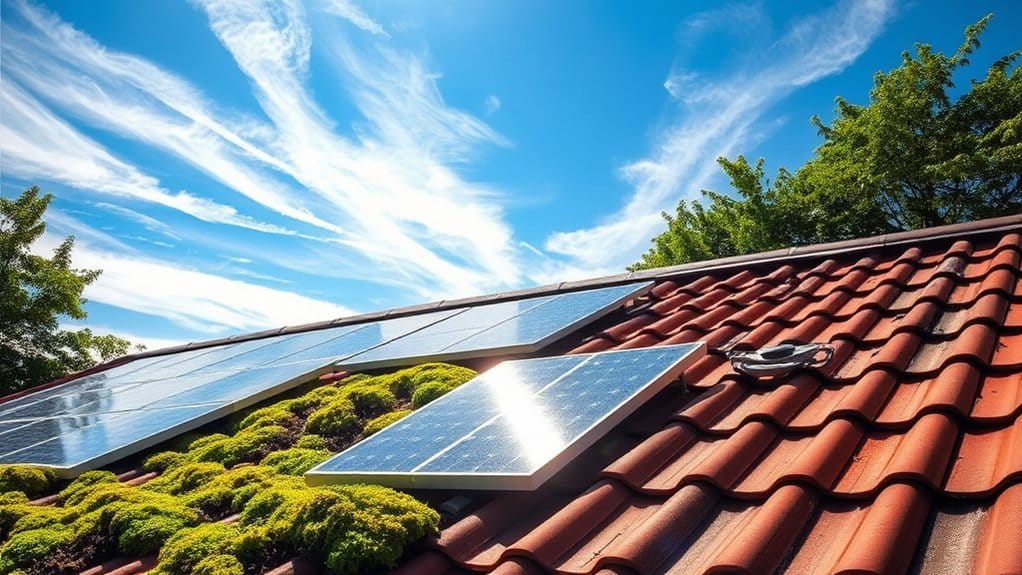
When choosing roofing options, the advantages of energy-efficient materials become evident. These roofs help reduce your heating and cooling bills by improving insulation and reflecting sunlight, which keeps indoor temperatures stable. Additionally, proper ventilation ensures that heat buildup and moisture-related issues are minimized, further enhancing energy efficiency. Furthermore, implementing green roofs can significantly contribute to stormwater management and urban heat mitigation, aligning with sustainable building practices.
They also contribute to sustainability by lowering greenhouse gas emissions, supporting the UK's net-zero targets. Moreover, energy-efficient roofs can enhance your property's value, attracting environmentally conscious buyers and potentially qualifying you for homeowner incentives, making the investment more appealing. With durable materials that require less maintenance, you'll save money in the long run while creating a healthier living environment.
Opting for energy-efficient roofing is a choice that benefits both your family and the planet.
Popular Energy-Efficient Roofing Options
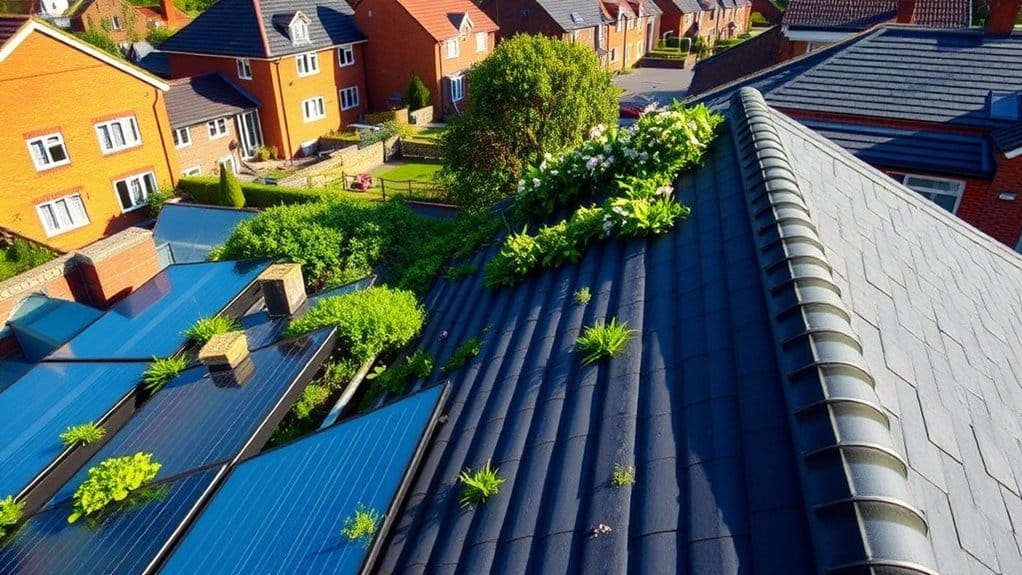
When exploring energy-efficient roofing options, reflective metal roofing stands out for its ability to reduce heat absorption and enhance durability. Additionally, sustainable materials used in reflective metal roofing can significantly lower carbon impact over time. Green roofs are excellent for managing rainwater and supporting biodiversity, making them a sustainable choice. Furthermore, incorporating solar tiles into your roof can generate renewable energy while maintaining a pleasing appearance, making it a wise investment for the future. Additionally, the integration of green roofs can improve energy efficiency through insulation, further lowering heating and cooling costs.
Reflective Metal Roofing Benefits
Reflective metal roofing is an excellent option for homeowners in the UK looking for energy-efficient solutions. Its durability and ability to significantly reduce cooling costs make it a top choice. By using reflective coatings, these roofs can deflect solar heat, which decreases heat absorption and lessens the need for air conditioning. This can lead to substantial savings on energy bills over time.
Additionally, metal roofs have a long lifespan, often exceeding 50 years with little maintenance required. When installed correctly, they provide excellent insulation and ventilation. Metal roofing also offers superior longevity, making it a reliable investment for homeowners.
Their recyclability at the end of their life cycle also supports environmental sustainability, making reflective metal roofing a wise investment for those who want to benefit both their homes and the planet. Choose wisely for a sustainable future!
Advantages of Green Roofs
Green roofs provide a range of ecological and practical benefits, making them a popular choice for energy-efficient roofing in the UK. They enhance biodiversity by offering habitats for urban wildlife like birds and insects amidst the concrete landscape. Additionally, they contribute to improved air quality and help combat urban heat islands, creating a more pleasant environment. Furthermore, green roofs can significantly reduce energy consumption during summer months, leading to lower utility bills.
| Advantage | Environmental Benefit | Practical Benefit |
|---|---|---|
| Biodiversity Promotion | Safe habitats for wildlife | Enhanced green spaces |
| Thermal Protection | Reduced energy consumption | Longer roof lifespan |
| Air Quality Improvement | Absorbs pollutants | Improved indoor air quality |
| Noise Reduction | Sound insulation | Quieter living spaces |
| Aesthetic Benefits | Natural beauty | Increased property value |
Solar Tile Integration
Building on the ecological benefits of green roofs, solar tiles represent an innovative and energy-efficient roofing option.
These photovoltaic materials not only generate electricity but also blend seamlessly with your home's design, enhancing its overall appeal. While they provide a modern aesthetic and can increase property value, installation can be tricky, particularly when fitting them onto existing roofs.
However, for new builds or renovations, solar tiles are an excellent choice, offering energy independence by harnessing sunlight. Companies like Tesla and GB-Sol are advancing this technology, making solar tiles a practical option for environmentally conscious homeowners.
Although the initial costs may be higher, the long-term savings and aesthetic advantages make them a sound investment for sustainable living.
Reflective Metal Roofing: An Overview
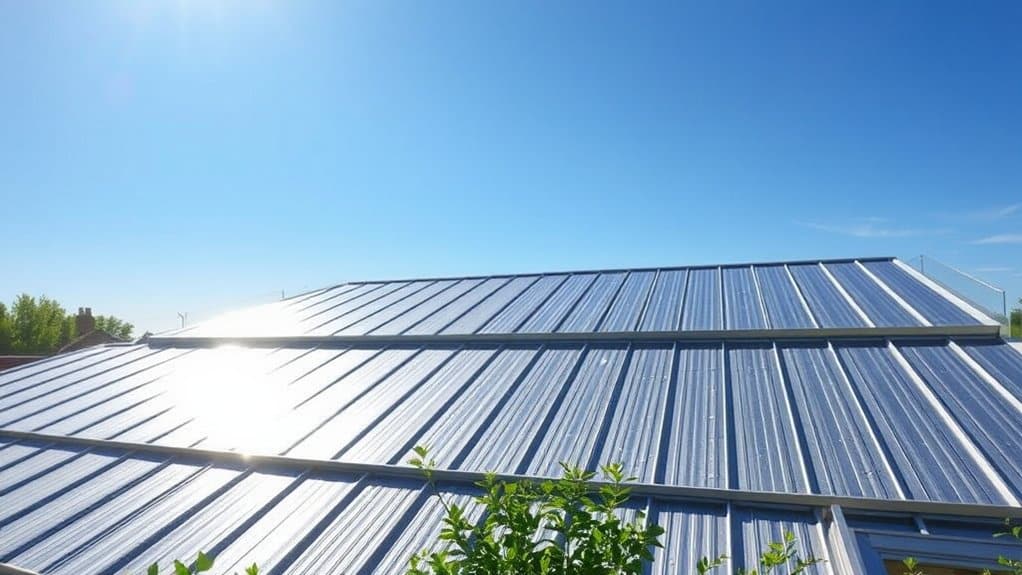
When looking for energy-efficient roofing options, metal roofing is a top choice due to its excellent ability to reflect solar energy and improve indoor comfort.
With special reflective coatings, these roofs can reflect up to 70% of solar energy, leading to significant energy savings and lower cooling costs.
Made from durable materials like aluminium and steel, which can often be recycled, metal roofs also promote sustainability and reduce your carbon footprint.
Their impressive lifespan—up to 100 years—means fewer replacements and less waste.
Opting for reflective metal roofing is a wise investment for both your finances and the environment, ensuring a comfortable living space throughout the year.
The Advantages of Cool Roofs
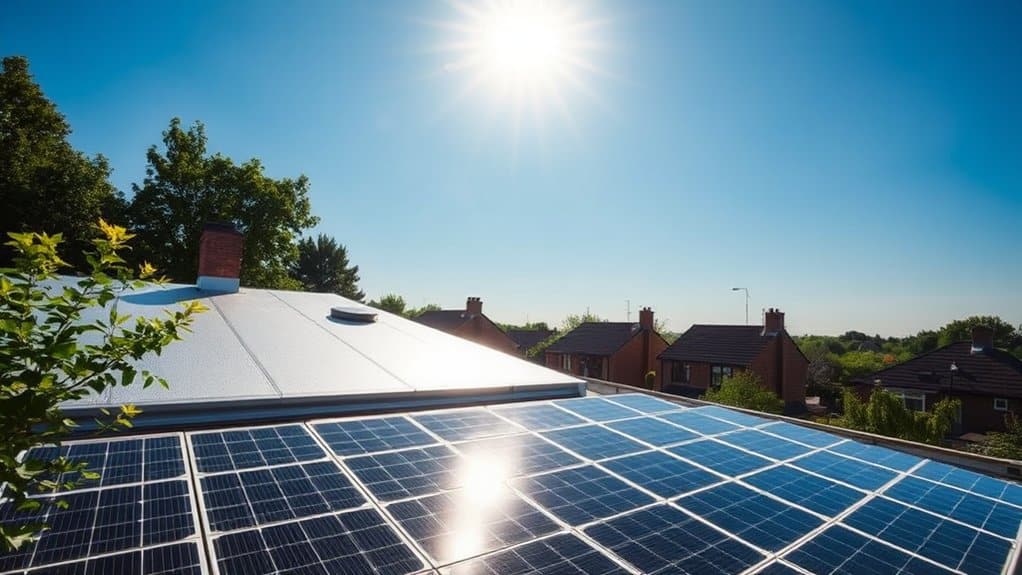
When considering cool roofs, it's important to note the substantial energy savings they can provide, particularly in warmer climates, where cooling costs can be reduced by 7-15%.
These roofs not only help lower your energy bills but also contribute to lessening the urban heat island effect, which enhances comfort and sustainability in your community.
Opting for a cool roof means you're not just improving your property; you're also making a positive impact on the environment.
Energy Savings Potential
Cool roofs provide significant energy savings by reducing cooling demand, making them an attractive option for both homeowners and businesses.
By employing advanced cool roof technologies, these roofs reflect sunlight and efficiently release heat, potentially lowering indoor temperatures by up to 3.3°C (5.9°F).
Research indicates that in warmer climates, these roofs can cut peak cooling demand by 10–30%. This not only lowers energy bills but also supports environmental conservation efforts.
Furthermore, adopting cool roofs helps to reduce greenhouse gas emissions, benefiting public health.
Choosing cool roofs is an investment that not only serves your interests but also offers long-term economic and environmental benefits.
Urban Heat Mitigation
The use of cool roofs is more than just about saving energy; they're crucial for tackling urban heat. By reflecting sunlight and absorbing less heat, cool roofs can significantly reduce outdoor temperatures, especially in cities like London that experience urban heat islands.
Unlike green roofs or air conditioning, cool roofs lower urban heat without raising ambient temperatures. They can be easily incorporated into city planning, making them a viable option even where space is limited.
This not only improves comfort and safety but also enhances air quality and public health by decreasing ground-level ozone.
Exploring Green Roofs for Urban Environments
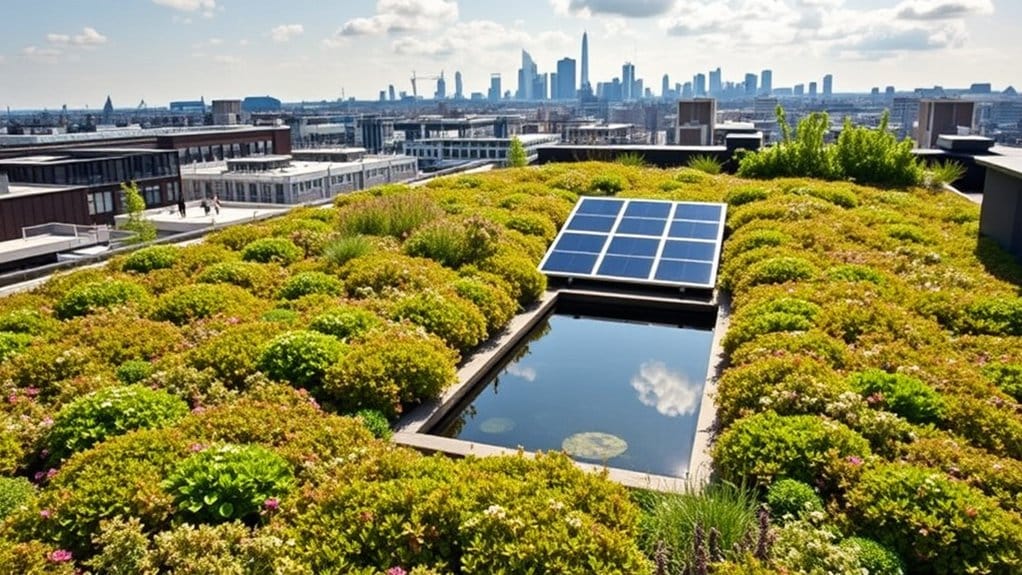
As urban areas grow, green roofs offer a practical solution to various environmental challenges. By adopting green roofs, we can boost urban biodiversity and tackle key issues like climate change.
Here are three main benefits:
- Rainwater Management: Green roofs can reduce run-off by up to 90%, improving drainage and helping to prevent flooding.
- Air Quality Improvement: Plants absorb pollutants and carbon dioxide, producing oxygen and enhancing air quality.
- Energy Efficiency: These roofs provide insulation, helping to regulate building temperatures and lower heating costs.
While green roofs do require ongoing maintenance, the long-term advantages far outweigh the initial costs.
The Role of Solar Tiles in Energy Generation
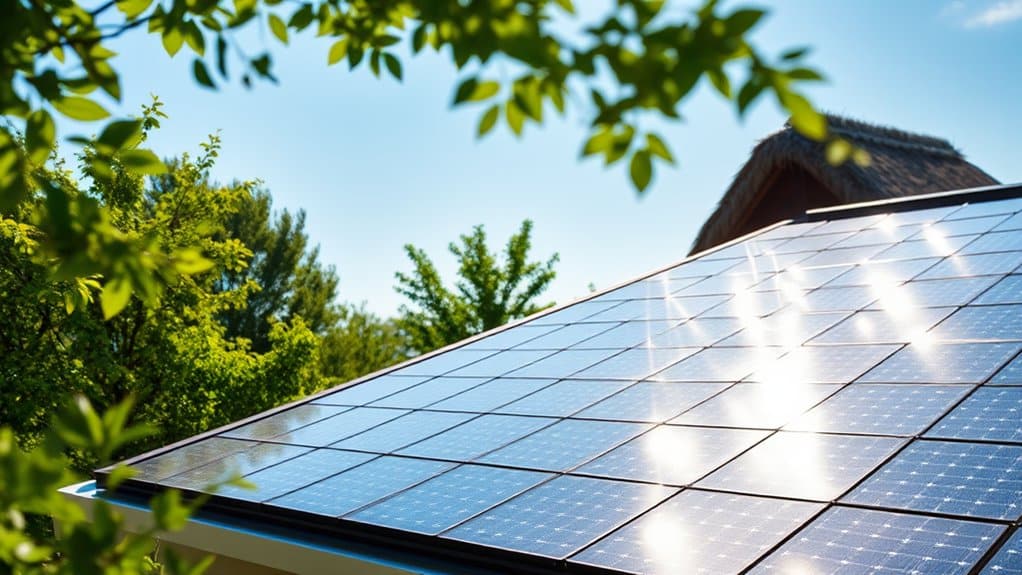
Many homeowners are looking for ways to boost energy efficiency, and solar tiles offer an innovative solution that combines style with practicality.
These tiles not only protect your roof but also generate electricity using photovoltaic technology, providing several benefits. Their efficiency usually falls between 10% and 20%, but improvements in design allow them to work effectively even in shaded areas, maximising solar energy output.
By covering more of your roof, solar tiles can generate a significant amount of electricity, helping to offset long-term costs despite the higher initial price. Their sleek design makes them a great choice for conservation areas, blending seamlessly with your home.
Ultimately, opting for solar tiles is a positive step towards sustainability and energy independence.
Advantages of Recycled Shingle Roofing

Opting for recycled shingle roofing isn't only a wise financial choice but also a step towards a healthier environment.
This roofing type significantly reduces waste in landfills and preserves natural resources, making it an eco-friendly option.
Moreover, with lower installation costs and possible government grants, you can achieve a budget-friendly roofing solution that maintains high standards of quality and appearance.
Environmental Impact Reduction
Opting for recycled shingle roofing isn't only beneficial for your home but also plays a significant role in reducing environmental impact.
By choosing this sustainable option, you contribute to waste reduction and support a circular economy.
Here are three key benefits:
- Reduced Waste: Recycled shingles keep materials out of landfills, reducing environmental damage.
- Lower Energy Use: These shingles improve thermal performance, enhancing energy efficiency and lowering heating bills.
- Sustainability: By reusing materials that would otherwise be thrown away, you promote eco-friendly practices.
Switching to recycled shingle roofing is a sensible choice that helps protect the environment while keeping your home energy-efficient and resilient.
Your choice can motivate others to embrace this eco-conscious approach!
Cost-Effective Roofing Solution
Recycled shingle roofing is an eco-friendly and budget-friendly option for homeowners in the UK. By using recycled materials, you can enjoy quicker installations, which can help reduce labour costs.
If you're handy, you might even consider it a DIY project, saving you even more money. These shingles come in a variety of colours and styles, allowing you to enhance your home's appearance without overspending.
They're also durable, requiring minimal maintenance over time, making them a smart long-term investment. Additionally, they can accommodate complex roof designs, offering flexibility for your home's architecture.
Choosing recycled shingles is a practical and stylish decision that benefits both your wallet and the environment.
Insulation Techniques for Enhanced Efficiency

How can you ensure your roof is as energy-efficient as possible? Here are some effective insulation techniques:
- Select the Right Material: Consider options like fibreglass, PIR boards, and spray foam. Each has its own thermal performance and cost, so weigh them carefully.
- Ensure Proper Installation: Use the warm roof method for attics or the cold roof method for pitched roofs. Correct installation is crucial for optimal performance.
- DIY or Professional Help?: Decide if you can manage installations like EPS yourself or if it's better to hire a professional for more complicated jobs.
The Environmental Impact of Energy-Efficient Roofs
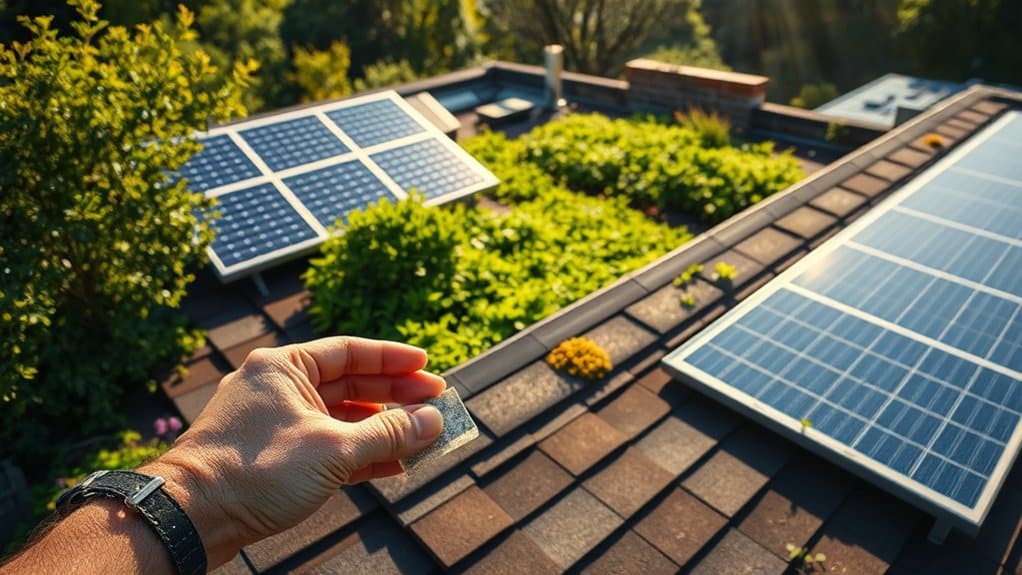
When considering energy-efficient roofs, it's important to understand their significant environmental benefits. By using sustainable practices and eco-friendly materials, these roofs help lower your carbon footprint and reduce energy usage. They decrease greenhouse gas emissions while keeping your home at a comfortable temperature, which is better for the planet.
Green roofs also play a vital role in cooling urban areas, supporting biodiversity by providing habitats, and managing rainwater runoff effectively. This not only enhances urban wildlife but also improves air quality.
With materials that are durable and require less maintenance, energy-efficient roofs contribute to a more sustainable future, allowing you to positively impact your community and the environment. Choose wisely; your roof can be a powerful force for change.
Financial Considerations and Incentives for Homeowners
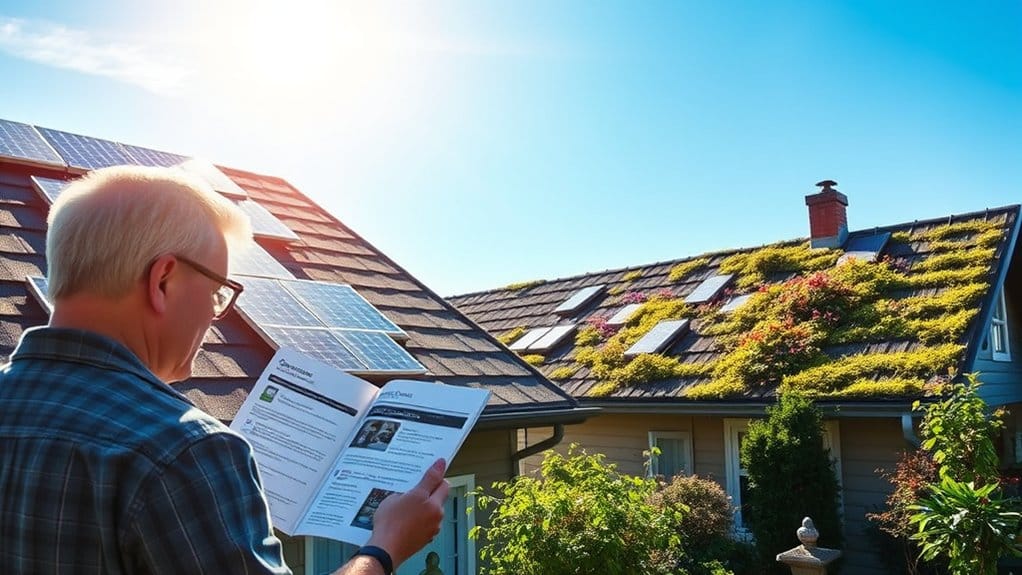
When considering an upgrade to an energy-efficient roof, it's important to understand the financial aspects. Here are three key points to keep in mind:
- Initial Costs: A new roof generally costs between £5,000 and £10,000. Choose durable materials that can boost your home's value in the long run.
- Government Incentives: Look into grants like the Green Homes Grant or local council schemes that can help offset your initial costs.
- Long-Term Savings: Installing solar roofing can reduce your energy bills and even provide income through the Smart Export Guarantee scheme.
Frequently Asked Questions
How Do I Know if My Roof Needs Replacing?
To find out if your roof needs replacing, carry out a roof inspection checklist. Look for signs of damage such as ongoing leaks, cracked or missing tiles, or sagging sections. Addressing these problems quickly can help you avoid expensive repairs down the line.
Can I Install Energy-Efficient Roofing Myself?
Yes, you can attempt a DIY installation of energy-efficient roofing, but be cautious—any mistakes could negate your savings. Start by evaluating your skills and tools. For instance, if you're comfortable using a ladder and have experience with basic roofing tasks, you might be fine. However, careful planning is essential to prevent costly errors down the line.
What Climate Factors Affect Roofing Material Choice?
When choosing roofing materials, it's essential to consider the UK's climate, including factors like rainfall, wind speed, and temperature variations. For instance, in areas with heavy rainfall, materials like slate or tiles are preferable due to their durability and water resistance. In coastal regions, you might want to opt for materials that can withstand strong winds and salt exposure. By selecting the right materials based on these conditions, you ensure your roof remains effective and long-lasting, ultimately protecting your home and the environment.
Are Energy-Efficient Roofs Suitable for Historic Buildings?
Yes, energy-efficient roofs can be suitable for historic buildings if you prioritise preservation and adhere to insulation standards. By thoughtfully integrating modern materials, you can improve sustainability while maintaining the building's character, striking a balance between efficiency and heritage. For instance, using slate tiles with improved insulation can enhance energy performance without compromising the historic aesthetic.
How Long Do Energy-Efficient Roofs Typically Last?
Energy-efficient roofs represent sustainable building practices and can last anywhere from 15 to over 100 years, depending on the materials used. By choosing high-quality materials and ensuring regular maintenance, you can protect your roof from harsh weather conditions, benefiting both your home and the environment. For instance, a well-maintained slate roof can last for a century, while a standard asphalt roof may need replacing after just 20 years.
Conclusion
In today's world, energy efficiency is crucial, and selecting the right roofing option can make your home more eco-friendly. By opting for energy-efficient materials, you can reduce your energy bills while also supporting a sustainable future. It's like creating your own sanctuary of comfort and savings. Don't wait for the weather to change; make the choice to enhance your home's efficiency today.


