

Signs Your Residential Roof Needs Immediate Attention
If you see curling or missing roof tiles, it's time to act. Look for water stains on your ceilings; these can indicate leaks that require urgent attention. If you notice dripping water during rainfall, that's a serious sign of roof failure. Be aware of sagging roofs or uneven lines, as these suggest structural issues that could lead to more damage. A sudden spike in your energy bills might mean your roof is not performing well. Lastly, check your gutters for blockages or loose fittings, which can exacerbate moisture problems. There's much more to learn about effective roof maintenance, so keep exploring.
Key Takeaways
- Check for water stains on ceilings; these can indicate leaks or waterproofing failures that require immediate attention.
- Look for visible roof damage, such as cracked or missing tiles, as this poses a risk of further issues like water ingress.
- Sagging roof lines or uneven structures suggest serious concerns about structural integrity that need urgent assessment.
- Frequent dripping during rainfall is a sign of significant leaks that could lead to extensive damage if not resolved quickly.
- Rising energy bills may point to heat loss due to roof problems, making prompt inspection and repairs essential.
Visible Roof Damage
When inspecting your roof, look out for visible damage that may need urgent attention.
Begin with a close examination of the shingles; check for broken, cracked, or curling ones, as these are easily spotted from the ground. Missing shingles can lead to further issues with wildlife and weather, allowing moisture to penetrate the underlying materials. Be mindful of shingles that have lost granules, as they become vulnerable to water damage over time. Regular inspections can help identify hidden damage that may not be visible at first glance, and addressing these issues early can prevent more extensive repairs and costly water damage later on.
After storms, particularly those with strong winds or hail, check for any small imperfections or dents in the shingles. These can signal potential weaknesses that might result in more serious problems if not addressed.
Also, inspect your gutters for the presence of asphalt granules, which indicate weakened shingles, and ensure they're free from blockages. Clogged gutters can worsen water damage, leading to structural concerns that can be expensive to repair.
Interior Signs of Problems
If you see water stains on your ceilings or walls, it's a clear sign that your roof may be damaged. Dripping water during rain often indicates serious leaks, while mould and mildew can show that moisture has been an issue for some time, potentially affecting your indoor air quality. Additionally, increased energy bills could be a sign of heat or cool air loss due to roof issues. Regular inspections can help identify issues early and prevent further damage, ensuring a safe living space. It's important to address these problems quickly to prevent further damage and ensure a safe living space.
Water Stains on Ceilings
Water stains on your ceilings can indicate serious underlying issues, often stemming from water damage. These stains may arise from a leaky roof, defective waterproofing, or even leaking pipes. If you spot discolouration, it's crucial to investigate the source. Regular maintenance can help prevent common roof issues, such as leaks and missing shingles.
Cracks in your roof, deteriorating flashing, or missing tiles can allow water to penetrate, leading to costly repairs if ignored. Additionally, signs of a leaking roof, such as crumbled shingles, should not be overlooked as they can contribute to further damage.
Peeling paint or bubbling on the ceiling suggests moisture intrusion, possibly due to HVAC problems or leaks from bathrooms. If you notice dripping during rainfall, it's time for immediate action.
Start by addressing the source of the leak. Once that's fixed, you can remove and replace any damaged ceiling materials. Cleaning the stains with a bleach-water solution can help improve their appearance.
After everything is dry, consider applying a stain-blocking primer before repainting to ensure a consistent finish.
Regular inspections and professional maintenance can help you catch issues early, preventing further damage and maintaining your home's structure. Stay alert, and don't hesitate to seek professional help if you're unsure about the problem.
Mold and Mildew Presence
The presence of mould and mildew in your home can signal underlying roof issues, particularly leaks and poor ventilation. If you spot visible mould or notice a musty smell in your attic or living spaces, it's essential to act swiftly.
These problems often stem from moisture build-up caused by damaged tiles, inadequate drainage, or high humidity—conditions that promote mould growth. Neglecting these signs can lead to serious health risks, including respiratory issues and allergies. Additionally, moisture deposits on roofs can exacerbate mould growth, making it critical to address any signs of water intrusion immediately. Regular inspections can help identify roofing system components that are at risk of failure, ensuring that any issues are caught early.
Mould can spread quickly, affecting walls, floors, and carpets, which may require extensive treatment. To prevent mould, regular roof inspections every six months are crucial. This helps identify leaks or ventilation problems before they escalate.
If you find mould, it's vital to tackle the moisture issue first. Clean and treat affected wooden structures, and ensure the area is well-ventilated to dry out completely.
In many cases, you might need professional mould testing and remediation services for thorough removal and to prevent reoccurrence. Taking these steps not only protects your home but also ensures a healthier living environment for you and your family.
Dripping Water Issues
Visible dripping water inside your home is a clear sign that there's an issue with your roof. You may hear these drips especially during or after heavy rain, typically in areas directly below the roof. This isn't just a minor hassle; you must act quickly to prevent further damage and keep repair costs down.
If you notice water stains on your ceilings or walls, those brown or yellowish marks indicate water penetration. Fresh, light stains suggest recent leaks, while darker stains point to long-standing problems. The presence of mold or mildew in affected areas can also indicate that the leak has been persistent and requires immediate attention. Regular inspections can help identify common leak areas that need attention before they worsen.
Regular leak detection is essential for finding the source of the water before it leads to severe damage, such as wood rot or structural issues.
Listen for unexplained dripping sounds, particularly during quiet nights. Keeping a record of these signs can help you assess the situation before calling in a professional.
Regular attic inspections can also help spot early signs of leaks, like wet insulation, which can increase your energy bills and encourage mould growth. It's important to remember that regular inspections are recommended for aging roofs to catch issues before they escalate.
Don't delay—taking prompt action when you notice leaks can save you from bigger problems later on.
Structural Issues to Note
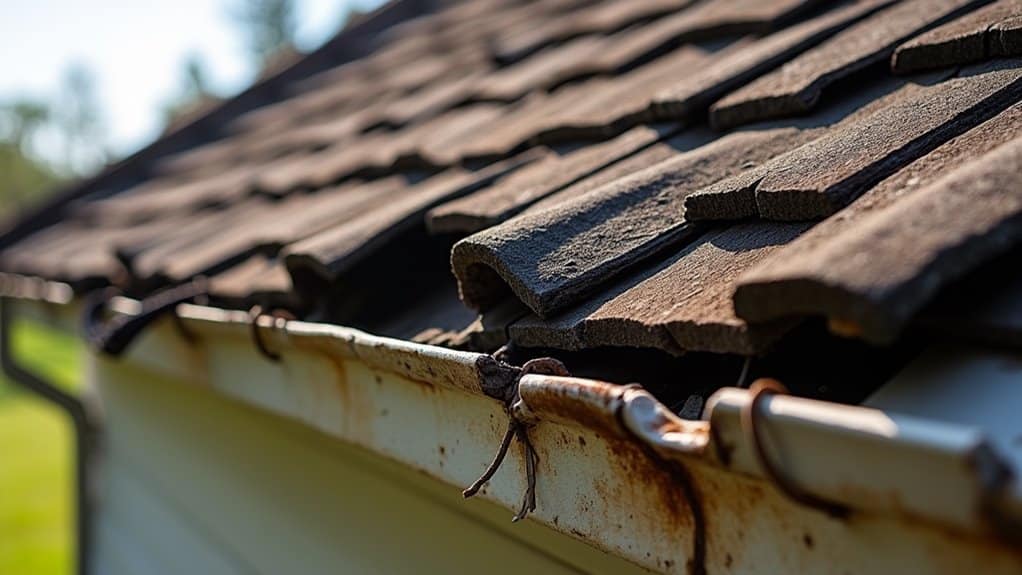
If you notice a sagging roof deck, it's a clear sign of possible structural weaknesses.
Issues like damaged support beams and loose gutters can worsen the situation, leading to more serious problems later on.
Regularly checking these areas helps you identify potential issues before they turn into expensive repairs.
Sagging Roof Deck
A sagging roof deck can indicate serious structural problems that need urgent attention. This issue may arise from water damage, excessive weight, or substandard materials, each posing risks to your home's integrity and safety.
Here's a quick reference table to understand the causes of sagging:
| Cause | Impact on Roof Deck |
|---|---|
| Water Damage | Weakens materials, may cause rot |
| Weight and Load Issues | Accumulation of snow, organic debris |
| Structural Issues | Compromised support beams and trusses |
| Material Quality | Inferior materials lead to increased sag |
| Maintenance Neglect | Clogged gutters, poor moisture control |
Regular roof inspections are vital for catching these issues early. Neglecting moisture management can worsen sagging and promote mould growth, affecting indoor air quality. Taking a proactive stance with routine checks and maintenance can help avoid further damage and keep your roof structurally sound. Don't let small issues escalate; addressing a sagging roof deck now can save you from expensive repairs later.
Damaged Support Structures
Damaged support structures can significantly compromise the integrity of your roof and home. Look out for sagging or uneven roof lines; these are clear indicators of structural issues. Weakened roof support can arise from water damage, poor construction, or excessive weight from snow or debris. If you notice these irregularities, it's crucial to act swiftly.
Check the interior for cracks or bulging in walls and ceilings. Large cracks, especially in a step pattern above doorways, may signal foundational problems that jeopardise your home's stability. Additionally, if you see soil pulling away from your house, this could point to potential foundation issues.
Don't ignore the functionality of doors and windows. Uneven gaps or difficulty in opening and closing can indicate structural shifts related to compromised roof support.
Flooring problems, such as sagging or cracking, also reflect underlying structural concerns.
Loose Gutters Issues
Loose gutters can lead to serious structural problems if not addressed promptly, potentially causing significant damage to your home. Common causes include inadequate or damaged hangers that result in sagging, and clogged gutters filled with debris that add unwanted weight.
Keep an eye on the fascia; if it's small or rotting, it can compromise the stability of your gutters. Poor installation methods, like incorrect pitch or spacing of hangers, along with natural wear and tear, can also contribute to these issues.
Regularly check your gutters for signs of sagging, detachment, or water damage around your home's foundation. If you notice overflowing gutters, this could indicate clogs or misalignment.
To resolve these issues, tighten or replace hangers for better support. Regular maintenance, such as clearing debris, is vital to prevent clogs and sagging. If needed, repair or replace the fascia to ensure your gutters are firmly secured.
When reinstalling gutters, make sure to use proper installation techniques, ensuring the correct pitch and spacing. By taking these steps, you can safeguard your home against the expensive repercussions of loose gutters.
Material Deterioration Indicators
When assessing your roof, watch for signs of material deterioration that could jeopardise its integrity.
Begin with a detailed inspection of the shingles. Look out for curling shingles, which indicate age and reduced efficiency. Bald patches from missing granules expose the underlying material, heightening the risk of water damage. Loose or missing shingles create gaps that can lead to serious problems. Buckling shingles may point to issues with the roof deck or wind damage, while discoloured shingles often suggest moisture intrusion, which can lead to rot.
Next, examine the structural components. A sagging roof deck indicates weakness, potentially due to moisture or excessive weight. Visible nail heads might suggest installation errors or structural concerns. If you can see daylight through the roof boards, it's crucial to address the breach immediately. Damaged roof valleys usually mean a replacement is necessary.
Knowing your roof's material lifespan is vital. Asphalt shingles commonly last 20–30 years, while metal roofing can last 40–70 years.
Regular inspections will help you spot these indicators and plan for repairs or replacements, ultimately extending the life of your home.
Importance of Maintenance
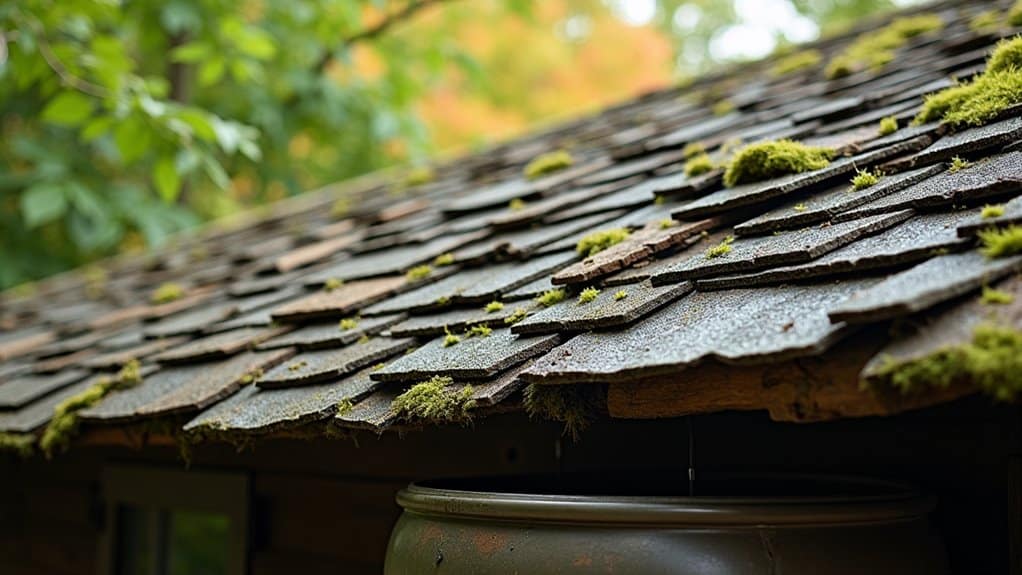
Regular roof inspections are crucial for spotting signs of wear and tear, emphasising the need for ongoing maintenance to maintain your roof's integrity. By prioritising regular upkeep, you can catch potential issues early, preventing more significant problems down the line.
For instance, identifying leaks or damaged tiles early can save you from costly repairs and avoid structural damage. Keeping gutters clear and removing debris ensures water flows freely, reducing the risk of water damage.
The benefits of maintenance go beyond just repairs; it can extend the lifespan of your roof. Professionals can spot gaps in the roofing system that may lead to energy loss, helping to regulate temperatures indoors and lower your energy bills. Additionally, regular maintenance helps prevent mould growth that could compromise your roof's structure.
From a financial perspective, investing in maintenance is wise, saving you money over time and ensuring safety by minimising the risk of unexpected failures. A well-maintained roof not only enhances your property's value but also boosts curb appeal, giving you peace of mind.
Ultimately, regular roof inspections and maintenance defend your home against weather-related damage, ensuring long-term performance and security.
Immediate Action Steps
Immediate action is crucial when you spot signs that your roof needs attention. Begin with a thorough visual inspection. Look for sagging sections, as these can indicate serious structural issues. Check for visible damage, such as cracked, curling, or missing tiles, and ensure the flashing around chimneys and vents is intact.
If you notice water stains indoors, act swiftly to address leaks to prevent further damage.
Next, inspect your gutters. Blocked or damaged gutters can lead to roof and foundation problems, so clear any obstructions. Be mindful of sudden spikes in your energy bills, as these may signal ventilation issues that need fixing.
If you discover any of these problems, contact professionals for emergency repairs without delay. Schedule a professional inspection to uncover hidden issues that may not be immediately visible. They can offer expert advice and ensure your roof is safe.
Frequently Asked Questions
How Often Should I Schedule Roof Inspections?
You should schedule roof inspections depending on the age of your roof and local weather conditions. It's advisable to check your roof every spring and autumn, as these seasons often bring changes that can affect its condition. For older roofs, more frequent inspections are essential to identify potential problems early on, preventing costly repairs later. For instance, if your roof is approaching 15 years in age, consider inspecting it at least twice a year to ensure it remains in good shape.
Can I Repair My Roof Myself?
If you're thinking about repairing your roof yourself after a storm, start by assessing safety. Use the right equipment and steer clear of complicated tasks. For instance, if you're just replacing a few tiles, that might be manageable, but if it involves structural issues, it's best to call in a professional. Knowing your limits can help you avoid costly mistakes down the line.
What Are the Costs Associated With Roof Repairs?
When considering roof repairs, various costs come into play. Labour typically accounts for around 60% of your total expenses, while the cost of repair materials can fluctuate significantly, affecting your overall budget. For example, a simple patch might be inexpensive, but replacing tiles or felt can quickly add up. Being aware of these factors enables you to plan effectively for necessary repairs.
How Long Does a Roof Replacement Typically Take?
A typical roof replacement in the UK takes between 1 to 8 days. The duration varies based on factors such as the size of the roof, its complexity, and the materials used. For instance, replacing a straightforward, small roof may take just a couple of days, while a larger, more intricate one could take over a week. Knowing the expected timeline can help you plan better and ensure you receive quality service for your home.
What Insurance Coverage Do I Need for Roof Damage?
You need comprehensive roof insurance that covers different types of damage, particularly from severe weather like storms or hail. Consider additional endorsements for enhanced protection, and ensure your policy reflects your roof's age and condition to prevent unexpected costs during claims. For example, if your roof is older, you might want a policy that specifically includes wear and tear.
Conclusion
If you spot any signs of roof damage, don't ignore them—your home's structural integrity relies on it. Many people think that minor leaks or stains are trivial, but they can worsen quickly, resulting in expensive repairs. By keeping an eye on your roof and addressing issues promptly, you're not just maintaining it; you're safeguarding your entire home. Regular maintenance is crucial, so arrange an inspection to keep your roof in good condition and avoid unwelcome surprises later on.


