

Signs It’s Time to Replace Your Roof
If you spot visible water stains, missing or curling tiles, or sagging rooflines, it's probably time to replace your roof. Other warning signs include granules in the gutters and dark patches that suggest moisture damage. Regular inspections can help catch these issues early. Don't overlook structural weaknesses, as they can pose serious risks. Acting promptly is crucial for safety and maintaining your home's value. There's plenty more to learn about roofing maintenance and care.
Key Takeaways
- Missing, curling, or cracked tiles suggest that the roof may need replacing to avoid leaks and further damage.
- Water stains on ceilings and walls indicate leaks that could mean a complete roof replacement if the damage is extensive.
- Sagging rooflines point to structural weakness, often requiring a full roof replacement for safety.
- Excess granules in gutters suggest significant wear, indicating the tiles are nearing the end of their lifespan.
- If your roof is over 15-30 years old, or 50 years for architectural tiles, it's usually time for a replacement.
Understanding Roof Age and Lifespan

The age and lifespan of your roof are vital in deciding when it needs replacing. For example, asphalt shingles generally last between 15 to 30 years, while architectural shingles can last up to 50 years with proper maintenance. Factors like climate, material quality, and installation significantly affect a roof's longevity, especially considering that local climate conditions can greatly impact durability. To extend its life, carry out regular maintenance such as inspections, gutter cleaning, and ensuring adequate ventilation. Regular maintenance, including professional assessments, can help identify hidden problems early and mitigate weather-related damage. Poor installation can lead to early failure, so always hire experienced professionals. Understanding these aspects helps you make informed choices about your roof's condition and when to replace it, ensuring safety and cost-effectiveness for your home. Regular maintenance not only prolongs the roof's lifespan but also safeguards your investment.
Identifying Water Damage Indicators
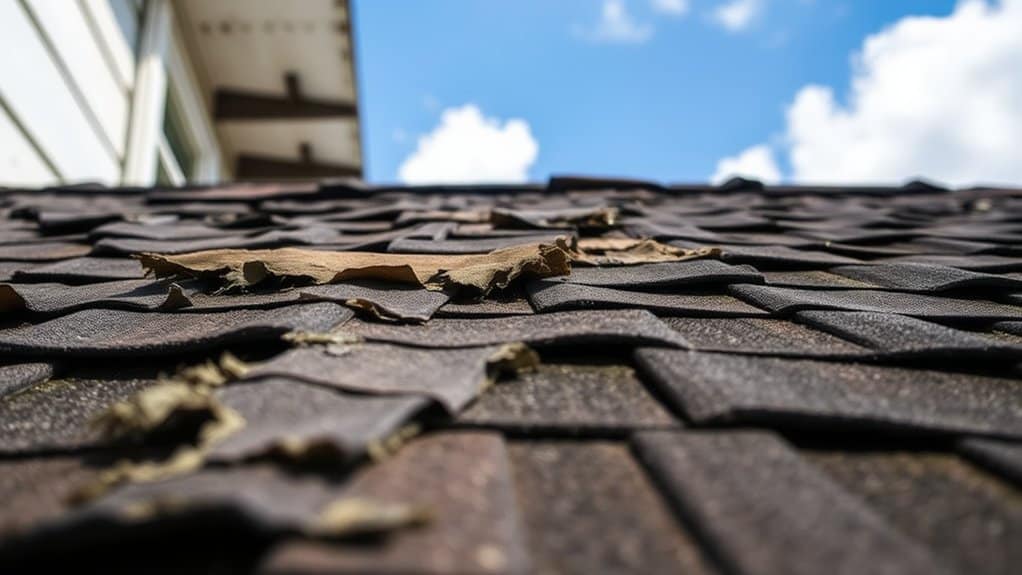
While keeping an eye on your home, it's essential to spot signs of water damage, as they could reveal serious problems with your roof.
Watch out for these indicators:
- Visible water stains on ceilings and walls often point to roof leaks.
- Mould growth in patches of black, green, or white fluff indicates moisture build-up.
- Peeling paint and discolouration suggest trapped moisture that could weaken your roof. Additionally, aging roofs pose a risk during extreme weather events, making timely inspections crucial. Regular inspections can help identify early signs of damage before they escalate.
- Sagging ceilings are a safety hazard and may indicate significant water accumulation above.
Spotting these signs early can help prevent more extensive damage.
If you notice any of these issues, assess your roof's condition and consider a replacement to ensure your home stays safe and sound.
Recognizing Shingle Damage Signs

Recognising signs of shingle damage is crucial for maintaining your roof's integrity. Keep an eye out for these indicators of deterioration:
| Damage Type | Visual Signs | Repair Options |
|---|---|---|
| Missing Shingles | Gaps in the roofing | Replace with new shingles |
| Curling Shingles | Edges lifting | Reseal or replace |
| Granule Loss | Excess granules in gutters | Replace damaged shingles |
Common causes of shingle deterioration include ageing, adverse weather conditions, and poor installation. If you spot cracked, blistered, or blown-off shingles, deal with them quickly, as regular inspections can help prevent more significant issues later, ensuring safety and efficiency. Repair options range from resealing to complete replacement, depending on the extent of the damage. Lack of maintenance can escalate minor issues into significant problems, making it essential to stay vigilant.
Assessing Roof Integrity
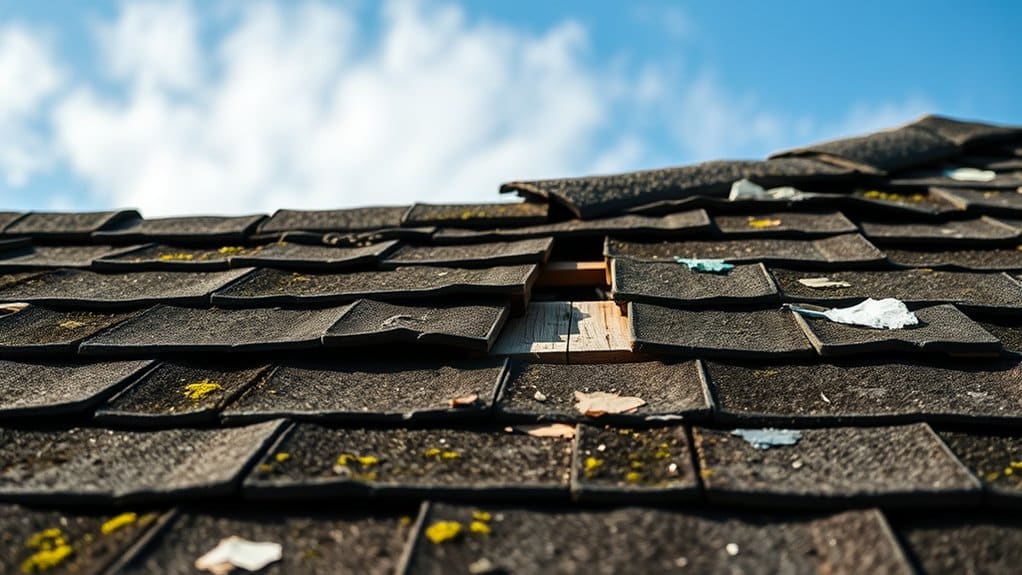
Assessing roof integrity is crucial to ensure the structure is sound and functional. Regular roof inspections help identify potential issues early.
Here are four essential techniques to consider:
- Visual Inspection: Check for sagging areas or discolouration, which may indicate water damage.
- Moisture Meters: These tools measure dampness in materials, helping to locate hidden leaks.
- Structural Assessments: Examine the roof's stability, ensuring support beams and ventilation systems are in good condition.
- Core Samples: Evaluate the age and condition of roofing materials to identify any effects of wear and tear. Additionally, regular inspections are emphasized as they play a vital role in maintaining roof integrity and identifying necessary repairs before they escalate.
Observing Vegetation and Algae Growth
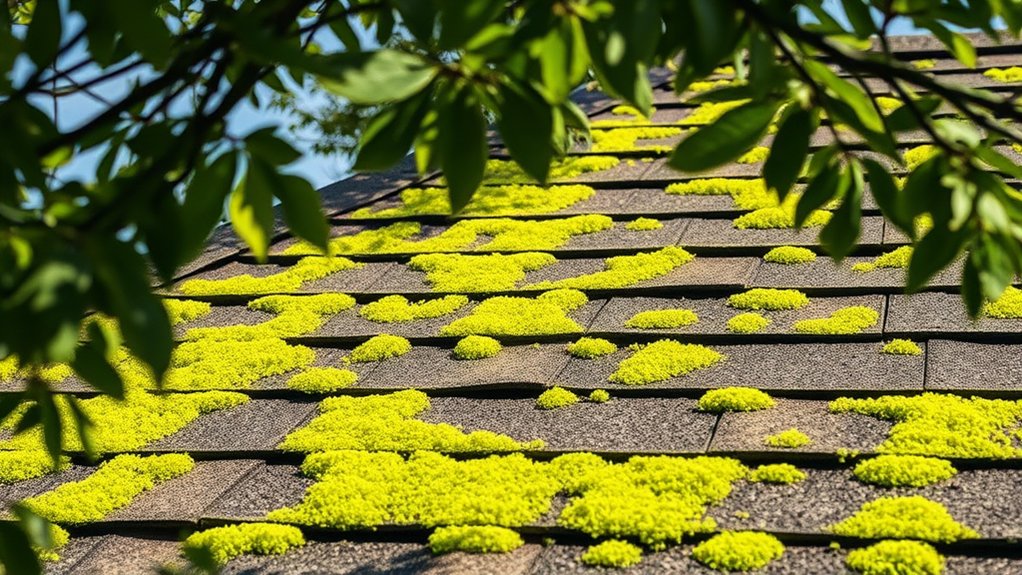
When inspecting your roof, noting vegetation and algae growth can provide valuable insights into its state. Algae, typically seen as green or dark streaks, thrive in humid, sunny areas. The most common type, Gloeocapsa magma, may detract from your roof's appearance but does not compromise its structural integrity. It's crucial to recognise the impact of vegetation as well, as mould and fungi can damage shingles over time. Regular upkeep, such as cleaning gutters and trimming back overhanging trees, can help mitigate these issues. Proper roof ventilation is also essential to reduce moisture that contributes to such growth.
| Algae Type | Characteristics | Effects |
|---|---|---|
| Gloeocapsa magma | Green to dark streaks | Affects appearance |
| Mould | Grows in damp, shaded areas | Damages shingles |
| Fungi | Requires moisture | Can lead to structural problems |
| Vegetation | Increases moisture | Encourages algae growth |
| Prevention Techniques | Algae-resistant shingles, trimming | Reduces growth |
Evaluating Neighborhood Trends
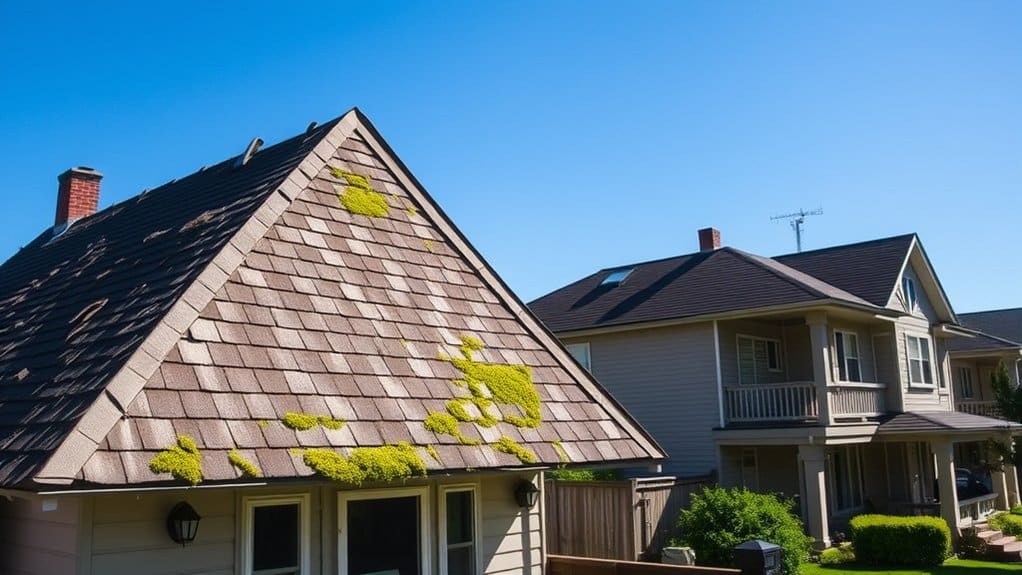
How can you tell when it's time to think about replacing your roof? Observing trends in your neighbourhood can offer valuable clues.
Here are some key points to consider:
- Age of Homes: If most roofs in your area are approaching 20-25 years old, they may be due for replacement.
- Neighbourhood Replacements: If you notice several neighbours getting new roofs, it might be a good idea to have yours inspected.
- Weather Effects: Shared local weather patterns can impact the lifespan of roofs in your community.
- Talk to Your Neighbours: Sharing experiences about roofing can highlight common problems and maintenance practices.
Considering Weather Impact on Roofs
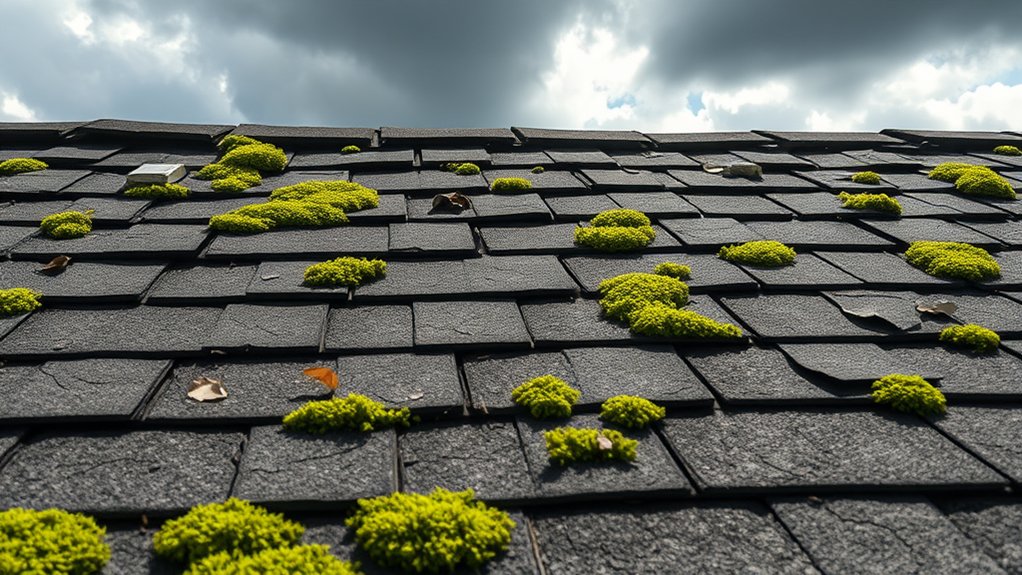
When considering the impact of weather on your roof, it's important to understand how different climatic factors can affect its durability and lifespan. Here's a summary of how specific weather conditions can impact your roof:
| Weather Condition | Impact on Roof Durability |
|---|---|
| Sun Damage | Causes cracks and brittleness |
| Rain Impact | Leads to moisture build-up and leaks |
| Snow Load | Exerts stress, risking sagging or collapse |
| Wind Effects | Can lift or tear shingles, causing leaks |
| Temperature Fluctuations | Causes shingles to curl or detach |
Being proactive about these weather impacts is crucial for maintaining your roof's integrity and avoiding costly repairs. Regular inspections and timely repairs are essential to ensure your roof can withstand harsh weather effectively.
Analyzing Repair vs. Replacement Costs
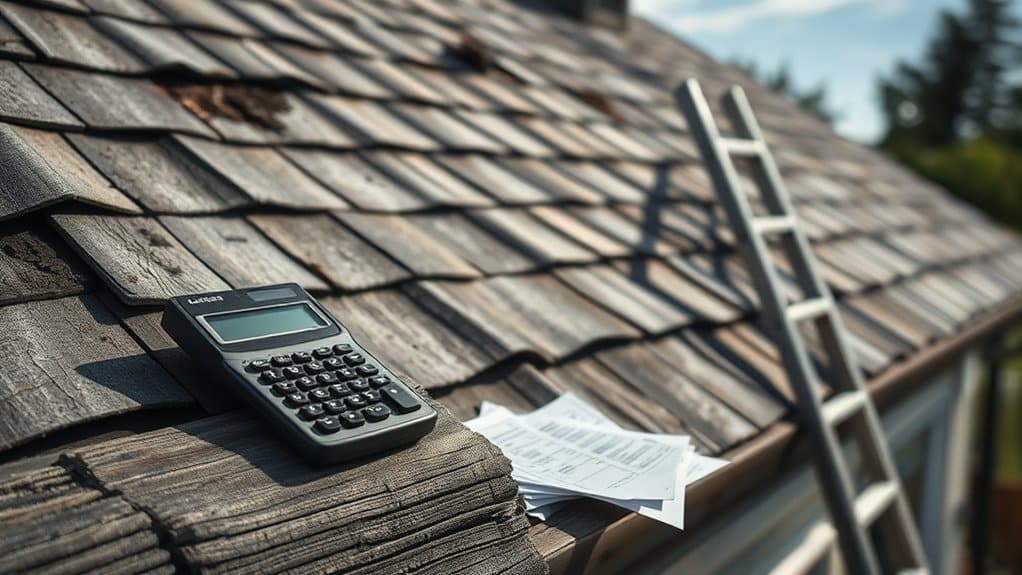
Deciding whether to repair or replace your roof requires a straightforward assessment of costs and benefits. Here are key factors to consider:
- Extent of Damage: Evaluate how serious the damage is; minor issues often warrant repairs.
- Roof Age: Older roofs usually require more frequent repairs, which can accumulate substantial costs over time.
- Material and Labour Costs: The type of roofing material can significantly influence both repair expenses and replacement costs.
- Budget Considerations: Repairs tend to be more affordable upfront, but consider their long-term implications on your finances.
Recognizing Safety Concerns
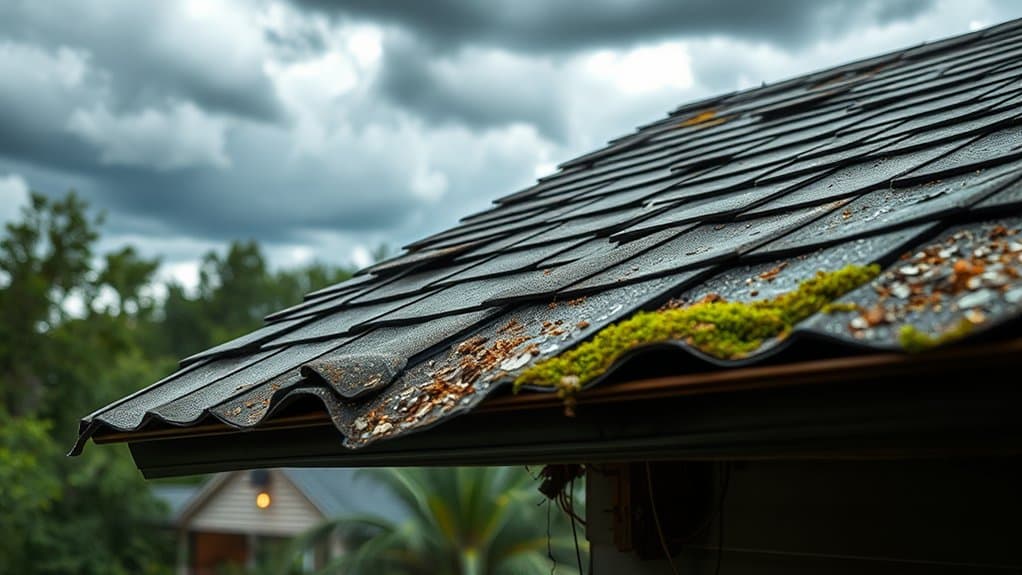
When inspecting your roof, check for signs of structural weakness like sagging or visible cracks.
These issues not only threaten the roof's stability but can also lead to health risks such as mould growth or even collapse.
Regular checks can help avoid dangerous situations for you and anyone working on your property.
Structural Weakness Indicators
Structural weakness indicators are crucial for spotting potential safety issues with your roof.
If you observe any of the following signs, it's essential to take action quickly:
- Sagging Roof: A drooping roofline often indicates weakened support beams or excessive moisture.
- Cracks in Beams: Noticeable cracks or splits in the support beams can threaten your roof's stability.
- Water Damage: Dark patches or rot on the roof deck are clear signs of underlying structural problems.
- Moisture Issues: Ongoing moisture can cause rot and mould, further weakening the roof's integrity.
Addressing these signs early can help ensure the safety and durability of your home.
Don't ignore these warnings; they could lead to serious issues in the future.
Health and Safety Risks
Recognising health and safety risks is crucial for anyone involved in roof replacement. Be alert to hazards like extreme weather conditions that can endanger workers. Falls are a major concern, so ensure proper fall protection measures are implemented.
When using ladders, always maintain a two-handed grip while going up or down. Wearing non-slip footwear can help prevent slips on roofs. Additionally, be aware of health regulations regarding exposure to harmful substances, such as roof tar, which can cause respiratory and skin issues.
Always work in pairs when transporting materials to enhance safety. By prioritising these practices, you not only protect your team but also reduce potential health risks associated with roofing projects.
Importance of Professional Inspections
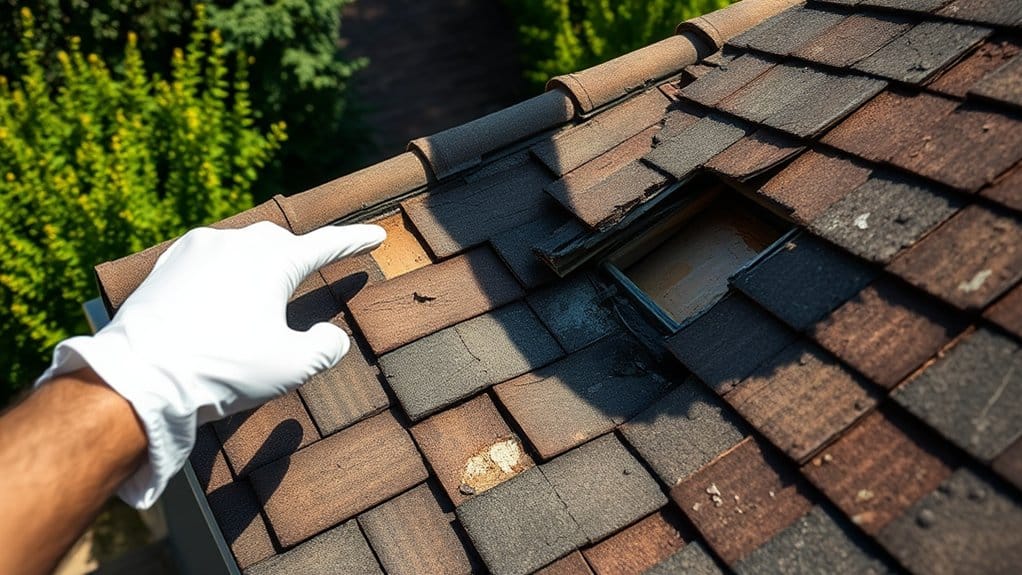
When it comes to your roof, professional inspections are vital for spotting damage early, ensuring safety, and meeting regulations.
These experts offer useful advice, helping you tackle small issues before they turn into expensive repairs.
Early Damage Detection
Early damage detection is vital for keeping your roof in good condition and avoiding expensive repairs.
Professional inspections make use of advanced technologies and moisture detection techniques to spot problems before they worsen. Here are some key steps to consider:
- Visual Inspection: Look for cracks or pooling water on flat roofs.
- Infrared Thermography: This method uses temperature differences to find hidden moisture and potential leaks.
- Moisture Meters: These devices measure water levels in materials to identify damp areas.
- Ultrasonic Analysis: Sound waves are utilised to detect patterns of leaks.
Regular inspections help catch minor issues early, ensuring your roof stays efficient and secure.
Safety and Compliance
Regular professional roof inspections are vital for spotting potential hazards and ensuring compliance with safety regulations and building codes. By scheduling these inspections, you can minimise the risk of accidents and maintain the structural integrity of your roof, avoiding costly collapses.
These checks also help you comply with insurance requirements and local regulations, shielding you from legal and financial repercussions. Inspectors use specialised tools to identify hidden issues, ensuring your roof meets all safety standards.
Trained professionals assess risks and use appropriate safety gear to navigate rooftops securely. Investing in regular inspections not only keeps your roof safe and compliant but also prepares it for severe weather, benefiting both you and your community.
Expert Recommendations Provided
While it may be easy to overlook roof inspections, expert opinion highlights their vital importance in keeping your roof safe and functional.
Regular professional checks are crucial for effective maintenance, allowing you to spot issues before they worsen. Here are four compelling reasons to prioritise inspections:
- Early Problem Detection: Catch minor issues early to avoid expensive repairs later on.
- Extending Roof Lifespan: Timely repairs from regular inspections can significantly prolong your roof's life.
- Protecting Home Value: A well-maintained roof can enhance your property's market value.
- Inspection Frequency: Aim for at least annual inspections, particularly after storms or for older roofs.
Frequently Asked Questions
How Can I Choose the Best Roofing Material for My Home?
To choose the best roofing materials, consider your local climate, prioritise energy efficiency, and think about durability. For instance, if you live in an area prone to heavy rain, materials like slate or tiles may be more suitable. Keep your budget in mind and think about the look you want – a traditional house might suit clay tiles, while a modern home could benefit from metal roofing. This way, your roof will serve its purpose while enhancing your home's appearance.
What Should I Expect During a Professional Roof Inspection?
Think of a roof inspection as a health check for your home. The inspector will use a checklist to cover common issues such as damaged tiles and rust, ensuring your roof stays sturdy and secure.
How Often Should I Have My Roof Inspected?
You should have your roof inspected every one to two years to extend its lifespan. Factors such as the roof's age, material, and the local climate can affect how often you should check it. For instance, older roofs or those in areas prone to severe weather may need more frequent inspections to identify potential issues before they lead to expensive repairs.
Can I Replace My Roof Myself, or Should I Hire a Contractor?
When thinking about DIY roofing, consider your abilities compared to the benefits of hiring a contractor. While doing it yourself can save you money and provide a sense of accomplishment, professionals bring expertise, safety, and efficiency to the job. They ensure that your roof is durable and complies with local regulations. For instance, if you're unsure about proper installation techniques or local building codes, it might be wiser to hire a professional. Make your choice carefully.
What Financing Options Are Available for Roof Replacement?
When considering a roof replacement, look into roofing loans and payment plans. Personal loans, home equity loans, and financing options from contractors can provide the flexibility you need to manage costs effectively, ensuring your home stays safe and secure. For example, a personal loan could help you cover the upfront costs, while a home equity loan allows you to borrow against your property's value.
Conclusion
In summary, recognising the signs that it's time to replace your roof can help you avoid expensive repairs and safety risks. For example, a neighbour noticed water stains on their ceiling, which resulted in a significant leak and ultimately necessitated a complete roof replacement. By identifying these warning signs early, you can prevent similar problems. Always seek a professional inspection to ensure your home remains safe and secure.


