
Metal Roofing: Everything You Need to Know
Metal roofing offers exceptional durability, energy efficiency, and aesthetic versatility. You’ll find various materials like steel, aluminum, and copper, each with unique properties and costs. Popular styles include standing seam, corrugated panels, and metal shingles. These roofs can last 50+ years with proper maintenance, reflecting sunlight to reduce cooling costs. They’re also fire-resistant and customizable to match your home’s style. While initially more expensive than traditional options, metal roofs provide long-term value through longevity and energy savings. Despite some misconceptions, modern metal roofs are quiet and can withstand harsh weather. Exploring further will reveal how this roofing option can benefit your specific needs.
Key Takeaways
- Metal roofing offers superior longevity, durability, and energy efficiency compared to traditional roofing materials.
- Various metal roofing materials include galvanized steel, aluminum, copper, and zinc, each with unique properties and costs.
- Metal roofs come in diverse styles like standing seam, corrugated panels, and metal shingles, offering aesthetic versatility.
- Proper installation and maintenance of metal roofing can significantly extend its lifespan and enhance its performance.
- Metal roofs provide excellent fire resistance, weather protection, and customization options, adding value to homes.
Introduction
Metal roofing has seen a surge in popularity among homeowners and builders in recent years.
You’ll find that understanding the various metal roofing options available is pivotal for making an informed decision about your home’s protection.
Overview of metal roofing’s growing popularity
Why are more homeowners turning to metal roofing for their homes and buildings? The growing popularity of metal roofing stems from its numerous advantages.
You’ll find that metal roofs offer significant environmental benefits, long-term cost savings, and diverse design options. As homeowners become more conscious of their ecological footprint and seek durable, energy-efficient solutions, metal roofing has emerged as a top choice.
The installation process for metal roofs has also improved, making it a more accessible option for many. While the initial cost may be higher than traditional materials, the long-term benefits often outweigh this investment. Additionally, metal roofs require minimal maintenance tips, further adding to their appeal.
Key factors driving metal roofing’s popularity:
- Longevity and durability
- Energy efficiency and sustainability
- Aesthetic versatility to suit various architectural styles
As you consider roofing options, metal’s growing popularity is worth exploring for your home or building project.
Importance of understanding metal roofing options
In light of metal roofing’s growing popularity, it’s essential that you grasp the various options available to make an informed decision for your home or building project. Understanding metal roofing options helps you navigate installation tips, material choices, and cost comparisons. You’ll also gain insight into energy efficiency benefits and maintenance requirements.
Consider these key factors when exploring metal roofing:
| Factor | Importance | Impact |
|---|---|---|
| Material | High | Durability, cost |
| Installation | Medium | Performance, warranty |
| Energy Efficiency | High | Utility savings |
| Maintenance | Low | Long-term costs |
Types of Metal Roofing Materials
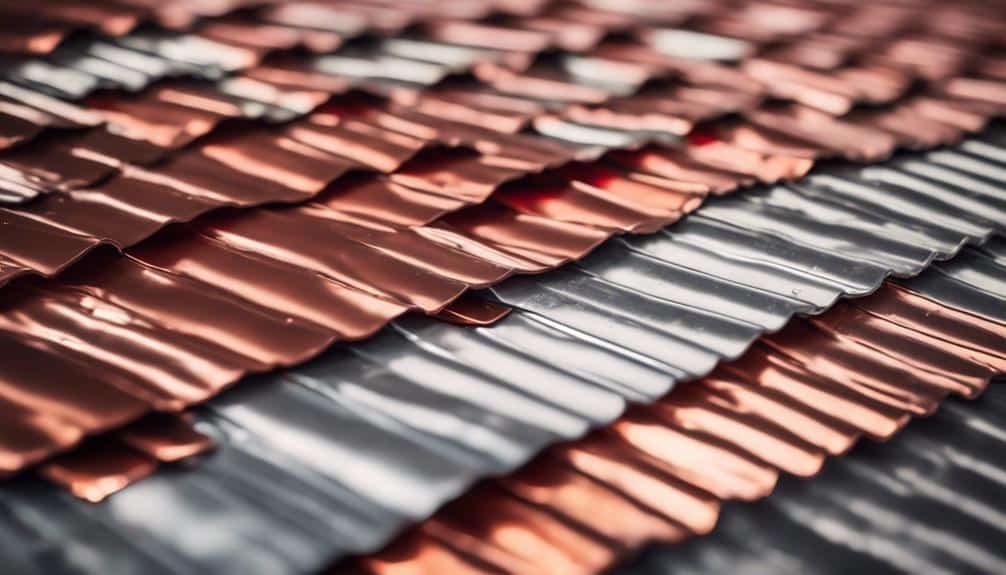
When you’re considering metal roofing, you’ll find a variety of materials to choose from. The most common options include steel, aluminum, copper, zinc, and tin, each offering unique benefits and aesthetics.
Understanding the characteristics of these metals will help you select the best roofing material for your specific needs and preferences.
Steel
When considering steel for your metal roof, you’ll encounter three main options:
- Galvanized steel is coated with zinc for corrosion resistance.
- Galvalume steel combines zinc and aluminum for enhanced durability.
- Weathering steel, also known as Corten, develops a protective rust-like appearance over time, offering a unique aesthetic for your roofing project.
Galvanized steel
Galvanized steel’s protective zinc coating makes it a popular and durable choice for metal roofing. This coating provides excellent corrosion protection, enhancing the material’s longevity benefits.
The installation process is straightforward, and maintenance requirements are minimal. Galvanized steel roofing also offers a positive environmental impact due to its recyclability and energy efficiency.
- Resists rust and weathering
- Lasts 50+ years with proper care
- Reflects sunlight, reducing cooling costs
Galvalume steel
Since the 1970s, Galvalume steel has emerged as a superior alternative to traditional galvanized steel for metal roofing. It offers enhanced weathering properties and a longer lifespan, typically 60+ years with minimal maintenance.
While slightly more expensive, Galvalume’s coating options provide better corrosion resistance and reflectivity. When comparing Galvalume vs. galvanized, you’ll find that Galvalume’s benefits often outweigh the initial cost considerations for most homeowners.
Weathering steel
Weathering steel, commonly known as Cor-Ten, is a unique roofing material that develops a protective rust-like appearance over time, offering both durability and aesthetic appeal. The weathering process creates a patina that provides corrosion protection and enhances outdoor durability. This rust prevention mechanism makes it ideal for various architectural applications.
Key benefits of weathering steel:
- Self-healing properties
- Low maintenance requirements
- Distinctive, evolving appearance
Aluminium
Aluminum stands out as a lightweight yet durable option in the world of metal roofing materials. Its benefits include exceptional corrosion resistance, making it ideal for coastal areas or regions with high humidity. The lightweight design of aluminum roofing reduces structural stress on your home while allowing for easier installation.
When comparing costs, you’ll find that aluminum is more expensive than steel initially, but its longevity and low maintenance requirements can offset this over time. From an environmental perspective, aluminum roofing is highly recyclable and energy-efficient, reflecting sunlight to keep your home cooler.
It’s also worth noting that aluminum roofs can last up to 50 years with proper care. While it may dent more easily than some other metals, its resistance to rust and ability to withstand extreme weather conditions make it a popular choice for many homeowners.
Copper
Copper roofing, while more costly than aluminum, offers unparalleled elegance and a distinctive appearance that evolves over time. Its natural patina develops a beautiful green hue, enhancing its aesthetics as it ages. Copper’s longevity is impressive, often lasting over 100 years with proper maintenance. When considering installation, you’ll need to work with experienced professionals due to copper’s unique properties.
While the initial cost is higher compared to other metals, copper’s benefits include:
- Exceptional durability and weather resistance
- Low maintenance requirements
- Excellent energy efficiency
Copper’s sustainability is remarkable, as it’s 100% recyclable and often contains recycled content. This makes it an environmentally friendly choice for eco-conscious homeowners. Despite its higher price point, copper roofing’s longevity and timeless appeal make it a worthwhile investment for those seeking a premium, long-lasting roofing solution.
Zinc
Zinc roofing stands out as a durable and eco-friendly option that’s gaining popularity among homeowners and architects alike. One of the key zinc benefits is its exceptional rust prevention properties, forming a protective patina that shields the metal from corrosion. This self-healing characteristic contributes to its longevity, often lasting up to 100 years.
When considering environmental impact, zinc roofing excels in sustainability advantages. It’s 100% recyclable and requires less energy to produce than other metal roofing materials. You’ll also appreciate its low maintenance needs, reducing long-term costs and resource consumption.
Zinc offers versatile design possibilities, allowing you to achieve both traditional and modern aesthetics. Its malleability enables creative architectural expressions, from sleek panels to intricate details.
Tin
You’ll find that tin roofing, once a popular choice, has largely been replaced by more modern alternatives in today’s metal roofing market. Despite this, tin roofing still offers some benefits, such as affordability and a classic aesthetic. However, it’s less durable and more prone to corrosion compared to materials like steel or aluminum. Tin’s sustainability is moderate, as it’s recyclable but not as energy-efficient as newer options.
When considering tin roofing, keep these points in mind:
- Regular maintenance is essential to prevent rust and extend lifespan
- Tin roofs can be noisy during rain or hailstorms
- Design options are limited compared to modern materials
If you opt for tin roofing, ensure proper installation and apply protective coatings to enhance durability. While it may not be the top choice for most homeowners, tin roofing can still be a suitable option for specific projects or historical renovations.
Comparison of properties and costs
When it comes to choosing among the various types of metal roofing materials, you’ll need to weigh their unique properties and costs against your specific needs and budget. A property analysis reveals significant material differences that can impact your decision. Here’s a cost comparison and expense breakdown to help with your budget considerations:
| Material | Cost per sq ft | Lifespan |
|---|---|---|
| Steel | $5 – $12 | 40-70 yrs |
| Aluminum | $9 – $18 | 50+ yrs |
| Copper | $14 – $25 | 70+ yrs |
Steel offers affordability and durability, while aluminum resists corrosion but costs more. Copper, the most expensive option, provides unmatched longevity and aesthetic appeal. Remember, initial expenses aren’t the only factor; consider long-term value, maintenance requirements, and energy efficiency. Your choice should align with your climate, architectural style, and financial goals.
Metal Roofing Styles and Profiles
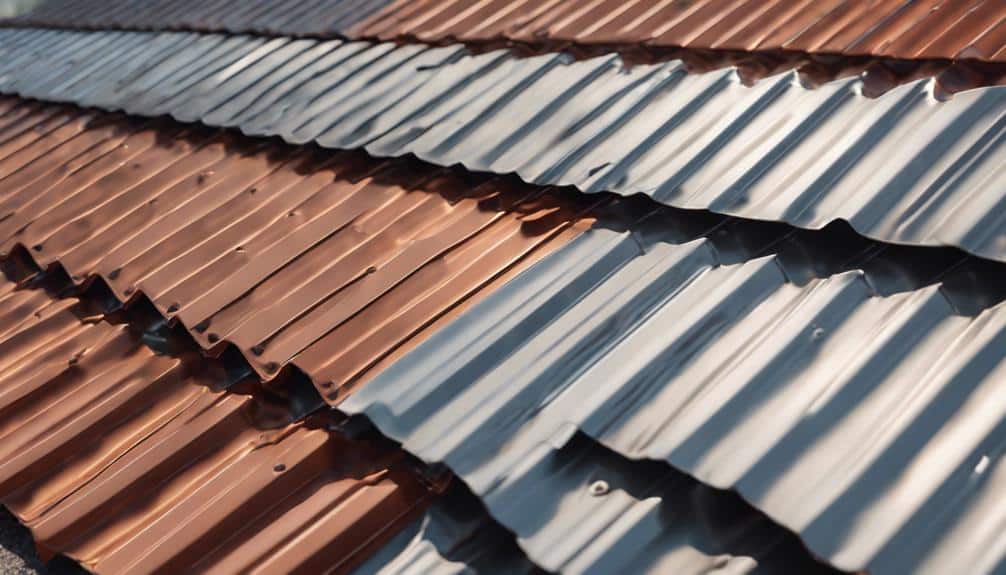
When selecting metal roofing, you’ll encounter a range of styles and profiles to complement your home’s appearance.
Your choices encompass standing seam for a contemporary aesthetic, corrugated panels for a vintage vibe, metal shingles and tiles that replicate classic materials, stone-coated steel for extra texture, and stamped profiles for distinctive designs.
Each style provides unique benefits in terms of looks, longevity, and installation techniques, so you’ll need to carefully assess your individual requirements and tastes.
Standing seam
Among the most popular and versatile metal roofing options, standing seam profiles offer a sleek, modern appearance with exceptional durability. You’ll find various seam options, including snap-lock and mechanical lock systems, each with unique installation processes.
The raised seams not only enhance aesthetics but also improve weather performance, effectively channeling water and snow off your roof.
When considering standing seam metal roofing, keep these points in mind:
- Color choices are extensive, allowing you to match your home’s style
- Maintenance tips include regular inspections and debris removal
- Professional installation is essential for best performance
Standing seam roofs excel in harsh weather conditions, resisting wind uplift and preventing leaks. While the initial cost may be higher than traditional roofing, the longevity and energy efficiency often make it a cost-effective choice in the long run. You’ll enjoy peace of mind knowing your roof is built to last.
Corrugated panels
Corrugated metal panels offer a classic, wave-like profile that’s both versatile and cost-effective for residential and commercial roofing applications. You’ll find these panels easy to install, with overlapping edges that create a watertight seal. For best results, follow manufacturer installation tips, such as proper underlayment and fastener placement.
Maintenance is relatively simple; a yearly inspection and occasional cleaning will keep your corrugated roof in top shape. When it comes to design inspiration, you can choose from various colors and finishes to complement your property’s aesthetic. A cost analysis reveals that corrugated panels are often more affordable than other metal roofing options, making them an attractive choice for budget-conscious homeowners.
Additionally, corrugated metal roofs have a positive environmental impact due to their longevity, recyclability, and energy-efficient properties, reflecting sunlight and reducing cooling costs in warmer climates.
Metal shingles and tiles
While corrugated panels offer a traditional appearance, metal shingles and tiles provide a more sophisticated and varied aesthetic for your roof. These adaptable options replicate the look of clay, slate, or wood shakes, offering you endless design inspiration for your home’s exterior.
When considering installation, it’s essential to hire experienced professionals who can guarantee proper fit and weatherproofing.
Maintenance for metal shingles and tiles is relatively simple, requiring occasional inspections and debris removal. They provide significant environmental benefits, including:
- Energy efficiency through reflective coatings
- Recyclability at the end of their lifespan
- Durability, reducing the need for frequent replacements
While the initial cost may be higher than some alternatives, metal shingles and tiles often prove cost-effective in the long run due to their longevity and minimal maintenance requirements. They’re an excellent choice for homeowners seeking a combination of style and functionality.
Stone-coated steel
Stone-coated steel roofing offers you the best of both worlds: the strength and durability of metal combined with the aesthetic appeal of traditional roofing materials. The installation process involves securing interlocking panels, ensuring a weathertight seal.
You’ll enjoy longevity benefits, as these roofs can last up to 70 years with minimal maintenance. Design options are plentiful, mimicking the look of clay tiles, wood shakes, or slate. To maintain your stone-coated steel roof, simply inspect it annually and clear debris.
The environmental impact is positive, as these roofs are often made from recycled materials and are fully recyclable at the end of their lifespan. They’re also energy-efficient, reflecting solar heat to keep your home cooler.
With stone-coated steel, you’ll have a roof that’s not only attractive but also durable and eco-friendly.
Stamped profiles
When exploring stamped metal roofing profiles, you’ll find a variety of eye-catching designs. Shake profiles mimic the look of traditional wood shakes, while slate profiles offer the appearance of natural stone tiles.
Beyond these popular options, you can choose from other stamped designs that replicate different textures and patterns, allowing you to achieve your desired aesthetic for your metal roof.
Shake
Authenticity meets durability in metal shake roofing, which replicates the timeless appeal of wooden shakes without their inherent vulnerabilities. You’ll enjoy the rustic charm of shake roof design with enhanced durability and lower maintenance requirements.
Metal shake installation is straightforward, and the cost is offset by long-term benefits. Choose from various color options and styles to complement your home’s aesthetic.
- Outlasts traditional wooden shakes
- Resists fire, rot, and pests
- Environmentally friendly and often recyclable
Slate
With the elegance of natural slate and the advantages of metal, slate-style metal roofing offers you a premium look without the weight and fragility of traditional stone tiles.
These slate alternatives provide numerous benefits, including easier installation and lower maintenance requirements.
You’ll enjoy a wide range of slate design options, from classic to contemporary styles, allowing you to achieve the perfect aesthetic for your home while benefiting from metal’s durability and longevity.
Other stamped designs
Beyond slate, you’ll find a variety of other stamped metal roofing designs that mimic traditional materials like wood shakes, clay tiles, and even asphalt shingles. These custom designs offer creative options for architectural accents and unique patterns. You can add personalized touches to your roof, enhancing your home’s aesthetics.
- Versatile: Stamped metal adapts to various styles
- Durable: Maintains appearance longer than traditional materials
- Customizable: Allows for unique, personalized designs
Benefits of Metal Roofing

When you’re considering a new roof, metal roofing offers numerous advantages that make it an attractive option.
You’ll benefit from its exceptional longevity, energy efficiency, and fire resistance, ensuring your home remains safe and sustainable for years to come.
Additionally, metal roofs excel in harsh weather conditions and provide a wide range of aesthetic choices to suit your personal style.
Longevity and durability
Metal roofs’ impressive lifespan and resilience make them a top choice for homeowners seeking long-term roofing solutions. With proper installation and maintenance, your metal roof can last 50 years or more, offering significant long-term benefits.
These roofs boast exceptional weather resistance, standing up to harsh elements like hail, high winds, and heavy snow. While the initial cost may be higher, a cost analysis reveals that metal roofs often prove more economical over time due to their durability and low maintenance requirements.
To maximize your metal roof’s longevity:
- Regularly inspect for loose fasteners or damaged panels
- Keep the roof clean and free of debris
- Address any issues promptly to prevent further damage
Energy efficiency and sustainability
In addition to their durability, metal roofs offer impressive energy efficiency and sustainability benefits that can greatly reduce your home’s environmental impact and energy costs. As a key component of green building practices, metal roofs reflect solar radiation, keeping your home cooler in summer and reducing air conditioning needs. This energy-saving feature translates to lower utility bills and a smaller carbon footprint.
Here’s a quick comparison of metal roofing’s eco-friendly options:
| Feature | Environmental Benefit |
|---|---|
| Recyclability | 100% recyclable at end of life |
| Cool roof technology | Reduces urban heat island effect |
| Rainwater harvesting | Supports water conservation efforts |
| Solar panel compatibility | Facilitates renewable energy integration |
Fire resistance and safety
Beyond its eco-friendly attributes, you’ll find that metal roofing offers exceptional fire resistance, making it a top choice for homeowners concerned about safety. Metal roofs are non-combustible and can withstand extreme temperatures, reducing the risk of fire spread to a large extent. Many manufacturers apply flame retardant coatings to enhance their products’ fire-resistant properties further.
When you invest in a metal roof, you’re also investing in your family’s safety. Consider these additional benefits:
- Metal roofs often come with safety certifications, assuring you of their fire-resistant qualities.
- They can be paired with fire-resistant insulation for added protection.
- Metal roofing can be an integral part of your home’s emergency response plan.
Wind and weather performance
When it comes to standing up against Mother Nature’s fury, you’ll find that metal roofing excels in wind and weather performance. Its superior wind resistance can withstand gusts up to 140 mph, offering unparalleled storm resilience. You’ll appreciate the enhanced hail protection and weather durability, as metal roofs can endure impacts without cracking or breaking.
In terms of climate considerations, metal roofing shines in various weather conditions. Its snow performance is impressive, allowing snow to slide off easily and preventing ice dams. Rainwater management is efficient, with smooth surfaces facilitating quick drainage. Metal roofs also adapt well to temperature effects, expanding and contracting without damage.
During extreme weather events, your metal roof will stand strong, minimizing environmental impact and reducing the need for repairs or replacements. This exceptional weather performance makes metal roofing an excellent choice for any climate.
Aesthetic versatility
Metal roofing offers three key aesthetic advantages: a wide range of colors, diverse styles, and customizable finishes. You’ll enjoy unparalleled design flexibility, allowing you to match your roof to your home’s architectural appeal or create a striking visual impact.
With numerous color options available, you can easily complement your property’s exterior or make a bold statement. Metal roofs come in various styles, mimicking traditional materials like slate, tile, or wood shakes, while offering superior durability.
The customization possibilities are extensive, enabling you to:
- Choose from matte, glossy, or textured finishes
- Opt for custom colors to perfectly match your vision
- Select unique patterns or profiles for a one-of-a-kind look
Whether you’re aiming for a modern, rustic, or classic appearance, metal roofing provides the versatility to achieve your desired aesthetic. You’ll enhance your home’s curb appeal while enjoying the practical benefits of this durable roofing material.
Low maintenance
You’ll appreciate the hassle-free nature of metal roofing, as it requires minimal upkeep compared to traditional materials. The maintenance benefits of metal roofs are significant, offering long-term cost savings and time efficiency. Unlike asphalt shingles that may need frequent repairs or replacements, metal roofs boast exceptional durability advantages, often lasting 50 years or more with proper care.
Regular inspections and occasional cleaning are typically all that’s needed to keep your metal roof in top condition. This low-maintenance aspect not only saves you time and effort but also contributes to the overall resale value of your home. Prospective buyers will appreciate the longevity and reduced upkeep requirements of a metal roof, making it an attractive selling point.
With metal roofing, you can enjoy peace of mind knowing your investment is protected for decades to come.
Potential Drawbacks and Misconceptions

While metal roofing offers numerous benefits, you should be mindful of some potential drawbacks and common misconceptions.
You’ll need to take into account the higher initial cost, possible noise issues during rain, and challenges with expansion and contraction.
It’s also important to understand color matching for repairs and dispel myths that might influence your decision.
Initial cost considerations
At first sight, you’ll likely notice that metal roofing comes with a higher price tag than traditional asphalt shingles. However, it’s essential to weigh the long-term cost savings and longevity benefits that metal roofs offer.
When comparing materials, you’ll find that metal roofing can last up to three times longer than asphalt shingles, reducing replacement costs over time.
The installation process for metal roofs may be more complex, contributing to higher initial costs. But don’t let this deter you from pondering metal roofing as a viable option. The return on investment can be substantial due to:
- Increased energy efficiency, leading to lower utility bills
- Enhanced durability, resulting in fewer repairs and maintenance
- Potential increase in property value
When balancing your options, remember that the upfront cost of metal roofing is offset by its long-term benefits and durability.
Noise concerns and solutions
Beyond cost considerations, one common concern that often arises when discussing metal roofing is its potential for increased noise during rain or hailstorms. However, modern metal roofing systems incorporate effective sound insulation techniques that greatly reduce noise transmission.
You can further enhance noise reduction by adding extra layers of insulation or acoustic solutions during installation. These measures not only improve sound dampening but also contribute to better energy efficiency.
It’s important to note that the impact on the environment is minimal, as the noise is typically contained within the structure. Many homeowners report high levels of customer satisfaction with their metal roofs, often finding the sound of rain soothing rather than disruptive.
If noise remains a concern, consult with your roofing professional about additional soundproofing options to secure a peaceful living environment.
Expansion and contraction issues
A common misconception about metal roofing is that it’s prone to significant expansion and contraction issues, which can lead to structural problems over time. While thermal expansion does occur, modern metal roofing systems are designed with this in mind. Proper installation techniques and high-quality materials guarantee that your roof can withstand climate impacts without compromising its durability or weather resistance.
To address expansion challenges and maintain longevity, consider these solutions:
- Use specialized fasteners and clips that allow for movement
- Install panels with adequate overlap to accommodate contraction
- Choose a reputable contractor experienced in metal roofing installation
With these measures in place, you’ll find that metal roofs require minimal maintenance and offer exceptional durability. The key is to work with professionals who understand the unique properties of metal roofing and can implement appropriate strategies to mitigate any potential issues related to expansion and contraction.
Color matching for repairs
While metal roofs offer exceptional durability, you might encounter challenges when it comes to color matching for repairs, a concern that’s often misunderstood by homeowners. Over time, your roof’s color may fade due to weather exposure, making it difficult to find an exact match for damaged sections.
Professional services can employ advanced color matching techniques to minimize discrepancies, but perfect matches aren’t always possible. Some DIY solutions, like paint touch-ups, might seem appealing but often yield subpar results and can void warranties.
To mitigate repair challenges, consider purchasing extra panels during initial installation for future use. Regular maintenance tips, such as cleaning and inspecting your roof, can help prevent the need for extensive repairs.
Remember that slight color variations are normal and often blend over time, so don’t let this concern deter you from enjoying the benefits of metal roofing.
Common myths
You might’ve heard some common myths about metal roofing that are worth addressing.
Contrary to popular belief, metal roofs don’t notably increase the risk of lightning strikes, nor are they prone to rusting with proper installation and maintenance.
Let’s clear up these and other misconceptions to help you make an informed decision about metal roofing for your home.
Lightning attraction
Contrary to popular belief, metal roofs don’t attract lightning more than other roofing materials. This metal roof myth has been debunked by experts in lightning safety. While metal is an excellent electrical conductor, it doesn’t increase your home’s risk during storms. In fact, metal roofs can provide better storm protection than traditional materials.
Metal roofs disperse electrical charges.
They’re non-combustible, reducing fire risk.
Proper grounding enhances overall safety.
Rust concerns
Despite its metal composition, modern roofing systems are engineered to resist rust and corrosion effectively.
You’ll find that most metal roofs come with protective coatings and finishes that enhance their corrosion resistance and longevity.
Regular maintenance and proper installation further prevent rust formation.
Even if weathering effects occur over time, rust repair and restoration options are available.
With proper care, your metal roof can maintain its integrity and appearance for decades.
Other misconceptions
While rust concerns are often addressed, several other misconceptions about metal roofing persist in popular belief. Let’s debunk some common myths:
- Metal roofs aren’t noisy during rain; proper installation includes insulation that dampens sound.
- They don’t attract lightning more than other roofing materials.
- Metal roofs are environmentally friendly, often made from recycled materials and fully recyclable at the end of their long lifespan.
Installation Considerations
When considering metal roofing, you’ll need to prioritize professional installation to guarantee proper performance and longevity.
You’ll also want to address underlayment, insulation, and ventilation requirements specific to metal roofs.
It’s important to factor in your local climate and weather conditions, as these can impact the installation process and materials used.
Importance of professional installation
Ensuring expert installation is vital for maximizing the benefits and longevity of your metal roof. Professional expertise guarantees proper techniques are used, minimizing the risk of leaks, damage, or premature wear. Quality assurance is paramount, as professionals have the tools and knowledge to handle various metal roofing materials correctly.
Investing in expert installation is a long-term investment that pays off through improved performance and reduced maintenance costs.
Safety considerations are also pivotal, as working on roofs can be dangerous. Professionals are trained to follow safety protocols and have the necessary equipment to complete the job safely.
Key benefits of expert metal roof installation include:
- Proper sealing and fastening techniques to prevent water infiltration
- Correct handling of materials to avoid damage or voiding warranties
- Expertise in addressing unique structural challenges or architectural features
Underlayment and insulation requirements
Beyond expert installation, proper underlayment and insulation are key components of a successful metal roof system. You’ll need to choose appropriate underlayment materials, such as synthetic or felt, to provide an additional layer of weatherproofing.
Insulation techniques vary, but proper installation is vital for maximizing energy efficiency benefits. Consider options like rigid foam insulation or reflective barriers to enhance your roof’s thermal performance.
When it comes to installation best practices, make sure that the underlayment is properly overlapped and sealed at joints. Pay special attention to valleys, eaves, and other vulnerable areas.
For insulation, avoid compressing materials and maintain proper ventilation to prevent moisture buildup. By following these guidelines, you’ll create a robust barrier against the elements while improving your home’s overall energy efficiency.
Ventilation needs
Proper ventilation stands as an essential component in the installation of a metal roof, playing an important role in maintaining the structure’s integrity and longevity. When you’re planning your metal roofing project, it’s vital to explore effective ventilation strategies. Proper air circulation helps manage heat buildup and moisture, preventing potential damage to your roof and attic space.
Implementing roofing airflow solutions can:
- Reduce energy costs by regulating temperature
- Prevent condensation and mold growth
- Extend the lifespan of your roofing materials
You’ll need to collaborate with your contractor to determine the best ventilation solutions for your specific roof design. This may include ridge vents, soffit vents, or other specialized systems.
Handling different climates and weather conditions
Metal roofs must be installed with careful consideration of the local climate and weather patterns to guarantee top performance and longevity. In colder regions, you’ll need to implement proper insulation strategies to prevent heat loss and manage snow load. Confirm your roof’s pitch and design can handle heavy snowfall without risking structural damage.
For areas with high rainfall, focus on rain resistance by selecting appropriate materials and installing effective drainage systems.
In hurricane-prone zones, pay attention to wind performance ratings and use fastening methods that can withstand strong gusts.
Don’t forget about humidity control in tropical climates; proper ventilation and moisture barriers are essential to prevent condensation issues.
Cost Analysis
When considering metal roofing, you’ll need to weigh the higher initial investment against its long-term value.
Factors like material type, roof complexity, and location will affect your overall costs.
However, you might offset expenses through potential energy savings and increased home value, making metal roofing a competitive option compared to traditional materials.
Initial investment vs. long-term value
While the upfront cost of metal roofing can be two to three times higher than traditional asphalt shingles, it’s important to weigh the long-term value and potential savings over the roof’s lifespan.
The initial investment in metal roofing offers significant longevity benefits, often lasting 40-70 years compared to asphalt’s 15-30 years. This extended lifespan translates to fewer replacements and reduced maintenance costs over time.
Metal roofs also provide energy efficiency benefits, reflecting solar radiant heat and potentially lowering cooling costs by 10-25%. When comparing costs, consider these long-term advantages:
- Increased property value due to durability and aesthetic appeal
- Reduced insurance premiums in some areas
- Potential tax credits or incentives for energy-efficient roofing
Ultimately, while the initial investment is higher, metal roofing’s long-term value often outweighs the upfront costs, making it a smart financial choice for many homeowners.
Factors affecting cost
When considering metal roofing, you’ll find several factors that influence the overall cost. The material you choose, such as aluminum, steel, or copper, along with the style and profile of the panels, can greatly impact your budget.
Additionally, your location and local labor costs will play an essential role in determining the final price of your metal roof installation.
Material choice
Your choice of metal roofing material greatly impacts the overall cost of your project. When comparing options, consider the material properties, installation process, and long-term maintenance requirements. Each type of metal offers unique environmental benefits and varying price points.
Consider these factors when choosing your metal roofing material:
- Durability and lifespan
- Energy efficiency and reflectivity
- Aesthetics and compatibility with your home’s style
Ultimately, the right choice balances your budget with desired performance and appearance.
Style and profile
The style and profile of your metal roof greatly influence its overall cost. Current design trends and custom options can impact pricing, as can the architectural appeal you’re aiming for. Consider these factors:
| Factor | Impact on Cost |
|---|---|
| Color schemes | Moderate |
| Profile complexity | High |
| Custom designs | Very High |
| Installation techniques | Moderate to High |
Your choices in these areas will notably affect the final price of your metal roofing project.
Location and labor costs
Location and labor costs can substantially impact the overall price of your metal roofing project. Regional differences in labor rates and installation fees can profoundly affect your expenses. Urban areas typically have higher costs compared to rural locations.
Consider these factors:
- City rates are often higher due to increased demand and overhead.
- Suburban areas may offer more competitive labor charges.
- Rural locations might have lower labor costs but potentially higher material transportation fees.
Potential energy savings and ROI
When it comes to evaluating the long-term value of metal roofing, you’ll need to weigh both potential energy savings and return on investment. Metal roofs offer exceptional energy efficiency, leading to significant cost savings over time. Their high reflectivity and emissivity properties contribute to improved energy performance, reducing cooling costs in summer and providing better insulation in winter.
The sustainability and environmental impact of metal roofing are remarkable. As an eco-friendly roofing option, it can last up to 50 years or more, reducing waste and replacement frequency. While the initial cost may be higher, the long-term benefits often outweigh this expense.
Consider the potential savings from decreased energy bills, lower maintenance costs, and increased property value. The financial advantages of metal roofing make it an attractive choice for homeowners seeking a durable, energy-efficient solution with a strong return on investment.
Comparison with traditional roofing materials
To truly understand the value proposition of metal roofing, you’ll need to compare its costs with those of traditional roofing materials. While metal roofs have a higher upfront cost, they often prove more cost-effective in the long run due to their durability and energy efficiency. The installation process for metal roofs can be more complex, but they require less maintenance over time compared to asphalt shingles or wood shakes.
When considering the environmental impact and overall value, metal roofing stands out:
- Metal roofs are recyclable and often made from recycled materials
- They reflect solar radiation, reducing cooling costs
- Their longevity means less frequent replacements, reducing waste
Maintenance tips for metal roofs are straightforward: keep gutters clean, remove debris, and inspect for damage periodically.
Maintenance and Care
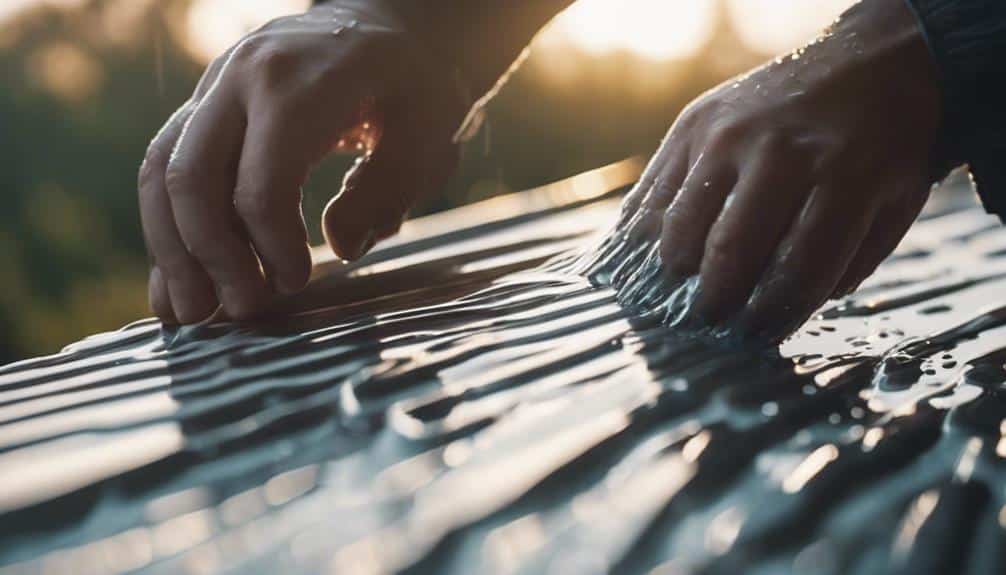
To keep your metal roof in top shape, you’ll need to follow a few key maintenance steps. Start with routine inspections and regular cleaning to prevent debris buildup and catch potential issues early.
When problems arise, address common concerns promptly, but don’t hesitate to call a professional for more complex repairs or if you’re unsure about handling the maintenance yourself.
Routine inspection tips
In light of maintaining your metal roof’s longevity, you’ll need to perform regular inspections to catch potential issues early. Create an inspection checklist to guide you through the process. When conducting your routine checks, focus on these key areas:
- Examine seams and fasteners for signs of wear or loosening
- Look for any dents, scratches, or areas of corrosion
- Check gutters and downspouts for proper drainage
Safety precautions are essential when inspecting your roof. Always use a sturdy ladder and wear non-slip shoes. If you’re uncomfortable with heights or unsure about what you’re seeing, don’t hesitate to call roofing experts. They can provide professional maintenance tips and help prevent damage before it becomes severe.
Cleaning guidelines
Beyond regular inspections, keeping your metal roof clean is a key part of maintenance and care. To prevent corrosion and extend your roof’s lifespan, adopt proper cleaning techniques.
Start by removing debris, such as leaves and branches, which can trap moisture and cause damage. For DIY cleaning, use a soft-bristled brush or low-pressure washer with a mild detergent. Avoid harsh chemicals that may harm the roof’s protective coating.
For stubborn stains or extensive cleaning, consider professional services. They’ve specialized equipment and expertise to tackle tough jobs safely. When choosing cleaning products, opt for eco-friendly options to minimize environmental impact.
Regular maintenance not only keeps your roof looking great but also helps prevent costly repairs down the line. By following these cleaning guidelines, you’ll make sure your metal roof continues to perform at its best for years to come.
Addressing common issues
When it comes to maintaining your metal roof, you’ll likely encounter minor damages like scratches and dents over time.
You can often address small scratches by gently cleaning the area and applying touch-up paint that matches your roof’s color.
For dents or more significant damage, it’s best to consult a professional roofer who can assess the issue and recommend appropriate repairs to maintain your roof’s integrity.
Scratches
Despite their durability, metal roofs can occasionally suffer scratches that require attention to prevent further damage. To maintain your roof’s integrity, focus on scratch prevention and repair.
Consider impact-resistant surface coatings for added protection. Regular maintenance and DIY solutions can help address minor issues before they escalate.
Inspect your roof regularly for scratches. Use touch-up paint for small repairs. Consult professionals for extensive damage.
Dents
While scratches can mar a metal roof’s appearance, dents pose a more significant structural concern that requires prompt attention to maintain your roof’s integrity and performance.
Dent prevention involves regular maintenance and addressing common causes like falling branches. Repair options range from DIY methods to professional services, with costs varying.
Addressing dents promptly preserves your roof’s weather resistance, durability, and resale value. Consider impact-resistant metal roofing for enhanced protection.
Other minor damages
Beyond scratches and dents, metal roofs can experience a variety of other minor damages that you’ll need to address to maintain your roof’s longevity and performance. Utilize cost-effective solutions and preventive maintenance to tackle weather damage and improve impact resistance.
Familiarize yourself with repair techniques for:
- Loose fasteners or seams
- Small punctures or holes
- Paint chipping or fading
Regular inspections and timely repairs will guarantee your metal roof stays in top condition, maximizing its lifespan and effectiveness.
When to call a professional
Although metal roofs are durable and low-maintenance, there are specific situations when you’ll need to engage a professional roofing contractor. While some DIY repairs and maintenance tips can help prolong your roof’s life, certain issues require expert attention. Regular roof inspections by professionals can catch problems early, preventing costly repairs down the line.
Here’s when to seek professional help:
| Situation | Action |
|---|---|
| Complex leaks | Contact expert |
| Structural damage | Contact expert |
| Extensive rust | Contact expert |
| Minor scratches | DIY repair |
| Debris removal | DIY maintenance |
If you notice persistent metal roof leaks, severe weather damage, or any structural concerns, it’s time for professional assessments. Don’t attempt repairs that could compromise your safety or the roof’s integrity. Remember, a certified contractor has the expertise and equipment to handle complex issues and guarantee your metal roof continues to protect your home effectively.
Environmental Impact and Sustainability
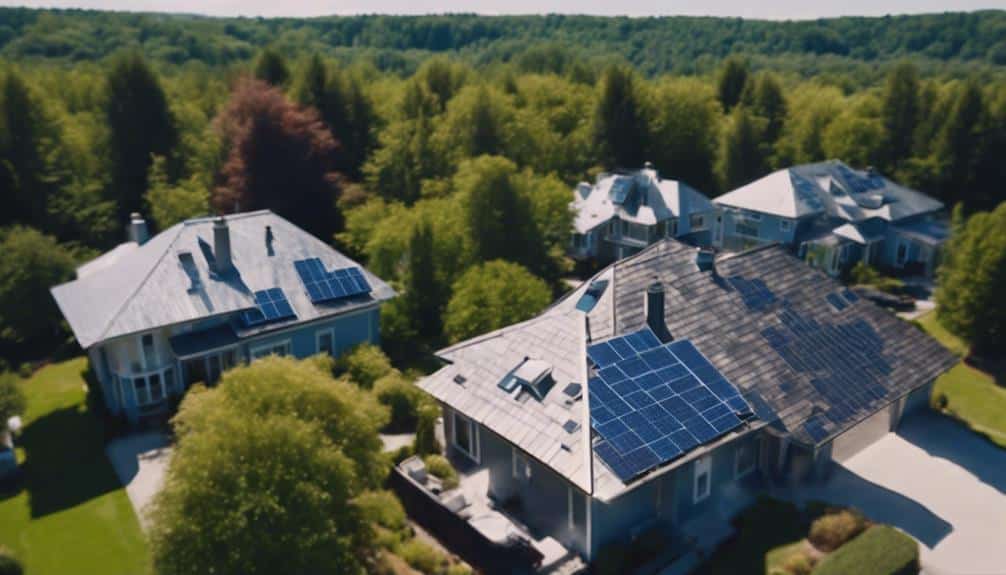
You’ll appreciate the environmental benefits of metal roofing, starting with its high recyclability and energy efficiency.
Metal roofs can incorporate cool roof technology, reflecting sunlight and reducing heat absorption, which leads to lower cooling costs and decreased urban heat island effects.
Additionally, choosing a metal roof can contribute to LEED certification for your building, enhancing its overall sustainability profile.
Recyclability of metal roofing materials
In recent years, the recyclability of metal roofing materials has become a key selling point for environmentally conscious homeowners and builders. Metal roofs offer significant sustainability advantages over traditional roofing options. When you choose metal roofing, you’re making an eco-friendly choice that reduces environmental impact.
The recyclability benefits of metal roofing are numerous:
- Metal roofs are 100% recyclable at the end of their lifespan
- They often contain a high percentage of recycled content
- Recycling metal roofing requires less energy than producing new materials
As one of the most sustainable green roofing options available, metal roofs help conserve resources and minimize waste. You’ll be contributing to a circular economy by choosing a material that can be recycled indefinitely without losing its properties. This makes metal roofing an excellent choice for those prioritizing environmental stewardship in their construction projects.
Energy efficiency benefits
Beyond recyclability, metal roofing offers significant energy efficiency benefits that further enhance its environmental appeal. You’ll appreciate the eco-friendly benefits and sustainability advantages of metal roofs, which contribute to substantial energy savings. Their superior thermal performance helps regulate indoor temperatures, reducing your reliance on heating and cooling systems.
Here’s a breakdown of metal roofing’s energy efficiency benefits:
| Feature | Benefit |
|---|---|
| Reflectivity | Reduces heat absorption |
| Emissivity | Releases absorbed heat quickly |
| Insulation | Improves thermal barrier |
| Ventilation | Enhances air circulation |
| Durability | Maintains efficiency longer |
These features work together to create a cost-effective roofing solution that lowers your energy bills and carbon footprint. By choosing metal roofing, you’re investing in a sustainable option that not only protects your home but also contributes to a greener future.
Cool roof technology and ratings
Cool roof technology takes metal roofing’s energy efficiency to the next level, with specialized coatings and materials designed to maximize heat reflection and minimize heat absorption. This innovative approach offers significant cool roof benefits, including reduced energy consumption and lower cooling costs.
Energy efficiency ratings, such as the Solar Reflectance Index (SRI), help you compare different roofing options and their potential impact on your home’s climate control.
The reflective surface advantages of cool metal roofs extend beyond individual buildings:
- They contribute to urban heat island mitigation
- Reduce overall energy demand in cities
- Help combat climate change on a broader scale
When considering sustainable roofing options, it’s essential to conduct a climate impact assessment for your specific location. Cool metal roofs are particularly effective in hot climates but can provide benefits in various regions, making them a versatile choice for environmentally conscious homeowners.
LEED certification potential
Did you know that metal roofing can greatly contribute to your building’s LEED certification potential? As a key component of sustainable design, metal roofs play a significant role in green building practices. Their environmental impact is positively significant, offering energy efficiency and longevity that align with LEED certification requirements.
Here’s how metal roofing can boost your LEED points:
| LEED Category | Metal Roofing Contribution |
|---|---|
| Energy & Atmosphere | Reduces cooling costs |
| Materials & Resources | Recyclable content |
| Sustainable Sites | Mitigates heat island effect |
| Innovation | Rainwater harvesting potential |
| Regional Priority | Locally sourced options |
Latest Innovations and Trends (2024)
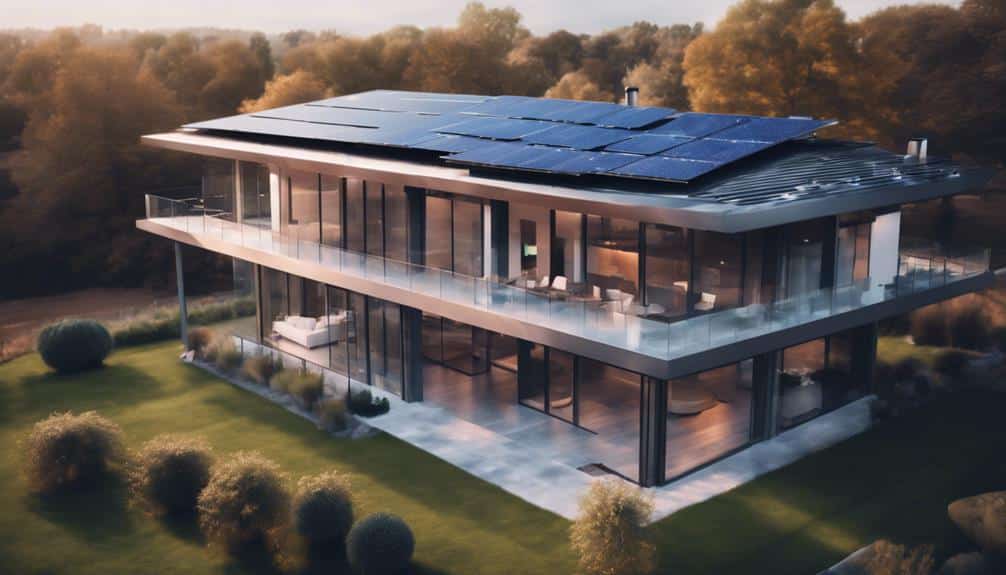
As we look to 2024, you’ll see exciting advancements in metal roofing technology. You can expect to find new options that seamlessly integrate solar panels, smart sensors for real-time monitoring, and innovative coatings that enhance durability and energy efficiency.
These developments are complemented by emerging design trends that offer you more aesthetic choices while maintaining the practical benefits of metal roofs.
Advanced solar integration
In 2024, cutting-edge solar integration techniques are revolutionizing metal roofing systems, offering homeowners unprecedented energy efficiency and sustainability. Solar panel integration with metal roofs has remarkably improved, boosting overall efficiency and reducing installation complexities. While advantages include increased energy production and seamless aesthetics, challenges like initial costs and weight distribution persist. Innovative solutions, such as thin-film solar cells and integrated battery storage, are trending.
The environmental impact of these advanced systems is substantial, with benefits including:
- Reduced carbon footprint
- Decreased reliance on non-renewable energy sources
- Improved building energy performance
Cost analysis reveals that despite higher upfront expenses, long-term savings are noteworthy. Homeowners can expect reduced utility bills and potential energy sellback opportunities. As technology advances, the integration of solar and metal roofing continues to offer an attractive, eco-friendly solution for modern homes.
Smart roofing technologies
Smart roofing technologies are revolutionizing the metal roofing industry in 2024, offering homeowners unprecedented control and efficiency. These innovative solutions combine smart design with technological advancements to enhance energy efficiency and sustainability benefits. You’ll find cutting-edge features like integrated sensors, automated ventilation systems, and AI-powered climate control.
Here’s a quick overview of some top smart roofing technologies:
| Technology | Function | Benefit |
|---|---|---|
| Smart Sensors | Monitor roof conditions | Early problem detection |
| AI Climate Control | Adjust attic temperature | Improved energy efficiency |
| Solar Integration | Generate clean energy | Reduced electricity costs |
New coating developments
Cutting-edge coating advancements are reshaping metal roofing in 2024, offering enhanced durability and energy efficiency. These coating breakthroughs focus on sustainability and enhanced thermal performance, prolonging the lifespan of your roof. You’ll find new formulations that boost energy efficiency while expanding color options to suit your aesthetic preferences.
Weather resistance has been notably improved, allowing your metal roof to endure harsh conditions better than ever. When comparing costs, consider the long-term savings from reduced maintenance and increased lifespan.
Here are key benefits of new metal roof coatings:
- Improved solar reflectivity for better energy efficiency
- Self-cleaning properties that lessen maintenance requirements
- Enhanced resilience to fading, chalking, and corrosion
While installation challenges may emerge due to the specialized nature of these coatings, the advantages far outweigh the initial hurdles. Proper maintenance will guarantee your metal roof’s peak performance for years to come.
Emerging design trends
Beyond innovative coatings, metal roofing design trends are evolving rapidly in 2024, offering homeowners exciting new aesthetic possibilities. You’ll find innovative designs inspired by architectural movements, blending modern aesthetics with eco-friendly styles. Sustainability trends are driving the adoption of cool roof technologies and integrated solar panels. Here’s a quick look at emerging metal roofing trends:
| Trend | Description | Benefits |
|---|---|---|
| Textured Finishes | 3D-printed textures mimicking natural materials | Enhanced curb appeal, unique look |
| Mixed Materials | Combining metal with wood or stone accents | Architectural interest, versatility |
| Vertical Seam Patterns | Bold, linear designs for contemporary homes | Sleek appearance, improved drainage |
| Living Roofs | Green roof systems integrated with metal | Improved insulation, biodiversity |
| Color Gradients | Subtle color shifts across roof panels | Visual depth, customizable aesthetics |
These trends showcase how metal roofing continues to evolve, offering you stylish and sustainable options for your home.
Choosing the Right Metal Roof
When selecting a metal roof, you’ll need to weigh several important factors to make sure you’re making the best choice for your home.
It’s essential to work with a reputable professional contractor who can guide you through the decision-making process and provide expert installation.
Before committing to a metal roof, prepare a list of significant questions to ask your contractor, covering topics such as materials, warranties, and maintenance requirements.
Factors to consider
When choosing the right metal roof for your home, you’ll need to evaluate several key factors.
First, think about your local climate, as different metal roofing materials perform better in specific weather conditions.
Additionally, you must assess your building’s structure to make sure it can support the weight of a metal roof and comply with local regulations that may impact your roofing choices.
Climate
Climate plays an essential role in determining the most suitable metal roofing for your home. When choosing your roofing solution, consider climate adaptation and weather resistance. Metal roofs offer excellent sustainability benefits and energy efficiency, adapting to various climate considerations.
The environmental impact of roofing materials is also pivotal.
Assess your local weather patterns
Consider thermal performance in your climate
Evaluate the roof’s ability to withstand extreme conditions
Building structure
The structural integrity of your building is an essential factor in selecting the appropriate metal roofing system. Consider your building’s structural design, insulation options, and local building codes. Weather resistance is vital, so choose roofing materials accordingly. Here’s a comparison of common metal roofing options:
| Material | Weight | Durability |
|---|---|---|
| Steel | Medium | High |
| Aluminum | Light | Medium |
| Copper | Heavy | Very High |
Choose wisely to safeguard that your roof complements your building’s structure.
Local regulations
Local regulations and building codes can greatly impact your metal roofing choices, so you’ll need to examine them before making any decisions. Check permit requirements, zoning laws, and local ordinances that may affect your project. Familiarize yourself with the inspection process and code compliance standards.
Don’t forget to take into account:
- Licensing regulations for contractors
- Roofing restrictions specific to your area
- Safety standards and installation guidelines
Working with a professional contractor
When selecting a metal roof, partnering with a qualified professional contractor can make all the difference in guaranteeing a successful installation and long-lasting results. Start your contractor selection process by researching local providers with experience in metal roofing.
Request multiple quotes and compare their project timelines and budget planning strategies. Don’t hesitate to ask for references and examples of their previous work.
During your initial consultations, discuss warranty coverage options and establish clear communication expectations. A reputable contractor will guide you through the entire process, from material selection to final inspection. They’ll help you navigate potential challenges and ensure adherence to local building codes.
Questions to ask before installation
Before finalizing your decision with a professional contractor, you’ll want to arm yourself with key questions to make certain you’re choosing the right metal roof for your home.
Ask about the installation process, including timeline and potential disruptions. Inquire about maintenance requirements to make certain you’re prepared for long-term care. Don’t forget to discuss warranty coverage, understanding what’s included and for how long. Address structural considerations, such as if your home needs reinforcement to support the metal roof. Finally, clarify all aspects of budget planning, from initial costs to potential energy savings.
Here are three essential questions to ask:
- What type of metal roofing is best suited for my climate and home style?
- How will the new roof affect my home’s energy efficiency?
- Are there any special permits or inspections required for metal roof installation?
Case Studies and Real-World Examples
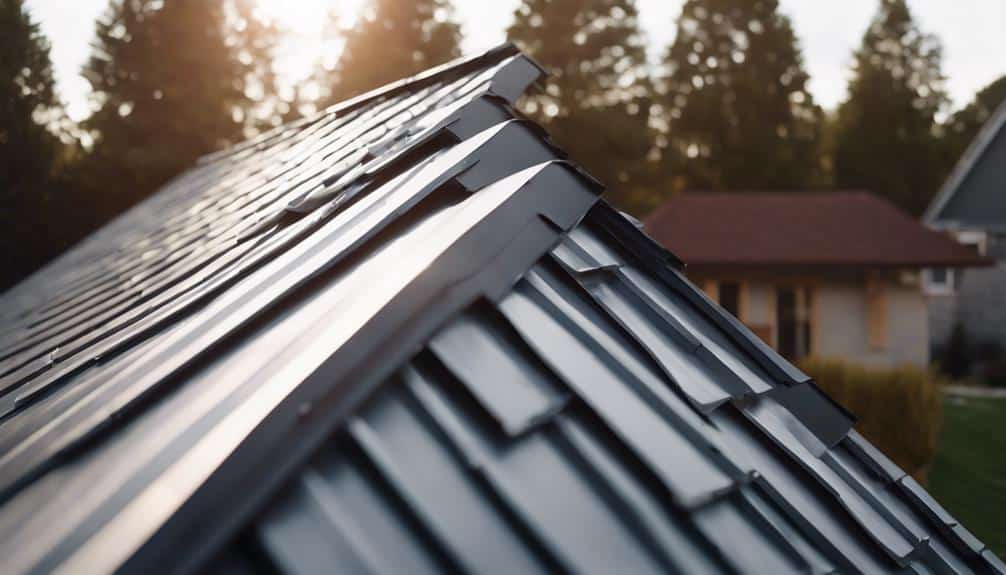
You’ll find compelling evidence of metal roofing’s effectiveness in real-world applications.
From residential success stories showcasing enhanced durability and energy efficiency to commercial buildings benefiting from long-term cost savings, metal roofs have proven their worth.
Historic building restorations have also embraced metal roofing, preserving architectural integrity while providing modern protection.
Residential success stories
Real-world examples showcase the transformative impact of metal roofing on residential properties. Homeowners consistently report high satisfaction with their metal roofs, citing durability and long-term cost savings as key benefits. Customer testimonials highlight how metal roofing has enhanced their homes’ aesthetics and increased property values. The growing popularity of residential metal roofing installations is evident in success stories from various climates and architectural styles.
Here are some key takeaways from these residential success stories:
- Metal roofs withstand extreme weather conditions, providing peace of mind for homeowners
- Energy efficiency improvements lead to significant savings on utility bills
- Low maintenance requirements save time and money over the roof’s lifespan
As more homeowners experience the advantages of metal roofing, its popularity continues to grow. These success stories demonstrate that metal roofing is a smart investment for residential properties, offering both practical benefits and aesthetic appeal.
Commercial applications
Three compelling case studies demonstrate the successful application of metal roofing in commercial settings.
In industrial applications, a manufacturing plant in Detroit saw significant benefits after installing a metal roof, including reduced maintenance costs and improved energy efficiency.
A large warehouse in Texas showcased the durability of metal roofing, withstanding severe weather conditions while protecting valuable inventory.
For office buildings, a multi-story complex in Seattle reported a 30% reduction in energy costs after upgrading to a reflective metal roof.
These examples highlight the growing metal roofing trends in the commercial sector. Retail spaces are increasingly adopting metal roofs due to their longevity and aesthetic appeal.
Cost analysis reveals that while initial investments may be higher, the long-term savings in energy and maintenance make metal roofing a smart choice for businesses of all sizes.
Historic building restorations
Moving from modern commercial applications to preserving architectural heritage, metal roofing has played a significant role in historic building restorations, as evidenced by several notable case studies. You’ll find that metal roofing addresses unique preservation challenges while maintaining historical accuracy.
Restoration techniques have evolved to guarantee architectural integrity is preserved, often using custom-fabricated materials to match original designs. These projects not only protect valuable structures but also have a positive community impact, revitalizing neighborhoods and attracting tourism.
Consider these key aspects of historic metal roof restorations:
- Balancing modern performance with period-appropriate aesthetics
- Addressing structural issues without compromising original design
- Utilizing specialized craftsmen for authentic replication of historic details
Future of Metal Roofing
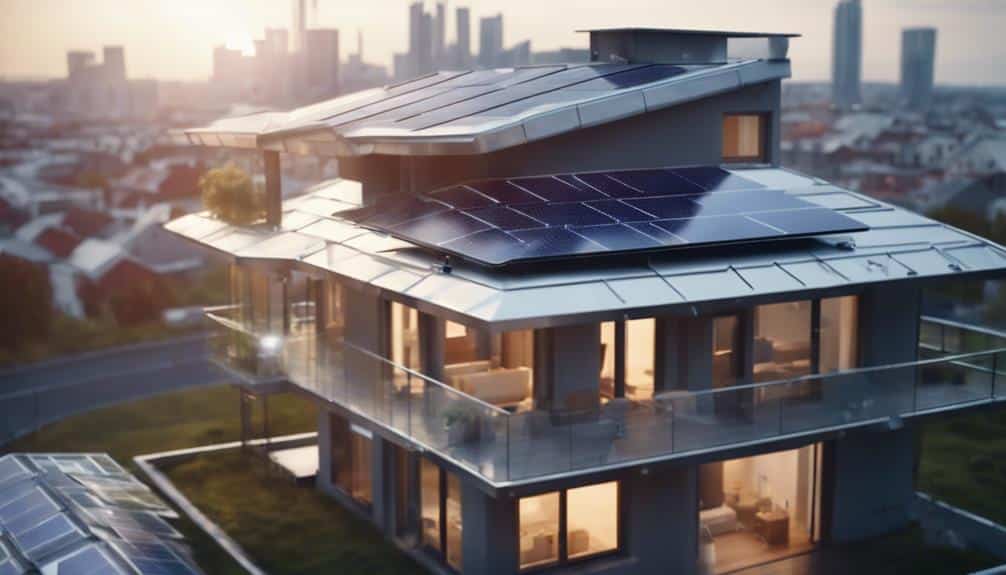
You’ll see exciting developments in metal roofing as emerging technologies and materials reshape the industry.
Market growth predictions suggest increased adoption rates, with more homeowners and businesses choosing metal roofs for their durability and energy efficiency.
Keep an eye on potential regulatory changes that may impact installation practices and material standards in the coming years.
Emerging technologies and materials
In the coming years, you’ll see metal roofing evolve with cutting-edge technologies and innovative materials that enhance durability, energy efficiency, and aesthetic appeal. Sustainable innovations are driving the development of eco-friendly metal roofing options, while smart technologies are making roofs more interactive and responsive to environmental conditions.
Coating advancements are improving corrosion resistance and energy reflection, extending the lifespan of metal roofs. Design trends are pushing the boundaries of what’s possible with metal roofing, offering homeowners more customization options than ever before.
Solar integration is becoming seamless, with photovoltaic cells being incorporated directly into metal roof panels. These emerging technologies and materials are reshaping the future of metal roofing, providing you with:
- Increased energy savings through advanced thermal management
- Enhanced durability and weather resistance
- Improved aesthetics and customization possibilities
Predicted market growth and adoption rates
Market analysts project a significant surge in metal roofing adoption over the next decade, driven by increasing awareness of its long-term benefits and environmental advantages. Growth projections indicate a compound annual growth rate of 5-7%, with residential applications leading the charge. You’ll see varying adoption rates across regions, with coastal and storm-prone areas showing higher uptake due to metal roofing’s durability.
The economic impact of this trend is substantial, as increased demand drives innovation and job creation in the sector. Sustainability benefits, including energy efficiency and recyclability, are key factors influencing consumer behavior.
As the market expands, you can expect intensified competition among manufacturers, potentially leading to more competitive pricing strategies. However, the focus will likely remain on quality and performance, as these are essential selling points in the metal roofing industry.
Potential regulatory changes
As the metal roofing industry grows, it’s likely to face new regulatory challenges and opportunities that could reshape its future landscape. You’ll need to stay informed about potential policy changes and their market implications.
Government regulations may impact energy efficiency standards, material specifications, and installation practices, leading to compliance challenges for manufacturers and contractors.
The industry’s response to these changes will be pivotal. You might see:
Increased investment in research and development to meet new standards
Collaboration between industry stakeholders to address legal considerations
Implementation of innovative solutions to overcome compliance hurdles
Regulatory impact could have significant economic effects on the metal roofing sector. As a consumer or industry professional, you should anticipate potential price fluctuations and product modifications.
Stay engaged with industry associations and local building departments to keep abreast of evolving regulations and their potential consequences for your roofing projects.
Conclusion
As you’ve seen, metal roofing offers numerous benefits, including durability, energy efficiency, and environmental friendliness.
You’ll find that its long-term cost savings and low maintenance requirements often outweigh the initial investment.
Consider metal roofing for your next project to enjoy these advantages and contribute to a more sustainable future in construction.
Recap of key points
We’ve covered a lot of ground on metal roofing, so let’s quickly recap the key points you should remember. Metal roofs offer exceptional durability and low maintenance, debunking common roofing myths about their performance. Proper installation is essential for longevity, so consider professional help.
These roofs have a positive environmental impact due to their recyclability and energy efficiency. While the initial cost may be higher, a thorough cost analysis reveals long-term savings through reduced maintenance and energy bills.
Here are three key takeaways:
- Metal roofs can last 50+ years with minimal maintenance
- They’re eco-friendly, reflecting sunlight and reducing cooling costs
- Despite higher upfront costs, they offer excellent value over time
Final thoughts on the value of metal roofing
Considering all the benefits we’ve explored, it’s clear that metal roofing offers exceptional value for homeowners looking to make a long-term investment in their property. You’ll enjoy significant cost savings through reduced energy bills and minimal maintenance. The environmental benefits are substantial, with metal roofs being recyclable and energy-efficient. Longevity advantages mean you won’t need to replace your roof for decades, while the aesthetic appeal adds value to your home.
| Aspect | Emotional Impact | Key Takeaway |
|---|---|---|
| Cost | Relief | Long-term savings |
| Environment | Pride | Eco-friendly choice |
| Durability | Security | Peace of mind |
| Appearance | Satisfaction | Increased home value |
While installation considerations may seem challenging, the long-term benefits far outweigh initial challenges. By choosing metal roofing, you’re making a smart, sustainable decision that will protect and enhance your home for years to come.
Frequently Asked Questions
Can Metal Roofing Be Installed Over Existing Shingles?
Yes, you can install metal roofing over existing shingles. It’s cost-effective, simplifies the installation process, and reduces environmental impact. You’ll enjoy lower maintenance requirements and improved energy efficiency. However, consider local building codes before proceeding.
How Does Metal Roofing Affect Cell Phone and Wi-Fi Signals?
You may experience signal interference with metal roofs. They can affect cell phone reception and Wi-Fi connectivity by blocking electromagnetic waves. However, the technology impact is often minimal, and you can usually overcome any issues with signal boosters.
Are Metal Roofs Compatible With Solar Panel Installation?
You’ll find metal roofs highly compatible with solar panels, boosting your home’s energy efficiency and cost savings. The installation process is straightforward, and the combination enhances sustainability, durability, and curb appeal while requiring minimal maintenance over its long lifespan.
Can Metal Roofs Be Painted to Change Their Color?
Yes, you can paint metal roofs to change their color. The painting process is straightforward, but consider durability concerns and cost comparison. Guarantee weather resistance isn’t compromised. Regular maintenance tips include cleaning and touch-ups to preserve the new color.
How Do Metal Roofs Perform in Areas With Heavy Snowfall?
Did you know metal roofs can handle up to 100 pounds per square foot of snow load? You’ll appreciate their durability in winter, as they prevent ice dams and shed snow easily. However, ensure proper insulation and occasional snow removal for best performance.
Conclusion
You’ve now got a solid grasp on metal roofing. It’s a versatile, durable, and eco-friendly option that’s gaining popularity.
Did you know that metal roofs can last up to 70 years, compared to just 20 years for traditional asphalt shingles?
With this knowledge, you’re well-equipped to make an informed decision about whether a metal roof is right for your home.
Consider your needs, budget, and local climate to choose the best roofing solution.


