

What Makes a Pitched Roof Ideal for UK Homes?
Pitched roofs are an excellent choice for homes in the UK. They effectively manage rainwater, which helps prevent leaks and extends their lifespan. The steep angles allow for quick drainage, minimising moisture build-up and reducing the risk of damage. When properly insulated and ventilated, these roofs also improve energy efficiency, ensuring your home stays comfortable throughout the year.
Moreover, with durable materials that can last over 50 years, pitched roofs offer great value for money. Their design is versatile, fitting well with various architectural styles, from traditional cottages to modern houses. Overall, pitched roofs present numerous benefits, making them a smart option for your home.
Key Takeaways
Pitched roofs are ideal for UK homes for several reasons:
- They effectively manage rainwater runoff, minimising the risk of leaks and water buildup.
- The steep slopes improve ventilation and control moisture, creating healthier indoor spaces.
- Materials like slate and clay tiles are durable, with lifespans ranging from 50 to 200 years.
- Pitched roofs also provide valuable attic space, perfect for storage or conversions, boosting property value.
- Their design suits a range of UK home styles, from traditional cottages to contemporary houses, enhancing curb appeal.
Advantages in Water Management

Pitched roofs offer significant advantages for water management, particularly in the UK where heavy rain is frequent. Their steep slopes promote efficient rainwater runoff, preventing water accumulation and reducing the risk of leaks. This design minimises the time moisture sits on roofing materials, which helps maintain the roof’s integrity and prevents damage. Unlike flat roofs, pitched roofs allow water to flow away quickly, keeping surfaces clear of stagnant water. This efficient drainage also means roofs dry faster, enhancing moisture control and reducing the chances of deterioration. By directing water flow and minimising pooling, pitched roofs not only protect roofing systems but also extend their lifespan, making them an excellent choice for UK homes. Additionally, their superior weather resistance ensures that they withstand heavy rainfall without compromising structural integrity. Regular inspections can help identify early signs of damage, ensuring that potential issues are addressed before they escalate.
Ventilation and Insulation Benefits
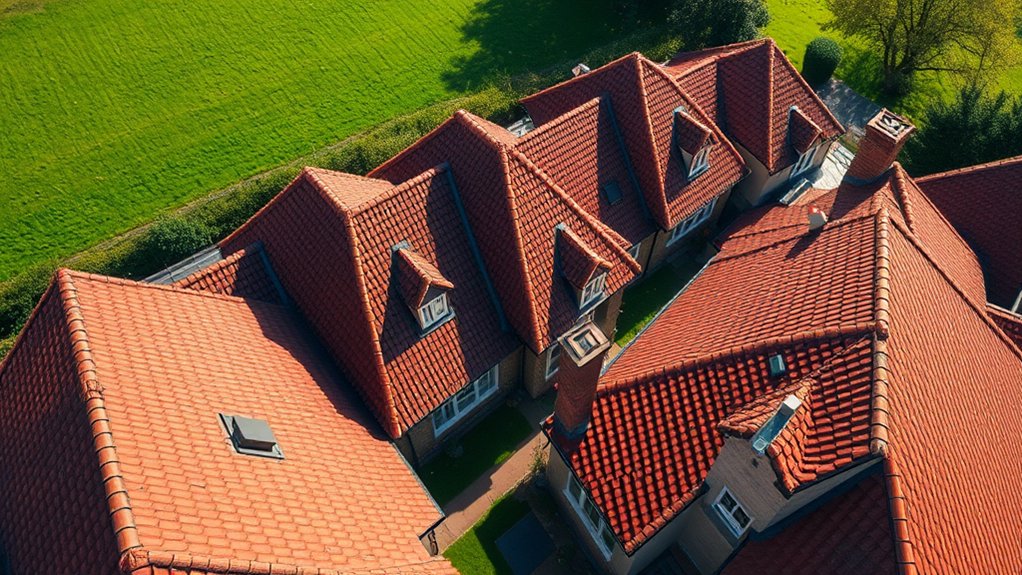
Pitched roofs not only improve a home’s appearance but also significantly enhance ventilation and insulation, which are vital for energy efficiency and comfort indoors. Effective ventilation allows for natural airflow, helping to remove moisture and prevent condensation. This, in turn, reduces the risk of mould and boosts indoor air quality, while proper roof ventilation regulates attic temperatures, ensuring a healthier living environment. On the insulation front, using proper materials can decrease heat loss by around 26%, leading to lower energy bills. The investment in pitched roof insulation typically pays off within 5 years of installation. The table below summarises the key benefits of ventilation and insulation in pitched roofs:
| Aspect | Benefit |
|---|---|
| Ventilation Strategies | Improves air quality and reduces pollutants |
| Moisture Control | Prevents condensation and mould |
| Thermal Regulation | Maintains consistent indoor temperatures |
| Energy Efficiency | Lowers energy demands |
| Comfort | Enhances overall living conditions |
Durability and Longevity

Durability and Longevity
The materials and design of your roof significantly influence its lifespan, so it’s crucial for homeowners to grasp what contributes to durability. For instance, slate and clay tiles can last over a century with proper upkeep, while asphalt shingles usually last only 20-30 years. Steeper roof pitches are beneficial as they enhance drainage, reducing water retention and promoting longevity—particularly important in the UK’s often damp climate. Additionally, the use of high-quality materials ensures longevity and minimizes the need for frequent repairs. Slate roofs, especially Welsh slate, can last between 50 to 200 years, making them an excellent choice for durability. To extend your roof’s life, engage in regular maintenance, including inspections and removing debris. This proactive approach helps prevent damage and ensures durability. With quality materials and consistent care, your pitched roof can protect your home for decades against the elements.
Environmental Benefits
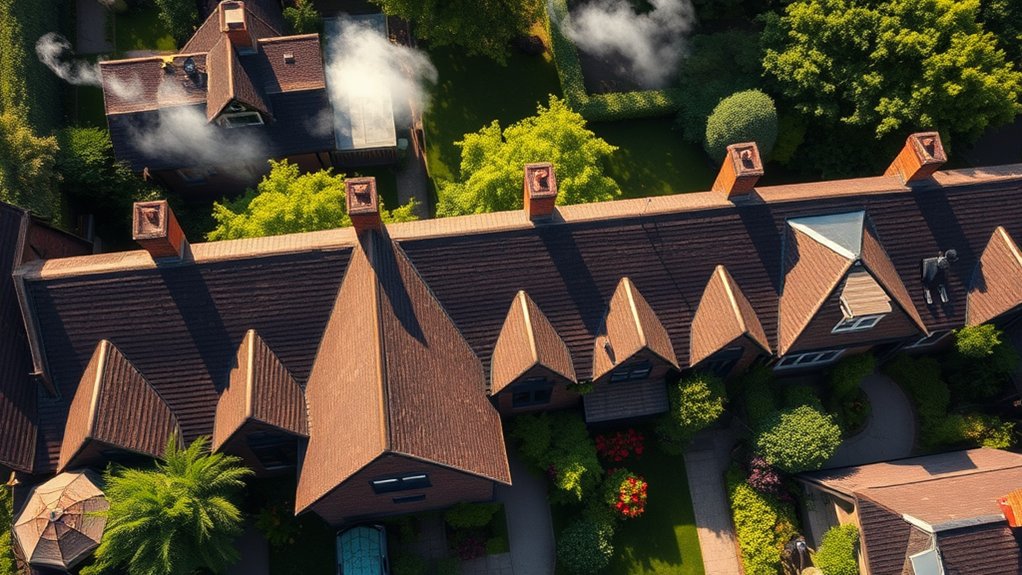
Pitched roofs provide notable environmental advantages, boosting energy efficiency through better insulation and natural ventilation.
You can also adopt sustainable living practices by incorporating solar panels and effectively collecting rainwater.
These features not only lower your carbon footprint but also encourage responsible water management.
Energy Efficiency Benefits
Insulating your roof can significantly benefit the environment by reducing energy consumption and lowering your carbon footprint.
Effective insulation is crucial, especially in homes with pitched roofs, where heat loss can account for 26% of total energy waste.
With around 70% of homes in the UK already benefiting from cavity wall insulation, applying similar techniques to your roof can greatly improve thermal performance and help maintain a comfortable indoor temperature.
This not only reduces heating requirements but also prepares your home for future environmental regulations.
Sustainable Living Options
Investing in energy-efficient solutions for your home paves the way for sustainable living that benefits the environment.
Installing green roofs improves insulation, reducing reliance on heating and cooling, while also soaking up rainwater to lessen stormwater runoff. Using sustainable materials, such as recycled tiles or timber from responsible sources, extends the life of your roof, minimising waste and conserving resources.
Incorporating cool roofing materials can reflect solar radiation, which helps tackle the urban heat island effect. Proper ventilation in pitched roofs prevents moisture build-up, enhancing indoor air quality and reducing maintenance.
These strategies not only promote biodiversity and improve air quality but also bolster climate resilience, making your home a more sustainable place to live.
Rainwater Harvesting Potential
How can rainwater harvesting improve your home’s environmental performance? By using pitched roofs, which have high drainage efficiency of around 0.9, you can significantly enhance rainwater collection.
The concrete tiles commonly found on UK homes are both durable and ideal for this purpose. Properly directing rainwater into well-maintained gutter systems helps reduce stormwater runoff, alleviating pressure on urban drainage and protecting local ecosystems.
Collected rainwater can be used for non-potable purposes, such as watering gardens or flushing toilets, which conserves mains water and lowers your bills.
This practice also cuts down on the energy needed for water treatment, reducing your carbon footprint. Integrating rainwater harvesting into your home’s maintenance not only supports sustainable living but also promotes responsible management of water resources.
Practical and Aesthetic Advantages

Pitched roofs enhance your home’s visual appeal by fitting in well with various architectural styles, from traditional to contemporary.
Their design not only adds to aesthetic value but also maximises usable space, making room for loft conversions or extra storage.
This blend of beauty and practicality makes pitched roofs a smart choice for homeowners looking for both style and functionality.
Visual Appeal Factors
When designing your home, consider the visual appeal that pitched roofs offer. They not only provide practical benefits but also enhance the overall look of your property.
Available in various styles, pitched roofs can complement current trends and inspire your home’s design. Customising materials and colours can significantly improve your home’s appearance, while their symmetrical shapes create visual balance.
In rural or historic areas, pitched roofs blend seamlessly with the surroundings, adding to the architectural charm. Their sloped design can also create a sense of height and showcase your home’s architectural style.
This thoughtful mix of aesthetics and functionality ensures your home stands out while fitting well within the neighbourhood.
Space Utilization Benefits
When it comes to maximising your home’s potential, pitched roofs offer significant space utilisation benefits. They create valuable attic spaces that can be used for effective storage, helping to keep your main living areas clutter-free.
You might also consider converting the attic into functional rooms, such as bedrooms or offices, which can enhance your property’s value. The sloped design typically provides good headroom, making these conversions practical, whether you need extra storage or a home gym.
Additionally, the space allows for improved insulation, boosting energy efficiency and potentially lowering heating costs.
Thermal and Acoustic Performance

Thermal and acoustic performance are vital in designing roofs for homes in the UK. Effective thermal insulation, such as mineral wool or fibreglass, can achieve the U-value requirement of 0.18 W/m²K, significantly reducing heat loss.
An ideal insulation thickness of about 270mm boosts energy efficiency and comfort. Proper ventilation is also crucial to prevent moisture problems, enhancing thermal performance.
For acoustic performance, using acoustic insulation and soundproofing techniques is essential. These strategies can significantly reduce external noise, promoting a quieter indoor environment.
Cost-Effectiveness of Pitched Roofs

Pitched roofs are a cost-effective choice for homeowners in the UK, thanks to their durability and longevity. With proper care, these roofs can last between 50 to 100 years, which significantly reduces the need for replacements.
| Aspect | Cost Implication | Considerations |
|---|---|---|
| Material Selection | Mid-range materials, like concrete, offer good value | Steeper pitches may require pricier options |
| Labour Considerations | Moderate pitches can lower labour costs | Skilled tradespeople are essential for proper installation |
| Long-term Savings | Lower maintenance expenses over time | Efficient water runoff helps avoid costly repairs |
Pitched Roofs and Architectural Versatility

When considering roofing options, pitched roofs are an excellent choice for their architectural versatility, fitting well with various home styles across the UK.
Their timeless design enhances the appeal of properties, from traditional Victorian terraced houses to modern builds.
You can choose from a wide range of materials, including classic slate and clay tiles or modern options like metal and asphalt shingles.
This flexibility allows for alignment with current design trends and personal preferences.
The structural adaptability of pitched roofs accommodates different angles and slopes, ensuring your home achieves the desired look.
Frequently Asked Questions
What Materials Are Commonly Used for Pitched Roofs?
When it comes to pitched roofs, there are several common materials to consider, including concrete, clay, and slate tiles. Each option has its own advantages, such as durability and visual appeal, helping you find a solution that fits both your practical needs and style preferences.
How Do Pitched Roofs Handle Snow Accumulation?
Pitched roofs handle snow accumulation well due to their design, which promotes effective drainage. This helps prevent excessive weight, ensuring safety and stability. For homeowners, this means less worry about maintenance and structural issues during winter.
Can a Pitched Roof Be Converted to a Flat Roof?
Converting a pitched roof to a flat roof requires careful planning. You’ll need to consider structural changes and drainage systems. This type of conversion can lead to increased maintenance and potential loss of insulation, which may affect energy efficiency and the overall value of your property. For instance, if you’re in an area with heavy rainfall, proper drainage is crucial to avoid leaks and water damage.
What Is the Typical Slope Ratio for Pitched Roofs?
Understanding slope ratios is crucial for pitched roofs. In the UK, the typical roof pitch varies between 30° and 50°. This angle helps with effective water runoff and maintains the roof’s structural integrity, which is vital for protecting homes from adverse weather conditions.
Are Pitched Roofs Suitable for All Climates?
Pitched roofs aren’t suitable for every climate, but they can be adapted to meet regional needs. By adjusting the pitch and using different materials, you can improve their performance in various weather conditions. For instance, steeper roofs are beneficial in areas with heavy snowfall, as they allow snow to slide off easily, reducing the risk of damage. In contrast, a lower pitch might work better in milder climates. Overall, with the right modifications, pitched roofs can be durable and efficient in many environments.
Conclusion
When selecting a pitched roof for your home in the UK, you strike a balance between practicality and aesthetics. Pitched roofs excel at managing rainwater and provide excellent insulation, making them both durable and environmentally friendly. Their versatility allows for creative designs that suit both modern and traditional properties. Moreover, pitched roofs are cost-effective and offer great thermal and acoustic performance. In essence, you’re not just choosing a roof; you’re improving your home’s functionality and appeal.


