

Plain Clay Tiles vs. Interlocking: Which System Is Right for Your UK Home?
When deciding between plain clay tiles and interlocking systems for your UK home, think about installation methods and costs. Plain tiles need careful installation for durability, while interlocking tiles are quicker to fit and can be more cost-effective in the long run. Aesthetics matter too; plain tiles offer a traditional look, whereas interlocking tiles lend a contemporary vibe. Additionally, plain tiles typically have a longer lifespan and perform better in harsh weather conditions. To find the best option for your home, take a closer look at the key differences.
Key Takeaways
- Plain clay tiles provide a timeless look with rich colours and intricate patterns, making them ideal for traditional homes.
- Interlocking tiles offer a contemporary appearance with larger sizes, minimising visible joints for a smooth roof finish.
- While installation costs for plain tiles are typically lower, interlocking tiles can save on labour and time due to easier fastening techniques.
- Plain tiles are known for their durability against harsh weather, whereas interlocking tiles are suited for coastal areas that experience high winds.
- Both types of tiles boast long lifespans, but plain tiles may need more maintenance and structural support over the years.
Installation Methods: A Comparative Overview

When choosing between plain clay tiles and interlocking systems for your home in the UK, it’s important to consider their installation methods, as these can affect both efficiency and longevity.
Plain clay tiles are installed in staggered patterns, which helps with water drainage and structural stability. Each tile is fixed individually using clout nails, requiring careful alignment with chalk lines. Furthermore, it is essential to adhere to BS 5534 for slating and tiling during the installation process to ensure compliance and durability.
In contrast, interlocking systems come with built-in sidelocks, making installation quicker and more straightforward. This method allows you to fasten every third tile, which promotes uniformity and saves time. While both systems need accurate alignment, interlocking tiles simplify the process significantly, reducing labour time while still providing robust protection against the elements.
Cost Efficiency: Weighing Your Options

When assessing cost efficiency, it’s essential to consider both installation costs and long-term value. Interlocking systems typically lower labour costs due to quicker installation, whereas plain tiles may lead to higher labour expenses because of their more complex fitting requirements. Furthermore, evaluating the durability and maintenance needs of each option can significantly affect your overall costs in the long run. For instance, while interlocking tiles might be pricier initially, their ease of installation and lower maintenance could save you money over time. Additionally, the roof covering choices can influence not only the aesthetic appeal but also the long-term value of your home. It’s also important to factor in regional differences in labour rates, as they can substantially impact your total expenses depending on your location.
Installation Cost Comparison
When selecting a roofing system, it’s crucial to assess installation costs as they can significantly affect your budget.
For material pricing, plain clay tiles typically cost between £20 and £60 per m², while interlocking tiles range from £60 to £120 per m².
In the UK, installation labour costs average £20 to £40 per m², depending on your location and the complexity of the job. Interlocking tiles might need less skilled labour, which could lower these costs. Labour rates can vary significantly based on geographic location, particularly in London and the South East, where prices are higher. Additionally, the overall roof replacement costs can be influenced by the complexity of the roof design.
In total, you can expect installation costs for plain clay tiles to fall between £120 and £230 per m², whereas interlocking systems may reach around £275 per m².
Be mindful of additional expenses such as scaffolding and waste disposal, as these can further influence your budget. Always include these factors in your decision-making process.
Long-term Value Assessment
When choosing roofing materials, it’s crucial to consider the long-term value of plain clay tiles versus interlocking systems, rather than just the initial costs. Here’s a brief comparison:
- Interlocking tiles may have a higher upfront price but require fewer units, which can reduce overall material expenses.
- Both options typically last 50 years or more, making them solid investments.
- The design of interlocking tiles often means less maintenance, potentially saving you money on repairs in the long run.
- Plain tiles can be heavier, possibly necessitating structural reinforcement that adds to overall costs.
- Additionally, slate roofs can last significantly longer than both options, providing a compelling alternative for homeowners seeking durability.
Aesthetic Appeal: Traditional vs. Modern
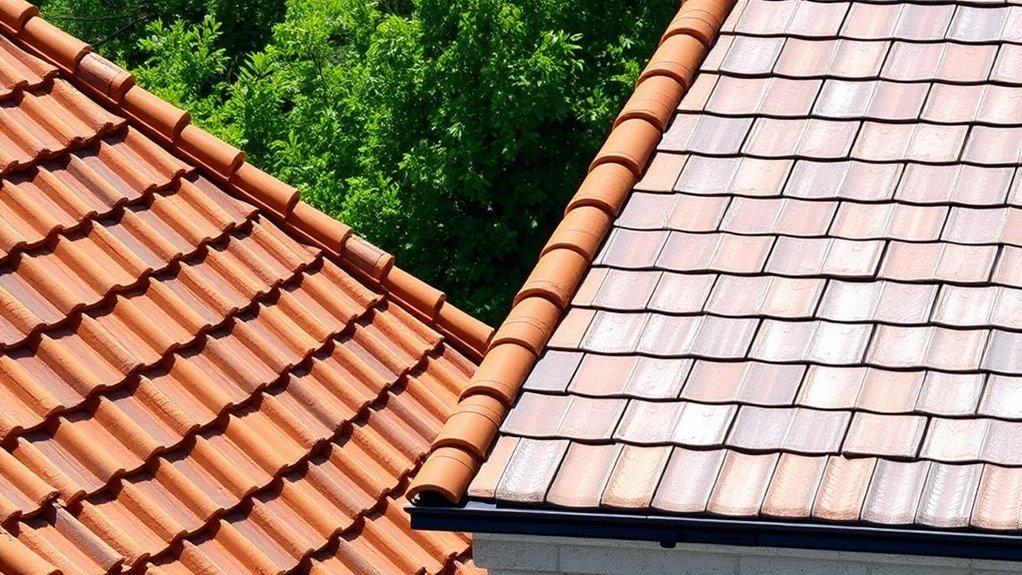
Both plain clay tiles and interlocking systems offer distinct aesthetic appeals, with your choice between traditional and modern designs reflecting the character you want for your home.
Plain clay tiles bring a classic charm, showcasing rustic origins and rich, burnt colours that enhance period properties. Their smaller shapes allow for intricate roof designs, adding to the overall aesthetic.
On the other hand, interlocking tiles provide a modern elegance with a streamlined, uniform look that suits contemporary tastes. Their larger format reduces visible joints, resulting in a clean roof surface.
Ultimately, your choice will depend on whether you prefer the authenticity of traditional design or the sleekness of modern architecture.
Durability and Lifespan: Which Lasts Longer?

When considering the durability and lifespan of roofing materials, plain clay tiles are a leading option for longevity, often lasting over 100 years with the right care.
Here’s a quick comparison:
- Longevity: Plain clay tiles can exceed a century, whereas interlocking tiles typically have a shorter lifespan.
- Weather Resistance: Both types perform well in harsh UK weather, but plain tiles are more resilient to freeze-thaw cycles.
- Maintenance: Plain clay tiles require less upkeep, which contributes to their long lifespan.
- Installation: The double-lap method used for plain tiles enhances water protection, making them a reliable choice.
In terms of longevity and weather resistance, plain clay tiles generally prove to be the more durable option, making them an excellent choice for your home.
Roof Pitch and Climate Suitability
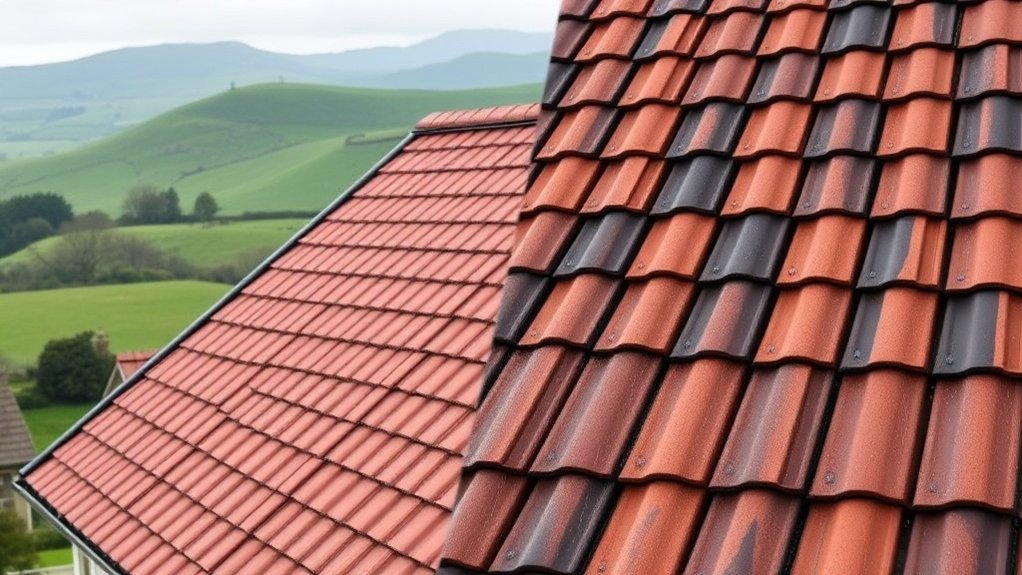
When deciding between plain clay tiles and interlocking systems, the roof pitch is crucial for their effectiveness and suitability to the UK climate.
Plain clay tiles need a minimum pitch of 35 degrees to ensure adequate water drainage, which makes them less ideal for the low-pitch roofs common in the UK.
On the other hand, interlocking clay tiles can be fitted on pitches as low as 12.5 degrees, offering a more flexible solution for dealing with the UK’s often wet and changeable weather.
Minimum Pitch Requirements
Understanding the minimum pitch requirements for roofing tiles is crucial for effective water management and structural integrity, particularly given the unpredictable UK weather.
- Plain clay tiles generally require a minimum pitch of 35 degrees for optimal performance.
- Some interlocking tiles can work at lower pitches, starting from around 12.5 degrees.
- Higher pitches are necessary for plain tiles without interlocks to prevent leaks from wind-driven rain.
- Selecting the right tile system improves compatibility with local environmental conditions.
Being aware of these minimum pitch guidelines will help you choose the suitable tile system for your home, ensuring its durability against the UK’s varied weather.
Climate Adaptability Factors
The performance of roofing tiles in the UK is heavily influenced by roof pitch and climate conditions.
Plain clay tiles are excellent for moisture management due to their natural porosity, while interlocking tiles provide better waterproofing through their design. For steeper pitches, both types aid in water shedding, which is crucial given the frequent rains and snow in the UK.
However, interlocking tiles excel in coastal areas where wind resistance is vital. In northern regions, frost-resistant interlocking tiles are recommended for handling freeze-thaw cycles.
On the other hand, plain clay tiles have good thermal mass, helping to regulate indoor temperatures during seasonal changes, making them versatile for different climates.
Ultimately, the best choice of tile depends on your specific climate and roof pitch.
Material Characteristics: Weight and Composition
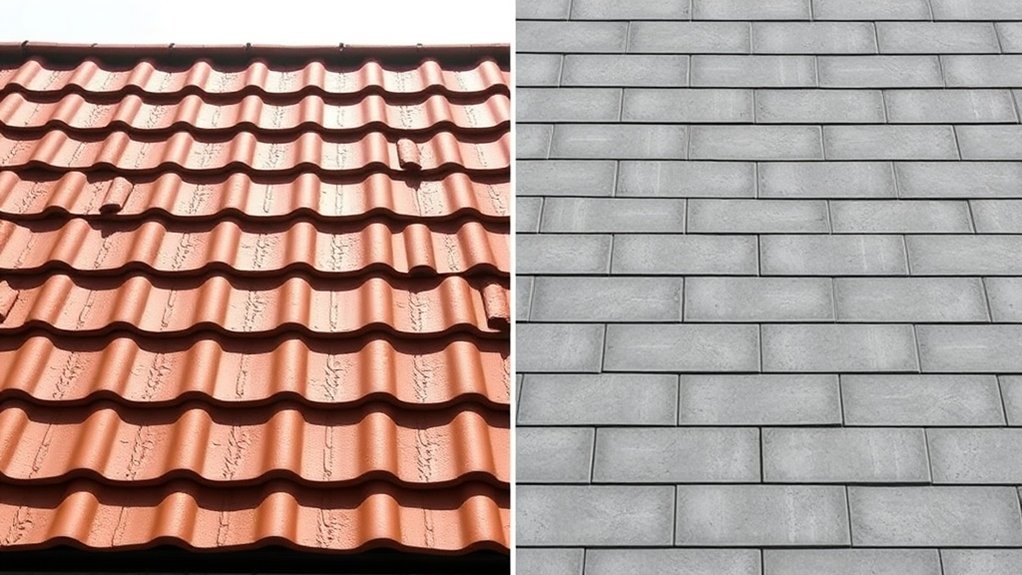
Clay tiles, whether plain or interlocking, are made from natural clay known for its strength and durability.
Here’s what you need to consider regarding their material properties and weight:
- Both types of tiles are primarily made from finely milled natural clays.
- Plain clay tiles typically weigh between 64 and 78 kg/m², which can affect structural requirements.
- Interlocking clay tiles are usually lighter, but their weight can vary depending on the product line.
- The manufacturing process complies with British and European standards, ensuring a high level of quality.
When selecting tiles, it’s important to take their weight and composition into account, as these factors can significantly influence your home’s structural integrity and long-term performance.
Maintenance Requirements: What to Expect
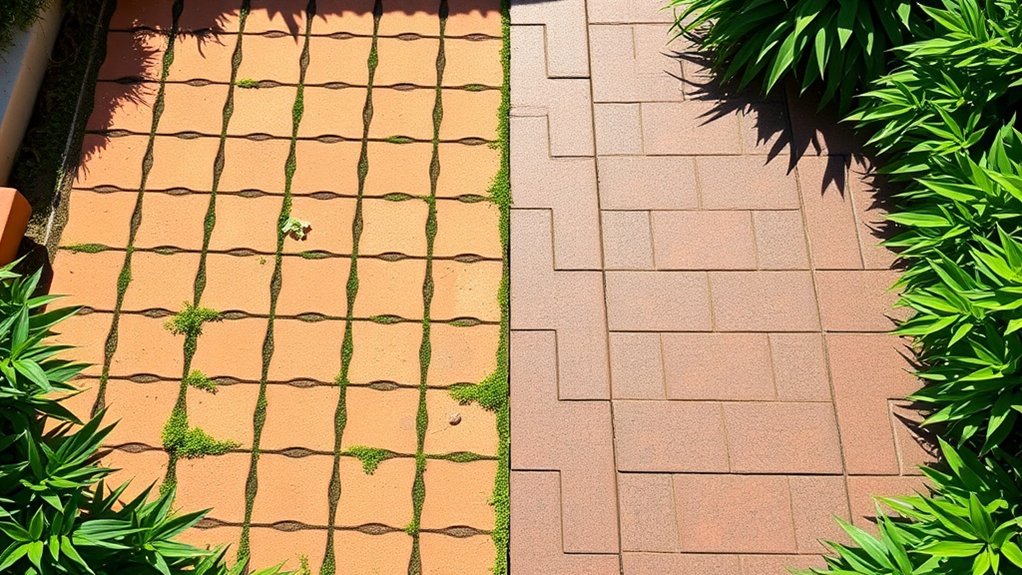
When selecting either plain or interlocking clay tiles for your roof, expect to carry out regular maintenance to ensure durability and performance. Typically, you should plan for maintenance every 5 to 10 years, depending on your local environment.
Routine inspections are essential for spotting slipped, broken, or missing tiles, as these can lead to leaks.
For plain clay tiles, it’s important to promptly replace any damaged tiles and regularly clear away debris that can trap moisture.
While interlocking tiles require less frequent adjustments due to their design, it’s crucial to check for any corrosion on the fasteners.
Additionally, gentle brushing will help keep the tiles clean and prevent blockages in gutters, which can cause water issues.
Environmental Impact: Sustainability Considerations
When selecting roofing options for your home, it’s important to consider the environmental impact of plain clay tiles compared to interlocking systems.
Here are some key sustainability points:
- Clay tiles can often be sourced locally, which significantly cuts down on transportation emissions.
- Modern manufacturing processes can recycle up to 97% of kiln waste.
- Clay tiles have a long lifespan, reducing resource consumption and waste.
- They can be reused, promoting a closed material lifecycle.
The local sourcing of clay leads to lower environmental costs than synthetic materials, and its recycling capabilities help lessen landfill waste.
Additionally, clay tiles are built to last, meeting rigorous durability standards.
Making the Right Choice for Your Home
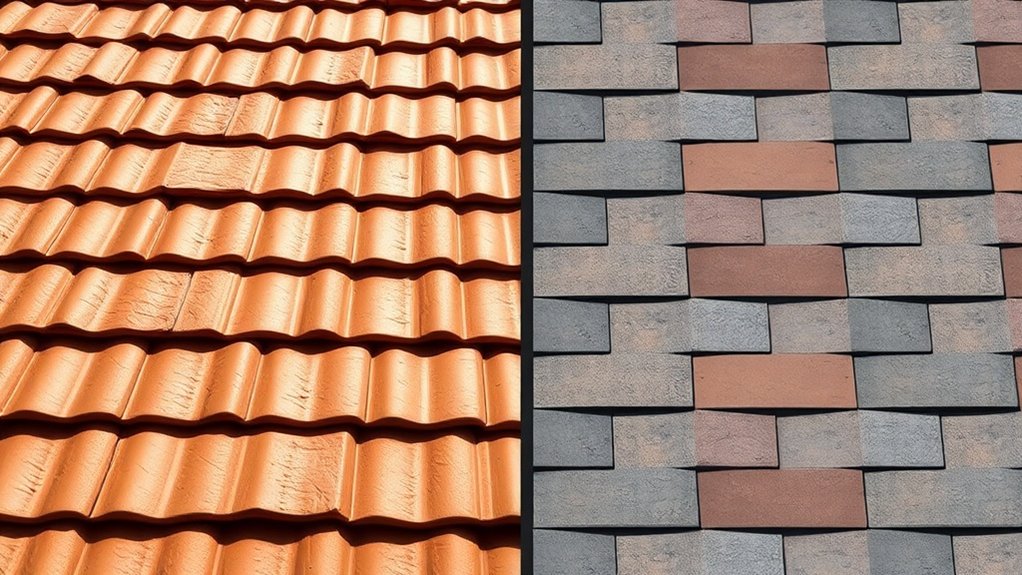
Choosing the right roofing system for your home requires careful thought about several factors, such as installation efficiency, suitability for your roof pitch, and the overall look.
Interlocking tiles can be quicker to install because of their larger size and single-lap design, which may help reduce labour costs. If your home has a low roof pitch, interlocking systems are adaptable, fitting pitches as low as 15˚.
Think about your design preferences too; plain tiles offer a timeless appearance, while interlocking tiles can replicate traditional styles with a modern edge.
Make sure to evaluate how each option fits with your home’s architecture and any local conservation rules.
Ultimately, the best choice balances efficiency, appearance, and practicality, ensuring your roof meets your needs for years to come.
Frequently Asked Questions
How Do Plain and Interlocking Tiles Handle Extreme Weather Events?
Plain and interlocking tiles both provide good weather resistance, but interlocking tiles generally offer better durability in extreme conditions. Their design helps minimise water penetration and wind uplift, which is crucial during severe weather events like storms or heavy rain. For instance, if you live in an area prone to high winds, interlocking tiles can offer added peace of mind for your roof’s protection.
What Are the Best Practices for Installing Each Tile Type?
To master tile installation techniques, ensure a brick bond for plain tiles, use double nails to secure edges, and maintain proper batten spacing for interlocking tiles. This will enhance durability and weather resistance, key factors in roofing. For example, double nails help prevent tiles from lifting in strong winds.
Can Interlocking Tiles Be Repaired Individually if Damaged?
Yes, you can repair individual interlocking tiles if they’re damaged. Begin by assessing the extent of the damage. Then, carefully remove the damaged tile without affecting the surrounding ones. Make sure the replacement tile fits securely to maintain the integrity of the roof. For instance, if a tile has cracked due to weather, replacing just that tile can save you from a more costly repair later on.
Are There Specific Brands Known for Quality in Either Tile Type?
In the roofing industry, brands such as Redland and Marley are recognised for their quality in both clay and concrete tiles. Their products are known for durability, weather resistance, and attractive designs, providing both protection and aesthetic appeal for your home.
How Do Installation Costs Vary Across Different Regions in the UK?
Installation costs in the UK can differ significantly by region, primarily due to variations in labour rates and material prices. For instance, in London and the South East, you might find costs are 20-30% higher than the national average, which can have a substantial impact on your overall budget. Always consider these regional differences when planning your projects.
Conclusion
When deciding between plain clay tiles and interlocking systems, you’re not just choosing a roof; you’re selecting the protective covering for your home. Both options have their advantages, from appearance to durability, so it’s crucial to consider your specific requirements and local weather conditions.
For instance, plain clay tiles can provide a classic look that suits traditional homes, while interlocking tiles may offer easier installation and better resistance to wind. Think of it like choosing the right tool for a job; the right roofing system can enhance your home’s lifespan and overall appeal. Take the time to evaluate your options to ensure your decision aligns with both practicality and style.


