

Modern Concrete Tile Profiles for UK New Builds
Modern concrete tile profiles for new builds in the UK offer a stylish yet durable roofing solution. With advanced pigment technology, these tiles come in vibrant colours that suit a range of architectural designs. Their interlocking systems not only make installation quicker but also improve weather resistance. Built to last, they effectively prevent water ingress and require minimal maintenance. Choosing these modern tiles can also enhance your home’s energy efficiency, helping to reduce your bills. Explore the options available to see how they can benefit your build.
Key Takeaways
Modern concrete tiles provide an affordable alternative to pricier materials, making them ideal for new builds in the UK. They come in a variety of colours and finishes, allowing for seamless integration with different architectural styles.
The interlocking tile systems streamline installation, cutting down on labour costs and the risk of misalignment. With their high thermal mass, concrete tiles help maintain comfortable indoor temperatures throughout the year, contributing to energy efficiency.
Moreover, these tiles are built to last. Their durability and weather resistance make them suitable for the often unpredictable UK climate, ensuring long-term performance.
Contemporary Design Trends in Concrete Roof Tiles

As modern architecture evolves, concrete roof tiles are adapting to various design preferences, combining functionality with aesthetic appeal. Notably, there’s a push for sustainability, with manufacturers incorporating recycled materials into their tiles. This boosts their environmentally-friendly credentials, aligning with sustainability trends in roofing. Advanced pigment technology ensures that colours remain vibrant, while moisture-resistant coatings and self-cleaning surfaces offer practical benefits. Contemporary designs can mimic traditional materials and seamlessly integrate modern solar technologies. With a wide range of colours and finishes available, these tiles suit diverse architectural styles, enhancing not just functionality but also the visual impact of any project.
The Advantages of Interlocking Tile Systems
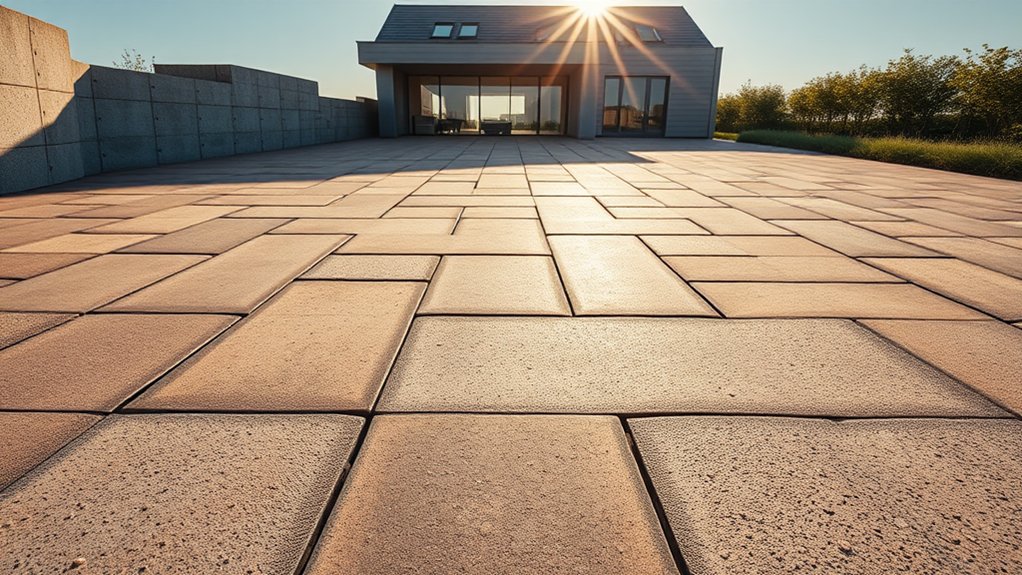
Interlocking tile systems are a standout choice among roofing options, offering a fantastic mix of cost efficiency, straightforward installation, and long-lasting performance. Here are some key advantages to consider:
- Lower material costs: You’ll need fewer tiles per square metre, which can save you money.
- Reduced labour expenses: The single-lap installation significantly cuts down on labour time.
- Simplified laying process: The interlocking design makes alignment easier and reduces the chance of mistakes.
- Weather resistance: Interlocked edges ensure excellent wind and watertight performance.
- Aesthetic versatility: These tiles come in various styles that can mimic more expensive materials at a lower price. Additionally, their excellent fire resistance ensures safety and durability, making them a reliable choice for homeowners looking for a long-lasting roofing solution. Opting for interlocking tile systems means you’ll enjoy easy installation without sacrificing durability, making them an excellent choice for your new build.
Key Technical Specifications to Consider

When choosing concrete tiles for your roofing project, it’s vital to consider key specifications for optimal performance and durability.
Start with water absorption; aim for a low percentage to prevent water damage. Check the weight per square foot; interlocking tiles usually weigh between 18-27 kg, whereas plain tiles tend to be heavier.
Follow installation guidelines, ensuring a minimum pitch of 12.5° for effective drainage. Confirm that the tiles meet BS EN 490 and BS EN 491 standards for compliance. Additionally, consider conducting strength testing to ensure the load-bearing capacity of the tiles meets your project’s requirements.
Look at the material composition as high-quality cement and aggregates will enhance durability. Keep an eye on updates to these standards to ensure your roofing choice remains compliant with evolving regulations.
Durability and Longevity of Modern Tiles

Selecting the right concrete tiles involves knowing their specifications and appreciating their durability. With proper installation and maintenance, these tiles can last for decades.
- Concrete tiles can endure for 50 to 70 years.
- They harden over time, which boosts their strength and stability.
- Their dense structure improves energy efficiency.
- Resistant to cracking, they perform well in harsh weather conditions.
- They require minimal maintenance, enhancing their attractiveness.
In short, concrete tiles aren’t only a practical choice but also a long-lasting investment for your home. Additionally, their performance can be further enhanced by proper ventilation, which is essential for roof longevity.
Weather Resistance: Protecting Your Home
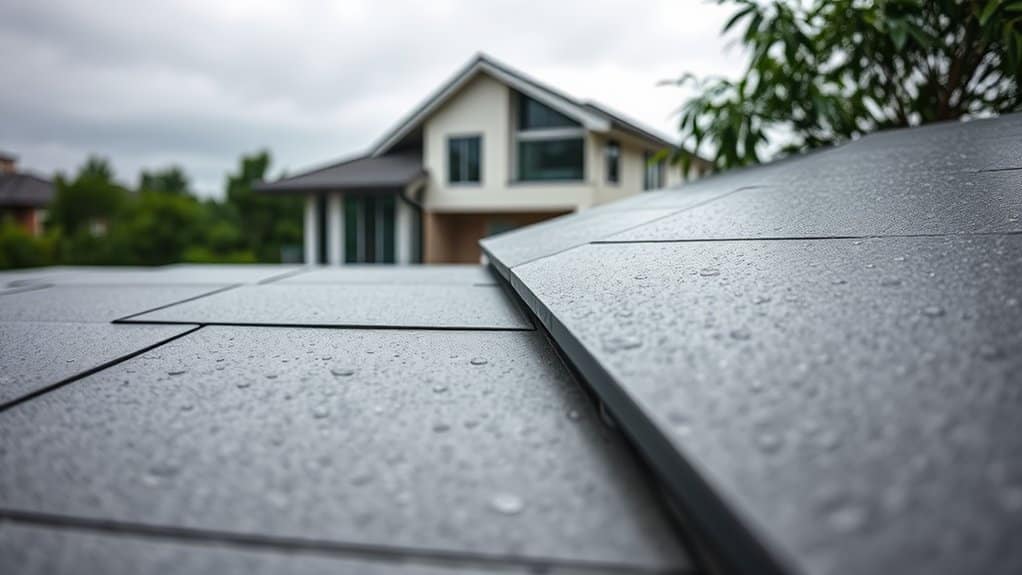
Understanding weather resistance is crucial for protecting your home, especially with the unpredictable UK climate.
Modern concrete tiles are engineered for enhanced weather durability, featuring advanced water-repellent coatings and interlocking designs that help prevent leaks. They comply with BS EN 1304 and BS EN 490, ensuring they meet strict standards for resilience against heavy rain, frost, and strong winds. Additionally, these tiles are rated Class A for fire resistance, providing an extra layer of safety against potential fire hazards.
Their thickness and material composition boost their strength further. Proper installation following BS 5534 guidelines is key to maximising their protective capabilities.
Energy Efficiency Benefits of Concrete Roofing

When it comes to a home’s energy efficiency, modern concrete roofing offers distinct advantages. By opting for concrete tiles, you’re making a choice that enhances thermal performance and leads to significant energy savings.
Here are the main benefits:
- Heat Retention: Concrete tiles absorb heat during the day and release it at night, helping to maintain a comfortable indoor temperature.
- Year-Round Efficiency: They effectively regulate temperatures in both winter and summer, keeping your home cosy or cool as needed.
- Reduced Heating Needs: Their thermal mass helps to lower peak heating requirements, which can lead to savings on your energy bills.
- Compatibility with Insulation: When combined with insulation, concrete tiles boost overall roof performance, enhancing energy efficiency even further.
- Long-Term Cost Savings: Although they may have a higher upfront cost, concrete tiles often lead to lower energy bills over time.
These benefits make modern concrete roofing a sensible option for those looking to improve energy efficiency in their homes.
Climate Adaptability of Modern Tile Profiles

When choosing modern concrete tile profiles, you’ll find they’re highly suitable for various UK climates, particularly in areas with unpredictable weather.
These tiles provide excellent moisture protection, keeping your home dry during heavy downpours.
Moreover, their energy-efficient manufacturing processes contribute to sustainability, making them a wise choice for eco-conscious homeowners.
Regional Climate Compatibility
As climate change escalates and regional weather patterns grow more unpredictable, choosing the right roofing tile profile is crucial for durability and functionality.
Being aware of the climate risks in your area allows you to select materials that enhance resilience. Here are some key factors to consider:
- In flood-prone areas, opt for water-shedding profiles and non-porous materials.
- If overheating is a concern, choose tiles with reflective coatings or lighter colours.
- For coastal regions, wind load resistance is vital; interlocking designs are preferable.
- In northern areas that experience freeze-thaw cycles, use frost-resistant concrete mixes.
- Consider future climate projections and opt for adaptive designs that can handle multiple hazards.
Moisture Protection Features
Moisture protection features in modern concrete tile profiles are crucial for improving climate resilience, especially in areas with heavy rain and high humidity.
Effective moisture management begins with protective coatings and designs that stop water ingress. The double-layer acrylate coating and transparent synthetic layers offer excellent moisture resistance while keeping a pleasing appearance.
Interlocking mechanisms and anti-capillary channels act as barriers against driving rain, ensuring long-lasting durability. Moreover, high-density concrete mixes and waterproof core formulations guard against damage from moisture and freeze-thaw cycles.
This innovation not only boosts performance but also prolongs the lifespan of roofs. By incorporating these advanced features, you’re ensuring your buildings can withstand the challenges of the UK climate.
Energy Efficiency Benefits
When it comes to energy efficiency, modern concrete tiles really shine. Unlike many roofing materials, they adapt well to various UK climates and offer significant energy-saving advantages. Here’s how:
- They save 30% more energy during production compared to traditional clay tiles.
- With their high thermal mass, they help maintain comfortable indoor temperatures all year round.
- They reduce heat transfer by 70% compared to asphalt shingles, keeping homes cooler in summer and warmer in winter.
- Their pitched roof designs promote natural ventilation, enhancing airflow.
- Made from sustainable materials, including recycled content, they help lower your carbon footprint.
Concrete tiles are a smart choice for energy-conscious homeowners looking to improve efficiency and comfort.
Aesthetic Appeal: Colour and Finish Options

When choosing modern concrete tiles, you’ll discover a wide range of colours and finishes that enhance both their look and practicality.
Marley offers six standard colours, including earthy tones like sandstone and terracotta, as well as contemporary neutrals such as grey and slate. Your choice may reflect local preferences, with warmer tones suited to rural areas and cooler greys for urban settings.
The finishes are impressive too, featuring smooth and textured surfaces that replicate traditional clay styles. Low-reflectance matte coatings help keep urban heat at bay, while weather-resistant glazes ensure lasting colour.
With anti-moss treatments and granulated mineral coatings, you can enjoy a beautiful, low-maintenance roof that withstands the elements.
Installation Efficiency for Cost-Effective Projects
Choosing modern concrete tiles not only improves the look of your roof but also boosts installation efficiency, affecting overall project costs.
To ensure a cost-effective installation, keep these key factors in mind:
- Pre-Installation Planning: Make sure your roof structure can support the weight of the tiles.
- Specialised Equipment: Use tile lifts to speed up the installation process.
- Skilled Labour: Hire workers with experience in concrete tile installation to reduce the risk of mistakes.
- Weather Conditions: Plan installations for dry, stable weather to avoid delays.
- Site Logistics: Ensure easy access for materials to prevent potential hold-ups.
Market Availability and Supplier Options

When looking for modern concrete tiles, you can choose from various suppliers such as Marley, Redland, and Sandtoft.
Each offers distinct products, including interlocking and flat profiles, suitable for different architectural styles.
Many suppliers also provide samples, so you can evaluate materials and colours before deciding.
Leading Tile Suppliers
As the popularity of modern concrete tiles grows, it’s important to know the top suppliers in the UK. Here are some key players to consider:
- Marley: Offers a range of modern interlocking concrete tiles available in various colours.
- Mannok: Renowned for its high-quality, Kitemark-certified concrete roof and ridge tiles.
- Hanson: Provides concrete roof tiles that adhere to industry standards.
- Ibstock Forticrete: Specialises in concrete slates designed to resemble natural materials.
- Roofing Distribution UK: Features affordable options like the Exmoor tile to suit different architectural styles.
When comparing suppliers, think about their distribution networks, quality compliance, and customer support.
Keeping up with market trends will help you choose the right supplier for your next project.
Product Variety Offered
Modern concrete tiles provide a wide variety of options to suit different architectural styles and personal tastes.
With six standard colour choices, you can easily find a tile that aligns with your vision, whether you favour a sleek slate finish or more muted hues like grey and terracotta.
Leading suppliers offer interlocking systems and hybrid profiles, blending traditional wave designs with contemporary dimensions for added flexibility.
As large-format tiles rise in popularity, they simplify installation while adhering to UK building regulations.
Additionally, many specialised suppliers offer custom colour-matching services, allowing you to achieve a personalised look without sacrificing quality or performance.
Sample Availability Options
Homeowners and builders in the UK often find it beneficial to explore sample availability options for modern concrete tiles.
With a range of suppliers available, evaluating different styles and finishes has never been easier.
Here are some key options to consider:
- Sample Tiles: Request sample tiles to check quality and appearance.
- Physical Showrooms: Visit local showrooms for a hands-on experience and expert advice.
- Online Catalogues: Browse through online catalogues for a wide selection at your convenience.
- Customisation Services: Look into customisation options to align with your design vision.
- Supplier Events: Attend events to see samples and meet industry professionals.
These options not only simplify your decision-making process but also ensure that the tiles you select perfectly suit your new build project.
Ensuring Quality: Sample and Batch Considerations

Ensuring quality in concrete tile production relies on effective sampling and batch management. Adhere to standards like EN 490, which specifies sampling methods to ensure dimensional accuracy and strength.
Regular visual inspections, as stated in BS EN 490:2011+A1:2017, help catch any surface defects early on.
Batch traceability is crucial; unique identifiers connect each batch to its production date and mix design, ensuring accountability. Always maintain minimum sample sizes to accurately represent batch uniformity.
Compliance with tests for flexural strength and permeability further boosts quality assurance.
Finally, keep thorough documentation, including test certificates and production records, to demonstrate your commitment to producing high-quality tiles that meet NHBC standards for consistent appearance in new builds.
Frequently Asked Questions
What Maintenance Do Modern Concrete Roof Tiles Require?
Modern concrete roof tiles need regular cleaning to clear away debris and prevent moss growth. It’s important to inspect for cracks and check that tiles are securely fastened to ensure they last and perform well. For example, a simple sweep or brush can help keep your roof in good shape. Regular maintenance can save you from costly repairs in the long run.
How Do I Choose the Right Color for My Roof?
When selecting the right colour for your roof, consider the emotional impact of colour psychology and the practical benefits of climate compatibility. Dark colours absorb heat, making them suitable for cooler climates, while lighter shades reflect sunlight and keep homes cooler in warmer areas. Observe your local environment to ensure your choice complements the overall aesthetic of your neighbourhood. For example, a slate grey roof may blend well with a traditional brick house, while a light cream might suit a modern build. Aim for a balance that enhances your home’s appeal while being mindful of your surroundings.
Are Modern Concrete Tiles Suitable for Historic Buildings?
When considering modern concrete tiles for historic buildings, it’s essential to balance compatibility with aesthetic appeal. These tiles might not possess the charm and character of traditional materials, which could compromise the building’s authenticity. For example, using sleek concrete tiles on a Victorian terrace may clash with the intricate details of the original architecture. Always prioritise materials that complement the historic style to maintain the building’s heritage.
Can Concrete Roof Tiles Be Recycled?
Yes, concrete roof tiles can be recycled through an efficient recycling process. This helps minimise environmental impact, conserve resources, and supports a more sustainable future by repurposing materials instead of throwing them away.
What Is the Lifespan of Modern Concrete Roof Tiles?
Modern concrete roof tiles generally last between 30 and 60 years. Their lifespan can be affected by factors such as the quality of installation and local environmental conditions. With proper maintenance, you can significantly extend their life, ensuring they remain durable and sustainable.
Conclusion
If you’re still imagining thatched roofs and traditional tiles, it’s time to reconsider. Modern concrete roof tiles provide a combination of durability, visual appeal, and weather resistance that older options simply can’t match. Their interlocking systems allow for quicker installation, which could save you enough for that holiday you’ve been putting off. Embrace contemporary roofing—your home deserves more than just nostalgia. After all, charm doesn’t have to come at the expense of practicality.


