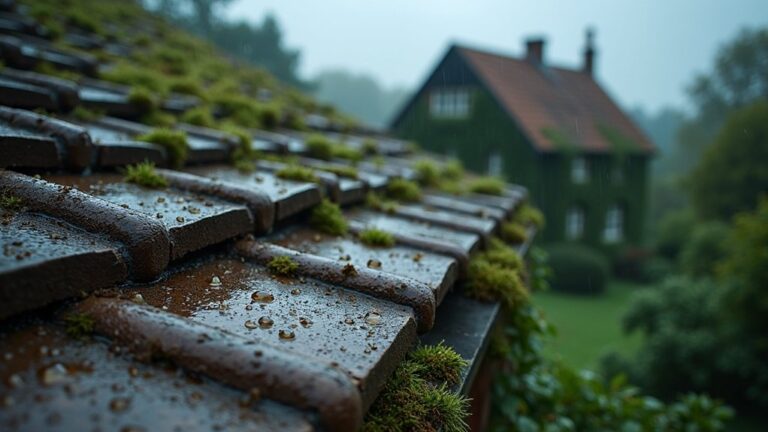

Clay Roof Tile Colour Fading: Causes and Solutions for UK Homes
Clay roof tiles can lose their colour due to UV rays, pollution, biological growth, and general wear over time. To address these issues, it’s essential to regularly inspect and clean your tiles, ensure proper drainage, and consider using fade-resistant materials when installing new tiles. Professional cleaning and applying sealants can also effectively restore their colour. By following these steps, you’ll improve both the appearance and longevity of your roof. Explore further methods to keep your clay roof tiles looking vibrant for years to come.
Key Takeaways
- Colour fading in clay roof tiles is mainly due to UV exposure, environmental pollutants, and biological growth like moss and algae.
- Signs of fading include a washed-out look, patchy discolouration, and a change in surface texture from glossy to matte.
- Debris can trap moisture, encouraging moss growth and blocking drainage, which can lead to further colour deterioration and structural issues.
- To prevent fading, choose fade-resistant tiles, use breathable sealants, and ensure proper drainage and ventilation to keep your tiles in good condition.
- For restoration, consider professional cleaning, replacing damaged tiles, and applying protective coatings to rejuvenate colour and extend the lifespan of your clay roof tiles.
Understanding Clay Roof Tiles

Clay roof tiles are a popular choice for roofing in the UK, made from natural materials like clay and shale. These tiles are fired at high temperatures, which makes them durable and perfect for the UK’s unpredictable weather. They come in various shapes, both flat and curved, designed to withstand environmental challenges while adding to the building’s style. They meet standards like BS EN 1304, ensuring they perform reliably over time. Additionally, the high-temperature firing process is essential for developing the required strength and durability of the tiles. Due to their thickness and weight, it’s essential to have proper structural support for them, ensuring your roof lasts. Clay tiles also have historical significance, making them a great option for both restoration projects and new builds, combining practicality with visual appeal.
The Impact of UV Radiation
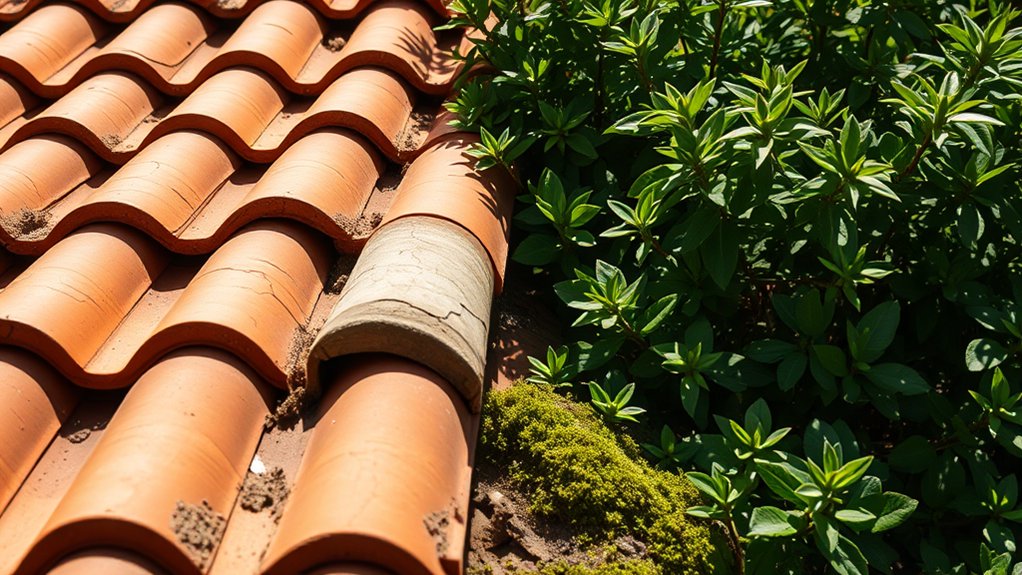
While clay roof tiles can enhance the aesthetic of your home, it’s important to recognise the impact of UV radiation on their durability and appearance.
Over time, UV rays can cause noticeable colour fading as pigments deteriorate, leading to unattractive discolouration. Extended exposure also weakens protective coatings, making the surface more porous and accelerating fading. Prolonged UV exposure can also contribute to thermal expansion and contraction, which stresses the roof structure.
Older or poorly maintained roofs are especially prone to permanent discolouration.
To combat these issues, consider colour restoration techniques to refresh your tiles.
Regular inspections are crucial for spotting UV-related damage early, helping to keep your roof looking good and structurally sound.
Biological Growth and Its Effects
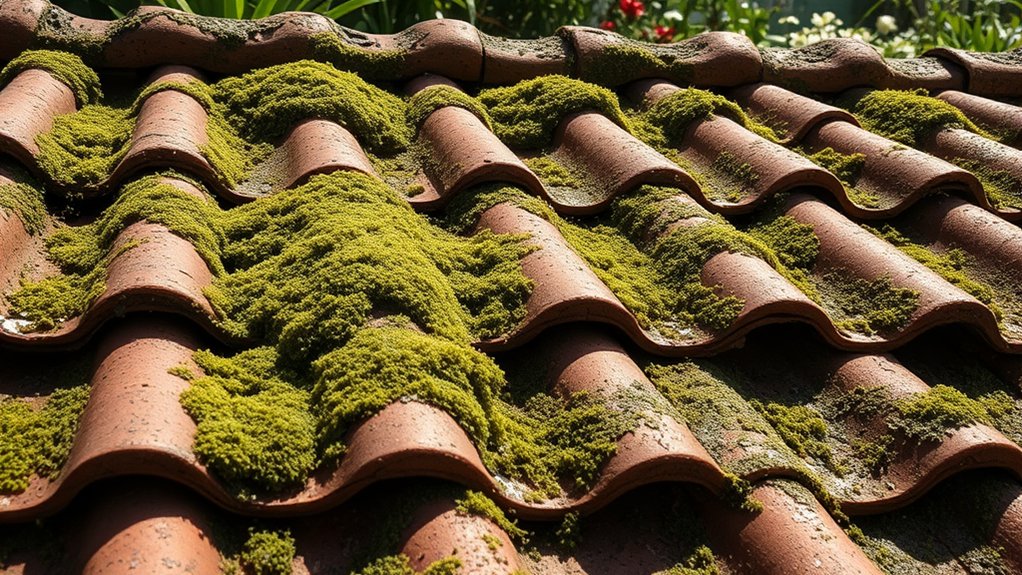
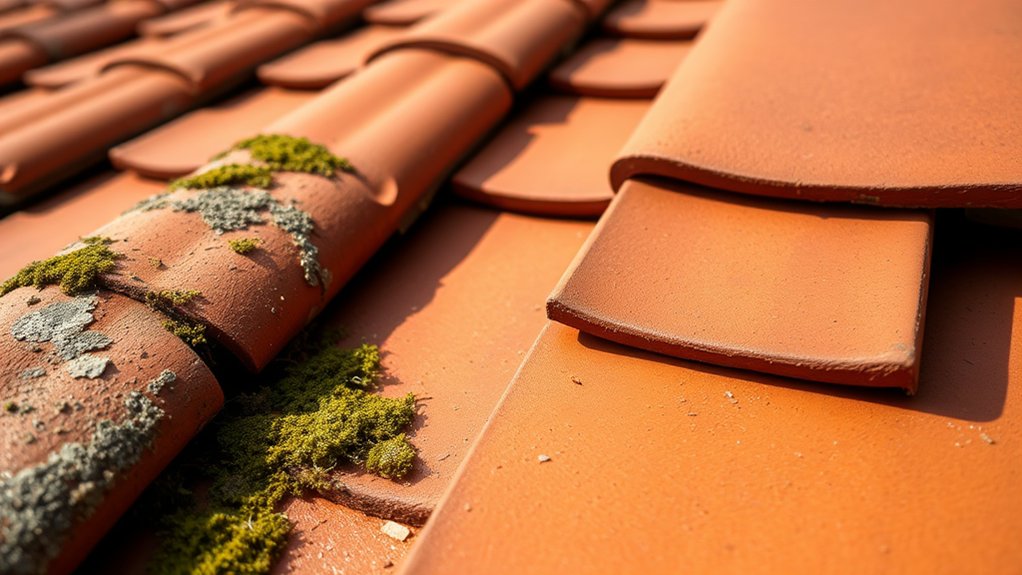
Biological agents such as moss, algae, and lichen can thrive on clay roof tiles, affecting both the appearance and integrity of your roof.
These organisms flourish in the moisture retained by porous tiles, leading to fading and potential structural damage. Regular moss removal and lichen treatment are vital to maintain your roof’s aesthetics and prevent further deterioration. To tackle algae and fungi, routine roof maintenance is key. It helps reduce moisture accumulation, which can lead to freeze-thaw cycles that worsen erosion. Additionally, implementing green roof systems can help mitigate moisture retention on roof surfaces.
Consider applying a biocide to inhibit growth without damaging the tiles, as using a product like Bio-Wash Roof Cleaner can effectively target these issues while providing long-lasting protection. By following these steps, you can prolong your roof’s lifespan and enhance its curb appeal, keeping your home looking good and structurally sound for years to come.
Pollution and Dirt Accumulation

Urban pollution significantly affects the appearance of clay roof tiles, mainly due to the accumulation of dust and soot.
These particles settle on the tiles, giving them a dull appearance and causing colour fading over time.
If left untreated, this mix of pollutants and grime can compromise the tiles’ integrity.
Therefore, regular cleaning is crucial to preserve their original look.
Urban Pollution Impact
Pollution has a significant effect on the lifespan and appearance of clay roof tiles, especially in urban areas. Pollutants like nitrogen oxides (NOx) from car emissions play a large role in degrading tiles.
When these substances react with sunlight, they form harmful particles that stick to the porous surface of tiles, speeding up chemical damage and fading their colour.
Furthermore, sulfur dioxide and heavy metals create corrosive layers, diminishing the tiles’ visual appeal. Ongoing exposure to these contaminants leads to oxidation, which breaks down the pigments, altering the tiles’ usual shades.
To help combat this issue, consider using titanium dioxide coatings. These coatings can help break down NOx, protecting your clay tiles and keeping them looking vibrant in a polluted urban environment. Additionally, regular maintenance and inspections are crucial to identify and address any degradation early on.
Dust and Soot Accumulation
Clay roof tiles can easily gather dust and soot, leading to both aesthetic and structural problems if not addressed. Common sources of dust include industrial emissions, vehicle exhaust, and nearby construction work. This pollution can dull the colours of your tiles, encourage mould growth, and even cause structural damage. To protect your roof’s integrity, aim for a regular cleaning schedule—ideally, at least twice a year.
| Dust Sources | Cleaning Frequency | Effects on Tiles |
|---|---|---|
| Airborne emissions | Twice a year | Dulling of surface colour |
| Vehicle exhaust | Seasonal checks | Surface deterioration |
| Construction dust | After major events | Water retention and mould |
Water Damage and Mineral Deposits
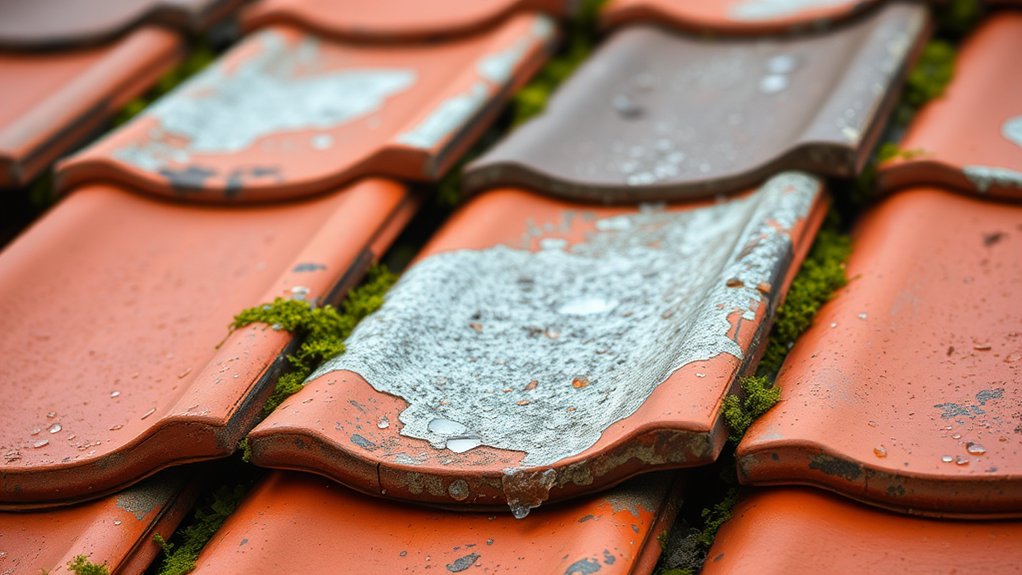
When water seeps into your roof due to installation issues or ageing tiles, it can cause serious damage and lead to mineral deposits.
Moisture can enter through cracks or poorly installed tiles, resulting in a buildup of minerals on your clay tiles. This appears as efflorescence, which forms white or greyish crusts that dull the tile’s colour and affect its appearance.
Over time, these deposits can block drainage paths and weep holes, trapping water and worsening tile damage. Regular maintenance helps identify minor issues before they escalate, preventing further complications.
To avoid these problems, it’s essential to carry out regular inspections and make prompt repairs.
Cleaning your roof with low-pressure methods and applying protective coatings can reduce porosity, preventing further water and mineral penetration and helping maintain the vibrant look of your tiles.
Thermal Expansion and Weathering

While clay tiles are renowned for their durability, they can still be affected by thermal expansion and weathering over time.
For instance, sudden temperature changes, like rain falling on a hot day, can cause thermal stress, leading to uneven expansion and potential cracking. Although clay tiles have a low water absorption rate, moisture can accumulate beneath them, resulting in thermal shock and further surface damage.
Despite clay’s dense structure limiting moisture-related problems, repeated cycles of heating and cooling can create tiny fractures.
Additionally, prolonged exposure to UV rays can fade the colour of the tiles, although their baked surface generally withstands significant wear.
Taking care to ensure proper installation and ventilation can help prolong the life and appearance of your roof.
Identifying Early Signs of Fading
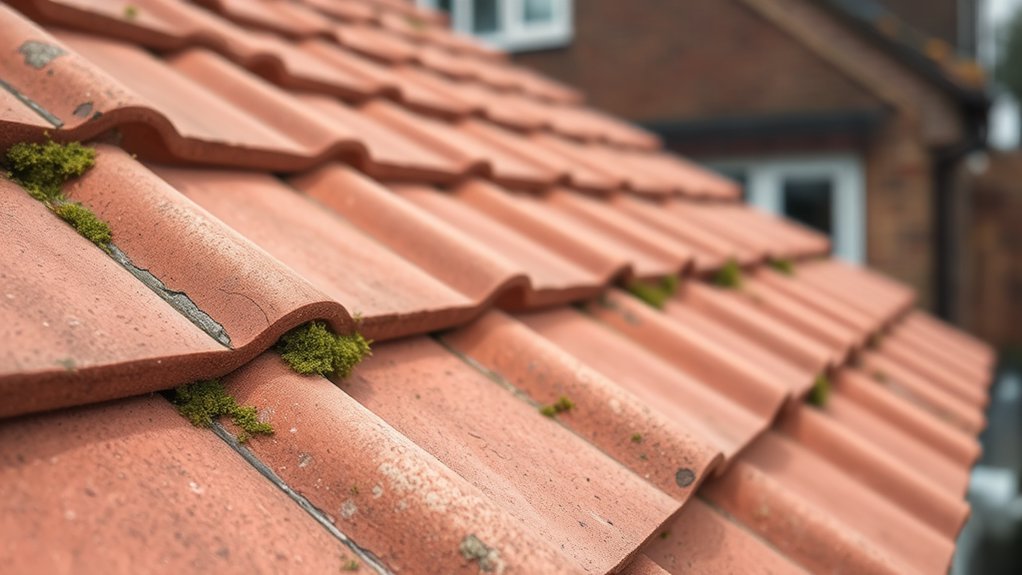
Look out for early signs of fading in your clay roof tiles, such as dulling of colour and patchy discolouration.
Check for changes in surface texture; any roughness or flaking can signal deterioration.
Addressing these issues promptly can help preserve both the appearance and structural integrity of your roof.
Colour Dulling Indicators
As clay roof tiles age, there are several clear signs of colour dulling to watch for.
You may notice that the tiles lose their original vibrancy, appearing washed out compared to their initial rich hues. A chalky surface can develop, dulling the natural colours and affecting the overall look of your roof.
Uneven lightening can also occur, altering how the colours are perceived. Keep an eye out for moss or algae, which can obscure tile colours and contribute to dullness.
Accumulated dust can create a greyish cast, reducing brightness. If these issues aren’t addressed, they can lead to more significant fading, diminishing your roof’s visual appeal over time.
Tackling these problems early can help preserve your home’s character.
Patchy Discoloration Patterns
Identifying patchy discolouration patterns on clay roof tiles is crucial for spotting fading early. During your inspection, look for irregular colour variations with lighter or darker spots disrupting the tile’s uniformity.
Mottled appearances, featuring small scattered discoloured areas, often indicate underlying issues. Pay particular attention to banded fading, which may create streaks that align with the roof slopes.
The outer edges or corners of tiles usually display more noticeable colour loss. Discolouration can also occur randomly due to environmental exposure.
Recognising these early signs allows you to tackle potential problems before they worsen, ensuring your roof remains both functional and visually appealing.
Regular inspections and prompt interventions can significantly reduce further damage from patchy discolouration.
Surface Texture Changes
Changes in surface texture can indicate fading in clay roof tiles, often linked to patchy discolouration patterns.
You may observe a gradual shift from a glossy finish to a matte appearance, which suggests wear and possible loss of protective coatings.
Look out for signs like fine, powdery chalking or micro-pitting, which indicate that the texture is deteriorating.
To address these issues, consider using high-quality surface treatments such as engobe coatings or vitrified glazes.
These methods can enhance durability and help maintain the smoothness of the tiles, ultimately extending their aesthetic appeal and structural integrity against environmental challenges.
Preventative Measures for Colour Retention
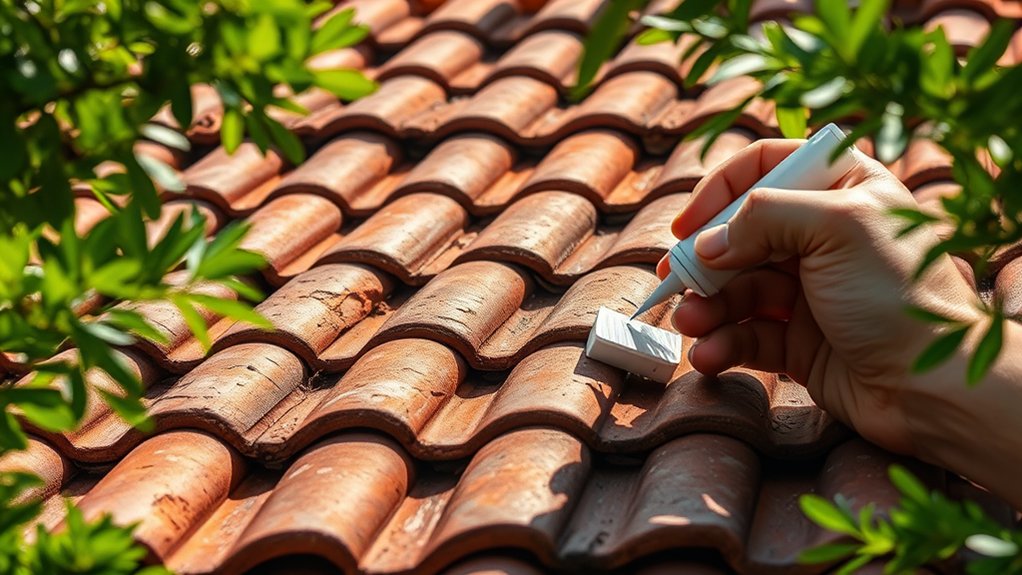
To ensure the colour retention of clay roof tiles, it’s important to follow a few straightforward steps.
Start by selecting tiles that have colours developed during the firing process, as these tend to be fade-resistant. Consider tiles with an engobe coating, which offers a tough surface.
Applying high-quality, breathable sealants can help reduce moisture absorption and protect against UV damage.
Regularly check your roof for moss or lichen, and clean it gently to keep it looking its best.
Additionally, ensure your roof design includes proper drainage and ventilation to avoid moisture build-up.
Professional Cleaning Methods
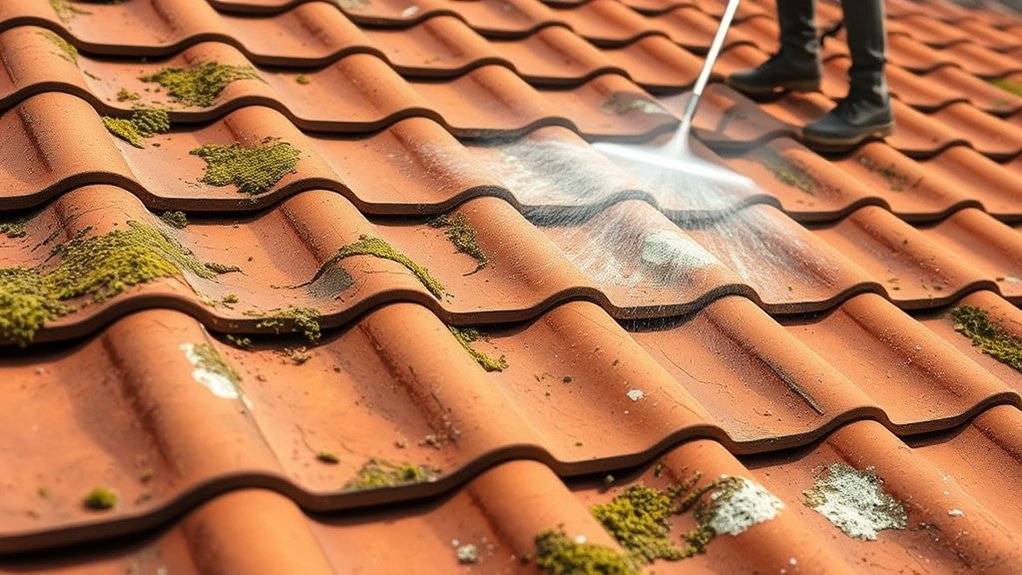
To maintain the appearance and durability of your clay roof tiles, professional cleaning methods are essential.
These techniques not only enhance the visual appeal but also ensure the roof’s longevity, all while using environmentally friendly solutions.
Here are some effective methods:
- Soft washing: This gentle approach uses low pressure along with biodegradable cleaners to remove moss and algae without damaging the tiles.
- Initial debris removal: Employ low-setting leaf blowers and soft brushes to safely clear away leaves and dirt, protecting the integrity of the tiles.
- Steam cleaning: A chemical-free method that uses high-temperature steam to eliminate microorganisms effectively.
Restoration Techniques for Faded Tiles
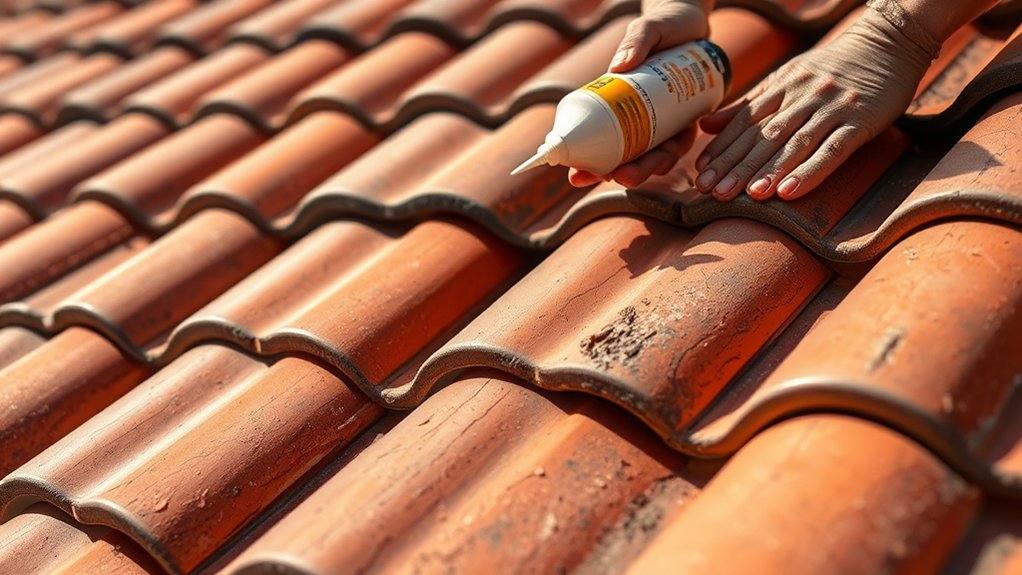
When your clay roof tiles begin to fade, restoring their appearance is crucial for both looks and protection. You have several options: professional cleaning services, tile replacement, or re-coating and sealing techniques.
Each method has its benefits, so it’s important to weigh your choices carefully to ensure your roof remains in good condition. For instance, if the tiles are merely discoloured, a professional clean might do the trick.
If they’re cracked or damaged, replacement could be necessary. Understanding these options will help you make the best decision for your roof.
Professional Cleaning Services
To maintain the aesthetic appeal and longevity of clay roof tiles, professional cleaning services offer effective restoration techniques for faded tiles.
These methods not only improve the roof’s appearance but also ensure proper maintenance.
Here are some popular techniques:
- Steam Cleaning: This method uses superheated water for efficient and controlled cleaning.
- Non-Pressure Cleaning: Biocidal washes are applied to eliminate harmful growth without damaging the tiles.
- Soft Washing: This technique combines low-pressure water with fungicidal solutions to safely remove organic growth.
Tile Replacement Options
To effectively restore faded clay roof tiles, consider various replacement options that ensure a perfect match with the original roof.
Begin by matching tiles; the replacements should closely resemble the colour, profile, and texture of the originals. If necessary, specialist manufacturers can create custom tiles for specific regional styles. Whenever possible, salvage original tiles to maintain authenticity.
When installing replacements, use proper techniques: carefully remove damaged tiles to avoid damaging adjacent ones, then slide in the new tiles and secure them with nails or clips.
For heritage buildings, always consult with conservation authorities before proceeding. This careful approach ensures both aesthetic appeal and structural integrity for your roofing project.
Re-coating and Sealing
Re-coating and sealing faded clay roof tiles can significantly restore their original appearance and extend their lifespan. By employing advanced sealing techniques, you enhance both functionality and aesthetics.
The benefits of re-coating are considerable:
- Aesthetic Improvement: Restores the original colour, enhancing the roof’s overall appearance.
- Increased Durability: Products such as RENOTEC protect against weathering, prolonging the life of the tiles.
- Waterproofing: Prevents moisture penetration, reducing the risk of damage.
For the best results, it’s advisable to seek professional application to ensure proper adhesion and longevity.
Options like Kolourseal provide UV and weather resistance, making them ideal choices. Selecting the right coating will keep your clay tiles looking good and functioning well for years to come.
Choosing Quality Materials
| Criteria | Importance | Recommendation |
|---|---|---|
| Material Sourcing | Affects colour and texture | Choose clay sourced from local suppliers |
| Quality Control | Ensures structural integrity | Seek out third-party certifications |
| Thickness and Density | Influences colour retention | Opt for denser tiles for better durability |
| Surface Treatments | Minimises fading and weathering | Select tiles with protective coatings |
Maintaining Your Clay Roof for Longevity
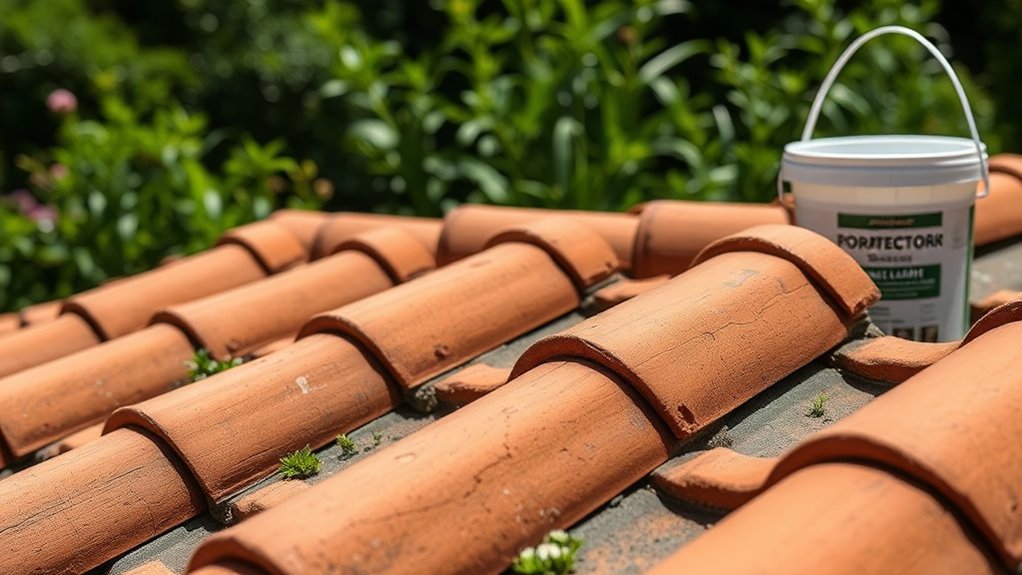
Maintaining your clay roof is crucial for its longevity and performance, but it doesn’t have to be daunting.
Follow these straightforward maintenance tips to keep your roof in excellent condition:
- Inspect regularly for cracked or missing tiles and fix any damage straight away.
- Clean your roof often to remove debris and moss, which can damage the tiles over time.
- Ensure proper drainage by keeping gutters and downpipes clear to prevent water pooling that can harm the tiles.
Frequently Asked Questions
How Often Should I Clean My Clay Roof Tiles?
You should clean your clay roof tiles every two years to maintain them properly. However, consider adjusting this frequency based on local weather conditions, how well the roof has been maintained in the past, and your visual preferences. This approach ensures your roof remains both durable and visually appealing.
Can I Paint Over Faded Clay Roof Tiles?
If you’ve noticed a neighbour’s faded clay tiles brought back to life with waterproof acrylic paint, you may be curious about how long it lasts. While painting can improve the look of your roof, be aware that it might lead to peeling over time and will require ongoing maintenance.
What Are the Best Products for Moss Removal?
For effective moss removal, try Smartseal Roof Clean Xtreme or Jarder Spray & Leave. To prevent moss from returning, consider using zinc strips and maintain your roof regularly. This approach ensures lasting results and helps protect your roof’s integrity.
How Can I Tell if My Tiles Are High-Quality?
To assess the quality of your tiles, look for consistent colour and durability. Check for smooth surfaces, straight edges, and low water absorption. Opt for tiles from reputable manufacturers with certifications, as these are more likely to meet high performance standards for long-lasting durability.
Do Clay Roof Tiles Require Special Installation Techniques?
Yes, clay roof tiles need specific installation techniques. Adhering to the correct guidelines and performing regular maintenance will improve their longevity and performance, protecting your investment and ensuring a reliable roofing solution. For instance, proper alignment and securing of tiles can prevent leaks and damage during harsh weather.
Conclusion
In tackling the issue of clay roof tile colour fading, it’s important to recognise the causes and implement effective solutions. UV rays and air pollution can dull the vibrancy of your roof, but regular maintenance and professional cleaning can help restore its original appearance. Opting for high-quality materials ensures durability, unlike untreated tiles that may only offer short-term appeal. By taking proactive measures, you can safeguard your investment and improve your home’s curb appeal, turning a faded roof into an eye-catching feature.