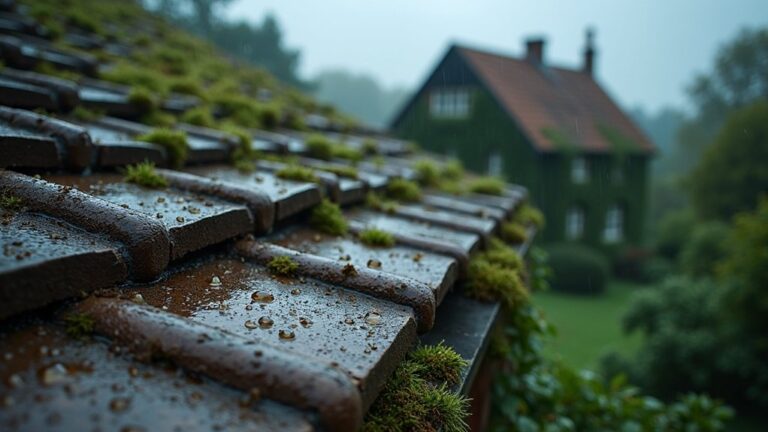

Comparing Slate vs. Tile Roofing in the UK
When comparing slate and tile roofing in the UK, there are key factors to consider: material, durability, and aesthetics. Slate, a natural stone, boasts a distinct, rugged appearance and can last up to 200 years with minimal repairs. In contrast, tiles come in various styles but typically have a lifespan of 40 to 60 years.
Installation costs for slate tend to be higher due to the need for skilled labour, while tile roofs may require additional structural support. Understanding these differences will help you choose the right roofing for your home. There’s plenty more to learn on this topic.
Key Takeaways
- Slate roofs can last between 50 to 200 years, whereas tile roofs generally last around 40 to 60 years, although with proper maintenance, they could last up to 100 years.
- Slate provides a distinctive, natural look with various textures and colours, while tiles offer a broader range of designs and styles.
- Installing slate is more labour-intensive and costly due to its brittle nature and the requirement for skilled tradespeople, compared to tile roofing.
- Slate has a lower environmental impact, using fewer resources and generating less waste over its long lifespan compared to tile.
- Although slate is typically more durable, tile roofs can achieve both classic and contemporary finishes, allowing for greater flexibility in architectural design.
Material Differences Between Slate and Tile Roofing

When deciding between slate and tile roofing, it’s important to understand their material differences. Slate is a natural stone, quarried and cut into tiles, which gives it a distinctive, rugged texture and a classic look. While slate typically appears grey, its colours can vary. In contrast, tiles are made from materials like concrete or clay, offering a wide array of designs and colours, making them suitable for various architectural styles. The production processes differ significantly: slate is mined and split, whereas tiles are manufactured in factories. This affects not only how they’re sourced but also their availability; slate is generally less accessible than mass-produced tiles. Additionally, the low water absorption of slate contributes to its exceptional durability and weather resistance. Ultimately, your choice will influence both the appearance and functionality of your roofing, as slate roofs last over 100 years, which can provide greater overall value and investment.
Lifespan and Durability Considerations

When considering roofing options, it’s important to know the lifespan and durability of slate and tile. Slate roofs can last from 50 to 200 years, while clay and concrete tiles typically last 40 to 60 years, potentially reaching up to 100 years with proper maintenance. Given the UK’s unpredictable weather, using high-quality materials and ensuring skilled installation is crucial for resilience against the elements. Additionally, slate roofs are well-suited to handle freeze-thaw cycles, which can significantly prolong their lifespan.
Opting for thicker slate (at least 5mm) enhances durability, and a steeper roof pitch improves water drainage. Regular inspections and moss removal can significantly extend the lifespan of both roofing types. Notably, slate usually requires fewer repairs than tile, making it a more cost-effective choice over time. Additionally, the dense composition of Welsh slate contributes to its longer lifespan compared to tile options. Understanding these aspects will help you select the roofing solution that best meets your needs.
Aesthetic Appeal and Versatility

When choosing between slate and tile roofing, both durability and aesthetic appeal are key factors. Slate boasts a timeless beauty with unique natural variations, making it ideal for period properties where architectural harmony is essential. Additionally, slate roofing is known for its exceptional durability, often lasting over 100 years with proper maintenance. Metal roofs, in contrast, require less maintenance and are more economical over time due to their lower initial cost.
On the other hand, tile roofing offers a wide range of colours and styles, suitable for various architectural designs—from rustic cottages to sleek modern homes. Whether you want a classic Mediterranean vibe or a contemporary finish, tiles provide greater options for customization. In the end, your roofing choice affects not just the look of your home but also how well it fits into its surroundings.
Installation Processes and Costs

When deciding between slate and tile roofing, it’s important to look at the installation processes and costs involved. Slate roofing requires careful handling due to its brittle nature. The installation starts with an underlayment, and the tiles must be positioned with precision.
On the other hand, tile roofing varies by type but generally follows similar underlayment procedures.
In terms of cost, slate roofing is usually pricier due to both the material and the skilled labour needed for installation. Tile roofs, while still requiring expertise, may be less demanding in terms of skill.
Both roofing types need proper overlapping and flashing to ensure water resistance, but tile roofs often require extra support because of their heavier weight.
Regional labour rates and the availability of materials can also influence costs, so understanding the local market is crucial when making your decision.
Environmental Impact and Sustainability

When choosing roofing materials, it’s important to assess the environmental impact and sustainability of slate versus tile.
Slate roofing offers notable benefits, particularly a lower carbon footprint, with reductions of up to 6.2 tonnes of CO2 emissions per 100m² compared to fibre cement tiles. Its production process requires minimal fossil fuels and water, reinforcing its status as a sustainable option.
- Lower carbon footprint and embodied carbon
- Reduced resource consumption during production
- Less air pollution compared to other materials
- Long-lasting durability means less waste
Opting for slate not only supports local quarrying economies but also contributes to a healthier environment, making it a responsible choice for roofing.
Frequently Asked Questions
What Are the Color Options Available for Slate Roofing?
Slate roofing is available in a range of colours, including black-grey, green, and purple-red. Each colour brings its own character to your property, enhancing its visual appeal while providing durability and longevity for your roof.
How Does Weather Affect Slate and Tile Roofing Differently?
Picture your roof braving a storm like a knight in shining armour. When it comes to durability, slate outperforms tiles in resisting rain and impact. While slate remains largely unscathed, tiles can crack and require more upkeep in severe weather.
Are There Specific Maintenance Tips for Slate Roofs?
To ensure your slate roof lasts, book annual inspections and tackle any problems straight away. Regular maintenance is essential; gently clean the surface, remove moss, and ensure good ventilation to prevent damage and maintain your roof’s integrity.
Can I Install Solar Panels on Slate Roofs?
Yes, you can install solar panels on slate roofs, but it requires specialised techniques to avoid causing damage. Be prepared for higher installation costs and the necessity of hiring professionals to ensure the installation is done correctly.
What Is the Best Roofing Option for High Wind Areas?
In high winds, consider your roof as protective armour. For optimal wind resistance and durability, lightweight steel tiles are a great choice; their design reduces the risk of being displaced. While slate and clay tiles can be long-lasting, they may struggle in extreme conditions.
Conclusion
When deciding between slate and tile roofing, consider their distinct features. Slate is renowned for its durability and classic appearance, making it a long-lasting choice that can elevate your home’s aesthetic. In contrast, tile roofing is versatile and often more budget-friendly, offering various styles to suit different tastes.
Both materials come with environmental considerations, so it’s worth weighing their impacts. Ultimately, your choice should reflect your personal style and practical requirements, ensuring you select a roofing solution that protects your home while enhancing its character for years to come.