
How Long Does a Slate Roof Last in the UK Climate?
A slate roof in the UK can last anywhere from 50 to 200 years, depending on the quality of the installation and the type of slate used. Welsh slate, known for its durability, can last over a century with the right maintenance. Factors such as the pitch of the roof and its structure also play a role in how long it lasts. Regular maintenance, like inspections and moss removal, is essential to extend its lifespan. Being aware of these factors can help you make the most of your slate roof.
Key Takeaways
Slate roofs in the UK typically last between 50 to 200 years when installed and maintained properly. High-quality Welsh slate is especially robust, often exceeding a century of service under ideal conditions. Regular inspections are crucial to spot any hidden problems that could shorten the roof’s lifespan. The UK’s wet climate and fluctuating temperatures can accelerate slate erosion, so it’s wise to invest in quality materials and professional installation to maximise durability and performance.
Overview of Slate Roof Lifespan

When choosing a roofing option, slate roofs are notable for their impressive lifespan and durability. On average, a slate roof can last anywhere from 50 to 200 years, especially when installed correctly using modern techniques. High-quality materials like Welsh slate can even last over a century. This long lifespan not only meets practical needs but also enhances the visual appeal of your home, particularly for those who favour classic elegance. Additionally, slate roofs require minimal maintenance, meaning you can spend less time worrying about repairs. Their ability to withstand the UK’s varied weather conditions ensures your investment remains secure for generations. Furthermore, proper maintenance is essential in extending the longevity of your slate roof, allowing it to reach its maximum potential lifespan. Regular inspections can help identify hidden problems that may affect its durability.
Factors Influencing Longevity

The longevity of slate roofs depends on several key factors that influence their durability and performance over time. Proper installation techniques, such as using the right underlayment and secure fastening methods, are crucial in preventing moisture ingress and slate loosening.
The pitch of the roof and the thickness of the slate also play significant roles in water shedding and overall durability. Welsh slate, known for its dense composition, is particularly effective in enhancing lifespan. Additionally, slate roofs have a low embodied carbon footprint, contributing to environmental sustainability while ensuring durability.
Economic considerations, particularly the quality of the slate used, are important as well. Higher quality slate is more resistant to weathering and breakage, which enhances its lifespan.
Additionally, it’s vital to consider climate conditions, including moisture exposure and freeze-thaw cycles, as these can affect the roof’s integrity.
Regular inspections and timely minor repairs are essential in keeping your slate roof in optimal condition, ensuring its longevity and value.
Types of Slate and Their Durability

In the UK, several types of slate offer different durability and longevity. Welsh slate is the most durable, lasting up to 200 years with proper care. Cornish slate has a rustic look and can last over 100 years, though it’s less common. Spanish slate, which makes up 80% of global production, is great for temperature regulation and can help lower energy bills. Brazilian slate, derived from mudstone, is also long-lasting, while Canadian slate is praised for its weather resistance and consistent quality. Knowing the characteristics of these slate types will help you choose the best option for a durable roof. Additionally, understanding that natural slate can last for decades or even centuries emphasizes the long-term value it brings to your property.
Impact of Climate on Slate Roofs

When evaluating the impact of climate on slate roofs, it’s important to consider how weather resistance, temperature changes, and moisture levels influence their lifespan.
Frequent rain and damp conditions can speed up erosion, while freeze-thaw cycles can weaken lower-quality slate.
Additionally, sudden shifts in temperature may cause delamination, putting stress on both the slate and its fixings over time.
Weather Resistance Factors
Weather resistance is vital for slate roofs, especially given the UK’s varied climate.
Slate roofs effectively shed water, providing excellent protection against rain and moisture. Their dense structure offers strong resistance to snow and freezing temperatures, while slate’s durability means they can withstand high winds and potential hail damage.
This robustness not only extends the lifespan of your roof but also reduces maintenance needs, making it a more environmentally friendly option. Additionally, slate roofs can last over 50 years with proper installation and maintenance, making them a solid long-term investment that combines aesthetic appeal with outstanding performance, making it a practical choice for homeowners who value both beauty and function.
Temperature Fluctuations Effects
Temperature fluctuations significantly affect slate roofs, a common issue in the UK’s varied climate. These changes can cause the slate to expand and contract, potentially leading to cracks over time.
For instance, freezing temperatures can cause the slate to expand, resulting in fractures that weaken the roof, while extreme heat may lead to buckling and UV damage. The freeze-thaw cycles we experience each season further stress the material, speeding up wear.
The type of slate also plays a role; Welsh slate is typically more resilient to temperature changes compared to Spanish slate.
It’s crucial to use proper installation techniques that allow for thermal expansion to minimise damage. Regular maintenance is key to prolonging the life of your slate roof, ensuring it can cope with the challenges of the UK’s unpredictable weather.
Moisture and Longevity
Moisture is crucial to the longevity of slate roofs, especially in the UK, where heavy rainfall is common. Extended exposure to rain can cause moisture accumulation, leading to slate erosion and degradation.
Persistent damp conditions encourage organic growth like moss and lichen, which can weaken the slate over time. Poorly pitched roofs and inadequate drainage can worsen these problems, resulting in structural damage and a reduced lifespan.
Additionally, acidic rainwater in urban areas can chemically erode slate surfaces, further compromising their durability.
To ensure your roof lasts, regular maintenance and effective design are vital in addressing moisture-related wear and maintaining structural integrity.
Installation Quality and Its Importance

When it comes to the lifespan of slate roofs in the UK, the quality of installation is crucial. Correct methods, such as nailing or hook fixing in accordance with BS 5534 standards, significantly influence the roof’s water tightness and its ability to withstand harsh weather.
Adhering to UK Building Regulations ensures that safety and durability are at the forefront.
It’s essential to ensure that slates are tested to BS EN 12326 and sourced from reputable suppliers for consistent quality.
Additionally, the roof design—considering factors like pitch and overlap—is vital to prevent moisture build-up.
Ultimately, investing in high-quality installation and materials will greatly extend the lifespan and effectiveness of your slate roof.
Maintenance Practices for Extended Lifespan

To ensure your slate roof remains durable and effective over time, regular maintenance is essential.
Set up a consistent inspection routine, checking the roof 1–2 times a year in spring and autumn. Use a soft-bristle brush and binoculars to spot cracks or loose slates, and always inspect after storms.
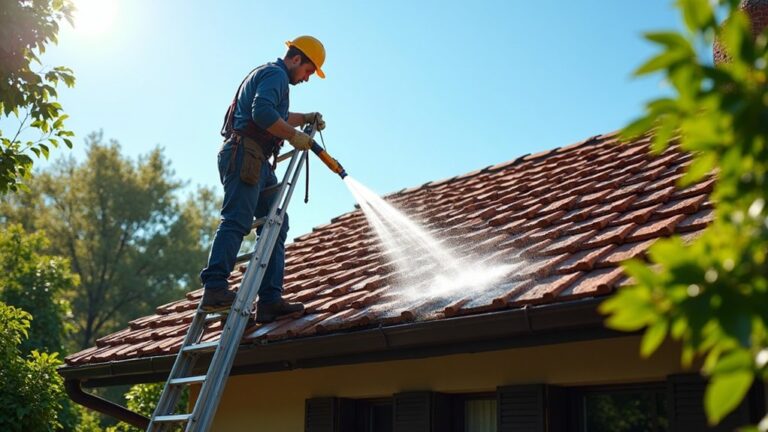
Clean the roof in early spring and late summer; remove debris and clear gutters to prevent moisture build-up. Secure any loose slates with corrosion-resistant nails and check the flashing for integrity.
For moisture management, consider using an infrared camera to detect leaks and ensure proper attic ventilation.
Following these practices can significantly extend the lifespan of your slate roof.
Comparing Slate With Other Roofing Materials

When comparing slate to other roofing materials, the differences in longevity and cost-effectiveness stand out.
Slate can last over 200 years with proper care, whereas asphalt shingles typically need replacing every 15 to 30 years. This means higher long-term costs for asphalt.
It’s important to consider these factors, along with maintenance requirements, to make a well-informed roofing choice.
Longevity of Materials
Slate roofing is well-known for its impressive longevity, but how does it stack up against other roofing materials? Here’s a concise overview of various options and their expected lifespans:
| Material | Lifespan | Additional Notes |
|---|---|---|
| Natural Slate | 50–200 years | Highly durable; requires skilled installation |
| Synthetic Slate | 20–50 years | Lighter, imitates slate but less durable |
| Concrete Tile | 30–50 years | Requires maintenance; more porous than slate |
| Clay Tile | 50–100 years | Fragile; needs similar support to slate |
| Asphalt Shingle | 15–30 years | Most affordable initially but needs frequent replacement |
When choosing a roofing material, consider factors like longevity, installation methods, and environmental conditions.
Cost vs. Lifespan
Understanding the cost versus lifespan of slate roofing compared to other materials is crucial for making an informed choice. Here’s a straightforward lifespan comparison for cost efficiency:
- Slate: £80–£250 per m², lasting 50–200 years.
- Concrete tiles: £30–£70 per m², with a lifespan of 30–50 years.
- Clay tiles: £50–£150 per m², offering 50–100 years.
- Metal roofing: £45–£100 per m², lasting 40–70 years.
Slate may have a higher initial cost, but its extensive lifespan means fewer replacements, ultimately providing better long-term value.
In contrast, while concrete tiles may appear cheaper at first, they often require 2-3 replacements over the lifetime of slate, making them less cost-effective in the long run.
Maintenance Requirements Comparison
Maintaining a roof is crucial for its longevity and performance, and slate roofing has specific requirements compared to other materials. Annual inspections are recommended, particularly before winter and after storms, to identify any potential issues.
Unlike asphalt shingles, which can be easily patched by homeowners, slate roofing demands specialist skills for repairs, including mixing mortar and replacing slates with precision.
Preventative maintenance, such as removing moss and algae every 6-8 years, is essential for enhancing durability.
On the other hand, materials like clay tiles and metal roofs require their own maintenance routines, such as biannual inspections and checks for thermal expansion.
Understanding these differences is key to ensuring your roofing choice remains strong and effective over time.
Regional Variations in Slate Quality

Regional variations in slate quality significantly affect the durability and performance of roofing materials throughout the UK. Here’s a brief overview to help you select the right slate for your project:
- Welsh Slate: Known for its impressive lifespan of over 200 years, this slate is dense with low water absorption, making it perfect for high-end projects.
- Cornish Slate: With a lifespan of over 100 years, Cornish slate features a softer texture and rustic greenish-grey hues, adding charm to any building.
- CUPA Spanish Slate: Lasting around 75-100+ years, this budget-friendly option provides a reliable alternative, with grades that closely resemble Welsh slate.
- Regional Availability: Welsh and Cornish slates may be harder to find and often come from recycled sources, while Spanish slates are more readily available and consistent in quality.
Choosing the right slate can enhance both the aesthetic and functionality of your roof.
The Role of Roof Pitch in Lifespan

When choosing the right roof pitch for your slate roof, it’s crucial to consider how it affects the roof’s lifespan. A steeper pitch, ideally between 25° and 45°, improves drainage, allowing rainwater to flow off quickly and reducing moisture build-up. This prevents water from pooling in the slate joints, which can cause damage over time.
In contrast, low-pitched roofs might need extra underlayment to help with drainage, which can increase the risk of weathering and mineral leaching.
Additionally, steeper roofs experience less lateral stress on the slates during heavy rain and offer better wind resistance. In the challenging UK climate, selecting the right pitch not only extends the life of your slate roof but also helps it stay strong and functional.
Understanding Slate Thickness

Understanding slate thickness is vital for ensuring the longevity and effectiveness of your slate roof. The thickness you choose has a direct impact on the slate’s weight and durability. Here are some key points to consider:
- Common Thickness: In the UK, standard slate thicknesses typically range from 4mm to 6mm, whereas Welsh slates can go up to 9mm.
- Regional Variations: Thickness can vary depending on local weather conditions, with thicker slates often needed in areas prone to high winds.
- Testing Compliance: Ensure that your slates meet the BS EN 12326 standards, which include important tests for strength, such as the modulus of rupture.
- Nominal vs. Actual: Be aware that nominal thickness may differ from actual measurements, which can affect how you plan the installation.
Weather Resistance of Slate Roofs

Slate roofs are highly weather-resistant, making them ideal for the UK’s unpredictable climate. They effectively handle freeze-thaw cycles, preventing structural damage.
Their dense material also guards against UV degradation, keeping colours vibrant over time.
Moreover, when installed correctly, slate roofs can withstand strong winds and storms without lifting or cracking, ensuring they last for many years.
Freeze-Thaw Cycle Resistance
Slate roofs are exceptionally resistant to freeze-thaw cycles, making them ideal for the UK’s variable weather. Here’s why they stand out:
- Low Water Absorption: With absorption rates of just 0.2% to 0.6%, slate is less prone to freeze-thaw damage.
- High Cycle Tolerance: Slate can endure over 100 freeze-thaw cycles without serious harm, as demonstrated in tests conducted in Manchester.
- Dense Composition: Its robust structure helps prevent the cracking and warping that can occur with other materials.
- Snow Shedding: Slate efficiently sheds snow and ice, minimising the risks associated with heavy snow loads.
To boost freeze-thaw resistance when installing slate, ensure there are minimal gaps and overlaps and choose high-quality slate.
Regular maintenance is also crucial to catch any issues early on.
UV Degradation Protection
Many roofing materials are vulnerable to UV degradation over time, but slate roofs stand out due to their dense mineral composition. Their layered structure and low porosity significantly limit UV penetration, thus preserving their structural integrity. To bolster this natural protection, consider applying UV-protective coatings. Regular maintenance, including inspections every six months, is crucial for spotting any early signs of damage.
| Strategy | Benefits | Considerations |
|---|---|---|
| UV-Protective Coatings | Protects against fading and deterioration | Needs reapplication every 10-15 years |
| Waterproof Sealants | Improves resistance to weather | Must allow for breathability to prevent moisture issues |
| Regular Inspections | Detects damage early | Pay attention to surface cracks and fading |
| Clear Gutters | Prevents water retention | Minimises risk of further degradation |
Wind and Storm Durability
With the UK’s unpredictable weather, it’s crucial for homeowners to choose a roofing material that can handle harsh conditions. Slate roofs stand out for their wind resistance and storm durability, making them an excellent choice for those preparing for severe weather.
Here are four key benefits:
- Weight and Stability: The heavy slate tiles stay firmly in place during strong winds, effectively resisting uplift pressure.
- Durability: Slate can withstand gale-force winds without significant damage, ensuring peace of mind.
- Moisture Resistance: Its non-porous surface prevents water absorption, guarding against issues caused by storm-related moisture.
- Long-lasting Performance: Slate retains its structural integrity even after frequent storms and extreme weather, providing a reliable roofing solution for years to come.
Opting for slate is a smart investment in a robust roofing option that meets the challenges of the UK climate.
Historical Significance of Slate Roofing in the UK

The historical significance of slate roofing in the UK tells a compelling story of architectural evolution and technological progress. Slate use can be traced back to Roman times, appearing in forts like Segontium.
By the medieval period, it was still uncommon, mainly found in areas like Nantlle, Wales. The Industrial Revolution changed this, making slate more widely available and allowing it to grace buildings such as Conwy Castle and Calder Abbey.
Originally, it was a material for the elite, but during the Victorian era, its durability and visual appeal led to its increased popularity.
Today, efforts are underway to conserve slate roofing, recognising its vital role in the UK’s architectural heritage.
Frequently Asked Questions
Can Slate Roofs Be Installed Over Existing Roofing Materials?
Slate roofs can be installed over existing roofing materials, but it’s essential to consider a few key factors. First, ensure the structural integrity of your roof is sound and check whether the existing materials are compatible. You may need to add extra support to accommodate the weight of the slate. For example, if you’re covering an old felt roof, it’s important to confirm that it can bear the load without compromising safety.
How Do I Choose the Right Slate for My Roof?
When selecting slate for your roof, opt for high-quality Welsh slate for its durability. Ensure a pitch of at least 30° and use copper nails during installation to enhance longevity and performance.
What Are the Signs of a Failing Slate Roof?
Keep an eye out for signs of slate roof deterioration, such as missing slates, cracks, and leaks. Regular inspections and prompt repairs are essential for maintaining your slate roof’s functionality and longevity. For instance, if you notice a slate has slipped or is broken, it’s best to address it quickly to prevent further damage.
Are There Any Environmental Concerns With Slate Roofing?
When considering slate roofing, it’s important to be aware of its environmental impact. Quarrying for slate can disrupt local habitats, deplete natural resources, and contribute to pollution. However, the long lifespan of slate roofs can help reduce their overall ecological footprint over time.
Can Slate Roofs Be Recycled at the End of Their Lifespan?
While considering slate recycling, it’s important to note that it’s a sustainable material. Although it’s not typically melted down, you can repurpose old slate for landscaping, which can improve both functionality and appearance while minimising waste in construction projects. For instance, slate can be used for garden paths, decorative features, or even as a base for plant pots.
Conclusion
A well-installed slate roof can last over 100 years in the UK’s unpredictable climate. Its longevity comes from slate’s natural strength and durability. In fact, research indicates that well-maintained slate roofs can last up to 50% longer than other roofing materials. To ensure your roof stands the test of time and enhances your property’s historic appeal, pay attention to installation quality and slate thickness. Choosing slate is a smart investment in long-lasting protection.