

Modified Bitumen vs. Built-Up Felt: Choosing the Right Flat Roof System
When deciding between modified bitumen and built-up felt for your flat roof, focus on performance, lifespan, and ease of installation. Modified bitumen is flexible and typically lasts between 10 to 20 years. In contrast, built-up felt is known for its durability, often exceeding 20 years with proper maintenance. Installation of modified bitumen is more straightforward, which can lower labour costs, while built-up felt requires skilled tradespeople to install its multiple layers.
Consider your specific needs, such as budget and the local climate, to make the best choice for your situation. Each option has its own benefits worth exploring further.
Key Takeaways
- Modified bitumen is flexible and easy to install, whereas built-up felt systems need skilled workers and a more complex installation process.
- Built-up felt roofs usually last over 20 years, while modified bitumen typically lasts between 10 to 20 years.
- BUR systems offer excellent weather resistance, while modified bitumen is known for its flexibility and thermal performance.
- Initial costs for BUR may be higher due to the need for structural support, but they can result in lower long-term expenses.
- Both roofing types adapt well to various climates, with modified bitumen accommodating thermal movements and BUR providing strong insulation.
Overview of Flat Roof Systems

When choosing a flat roof system, it’s important to grasp their distinct features and uses. Flat roofs, typically with a pitch of less than 10 degrees, are often found on commercial and industrial buildings, as well as some residential properties, particularly where mechanical equipment or leisure areas are present.
The choice of materials is crucial and depends on factors like climate, budget, and maintenance requirements. Innovative roofing materials, such as modified bitumen and single-ply membranes like EPDM, provide enhanced durability and waterproofing. These options are suited to a variety of flat roof applications, offering flexibility and ease of installation. Additionally, they support energy-efficient solutions like green roofs or solar panel installations. By understanding these elements, you can make informed decisions when selecting the ideal flat roof system for your project. Furthermore, the cost-effective nature of these systems contributes significantly to their popularity among building owners.
Understanding Built-Up Roof (BUR)

Built-Up Roof (BUR) systems are a reliable choice for flat roofing, especially in commercial and industrial environments. These systems consist of several layers of bitumen and reinforcing fabrics, creating a strong waterproof barrier. One of the key advantages of BUR is its durability, often lasting 30 years or more with proper maintenance. Additionally, the BUR’s layering structure provides enhanced durability and waterproofing, contributing to its long lifespan. BUR systems excel in waterproofing capabilities due to their layered construction, effectively managing water pooling on flat roofs. However, the installation process can be challenging. It requires careful preparation of the roof deck and must comply with local building regulations. Each layer needs to be applied with precision, and insulation and vapour retarders should be included for optimal performance. While BUR may have higher initial costs than some other roofing options, its long lifespan and low repair needs can result in lower overall lifecycle costs. Therefore, it can be a smart investment for those aiming to protect their buildings effectively.
Characteristics of Modified Bitumen (Mod-Bit)

Modified Bitumen (Mod-Bit) roofing systems are renowned for their flexibility and durability, making them a popular option for flat roofs.
These membranes blend asphalt with polymer modifiers such as SBS and APP, improving their elasticity and resistance to the weather. Mod-Bit typically includes reinforcement layers made from polyester or fibreglass mats, which enhance tensile strength. The proper installation ensures that the roof can withstand the elements and maximize its lifespan.
The two main types are SBS, which is flexible and rubber-like, and APP, known for its excellent UV resistance. Modified Bitumen roofing systems are considered a progressive relative of built-up roofing (BUR) systems, highlighting their evolution in roofing technology.
Installation methods vary, with options like torch-applied or self-adhesive techniques, both ensuring effective waterproofing.
The multi-layer system consists of base sheets, adhesive layers, and cap sheets, which collectively extend the roof’s lifespan and offer robust protection against severe weather. Proper installation is crucial to maximize performance and longevity.
Installation Methods: BUR vs. Mod-Bit

When comparing BUR and Mod-Bit installation methods, you’ll notice significant differences in labour intensity and application techniques.
BUR involves multiple layers of hot bitumen and felts, which requires skilled labour for proper installation.
In contrast, Mod-Bit offers more flexibility with heat welding and adhesive options, making the process easier.
Understanding these differences will help you choose the most suitable method for your project.
Labor Intensity Comparison
When choosing between BUR and Mod-Bit roofing, it’s important to grasp the key differences in labour intensity during installation.
BUR is quite labour-intensive, requiring skilled workers to lay multiple layers of felt and bitumen, which can lead to installation difficulties. The heavy materials contribute to worker fatigue and require more time for transport and staging.
On the other hand, Mod-Bit offers better labour efficiency with a simpler and quicker installation process, potentially cutting labour hours by 30-40%.
While it may require specialised knowledge for certain techniques, its lighter materials make handling easier and reduce the physical strain on workers.
Ultimately, understanding these labour dynamics is crucial for selecting the right roofing system that balances efficiency and safety for your project.
Application Techniques Overview
To effectively compare application techniques for built-up roofing (BUR) and modified bitumen (Mod-Bit) systems, it’s important to grasp their distinct installation methods.
BUR involves layering roofing felt with hot-mopped asphalt, forming a strong, multi-layer membrane. This method requires precision and expertise, as timing is crucial for proper adhesion.
On the other hand, Mod-Bit offers various installation options, such as torch-applied, cold adhesive, and peel-and-stick methods. Each of these has its advantages; for instance, heat welding creates strong seams, while self-adhering membranes enhance efficiency.
Although both systems necessitate a structurally sound deck, Mod-Bit is generally more adaptable to different surface conditions.
Ultimately, choosing the right application technique depends on the specific needs and constraints of your project.
Performance and Durability Comparisons

Both built-up roofing (BUR) and modified bitumen systems are designed to protect flat roofs effectively, but they differ significantly in performance and durability due to their materials and installation techniques. BUR generally offers a lifespan exceeding 20 years and excels in weather resistance, thanks to its multiple layers. On the other hand, modified bitumen typically lasts between 10 to 20 years and provides flexibility, thanks to its polymer enhancements.
| Feature | Built-Up Roofing (BUR) | Modified Bitumen |
|---|---|---|
| Lifespan | 20+ years | 10-20 years |
| Weather Resistance | Excellent | Good |
| Installation Challenges | Labour-intensive | Simpler but riskier |
Understanding these distinctions can help you select the best roofing system for your requirements, ensuring robust protection for your flat roofs.
Cost Analysis of Roofing Options
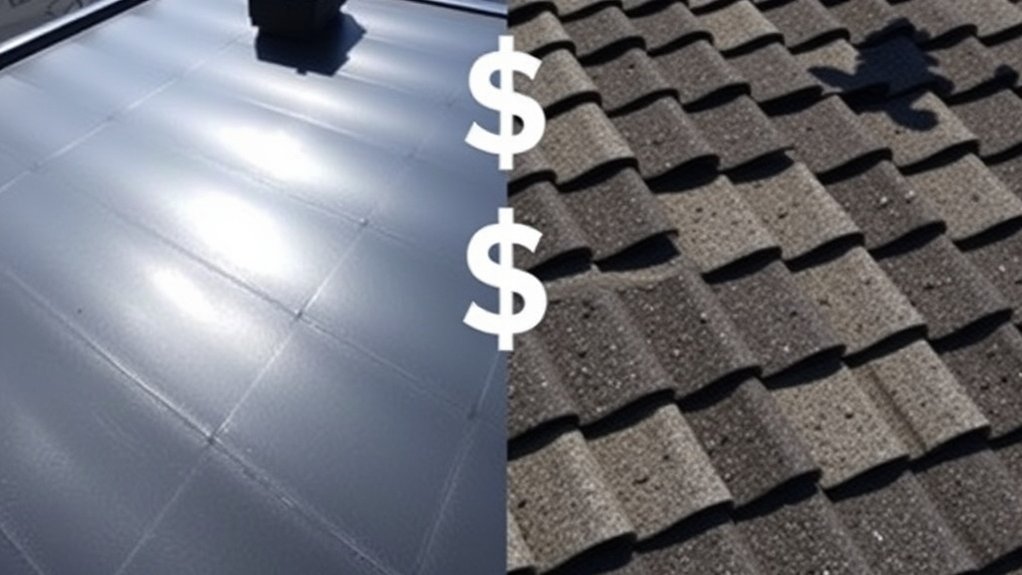
When considering roofing options, it’s crucial to understand the cost implications for a well-informed choice. Modified bitumen installations typically range from £4.50 to £9.00 per square metre, with APP being less expensive than SBS.
While built-up roofing (BUR) may have lower initial material costs, its labour-intensive installation can drive up your roofing budget.
In the long term, modified bitumen could lead to higher maintenance and repair costs due to its susceptibility to UV damage, whereas BUR’s durability might mean less frequent replacements.
However, BUR may need additional structural support, which can increase upfront expenses.
Be sure to factor in these elements to assess your initial investment alongside the total cost of ownership, ensuring your selected roofing system meets both your financial and functional needs.
Environmental Impact and Energy Efficiency

When choosing a flat roof system, it’s important to consider energy efficiency and environmental impact.
Reflective surfaces can significantly reduce heat absorption, leading to lower cooling costs.
Additionally, the suitability of different materials for various climates is crucial for their long-term sustainability.
Energy Efficiency Comparison
Energy efficiency is crucial when choosing between flat roof systems, particularly modified bitumen and built-up roofing (BUR).
Modified bitumen usually offers superior thermal performance thanks to its fiberglass reinforcement, which aids in insulation and reduces energy consumption.
In contrast, while BUR’s multiple layers provide greater thermal inertia, its labour-intensive installation and use of hot asphalt can lead to increased energy usage during application.
Although BUR has a longer lifespan, which may reduce its overall energy impact in the long run, modified bitumen’s quicker installation and better sealing can help minimise energy loss.
When considering your options, these factors will guide you in making an informed choice for your building.
Reflective Surfacing Benefits
Reflective surfacing on flat roofs brings considerable environmental advantages and boosts energy efficiency, making it an ideal choice for contemporary buildings.
By using reflective coatings, you can effectively reduce roof temperatures and combat the urban heat island effect, which can lower surrounding temperatures by 1-4°C. This decrease in temperature reduces the need for energy-intensive cooling, leading to lower energy consumption and diminished greenhouse gas emissions.
Furthermore, reflective roofs help improve air quality by reducing harmful pollutants from power plants. Their superior thermal performance also extends the lifespan of roofs, resulting in fewer replacements and the emissions associated with them.
Ultimately, opting for reflective roofing supports sustainable practices, benefiting both the environment and your local community while promoting long-term resource conservation.
Climate Adaptability Factors
Selecting the appropriate flat roof system involves understanding how various materials respond to climate changes and their effects on energy use.
- Modified bitumen is flexible, allowing it to cope with thermal expansion and contraction without cracking.
- Built-up roofs offer excellent insulation but may necessitate additional structural support due to their weight.
- Both types are resilient against adverse weather, ensuring durability in harsh conditions.
Modified bitumen provides moderate insulation, helping to lower heating and cooling demands, whereas built-up systems create a robust barrier against temperature swings.
While modified bitumen might’ve a larger environmental impact due to polymer additives, its lighter weight can reduce transportation energy.
Choosing the right roofing can improve energy efficiency and promote sustainability—key considerations for supporting our communities.
Advantages of Built-Up Roof Systems

Built-up roof systems are a top choice for their outstanding durability and performance. One major benefit is their excellent waterproofing; multiple layers of bitumen and felt provide a strong barrier against leaks and standing water, reducing maintenance issues.
They also boast impressive fire resistance, as the tar and asphalt components require significant heat to ignite, enhancing safety for your property.
With a lifespan of 20 to 30 years, built-up roofs are a cost-effective option, needing minimal upkeep. Their reflective surfaces improve energy efficiency, which can lower your utility bills and lessen your environmental impact.
Benefits of Modified Bitumen Roofing

When considering modified bitumen roofing, you’ll find its enhanced flexibility and durability beneficial.
Thanks to its multi-layer design and the use of polymers, this roofing can withstand harsh weather while easily adapting to complex roof shapes.
This makes installation quicker and more efficient.
Enhanced Flexibility and Durability
Modified bitumen roofing provides excellent flexibility and durability, making it an ideal choice for various building needs. Here are some key advantages:
- High elasticity allows the roof to expand and contract with temperature shifts, reducing the likelihood of cracks.
- Multi-layered construction effectively withstands heavy rain, snow, and foot traffic, ensuring long-lasting protection.
- Heat-resistant properties help maintain the roof’s integrity in extreme climates, minimising the risk of damage.
These features ensure your roof can cope with structural movements and environmental stresses, protecting your building for 20 to 30 years.
Faster Installation Process
Investing in a modified bitumen roofing system not only improves flexibility and durability but also offers significant advantages in installation speed.
Its manageable weight and flexibility allow contractors to navigate obstacles easily, enhancing project efficiency. With various application methods—like self-adhesive rolls or torch-down techniques—you can choose the quickest option based on your site conditions.
Furthermore, modified bitumen typically requires fewer layers than built-up roofing, which reduces labour intensity and speeds up the sealing process.
Its ability to adapt to different temperatures means installation can proceed even in challenging weather, minimising delays and protecting materials.
Factors to Consider When Choosing a Roofing System

Choosing the right roofing system requires thoughtful consideration of key factors that affect both immediate costs and long-term durability.
- Budget and lifecycle costs: Consider the initial installation expenses alongside future maintenance and repair needs.
- Climate and weather resistance: Assess how well the materials will cope with local weather conditions, such as heavy rainfall or high winds.
- Structural compatibility: Ensure the roofing system is suitable for your building’s weight capacity and intended usage.
It’s crucial to evaluate material compatibility, as mismatches can lead to significant problems down the line.
Also, be aware of the repair requirements for each system, as this can impact your long-term satisfaction.
Frequently Asked Questions
How Long Does Each Roofing System Typically Last?
Generally, modified bitumen lasts between 15 to 25 years, whereas built-up felt can last from 20 to 30 years. The lifespan of each system can be significantly affected by factors such as the quality of the installation and ongoing maintenance.
What Is the Best Roofing System for Extreme Weather?
For extreme weather, modified bitumen is ideal due to its flexibility in cold conditions and resistance to harsh weather. However, built-up felt provides strong, layered protection against heavy rainfall. Choose based on the specific challenges of your local climate!
Can I Install Mod-Bit Over an Existing BUR Roof?
Yes, you can install modified bitumen (mod-bit) over an existing built-up roof (BUR), but it’s essential to check for compatibility. Before proceeding, inspect the roof for any damage, clean the surface thoroughly, and follow proper application methods to ensure good adhesion and durability.
What Are the Fire Safety Regulations for Mod-Bit Installation?
Installing mod-bit may seem simple, but fire safety regulations are crucial. It’s essential to conduct fire risk assessments, use the right safety equipment, and ensure a safe distance from flammable materials to avoid hazards. For instance, keeping combustible items at least three metres away from the installation site can significantly reduce fire risks. Always prioritise safety to ensure a smooth and compliant installation process.
How Do I Maintain Each Roofing System Effectively?
To maintain your roofing system effectively, carry out regular inspections, tackle issues promptly, and follow these maintenance tips: clear away debris, ensure proper drainage, and apply protective coatings. This will help extend the roof’s lifespan and prevent expensive repairs. For instance, check gutters and downpipes to avoid blockages that can lead to leaks.
Conclusion
When it comes to flat roofing, the choice between modified bitumen and built-up felt depends on your specific requirements. It’s crucial to consider factors like performance, durability, and environmental impact before making a decision. For example, modified bitumen is often praised for its flexibility and resistance to weathering, while built-up felt is known for its traditional robustness. By weighing these aspects, you can select a roofing system that not only safeguards your investment but also enhances your building’s value and longevity.


