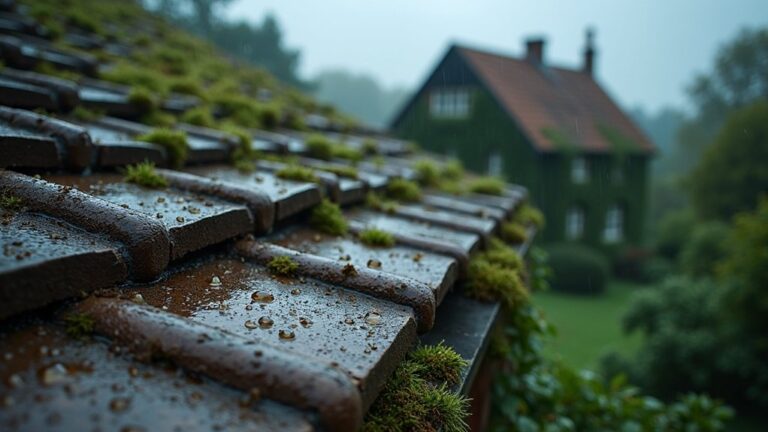

Synthetic Slate vs. Natural Slate: Pros and Cons for UK Weather
When choosing between synthetic slate and natural slate for the UK’s unpredictable weather, it’s essential to consider their longevity and performance. Natural slate can last 75-100+ years, making it highly durable against harsh conditions, while synthetic slate typically lasts around 50-60 years.
Installation costs and maintenance vary as well; natural slate requires skilled tradespeople and careful handling, which can complicate the process. In contrast, synthetic slate is lighter and easier to work with, but it’s generally less eco-friendly.
Both options have their advantages. To make an informed decision, consider factors like costs, visual appeal, and resistance to the elements.
Key Takeaways
- Natural slate is incredibly durable and can last over 100 years with little maintenance, making it well-suited for the UK’s weather.
- Synthetic slate is lighter and easier to install, which can lower labour costs and reduce installation time.
- Natural slate can handle heavy rainfall and freeze/thaw cycles, perfect for the varied UK climate.
- On the other hand, synthetic slate may deteriorate under UV exposure and usually lasts only 30 to 50 years, significantly less than natural slate.
- When it comes to aesthetics, natural slate offers unique textures, while synthetic slate tends to have a more uniform look.
Cost and Availability

When choosing roofing materials, understanding the cost and availability of synthetic versus natural slate is crucial.
Natural slate can cost between £70 and £300 per square metre, while synthetic slate ranges from £30 to £120. Imported options, like Spanish slate, can be found for £25 to £35. However, sourcing natural slate can be tricky, leading to delays and inflated prices. Synthetic slate, on the other hand, is usually manufactured locally, ensuring a steady supply. Additionally, the long lifespan of natural slate can justify its higher initial cost for some homeowners. Moreover, it’s essential to consider regional differences that may affect pricing and availability based on your location. Installation costs also differ; synthetic slate typically requires less labour due to its lighter weight and ease of handling. It’s important to weigh these upfront costs against the long-term durability of the materials to make an informed decision that meets your needs.
Weight and Structural Impact

When deciding between synthetic and natural slate, it’s essential to consider not just the cost but also the weight’s impact on your building’s structure.
Natural slate is much heavier, weighing between 800 and 1500 pounds per 100 square feet. This often means you’ll need extra framing or reinforcements to ensure the building remains structurally sound. Additionally, the weight of natural slate requires engineering to support 27 to 50 pounds per square foot, which can add to the complexity of your project. Regular inspections are necessary to identify vulnerabilities and prevent significant damage, particularly in buildings with heavy roofing materials.
On the other hand, synthetic slate is about 50% lighter, which allows for better weight distribution across the roof, potentially saving you from expensive modifications. This lighter material reduces the strain on the supporting framework and can extend the lifespan of your structure. Moreover, synthetic slate is easier to install, which can lower labour costs and minimise safety risks associated with handling heavy tiles, helping you achieve your project’s goals more efficiently. Its cost-effective installation also contributes to overall savings in construction.
Durability and Lifespan

Both synthetic and natural slate are durable roofing options, but they have different lifespans and maintenance needs, especially in the UK’s variable weather. It’s important to weigh these factors when choosing the right material. Regular maintenance, including inspections, can help extend the lifespan of both options by potentially adding 5-10 years.
| Material | Lifespan | Longevity Factors |
|---|---|---|
| Natural Slate | 75-100+ years | Low permeability, frost resistance |
| Synthetic Slate | 50-60 years | Impact resistance, weatherproof design |
Natural slate is celebrated for its long life and requires little maintenance. In contrast, synthetic slate is still durable but has a shorter lifespan. While both materials can handle UK weather, natural slate’s ability to resist environmental stressors makes it a better long-term investment. Additionally, request verification is a common procedure that helps ensure the right choice is made for roofing materials.
Installation and Maintenance

Understanding the differences in installation and maintenance between synthetic and natural slate is crucial when selecting roofing materials. Here are the main points to consider:
1. Installation Complexity: Natural slate requires skilled tradespeople due to the delicate nature of each individual tile. In contrast, synthetic slate can be installed more quickly as the tiles are uniform and easier to handle.
2. Cost Implications: Natural slate tends to incur higher labour and material costs, making it pricier than the more affordable synthetic slate option.
3. Maintenance Requirements: Regular inspections and repairs are necessary for natural slate, which can be both costly and complicated.
Synthetic slate, however, is generally more durable and requires less maintenance.
4. Repair Considerations: Replacing natural slate can be tricky due to difficulties in sourcing matching tiles.
Synthetic slate, on the other hand, allows for simpler and more economical repairs.
Making an informed choice will ensure you achieve the best results for your roofing needs.
Weather Resistance and Suitability for UK

When choosing roofing materials for the UK climate, it’s crucial to consider how well they cope with our varied weather conditions.
Natural slate stands out for its excellent performance against heavy rainfall, freeze/thaw cycles, and strong winds. With its high compressive strength and impermeability, it adapts well to our climate and can last over 100 years with minimal upkeep.
On the other hand, synthetic slate is made to handle common weather challenges but may not be as durable in the long run. It typically lasts between 30 to 50 years and can suffer from UV degradation.
Aesthetics and Environmental Impact

When it comes to aesthetics, natural slate boasts an authentic and timeless look that synthetic alternatives often struggle to match.
On the other hand, synthetic slate offers a broader palette of colours and styles, catering to various design tastes.
In terms of environmental impact, natural slate is generally more sustainable compared to the energy-intensive production processes of synthetic materials, which raises important concerns about their long-term ecological effects.
Authentic Appearance Comparison
While synthetic slate comes in various colours and offers uniformity, it often fails to achieve the authentic look of natural slate.
Here are four key points to consider:
- Visual Appeal: Natural slate features unique colour variations and depth that synthetic options simply can’t match.
- Textural Differences: The rich, textured finish of natural slate adds character, particularly in traditional UK homes.
- Durability: Natural slate retains its vibrant colours for decades, whereas synthetic materials may fade unevenly, leading to unsightly patches.
- Organic Appearance: The slight variations in size and texture of natural slate create an authentic, organic roofing look that synthetic alternatives lack.
Ultimately, if aesthetics are your priority, natural slate is far superior to synthetic options.
Environmental Considerations Explained
When considering roofing options for the UK’s climate, it’s important to weigh the environmental impacts of natural versus synthetic slate.
Natural slate has a much lower carbon footprint, with reduced emissions during production and less water usage, making it a sustainable choice. It can also be recycled, which helps minimise landfill waste—a key concern today.
On the other hand, synthetic slate tends to require more energy to produce and is made from non-renewable resources, making it less environmentally friendly.
Its disposal can also create landfill problems, which further impacts its overall sustainability. By choosing natural slate, you’re not only opting for a durable roofing material but also supporting eco-friendly practices that benefit future generations.
Frequently Asked Questions
How Do Synthetic and Natural Slate Compare in Terms of Fire Resistance?
When it comes to fire resistance, natural slate is the clear winner. It has excellent fire ratings and can withstand high temperatures without igniting. In contrast, synthetic slate varies in quality and often lacks sufficient fire ratings, which could pose safety risks in the event of a fire. For example, while natural slate roofs can endure intense heat, some synthetic alternatives might not offer the same level of protection.
What Are the Common Color Options for Synthetic Slate Roofing?
Synthetic slate roofing provides a variety of colour options that can enhance the look of your home. Common shades include black, grey, brown, and terracotta, offering a stylish and durable roofing solution. These colours allow you to choose a finish that complements your property’s character.
Can Synthetic Slate Be Recycled After Its Lifespan?
Yes, synthetic slate can be recycled at the end of its life. Recycling synthetic slate helps reduce environmental impact by cutting down landfill waste and conserving energy. This not only supports a more sustainable roofing option but also benefits both homeowners and the planet.
Do Either Slate Types Require Special Tools for Installation?
When it comes to installation, both types of slate have different tool requirements. Synthetic slate usually requires fewer specialised tools, making it easier to install. In contrast, natural slate needs a wider range of tools, which can help ensure a more seamless installation process.
How Does Humidity Affect the Performance of Synthetic Slate?
Humidity levels significantly affect the durability of synthetic slate, leading to issues such as swelling, cracking, and a shorter lifespan. High moisture levels can make synthetic slate more susceptible to damage. This means that in humid areas, more frequent maintenance and inspections are crucial to ensure its long-term performance. For example, if you live in a region with high humidity, it’s wise to check your synthetic slate roof regularly to catch any potential problems early.
Conclusion
When deciding between synthetic and natural slate for your roof, it’s essential to consider cost, durability, and appearance. Synthetic slate is generally more affordable and lighter, making it easier to install. On the other hand, natural slate offers exceptional longevity and aesthetic appeal, reminiscent of historic buildings that have endured through the ages. Given the UK’s variable weather, ensure your choice effectively protects your home while complementing its character.