

Are Clay Roof Tiles Frost-Resistant? UK Winter Performance Guide
Yes, clay roof tiles are frost-resistant and specifically made to endure the tough winters in the UK. They comply with the European Standard EN 1304 and must pass stringent frost resistance tests, enduring at least 150 freeze-thaw cycles. Proper installation is essential to ensure they perform effectively, preventing water from getting in and causing damage. With a lifespan of over 100 years and requiring minimal upkeep, clay tiles are an excellent choice for lasting durability in colder climates. It’s also important to consider how other factors can affect their effectiveness and longevity.
Key Takeaways
Clay roof tiles must comply with European Standard EN 1304, ensuring they can endure at least 150 freeze-thaw cycles, which is crucial for frost resistance in the UK. To maximise their winter performance and lifespan, proper installation and regular maintenance are key.
The quality of the clay and the firing process significantly enhance the durability and frost resistance of these tiles. When selecting clay tiles, look for the CE mark as it indicates they have successfully passed necessary frost resistance tests.
One of the advantages of clay tiles is their low water absorption, which helps minimise the risk of damage from freeze-thaw cycles during harsh UK winters.
Understanding Frost Resistance Standards for Clay Roof Tiles
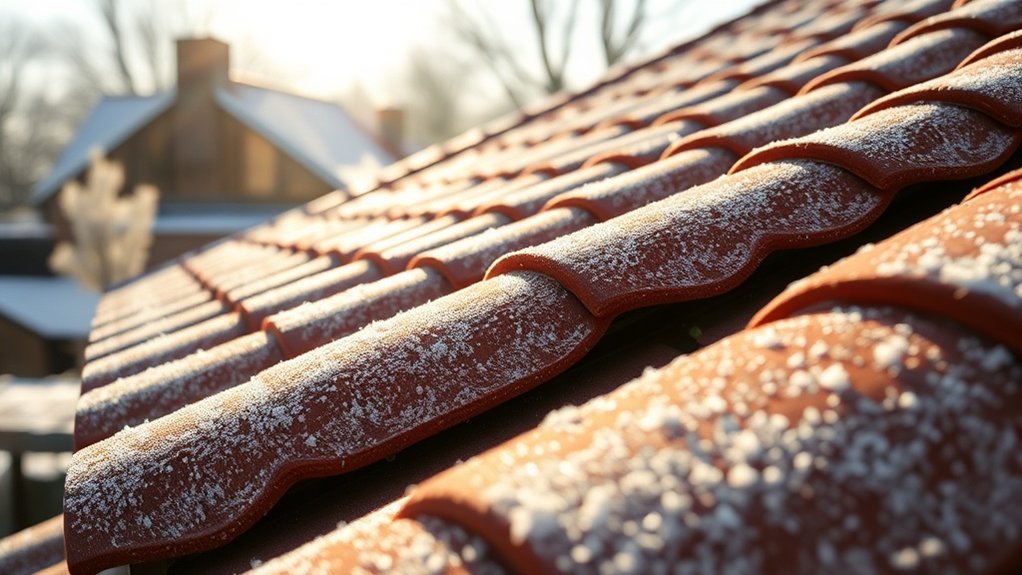
When choosing clay roof tiles, it’s crucial to understand the frost resistance standards that ensure their durability in the UK’s often harsh climate.
Tiles should meet the European Standard EN 1304 and be tested according to BS EN 539-2. This standard requires tiles to survive at least 150 freeze-thaw cycles, which reflects the UK’s unique weather patterns. Additionally, it’s essential to monitor weather forecasts to anticipate potential frost conditions that could impact the performance of these tiles. The longer lifespan of clay tiles, often exceeding 100 years, makes them an excellent choice for enduring severe weather conditions.
Unlike some other European areas where fewer cycles may be acceptable, this rigorous testing helps prevent damage caused by moisture.
Look for the CE mark to confirm that the tiles can handle the severe effects of repeated freeze-thaw cycles, ensuring reliable protection for your roof.
The Manufacturing Process and Its Impact on Durability
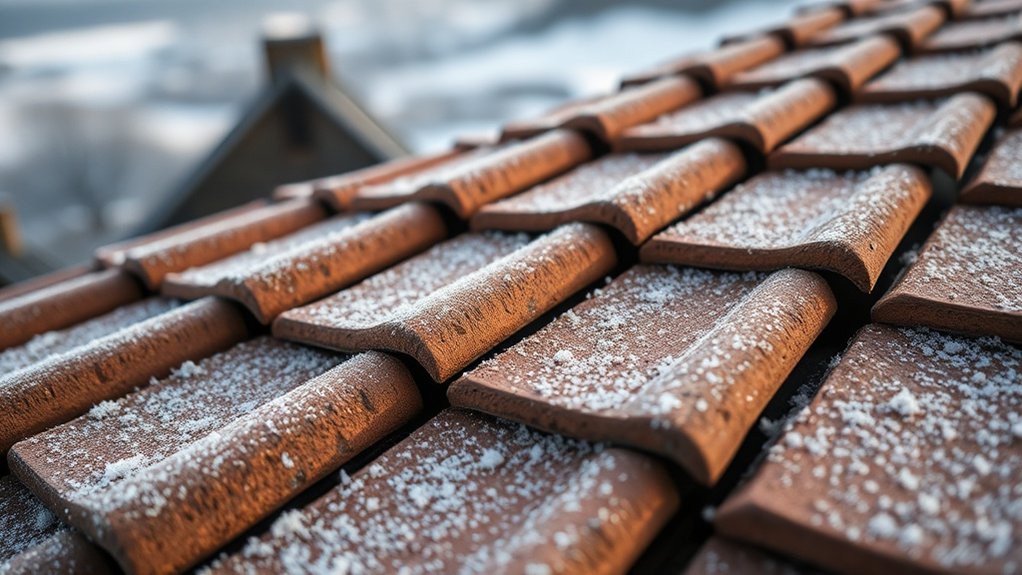
When examining the manufacturing process of clay roof tiles, the quality of the clay used is crucial for ensuring durability. The high-temperature firing process is vital as it vitrifies the clay, resulting in a strong structure that improves frost resistance. Furthermore, rigorous quality assurance measures during production ensure that only the most resilient tiles make it to market. The use of Etruria Marl clay in the manufacturing process contributes significantly to the overall strength and frost resistance of the tiles. Additionally, proper installation techniques are essential to maximize the performance of clay tiles against freezing temperatures.
Clay Composition Quality
The quality of clay composition is vital for the durability of roof tiles, but the entire manufacturing process also plays a key role in their long-term performance.
Analysing the texture of the clay ensures that the raw materials have the right properties for maximum durability. During extraction and preparation, it’s essential to evaluate moisture content; the ideal moisture level enhances workability and minimises the risk of cracking. Regular inspections during the cleaning process are also important to identify any potential issues early on.
Maintaining uniformity during the blending process is crucial, as a consistent mixture results in reliable tile quality. High-quality additives can also enhance specific features, further boosting durability. The drying and firing process is critical in ensuring that the tiles achieve the necessary strength to resist frost damage.
Ultimately, every stage from extraction to shaping is important in creating clay roof tiles that can withstand the elements, ensuring you provide a dependable roofing solution for your clients.
High-Temperature Firing Process
The manufacturing of clay roof tiles relies heavily on the high-temperature firing process, which transforms raw clay into a strong, weather-resistant material. Firing temperatures generally range from 900°C to 1,300°C, using advanced techniques to ensure maximum durability.
It’s essential to control the temperature accurately during this stage, as this promotes proper vitrification, enhancing the strength and frost resistance of the tiles. Gradual heating and cooling cycles help prevent thermal shock, while modern kilns significantly cut down firing times, boosting energy efficiency.
Higher firing temperatures result in denser, low-porosity tiles, which reduces water absorption and the risk of freeze-thaw damage. By focusing on these aspects of the firing process, manufacturers can produce clay roof tiles capable of withstanding harsh winter conditions, ensuring long-lasting performance for customers.
Quality Assurance Measures
Quality assurance measures are vital in the production of clay roof tiles, directly affecting their durability and performance. By following stringent manufacturing standards and conducting thorough quality control, manufacturers ensure that each tile can withstand the elements.
| Process Stage | Quality Assurance Measures | Impact on Durability |
|---|---|---|
| Clay Preparation | Consistency control, impurity removal | Ensures uniformity and integrity |
| Extrusion | De-airing techniques, precise shaping | Improves strength and accuracy |
| Firing | Controlled temperatures, adherence to standards | Increases hardness and frost resistance |
These measures, from clay preparation to firing, help prevent defects and enhance the tiles’ ability to endure harsh winter conditions, ensuring reliable performance for your roofing needs.
Performance of Clay Tiles in UK Winter Conditions

In the UK, clay tiles must pass rigorous frost resistance tests to cope with our winter weather.
It’s crucial to evaluate their long-term durability, particularly due to the freeze-thaw cycles they face.
Additionally, proper installation is vital for ensuring these tiles perform well throughout their lifespan.
Frost Resistance Testing Standards
When testing the frost resistance of clay roof tiles in the UK, it’s vital to follow established standards to ensure they can withstand harsh winter conditions.
The BS EN 539-2 standard requires tiles to survive a minimum of 100 freeze-thaw cycles for CE marking. For top performance, the highest frost resistance level under EN 1304 demands 150 cycles without damage, which is essential given the UK’s unpredictable weather.
During testing, tiles are closely examined for cracks and structural integrity after each freeze-thaw cycle. Inspections are carried out at 30, 90, and 150 cycles to ensure a thorough assessment of frost damage.
Tiles that meet these standards are proven to be exceptionally resilient, making them ideal for the tough UK winters.
Long-Term Durability Assessment
In the UK, where the weather can be quite unpredictable, it’s crucial for homeowners and builders to understand the long-term durability of clay roof tiles. These tiles generally last between 60 and 100 years, provided they receive regular maintenance and prompt repairs to avoid weather-related issues. Although clay tiles may not be as durable as slate, they do offer good resistance to moisture, which is vital for withstanding the UK’s freeze-thaw cycles.
| Aspect | Detail | Importance |
|---|---|---|
| Clay Tile Lifespan | 60-100 years | Longevity in changing climates |
| Maintenance Importance | Regular checks and repairs | Prevents premature failures |
| Frost Resistance | Meets EN 539-2 standards | Ensures durability in winter |
Investing in quality clay tiles and keeping them well-maintained will help ensure they last throughout their expected lifespan.
Installation Impact on Performance
Proper installation is crucial for the performance of clay tiles, particularly in the harsh winter conditions commonly experienced in the UK.
Using techniques like double-lap positioning improves water runoff and reduces moisture penetration, which is essential for frost resistance.
Ensure a minimum roof pitch of 35 degrees; insufficient angles can lead to water ingress and an increased risk of freeze-thaw damage.
Effective overlaps enhance tile density, safeguarding against wind-driven rain and ice build-up.
Moreover, employing the right underlay and flashing is vital to prevent moisture from reaching the roof structure.
Ignoring these details can undermine even the best tiles, resulting in cracking and spalling during winter.
Always prioritise careful installation for optimal winter performance.
Installation Best Practices for Maximizing Frost Resistance
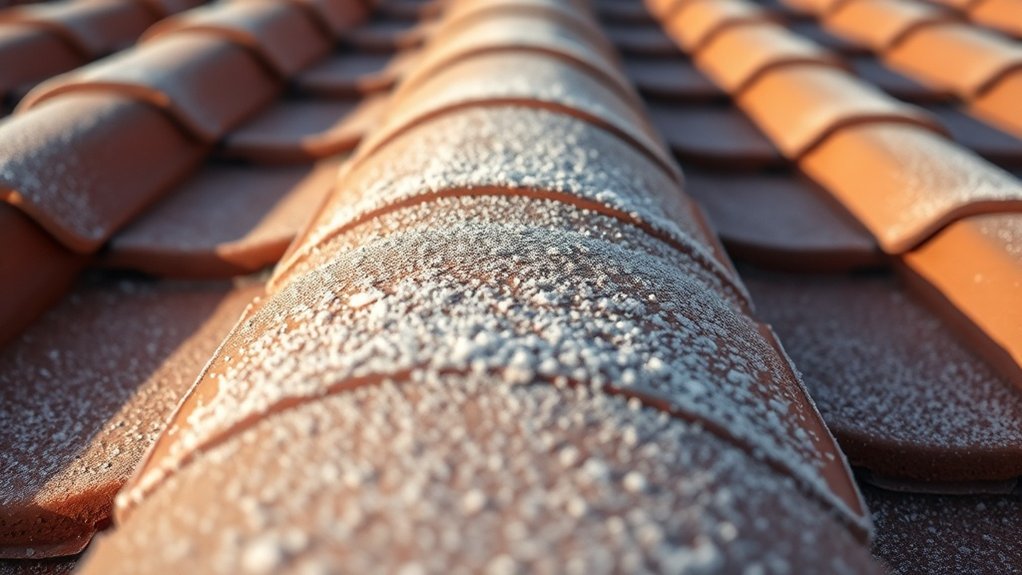
To enhance frost resistance when installing clay roof tiles, it’s crucial to choose materials that meet strict frost resistance standards, ensuring durability against the UK’s climate. Employ sound installation practices to prevent frost damage.
| Factor | Best Practice |
|---|---|
| Material Selection | Opt for CE marked tiles that meet BS EN 1304. |
| Roof Preparation | Store battens on bearers and cover unfinished roofs. |
| Fixings | Use fixings recommended by the manufacturer, suitable for UK conditions. |
Make sure underlays are frost-resistant and refrain from installing during wet weather. Conduct regular post-installation inspections to identify early signs of frost damage, enabling prompt repairs and preserving the roof’s integrity.
Comparing Clay Tiles With Other Roofing Materials
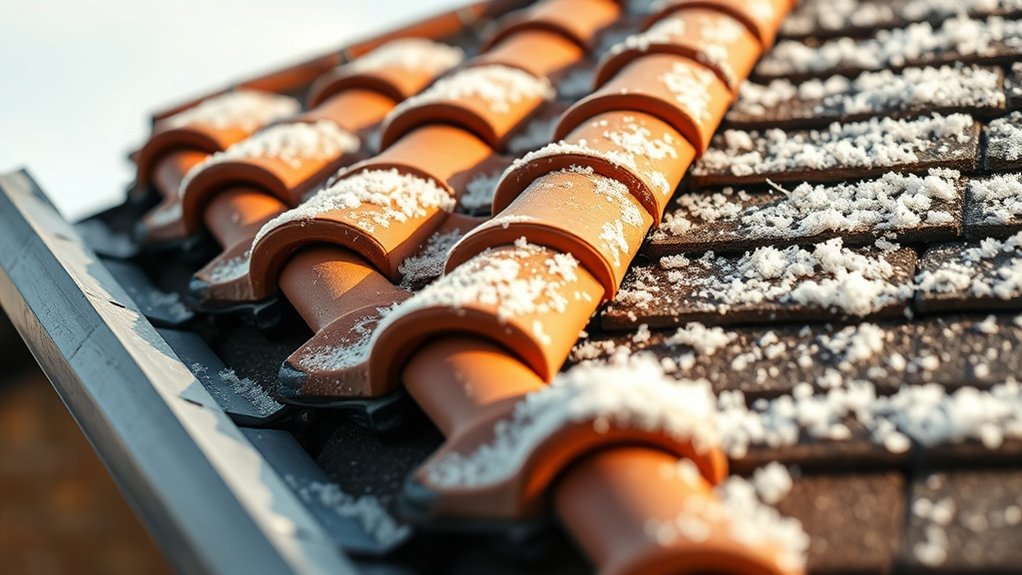
When choosing the best roofing material for your project, it’s important to compare clay tiles with options like concrete and slate.
Clay tiles offer a traditional look with a variety of styles and colours, making them aesthetically pleasing. They’re also frost-resistant, though slate tiles are known for their superior low water absorption.
Both clay and concrete tiles are heavy and durable, but concrete can discolour over time, while clay requires minimal maintenance.
In terms of longevity, both can last over a century with proper care. If you value aesthetics and moderate frost resistance, clay tiles are a great option.
However, for enhanced frost protection, slate may be the better choice.
Key Considerations When Choosing Clay Roof Tiles
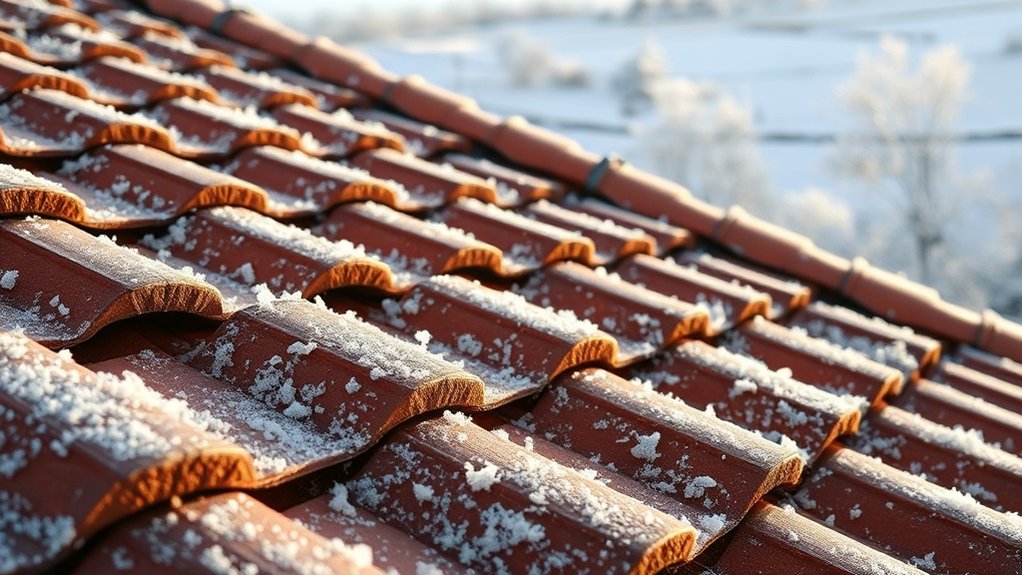
When selecting clay roof tiles, there are several important factors to consider that affect both their performance and appearance.
First, focus on durability and longevity—choose tiles that are frost-resistant to endure harsh UK winters. It’s also vital to pick tiles with low water absorption to prevent freeze-thaw damage, and ensure they meet British Standards for weather resistance.
Next, think about aesthetics; clay tiles are available in a range of colours and textures, allowing you to enhance your home’s character.
Don’t overlook the environmental impact either; high-quality clay tiles require less maintenance and generate less waste over time.
Lastly, proper installation is crucial. Ensuring the roof can support the weight of clay tiles will help maximise their lifespan, making it a sensible investment for the future.
Frequently Asked Questions
How Do I Know if My Tiles Are Frost-Resistant?
To find out if your tiles can withstand frost, check for frost resistance testing certifications and analyse their composition. Ensure they meet relevant standards, which will confirm their durability against freeze-thaw cycles and tough winter conditions. For instance, tiles rated for outdoor use in colder climates are typically frost-resistant.
Can Clay Tiles Be Repaired if Damaged by Frost?
If your clay tiles are damaged by frost, don’t despair. Minor issues can often be repaired using specialised techniques, but if the damage is severe, a full replacement may be necessary to ensure long-term integrity and performance. For instance, if a tile has just a small crack, a suitable adhesive can often do the trick. However, for larger breaks or missing pieces, replacing the tile altogether is usually the best option.
Do Clay Tiles Require Special Maintenance in Winter?
Yes, clay tiles do need special winter maintenance. It’s important to inspect your tiles thoroughly and consider using protective coverings. Regularly clear away debris to prevent moisture build-up, which can help your tiles endure harsh winter weather and extend their lifespan.
Are There Specific Colors That Perform Better in Frost?
Choosing clay tile colours is akin to selecting paint for a work of art; the colour itself doesn’t improve frost resistance. What really matters is the tile’s composition and quality, which determine its durability against winter’s chill, irrespective of the colour.
What Is the Typical Lifespan of Clay Roof Tiles?
Clay roof tiles generally last between 50 to 100 years, influenced by factors such as durability and installation methods. Ensuring proper installation and carrying out regular maintenance can significantly prolong their lifespan, helping you get the most out of your roofing investment.
Conclusion
In summary, clay roof tiles can be frost-resistant when made correctly and installed properly. Tiles with a water absorption rate of under 10% tend to withstand freezing temperatures better. By knowing the standards and considering winter conditions, you can ensure your roof offers lasting protection. Remember, proper installation and regular maintenance are essential for maximising the frost resistance of your clay tiles.


