

Are Concrete Roof Tiles Porous? Addressing UK Weather Concerns
Concrete roof tiles can indeed be porous, with untreated tiles absorbing around 13% of water. This can create problems given the unpredictable UK weather. However, if you opt for treated tiles, this absorption drops to less than 1%, significantly improving their resistance to moisture.
High porosity, if not addressed, can lead to mould growth, structural damage, and higher maintenance requirements. By understanding these risks and taking proper care of your tiles, you can enhance their lifespan. Regular maintenance and protective treatments are key to ensuring your roof remains durable and functional.
Key Takeaways
- Untreated concrete tiles can absorb about 13% of water, which raises the risk of moisture problems in the damp UK climate.
- High water absorption can lead to mould, mildew, and may compromise the structural integrity over time.
- Using effective waterproofing methods, such as sealants, can lessen water penetration and enhance the lifespan of the tiles.
- Regular maintenance, including inspections and low-pressure washing, is vital to manage porosity and prevent damage.
- Given the UK’s heavy rain and freeze-thaw cycles, proactive moisture management is crucial for concrete tile roofs.
Understanding Concrete Tile Composition

Concrete roof tiles are made from a mixture of sand, cement, water, and iron oxide, resulting in a strong material known for its durability. Their dense structure and high cement content make them resistant to weather, fire, and provide good thermal insulation. This means concrete tiles can endure tough weather while keeping energy costs down. The manufacturing process also allows for a variety of styles, colours, and shapes, catering to different architectural preferences. Additionally, these tiles are environmentally friendly, as they use locally sourced materials, which lessens their carbon footprint. Concrete tiles have a longevity of 100 years or more reveals why concrete roof tiles are a lasting and adaptable choice for various building needs. However, it is important to note that concrete tiles may require extra structural support due to their weight, especially in regions prone to heavy rainfall.
The Role of Porosity in Water Absorption

Understanding the composition of concrete roof tiles is crucial for exploring how porosity affects their water absorption. The level of porosity significantly impacts moisture management; untreated concrete tiles can absorb large quantities of water, which may lead to problems like mould and mildew. Additionally, excess moisture retention can compromise the structural integrity of the roof over time. Effective waterproofing techniques are essential for preventing such issues. Below is a table illustrating the effects of porosity:
| Feature | Untreated Tiles | Treated Tiles |
|---|---|---|
| Water Absorption Rate | ~13% | <1% |
| Weight Increase | Up to 5% when saturated | Minimal |
| Maintenance Frequency | High | Low |
| Risk of Degradation | High | Reduced |
| Lifespan | Shorter | Extended |
Effects of Weathering on Concrete Roof Tiles
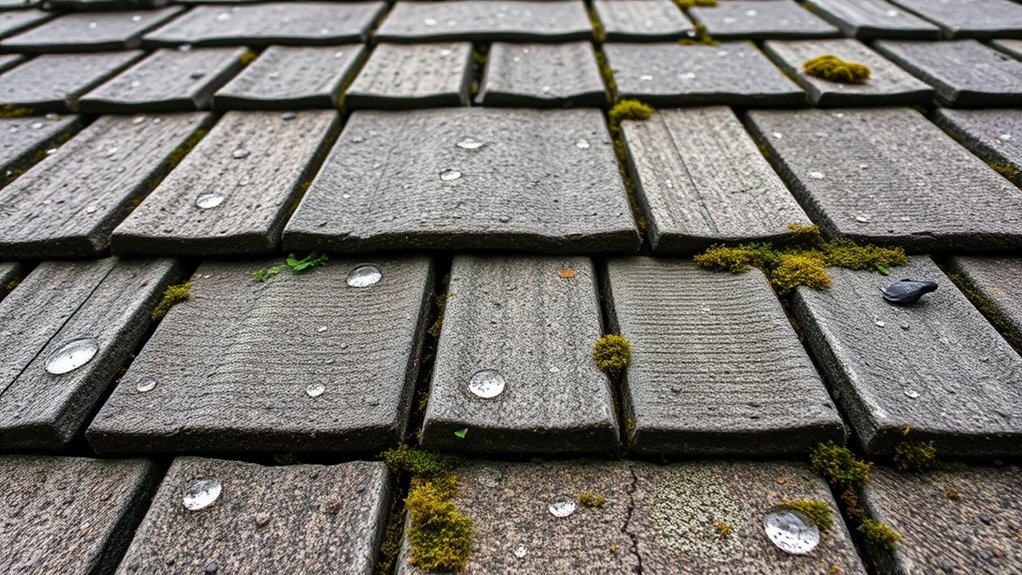
Over time, weathering can significantly weaken concrete roof tiles. The freeze-thaw cycle is particularly damaging; moisture trapped within tiles expands when frozen, leading to cracks. Additionally, the durability of concrete roof tiles means they are engineered to withstand freeze-thaw cycles, preventing further damage in harsh conditions. Regular annual inspections can help identify potential issues before they escalate. Biological growth, such as moss and algae, can worsen this problem by holding moisture and breaking down waterproofing layers. Furthermore, UV radiation and air pollution cause colour fading and roughen surfaces, making tiles more vulnerable to damage. High winds and temperature changes also create mechanical stresses that can weaken the tiles over time. It’s crucial to carry out regular inspections and maintenance to spot early signs of weathering. This proactive approach allows for timely repairs or replacements, helping to extend the lifespan of your concrete roof tiles.
Weather Resistance Features of Concrete Tiles
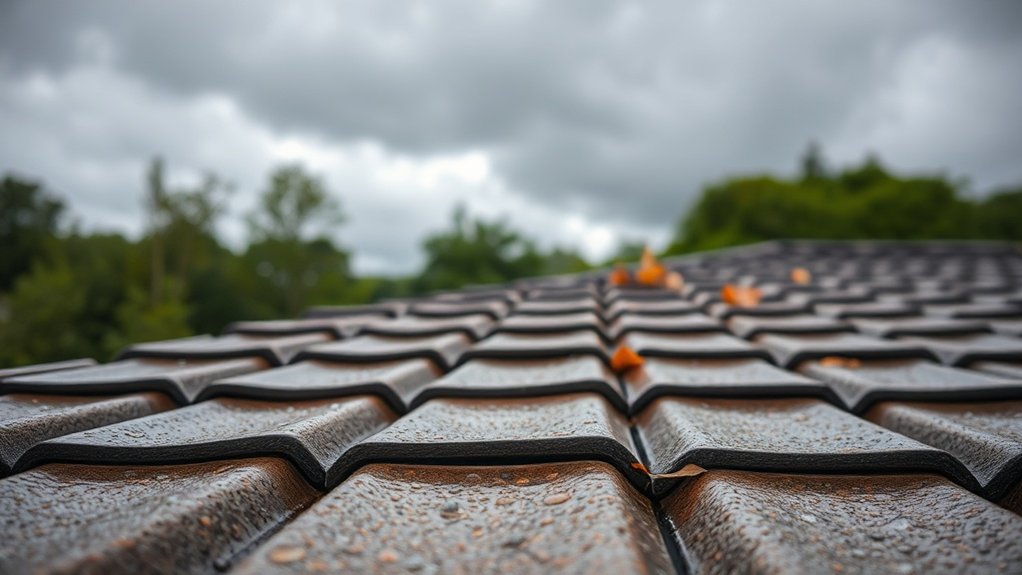
Weathering can compromise the integrity of concrete roof tiles, highlighting the importance of their weather resistance features. Concrete tiles are designed for durability and effectively repel water once fully cured, which helps with moisture management.
Their interlocking design promotes efficient water runoff, reducing the risk of pooling that can lead to leaks.
Durability tests indicate that these tiles withstand the UK’s cold winters without significant freeze-thaw damage, maintaining their structural integrity. Proper installation, including sealed joints, enhances waterproofing.
Furthermore, the weight of concrete tiles provides additional wind resistance, keeping them secure against gusts of up to 100 mph.
This combination of features offers long-lasting protection against rain and storms, minimising repair needs and ensuring structural stability in challenging weather conditions.
Impact of Increased Porosity on Durability
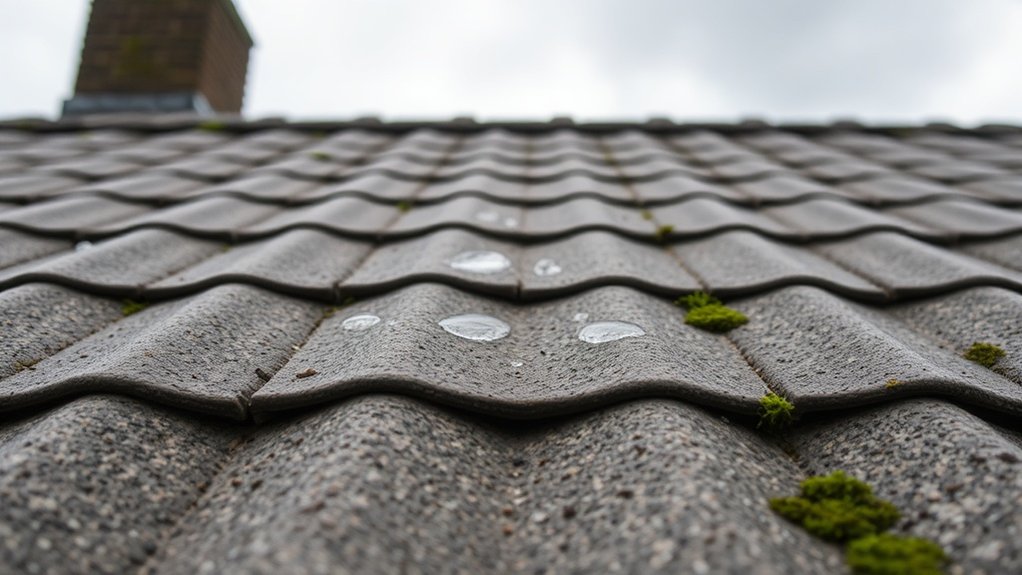
Increased porosity in concrete roof tiles significantly raises the risk of moisture absorption.
This can lead to freeze-thaw damage and compromise the structural integrity of your roof. When tiles become waterlogged, they gain weight, which can put extra strain on your roof’s support system.
Regular maintenance is essential to address these issues. Tackling porosity not only helps maintain your roof’s durability but also ensures it lasts longer against the unpredictable UK weather.
Moisture Absorption Risks
Concrete roof tiles are durable and cost-effective, but their porous nature can lead to serious moisture absorption issues that threaten their lifespan.
With a water absorption rate of around 13%, these tiles can trap moisture, resulting in structural strain and the growth of mould. It’s crucial to adopt effective moisture management strategies.
Regular tests for absorption can help pinpoint excessively porous tiles, allowing for prompt action. Without consistent maintenance, the risk of water penetration rises, which can cause leaks and unsightly damage.
Furthermore, trapped moisture can encourage the growth of algae and moss, worsening the problem.
Freeze-Thaw Damage
As concrete roof tiles absorb moisture, the risk of freeze-thaw damage increases, threatening their durability. Higher porosity means more moisture retention, making tiles more vulnerable to freeze-thaw cycles. When water freezes, it expands by up to 9%, creating internal stress that can lead to micro-cracks. Over time, these cracks can widen, resulting in surface spalling and diminished structural integrity.
| Freeze-Thaw Effects | Impact on Durability | Mitigation Strategies |
|---|---|---|
| Micro-cracks | Reduced integrity | Apply water-repellent sealants |
| Surface spalling | Increased leaks | Ensure proper installation and ventilation |
| Material weakening | Shortened lifespan | Choose low porosity tiles |
| Internal stress | Roof sagging | Conduct regular inspections |
Understanding these factors is crucial for ensuring the longevity of your roof tiles.
Maintenance Importance
Recognising the importance of maintenance is crucial when we consider how porosity affects the durability of concrete roof tiles. Higher porosity increases the risk of water absorption, which can lead to issues like moss and algae growth. This growth holds moisture, speeding up tile deterioration.
Routine inspections are vital; they help spot early signs of damage, such as cracked or displaced tiles, which can jeopardise the roof’s integrity.
Regular cleaning is also key. Using low-pressure washing or biocidal treatments can effectively remove unwanted organic matter without harming the tiles.
Freeze-Thaw Cycles: A Major Threat
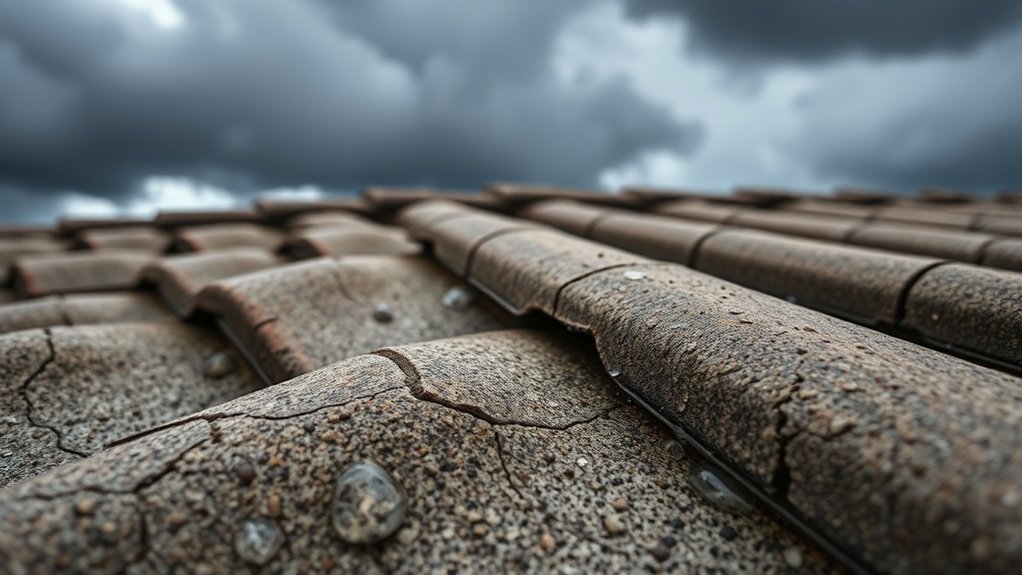
Freeze-thaw cycles can seriously damage concrete roof tiles.
When water seeps in and freezes, it expands, creating internal stress that can lead to cracking.
To protect your roof, consider applying a sealant and conducting regular inspections.
Understanding the long-term effects of these cycles is crucial for ensuring your roofing system remains durable and intact.
Internal Stress Mechanism
Concrete roof tiles in the UK are particularly vulnerable to internal stresses caused by freeze-thaw cycles, especially given our damp climate.
It’s crucial to understand how moisture affects these tiles to assess the risks of degradation.
- Water seeps into the pores of the tiles and expands by 9% when it freezes.
- This expansion generates tensile stresses, which can lead to microcracks and weaken the structure.
- When the ice thaws, water can enter these cracks, worsening the damage.
- Over time, repeated freeze-thaw cycles can result in spalling and fragmentation of the tiles.
Due to these risks, it’s essential to choose high-quality tiles that are designed to withstand freeze-thaw conditions.
If you’re selecting tiles, ensure they meet the relevant standards to protect against the harsh effects of the UK weather.
Understanding these internal stress mechanisms is key to safeguarding your roof.
Preventive Measures Available
To protect concrete roof tiles from freeze-thaw damage, it’s crucial to take preventive measures.
Start with proper installation techniques to secure the tiles and improve ventilation, which reduces thermal stress. Applying a protective sealant can help minimise water penetration, further shielding against freeze-thaw issues.
Ensure effective water drainage systems are in place to prevent water from accumulating on the roof, as this can lead to cracking.
Regular inspections are essential for early detection of potential problems, allowing for timely repairs.
Choosing tiles with low water absorption and ensuring they meet British standards can significantly boost your roof’s durability, helping it withstand the UK’s unpredictable weather for years to come.
Long-Term Impact Analysis
Concrete roof tiles can absorb moisture, increasing the risk of freeze-thaw damage and threatening their durability. Here are key points to consider:
- When moisture freezes, it creates internal pressure that leads to micro-cracks.
- Repeated freeze-thaw cycles can worsen these cracks, causing spalling and weakening the structure.
- The added weight from moisture can put strain on the roof, potentially causing sagging.
- Long-term exposure can accelerate deterioration, leading to more frequent repairs.
In the UK, where freeze-thaw cycles are prevalent, it’s vital to regularly check the condition of your roof tiles.
Early detection of these issues can help maintain the integrity of your roof and save on maintenance costs in the long run.
Maintenance Practices for Longevity
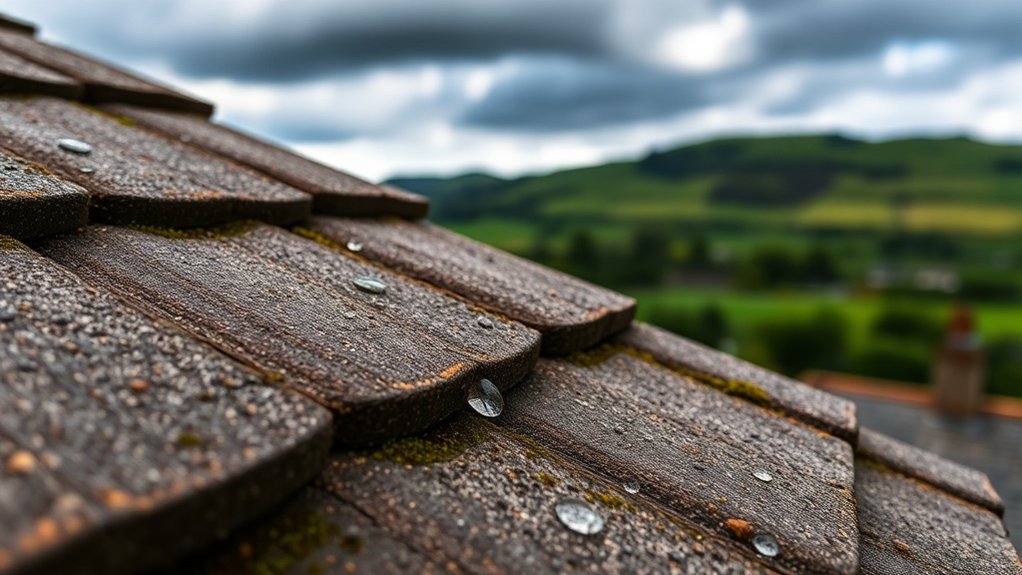
Concrete roof tiles are durable, but regular maintenance is key to ensuring their longevity and optimal performance.
Inspect your roof twice a year, ideally in spring and autumn, looking for slipped, cracked, or broken tiles. After severe weather, check for any storm damage. Clear debris from gutters and valleys to ensure proper drainage and prevent water build-up, which can lead to structural problems.
Address any moss, algae, or lichen growth using safe, environmentally-friendly methods instead of high-pressure washing.
Timely maintenance is crucial for identifying and repairing damage, which helps sustain performance. Hiring professionals for repairs ensures quality and safety, ultimately extending your roof’s lifespan and keeping it looking good.
Comparing Concrete Tiles With Other Roofing Materials

When comparing concrete roof tiles to other materials, consider their weather resistance, cost-effectiveness, and durability.
Concrete tiles excel in damp climates, providing excellent water resistance and frost protection, which can lead to lower maintenance costs.
For example, in areas prone to heavy rain, concrete tiles can prevent leaks and reduce the need for repairs.
Weather Resistance Comparison
In the realm of roofing materials, concrete tiles excel in weather resistance, particularly when compared to options like asphalt shingles, clay, and slate. Their robust performance makes them a wise choice for the UK’s changeable climate.
Here’s a straightforward comparison:
- Water Resistance: The low porosity of concrete tiles significantly reduces water absorption, preventing leaks during heavy rainfall.
- Wind Resistance: Their heavier weight and interlocking design provide enhanced stability against wind uplift.
- Impact Resistance: Concrete tiles are more resilient against hail and debris, unlike lighter materials which can be easily damaged.
- Durability: With a lifespan exceeding 50 years, they require less frequent replacements compared to asphalt shingles.
Opting for concrete tiles is a solid investment in a long-lasting roofing solution that can withstand the elements.
Cost-Effectiveness Analysis
Concrete roof tiles aren’t only robust against weather conditions but also offer excellent cost-effectiveness compared to other roofing options. A cost analysis shows that while their initial material costs are lower than those of natural slate and clay tiles, their lifespan of 40-60+ years provides significant long-term value.
In contrast, asphalt shingles may appear cheaper at first but require replacement every 20-30 years, ultimately reducing their cost-effectiveness.
Additionally, concrete tiles require minimal maintenance and are easier to repair, leading to lower ongoing expenses. Their good thermal mass also improves energy efficiency, resulting in reduced heating and cooling bills.
All these factors make a strong case for concrete tiles as a durable and economical choice for homeowners seeking sustainable roofing solutions.
Durability and Longevity
When it comes to roofing materials, concrete roof tiles stand out for their durability and longevity. Here are a few reasons why they excel:
- Material Composition: Made from a robust mix of sand, cement, and water, these tiles are built to last.
- Weather Resistance: They can handle the UK’s wet and windy climate, from heavy rain to frost.
- Longevity: With proper care, concrete tiles can last between 40 and 60 years.
- Fire Resistance: As non-combustible materials, they enhance safety and durability.
In comparison to clay or natural slate, concrete tiles not only provide greater durability but also require less upkeep, making them a smart choice for long-lasting roofing solutions.
Importance of Protective Sealants

Protective sealants are vital for prolonging the life and performance of concrete roof tiles, particularly given the unpredictable UK weather. They offer crucial benefits, such as effective moisture management and UV protection. To achieve the best results, it’s important to apply the right sealant with techniques like “wet on wet” coating.
| Sealant Type | Key Properties |
|---|---|
| Breathable Acrylic | Allows moisture vapour to escape |
| UV Resistant | Prevents fading and damage |
| Hydrophobic Coating | Repels water and inhibits organic growth |
| Long-lasting Sealants | Provides up to 25 years of protection |
Using high-quality sealants not only protects your roof tiles but also improves their appearance, ensuring they can endure the elements and remain functional for many years.
Ensuring Structural Integrity Through Care
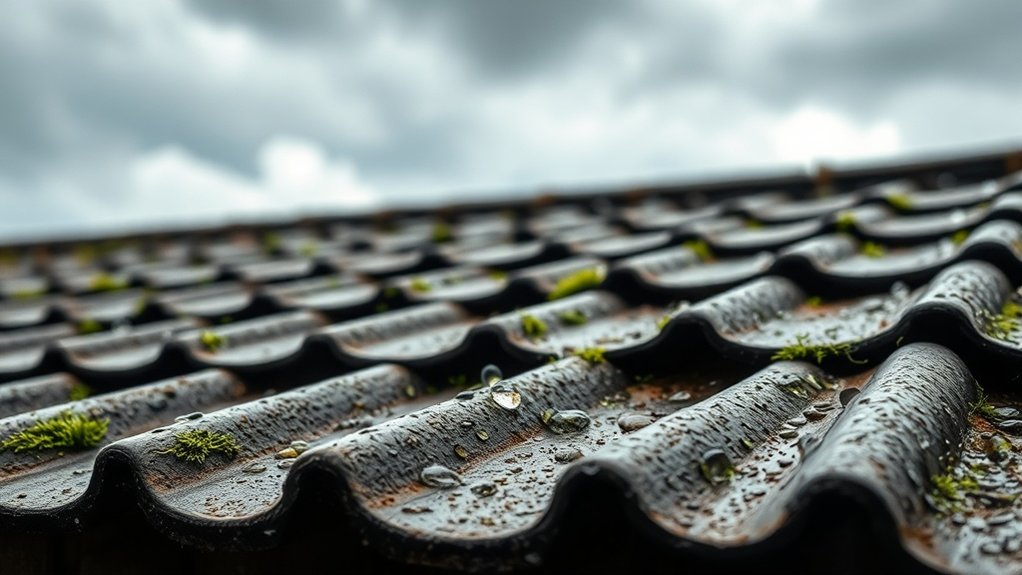
To ensure the structural integrity of your concrete roof tiles, regular care and maintenance are vital. Conducting routine inspections and thorough evaluations can help you spot issues early, ensuring your roof stands up to the UK’s unpredictable weather.
Here are some essential care practices to follow:
- Arrange regular inspections to detect any potential damage.
- Clean the tiles to remove debris and improve water runoff.
- Check that installation techniques are correct, particularly with sealed joints.
- Keep an eye on ventilation to prevent moisture buildup.
Frequently Asked Questions
How Long Do Concrete Roof Tiles Typically Last?
Concrete roof tiles generally last between 30 to 50 years. The quality of installation and regular maintenance are crucial for longevity. For instance, routine inspections and clearing away debris can significantly extend their lifespan, helping you get the most out of your roof.
Can I Paint Concrete Roof Tiles?
Yes, you can paint concrete roof tiles. It’s important to prepare the tiles properly; cleaning and priming are crucial for good adhesion. A well-applied coat can improve the look of your roof and enhance its durability, offering long-lasting protection against the weather.
What Colors Are Available for Concrete Roof Tiles?
Concrete roof tiles come in various colours, including shades of red, grey, and brown. These options can enhance your home’s look while providing durability and resistance to the elements.
Are Concrete Roof Tiles Heavier Than Other Roofing Materials?
Yes, concrete roof tiles are heavier than many other roofing materials, such as clay. This added weight can influence installation and may require additional structural support. However, the durability of concrete tiles often makes them a worthwhile investment, providing long-lasting protection and performance for your roof.
How Do I Choose the Right Concrete Tile for My Roof?
When choosing concrete tiles for your roof, focus on durability and visual appeal. Ensure you follow installation guidelines, particularly regarding ventilation and secure fitting. This will help your roof endure the British weather and enhance your home’s character. For instance, opting for tiles with a textured finish can provide both style and added grip.
Conclusion
Concrete roof tiles are a robust choice for roofing, providing solid protection against the elements. While they can be porous, this issue can be managed effectively with proper maintenance and the application of protective sealants. Think of it as giving your roof a reliable shield. By understanding these traits, you ensure your roof serves not just as a shelter, but as a dependable protector of your home. Strive for a combination of aesthetics and strength, making your roof a symbol of security against the often unpredictable UK weather.


