

Recycled Plastic Roof Tiles: Durability and Performance
Recycled plastic roof tiles are a durable and high-performing option, thanks to their lightweight design and excellent weather resistance. Made from recycled polyethylene and polypropylene, these tiles can last between 30 to 50 years and are known for their impressive strength. By repurposing plastic waste, they also help reduce your carbon footprint, supporting environmental sustainability. Discover more about their installation benefits, cost-effectiveness, and potential future innovations for a comprehensive view of this material.
Key Takeaways
Recycled plastic roof tiles can last up to 50 years, outlasting traditional materials like asphalt and wood. With a flexural strength of 5.828 N/mm², they are structurally sound and resistant to harsh weather. Their low porosity of 1.351% helps them withstand moisture and environmental challenges. Weighing much less than concrete or clay tiles, they reduce the structural load and make installation easier. Additionally, their energy-efficient manufacturing process cuts embodied carbon by over 85%, making them a sustainable choice for roofing.
Overview of Recycled Plastic Roof Tiles

With the rising demand for sustainable building materials, recycled plastic roof tiles offer an effective way to repurpose plastic waste while providing significant advantages. These tiles are a cost-efficient alternative to traditional roofing, helping to lower both purchase and disposal expenses. Their lightweight design not only simplifies installation but also reduces the structural load on buildings. Additionally, their high percentage of recycled content contributes to reducing waste and conserving natural resources. However, you may face some installation challenges, particularly with ensuring proper alignment and securing methods. On the design side, these tiles can mimic the appearance of conventional materials, giving you flexibility in your architectural choices. Incorporating recycled plastic roof tiles into your projects helps promote sustainability, conserve resources, and support a circular economy, all while ensuring durability and performance in various climates.
Key Materials Used in Production

The production of recycled plastic roof tiles uses several key materials that enhance both performance and sustainability. The main components are recycled polyethylene and polypropylene, typically sourced from post-consumer and industrial waste. These materials, along with high-density polyethylene, offer flexibility and resistance to weathering. To improve strength and impact resistance, sand and rubber are sometimes added. The durability of these tiles is further emphasized by their class 4 impact rating, which provides maximum protection against severe weather conditions. Sourcing focuses on diverting plastic from landfills, promoting a closed-loop recycling system. Non-toxic additives ensure that the tiles remain recyclable without creating harmful byproducts.
Manufacturing Process and Techniques

Manufacturing recycled plastic roof tiles involves several straightforward processes that convert waste into durable products.
First, a grinder or shredder breaks the plastic into small flakes. Next, the heated barrel melts these flakes into a paste. A dual-chamber moulding machine then compresses the molten composite into tile shapes.
Innovations like extrusion moulding ensure uniformity by pushing the material through a die. Conveyor systems efficiently transfer materials throughout the process. Upgrading equipment with advanced temperature control helps maintain optimal conditions for quality output. Additionally, the incorporation of waste plastic in the production process not only reduces landfill waste but also enhances the sustainability of the roofing materials.
Lastly, UV stabilisation and colouring techniques improve the tiles’ durability and appearance, ensuring they meet market demands while supporting sustainable waste management practices.
Physical Properties of Recycled Plastic Tiles

Recycled plastic roof tiles offer impressive physical properties that make them suitable for various applications. With a density of around 1070.10 kg/m³ for 100% PET, these tiles are significantly lighter—40.3% less than concrete and 51.5% less than ceramic.
In durability tests, tiles made from a combination of PET and sand can reach a flexural strength of 5.828 N/mm². Their low porosity, at just 1.351% for pure PET, enhances their resistance to weather conditions.
Sourced from high-density polyethylene (HDPE) and other recycled plastics, these tiles retain structural integrity even under load. While they’re flexible, it’s important to note that excessive deformation can happen under extreme stress, so proper installation is crucial to ensure their effectiveness in sustainable roofing solutions.
Performance Comparison With Traditional Roofing Materials

When you compare recycled plastic roof tiles to traditional materials, the benefits are clear.
These tiles are lighter, which makes installation simpler. They also boast superior durability and a longer lifespan.
Furthermore, their resistance to environmental factors means less maintenance is required, potentially leading to lower overall costs compared to conventional roofing options.
Weight Comparison Benefits
The weight of roofing materials significantly affects both structural integrity and installation efficiency.
Recycled plastic roof tiles weigh just 0.7–1.1 kg each, compared to 4.5–6.8 kg for clay tiles and 3.6–5.4 kg for concrete tiles. This lighter weight results in lower load on structures, with only 58–68 kg per roofing square, much less than asphalt’s 104–195 kg or clay/concrete’s 363–544 kg.
This means quicker installations with smaller teams and less equipment, making it ideal for upgrading older buildings. Furthermore, lighter materials reduce transportation costs and lower labour expenses, as they’re easier to handle.
Strength and Flexibility Analysis
The lighter weight of recycled plastic roof tiles makes installation quicker and easier, but their mechanical properties set them apart from traditional roofing materials.
Strength testing shows that tiles containing 30% PET and 70% sand achieve impressive compressive and flexural strength, reaching up to 5.828 N/mm². This indicates greater durability compared to standard cement tiles.
Flexibility tests also demonstrate that these tiles resist cracking under stress, making them suitable for varying weather conditions.
Furthermore, adding materials like fly ash not only enhances compressive strength but also improves thermal resistance.
Longevity Against Traditional Materials
While many traditional roofing materials advertise durability, recycled plastic roof tiles consistently outperform them in longevity and maintenance. These tiles come with warranties of up to 50 years, significantly surpassing the usual 20-30 years associated with asphalt or wood. Their low maintenance needs also translate to reduced long-term costs, and their weather resistance ensures they can endure extreme conditions. Additionally, the average roof replacement cost in the UK highlights the potential savings over time when choosing more durable materials.
| Material Type | Lifespan (Years) | Maintenance Needs |
|---|---|---|
| Recycled Plastic Tiles | 50 | Minimal |
| Asphalt Shingles | 20-30 | Frequent resealing |
| Wood Shakes | 20-30 | Regular treatment required |
| Clay Tiles | 30-50 | Less frequent re-bedding |
| Concrete Tiles | 30-50 | Moderate |
The data clearly shows that recycled plastic tiles are a superior choice for durability and sustainability.
Environmental Benefits of Using Recycled Plastics
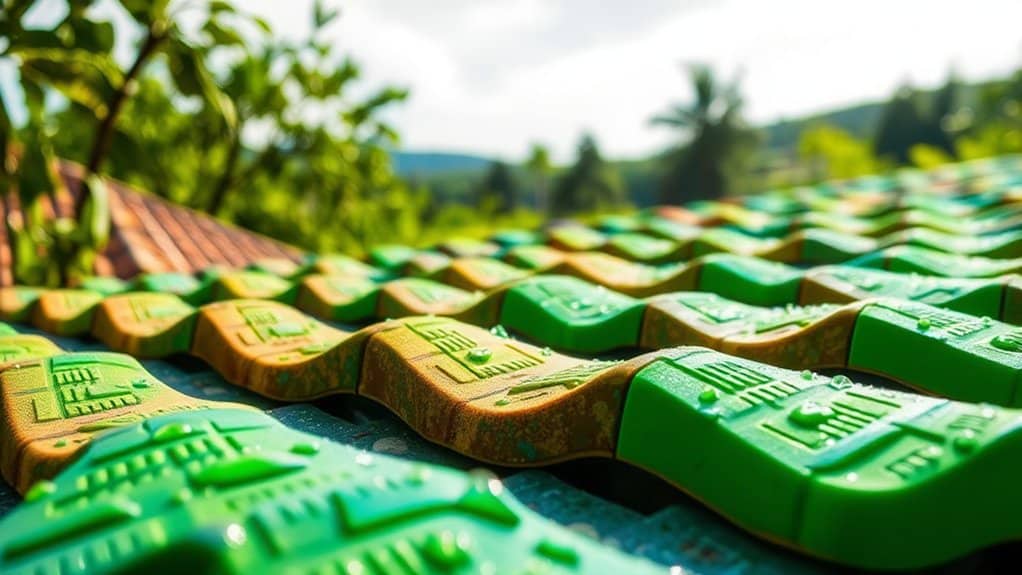
Using recycled plastic roof tiles significantly cuts down on waste by preventing materials from ending up in landfills, which can harm the environment.
This choice also reduces your carbon footprint, as making these tiles requires less energy and produces fewer emissions than conventional materials.
By choosing recycled plastics, you support sustainable practices that benefit both the environment and your building projects.
For instance, a house with a roof made from recycled tiles not only looks good but also contributes to a greener planet.
Waste Reduction Impact
Recycled plastic roof tiles significantly reduce waste by turning millions of tonnes of plastic waste into sturdy building materials.
These tiles help tackle the urgent problem of plastic pollution by diverting materials from overflowing landfills and oceans. With just 9% of global plastic waste being recycled, finding new uses for plastics in roofing is crucial for effective waste management.
This innovation supports a circular economy, prolonging the life of single-use plastics and conserving natural resources. It also lessens the need for new landfill sites and reduces the environmental damage linked to resource extraction.
Carbon Footprint Reduction
Choosing recycled plastic roof tiles significantly reduces your carbon footprint. These tiles repurpose existing plastic waste, leading to considerable savings in CO2 emissions. Their production requires fewer resources, promoting material efficiency and sustainability. By opting for recycled plastics, you can cut embodied carbon by over 85% per house, showcasing effective eco-friendly practices.
Moreover, the manufacturing process uses less energy and emits fewer greenhouse gases, aligning with environmental goals. The durability of these tiles means fewer replacements are needed, which further lowers long-term carbon footprints.
Market Trends and Demand for Sustainable Roofing

As the construction sector increasingly emphasises sustainability, the demand for eco-friendly roofing solutions, such as recycled plastic roof tiles, is experiencing significant growth. The global market for these tiles is expected to rise from £1.5 billion in 2023 to £3.7 billion by 2032, spurred by growing consumer awareness and market acceptance. Stricter environmental regulations and an emphasis on climate resilience are also pushing this trend forward.
| Key Drivers | Market Dynamics |
|---|---|
| Environmental Regulations | Geographic Expansion |
| Waste Reduction | Industry Collaborations |
| Consumer Preferences | Material Innovations |
With improvements in aesthetics and durability, these tiles not only comply with building regulations but also support circular economy goals, making them attractive for both residential and commercial projects.
Cost-Effectiveness of Recycled Plastic Roof Tiles

The increasing demand for sustainable roofing solutions brings attention to the cost-effectiveness of recycled plastic roof tiles.
These tiles are generally more affordable than traditional materials like slate or clay, thanks to lower material costs. With a lifespan of 30 to 50 years, they reduce the need for frequent replacements, leading to long-term savings.
Their excellent insulation properties can also help lower energy bills, while minimal maintenance keeps ongoing costs down. By opting for recycled materials, these tiles assist communities in avoiding landfill disposal fees.
In short, recycled plastic roof tiles are a sustainable choice that conserves natural resources and offers considerable economic benefits for environmentally conscious homeowners.
Installation Advantages and Considerations
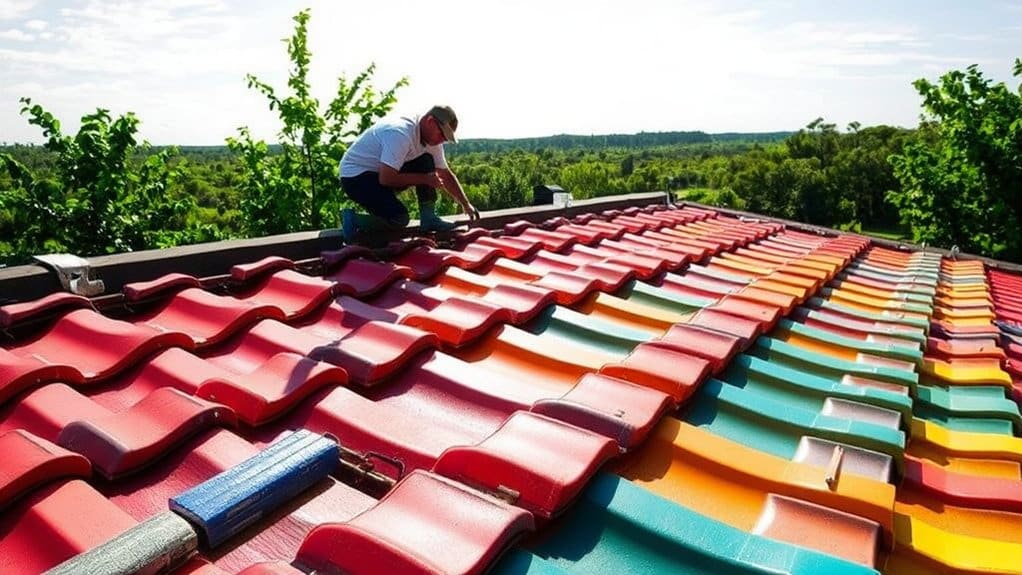
While many roofing materials can pose installation challenges, recycled plastic roof tiles come with several advantages that make the process smoother. Their lightweight design makes them easy to handle, which can help lower labour costs. The interlocking system simplifies installation, ensuring efficient alignment. However, it’s important to consider compatibility with existing materials and the structural load requirements. Regular inspections are essential for proactive maintenance to ensure the longevity of your roofing system.
| Installation Advantages | Installation Considerations | Maintenance Requirements |
|---|---|---|
| Easy to handle | Compatibility with existing materials | Regular inspections |
| Reduced labour costs | Load calculations | Watch for wear and tear |
| Interlocking design | Weather resistance | Ensure proper sealing |
| Variety of aesthetics | Environmental factors | Longevity checks |
| Adaptable to conditions | Correct installation techniques | Timely maintenance |
Future Developments in Recycled Roofing Materials
Recycled plastic roof tiles aren’t only quick to install but also represent a growing area in the roofing market, thanks to advancements in materials and sustainability.
Here are some key developments to watch:
- Biodegradable plastics such as PLA are being used for non-load-bearing structures.
- Composite blends are improving UV resistance and durability in roofing shingles.
- Smart roofing technologies are incorporating solar energy solutions for better energy efficiency.
- Modular systems allow for easier repairs and recycling when the product reaches the end of its life.
These innovations demonstrate the industry’s commitment to sustainability, minimising waste, and conserving resources, making recycled roofing materials an attractive option for eco-conscious consumers and businesses alike.
Real-World Applications and Case Studies
As homeowners increasingly look for sustainable options, recycled plastic roof tiles are proving their worth in real-world applications.
For example, a rural home in Kenya replaced fragile clay tiles with lightweight plastic tiles, which eliminated leaks and the need for structural reinforcements. A typical three-bedroom house using these tiles diverts over 1.5 tonnes of plastic waste, showcasing a solid choice for sustainability.
In the Netherlands, tests confirm these tiles’ UV resistance, ensuring they last over time.
Financially, they’re half the cost of stone-coated alternatives, making them attractive for budget-conscious buyers. Additionally, they work well with solar installations, requiring minimal adjustments.
These case studies demonstrate the practical benefits of recycled plastic roof tiles, merging environmental responsibility with economic sense.
Frequently Asked Questions
How Long Do Recycled Plastic Roof Tiles Typically Last?
Recycled plastic roof tiles can last over 50 years. They offer a positive environmental impact, often outperforming traditional roofing materials. Their durability and sustainability make them a sensible choice for long-lasting roofing solutions.
Can Recycled Plastic Roof Tiles Withstand Extreme Weather Conditions?
Yes, recycled plastic roof tiles are highly weather-resistant. They are lightweight, which helps them endure strong winds, and their UV resistance protects against sun damage. Additionally, they offer excellent impact protection, making them reliable during storms and variable temperatures. For instance, they can remain intact even in heavy rain or hail, ensuring your roof stays secure and functional.
Are Recycled Plastic Roof Tiles Available in Different Colors?
Recycled plastic roof tiles come in a wide range of colours, allowing you to enhance the appearance of your home. With options for custom matching and cool roof designs, these tiles not only offer visual variety but also practical benefits, showcasing your dedication to sustainability and quality design.
How Do I Maintain Recycled Plastic Roof Tiles?
To maintain your recycled plastic roof tiles, use gentle cleaning methods such as soft washing and remove any debris by hand. Ensure that the tiles are installed properly, with good sealing and reinforcement, to prevent damage and extend their lifespan. This approach not only keeps your roof in good condition but also supports the community’s sustainability efforts effectively.
Are There Any Fire Safety Concerns With Recycled Plastic Roof Tiles?
Yes, there are fire safety concerns with recycled plastic roof tiles. It’s important to ensure they meet safety standards and are installed correctly for optimal fire resistance. For instance, poor installation methods or unsuitable materials can increase vulnerabilities. Always check for proper certification and guidelines to mitigate risks.
Conclusion
Choosing recycled plastic roof tiles is not just a practical roofing option; it’s a step towards sustainability. These tiles are designed to be durable and long-lasting, much like a strong tree that endures harsh weather. By selecting this eco-friendly material, you’re effectively turning waste into a valuable resource, demonstrating your commitment to a greener future. Additionally, these tiles offer potential cost savings and enhanced performance, making them a smart choice for those looking to invest in a more sustainable solution.


