
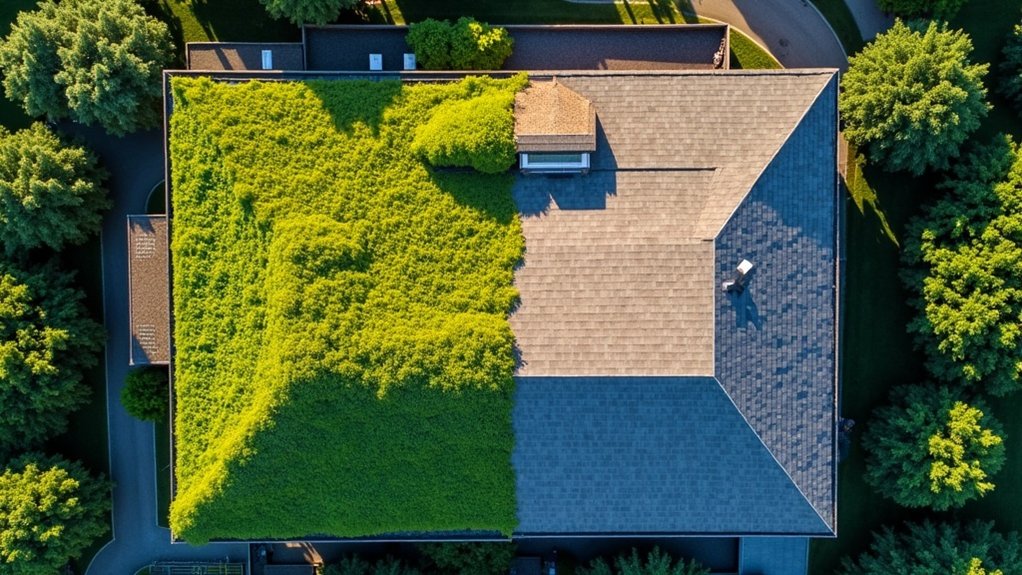
The Carbon Footprint of Different Roofing Materials
Asphalt shingles have a significant carbon footprint, contributing to landfills and emissions due to their relatively short lifespan of 15-25 years. In comparison, metal roofing is more sustainable, lasting 50-70 years and highly recyclable, which helps reduce waste. Furthermore, metal roofs reflect solar radiation, leading to lower energy consumption. This comparison emphasises the need to choose roofing materials carefully. For more information on sustainable options, including other eco-friendly materials, continue your research.
Key Takeaways
- Asphalt shingles have a high carbon footprint due to their energy-intensive production and the significant waste they generate in landfills, which adds to environmental pollution.
- Metal roofs are a more sustainable choice, lasting 50-70 years and being highly recyclable, which helps to significantly reduce their carbon footprint over time.
- Clay and concrete tiles have a lower carbon footprint than asphalt shingles, but their weight leads to higher transportation emissions.
- Composite shingles still depend on petroleum, which contributes to greenhouse gas emissions, even though they are lighter than traditional materials.
- Using recycled steel for metal roofs requires only 26% of the energy needed for new production, which greatly reduces overall carbon emissions.
The Environmental Impact of Asphalt Shingles
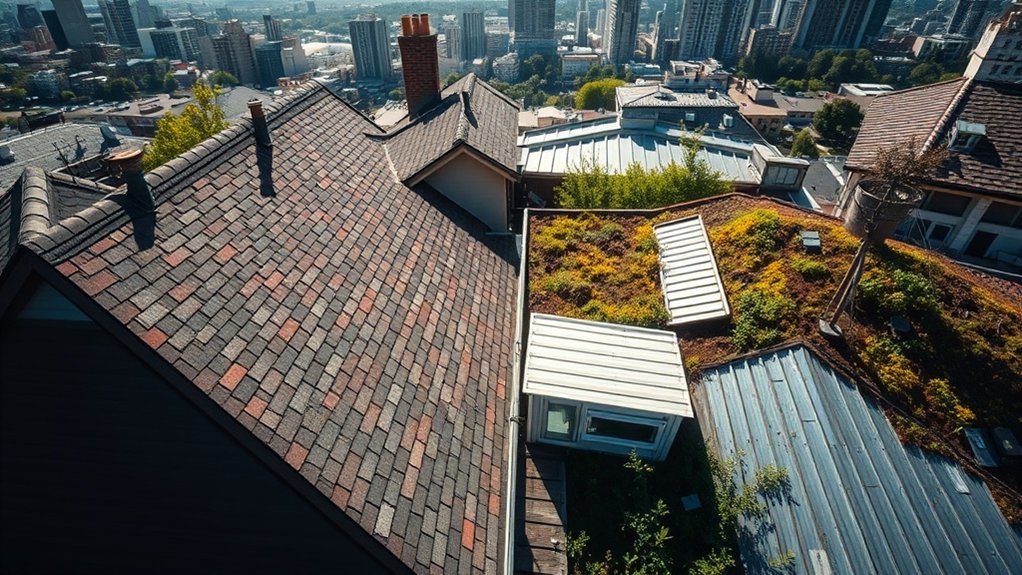
Asphalt shingles are a common roofing choice in the UK due to their cost-effectiveness and straightforward installation. However, their environmental impact is considerable. The extraction of asphalt and the production of shingles require a lot of energy, primarily from fossil fuels, which contributes to greenhouse gas emissions and releases harmful volatile organic compounds. Moreover, millions of tonnes of discarded shingles go to waste, mostly ending up in landfills where they take a long time to break down, leading to ongoing environmental concerns. Rainwater runoff from these roofs can carry toxic pollutants, posing risks to aquatic life and local water supplies. Approximately 123 million tons of asphalt shingle waste is generated annually in the U.S., highlighting the scale of this issue. Recycling options for asphalt shingles are limited, often hindered by regulatory issues and contamination problems, which makes disposal a significant environmental challenge. It’s crucial to consider these impacts when choosing roofing materials. Additionally, energy-efficient roofing materials can significantly reduce the carbon footprint associated with roofing choices.
Advantages of Metal Roofing for Sustainability
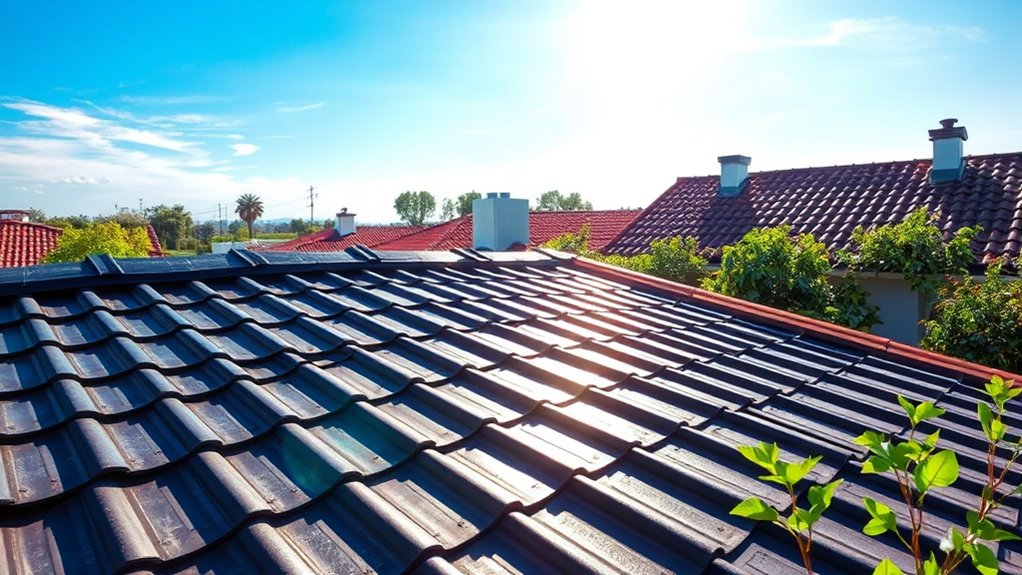
Metal roofing provides notable benefits for sustainability, primarily due to its impressive lifespan of 50 to 70 years. This durability means fewer replacements, which in turn reduces waste and the energy used in manufacturing and transport. Furthermore, metal roofs are highly recyclable, promoting resource efficiency and minimizing environmental impact throughout their life cycle. For instance, when a metal roof reaches the end of its life, it can be repurposed into new products, rather than ending up in landfill. Additionally, the majority of metal roofs are cool roof rated, reflecting up to 90 percent of solar radiation, which further contributes to energy savings and reduced carbon emissions. The use of recycled materials in metal roofing supports sustainable practices and aligns with green building initiatives.
Longevity and Durability
When considering sustainable roofing options, metal roofing boasts impressive longevity and durability. Metal roofs can last over 60 years, significantly outlasting the typical 15-20 years of asphalt shingles. This extended lifespan means fewer replacements, which helps to reduce raw material consumption and lower your carbon footprint. Opting for a thicker gauge, such as 26-gauge steel, can enhance durability by around 20% compared to thinner alternatives. Additionally, high-quality coatings offer improved corrosion resistance, particularly in harsh climates. While environmental factors can influence lifespan, metal roofing stands strong against extreme weather and requires minimal maintenance over the years. Furthermore, metal roofing systems can last up to 75 years in mixed-use environments, further solidifying their status as a sustainable choice. Ultimately, choosing metal roofing is a sustainable decision that benefits both your home and the environment, as it is made from recyclable materials that promote environmental sustainability.
Recyclability and Resource Efficiency
Choosing metal roofing offers durability and longevity, along with excellent recyclability and resource efficiency.
Metal roofing materials are fully recyclable, including any damaged panels and scrap, which significantly reduces waste in landfill sites. Many metal roofs have 30% to 60% recycled content, which lowers energy consumption during manufacturing. For example, recycled aluminium uses just 5% of the energy needed for new aluminium.
The precise cutting of metal panels also reduces onsite waste, promoting better resource conservation. Additionally, the long lifespan of metal roofs means fewer replacements are needed, enhancing sustainability.
Energy Efficiency Benefits
Incorporating energy-efficient roofing solutions can greatly enhance a building’s sustainability, with metal roofing being a leading option. Its reflective properties significantly reduce heat absorption, resulting in notable energy savings. For example, reflective metal roofs can cut cooling costs by up to 20%, and their lightweight design optimises thermal performance.
| Benefit | Impact |
|---|---|
| Cooling Cost Reduction | Up to 20% savings |
| Improved Energy Efficiency | 48.7% better than asphalt |
| Annual Energy Savings | Up to 40% |
Energy Efficiency and Lifecycle Emissions of Roofing Materials
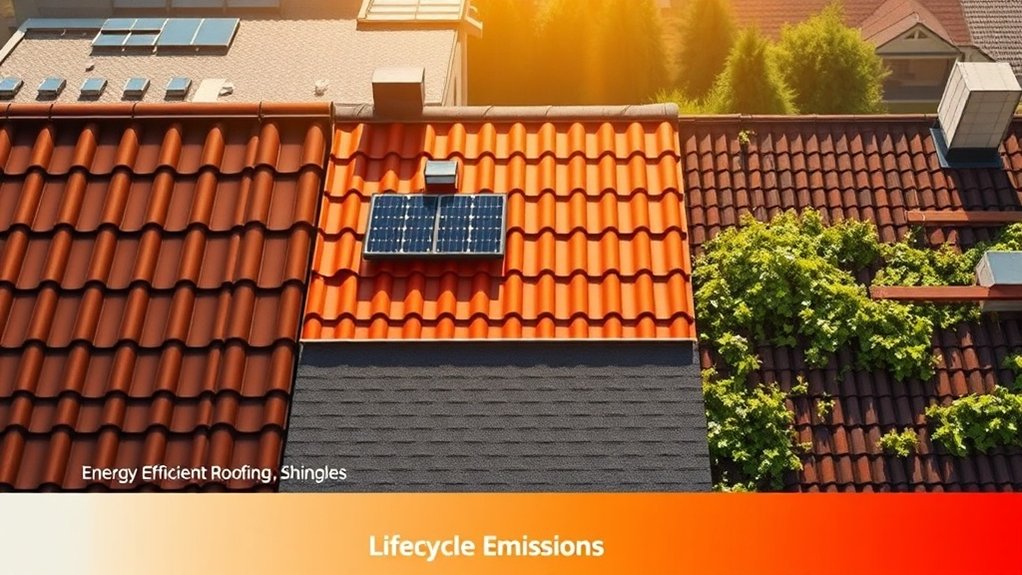
When assessing energy efficiency in roofing materials, metal roofs stand out by significantly lowering cooling costs as they reflect solar heat.
In contrast, asphalt roofs tend to absorb heat, which can increase energy demands.
This distinction is vital for lifecycle emissions; metal roofs have a longer lifespan and are recyclable, leading to a smaller carbon footprint compared to asphalt shingles, which need replacing more frequently.
Understanding these factors can help you make better choices about roofing materials and their environmental impact.
Metal Roof Energy Savings
Metal roofs provide substantial energy savings and enhance energy efficiency, making them a smart choice for homeowners aiming to cut their utility bills.
By reflecting up to 70% of the sun’s energy, these roofs significantly reduce heat absorption, leading to cooling cost reductions of up to 20%. The combination of metal roof insulation and efficient ventilation systems allows hot air to escape, improving indoor comfort and lowering the demands on heating and cooling systems.
Furthermore, metal roofs with high thermal emittance cool down quickly after sunset, further decreasing energy needs. In colder climates, homeowners can save as much as £400 annually.
Asphalt Roof Energy Costs
Asphalt roofing can significantly influence energy costs due to its thermal properties and reflectivity.
While the initial investment in asphalt roofing may be lower, consider these energy-saving factors:
- Heat Absorption: Standard asphalt roofs tend to absorb a lot of heat, which can increase cooling expenses during warmer months.
- Reflective Options: Opting for energy-efficient asphalt shingles with reflective granules can help lower attic temperatures and reduce cooling demands.
- Longevity vs. Cost: Although asphalt shingles are cheaper upfront, their shorter lifespan compared to metal or tile roofs may result in higher long-term energy costs.
Lifecycle Emissions Comparison
When considering roofing materials, it’s important to assess their lifecycle emissions, as these significantly affect environmental sustainability and overall costs. Here’s a straightforward comparison of popular roofing options based on sustainability and material sourcing:
| Roofing Material | Lifespan | Lifecycle Emissions |
|---|---|---|
| Steel Roofing | 40-70+ years | Low, due to recyclability |
| Asphalt Shingles | 20-40 years | High, due to fossil fuels |
| Slate and Tile Roofing | 50+ years | High, from quarrying |
Steel roofing stands out for its lower emissions over time, thanks to its durability and ability to be recycled. In contrast, asphalt shingles generate significant waste and emissions. Opting for materials with lower lifecycle emissions can greatly enhance the sustainability of your project.
Alternative Eco-Friendly Roofing Options
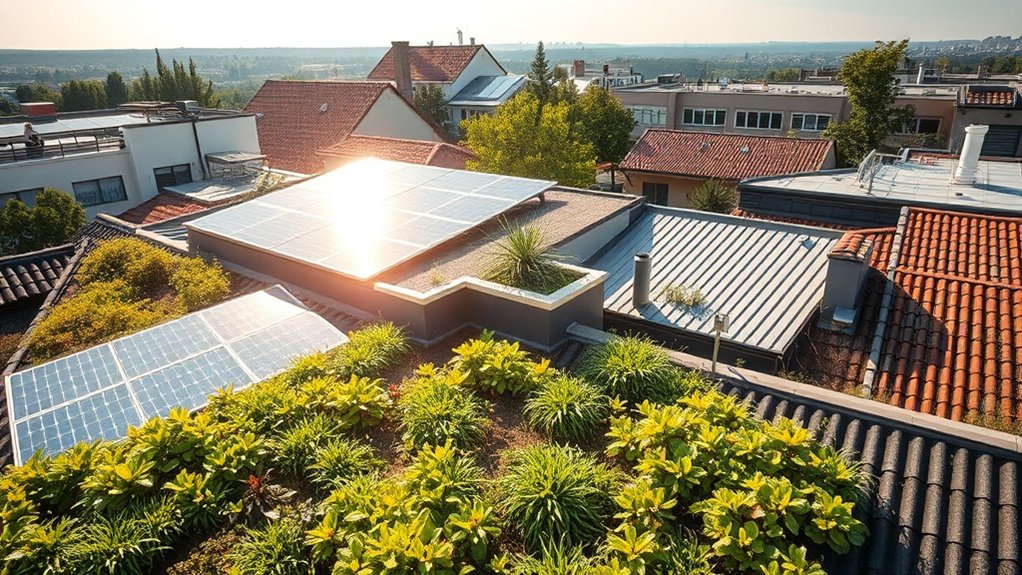
When exploring roofing options that are kind to the environment, eco-friendly materials offer a sustainable and efficient solution.
Here are three top choices:
- Cool Roofs and Solar Roofing: These roofs reflect sunlight, reducing heat absorption and lowering energy bills. Some can even generate renewable energy on-site, making them a smart investment.
- Living Roofs (Green Roofs): With plants integrated into the design, these roofs provide excellent insulation, enhance air quality, and help manage rainwater, reducing the burden on drainage systems.
- Metal Roofing: Often made from recycled materials, metal roofs are durable and reflective, which helps to reduce cooling costs. They’re a practical choice for sustainability.
These options not only benefit the environment but can also lead to long-term savings and improved comfort in your home.
Material-Specific Carbon Footprint Comparisons

Choosing eco-friendly roofing options is just the first step in assessing their environmental impact. When selecting materials, the carbon footprint can differ significantly.
Steel roofing, for instance, boasts a lifespan of 40 to 70 years and can contain up to 80% recycled content, resulting in considerable carbon savings.
On the other hand, asphalt shingles last only 15 to 25 years, necessitating frequent replacements and increasing emissions.
Clay and concrete tiles are durable but heavier, which raises transportation emissions.
Composite shingles are lighter but still depend on petroleum, adding to their carbon footprint.
Ultimately, opting for roofing materials with longer lifespans, high recycled content, and lower transportation emissions is vital for effective carbon reduction, benefiting both your needs and the environment.
Waste Generation and Management of Roofing Materials
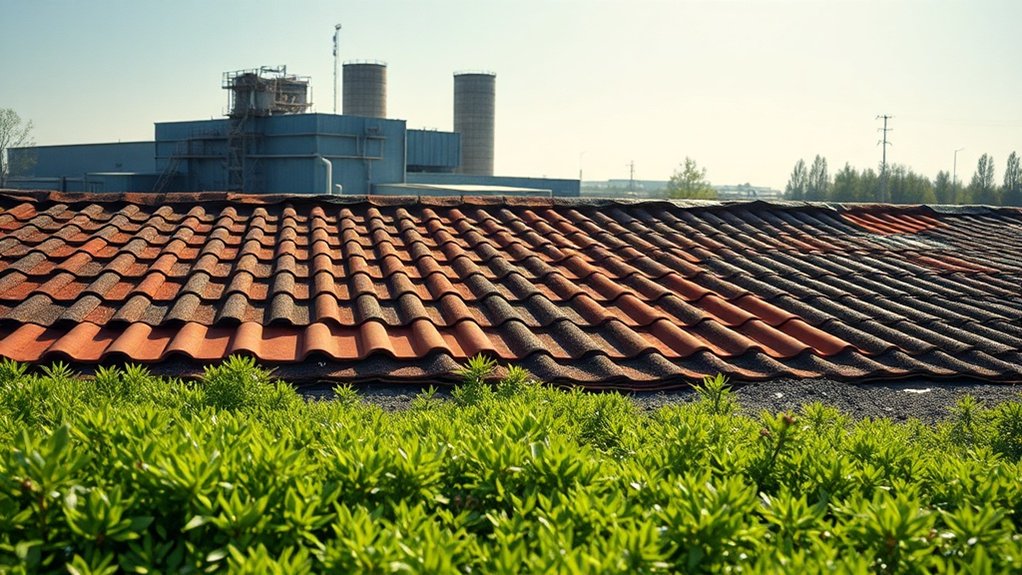
As the demand for roofing materials grows, the waste generated from these products presents significant environmental challenges. Effective waste management is vital, especially for asphalt shingles, which make up a large portion of roofing waste.
Here are three key challenges to consider:
- Contamination: Nails and debris complicate the recycling of asphalt shingles.
- Infrastructure Limitations: There’s a shortage of facilities specifically for shingle recycling, which hampers recovery efforts.
- Economic Factors: The high costs associated with recycling often surpass the benefits, resulting in landfilling becoming the primary disposal method.
To tackle these recycling challenges, we need innovative solutions and policies to enhance infrastructure and incentivise the recovery of valuable materials.
This will help reduce landfill waste and promote sustainability within the roofing industry.
The Role of Recyclability in Reducing Carbon Footprint
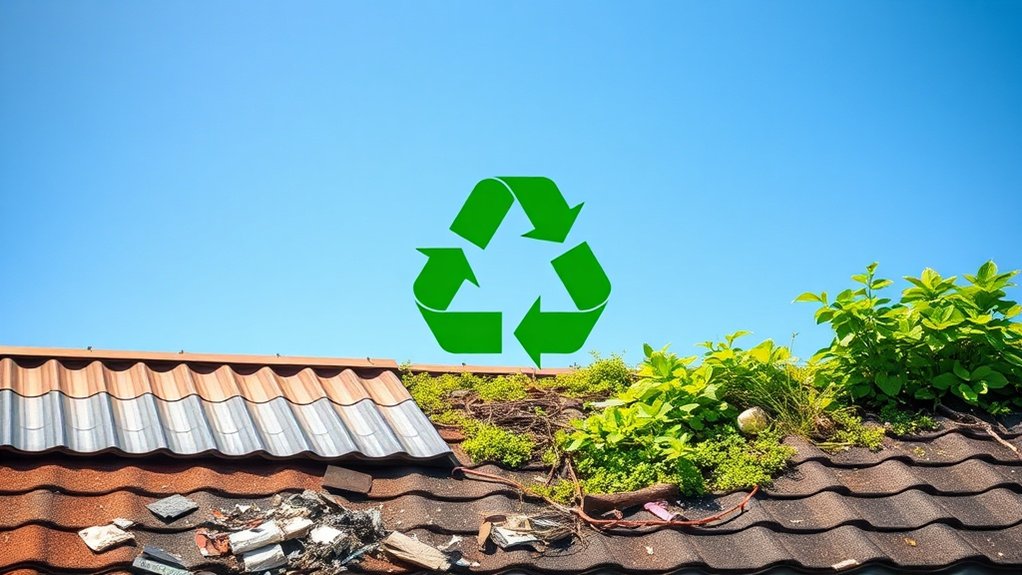
Recyclability is crucial for reducing the carbon footprint of roofing materials. Using recycled content can significantly lower greenhouse gas emissions.
For example, steel roofing can include up to 80% recycled material, and aluminium can be made from nearly 95% recycled sources. The energy savings are substantial, with recycled steel consuming only 26% of the energy needed for new production.
Synthetic recycled shingles also help by diverting waste from landfills and encouraging sustainable material innovations. By promoting a circular economy, recycling roofing materials reduces reliance on fossil fuels and cuts down on waste and carbon emissions from disposal.
Embracing recyclability is an effective way to lessen the overall carbon footprint of roofing options.
Assessing the Lifespan and Durability of Roofing Types
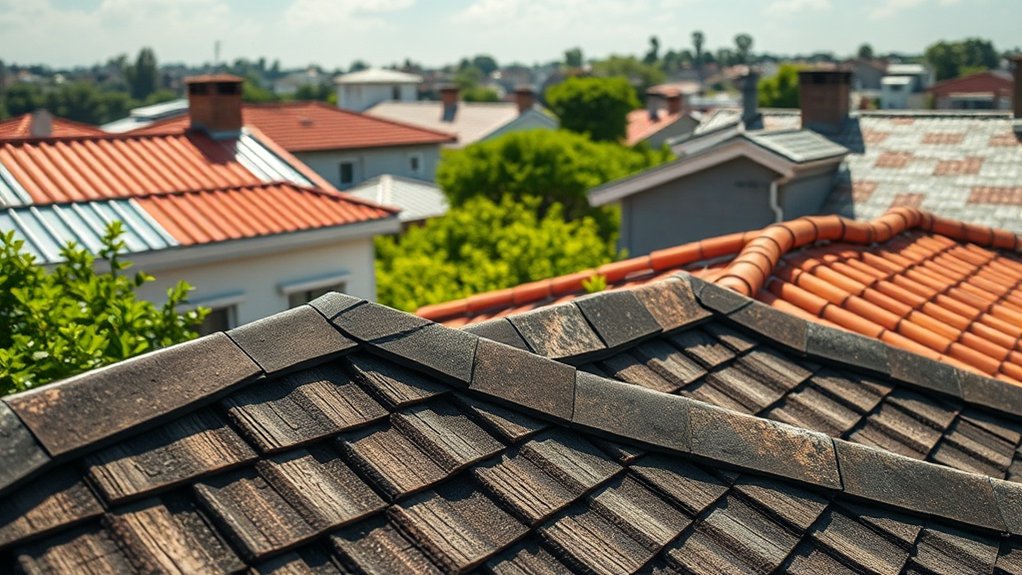
When choosing roofing options, it’s important to understand the lifespan and durability of different materials. Here are three key factors to consider:
- Material Longevity: Slate tiles can last between 75 to 200 years, while clay tiles typically offer a lifespan of 50 to 100 years. Metal roofs usually last around 30 to 80 years, and asphalt shingles have a shorter lifespan of 25 to 30 years.
- Durability Factors: The resistance of roofing materials to environmental conditions, their weight, and any vulnerabilities play a crucial role in their longevity. Heavier materials, like slate, may require reinforced structures, while timber roofs need regular treatment to prevent decay.
- Maintenance Impact: Regular inspections and timely repairs can add an extra 5-10 years to your roof’s lifespan.
Understanding these aspects of roofing longevity and durability will help you make the right choice for your home.
Innovations in Sustainable Roofing Solutions

Innovations in sustainable roofing solutions are revolutionising the industry, allowing us to reduce environmental impact while improving building performance.
For instance, materials like Enviroshake, made from 95% recycled content, significantly lower carbon footprints. There are also synthetic options that replicate natural materials, reducing our reliance on traditional resources.
Smart roofing technologies, equipped with IoT devices, enable real-time energy efficiency monitoring, while solar-integrated systems harness renewable energy.
Additionally, climate-resilient materials are being developed to endure extreme weather, boosting durability and reducing maintenance.
Green roofs not only offer insulation but also enhance urban biodiversity.
These advancements collectively pave the way for a more sustainable roofing future.
Frequently Asked Questions
How Can I Choose the Best Roofing Material for My Climate?
To choose the best roofing material for your climate, focus on suitability and longevity. For hot regions, opt for reflective materials like slate or light-coloured tiles to keep your home cool. In colder climates, go for insulative options such as thatch or fibreglass. Ensure the material is durable to reduce the need for replacements and minimise environmental impact.
What Are the Costs Associated With Different Roofing Materials?
Choosing roofing materials is like selecting the right heart for your home. Installation costs and material prices can vary significantly—expect to pay around £5,000 for asphalt compared to £40,000 for solar. Consider longevity against upfront costs to make informed decisions.
How Does Roofing Material Affect Home Insurance Premiums?
Roofing material has a significant effect on your home insurance premiums. Insurers evaluate risk factors such as durability and fire resistance, which directly influence your insurance costs. For instance, opting for materials like slate or tile, known for their longevity and fire resistance, can lead to lower premiums. This is because these materials reduce the likelihood of claims over time, making your home a safer bet for insurers.
Are There Incentives for Using Eco-Friendly Roofing Materials?
Yes, there are incentives for using eco-friendly roofing materials in the UK. You can take advantage of tax reliefs and obtain green certifications, which can increase your property’s value while supporting environmental sustainability. These initiatives promote energy efficiency and benefit the community. For example, using solar panels or green roofs can reduce energy bills and improve local air quality.
How Do Roofing Materials Impact Indoor Air Quality?
Did you know that 30% of indoor air pollutants originate from building materials? Choosing the right roofing materials and implementing effective ventilation systems can significantly reduce these pollutants, improving indoor air quality and creating healthier living spaces. For instance, using materials like slate or clay tiles can help minimise harmful emissions compared to cheaper alternatives. Prioritising quality in roofing not only protects your home but also contributes to a better environment for you and your family.
Conclusion
When it comes to our buildings, roofing materials play a crucial role in sustainability. By making informed choices about carbon footprints, durability, and recyclability, you can contribute positively to the environment. For example, opting for materials like slate or recycled metal can significantly reduce your carbon impact compared to traditional asphalt shingles. Just as a tree’s roots support the ecosystem, your roofing decisions can lead to a healthier planet. Embrace innovative roofing solutions to ensure your home is not only well-protected but also environmentally friendly.


