

Rainwater Harvesting With Green Roofing Systems
Green roofing systems effectively capture rainwater, significantly reducing stormwater runoff and improving urban resilience. These systems use extensive or intensive green roofs that absorb rainwater through retention and evapotranspiration, retaining between 40% and 90% of precipitation. Key structural elements, such as reliable waterproofing, effective drainage, and healthy vegetation, are essential for efficient water management. Choosing the right plants and ensuring regular maintenance can optimise these systems. Explore specific strategies to further enhance your rainwater harvesting capabilities.
Key Takeaways
- Green roofs significantly improve rainwater harvesting by capturing the first 5mm of rainfall, which helps manage stormwater and reduce runoff.
- Extensive green roofs can retain around 40% of rainwater, while intensive systems can hold over 90%, making them effective for water management.
- The rainwater collected from green roofs can be used for irrigation, cutting down on the use of potable water by 11% to 79%.
- Healthy plants on green roofs enhance water retention thanks to their dense canopies and extensive root systems, which aid in stormwater management.
- Regular maintenance and monitoring are vital to maintain the effectiveness of rainwater harvesting systems in green roofing.
Understanding Green Roof Systems
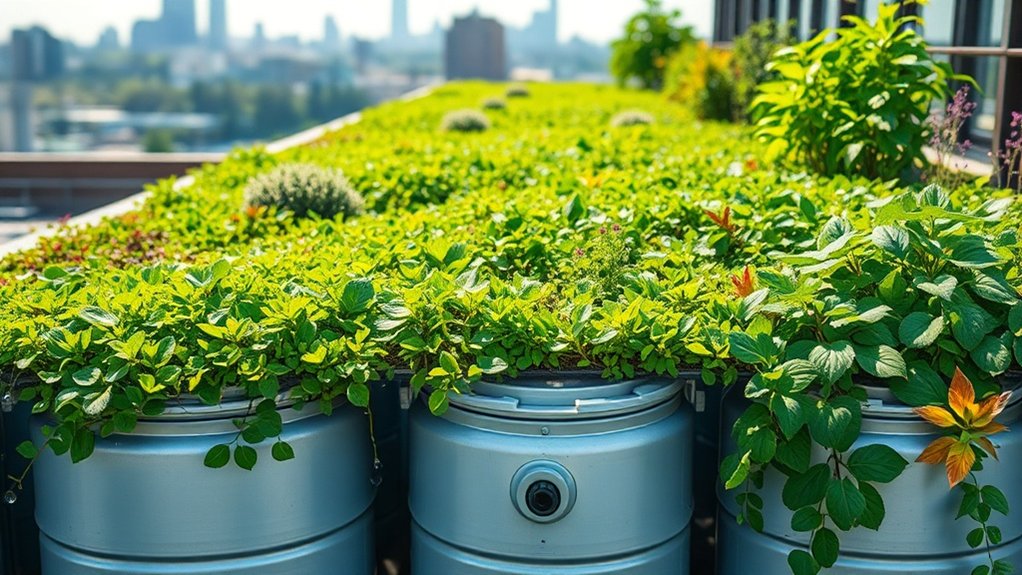
Green roof systems are an innovative fusion of engineering and ecology that significantly boost urban sustainability. To grasp how they work, it’s essential to understand the different types of green roofs, as these influence the choice of substrate and plants.
Effective waterproofing methods, such as installing root barriers, are crucial for maintaining the building’s structure and protecting it from damage. Good drainage solutions, like using permeable materials, help prevent waterlogging and support healthy plant growth. A typical extensive green roof can reduce runoff by about 55% of rainwater, demonstrating its effectiveness in managing stormwater. Additionally, stormwater management practices like these are vital for reducing flooding in urban areas.
The growing medium must strike a balance between holding moisture and allowing for adequate aeration, ensuring the plants thrive. Regular maintenance tailored to local climate conditions is also key to their long-term success and efficient stormwater management.
How Green Roofs Absorb Rainwater

Green roofs effectively absorb rainwater by using water retention methods and the process of evapotranspiration. The growing medium captures rainfall, allowing plants to absorb moisture for their growth. This moisture is then released back into the atmosphere through evaporation. This interaction not only enhances water retention but also reduces runoff, making green roofs a practical solution for managing urban water. Additionally, green roofs can significantly decrease runoff peak discharge compared to traditional hard roofs, further contributing to stormwater management. By integrating green-blue roofs, these systems can also address urban stormwater challenges more effectively.
Water Retention Mechanism
When assessing the effectiveness of green roofs for rainwater absorption, the water-holding capacity of the growth medium is crucial. The Plant Available Water (PAW) in the medium typically reaches around 0.25 inches per inch. Deeper media can enhance water retention, but the benefits tend to level off beyond 4 to 6 inches. Extensive green roofs generally retain about 40% of rainwater, while intensive roofs can retain over 90%. The composition and texture of the medium significantly affect soil moisture, which in turn influences stormwater runoff. A dedicated drainage layer is essential for removing excess water, preventing saturation and ensuring healthy plant growth. Additionally, green roofs intercept the first 5mm of rainfall to maximize their efficiency in managing stormwater runoff. This carefully engineered system maximizes water retention while supporting the structural integrity and sustainability of your green roof. Moreover, green roofs can reduce runoff by up to 80%, further enhancing their effectiveness in stormwater management.
Evapotranspiration Process
Evapotranspiration (ET) is crucial for how roofs manage rainwater, helping to control stormwater runoff and promote urban sustainability. By understanding ET, you can enhance the efficiency of green roofs.
The main components of ET are:
- Transpiration: This is the movement of water from soil through plant roots to leaves.
- Evaporation: This refers to the loss of water from soil and leaf surfaces.
- Local Climate: Factors like temperature and humidity significantly affect ET rates.
- Substrate Properties: The moisture content of the substrate influences water availability.
To measure evapotranspiration accurately, tools such as weighing lysimeters and the Penman-Monteith equation are vital.
Benefits of Rainwater Retention

Rainwater retention systems provide numerous benefits, particularly in water conservation and environmental sustainability. By capturing rainwater, households can save between 11% and 79% on their potable water usage, leading to noticeable reductions in water bills.
Using collected rainwater for garden irrigation lessens the need for treated water from the mains, demonstrating practical sustainability.
These systems also help reduce stormwater runoff, which can decrease pollution and lessen the risk of urban flooding. Furthermore, they support the recharge of groundwater, contributing to healthier ecosystems and increasing resilience to drought.
Structural Components That Support Water Management

To effectively manage water in green roofing systems, it’s important to grasp the structural components that contribute to their performance. The key elements are:
- Load Bearing Capacity: The structural deck must support the weight of the growing medium and vegetation, ensuring safety and stability. For instance, a well-designed deck can comfortably hold the weight of soil and plants without risk of collapse.
- Waterproofing Membranes: These are crucial for preventing water from penetrating the building. They help extend the lifespan of the roof and protect against moisture damage, much like a raincoat protects you from getting wet.
- Drainage Layers: These layers ensure excess water is efficiently directed away from the growing medium, preventing waterlogging and helping to maintain optimal moisture levels for the plants.
- Growing Medium: An engineered blend designed to retain moisture while allowing for air circulation is vital for plant health and effective stormwater management. Think of it as a sponge that holds just the right amount of water for the plants to thrive.
Understanding these components is key to creating a successful green roof that supports both plant life and building integrity.
The Role of Vegetation in Water Absorption

While the structural components of green roofing systems are important, vegetation plays a vital role in water absorption and effective stormwater management.
The types of plants selected can significantly influence water retention; for instance, grasses tend to develop deeper roots and absorb more water compared to succulents. Dense plant canopies help catch rainfall, which reduces runoff and allows more water to soak into the substrate.
Furthermore, extensive root systems enhance soil structure, promoting moisture retention and improving water absorption. By choosing a variety of plants that balance drought resistance with stormwater retention, you can enhance the green roof’s performance.
Healthy vegetation not only captures and absorbs rainwater but also provides essential ecosystem services for sustainable urban areas.
Evapotranspiration and Its Impact on Stormwater

Understanding evapotranspiration (ET) is crucial for improving stormwater management in green roofs. By managing ET effectively, you can enhance stormwater retention and reduce runoff.
Here are four key factors that affect ET:
- Climatic factors: Temperature and wind speed significantly influence ET rates.
- Soil moisture: Sufficient moisture in the substrate boosts ET, while overly saturated conditions can hinder it.
- Drainage layers: The ability of these layers to transmit water affects how long water is retained and the efficiency of ET.
- Plant selection: Choosing drought-resistant plants can improve water use efficiency and support better stormwater management.
Types of Green Roofs for Rainwater Harvesting

There are three main types of green roofs—extensive, intensive, and modular—each offering unique benefits for rainwater harvesting.
Extensive green roofs have a shallow growing medium, making them perfect for urban areas. They effectively manage stormwater and require little maintenance, absorbing rainwater and delaying runoff.
Intensive green roofs, with deeper soil layers, support a wider variety of plants and have a greater capacity for water retention. This makes them suitable for multifunctional urban spaces, such as parks or rooftop gardens.
Modular green systems are easy to install and maintain. They come with different drainage options that improve water retention and keep plants healthy.
Design Considerations for Effective Water Management

Designing green roofs for effective water management involves careful planning, as these systems significantly influence stormwater management and plant health.
Here are four key design considerations:
- Load Capacity: Ensure that the roof can support the weight of the plants and water retention layers without risking structural safety.
- Drainage Design: Use a quality drainage layer with a slope of at least 2% to effectively direct excess water and prevent pooling.
- Waterproofing: Employ robust waterproofing membranes to stop water infiltration and root penetration.
- Irrigation Strategy: Incorporate efficient irrigation systems, such as moisture sensors, to optimise water usage while promoting plant health and enhancing stormwater retention.
Environmental Benefits of Green Roofs

Green roofs provide a variety of environmental benefits that go beyond just looking good; they are crucial for urban sustainability. By boosting biodiversity and cooling urban areas, these roofs help to reduce heat islands, improve air quality, and manage stormwater effectively.
| Environmental Benefits | Description |
|---|---|
| Biodiversity Enhancement | Offers habitat for wildlife, supporting ecosystem health. |
| Urban Cooling | Lowers temperatures, reducing the need for air conditioning. |
| Stormwater Management | Captures rainfall, decreasing runoff and lowering flood risks. |
| Air Quality Improvement | Cleans the air by filtering out pollutants. |
Installing green roofs not only improves local climates but also enhances ecological diversity, benefiting both city dwellers and the environment. This approach reflects a strong commitment to responsible ecological management.
Maintenance Strategies for Optimal Performance

To ensure optimal performance of green roofing systems, regular maintenance and monitoring are crucial. Here are some straightforward strategies to keep them functioning effectively:
- Conduct regular drainage inspections to spot any blockages or damage, which helps maintain proper rainwater flow.
- Keep an eye on vegetation health; replace any stressed or dead plants to ensure consistent coverage and functionality.
- Check the waterproofing membrane frequently for leaks or signs of wear, which can prevent water from penetrating underlying structures.
- Use performance sensors to monitor system efficiency and catch any issues early, allowing for timely maintenance.
Legal and Regulatory Considerations for Green Roofs
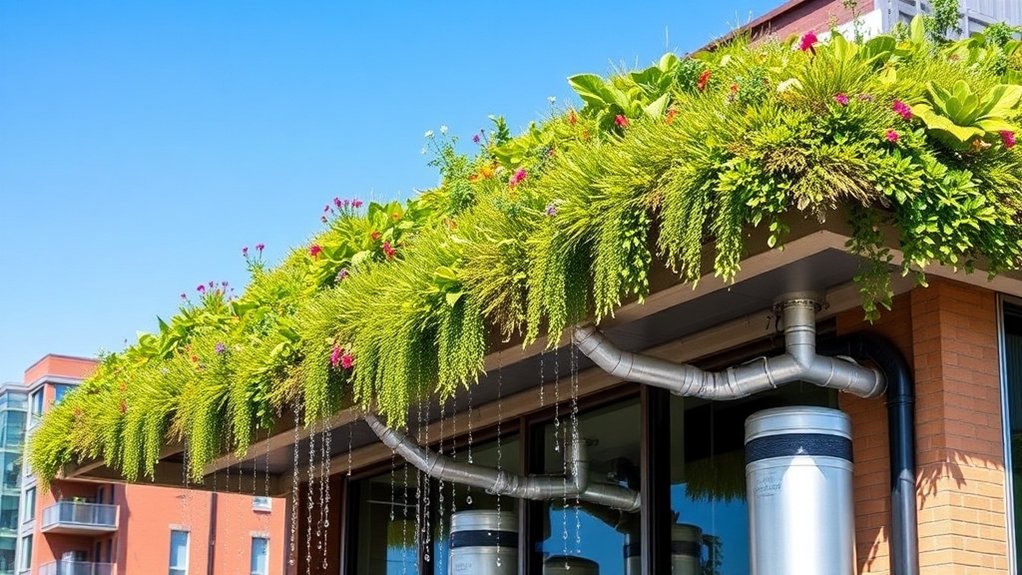
When considering green roofs, it’s important to navigate the complex landscape of zoning and building regulations that ensure structural integrity and compliance.
Familiarising yourself with these rules is crucial to ensure your installation meets safety standards and optimises rainwater harvesting. For example, local planning permissions may dictate specific design aspects, so it’s wise to consult your local council before starting.
Additionally, ongoing maintenance is necessary not only for functionality but also to comply with legal requirements, ensuring your green roof remains both effective and within the law over time.
Zoning and Building Codes
Navigating zoning and building codes may seem daunting, but grasping their importance is crucial for successfully installing green roofing systems. Here are a few key points to consider:
- Structural Capacity: Ensure your building can bear the extra weight from soil, plants, and water retention systems.
- Coverage Requirements: Adhere to the usual green roof coverage of around 50-60%.
- Safety Provisions: Comply with regulations that mandate guardrails and safe access routes for maintenance tasks.
- Plant Selection: Opt for native, drought-resistant plants to enhance environmental benefits.
Keeping these factors in mind will help you create a successful green roof that meets both regulatory standards and sustainability goals.
Maintenance and Compliance Regulations
Effective maintenance and compliance regulations are crucial for the long-term success of green roofing systems. They not only enhance safety but also contribute to sustainability goals.
Implement a formal inspection policy with a maintenance frequency of at least every three months. This should address potential hazards such as fire risks and blocked drainage. Regular compliance audits are necessary to ensure adherence to Health and Safety Executive (HSE) regulations, and all inspections and maintenance activities should be documented carefully.
Seasonal adjustments are important, particularly after severe weather events, and vegetation-free zones should be regularly assessed.
By adopting eco-friendly maintenance practices and keeping detailed records, you won’t only meet environmental standards but also promote a healthy green roof ecosystem.
This proactive approach ensures safety, efficiency, and compliance with relevant regulations, benefitting both users and the environment.
Case Studies of Successful Green Roof Installations

As urban areas face increasing environmental challenges, case studies of successful green roof installations offer useful insights into their effectiveness and sustainability.
Here are some notable examples that highlight key benefits:
- Kansas City: Green roofs span 68,295 m², leading to a 5-8% improvement in air quality by reducing ozone levels during heatwaves.
- CSUSM: Their 236 m² system effectively filters 95% of the first inch of rainfall, thereby reducing stormwater runoff and saving £8,000 in infrastructure costs.
- London: With numerous buildings adopting green roofs, there’s significant potential for further expansion across the city.
- Global Policies: Cities like Toronto and Tokyo have made green roof coverage a requirement, showcasing a strong commitment to urban sustainability.
These case studies highlight the numerous advantages that green roofs bring to urban environments.
Frequently Asked Questions
How Do Green Roofs Affect Urban Wildlife Habitats?
Green roofs significantly improve urban wildlife habitats by enhancing biodiversity and creating new habitats. They provide nesting sites, food sources, and microhabitats for various species. This contributes to a more resilient urban ecosystem, benefiting both wildlife and local communities. For instance, birds can find sheltered spots to nest, while insects thrive on the diverse plant life. Ultimately, green roofs play a vital role in supporting urban wildlife.
Can Green Roofs Be Installed on Sloped Surfaces?
Yes, green roofs can be installed on sloped surfaces. With appropriate drainage solutions, around 10% of urban roofs are sloped installations. This not only enhances the appearance of buildings but also promotes sustainability, while ensuring effective water management and plant health.
What Are the Best Plants for Green Roofs in Cold Climates?
For cold climates, opt for winter-hardy species such as Sedum, Sempervivum, and Carex. These resilient plants can withstand harsh conditions, ensuring your green roof remains sustainable and vibrant throughout the winter months.
How Do Green Roofs Impact Building Insurance Rates?
Green roofs can significantly reduce insurance premiums by offering substantial discounts thanks to their enhanced resilience. For instance, they improve risk assessments by minimising the likelihood of claims related to extreme weather damage. This not only benefits insurers but also property owners who prioritise sustainability.
Are There Any Financial Incentives for Installing Green Roofs?
Yes, you can benefit from financial incentives for green roofs in the UK through government schemes. This may include tax relief, grants, and rebates. These options encourage sustainable practices and can lead to considerable savings on both installation and ongoing maintenance costs. For instance, local councils often have initiatives that support green projects, making it easier to invest in eco-friendly solutions.
Conclusion
Incorporating green roofing systems into urban areas is akin to creating a garden atop a high-rise; it transforms concrete landscapes into vibrant ecosystems. These roofs effectively manage rainwater, enhance biodiversity, and reduce the risk of flooding, while also improving air quality and energy efficiency. Every drop of rain captured plays a role in fostering a sustainable future, turning your building into a symbol of environmental responsibility and resilience.


