

Sustainable Roofing Options for New Construction Projects
When choosing sustainable roofing options for your new construction project, consider metal roofing for its durability and recyclability, or green roofs that provide energy efficiency and enhance urban biodiversity. These materials can help lower energy bills and contribute to climate change mitigation. Incorporating smart technology can also improve maintenance and extend the lifespan of your roof, boosting its efficiency. Exploring these options can lead to a more environmentally friendly project that aligns with upcoming regulations.
Key Takeaways
- Consider metal roofing for its durability, recyclability, and impressive lifespan of 40 to 70 years, making it a sustainable option.
- Explore green roofs, which can improve energy efficiency, boost urban biodiversity, and offer cooling benefits for both the building and its surroundings.
- Use recycled materials in roofing to significantly cut down on waste and reduce carbon footprints compared to conventional materials.
- Implement smart roofing technology for real-time monitoring and maintenance automation, which can enhance longevity and reduce unexpected repair costs.
- Ensure compliance with local building regulations to promote sustainability, access funding opportunities, and simplify project approvals.
Increasing Demand for Eco-Friendly Roofing Materials
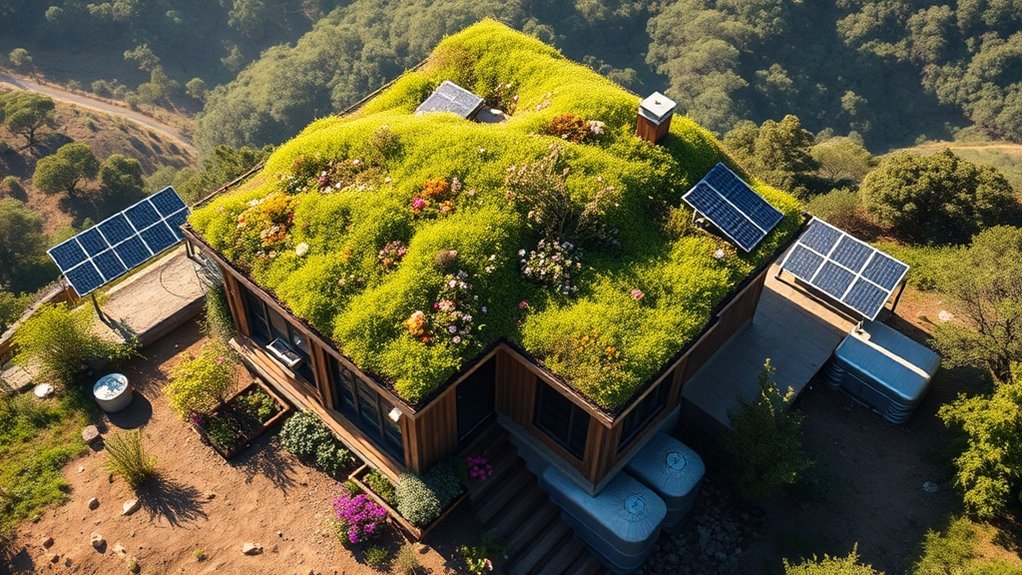
As homeowners in the UK become more conscious of their environmental impact, the demand for eco-friendly roofing materials is on the rise. Many are now choosing sustainable options, influenced by growing concerns about climate change and the desire for energy efficiency. This includes the use of recycled and renewable materials, which help reduce utility bills and minimise waste. Urban planning policies that support green infrastructure are further driving this trend. When selecting roofing options, consider innovative solutions like solar shingles or cool roofs, which not only enhance sustainability but also improve the look of your home. Additionally, the adoption of green/living roofs has become popular, offering benefits such as improved air quality and natural insulation. Incorporating stormwater management features within these roofs can also enhance urban resilience against flooding and other climate-related challenges.
Benefits of Sustainable Roofing
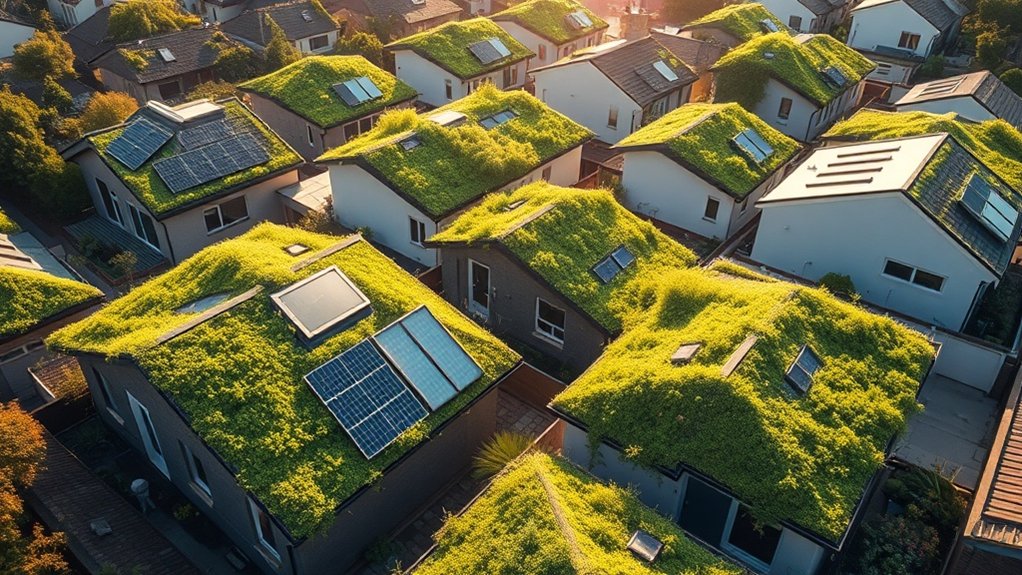
Choosing sustainable roofing isn’t just an environmentally-friendly choice; it also enhances your energy efficiency and reduces costs. Sustainable roofs can significantly lower your energy usage, resulting in reduced utility bills while being kinder to the planet. Furthermore, their longevity offers savings over time that traditional roofing options often can’t provide. In fact, green roofs can reduce cooling energy requirements by up to 35%, making them a smart investment for both your wallet and the environment. Additionally, they can combat urban heat island effect, cooling city centers by lowering temperatures significantly.
Energy Efficiency Advantages
Sustainable roofing options provide significant energy efficiency benefits, helping to reduce energy consumption and lower utility bills.
By opting for green and cool roofs, you can improve your building’s energy performance. Green roofs, known for their natural insulation, can stabilise indoor temperatures and cut cooling needs by up to 80% in some climates. Additionally, the use of durable materials ensures that your roofing system lasts longer, ultimately reducing maintenance costs over time.
Cool roofs, which reflect 60-90% of sunlight, help lower roof surface temperatures and minimise heat gain, leading to a reduction in HVAC energy use by up to 71.7%. Future climates show potential for substantial annual energy reductions through the implementation of these roofing options.
These features not only enhance comfort but also can lower utility bills by approximately 25%.
Investing in sustainable roofing is a wise choice for both your finances and the environment, offering substantial long-term savings.
Environmental Impact Mitigation
Investing in sustainable roofing improves energy efficiency and significantly reduces environmental impacts.
By choosing these practices, you help create a healthier urban environment and enhance water quality.
Here are some key benefits:
- Stormwater Management: Green roofs absorb rainwater, which reduces runoff and helps prevent flooding.
- Urban Heat Island Mitigation: These roofs lower surface temperatures, cooling the area around them and reducing energy consumption.
- Waste Reduction: Using recycled materials in roofing decreases landfill waste and promotes sustainability.
Opting for sustainable roofing is a practical choice for both your home and the environment.
Long-Term Cost Savings
Opting for sustainable roofing can lead to significant long-term savings for homeowners and property developers. By choosing durable materials such as metal roofs or green roofs, you’re investing in options that can last between 40 to 70 years.
This longevity reduces the need for frequent replacements, which can be costly and disruptive.
Sustainable roofs also improve energy efficiency, helping to lower your utility bills and enhance the performance of your heating and cooling systems.
With less maintenance required and potential tax incentives available, these roofs not only boost property value but also contribute to better cash flow over time.
In short, investing in sustainable roofing is a wise decision that benefits your finances and the environment.
Types of Sustainable Roofing Materials
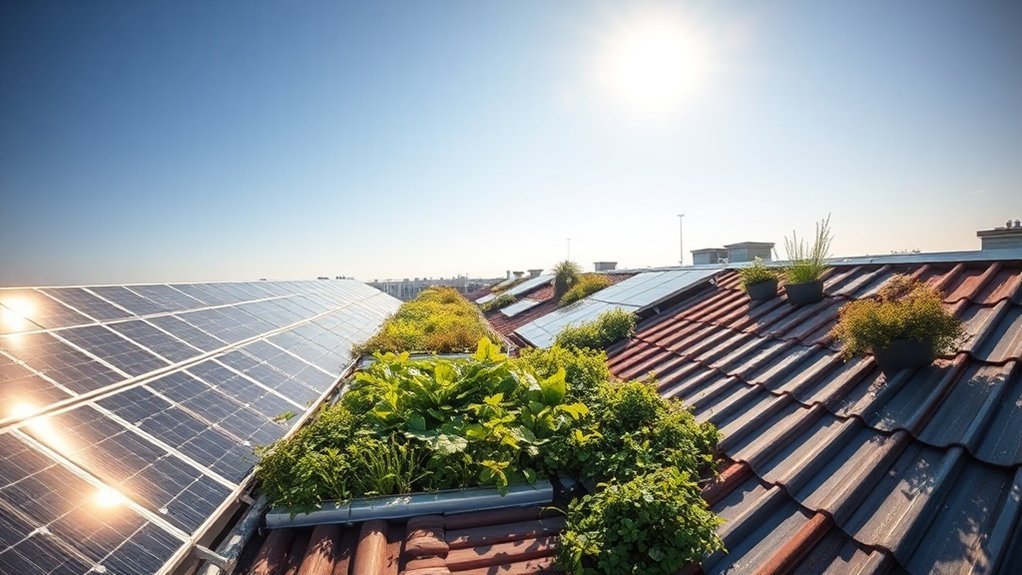
When choosing sustainable roofing materials, metal roofing is a top contender due to its durability and recyclability, offering long-term benefits for both your finances and the environment.
Green roofs improve energy efficiency and promote biodiversity, making them an attractive option for environmentally conscious homeowners.
Moreover, using recycled materials can significantly cut down waste and reduce your carbon footprint while keeping your property looking appealing.
Metal Roofing Advantages
Metal roofing is an excellent choice for sustainable building due to its impressive durability and eco-friendly features. Unlike asphalt shingles, which typically last 12 to 20 years, metal roofs can last between 40 to 70 years. This longer lifespan not only reduces waste but also means less frequent replacements.
- It’s 100% recyclable at the end of its life, helping to minimise landfill waste.
- Its reflective surfaces can lower cooling energy use, enhancing energy efficiency.
- Many metal roofing options contain high recycled content, supporting a circular economy.
Benefits of Green Roofs
While metal roofing is known for its durability and sustainability, green roofs offer distinct advantages that enhance eco-friendly building practices. They support urban biodiversity by creating habitats for wildlife, and their green spaces contribute to improved mental health and community engagement.
Green roofs significantly boost energy efficiency, potentially reducing heating and cooling costs by up to £200,000 over 40 years. They also tend to last twice as long as traditional roofs, thanks to protection from harsh weather.
Although some maintenance is required, choosing drought-resistant plants can simplify care. In the end, green roofs not only benefit the environment but also increase your property’s value and attractiveness.
Recycled Material Options
Recycled materials are changing the roofing industry, providing sustainable options that enhance durability and reduce environmental impact.
By choosing recycled roofing materials, you help create a greener planet while enjoying various benefits:
- Recycled Metal: Long-lasting and fully recyclable, it reflects sunlight, helping to lower energy bills.
- Recycled Asphalt Shingles: These cut down on landfill waste and can be reused for new shingles or roads.
- Rubber Roofing: Crafted from recycled tyres, it withstands harsh weather and offers lasting protection.
Clay tiles and composite materials are also sustainable choices, as they can be reused or recycled, further boosting your project’s eco-friendliness.
Smart Technology Integration in Roofing

The integration of smart technology in roofing is transforming how we maintain and monitor our roofs, providing practical solutions that boost durability and efficiency.
With smart roof sensors, you can easily monitor moisture levels, temperature changes, and structural stress. These devices send real-time alerts for issues such as leaks or water pooling, allowing for prompt action.
Automated maintenance systems also simplify your upkeep, ensuring your roof stays in excellent condition. By adopting these innovations, you can minimise unexpected repair costs and extend your roof’s lifespan.
Not only does this protect your investment, but it also supports a sustainable future, benefiting both your home and the environment.
Embrace smart roofing and discover the advantages for yourself.
Green Roofs: A Growing Trend

As urban areas face increasing environmental challenges, green roofs are becoming a practical solution that enhances both aesthetics and the ecosystem.
By incorporating green roofs into your building projects, you contribute to:
- Urban biodiversity: Providing habitats for various species, thus supporting ecological balance.
- Stormwater management: Retaining significant amounts of rainwater, reducing runoff by 50% to 90%.
- Improved air quality: Plants absorb CO₂, increasing local oxygen levels.
Green roofs also help combat the urban heat island effect and offer long-term economic advantages through energy savings and lower maintenance costs.
When considering sustainable roofing options, green roofs are a smart choice that benefits both the environment and community well-being.
Cool Roofs and Their Energy Efficiency
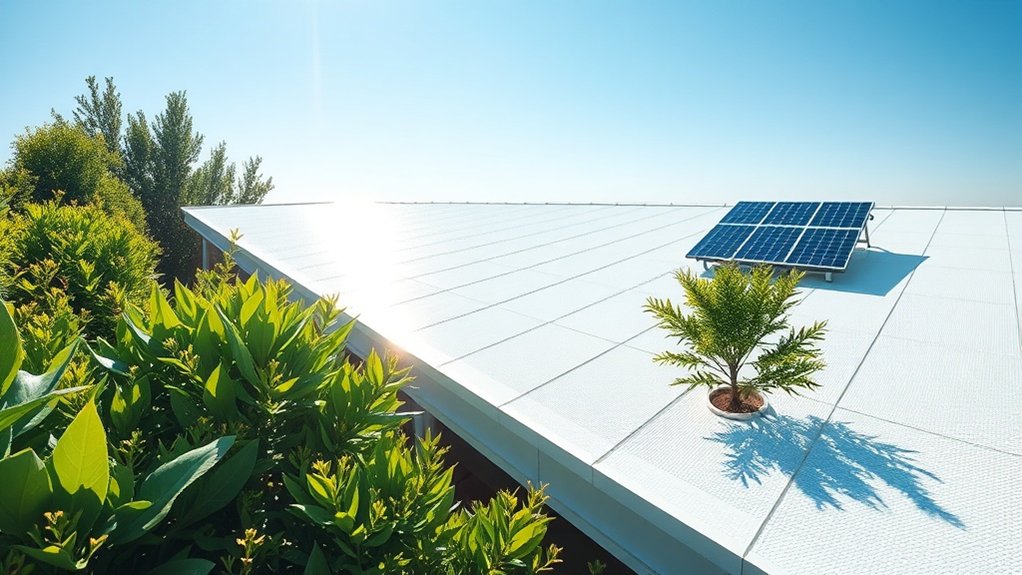
Cool roofs have a reflective surface that significantly reduces heat absorption, which can lower your home’s cooling costs.
By decreasing the need for air conditioning, you not only save money but also help the environment.
However, it’s crucial to consider installation factors to ensure you reap these benefits, especially in your specific climate.
For instance, in hotter areas, a cool roof can make a noticeable difference, while in cooler regions, the benefits may be less impactful.
Reflective Surface Benefits
Reflective surfaces, especially cool roofs, provide notable energy efficiency benefits that can significantly improve how buildings handle heat. By using reflective materials, you can enhance energy performance and lower your building’s cooling demands.
Here are some key advantages:
- Reduced cooling needs: Cool roofs can decrease peak cooling requirements by 11–27% in air-conditioned homes.
- Better heat management: They reflect more sunlight and effectively release heat, keeping indoor spaces cooler.
- Urban advantages: Widespread adoption helps combat urban heat islands, improving city climates.
Investing in cool roofs not only boosts energy efficiency but also benefits the community by lowering greenhouse gas emissions and enhancing indoor comfort.
Opt for reflective surfaces to build a more sustainable future.
Energy Cost Savings
Many people underestimate how much roofing choices affect energy costs. Choosing a cool roof can lead to significant savings on your electricity bills. These roofs can reduce cooling energy demand by 67% to 87%, particularly in warmer regions. By lowering peak electricity demand, cool roofs help cut down on expensive demand charges, which can make up 30-70% of electricity bills.
| Roof Type | Energy Savings (%) | Demand Charge Impact (%) |
|---|---|---|
| Cool Metal Roofs | 7-15 | Reduced |
| White Reflective Roofs | 5-9 | Minimized |
| Green Roofs | Varies | Moderate |
| Conventional Roofs | 0 | High |
Investing in a cool roof is not only good for the environment; it’s also a savvy financial move that benefits you and your local community.
Installation Considerations
When selecting a roofing system, it’s important to consider more than just energy savings; understanding the installation factors for cool roofs is crucial to maximise their efficiency.
Here are key aspects to focus on:
- Roof Surface Condition: Ensure that flat or low-pitched roofs are in good condition to allow for proper adhesion of coatings.
- Installation Techniques: Opt for appropriate methods, such as elastomeric spraying or torch application, depending on the materials of your roof.
- Climate Compatibility: Reflective materials perform best in warmer climates, so it’s essential to consider your local weather conditions for optimal results.
Challenges and Limitations of Sustainable Roofing
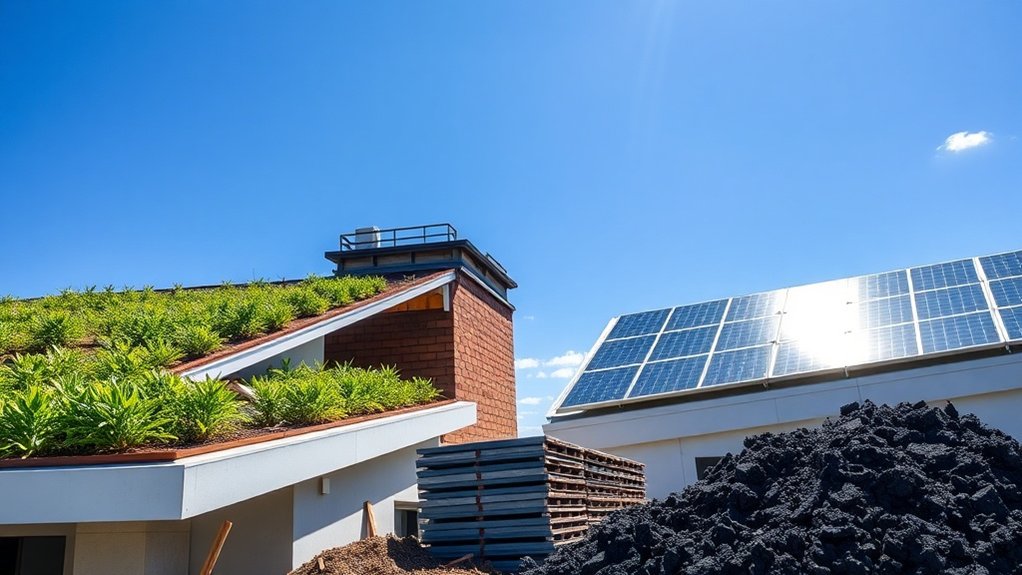
Sustainable roofing options, such as green roofs, offer various environmental benefits but face considerable challenges that impede their widespread use.
The high initial costs associated with specialised materials and installation often deter developers looking for quick returns. Older buildings may not be structurally suitable for these options, and the complex installation process requires skilled professionals.
Maintenance can also be demanding, with needs like irrigation and weeding complicating sustainability efforts. Moreover, using simplified plant selections can negatively impact biodiversity and habitat quality.
The lack of cohesive policies and incentives further limits support for green roofs, prompting developers to opt for alternatives like solar panels. To promote sustainable roofing effectively, it’s crucial to address these barriers and foster a supportive environment for long-term ecological stewardship.
Market Growth and Industry Statistics
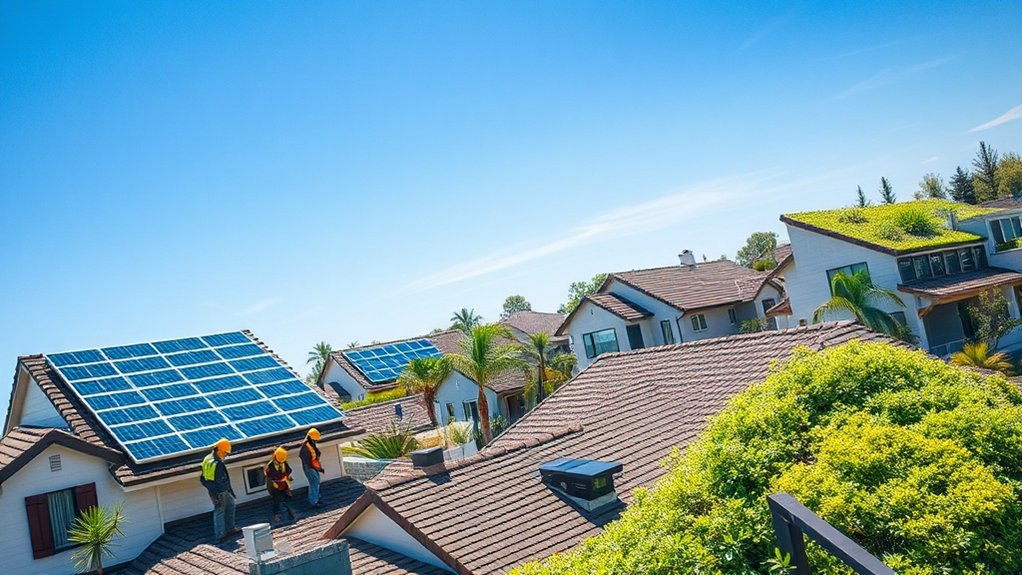
As the demand for sustainable building practices increases, the roofing industry is experiencing notable growth, especially within the sustainable roofing sector.
Key market insights indicate significant potential for green roofing, with projections forecasting a compound annual growth rate (CAGR) of 17% by 2030.
- The global green roofing market is anticipated to reach £6.74 billion by 2030.
- Solar-integrated roofing systems are expected to more than double their market share by 2030.
- Revenue for roofing contractors in the UK is projected to rise to £76.4 billion by 2025.
This trend underscores a growing consumer preference for energy-efficient solutions, spurred by urbanisation and government incentives.
Opting for these sustainable alternatives not only benefits the environment but also supports long-term financial objectives.
Future Trends in Sustainable Roofing
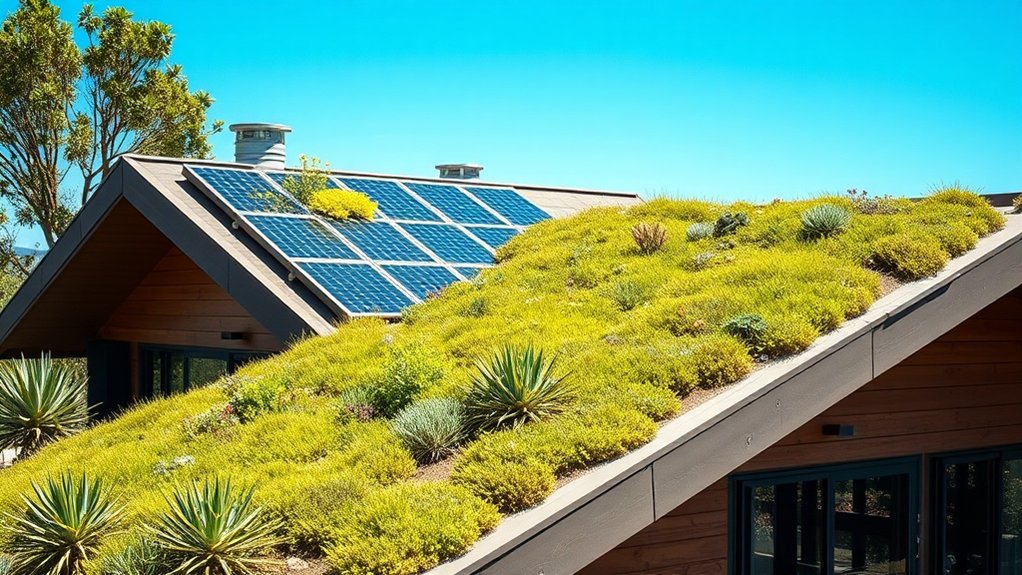
The roofing industry is rapidly evolving, and future trends in sustainable roofing are set to change our approach to building materials and energy efficiency.
Expect to see more use of recycled-content shingles, which offer durability while being environmentally friendly.
Solar-integrated roofing solutions are becoming popular, allowing for energy generation without compromising on aesthetics.
Climate-resilient materials will also become commonplace, improving durability in harsh weather conditions.
Smart technology, such as IoT-enabled systems, will transform maintenance by enabling proactive care.
Embracing these trends not only boosts sustainability but also increases property value and strengthens community resilience, aligning your choices with the broader goal of protecting the planet.
Government Regulations and Incentives for Sustainable Options
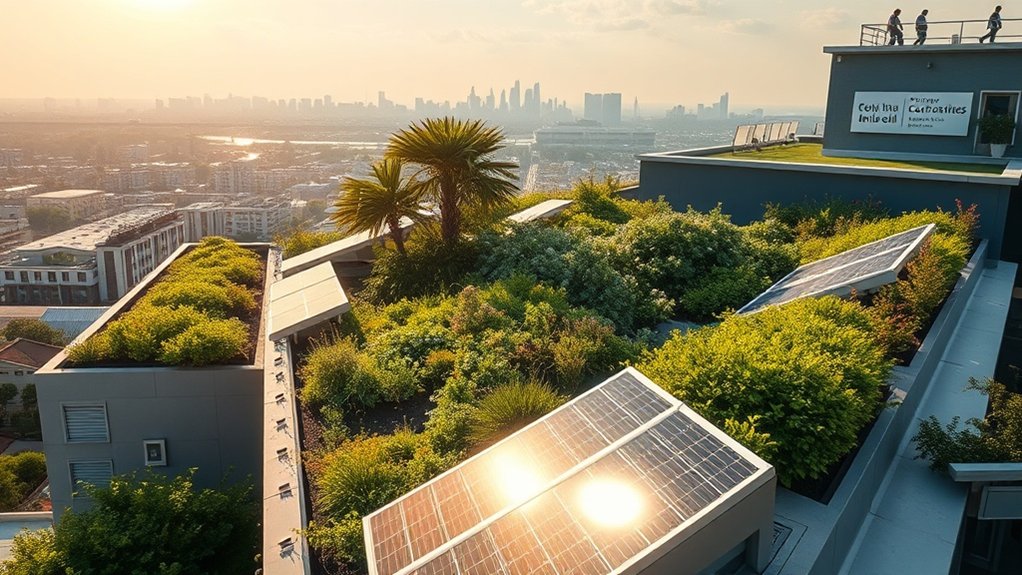
The move towards sustainable roofing is influenced not just by market trends, but also by government regulations and incentives. Understanding these opportunities can help you make decisions that benefit your project and the environment.
- Tax Relief: The Energy Saving Trust offers various grants and tax reliefs for energy-efficient roofing materials, which can significantly reduce costs.
- Local Incentives: Many councils provide financial incentives for choosing energy-efficient roofing options, making them more affordable.
- Building Regulations: Compliance with local building codes can unlock additional funding for reflective and solar-ready roofs.
Utilising these government incentives not only ensures you meet regulations but also promotes sustainable practices that benefit both your community and the planet.
Frequently Asked Questions
How Do I Choose the Right Sustainable Roofing Material for My Project?
To select the right sustainable roofing material, evaluate both the environmental impact and the cost of materials. Focus on durability and energy efficiency, weighing the upfront expense against potential long-term savings. Also, take into account the specific requirements of your project and the local climate. For instance, if you live in a rainy area, a durable material like slate or metal might be more suitable, while in sunnier regions, solar tiles could be a wise investment.
What Is the Lifespan of Sustainable Roofing Options?
Sustainable roofing options vary in lifespan. Metal roofs can last between 40 and 70 years, while green roofs typically last around 30 to 50 years. Opting for longer-lasting materials not only reduces environmental impact but also benefits future generations. For example, a metal roof may initially cost more, but its durability means fewer replacements and less waste over time. Choosing wisely contributes to a more eco-friendly project.
Are There Tax Credits for Installing Sustainable Roofing?
Yes, you can claim tax relief for installing energy-efficient roofing in the UK. Depending on the installation costs, you could receive up to £500 back for certain improvements. If you opt for solar products, you may benefit from a 30% rebate. This not only helps your wallet but also contributes positively to the environment.
How Does Weather Affect Sustainable Roofing Performance?
Weather conditions significantly influence the durability of roofs. Extreme temperatures, heavy rain, and strong winds can increase wear and tear. By selecting robust materials, you can ensure your roof can handle these challenges, improving its performance and lifespan for future generations. For instance, a roof that can withstand heavy rain can prevent leaks, while one that handles high winds effectively reduces the risk of damage.
Can Sustainable Roofing Be Retrofitted Onto Existing Buildings?
Yes, sustainable roofing can be retrofitted onto existing buildings. While there may be some installation challenges, assessing the feasibility of the retrofit can significantly improve energy efficiency, durability, and curb appeal. For instance, installing green roofs or solar panels can not only reduce energy bills but also benefit the local environment. Ultimately, it’s a practical choice for both homeowners and the community.
Conclusion
When choosing sustainable roofing options for your new construction project, it’s worth noting that the market for eco-friendly roofing materials is projected to grow by 12.4% each year over the next five years. This trend not only supports the environment but also boosts your property’s value and energy efficiency. By selecting these innovative materials, you’re not just putting on a roof; you’re making a commitment to a sustainable future that meets today’s needs.


