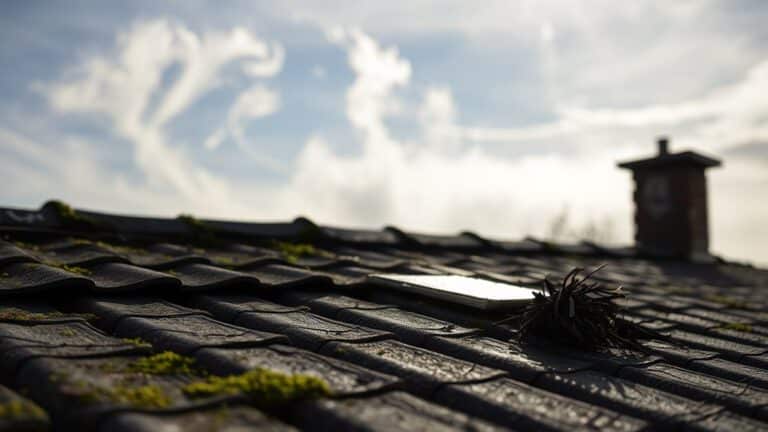

The Ultimate Roofing Maintenance Guide: Tips, Techniques, and Long-Term Care
Maintaining your roof effectively requires biannual inspections in spring and autumn, focusing on missing tiles, algae growth, and gutter condition. Clear debris monthly and clean gutters twice yearly to prevent moisture-related issues.
Address common problems like leaks, moss growth, and worn sealants promptly. Implement seasonal strategies, including spring cleaning with a bleach solution and autumn branch pruning. Don’t forget post-storm checks for potential damage.
While DIY maintenance is essential, professional inspections can uncover hidden issues and guarantee compliance with local building regulations. Popular roofing materials like slate, clay tiles, and asphalt shingles each require specific care techniques.
Consider regional weather patterns, such as frequent rain and high winds, when planning your maintenance routine. For homes in conservation areas or listed buildings, consult with local authorities before making any alterations to your roof.
Be mindful of the Party Wall Act when conducting work that may affect neighbouring properties. To combat issues unique to our climate, such as damp and mould growth, ensure proper ventilation in your loft space.
Regular treatments with moss and algae-resistant products can help maintain your roof’s appearance and structural integrity. By following these tips and techniques, you’ll extend your roof’s lifespan and protect your home’s integrity.
Create a thorough maintenance schedule for year-round protection, taking into account seasonal variations and local weather forecasts. Remember, a well-maintained roof not only preserves your property value but also contributes to energy efficiency and overall home comfort.
Key Takeaways
Essential Roofing Maintenance: A Guide for Homeowners
- Perform twice-yearly inspections during spring and autumn to spot potential issues early, avoiding costly repairs down the line.
- Regularly clear gutters and downpipes of leaves and debris to prevent water damage and prolong your roof’s lifespan.
- Swiftly address common problems such as missing slates, leaks, and moss growth to maintain the integrity of your roof.
- Establish a seasonal maintenance routine tailored to address specific tasks throughout the year, accounting for our variable climate.
- Consult professional roofers for expert assessments, effective repairs, and long-term maintenance strategies that comply with local building regulations.
- Consider the benefits of popular roofing materials like slate, clay tiles, and concrete tiles, each offering unique advantages in our damp and often windy conditions.
- Ensure proper loft insulation and ventilation to prevent condensation issues, particularly common in older properties.
- Be mindful of listed building status and conservation area restrictions when planning any roofing work, especially in historic town centres.
- Invest in quality lead flashing and valleys to protect vulnerable areas of your roof from our frequent rainfall.
- Schedule chimney inspections and repointing to maintain weatherproofing, crucial for homes with traditional fireplaces.
Essential Roof Inspection Practices
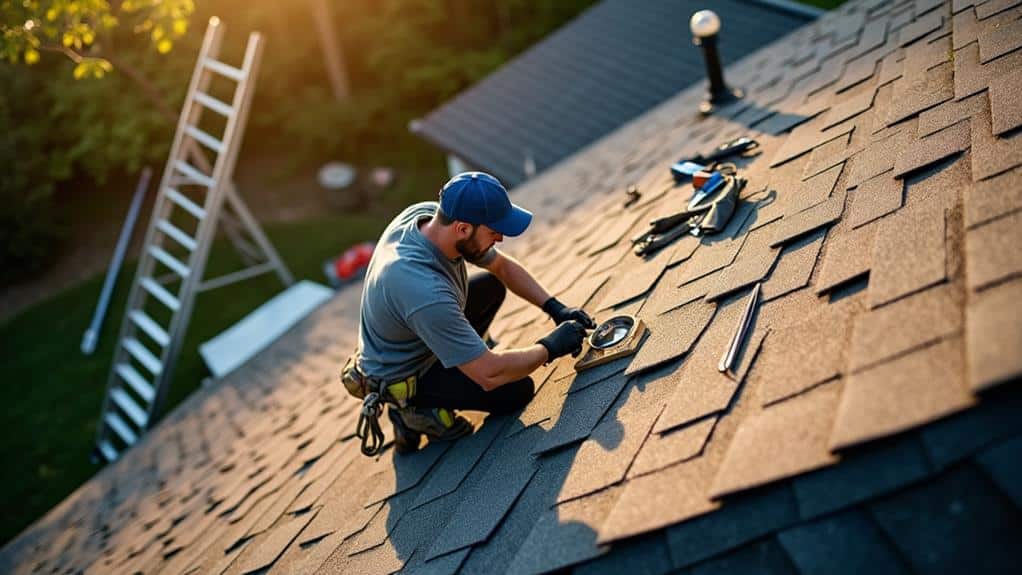
Essential Roof Inspection Practices for Your Home
Regular roof inspections are a cornerstone of effective home maintenance. To ensure your roof’s longevity and performance, you’ll need to implement a systematic approach to visual inspection techniques. Schedule biannual inspections, ideally in spring and autumn, to identify potential issues before they escalate. During these checks, focus on detecting missing or damaged tiles, algae growth, moss accumulation, and rust on metal components.
Consider booking a condition report survey for a thorough snapshot of your roof’s condition, which can help prevent costly replacements and inform you about your roof’s life-cycle.
Don’t overlook the importance of guttering and downpipes in your inspection routine. Blockages or damage in these areas can lead to considerable water-related problems and compromise your home’s structural integrity. As you conduct your visual assessment, pay close attention to signs of damp patches on ceilings or walls, as these often indicate leaks stemming from compromised roofing materials.
Inspect lead flashings and sealants around roof penetrations meticulously, as these areas are prone to wear and potential leaks. While your own inspections are valuable, engaging professional roofing contractors for annual detailed evaluations is essential. Their expertise can uncover hidden issues that may not be apparent to the untrained eye, contributing notably to your roofing material longevity and overall roof health.
When selecting roofing materials, consider options such as slate, clay tiles, or concrete tiles, which are popular choices due to their durability and suitability for our climate. Be mindful of local planning regulations, particularly if you reside in a conservation area or listed building, as these may impact your roofing choices.
Given our often unpredictable weather patterns, with frequent rain and occasional high winds, it’s crucial to ensure your roof is well-maintained and capable of withstanding these conditions. Pay particular attention to the roof’s ability to shed water effectively and resist wind uplift.
Cleaning and Debris Management

Maintaining Your Roof: Cleaning and Debris Management
To preserve your roof’s integrity and extend its lifespan, implementing a robust cleaning and debris management strategy is crucial. Regular debris removal is essential, as leaves, twigs, and dirt can retain moisture, leading to mould and algae growth. Clean your gutters and downpipes at least twice yearly to ensure proper water flow and prevent blockages that could damage your roof and foundations.
Trim overhanging branches to minimise shade and moisture, reducing the likelihood of moss and algae proliferation. For existing moss and algae, use a water and bleach mixture, but opt for gentle cleaning solutions to avoid damaging roofing materials.
| Task | Frequency | Benefits |
|---|---|---|
| Debris removal | Monthly | Prevents moisture retention |
| Gutter cleaning | Bi-annually | Ensures proper water flow |
| Branch trimming | As needed | Reduces moss and algae growth |
Conduct routine inspections for debris accumulation and perform cleanings after severe weather events, particularly after autumn storms. This proactive approach helps address potential issues before they escalate into significant damage. By implementing these cleaning and debris management techniques, you’ll effectively combat algae prevention and maintain your roof’s structural integrity, ultimately prolonging its lifespan and minimising costly repairs.
Remember to adhere to local building regulations when performing any maintenance work on your roof. If you’re unsure about safety measures or lack the necessary equipment, it’s best to consult a professional roofer. Popular roofing materials such as slate, clay tiles, and concrete tiles require specific care and cleaning methods to maintain their appearance and functionality.
Given our damp climate, it’s particularly important to stay vigilant against moss and algae growth. Regular maintenance not only keeps your roof looking tidy but also prevents water ingress and potential structural damage. By investing time in proper cleaning and debris management, you’ll ensure your roof remains in top condition, protecting your home for years to come.
Addressing Common Roofing Issues
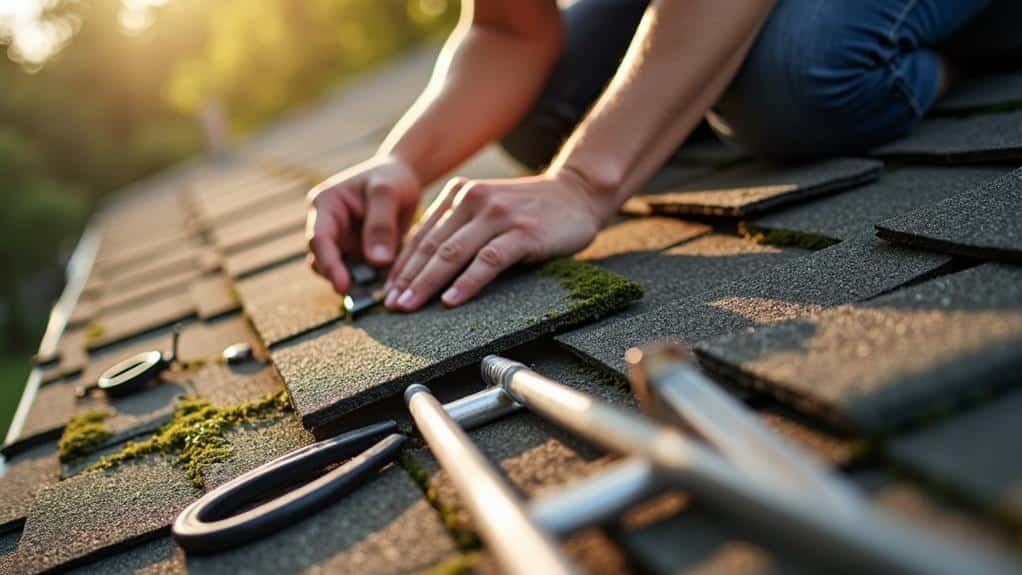
Addressing Common Roofing Issues
Ensuring your roof’s longevity hinges on identifying and addressing common issues promptly. Regular tile inspection is essential, focusing on missing, cracked, or slipped tiles that can compromise your roof’s integrity. These damaged areas are potential entry points for water, leading to leaks and structural damage if left unchecked.
Biannual roof inspections are recommended to maintain roof integrity and prevent costly repairs, especially for roofs older than 5 years.
Leak detection is another vital aspect of roof maintenance. Scrutinise your ceilings and loft space for water stains, as these are telltale signs of roof leaks requiring immediate attention. Don’t overlook the presence of moss or algae growth, which can retain moisture and deteriorate roofing materials. Early intervention with a bleach-water solution can effectively eliminate these harmful contaminants, though professional cleaning is often advisable.
Ensure your gutters and downpipes remain clear of debris to prevent water pooling on the roof, which can cause rot and extensive water damage. Pay close attention to roof penetrations, such as vents and chimneys, and address any worn sealant promptly. This proactive approach to minor issues can help you avoid more significant, costly repairs in the future.
When considering roofing materials, popular choices include slate, clay tiles, and concrete tiles, all of which offer excellent durability against our varied weather conditions. For flat roofs, EPDM and GRP (fibreglass) are increasingly favoured for their longevity and weather resistance.
It’s crucial to be aware of local planning regulations, particularly if your property is listed or in a conservation area. Many roofing projects require building control approval to ensure compliance with current standards, including insulation requirements.
Given our climate’s propensity for heavy rainfall and strong winds, it’s wise to invest in robust roofing solutions that can withstand these challenges. Regular maintenance, including checking for loose fixings and replacing damaged flashing, is particularly important in coastal areas where salt air can accelerate corrosion.
Seasonal Maintenance Strategies

Seasonal Maintenance Strategies for Your Roof
As the weather shifts throughout the year, your roof’s condition and maintenance needs change considerably. To ensure your roof’s longevity and performance, it’s crucial to implement a thorough seasonal maintenance strategy.
Begin with biannual inspections in spring and autumn. These inspections allow you to identify and address issues like missing tiles, moss growth, and blocked gutters before they escalate. Spring maintenance should include a detailed cleaning using a water and bleach mixture to remove moss and lichen buildup.
Autumn preparations involve pruning overhanging branches to minimise shade and moisture accumulation, which can foster moss growth. Additionally, clear gutters and downpipes at least twice a year to prevent water damage from blockages that can lead to structural issues.
After severe weather events, conduct detailed inspections to check for potential damage and ensure timely repairs. This proactive approach helps avoid costly long-term issues.
Implement the following seasonal maintenance schedule:
| Season | Task |
|---|---|
| Spring | Inspect roof, clear gutters |
| Summer | Remove moss/lichen, prune branches |
| Autumn | Inspect roof, clear gutters, prune trees |
| Winter | Clear snow/ice, check for leaks |
| Year-round | Post-storm inspections |
Remember to consult with a professional roofer for complex tasks or if you’re unsure about any aspect of roof maintenance. They can provide expert advice on materials suitable for your local climate, such as slate or clay tiles, which are popular choices for their durability and aesthetics.
When hiring a roofer, ensure they’re registered with the National Federation of Roofing Contractors (NFRC) and comply with all relevant building regulations. This adherence to standards is particularly important given our varied and often challenging weather conditions.
Professional Care and Repairs
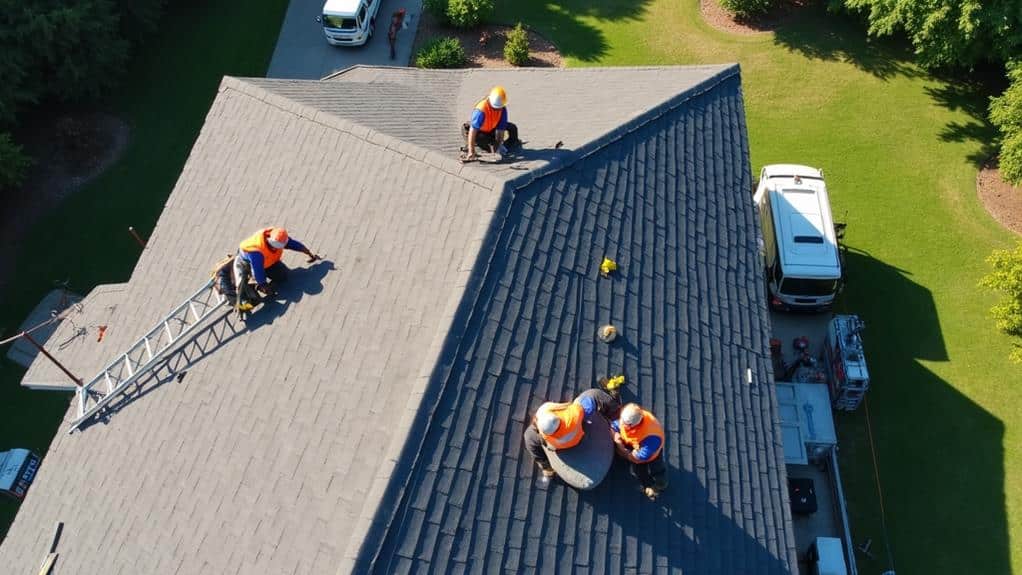
Professional Care and Repairs
Professional care and repairs form an essential component of thorough roof maintenance. Engaging qualified roofing contractors for substantial damage guarantees proper assessment and implementation of effective repair strategies, safeguarding your roof’s integrity. Regular professional inspections can uncover hidden issues that you might miss, enabling timely interventions and preventing costly repairs.
Professionals possess the expertise and specialised tools necessary for safely addressing major repairs, reducing the risk of injury or further damage during DIY attempts.
When selecting a contractor, consider the following:
- Reputation and experience in the industry
- Proper licensing and insurance
- Clarity and completeness of estimates
- Availability of roofing warranties and guarantees
Promptly addressing minor issues with professional assistance can save significant costs long-term by preventing escalation into larger, more complex problems. It’s advisable to consult reputable roofing companies for maintenance and repairs, as they provide warranties that guarantee lasting quality and peace of mind.
Given our unpredictable climate, with frequent rain and occasional severe weather events, it’s crucial to ensure your roof is well-maintained and capable of withstanding the elements. Popular roofing materials such as slate, clay tiles, and concrete tiles are particularly well-suited to our weather conditions, offering excellent durability and water resistance.
When undertaking roofing projects, it’s essential to be aware of local building regulations and planning permission requirements. For instance, certain conservation areas or listed buildings may have specific restrictions on roofing materials or alterations.
Professional roofing contractors are well-versed in these regulations and can guide you through the process, ensuring compliance with all relevant standards.
Moreover, energy efficiency is increasingly important, with government initiatives encouraging homeowners to improve their property’s insulation. Professional roofers can advise on the best ways to incorporate energy-saving measures into your roofing project, such as installing proper ventilation or adding insulation to your loft space.
By prioritising professional care, you’re investing in your roof’s longevity and performance, ultimately protecting your home and its contents from potential damage caused by roofing failures.
With the right expertise and regular maintenance, your roof will continue to provide reliable protection against our often challenging weather conditions for years to come.
Frequently Asked Questions
What Maintenance Should Be Done on a Roof?
Regular roof maintenance is essential for homeowners and property managers alike. To ensure your roof’s longevity and avoid costly repairs, consider the following crucial tasks:
Conduct thorough inspections: At least twice a year, preferably in spring and autumn, examine your roof for signs of damage, such as cracked or missing tiles, worn flashing, or sagging areas.
Clean gutters and downpipes: Clear leaves, twigs, and debris from gutters and downpipes to prevent water from backing up and causing damp issues. This task is particularly important before the rainy season.
Address minor issues promptly: Don’t wait for small problems to escalate. Tackle loose tiles, minor leaks, or damaged flashing immediately to prevent more extensive damage.
Remove moss and algae: These can retain moisture and accelerate wear on your roof. Use appropriate treatments to remove growth without damaging the roofing material.
Trim overhanging branches: Keep trees near your property well-maintained to prevent falling branches from damaging your roof during storms.
Check loft insulation and ventilation: Proper insulation and ventilation can prevent issues like condensation and ice dams, which are common in our climate.
Schedule professional maintenance: Engage a qualified roofer for annual inspections and maintenance. They can identify potential issues that may not be visible to the untrained eye and ensure compliance with local building regulations.
Consider roof coatings: Depending on your roofing material, applying protective coatings can extend its lifespan and improve energy efficiency.
What Is the Most Important Maintenance Effort You Can Make for a Flat Roof?
Maintaining a flat roof? You’d be gobsmacked at the sheer importance of ensuring proper drainage! It’s absolutely crucial that you meticulously clear debris and inspect drainage systems on a regular basis. Couple this with thorough membrane inspections to prevent water pooling and maintain your flat roof’s integrity.
For property owners, the unpredictable weather patterns we face can wreak havoc on flat roofs if not properly maintained. From heavy rainfall to unexpected snowfall, your roof must be prepared to handle it all. Local building regulations often require periodic inspections, particularly for commercial properties, to ensure compliance and safety.
Popular materials for flat roofs in our region include EPDM rubber, GRP fibreglass, and modified bitumen. Each has its own maintenance requirements, but all benefit from regular checks and prompt repairs. It’s worth noting that some councils may have specific guidelines on acceptable roofing materials, especially in conservation areas or listed buildings.
Professional roofers can provide invaluable expertise in navigating these requirements while ensuring your flat roof remains in top condition. They can also advise on energy-efficient options that comply with current building standards and may even qualify for government incentives.
How Can I Prolong the Life of My Roof?
Preserving Your Roof’s Longevity: Expert Tips from Your Local Roofers
Maintaining a sturdy roof over one’s head is paramount in our often unpredictable climate. To extend the lifespan of your roof, it’s crucial to implement a comprehensive care routine. Begin by scheduling bi-annual inspections, ideally in spring and autumn, to assess any damage from harsh winter storms or summer heatwaves.
Proper loft insulation plays a vital role in regulating temperature and preventing issues like ice dams in colder regions. Ensure your insulation meets current building regulations, which have become more stringent in recent years to improve energy efficiency.
Regular gutter maintenance is essential, particularly after autumn when leaves and debris can accumulate. Blocked gutters can lead to water ingress and damage to fascias and soffits, common weak points in many properties.
When it comes to repairs, swift action is key. Even minor issues with slipped slates or cracked tiles can quickly escalate if left unattended, especially given our frequent rainy spells. Engage a qualified roofer who is familiar with local planning permissions, as certain repairs may require approval, particularly in conservation areas.
Adequate ventilation is often overlooked but is crucial for preventing moisture build-up in the roof space. This is especially important for homes with loft conversions, where proper airflow can be challenging to maintain.
Consider the roofing materials best suited to your area. While slate is a popular choice for its durability and aesthetic appeal, concrete tiles offer a cost-effective alternative that stands up well to our varied weather conditions.
How Do You Maintain a Roof Uk?
A well-maintained roof is essential for any home in our rainy isles. To keep your roof in top condition, schedule bi-annual inspections, ideally in spring and autumn. These checks allow you to spot potential issues before they escalate into costly repairs.
Regular gutter cleaning is crucial, especially after autumn leaves have fallen. Clogged gutters can lead to water damage and damp problems, which are all too common in our humid climate.
Proper loft ventilation is often overlooked but plays a vital role in preventing condensation and extending the life of your roof. Ensure your loft space has adequate airflow to combat moisture build-up.
When it comes to materials, slate and clay tiles remain popular choices, offering durability against our unpredictable weather. However, modern alternatives like fibreglass and rubber roofing are gaining traction for their longevity and ease of maintenance.
Always adhere to local building regulations when undertaking any roofing work. Planning permission may be required for significant alterations, particularly in conservation areas or for listed buildings.
Given the complexity of roofing systems and the potential dangers of working at height, it’s advisable to seek professional help for anything beyond minor repairs. A qualified roofer will be well-versed in current standards and can ensure your roof meets all safety requirements.
Conclusion
Implementing this comprehensive roofing maintenance guide will significantly extend your roof’s lifespan and prevent costly repairs. Regular inspections, proactive cleaning, and timely issue resolution are crucial. Bear in mind that 90% of roofs fail prematurely due to poor maintenance. Don’t neglect seasonal strategies and professional interventions when necessary.
In our damp climate, moss and algae growth are common issues that require attention. Proper ventilation and insulation in your loft space can help prevent condensation problems, which are particularly troublesome during colder months. For properties in coastal areas, additional protection against salt corrosion may be necessary.
When selecting roofing materials, consider options like slate, clay tiles, or synthetic alternatives that withstand our varied weather conditions. These choices not only comply with local building regulations but also harmonise with traditional architectural styles found throughout the country.
It’s essential to be aware of listed building requirements if your property falls under such designation. In these cases, specialised expertise may be required to maintain the roof while preserving its historical integrity.
Remember to check your guttering system regularly, especially after autumn when leaves can cause blockages. Proper water drainage is vital to prevent damp issues and maintain the structural integrity of your home.
Your roof is a key component of your home’s defence against the elements. Prioritise its care, and you’ll guarantee long-term protection and performance for your entire property, from Land’s End to John o’ Groats.