

How Much Does a Roof Replacement Cost in the UK?
The cost of replacing a roof in the UK typically ranges from £3,000 to £20,000. This price varies based on factors such as the size and complexity of the roof, as well as the materials chosen. For example, clay tiles can cost around £125 per square metre, while felt roofing is more economical at about £40 per square metre. Labour costs also differ depending on your location and the roof’s design. Generally, you should budget around £13,500 for a standard roof replacement. If you’re looking for more detailed information, you can find additional insights into specific costs and factors that may impact your budget.
Key Takeaways
The average cost of a roof replacement in the UK is approximately £13,500, with prices ranging from £3,000 to £20,000 based on several factors.
Material choice plays a crucial role in determining costs; for example, clay tiles can set you back around £125 per square metre, whereas felt roofing is more budget-friendly at about £40 per square metre.
Labour costs also vary, particularly between urban and rural areas. In London, you might pay around £250 a day for labour, while rates are typically lower in the countryside.
The type of house you have will affect the overall price as well. For instance, replacing the roof on a detached house generally costs between £8,000 and £12,000, while a terraced house might cost between £4,000 and £7,000.
Investing in high-quality materials and keeping up with regular maintenance can enhance the long-term value of your property, potentially saving you money on future repairs.
Overview of Roof Replacement Costs
Understanding roof replacement costs is crucial for homeowners considering an upgrade or repair. Several key factors influence these costs, primarily roof size and complexity. Larger roofs and more complex designs, such as hip roofs, typically require a greater investment.
Additional features like skylights or chimneys can also drive up the overall expense. Material choice significantly affects costs, with options ranging from clay tiles to felt, each differing in price and durability. For example, clay tiles can cost around £125 per m², while felt might be as low as £40 per m². Additionally, the costs associated with roof material can vary significantly, impacting the overall budget. Choosing high-quality materials can reduce replacement frequency due to their longevity.
Accessibility is another factor; more challenging roof structures may need specialised equipment, impacting labour costs.
In addition to basic replacement costs, it’s important to consider roof maintenance and insurance implications. Regular maintenance can extend your roof’s lifespan, potentially reducing future replacement costs. Also, check your insurance policy, as it may cover some of these expenses to avoid unexpected financial burdens. By understanding these factors, you can make informed decisions that fit your budget and needs.
Average Cost in the UK
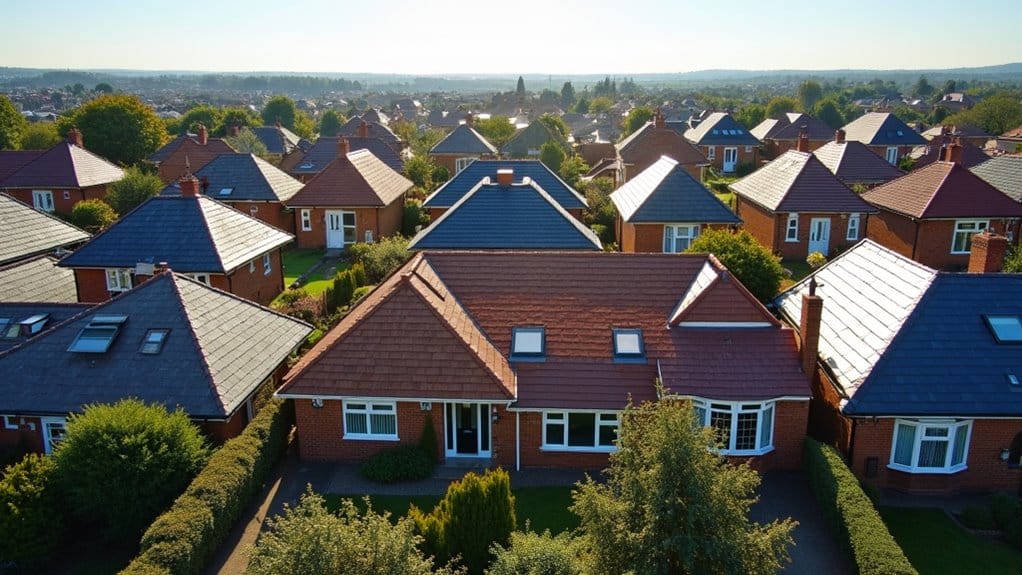
If you’re considering a roof replacement in the UK, it’s important to understand the average costs involved. The typical price for a roof replacement is around £13,500, but this can vary between £3,000 and £20,000 depending on several factors.
Here’s a quick overview of average costs per square metre for different roof types:
| Roof Type | Average Cost per m² |
|---|---|
| Hip Roof | £132 – £275.45 |
| Gable Roof | £117.20 – £255.90 |
| Flat Roof | £45 – £100 |
| Slate Roof | Generally higher than standard tiles |
Costs can differ based on the size and complexity of your roof, the materials you choose, and any extra features like skylights. Labor costs can also vary, especially in urban areas where skilled workers are in demand. Additionally, roof replacement costs can be influenced by material choice and roof design complexity, so it’s wise to consider these elements when budgeting. Don’t forget to consider roofing warranties, as they can impact long-term maintenance expenses. Opting for quality materials and professional installation can offer reassurance and enhance the longevity of your new roof.
Cost Range by House Type
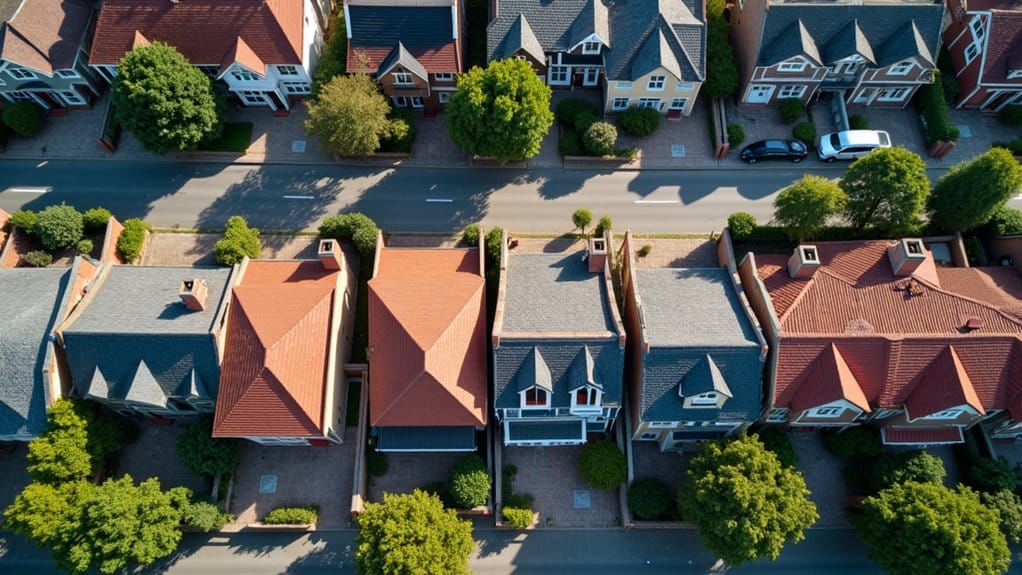
Roof replacement costs can vary significantly depending on the type of house you own. For terraced houses, you can expect to pay between £4,000 and £7,000. Key factors affecting the cost include your choice of materials, roof access, and labour. Prices may change based on whether you select slate, tiles, or asphalt shingles. Additionally, average roof replacement cost is approximately £5,500, which can serve as a baseline for your budget.
For semi-detached houses, the cost typically ranges from £5,000 to £8,000, with an average of £6,000 to £9,000 for a standard three-bedroom home using plain tiles. More complex roofs or larger properties may increase the price.
Detached houses are generally more expensive, costing between £8,000 and £12,000. For a three to four-bedroom detached house, you might spend around £7,000 to £11,000, especially if you choose premium materials like natural slate.
Bungalows have a different pricing structure, typically costing between £4,500 and £7,500 for a two-bedroom property. As with other house types, material choices and roof complexity significantly influence the final cost.
Always keep these factors in mind when planning your roof replacement.
Regional Cost Variations

When considering roof replacement, you’ll notice notable cost differences between urban and rural areas in the UK. Urban locations generally incur higher labour and material costs due to demand and living expenses, whereas rural areas often enjoy lower rates. For instance, a roofing contractor in London may charge significantly more than one in a village. Understanding these regional variations is vital for accurate budgeting of your project. Additionally, labour typically accounts for 60% of total costs, meaning that in urban areas, the higher labour rates can significantly increase the overall expense of a roof replacement. Furthermore, selecting the right roofing materials can also influence costs, as different materials have varying price points and longevity.
Urban vs. Rural Pricing
Urban areas typically offer a bustling market for construction services, but they also come with significantly higher roof replacement costs compared to rural areas. This discrepancy is driven by various economic factors that influence pricing strategies.
Here’s a quick overview of urban versus rural pricing:
- Higher Labour Costs: With higher living expenses in cities, labour rates tend to be inflated.
- Regulatory Costs: Stricter building regulations in cities, such as London, can increase project expenses.
- Transportation Costs: Transporting materials to central locations often incurs additional costs.
- Service Quality: Premium services in urban areas are usually more expensive.
- Cost Efficiency: Opting for rural locations can lead to substantial savings due to lower labour and material costs. Additionally, the average roof lifespan of approximately 20 years indicates that investing in a new roof can be viewed as a long-term commitment. The installation requirements for tile roofs necessitate skilled labor, which can also impact overall costs.
On the other hand, rural areas enjoy lower labour costs, fewer regulations, and better access to local materials, making them more cost-effective for roof replacements.
Regional Material Costs
Understanding regional material costs is crucial for accurately estimating roof replacement expenses in the UK. These costs can vary significantly depending on your location and the quality of materials used.
In the North, for example, you might pay between £2,000 in Northern Ireland and £6,500 in the North West. The North East tends to be more affordable due to lower living costs and cheaper materials.
In contrast, Southern regions, especially London, can see prices skyrocket to around £12,000 because of high demand and premium materials. Areas like Surrey and Oxfordshire follow suit, with costs ranging from £7,000 to £11,000.
The Midlands paints a mixed picture; Birmingham and Manchester typically see costs between £4,000 and £7,500, driven by urban demand and diverse property styles.
Coastal areas, such as West Sussex and Cornwall, range from £3,000 to £8,000, influenced by their popularity and scenic locations. Being aware of these regional variations can help you choose the right materials and budget effectively, ensuring you get the best value for your roof replacement project. Additionally, considering the average installation cost can provide a helpful benchmark for your budget.
Labor Expense Differences
Labour expense differences across the UK can significantly affect your roof replacement costs. It’s essential to understand these variations when planning your budget.
Here are key factors to consider:
- Urban vs. Rural Costs: In urban centres like London, labour rates can soar to around £250 per day due to high demand and living expenses.
- Regional Variations: Cities such as Birmingham and Manchester also experience higher labour costs, whereas regions in Wales, Northern Ireland, and Scotland usually offer more affordable rates.
- Contractor Experience: Skilled contractors may charge more, but their expertise can save you money in the long run by ensuring the job is done right.
- Seasonal Pricing: Labour rates often decrease in autumn and winter when demand is lower, providing a potential saving opportunity.
- Job Complexity: More complex roofing tasks require specialised skills and additional time, which can drive up labour costs.
Factors Influencing Costs
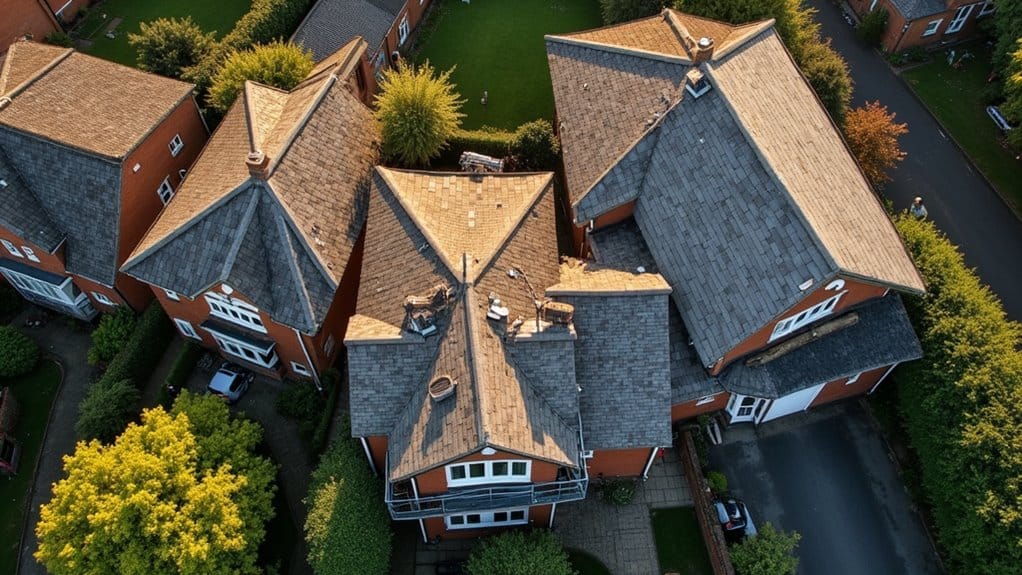
When replacing a roof, several key factors can significantly affect the overall cost, so it’s important to consider each one.
Firstly, the choice of materials has a major impact on expenses. For instance, natural slate is highly durable and can last over 100 years, but it ranges from £100-£150 per m².
On the other hand, felt roofing is more affordable at £25-£40 per m² but typically lasts only 15-20 years. This highlights the importance of material durability for long-term value.
Next, the complexity of the roof’s design can lead to higher installation costs. Hip roofs, with their intricate angles, require more materials and skilled labour, costing between £132-£275 per m².
Meanwhile, simpler gable and flat roofs are generally cheaper to install.
Finally, if there’s existing damage that requires repair or if old roofing needs removal, you could incur additional costs ranging from £900-£2,500.
Size of the Roof
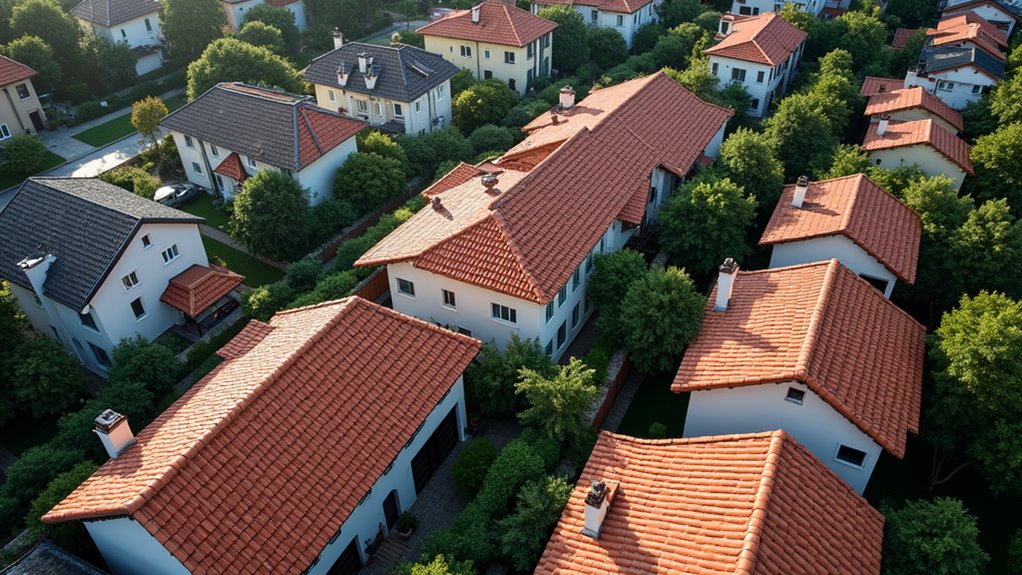
The size of your roof significantly impacts the cost of replacement. Understanding this can help you budget effectively.
Larger roofs require more materials and labour, which can drive up expenses. Additionally, the choice of roofing material will also affect the final price.
Here are some important points to consider regarding roof size:
- For a standard 3–4-bedroom house, expect to pay between £5,500 and £7,000 for a new roof.
- Costs vary by roof type: flat roofs average around £45 per square metre, while hip roofs can range from £132 to £275.45.
- If you have a larger or more complex roof, costs can escalate to between £7,000 and £15,000.
- Scaffolding can add up to £500 for bigger roofs, impacting your overall budget.
- Features like soffits and fascias can also increase costs, adding around £100 per square metre.
Being aware of these factors will help you manage your roofing project more effectively.
Complexity of Roof Design

The complexity of roof design significantly impacts replacement costs, so it’s essential to grasp its implications before starting a project. Roof shapes with intricate designs, such as hip or M-shaped roofs, require specialised installation methods, which can increase labour costs.
Steep pitches, for instance, demand extra safety measures and specific equipment, further driving up expenses. Aesthetically pleasing elements like dormers or vaulted ceilings may enhance the look of your property but also bring structural and maintenance challenges that need to be considered in your planning.
Additionally, complex designs can create installation difficulties due to access issues and weather conditions, potentially extending project timelines and inflating labour costs.
It’s crucial to include these complexities in your initial cost assessment. By understanding how roof durability and energy efficiency relate to design intricacies, you can make more informed decisions.
Ultimately, careful planning will help you manage the challenges of complex roof designs, ensuring your budget aligns with the necessary resources and expertise for a successful replacement.
Material Costs Breakdown

When considering a roof replacement, the type of tile you choose significantly affects your overall costs.
Different materials can vary in price, and weighing the lifespan against the cost helps you make a more informed choice.
For instance, while slate tiles may have a higher upfront cost, their longevity can save you money in the long run.
Understanding these factors ensures you select the best materials for your roof that fit your budget.
Tile Type Impacts Costs
The type of roof tile you choose can significantly influence your replacement costs, with material quality and design being key factors.
When selecting tiles, it’s important to consider how their durability, appearance, and maintenance needs will impact your budget.
Here’s a clear overview of costs for various tile types:
- Clay Tiles: Average replacement cost is £150-£190; £20-£60 per square metre.
- Concrete Tiles: Average cost is £180-£220; generally more affordable than clay or slate.
- Slate Tiles: Average cost is £200-£250; high-quality slate can go over £100 per square metre.
- Interlocking Tiles: £60-£120 per square metre; installation can be more complex.
Each tile type has its own insulation benefits, environmental impact, and noise reduction qualities.
Clay tiles, for example, are known for their durability and traditional look, while concrete tiles are cost-effective and come in various colours.
The installation method can also affect costs, especially with interlocking tiles that require precise alignment.
Installation Material Variations
When replacing your roof, the choice of installation materials can significantly impact costs.
Asphalt shingles are usually the most budget-friendly option, costing between £3,000 and £6,000. Their ease of installation and lower labour costs make them a popular choice among homeowners.
In contrast, slate tiles come with a higher price tag, ranging from £8,000 to £15,000, due to their complex installation and heavier weight. However, their classic look can enhance your home’s value.
Concrete tiles are priced between £5,000 and £12,000, while clay tiles range from £8,000 to £15,000. Clay tiles require more skilled installation, but both types are known for their durability.
Metal roofing is generally more expensive, costing between £8,000 and £20,000. However, it offers benefits like a lightweight design and low maintenance. Its reflective properties can improve energy efficiency, making it an appealing choice.
Ultimately, consider both installation ease and aesthetic appeal to find the right roofing material that suits your budget and style.
Lifespan vs. Cost Analysis
Understanding the relationship between lifespan and cost is crucial for homeowners contemplating roof replacement. Comparing the longevity of various materials helps you evaluate cost-effectiveness and long-term investment.
Here’s a summary of common roofing materials and their costs:
- Clay Tiles: Last 40-60 years, costing £125-£250 per square metre
- Slate: Lasts 50-100 years, costing £75-£150 per square metre
- Concrete: Lasts 30-50 years, costing £35-£60 per square metre
- Felt: Lasts 20-30 years, costing £40-£70 per square metre
- Thatch: Lasts 15-30 years, costing £100-£200 per square metre
When assessing material durability, consider installation lifespan, maintenance needs, and warranty options.
While you may pay more upfront for longer-lasting materials like slate, you could save on repairs and replacements over time.
Also, think about the environmental impact and potential resale value; high-quality materials can boost your home’s appeal in the market.
Ultimately, choosing the right material involves balancing initial costs with long-term benefits, ensuring a worthwhile investment for your property.
Labor Cost Considerations

When planning a roof replacement, it’s crucial to factor in labour costs as part of your overall budget. Labour rates can vary significantly depending on the skill level of the tradespeople you hire. For instance, a skilled roofer, particularly those specialising in tiling or slate roofing, can charge between £250 and £500 per day.
Here’s a quick overview of average daily labour costs:
| Skill Level | Daily Rate (£) |
|---|---|
| General Roofer | 150 – 250 |
| Tiling Specialist | 100 – 300 |
| Slate Expert | 250 – 500 |
| Master Tradesperson | 20-50% more than helpers |
| London (Urban Areas) | 25%+ higher |
Keep in mind that location and accessibility also impact costs. For example, roofs that are difficult to reach may require additional equipment, increasing the overall expense. While hiring experienced tradespeople may come with a higher price tag, it often leads to better workmanship and fewer issues later on. In the long run, investing in skilled labour can save you both time and money.
Additional Features Impacting Price
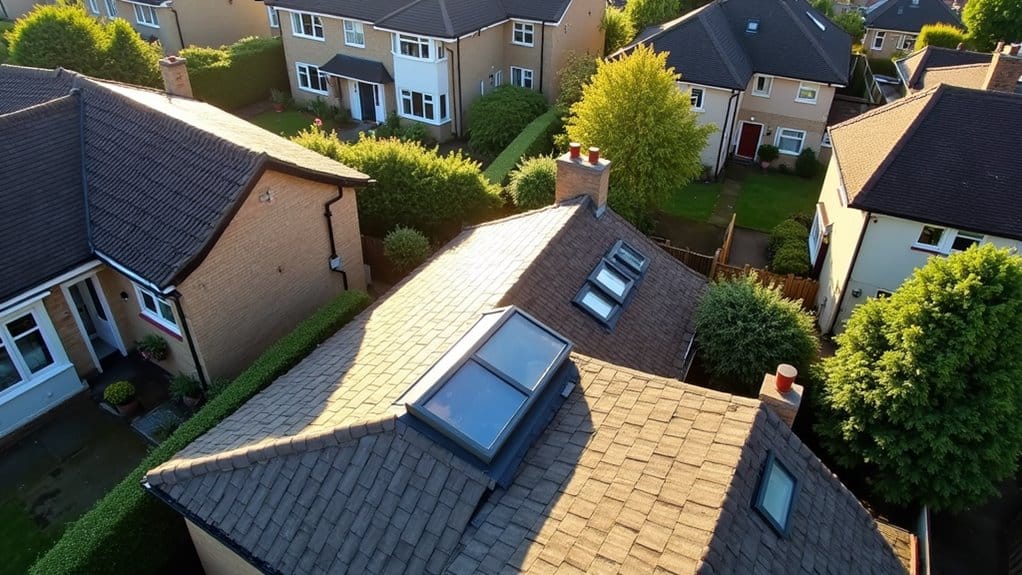
When planning a roof replacement, several additional features can significantly affect your budget. Being aware of these can help you make better financial decisions.
Here are some key features that can impact your costs:
- Underlayment: This extra waterproof layer usually costs between £2-£4 per m² and helps prevent leaks.
- Flashing: Essential for stopping water from getting in, flashing installation can add £1,000-£2,000 to your overall project cost.
- Soffits and Fascias: Replacing these can range from £1,000-£3,000, affecting both the look and function of your roof.
- Roofing Permits: Don’t forget to budget for permits, which typically cost between £150-£500, and consider potential delays in processing.
- Additional Waterproofing: If your roof design requires it, set aside an extra £500-£2,000.
These elements can significantly impact your final costs, so assess the necessity and implications of each feature carefully.
Specific Job Cost Examples

Roof replacement costs can vary significantly depending on the type of property and specific job requirements. It’s important to consider how various factors influence pricing, such as roof maintenance needs and energy efficiency. Here’s a concise summary of potential costs:
| House Type | Cost Range | Key Influencing Factors |
|---|---|---|
| Terraced Houses | £4,000 – £7,000 | Roof complexity, material choice |
| Detached Houses | £5,500 – £7,000 | Size, material, complexity |
| Semi-Detached Houses | £5,000 – £8,000 | Size, roofing material |
| Renovation (Slate) | £4,000 – £12,000 | Type of property, material used |
When renovating roofs with energy-efficient materials like slate, costs can increase. For example, a two-storey detached house might range from £6,350 to £12,000. Regional differences can also affect pricing, with areas such as London often being more expensive due to higher demand. Investing in proper roof maintenance and energy-efficient options can lead to savings over time.
Cost of Flat Roof Replacements

Replacing a flat roof can be a substantial investment, typically costing between £3,000 and £18,000 for a standard home in the UK. Prices vary based on factors like material choice and the complexity of the installation.
Here are some key points to consider:
- Material lifespan: Different materials last longer than others. Choose wisely to ensure you get value for money.
- Quality of installation: A high-quality installation can reduce maintenance costs over time, saving you money in the long run.
- Warranties: Always check available warranties; they can provide assurance and protect your investment.
- Eco-friendly options: Consider sustainable materials that might be eligible for grants or incentives.
- Maintenance needs: Some materials need more upkeep than others, which can impact your long-term expenses.
If you’re thinking about a DIY approach, make sure you’re familiar with local regulations and permit requirements.
Financing options can ease the burden of upfront costs, and some insurance policies may cover part of the expense.
On average, a new flat roof can last around 20 years, making this a significant decision for your home.
Cost of Conservatory Roofs
When looking at the cost of conservatory roofs, it’s important to break down the expenses related to different materials and installation.
Options like polycarbonate and glass can vary significantly in price, each offering its own advantages and disadvantages.
For example, polycarbonate is often more affordable and lightweight, making it easier to install, while glass provides a more elegant finish and better insulation but tends to be pricier.
Cost Breakdown Overview
Conservatory roof replacement costs in the UK typically range from £2,000 to £8,000, depending on several key factors. Being aware of these can help you budget effectively, especially if considering roof insurance or financing options.
Here’s a straightforward breakdown of the main costs:
- Size: Larger conservatories incur higher costs due to more materials and labour.
- Style: Different roof styles (flat, gable, hip) vary in price.
- Materials: The choice and quality of materials significantly impact the overall cost.
- Labour Costs: Professional contractors charge between £150 and £250 per day.
- Location: Costs are generally higher in urban areas than in rural regions.
When budgeting for your conservatory roof replacement, don’t forget to include extras like soffits, new fascias, and waterproofing.
Roof insurance can offer protection against unexpected expenses, and exploring financing options may help manage costs while keeping your conservatory a valuable part of your home.
Material Options Comparison
When choosing a roof for your conservatory, it’s important to consider the various materials available, as they can impact both your budget and aesthetic preferences.
Polycarbonate roofs are a popular choice due to their affordability and lightweight nature. Prices typically start at around £1,900 for small lean-tos and can go up to £5,700 for medium Victorian styles.
In contrast, glass roofs are known for their visual appeal and ability to let in natural light, with costs beginning at £2,000 for small lean-tos and reaching up to £5,800 for medium Victorian designs.
Tiled roofs tend to be pricier, ranging from £2,250 to £5,500 and above. However, they offer excellent insulation and durability, making them a solid long-term investment.
Hybrid roofs combine different materials, offering a customised approach that balances cost and functionality. Pricing for these options varies based on the materials and the complexity of the design.
Understanding Long-term Savings

Investing in a new roof might seem daunting, but it’s vital to consider the long-term savings from different material choices. The right roofing material can enhance energy efficiency and reduce maintenance costs over time.
Here are some key points to keep in mind:
- Slate Roofs: Can last over 100 years with minimal upkeep.
- Metal Roofs: Durable for 40-70 years, resistant to extreme weather, and easy to care for.
- Rubber Roofs: Cost-effective options like EPDM membranes can lower future repair expenses.
- Energy Efficiency: Proper insulation helps prevent heat loss, reducing energy bills.
- Regular Inspections: Routine maintenance can identify problems early, saving on expensive repairs.
Although the initial cost of materials like slate may be higher, their longevity and resilience can make them a smart investment.
By focusing on energy efficiency and following maintenance advice, you can enjoy lower utility bills and a dependable roof for years.
In the end, making the right choice now can lead to significant long-term savings, making the upfront costs worthwhile.
Frequently Asked Questions
How Long Does a Roof Replacement Typically Take?
A roof replacement usually takes between two to three weeks. The timeframe can vary based on factors such as the type of roofing materials, the complexity of the job, and the weather conditions. For instance, a simple flat roof may take less time than a complex pitched roof with multiple facets. Proper planning and execution are crucial to ensure the work is completed on schedule.
Can I Finance My Roof Replacement Costs?
Yes, you can finance your roof replacement costs through various options available in the UK. Look for payment plans such as loans with interest, interest-free loans, or ‘buy now, pay later’ schemes that suit your budget. For example, some providers offer fixed monthly payments that make it easier to manage your expenses.
What Warranties Are Offered on Roof Replacements?
Warranties for roof replacements aren’t just paperwork; they provide essential coverage. You’ll typically find two main types: workmanship warranties, which cover the quality of the installation, and material warranties, which guarantee the roofing materials. Always read the fine print carefully; otherwise, you could find yourself dealing with leaks and costly repairs down the line. For instance, a good workmanship warranty might last for up to 10 years, while material warranties can often be 20 years or more. Make sure you understand what is covered to avoid future headaches.
How Can I Find a Reliable Roofing Contractor?
To find a trustworthy roofing contractor, start by checking online reviews and ensuring they meet licensing requirements. Look into their qualifications, reputation in the industry, and years of experience. Have a chat with them to assess their professionalism, and ask for detailed quotes to ensure transparency. For example, if they hesitate to provide a written estimate, it might be a red flag.
What Signs Indicate My Roof Needs Replacement?
Did you know that roofs older than 20 years often show significant signs of wear? Look out for curling tiles, leaks, and sagging areas—these are clear indicators that your roof may need replacing. Addressing these issues promptly will help keep your home safe and secure.
Conclusion
While it may seem tempting to cut corners on a roof replacement, overlooking these costs now can lead to much larger expenses later. A leak might seem like a minor issue, but it can quickly turn into a serious problem. Investing in a quality roof protects your home and can save you money in the long run. Although it may appear costly upfront, it’s a wise investment for the future.


