
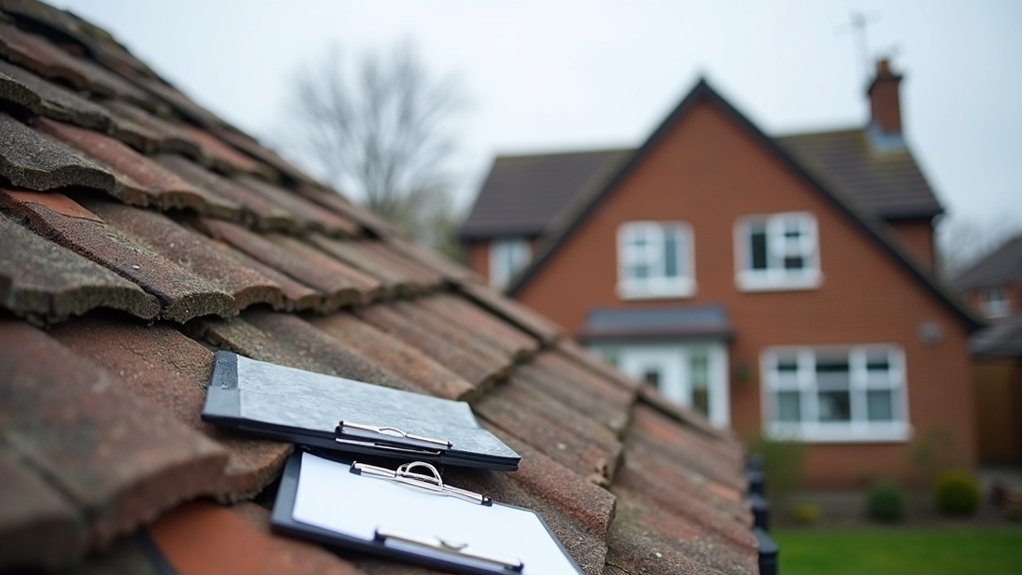
Do I Need Approval for Replacing Roof Tiles in the UK?
Before replacing roof tiles in the UK, it’s essential to secure the necessary approvals. If you’re replacing 25% or more of your roof, you’ll need building regulations approval. Planning permission is required for homes in conservation areas, listed buildings, or if the changes extend beyond 150 mm from the existing roof plane. Always check with your local authority for specific requirements. It’s important to consider these factors before starting your project.
Key Takeaways
Do I Need Approval for Replacing Roof Tiles in the UK?
- You’ll need approval if you’re replacing 25% or more of your roof area or if you’re making significant changes to the roofing materials.
- If your property is in a conservation area or is a listed building, you’ll always require planning permission for any alterations.
- Any changes that extend more than 150 mm beyond your current roof line will need planning consent.
- It’s crucial to comply with building regulations, especially regarding structural integrity and insulation standards.
- For minor repairs, you might not need approval, but it’s wise to check that like-for-like replacements meet compliance.
Understanding Building Regulations Approval
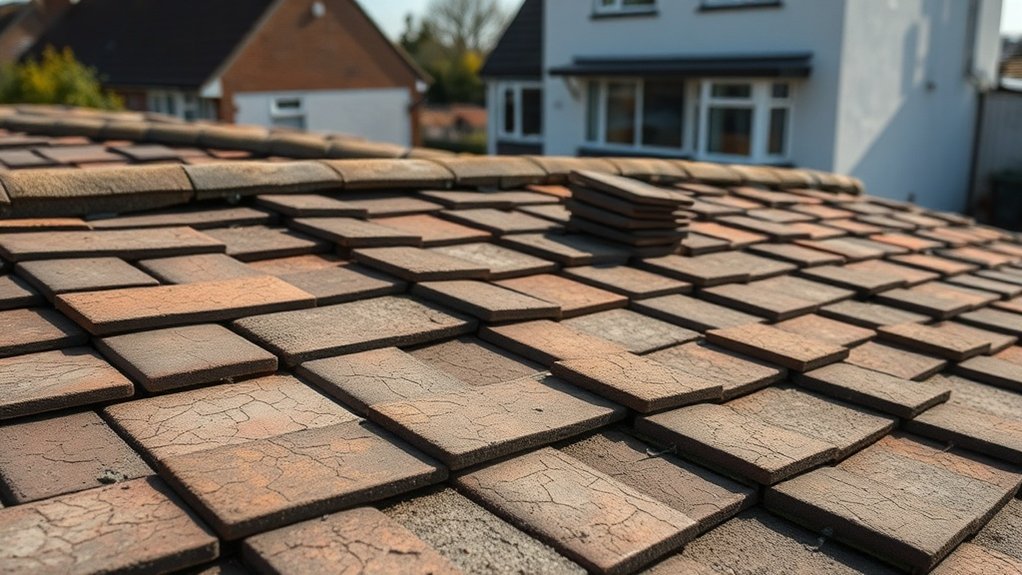
When replacing roof tiles in the UK, it’s crucial to know that you may need building regulations approval, particularly if you’re renovating 25% or more of the roof area.
If you’re changing materials or if your existing roof lacks underfelt or has structural issues, you’ll definitely need to comply with building codes. It’s also essential to ensure that your project adheres to structural integrity requirements, as these can dictate the maximum load limits for your roof.
Even small alterations can require approval if they impact fire resistance or thermal efficiency.
If you decide to use heavier or lighter materials, keep in mind this may affect the structural stability of your roof, which could necessitate a structural assessment.
Ensure that your materials meet current insulation standards to minimise heat loss and comply with energy efficiency regulations.
Always check before you start to avoid any compliance issues later on. It’s important to consult your local building authority for guidance on the specific regulations that apply to your project.
When Planning Permission Is Necessary

Here are key scenarios where planning permission is required for roof alterations:
- Your property is located in an Area of Outstanding Natural Beauty, a national park, or a conservation area.
- You’re making changes to a listed building, which always requires consent for any roof modifications. Engaging with local authorities early can help ensure compliance and respect for the property’s historical integrity.
- Your alterations extend more than 150 mm beyond the existing roof plane.
- You intend to change roofing materials or colours, particularly in protected areas.
- You’re installing new features like rooflights or dormers that impact the roof’s volume.
Additionally, it’s important to remember that planning permission is not needed for re-roofing if changes do not exceed 150mm from the existing roof.
Always check if your project requires planning permission to avoid any issues down the line.
Insulation and Thermal Upgrade Requirements

Insulation and thermal upgrades are essential when replacing a roof in the UK, as building regulations require specific standards for energy efficiency.
If you’re replacing 25% or more of your roof area, you must meet insulation requirements. Even small changes in roofing materials might require compliance checks. Quality installation and regular maintenance can also play a significant role in the longevity of roofing materials, ensuring that your upgrades remain effective over time.
Improving your insulation can enhance thermal performance, reducing heat loss by up to 25% and potentially saving you £150–£200 a year on energy bills. Adding insulation under roof tiles can significantly increase the effectiveness of your thermal upgrade.
The minimum insulation depths are about 270mm for glass wool and 250mm for mineral wool. It’s also crucial to install a continuous thermal barrier beneath roof tiles to prevent moisture problems and ensure the longevity of your building.
Structural Considerations for Roof Replacement
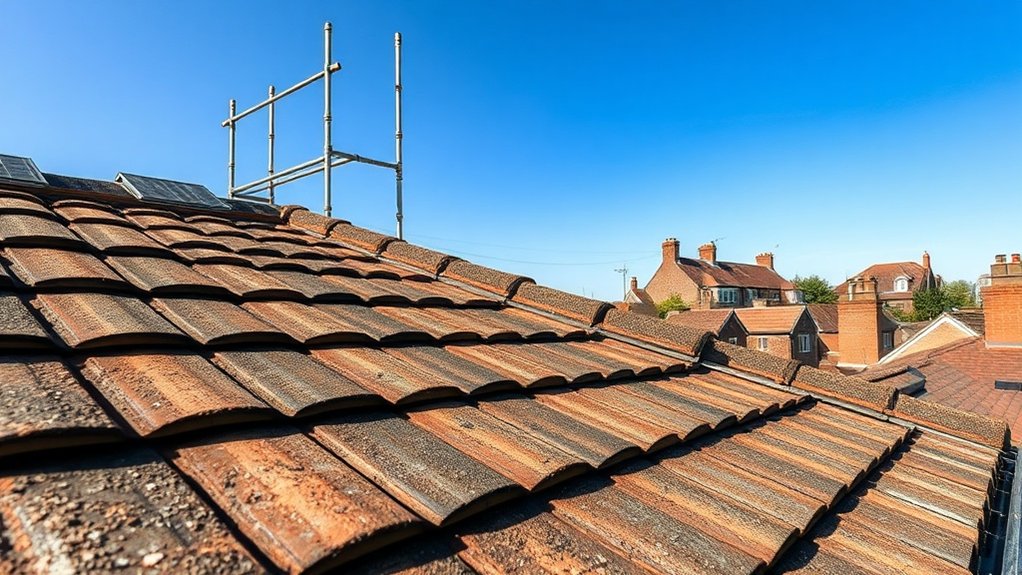
When replacing a roof, it’s crucial to consider the structural integrity of the supporting framework to avoid hazards. Here are some important points to bear in mind:
- Carry out a load-bearing assessment to determine the strength of the existing framework.
- Check the sizes and conditions of timber, especially in older buildings.
- Ensure that new materials don’t increase the weight by more than 15%.
- Adhere to Building Regulations Part A regarding structural alterations.
- Regularly inspect the roof during and after the replacement for stability.
By addressing these factors, you can ensure that your roof replacement maintains or enhances structural integrity, reducing the risk of collapse or damage.
Prioritising these assessments will help provide a safe and reliable roofing solution for your property.
Role of Local Authorities in Approval Processes

When planning a roof replacement, it’s crucial to secure the necessary approvals from local authorities to comply with building regulations.
Local councils are responsible for managing these approval processes for roofing projects in their area. You’ll need to submit detailed plans and documentation to show you meet structural, fire safety, and thermal insulation standards.
Be aware that application fees usually apply. If you begin work without approval, the council can issue stop notices and impose fines.
Moreover, obtaining an approved certificate after inspections is vital for future property sales and ensuring compliance. Navigating this process properly helps uphold safety standards and protects your investment.
Special Circumstances That May Affect Approval
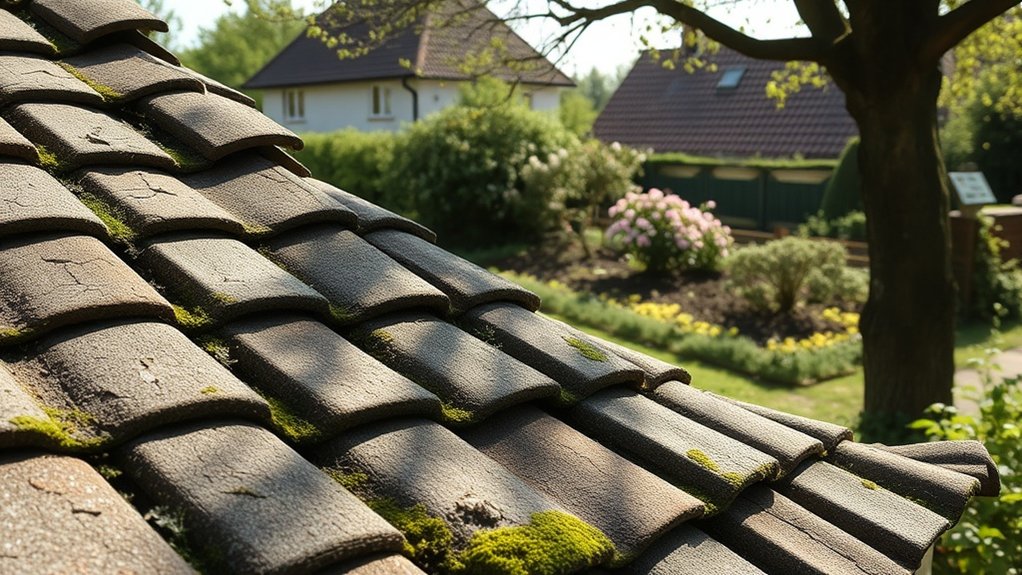
Before starting your roof replacement project, it’s important to recognise that certain special circumstances can significantly impact the approval process.
Here are the key factors to consider:
- If your property is in a conservation area, you may need specific approvals to preserve its historical character.
- When replacing tiles on listed buildings, you must obtain listed building consent beforehand.
- If your roof work may affect wildlife, such as bats, you’ll need to conduct ecological surveys and possibly secure special licences.
- Using materials that aren’t original on protected structures typically requires additional approvals.
- Total roof replacements or major structural changes must comply with modern building regulations.
Being aware of these factors will help ensure compliance and prevent potential legal issues during your roof replacement project.
Common Myths About Roof Tile Replacement

Many homeowners think that replacing roof tiles is a simple task without regulatory hurdles. However, this is a misconception that can lead to significant issues. For example, while minor repairs typically don’t require approval, larger changes often do. It’s important to note that planning permission and building regulations are not the same; planning permission looks at the visual impact, whereas building regulations ensure safety standards are met. Even if you’re replacing tiles with the same type, you may still need to check compliance if it affects thermal performance.
| Myth | Reality |
|---|---|
| Full approval is always needed | Minor repairs often don’t require it |
| Planning permission is the same as regulations | They have different focuses and requirements |
| Like-for-like means no approval required | It may still require compliance checks |
Steps to Ensure Compliance Before Starting Work

Ensuring compliance before starting roof tile replacement is crucial to avoid legal issues and costly delays.
Here’s how to keep your project on track and ensure contractor responsibilities are fulfilled:
- Contact your local council’s building control office early to check if you need approval.
- Submit a building regulations application that outlines the proposed work, materials, and any insulation changes.
- Provide structural calculations or reports if you’re changing the material weight or making structural alterations.
- Arrange for inspections by building control officers during and after the work.
- Obtain a formal certificate post-inspection as proof of compliance for future transactions.
These steps will help you navigate the process smoothly and prevent any hiccups along the way.
Frequently Asked Questions
Can I Replace Roof Tiles During Adverse Weather Conditions?
You shouldn’t replace roof tiles during adverse weather conditions. Rain, wind, or snow can make roofing work unsafe, leading to improper installation and potential damage. It’s best to wait for stable weather to ensure quality workmanship and protect your home.
How Long Does the Approval Process Typically Take?
The approval timeline for your application typically spans 4 to 8 weeks. However, factors such as the complexity of your project and the workload of local authorities can prolong this period. It’s wise to plan ahead to prevent any unnecessary delays.
What Are the Costs Associated With Obtaining Approvals?
Application fees usually fall between £100 and £300, and inspection costs might be part of that. Be aware that if you need to make structural alterations or upgrade insulation, additional assessments could be required.
Can I Do the Work Myself Without Professional Help?
You can take on the work yourself and benefit from the DIY experience, but always prioritise safety. Ensure you follow regulations and best practices to prevent issues down the line, like structural problems or complications with your insurance. For instance, if you’re renovating a room, check that any electrical work complies with UK standards to avoid hazards.
What Happens if I Start Work Without Approvals?
Starting work without the necessary approvals can result in serious penalties, including fines of up to £5,000. You may also face legal issues, such as having your project halted or needing to redo work, which can significantly affect both safety and property value. For example, if you begin a building project without planning permission, you could be ordered to demolish it, leading to wasted time and money. It’s crucial to get the right approvals before starting any work to avoid these complications.
Conclusion
In summary, replacing roof tiles in the UK typically doesn’t require planning permission, but you must adhere to building regulations. Even minor changes can have important effects. It’s crucial to understand the requirements set by your local authority and ensure your work meets insulation and structural standards, helping you avoid delays or fines. Always consult your local council before starting your project to ensure a hassle-free experience.


