

Hidden Costs to Consider During Roof Installation
When installing a roof, it’s easy to overlook hidden costs that can impact your budget. For instance, if your trusses or joists are weakened, you may need structural repairs, which can add to your expenses. Additionally, don’t forget about the costs associated with removing and disposing of old roofing, as well as any permits and compliance inspections required.
Material prices can vary, affecting your overall costs, and labour expenses may fluctuate depending on the complexity of the job and current demand. Unforeseen project delays can also result in extra charges. Being aware of these factors can help you plan your roofing project more effectively.
Key Takeaways
- Structural repairs for hidden damage can range from £500 to £5,000, which can significantly impact your overall budget.
- Compliance inspections and documentation fees may add an extra 5–15% to your total costs, increasing your financial burden.
- Unexpected delays due to weather or material shortages can prolong the project timeline and inflate expenses.
- Labour costs, which can account for 40% to 60% of your total project expenses, are influenced by the complexity of materials and local demand.
- Upgrades to meet building regulations or additional features like flashing and vents can lead to unexpected costs running into the hundreds or thousands.
Structural Repairs and Reinforcements
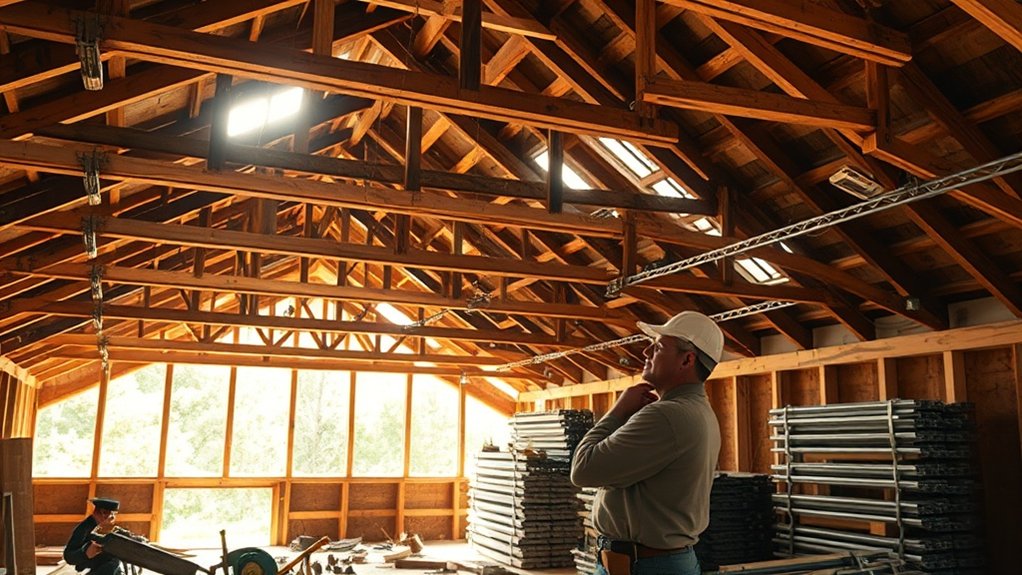
When planning a roof installation, it’s vital to assess your home’s structural integrity, as this forms the basis for a successful project.
Conducting thorough inspections to identify weakened trusses or damaged joists enables you to apply effective repair methods before installation starts. Addressing problems like rot or insect damage can prevent costly collapses and prolong the life of your new roof. You may need to reinforce your structure with hurricane straps or replace old timber, which could add between £400 to £1,200 to your budget. Remember, these repairs not only boost safety but also enhance energy efficiency and can positively affect your property’s resale value. Additionally, roofing labor constitutes a significant portion of your overall expenses, so ensuring your structure is sound can help avoid unforeseen costs later on. Regular roof inspections can also help identify hidden issues that could escalate into costly repairs.
Prioritising structural integrity protects both your investment and your peace of mind.
Removal and Disposal of Old Roofing

When planning a roof installation, the costs for removing and disposing of old roofing can quickly add up. Factors such as the type of material, size of the roof, and local disposal regulations significantly affect your overall expenses. For instance, disposing of slate tiles may cost more than asphalt shingles due to weight and handling requirements. Moreover, it’s crucial to comply with health and safety standards during the removal process to avoid fines and environmental issues. Additionally, improper disposal of asbestos materials can lead to significant legal and health risks, making professional removal essential. Consulting with local authorities early in the process can help ensure compliance with regulations regarding the disposal of roofing materials.
Cost Considerations
Understanding the cost considerations for removing and disposing of old roofing is crucial, as several factors can affect your overall expenses.
For example, asbestos removal can range from £5 to £20 per square metre, while general debris removal typically costs around $0.39 to $0.48 per square metre. Additionally, labour costs in urban areas can significantly increase your total expenses, particularly if your roof is steep or contains hazardous materials.
Additionally, disposal fees will vary depending on the type and volume of materials. Renting a skip can simplify the removal process but may come with daily charges.
Cleanup and Compliance
Removing and disposing of old roofing materials requires careful attention to cleanup and compliance with various regulations. Compliance can be challenging, particularly when handling hazardous materials like asbestos, which need specialised disposal methods.
Following proper cleanup protocols is crucial to avoid legal penalties and additional costs.
Ensure you obtain the necessary permits to meet safety and environmental standards; failing to do so could result in hefty fines. Hiring licensed professionals not only ensures compliance but also protects your property and the environment.
Keeping proper documentation for hazardous waste disposal is vital to confirm that materials are managed correctly.
Ultimately, thorough cleanup reduces risks and ensures your project aligns with regulations, safeguarding both workers and residents.
Permits, Compliance, and Safety Inspections

When planning your roof installation, it’s important to consider permit fees, which can vary significantly depending on your location and the specifics of your project.
Compliance inspections are crucial to ensure your roofing adheres to local building regulations, and these may incur additional costs.
Furthermore, safety certification requirements during the installation can also affect your overall budget, so it’s essential to be aware of these potential hidden expenses.
Permit Fees Overview
Navigating roofing permit fees is essential for proper project budgeting and compliance with local regulations.
Understanding the fee structures can help you save both time and money. Here are some key points to consider:
- Fee Range: Full roof replacements typically cost between £120 and £400, while repairs can range from £60 to £200.
- Calculation Methods: Fees might be a flat rate or based on the project’s value and size.
- Variability: Costs can vary significantly by location, with urban areas generally facing higher fees.
- Exemptions: Some minor projects may not need permits, but historic properties often have stricter regulations.
Factoring in these aspects during your planning can lead to a smoother roofing process while ensuring compliance with local laws.
Compliance Inspection Costs
When installing a roof, understanding compliance inspection costs is crucial for keeping your budget in check and meeting local regulations. Different types of inspections, such as routine checks and specialised assessments, can significantly affect your overall expenses.
For instance, documentation fees for compliance reports can add an extra 5–15% to your total costs, especially if you need to make revisions after the initial inspection.
If non-compliance issues are found, you may face re-inspection costs, which typically range from 50–75% of the original fee. This can lead to delays and further increase your project expenses.
Additionally, regular updates to regulations can complicate the inspection process, meaning you must ensure compliance with the latest standards.
Staying aware of these costs will help you manage your roofing project effectively and provide quality service to your community.
Safety Certification Requirements
Meeting compliance inspection requirements is just one part of ensuring a successful roof installation; safety certification requirements are equally important.
To navigate these effectively, keep the following in mind:
- Licensing: Ensure your roofing contractor has valid local and national licences.
- Permits: Confirm that all necessary permits are secured before work commences to comply with local regulations.
- Safety Training: Make sure that workers have received appropriate safety training and are familiar with fall protection systems.
- Certification Processes: Verify that all safety equipment, such as roof anchors, meets the required testing and certification standards.
Neglecting these requirements can result in serious legal consequences and endanger worker safety.
Taking the time to understand these elements not only safeguards your project but also ensures the wellbeing of everyone involved.
Material and Labor Cost Variability

Understanding the variability in material and labour costs is crucial when planning a roof installation. Your choice of materials significantly affects your budget; for instance, asphalt shingles are the most cost-effective option, whereas premium materials like slate can exceed £10 per square metre.
Cost forecasting can be tricky due to fluctuations in raw material prices, often influenced by oil and metal market trends.
Labour costs, which can account for 40% to 60% of the total expenses, vary depending on the complexity of the roofing materials and your location. In areas with high demand or following severe weather events, labour rates can increase sharply.
Keeping these factors in mind will help you navigate the financial aspects of your roofing project, leading to a more accurate budget.
Incidental Repairs and Upgrades

Even with a carefully planned budget for your roof installation, unforeseen costs can crop up, particularly in the form of incidental repairs and upgrades.
These expenses can quickly add up and affect your overall budget. Here are some common incidental upgrades to consider:
- Structural Repairs: Hidden damage might necessitate replacing plywood or trusses, costing anywhere from £500 to £5,000.
- Flashing Upgrades: Replacing flashing typically costs between £200 and £750 to prevent future leaks.
- Vent Installations: New vents around chimneys or skylights can add £75 to £800.
- Code Compliance: Upgrades required to meet local building regulations can lead to additional costs ranging from hundreds to thousands of pounds.
Being aware of these potential incidental upgrades will help you manage unexpected expenses more effectively.
Project Delays and Additional Fees

When planning your roof installation, be aware that various factors can cause unexpected delays and additional costs.
Weather conditions, such as rain or snow, can halt work for days, potentially extending your timeline by 1 to 2 days for each day lost.
Supply chain issues are also a concern, with material wait times averaging around 85 days.
Labour shortages can complicate matters further, as busy crews may take longer to complete your installation.
Additionally, obtaining permits and scheduling inspections can lead to weeks of delays, particularly if local offices are backlogged.
All these factors can contribute to increased expenses, so it’s wise to prepare for possible setbacks in your roofing project.
Hidden Labor Costs
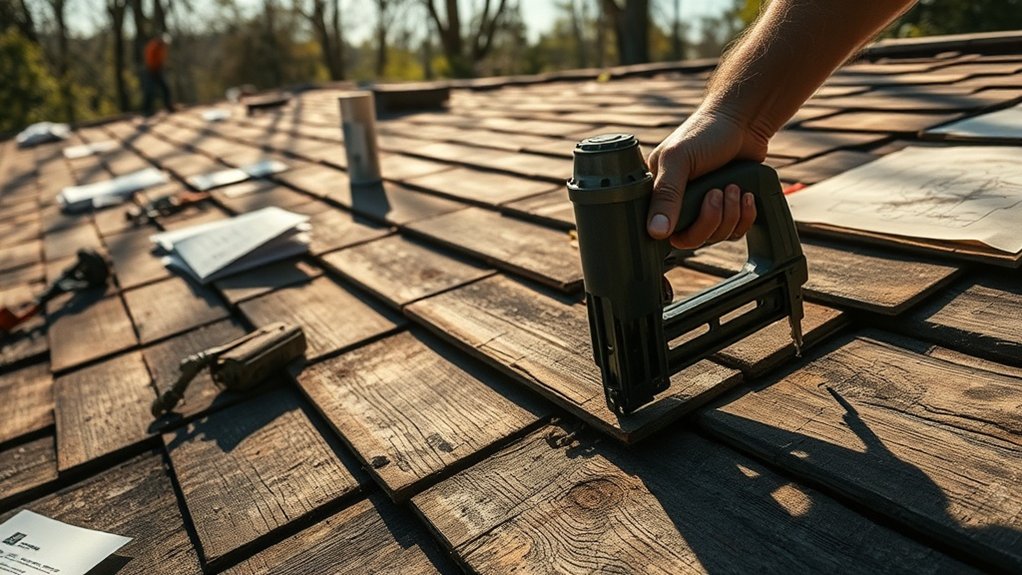
Project delays and unexpected issues can significantly affect your roofing budget, but hidden labour costs often account for a larger part of your overall expenses. Here are some key factors to consider:
- Labour Rate Variation: Rates typically average around £60, but they can rise with project complexity or contractor expertise.
- Structural Repairs: Discovering damage after the roof has been stripped can lead to additional hidden labour costs.
- Compliance Work: Adhering to updated building regulations may require extra labour hours.
- Seasonal Demand: Labour costs can increase during peak seasons, contributing to unforeseen expenses.
Being aware of these hidden labour costs allows you to budget effectively, ensuring a smoother roofing project that meets your requirements and complies with regulations.
Financing Options and Their Impact

When looking into financing options for roof installation, it’s crucial to understand the choices available, as they can significantly affect your budget and financial wellbeing.
Key options to consider include home equity loans, HELOCs, personal loans, credit cards, and contractor financing.
Home equity loans typically offer fixed rates and longer repayment periods, but they put your home at risk if you default on payments.
On the other hand, a Home Equity Line of Credit (HELOC) provides more flexibility, yet it comes with variable interest rates, making it harder to predict monthly costs.
Personal loans are generally quicker to obtain but may carry higher interest rates.
Credit cards can be useful for emergencies, but they often lead to costly debt if not managed properly.
Lastly, contractor financing can streamline the process, but be aware that it might place a lien on your property.
Comparing these options carefully will help you find the best fit for your situation and safeguard your financial future.
Frequently Asked Questions
How Can I Identify Hidden Structural Issues Before Installation?
To identify hidden structural issues before installation, carry out a comprehensive structural inspection. Look for signs of damage, such as sagging ceilings, water stains, or soft spots in the walls. Tools like moisture meters can be particularly useful in detecting potential issues. For example, if you notice damp patches, it could indicate a more serious problem, like a leak that needs addressing.
Are There Warranties Available for Roofing Materials?
Yes, there are several warranties available for roofing materials that protect against defects. It’s important to read the terms carefully to understand any exclusions and ensure you’re adequately covered for the duration of your roof’s life. For example, some warranties may cover materials but not the labour or installation, so be sure to clarify what’s included.
What Are the Common Types of Roofing Materials?
Common roofing materials include asphalt shingles, valued for their affordability; metal roofing, recognised for its durability; tile roofing, which provides energy efficiency; wooden shakes, offering a rustic appeal; and rubber membranes, appreciated for their low maintenance and weather resistance.
How Does Roof Pitch Affect Installation Costs?
Did you know that steep roofs can raise installation costs by as much as 30%? The pitch of a roof significantly influences both labour and material expenses. For example, complex angles require specialised skills and additional safety measures, which in turn increase overall costs.
Can I Install a New Roof During Winter Months?
Yes, you can install a new roof during the winter months. However, be mindful of challenges such as icy surfaces and the brittleness of certain materials. With proper preparation and safety measures, a winter installation can be successful while minimising risks. For instance, using materials designed for colder temperatures can help ensure a good fit and finish.
Conclusion
When preparing for a roof installation, it’s essential to look beyond just the new shingles. Hidden costs can significantly impact your budget if you’re not careful. For instance, you might encounter structural repairs if your roof’s framework is in poor condition. Additionally, disposal fees for the old materials can add up. Delays due to weather or unexpected issues can also lead to increased labour costs. By being aware of these potential expenses, you can plan more effectively and avoid financial strain while ensuring a solid roof over your head.


