

Potable Rainwater Systems: Treatment Requirements
To ensure potable rainwater systems meet safety standards, it’s essential to comply with regulations such as CSA B805-18/ICC 805-2018. Effective filtration is necessary to remove contaminants, and a reliable disinfection method, like UV treatment or chlorination, is vital to eliminate pathogens. Regular maintenance, including inspections and cleaning, helps maintain water quality. It’s also important to use approved materials and monitor the system properly. For more insights, explore advancements in treatment technologies and ways to improve system efficiency.
Key Takeaways
- Adhering to CSA B805 standards is vital for ensuring safety and public health in potable rainwater systems.
- Effective filtration, such as filters certified to ANSI/NSF 53 standards, helps eliminate harmful particles and pathogens.
- Regular disinfection methods, including UV treatment or chlorination, are necessary for microbial safety.
- Ongoing monitoring of water quality parameters, like pH and turbidity, is essential for compliance.
- Regular maintenance, including cleaning filters and tanks, not only prolongs system life but also maintains water quality.
Regulatory Standards for Potable Rainwater
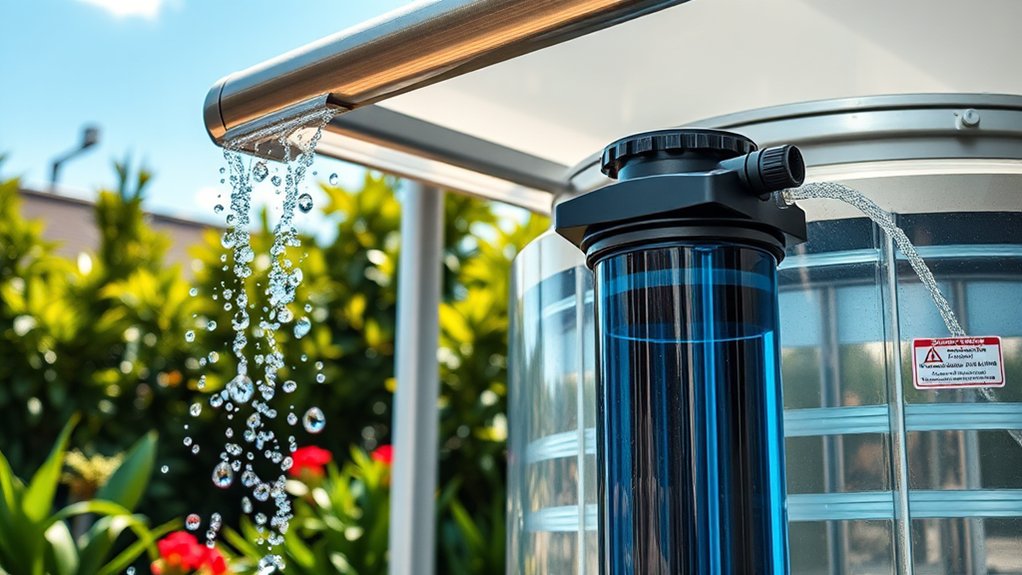
When implementing potable rainwater systems, it’s crucial to follow established regulatory standards to ensure safety and compliance. The relevant guidelines, such as those outlined in the CSA B805-18/ICC 805-2018 and its updated version CSA B805:22/ICC 805:2022, define essential design and operational parameters to meet local regulations for human consumption.
In the UK, there are often requirements for licensed professionals to design these systems, which helps protect public health. For example, in Scotland, strict filtration and disinfection standards are enforced to ensure rainwater is safe for drinking. Additionally, the second edition some local councils require permits, reviews, and inspections, highlighting the importance of having documented design specifications. Adhering to these guidelines not only ensures compliance but also promotes the safe and effective use of potable rainwater systems, ultimately benefiting the community.
Water Quality Targets for Safe Consumption
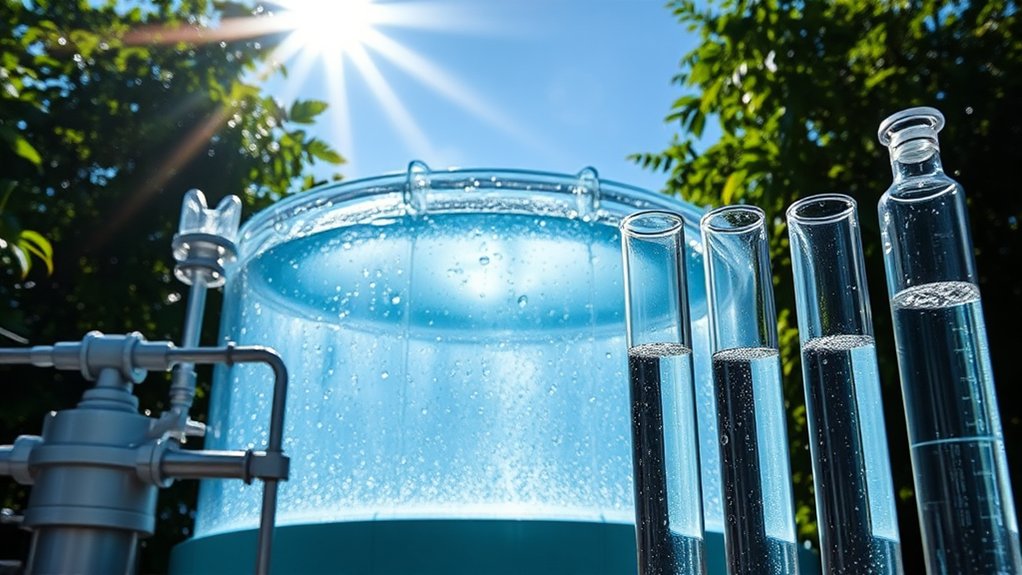
To ensure rainwater is safe for drinking, it’s essential to meet specific water quality standards that cover both microbial and chemical aspects.
You need to achieve zero total coliform and faecal coliform bacteria through thorough microbial testing, as these can lead to serious health issues. Pathogens must be absent, and disinfection methods such as chlorination or UV treatment are vital for maintaining safe microbial levels. Regular chemical testing is also important; monitor pH levels, total dissolved solids, and any toxic contaminants.
Keeping turbidity low and sodium levels within acceptable limits further enhances safety. By following these standards, you reduce the risks of contamination and confirm that rainwater is fit for consumption, promoting health through improved water and confidence in rainwater harvesting systems.
Importance of Filtration and Pre-treatment
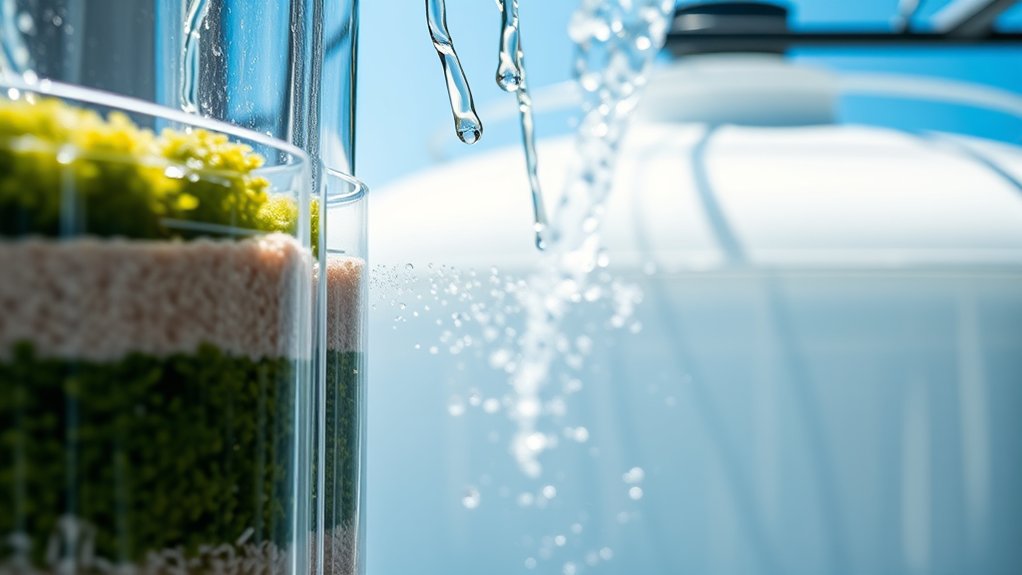
Filtration and pre-treatment are vital in ensuring the safety and quality of potable rainwater systems. Effective filtration removes particulates, sediment, and some pathogens, improving overall quality. For example, ANSI/NSF 53 certified cartridge filters can eliminate 99% of harmful particles. Additionally, proper rain harvesting systems are necessary for effective conversion to potable water.
Pre-treatment methods, such as first flush diverters, are important for removing initial runoff contaminants, protecting downstream filtration systems. Additionally, using sand layers and grit chambers helps shield filters from wear, extending their lifespan. This proactive approach reduces solid load, ensuring that subsequent disinfection processes work effectively.
Effective Disinfection Methods
Effective disinfection methods are crucial for ensuring that rainwater systems provide safe drinking water. You have several options for disinfection.
For instance, chlorination effectively kills microorganisms and offers residual protection, but it requires careful monitoring due to potential harmful byproducts. Another method is ultraviolet (UV) light, which disrupts microbial DNA but works best with clear water.
Ozonation is a quick disinfection method that leaves no residues, although you’ll need additional measures for long-term safety.
You might also consider using reverse osmosis or automatic chemical dosing systems for ongoing protection. Each method requires careful attention and regular maintenance to ensure optimal effectiveness.
Essential System Materials for Potable Use
When setting up a potable rainwater system, it’s crucial to use materials that meet approved standards to ensure the water is safe to drink.
To prevent contamination, opt for non-toxic piping and reliable filtration systems.
Moreover, consider design elements like proper slope and sizing to improve the efficiency of water flow from collection to storage.
For instance, a well-sized downpipe can help direct rainwater effectively into your storage tank, reducing the risk of overflow and contamination.
Approved Material Standards
To ensure the safety and quality of potable rainwater systems, all materials must comply with certified standards for drinking water.
Check that piping and plumbing materials meet local plumbing regulations or are certified by recognised programmes like NSF/ANSI 61. This certification is also necessary for tanks and plastic components to prevent harmful substances from leaching.
For roofing, choose durable metals and steer clear of copper, which can lead to contamination. Additionally, ensure that any water level control devices are mercury-free.
It’s crucial to clean and screen collection elements, including gutters and tanks, to maintain water quality. Following these material standards is essential for protecting public health.
Contamination Prevention Techniques
Contamination prevention is crucial for ensuring the safety of drinking rainwater systems, and using effective techniques can significantly reduce risks.
Start with regular inspections of your roof to spot harmful materials that might leach chemicals into the rainwater. Clean your gutters every 3-4 months to avoid debris build-up.
Installing first-flush devices can help divert the initial runoff away from storage tanks, minimising contamination. Choose roofing materials and gutters that are less likely to leach pollutants, further protecting water quality.
Additionally, regularly clear away plant matter and animal waste from roofs and gutters to remove potential contamination sources.
System Design Considerations
Choosing the right materials for your rainwater harvesting system is crucial for ensuring the safety and durability of your water supply.
For gutters and pipes, galvanised iron is suitable for areas with heavy rainfall, but be cautious of its rust potential in coastal regions. PVC pipes are a cost-effective option and resist corrosion, although they can degrade when exposed to UV light. CPVC and PEX are ideal for potable water due to their flexibility and compliance with drinking water regulations.
Always select certified materials, such as those meeting the UK standards for drinking water, to ensure safety.
For storage tanks, polyethylene is both durable and resistant to corrosion, while metal tanks offer strength.
Prioritising these materials enhances the efficiency of your rainwater system and safeguards public health.
Design Considerations for Rainwater Systems
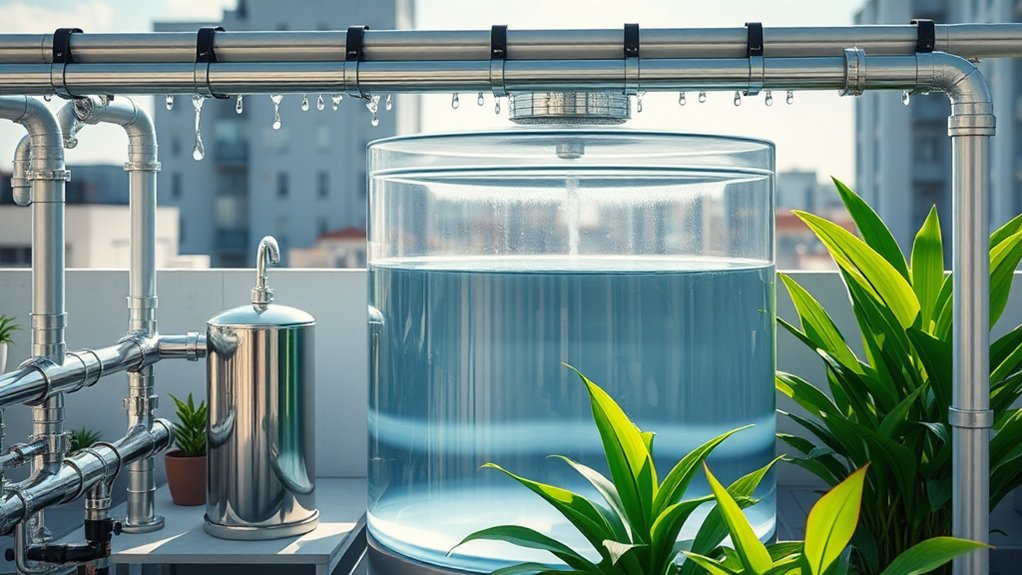
When designing a rainwater harvesting system, it’s crucial to understand how the catchment area, storage tank, filtration methods, and distribution layout work together. This ensures both efficiency and water quality.
For the catchment area, opt for non-toxic, durable materials and size it according to local rainfall patterns. For the storage tank, ensure it is watertight with a smooth interior, and position it for easy maintenance.
| Design Element | Key Considerations |
|---|---|
| Catchment Area | Size, material, slope, cleanliness |
| Storage Tank | Watertight, size, accessibility |
| Filtration System | Initial filters, first-flush diverters |
| Distribution Layout | Outlet placement, necessity of pumps |
| Maintenance Access | Easy access for inspection and cleaning |
Monitoring Water Quality and Compliance
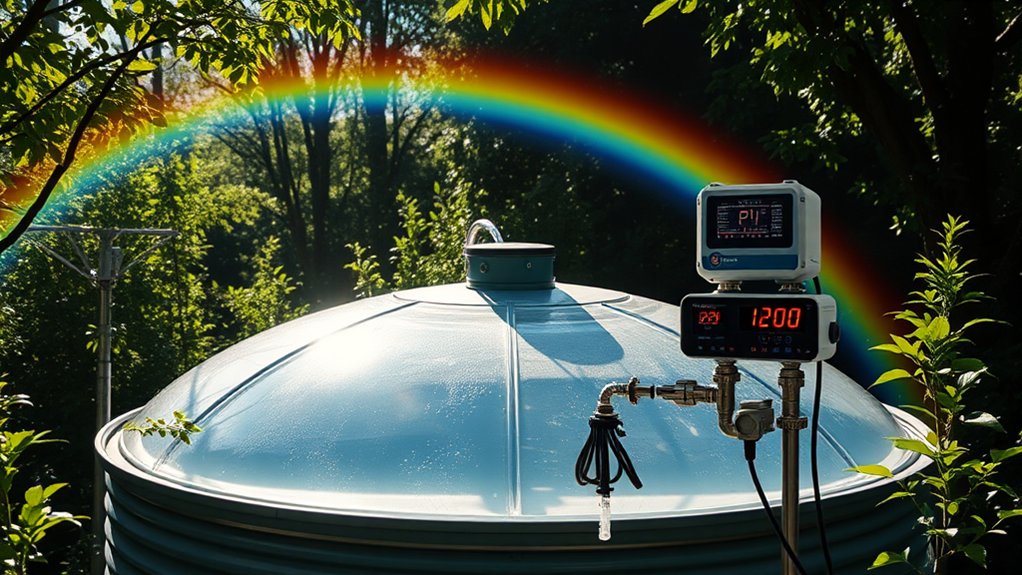
To ensure the safety and compliance of potable rainwater systems, it’s vital to continuously monitor water quality and adhere to local regulations. Here are three key areas to concentrate on:
1. Sensor Calibration: Regularly calibrate sensors for pH, turbidity, and disinfectant levels to ensure accurate readings.
For example, if a sensor shows fluctuating pH levels, it could indicate contamination.
2. Data Analytics: Employ Data Analytics tools to identify trends and spot irregularities in water quality metrics over time.
This can help you catch potential issues before they become serious.
3. Compliance Documentation: Keep thorough records of inspections, water quality tests, and system maintenance.
This documentation is crucial for demonstrating compliance with regulatory standards.
Maintenance Practices for System Reliability
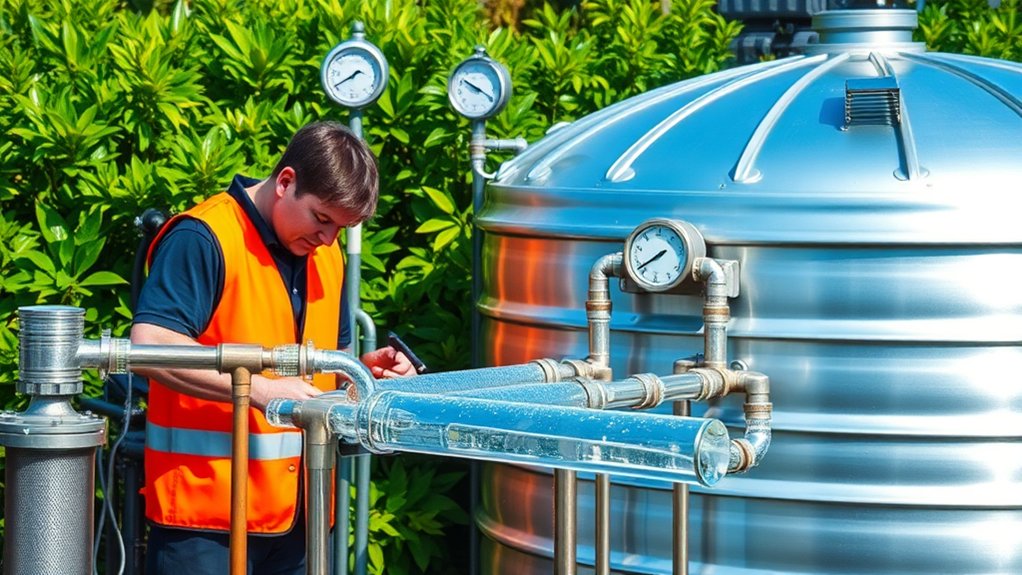
Ensuring the reliability of potable rainwater systems is just as crucial as monitoring the water quality. Regular maintenance is vital for optimal performance and longevity. Here’s a straightforward guide to essential maintenance tasks:
| Maintenance Task | Frequency |
|---|---|
| Clean gutters and downpipes | Every three months |
| Inspect and clean filters | Monthly |
| Clean the tank | Annually |
| Lubricate pump bearings | Every three months |
Addressing Contamination Risks
While rainwater harvesting can provide a sustainable water source, it’s crucial to address contamination risks to ensure its safety for drinking. Here are three key considerations:
- Microbial Contamination: Pathogens such as *E. coli* and *Giardia lamblia* can come from animal faeces on collection surfaces, which may pose serious health risks.
- Chemical Pollutants: Heavy metals and other pollutants can seep into collected rainwater, especially in urban areas, increasing the risk of chemical contamination.
- Exposure Pathways: The highest risk of infection comes from drinking untreated rainwater.
Also, while the risk is lower, inhaling aerosols during showers still warrants attention.
To protect public health, it’s essential to implement effective pre-filtration systems and maintain them regularly.
Implementing Quality Assurance Measures

To ensure the safety of your rainwater system, it’s crucial to implement regular testing protocols to identify any potential contaminants.
Stick to a strict maintenance schedule to keep your filtration and storage components working properly. For example, check filters monthly and clean storage tanks regularly.
Regular Testing Protocols
Implementing regular testing protocols is crucial for ensuring the safety and quality of potable rainwater systems.
Here are key considerations for effective water quality monitoring:
- Testing Frequency: Set a schedule that takes into account seasonal variations and potential contamination risks, such as heavy rainfall or nearby construction.
- Sample Locations: Identify key points in the system, like storage tanks and taps, to gather representative samples for testing.
- Comprehensive Tests: Conduct bacteriological, chemical, and physical tests to check for pH levels, turbidity, and microbial contamination.
Maintenance Schedule Compliance
Regular testing protocols are essential for ensuring the safety and quality of potable rainwater systems, but sticking to a strict maintenance schedule is equally vital for long-term reliability.
Effective maintenance scheduling means setting clear intervals for tasks such as cleaning gutters, replacing filters, and conducting annual inspections. Keep an eye on environmental factors and adjust frequencies as necessary; for example, you may need to clean gutters more often during heavy pollen seasons.
It’s crucial to maintain detailed records of all activities to comply with local regulations and standards. Monitoring performance metrics helps catch any issues early, allowing for prompt corrective action.
Innovations in Rainwater Treatment Technologies
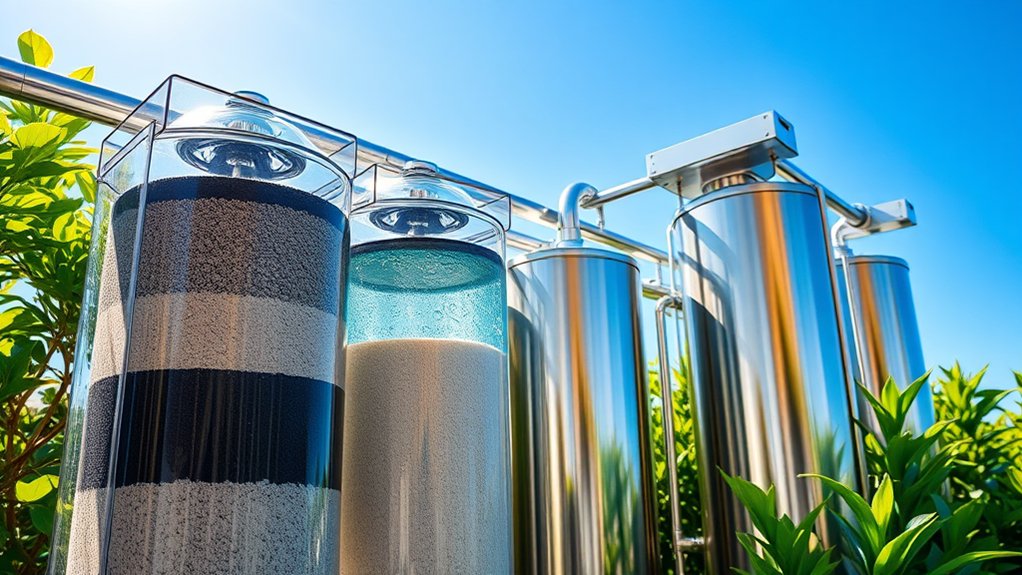
Innovations in rainwater treatment technologies are reshaping how we manage this vital resource, particularly through the use of artificial intelligence and advanced filtration systems.
- AI Optimisation: Real-time AI models fine-tune chemical dosing and energy consumption, helping to ensure compliance with regulations while cutting costs.
- Hybrid Systems: These systems merge rainwater harvesting with greywater recycling, boosting water efficiency and reducing household bills.
- Advanced Filtration Technologies: Multi-stage processes, including UV treatment, ensure microbiological safety and adhere to strict standards for drinking water.
Frequently Asked Questions
How Can I Reduce Costs in a Rainwater Treatment System?
To cut costs in a rainwater treatment system, consider these practical approaches: optimise your system design, utilise existing infrastructure, and tailor treatment levels to specific uses. For instance, if rainwater is only for irrigation, a less intensive treatment may suffice, saving money on unnecessary filtration.
What Are the Environmental Benefits of Using Potable Rainwater?
Using potable rainwater offers significant environmental benefits. It helps reduce pollution, supports biodiversity, and conserves valuable resources. For instance, collecting rainwater can lessen the demand on mains water systems, leading to less energy used in water treatment and distribution. This simple practice can lead to substantial ecological advantages, proving that straightforward solutions can have a big impact.
Can Rainwater Systems Coexist With Existing Municipal Water Supplies?
Yes, rainwater systems can work alongside municipal water supplies in the UK, as long as you follow interconnection standards and ensure water quality is maintained. This approach not only promotes sustainability but also guarantees safe water access for everyone in the community. For instance, using rainwater for non-potable purposes like toilet flushing can reduce demand on the mains supply, benefiting both the environment and local water resources.
What Is the Average Lifespan of Rainwater Treatment Components?
Managing the lifespan of rainwater treatment components is essential. Typically, filters last between 2 to 15 years, depending on usage and maintenance. Regular upkeep is vital to ensure your system consistently provides clean water. For instance, changing filters on schedule can prevent contamination and prolong the life of your system.
Are There Grants Available for Installing Rainwater Harvesting Systems?
Yes, there are several funding opportunities for installing rainwater harvesting systems in the UK. You should check out schemes like the Farming Equipment and Technology Fund (FETF) and the Agricultural Water Management Grant, which offer substantial financial support for these eco-friendly projects.
Conclusion
Integrating potable rainwater systems into your water supply can significantly boost sustainability and resilience. By following regulatory standards and employing effective treatment methods, you ensure the safety of your water for future generations. Just as medieval castles depended on rainwater for their survival, modern systems require careful maintenance to prevent contamination. Investing in quality and innovative solutions not only protects your health but also respects the resourcefulness of our ancestors.


