
A Guide to Green Roofs for Commercial Properties
Green roofs can turn your commercial property into a beacon of sustainability and efficiency. There are three types to consider—extensive, intensive, and semi-intensive—allowing you to select the best fit for your needs. These roofs can reduce energy costs by as much as 50% and significantly boost your property's value.
Beyond financial benefits, green roofs effectively manage stormwater, helping to prevent flooding and encouraging biodiversity. They also contribute to improved air quality and lower urban temperatures. With the right planning and maintenance, green roofs provide clear advantages that align with contemporary sustainability objectives. Explore how you can embark on this eco-friendly journey.
Key Takeaways
- Green roofs enhance commercial properties by improving energy efficiency, potentially cutting cooling costs by up to 50% and extending the lifespan of HVAC systems.
- Extensive green roofs are perfect for budget-friendly projects due to their lightweight design and low maintenance needs, whereas intensive roofs can accommodate a wider variety of plants.
- Green roofs are excellent for stormwater management, capable of retaining up to 90% of rainfall, which helps to alleviate urban flooding and eases the burden on drainage systems.
- Local regulations and zoning incentives can encourage the adoption of green roofs, supporting sustainability in commercial developments.
- Regular maintenance, including checking drainage and caring for plants, is crucial for the health and longevity of green roof ecosystems.
What Are Green Roofs?
Green roofs are innovative systems that incorporate vegetation into building designs, turning otherwise unused roof spaces into vibrant green areas. They can be categorised into three main types: extensive, intensive, and semi-intensive, each varying in soil depth, plant diversity, and maintenance requirements. Your choice will depend on factors like the structural load capacity of the building and how accessible the roof is.
The concept of green roofs dates back thousands of years, with examples found in ancient civilisations. However, their popularity has surged in recent years due to urbanisation and the growing need for sustainable solutions. Nowadays, you can find green roofs on commercial buildings, residential homes, and renovated structures, showcasing their versatility. Intensive green roofs are particularly popular in commercial buildings due to their ability to provide recreational space and support larger plants. Additionally, they can combat the urban heat island effect, which is crucial in densely populated areas.
A green roof consists of several layers, including plants, a growing medium, and waterproofing systems. This setup not only enhances the visual appeal of a building but also aids in managing stormwater and providing habitats for wildlife.
When considering a green roof, it's important to take into account local regulations and structural factors. Adopting green roofs can boost your building's sustainability while benefiting the community by fostering biodiversity and enhancing urban environments.
Key Benefits of Green Roofs
Investing in green roofs brings a wealth of benefits that can significantly enhance the performance and attractiveness of commercial properties. By adding these features, you adopt sustainable practices that lower energy demands and boost the efficiency of your building.
Green roofs can reduce cooling energy requirements by up to 20%, potentially saving you around 50% in energy costs each year. Additionally, they help divert stormwater into drainage systems, preventing flooding and protecting your property from potential water damage. These systems can manage up to 75% of urban water runoff, further reducing the risk of flooding.
From an economic perspective, green roofs can increase property value, particularly in urban settings where green spaces are scarce. This investment results in long-term savings through improved insulation, which in turn lowers operational costs.
Additionally, green roofs help mitigate the urban heat island effect, creating a cooler and more pleasant environment for all. They also prolong the lifespan of mechanical systems by easing the burden on HVAC units, ensuring they run more efficiently.
Furthermore, green roofs enhance air quality by absorbing carbon dioxide and releasing oxygen, contributing to a healthier community. By opting for green roofs, you're not just improving your property; you're committing to sustainability and fostering a vibrant ecosystem in your urban area.
Environmental Advantages

Green roofs offer significant environmental benefits.
They're essential for effective stormwater management, enhancing biodiversity, and improving air quality. By absorbing excess rainwater, green roofs help reduce runoff and ease the pressure on urban drainage systems. Additionally, the plants support local wildlife and contribute to air purification, making them a sustainable option for commercial properties. Furthermore, green roofs can also reduce urban heat by providing insulation, which helps lower surrounding temperatures and enhances energy efficiency. Moreover, they can contribute to reducing GHG emissions in alignment with sustainability initiatives by decreasing reliance on traditional energy sources.
Stormwater Management Benefits
Stormwater management is vital for sustainable urban development, and green roofs provide considerable benefits in this regard. By adding green roofs to your commercial property, you can improve stormwater capture and manage runoff more effectively. These systems can retain between 70-90% of rainfall in summer and 25-40% in winter, capturing a significant amount of rainwater from storms. In fact, green roofs typically intercept the first 5mm of rainfall for effective storage.
Key benefits of green roofs for stormwater management include:
- Reducing overall stormwater runoff by up to 65%
- Delaying peak runoff and lowering peak flow rates
- Easing pressure on sewer systems during heavy rainfall
- Moderating water temperature and acting as natural filters
- Mitigating the urban heat island effect
These advantages not only bolster the resilience of urban areas but also support sustainable development by preserving conditions similar to pre-development land use.
Investing in green roofs enhances your property while benefiting the community and environment. Seize this opportunity to contribute to a greener, more sustainable future.
Biodiversity Enhancement
A green roof can significantly boost biodiversity in urban areas, turning dull spaces into lively habitats. By selecting the right species, you can create an ecosystem that supports a range of plants and animals. Native plants are often the best option, as they thrive in local conditions and provide essential food and shelter for wildlife. Including a variety of plant types and growth forms enriches the habitat and attracts more species. The age and size of the green roof also play a role; older and larger roofs tend to support more life due to deeper substrate and greater plant cover. This complexity fosters better microclimates for different organisms. Additionally, green roofs serve as effective insulation layers that help regulate indoor temperatures, making them beneficial for both the environment and energy efficiency.
Linking green roofs can also help migrating species move between fragmented urban areas, further enhancing biodiversity. By nurturing these ecosystems, you're not just improving the look of your surroundings; you're also supporting healthier urban communities. Green roofs act as vital stepping stones for wildlife, promoting environmental resilience and sustainability. Embrace the potential of green roofs to positively impact biodiversity in your city.
Air Quality Improvement
Green roofs provide an effective solution for enhancing air quality in urban areas. By incorporating greenery into commercial buildings, you can significantly improve air quality. These roofs filter out pollutants and carbon dioxide, contributing to a reduction in harmful emissions.
The plants on these roofs actively capture airborne pollutants and help lower indoor ozone levels, creating a healthier environment.
Here are some key air quality benefits of green roofs:
- Pollutant filtration: They clean the air by filtering out harmful substances.
- Ozone reduction: Green roofs limit the amount of outdoor ozone that enters buildings.
- Carbon dioxide absorption: Plants convert CO2 into oxygen, purifying the air.
- Cooling through evapotranspiration: This process helps cool the air, countering the urban heat island effect.
- Ecological enhancement: Green roofs promote a balanced urban ecosystem.
Investing in green roofs not only improves air quality but also reduces energy costs for cooling, increases indoor comfort, and extends the lifespan of heating, ventilation, and air conditioning (HVAC) systems. Additionally, incorporating sustainable practices into building design can further enhance these benefits by minimizing environmental impact.
Energy Efficiency Benefits
When it comes to energy efficiency in commercial properties, green roofs are a highly effective option. They improve insulation, help maintain consistent indoor temperatures, and can significantly reduce heating and cooling costs by up to 25%. By absorbing and reflecting solar radiation, green roofs minimize heat gain in summer and keep buildings warmer during winter.
The effects on HVAC efficiency are notable. Green roofs lower cooling demands, particularly in urban settings, and can reduce air conditioning energy use by as much as 75% during peak summer months. This results in substantial energy savings and extends the lifespan of HVAC systems by reducing operational strain. Additionally, effective roof ventilation can further enhance energy efficiency by preventing heat accumulation.
| Benefit | Energy Savings | Climate Resilience |
|---|---|---|
| Insulation | Reduces temperature fluctuations | Stabilises indoor climates |
| HVAC Efficiency | Lowers cooling energy consumption | Mitigates urban heat effects |
| Longevity | Reduces wear on systems | Promotes sustainable practices |
Investing in green roofs is not just about improving energy efficiency; it's a commitment to fostering healthier, more resilient environments for all.
Economic and Financial Gains

Often overlooked in discussions about sustainability, the economic and financial benefits of installing green roofs on commercial properties can be considerable.
By integrating green roofs into your buildings, you not only enhance their value but also unlock various financial incentives.
Consider these economic benefits:
- Increased Property Value: Properties with green roofs tend to achieve higher sale and rental prices.
- Utility Cost Savings: Enjoy lower energy bills thanks to improved insulation.
- Tax Incentives: Benefit from tax relief for eco-friendly installations.
- Long-term ROI: A green roof can yield an impressive return on investment, often around 224%.
- Market Differentiation: Distinguish your property in a market increasingly focused on sustainability.
These financial incentives can help offset installation costs, which might initially seem daunting.
However, green roofs often pay for themselves within six years, making them a smart long-term investment.
Implementation Considerations
When considering a green roof for your commercial property, it's crucial to assess the structural integrity of your building to ensure it can bear the extra weight.
For instance, older buildings may require reinforcement.
Choosing the right plants is equally important; select species that thrive in the UK climate and need minimal upkeep, such as sedum or native wildflowers.
Structural Assessment Requirements
Conducting a thorough structural assessment is crucial for successfully installing green roofs on commercial buildings. This process ensures that the existing structure can bear the added weight and complexity of a green roof without compromising its integrity.
Key aspects to consider during the assessment include:
- Assessment Methodologies: Utilise structural analysis and load testing to determine the roof's load capacity.
- Documentation Review: Inspect original construction plans and relevant records.
- Material Analysis: Collect core samples to evaluate the strength of roofing materials.
- Professional Consultation: Seek advice from structural engineers or green roof specialists.
- Compliance Checks: Ensure compliance with local building codes and regulations.
Addressing these factors early can save on costly retrofits and design changes later. It's important to consider both dead and live loads, such as water and snow accumulation, while assessing the capacity of supporting columns and walls.
Effective communication among all parties involved is essential to navigate any challenges. By prioritising these structural assessment requirements, you'll lay the groundwork for a successful and sustainable green roof project that benefits both the environment and the community.
Vegetation Selection Guidelines
Choosing the right plants for a green roof is essential for its success and sustainability. It's important to select species that are compatible with your local climate, as they need to cope with temperature changes, wind, and varying rainfall.
Pay attention to soil depth; some plants flourish in shallow media, while others require more space for their roots.
Drought tolerance is key, so opt for resilient plants that can withstand limited water. Low-maintenance varieties are ideal to simplify upkeep. A mix of species, such as sedums, native grasses, and wildflowers, can boost biodiversity and attract helpful pollinators.
Consider seasonal factors too; evergreens provide year-round appeal, while other plants can offer vibrant changes throughout the year.
Assess your roof's microclimate—humidity and wind patterns will influence your choices. Regular maintenance, including watering and weeding, is necessary for the longevity of your green roof.
Types of Green Roofs
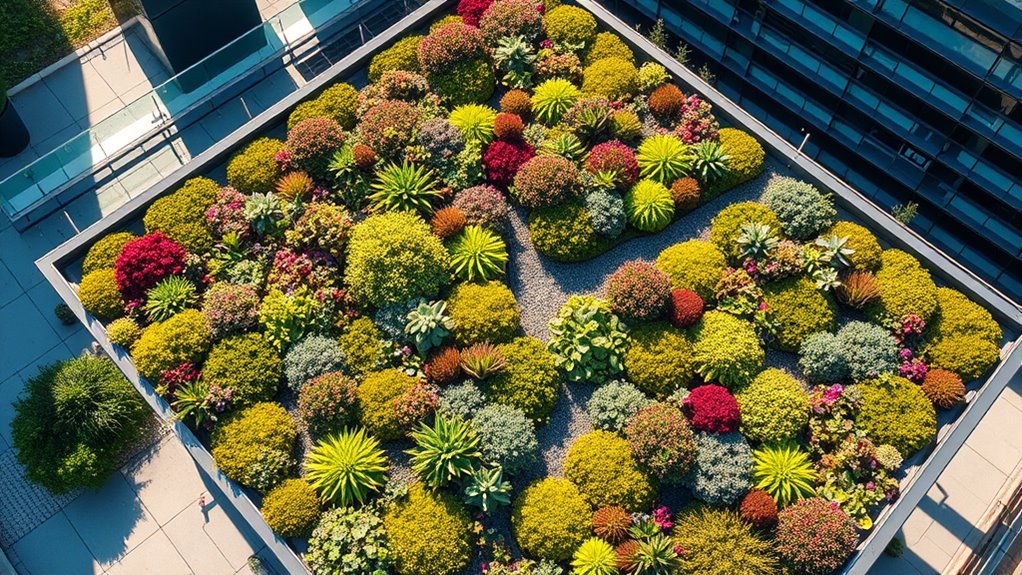
Different types of green roofs are available to meet the needs of commercial properties. Here's a quick overview to help you choose the right option for your building.
- Extensive roofs: Lightweight and low-maintenance, these roofs are perfect for those with budget or structural constraints. They typically feature hardy, drought-resistant plants like sedums and grasses.
- Intensive roofs: Heavier and more diverse, these roofs can support a variety of vegetation, including trees and shrubs. While they require more maintenance, they offer vibrant aesthetics and recreational spaces.
- Semi-intensive roofs: A combination of extensive and intensive features, these roofs strike a balance between visual appeal and manageable upkeep.
- Brown (or Biodiverse) roofs: Aimed at mimicking natural ecosystems, these roofs support various native plants. They focus on minimal maintenance while promoting biodiversity.
- Accessibility: Intensive and semi-intensive roofs often allow public access, while extensive and brown roofs are typically designed to be inaccessible.
Selecting the right type of green roof can boost your property's sustainability, enhance energy efficiency, and create a unique environment.
Structural Requirements
When considering green roofs for commercial properties, understanding the structural requirements is essential to ensure your building can support the extra weight and complexity.
Conduct thorough load calculations to determine how much additional weight your roof can handle—typically between 15 to 30 kilograms per square metre for extensive green roofs.
Material compatibility is also crucial; some materials, such as untreated wood and uncoated galvanised metal, can leach harmful pollutants and are unsuitable for green roofs.
You may need structural reinforcement to support the depth of your green roof system.
It's wise to consult a registered structural engineer to ensure your design complies with local building regulations.
They can confirm that your roof can bear the added weight and offer insights on safety measures, including fire resistance.
Also, consider access for construction and maintenance, along with logistics for material delivery and storage.
Maintenance and Upkeep
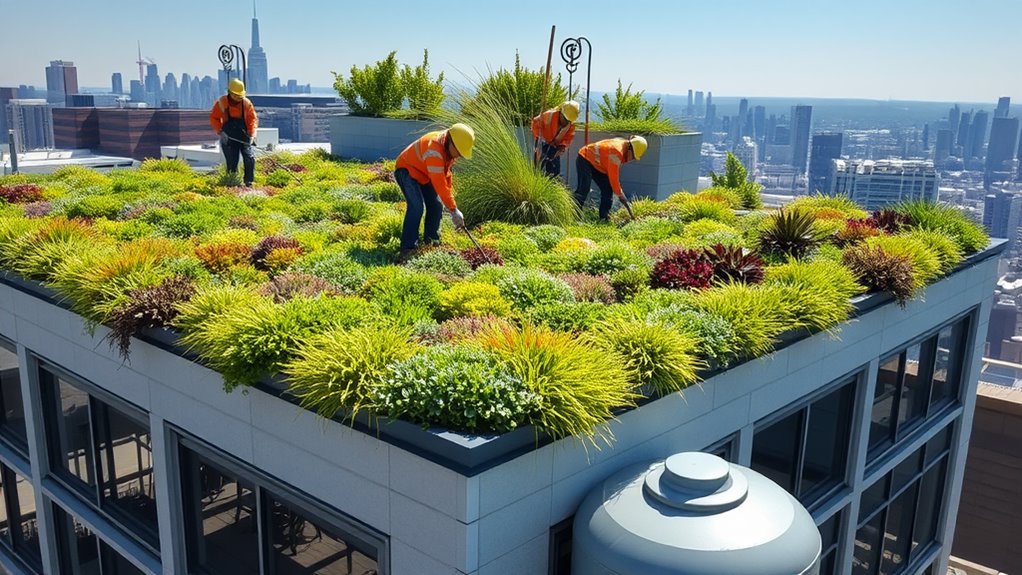
To keep your green roof thriving, establish a routine for maintenance that includes regular checks on plant health and the drainage system.
Being proactive helps you spot potential issues early, ensuring the longevity of your investment.
A well-maintained green roof not only enhances the visual appeal of your property but also offers environmental benefits that can attract tenants and customers.
Scheduled Maintenance Routines
A well-structured scheduled maintenance routine is vital for the longevity and health of green roofs on commercial properties. To ensure optimal performance, establish a maintenance frequency tailored to your roof's specific needs.
Regular inspections, ideally at least once a year, allow you to catch potential issues early. Effective inspection techniques include:
- Assessing plant health and growth
- Checking the condition of the growing medium
- Inspecting the drainage system for blockages
- Examining the waterproofing membrane
- Reviewing project requirements against actual performance
Don't overlook the importance of proper watering and irrigation. Keep an eye on moisture levels and perform checks on the irrigation system, especially during dry spells.
Weeding should be done 2-3 times a year, with a focus on invasive species.
Consider additional tasks like trimming, soil testing, and erosion control measures to enhance your green roof's durability.
Plant Health Monitoring
Monitoring plant health on green roofs is crucial for their vitality and longevity. By utilising advanced monitoring technology, you can create optimal conditions for your plants. Essential tools like weather stations and soil moisture sensors provide real-time data on wind, temperature, and moisture levels, allowing for effective irrigation management.
Investing in systems such as Reporter enables you to receive instant alerts about excessive dryness or moisture, helping you prevent plant stress early on. Selecting the right plants is important; they should be fire-resistant and appropriate for your local climate. A mix of species won't only improve the visual appeal but also cater to varied maintenance needs.
Efficient water use is a key advantage of monitoring. Customising irrigation based on current weather conditions conserves water and supports healthy plant growth. By being proactive, you can also reduce energy costs, manage stormwater efficiently, and tackle the urban heat island effect.
Ultimately, regular plant health monitoring guides informed management decisions, ensuring your green roof thrives while benefiting both the environment and the community. Focusing on this aspect of maintenance can lead to long-term success and sustainability for your commercial property.
Drainage System Checks
Maintaining optimal plant health on your green roof is essential, but ensuring a reliable drainage system is equally crucial for its longevity. A well-functioning drainage system prevents water pooling, protects your plants, and maintains the structural integrity of your building. Effective drainage solutions require consistent maintenance.
Here are key aspects to focus on:
- Clear Drains: Inspect and clear roof drains at least three times a year to prevent clogs from soil, debris, or plants.
- Inspect Drainage Layer: Check that the drainage layer uses synthetic materials and is between 0.25 and 1.5 inches thick for optimal performance.
- Regular Checks: Carry out bi-annual inspections to monitor erosion control measures and the overall functionality of the system.
- Preventive Design: Ensure that the drainage area for your green roof is no more than 25% larger than the roof itself to avoid excess water build-up.
- Routine Cleaning: Regularly clear leaves and debris from gutters and drains to ensure efficient water flow.
Climate Adaptation Strategies
As climate challenges intensify, the adoption of green roofs on commercial properties is becoming a vital adaptation strategy in the UK. These roofs effectively combat the urban heat island effect by absorbing heat and promoting evapotranspiration. For example, research indicates that a 50% green roof coverage in London could reduce surface temperatures by up to 0.8°C, leading to lower cooling energy costs.
In addition to temperature regulation, green roofs are excellent for stormwater management. They can reduce runoff by around 28%, as seen in various urban areas, helping to mitigate flooding and preventing sewage overflows. This also supports urban ecosystems by managing rainwater more effectively.
Furthermore, green roofs improve air quality and enhance biodiversity, adding both functionality and aesthetic value to properties.
There are economic advantages too; buildings with green roofs often experience increased property values and reduced energy consumption.
In summary, installing green roofs isn't only a wise business move but also a commitment to sustainable practices that benefit both the community and the environment.
Take this opportunity to lead in effective climate adaptation.
Long-term Effects on Buildings
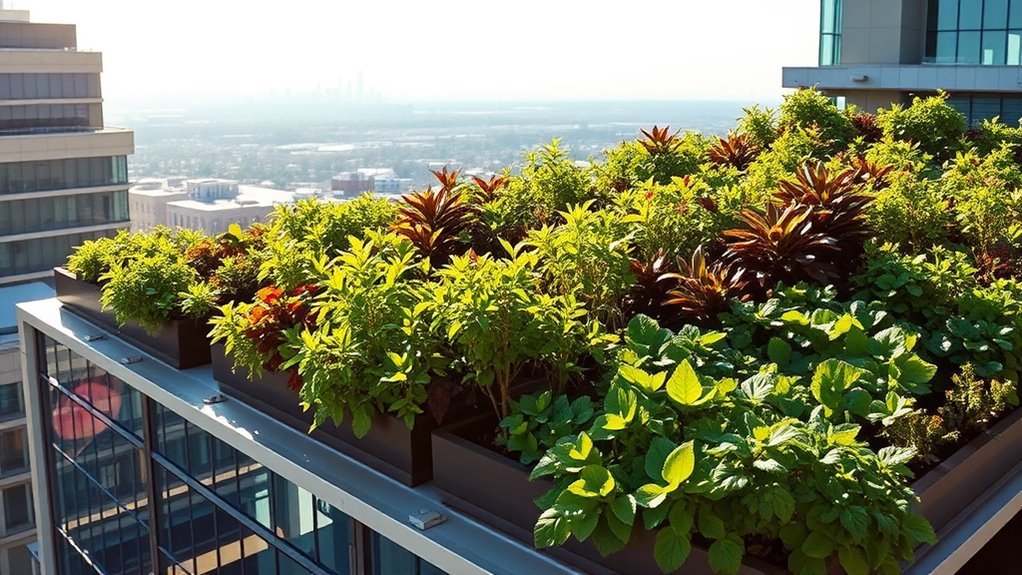
Many property owners may be surprised to discover the significant long-term benefits that green roofs can bring to their buildings. By increasing resilience, green roofs enhance energy efficiency and extend the lifespan of your property. Here's how they can make a difference:
- Lower Heating and Cooling Costs: Benefit from natural insulation, leading to reduced energy bills.
- Stable Internal Temperature: Enjoy a comfortable environment throughout the year.
- Prolonged Roof Lifespan: Green roofs can more than double the typical lifespan of conventional roofs.
- Effective Stormwater Management: Decrease flooding risks and minimise stormwater runoff.
- Enhanced Property Value: Attract tenants with appealing and sustainable spaces.
Investing in green roofs is a step towards a sustainable future. By improving energy efficiency and lowering maintenance costs, you ensure your building remains viable for years to come.
The advantages extend beyond your property, positively affecting the community by improving air quality and mitigating the urban heat island effect. This approach not only benefits you but also contributes meaningfully to the environment and society.
Challenges in Installation
Installing green roofs comes with several key challenges that property owners need to tackle for a successful outcome.
First, it's essential to assess the structural integrity of your building. The roof must be able to support the added weight of soil, plants, and water, so ensure your calculations take into account both the wet and dry states of these materials. Additionally, high winds can affect structural stability, so careful design planning is crucial.
Next, pay attention to installation methods and waterproofing solutions. A quality waterproof membrane is vital to prevent leaks, and effective drainage systems are necessary to avoid water build-up. Incorporating root barriers and drainage layers is also important. Thorough design and planning are essential for proper installation.
Lastly, consider ongoing maintenance. Regular inspections, watering, and weeding are vital for the longevity of the roof. Keeping a record of the roof's structure aids in effective management, and understanding your local climate will help you choose the right vegetation.
Opportunities for Growth
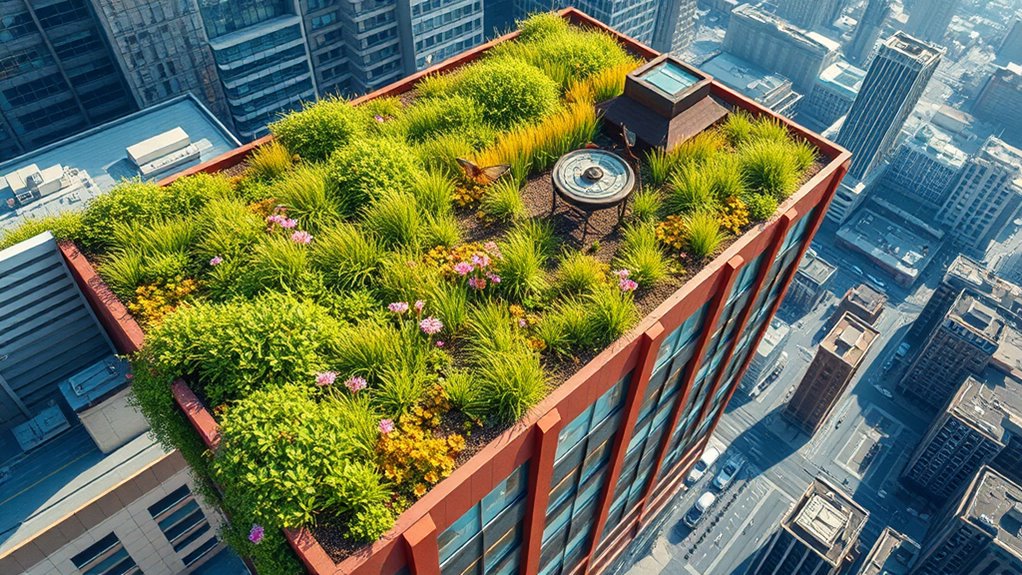
Exploring the opportunities for growth in the green roof market reveals significant potential for both commercial and residential properties in the UK.
If you're considering investing in green roofs, here are some key trends and opportunities to note:
- Increased Government Funding: More financial support for green building projects makes these initiatives more viable.
- Heightened Awareness: As public knowledge of the benefits of green roofs grows, so does demand.
- Commercial Growth: The commercial sector is expected to grow at a compound annual growth rate (CAGR) of 15.51%, largely driven by new developments.
- Residential Appeal: Homeowners are increasingly choosing green roofs as a way to cut energy costs.
- Global Investment: Leading companies are making substantial investments in green roof installations.
These trends not only offer promising financial returns but also support sustainability and community wellbeing.
By investing in green roofs, you can help manage stormwater, reduce urban heat, and enhance air quality.
Moreover, this investment can increase property values, create jobs, and support biodiversity.
Now is the time to act; the green roof market presents an exciting opportunity for those looking to make a positive impact while securing their financial future.
Policy Support for Green Roofs
When considering green roofs for your commercial property, it's important to be aware of the incentives and grants available to help reduce your costs.
Many local planning regulations now support sustainable building practices, making it easier to adopt these eco-friendly solutions. By taking advantage of these policies, you can boost your property's value while also contributing to a healthier urban environment.
For instance, some councils offer financial support for green roofing projects, so it's worth checking what's available in your area.
Incentives and Subsidies
Incentives and subsidies are crucial for encouraging the uptake of green roofs on commercial properties.
These financial support schemes can significantly reduce installation costs, making it more feasible for businesses to invest in sustainable solutions.
For instance, local councils may offer grants or tax relief for installing green roofs, which not only benefit the environment but also improve building insulation and reduce energy bills.
Such initiatives help create a win-win situation for both property owners and the community.
Zoning and Building Codes
Zoning and building codes are crucial for incorporating green roofs into commercial properties, significantly influencing urban sustainability. By following zoning regulations, you can improve your building's attractiveness while supporting environmental initiatives.
For example, cities like London encourage green roofs and solar panels on new builds and major refurbishments, thereby promoting sustainable practices.
It's vital to understand the building compliance requirements. Green roofs must meet structural load capacities and adhere to fire safety regulations, ensuring both safety and durability. This not only protects your investment but also boosts energy efficiency and manages rainwater, helping to lower your operating costs.
Additionally, the permitting process can be simplified when green roofs are included in your project plans. Many local policies offer incentives such as density bonuses for these installations, creating a mutually beneficial situation.
As you consider green roofing options, consulting with professionals can help navigate the regulatory framework, ensuring compliance and adherence to best practices. By adopting green roofs, you're not just fulfilling regulations; you're contributing positively to your community and the environment.
Future of Green Roofing
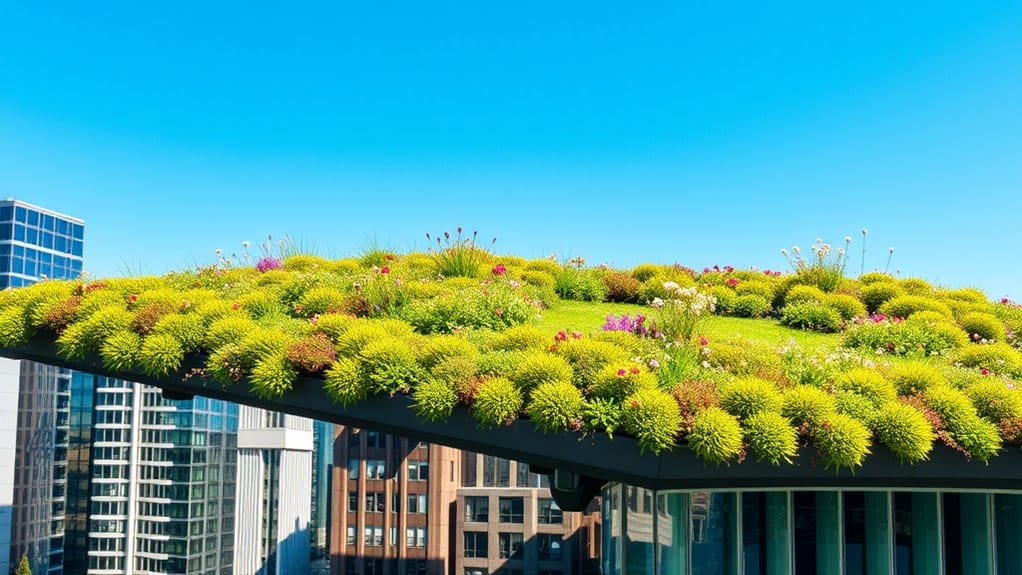
As the commercial roofing industry moves towards a more sustainable future, green roofing is set to become a key focus. Innovations and sustainable materials are reshaping building practices, and the advantages are clear.
Embracing this trend can significantly enhance your property's value and its environmental impact.
Here are some advancements to consider:
- Integration of Solar Panels: Generate renewable energy directly on your roof.
- Cool Roofs: Reflect sunlight, helping to lower cooling costs.
- Smart Systems: Use advanced monitoring to optimise energy efficiency.
- Modular Green Roofs: Make installation and maintenance easier.
- Plastic-free Green Roofs: Utilise entirely renewable resources for eco-friendly solutions.
The future of green roofing prioritises both aesthetics and functionality.
By adopting these innovative techniques, you can reduce energy consumption, manage stormwater more effectively, and extend the lifespan of your roof.
As environmental regulations tighten, investing in green roofs supports corporate social responsibility, bolstering your reputation and commitment to sustainability.
By embracing these developments, you can contribute to a greener future while enjoying long-term cost savings and environmental benefits.
Make the change; your building—and the planet—will benefit.
Frequently Asked Questions
How Do Green Roofs Affect Local Wildlife Populations?
Green roofs significantly benefit local wildlife by providing diverse habitats that promote biodiversity. By using native plants, you support various species, which in turn helps create a healthier ecosystem. For instance, a green roof can attract pollinators like bees and butterflies, improving the environment for the whole community.
Are There Specific Plants Best Suited for Green Roofs?
While you could technically plant anything on a roof, such as a cactus garden for a perplexed squirrel, the best options are succulent varieties that thrive in dry conditions. These drought-tolerant plants will help create a vibrant green space amidst the urban landscape.
What Are Common Misconceptions About Green Roofs?
Many believe that green roofs are expensive and difficult to maintain, but they can actually be cost-effective over time and manageable with the right planning. For example, they can reduce energy bills by providing insulation. Misunderstandings about green roofs can prevent you from taking advantage of their environmental and financial benefits.
Can Green Roofs Be Installed on Existing Buildings?
"Don't put all your eggs in one basket." When thinking about installing green roofs on existing buildings, it's crucial to tackle installation challenges and structural concerns. For instance, you'll need to ensure your roof can bear the extra weight of soil and plants, while also functioning correctly.
How Do Green Roofs Contribute to Urban Aesthetics?
Green roofs improve urban aesthetics by introducing greenery into the concrete jungle. They enhance visual appeal and provide habitats for wildlife, supporting urban biodiversity. This not only makes the environment more pleasant but also enriches the community experience. For instance, a green roof on a local café can create a relaxing atmosphere for patrons while attracting bees and butterflies.
Conclusion
Incorporating a green roof may appear daunting due to initial costs, but consider the long-term savings and benefits. By investing in a green roof, you're not only improving your property's appearance; you're also significantly reducing energy costs and boosting its market value. With increasing policy support and community interest, now is an excellent time to adopt this sustainable solution. Take the chance to lead in environmental responsibility while enjoying financial advantages.


