

Machine-Made vs. Handmade Clay Tiles: Worth the Price Difference?
When deciding between machine-made and handmade clay tiles, consider more than just looks. Handmade tiles boast unique character and craftsmanship but tend to be pricier and can pose installation challenges due to their irregular shapes. In contrast, machine-made tiles are generally more affordable and easier to lay, although they may lack the distinctiveness of their handmade counterparts. Both types have environmental implications tied to their production processes. To grasp the true value of each option, it’s worth looking deeper into their benefits and drawbacks.
Key Takeaways
- Handmade tiles boast unique designs and artisanal craftsmanship, adding character, whereas machine-made tiles offer consistent quality and affordability.
- Although handmade tiles often come with a higher upfront cost, their durability can provide long-term value, particularly in busy areas.
- Due to size variations, handmade tiles necessitate skilled installation, which can lead to increased labour costs compared to machine-made options.
- Sourcing handmade tiles locally can lessen environmental impact, while mass-produced tiles typically generate more greenhouse gas emissions.
- The distinctive charm of handmade tiles can enhance property value, whilst machine-made tiles offer easier repairs and uniformity.
Understanding the Production Processes
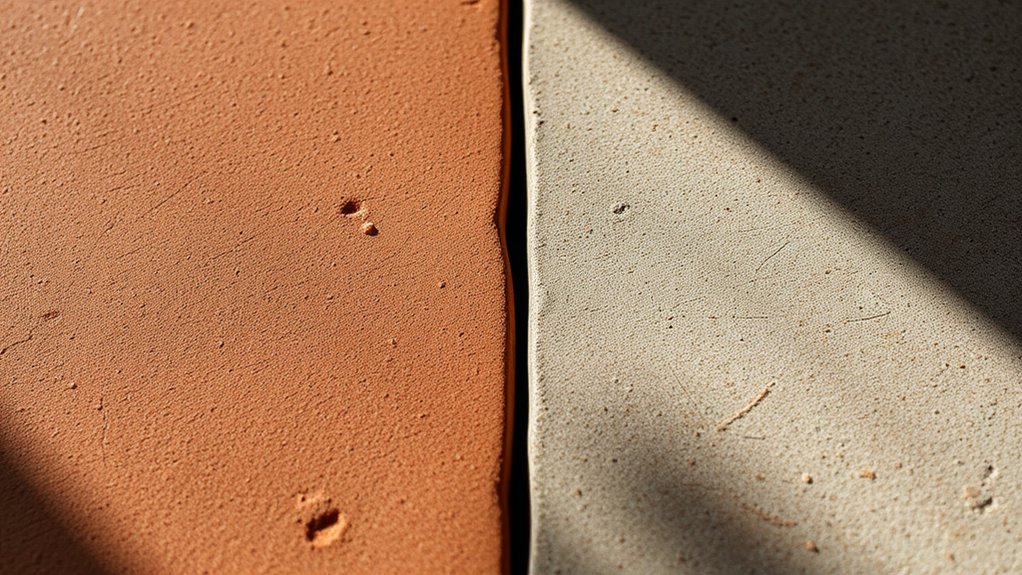
When you look into how clay tiles are made, you’ll see a clear difference between machine-made and handmade techniques.
Machine-made tiles use efficient production methods, where high-speed rollers crush raw clay to ensure consistency. The clay is aged and mixed to a specific moisture level, then extruded or pressed into uniform shapes, with automated systems removing air bubbles to enhance durability. Quality and purity of the clay are essential for ensuring the performance and appearance of the final product.
On the other hand, handmade tiles are crafted using manual molds. This allows for unique designs but can result in variations in thickness and texture. Each type of clay affects the final product’s characteristics, showcasing either the intricate skills of artisans or the precise, repeatable output of machines. Recognising these differences helps you appreciate the craftsmanship and engineering behind each tile.
Cost Comparisons: Handmade vs. Machine-Made
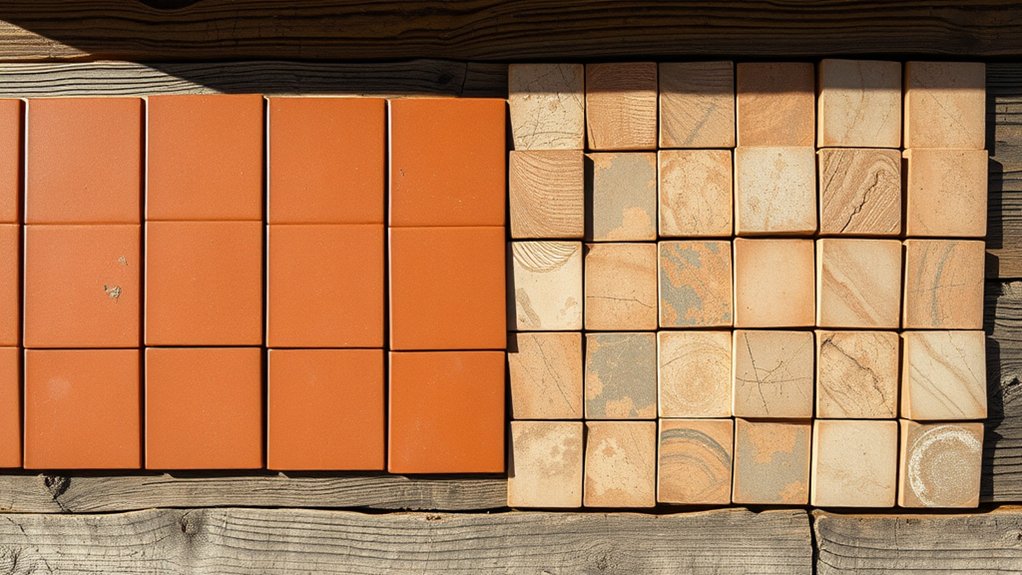
When looking at the cost of clay tiles, you’ll find notable differences between handmade and machine-made options.
Handmade tiles tend to be pricier due to the detailed craftsmanship involved, while machine-made tiles are generally more affordable and readily available. However, it’s important to consider the long-term value; the durability of handmade tiles might justify their higher upfront cost in certain situations. For instance, if you’re tiling a high-traffic area, investing in handmade tiles could save you money on replacements down the line. Additionally, the weight of tiles can impact shipping costs, which may further influence your overall budget when choosing between the two types.
Pricing Structure Differences
When considering tiles for your project, it’s important to understand the differences in pricing between handmade and machine-made options.
Handmade tiles usually range from £400 to £10,000, reflecting the time-consuming production process and high-quality materials. In contrast, machine-made tiles are generally more affordable due to mass production and lower labour costs.
This streamlined supply chain means machine-made tiles are widely available and offer consistent quality. As trends shift towards unique designs, handcrafted tiles can be an appealing choice, providing a rustic look at a lower price than fully handmade options. The demand for unique, premium clay roofs highlights the growing interest in handcrafted alternatives.
Being aware of these differences will help you choose the best tiles for your needs.
Long-Term Value Assessment
Evaluating the long-term value of handmade versus machine-made clay tiles means considering several factors that affect durability, aesthetics, and maintenance. Both types have their benefits, but their resale potential can vary greatly.
| Factor | Handmade Tiles | Machine-Made Tiles |
|---|---|---|
| Durability | Unique character; lifespan varies | Consistent; lasts up to 60 years |
| Aesthetics | Develops a patina; artisanal charm | Uniform design; modern look |
| Maintenance | Requires custom care; harder to replace | Easier repairs; consistent style |
Handmade tiles may appeal to buyers for their unique authenticity, while machine-made options offer reliability and lower long-term costs. Ultimately, your choice should reflect your aesthetic preferences and how much maintenance you’re willing to undertake.
Aesthetic Appeal: Unique Features of Handmade Tiles
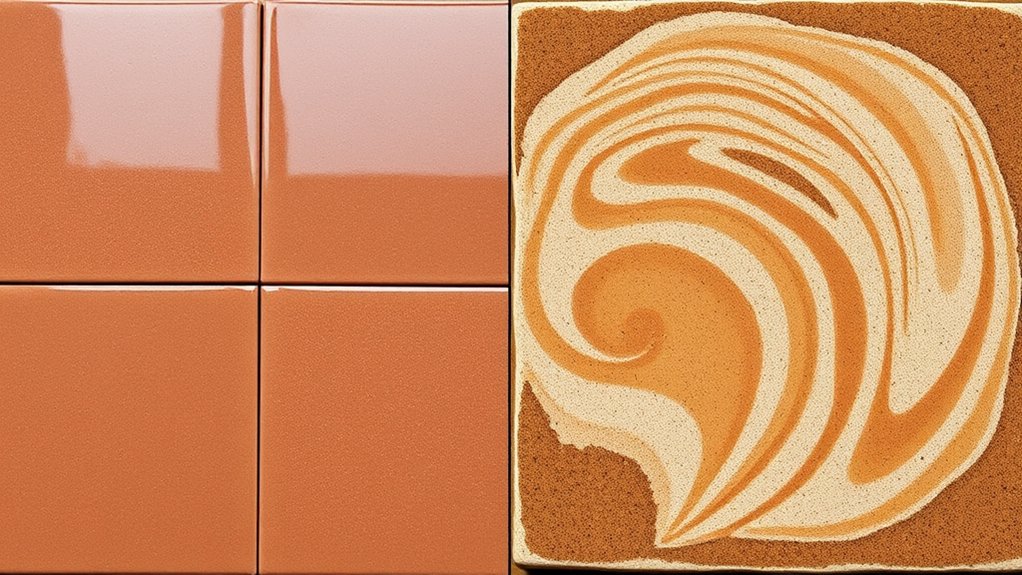
How do handmade clay tiles distinguish themselves in a world of mass production? Their aesthetic uniqueness is clear through:
- Natural Variations: Each tile features distinct colours and textures, highlighting organic imperfections.
- Organic Tones: Earthy shades add warmth and character to any room, enhancing its overall feel.
- Timeless Design: They complement both modern and traditional decor, ensuring lasting appeal.
- Artisanal Craftsmanship: The artisan’s skill is evident in unique patterns and designs, showcasing a personal touch.
These characteristics not only enhance visual appeal but also reflect the rich cultural heritage and traditional techniques behind each tile.
Visual Qualities: Uniformity vs. Individuality

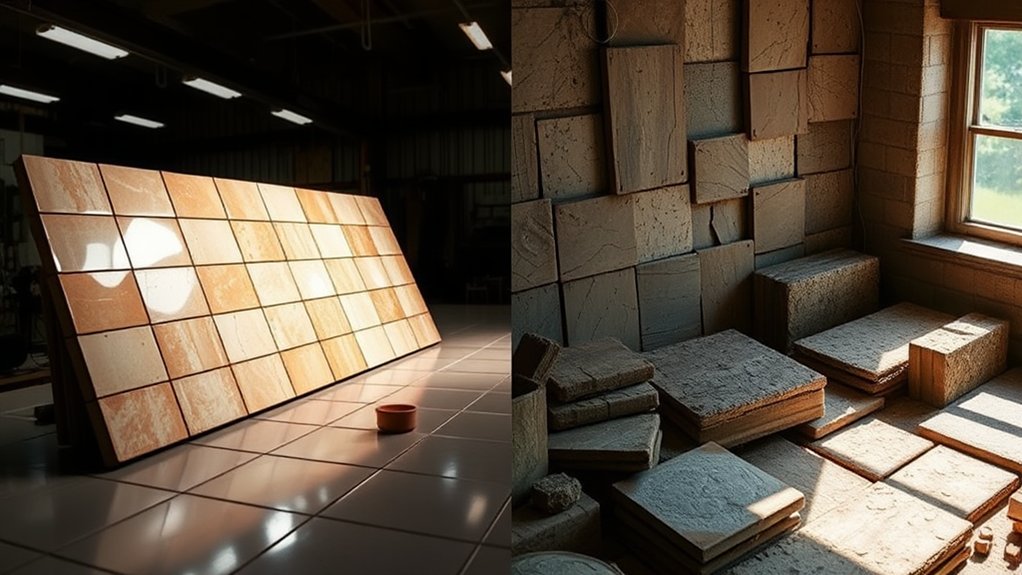
When examining clay tiles, you’ll notice a clear distinction between handmade and machine-made varieties. Handmade tiles offer unique textures and organic shapes, while machine-made tiles prioritise uniformity and precision. This choice significantly impacts your design options and overall look.
| Feature | Handmade Tiles | Machine-Made Tiles |
|---|---|---|
| Surface Texture | Softly undulating, uneven edges | Smooth, uniform surface |
| Colour Variations | Natural, unique hues | Consistent colour throughout |
| Edge Consistency | Irregular edges | Precise, uniform edges |
| Size Variability | Slight size differences | Exact, uniform sizes |
| Pattern Options | Organic, varied patterns | Precise, repeating patterns |
Ultimately, your decision should reflect your preference for individuality or uniformity in your space.
Durability Factors in Clay Tile Options

When deciding between handmade and machine-made clay tiles, it’s important to consider their durability to ensure long-lasting performance. Here are some crucial factors to keep in mind:
- Material Composition: Handmade tiles are kiln-fired, which enhances their strength, while machine-made tiles provide consistent density due to uniform firing processes.
- Weather Resistance: Both types can last over 60 years. Handmade tiles naturally shed water because of their texture, whereas machine-made tiles excel in offering uniform load distribution.
- Maintenance Needs: Handmade tiles might need sealing due to their porosity, while machine-made tiles usually have a superior glaze that requires less upkeep.
- Sustainability Practices: Consider the installation methods; both types can support eco-friendly building practices, contributing to their long-term durability. Additionally, the longevity of clay tiles, particularly handmade ones, can lead to lower maintenance costs, making them a worthwhile investment for homeowners.
Making an informed choice will ensure your project satisfies both aesthetic and practical requirements for years to come.
Installation Challenges and Considerations
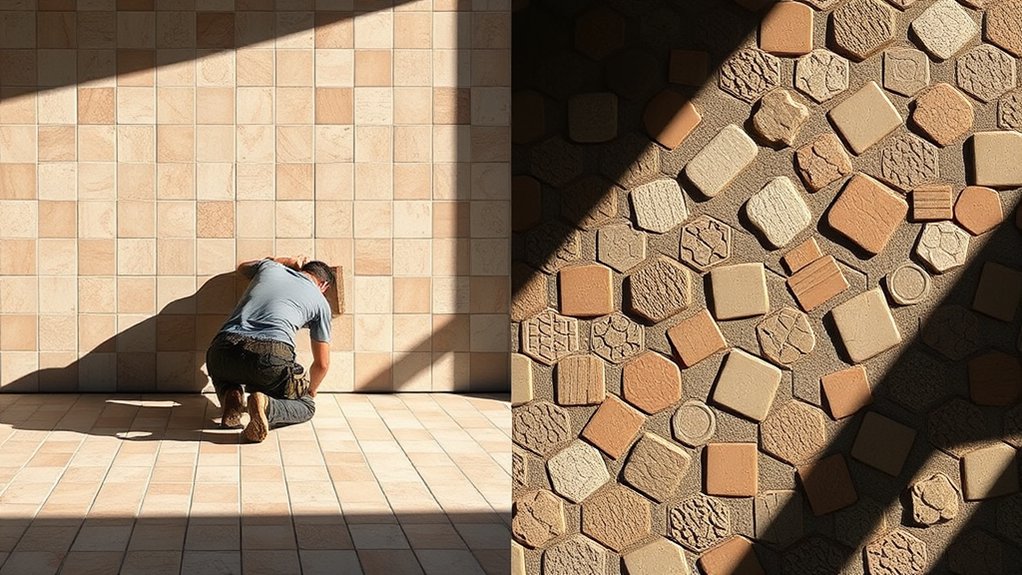
When deciding between handmade and machine-made clay tiles, consider the installation challenges.
Handmade tiles have irregular sizes and shapes, which means you’ll need skilled installers who can handle custom fitting and grout adjustments. For example, if you’re renovating a period home, these tiles can add character but will require more expertise.
On the other hand, machine-made tiles are uniform, making installation easier and more suitable for less experienced workers. This can save you time and money, especially for larger projects.
Installation Complexity Comparison
Both machine-made and handmade clay tiles provide aesthetic charm, but their installation complexity differs significantly.
- Material Variability: The irregular shapes of handmade tiles can make it tricky to achieve uniform spacing, often necessitating wider grout joints.
- Installation Techniques: Machine-made tiles, with their consistent size and shape, enable quicker installation.
- Surface Preparation: Handmade tiles frequently require more flexible grout to accommodate their variations.
- Time Considerations: The labour-intensive process of installing handmade tiles can considerably prolong installation time.
Recognising these challenges is key to a successful installation, allowing you to make informed decisions for your project.
Labor Skill Requirements
Installing clay tiles requires an understanding of the different skill levels needed for machine-made and handmade options.
Machine-made tiles are generally easier to work with, as they’ve uniform sizes, which means less specialised training is needed. This leads to lower labour costs and quicker installation.
On the other hand, handmade tiles demand more skill, as they often come in irregular sizes and may require custom cuts. This makes the installation process more complex and time-consuming, resulting in higher labour costs.
Ultimately, whether you choose machine-made or handmade tiles will depend on your budget and the expertise of your installation team.
Custom Fitting Necessities
Custom fitting is crucial for a successful installation of handmade clay tiles, mainly due to their natural variations in size, texture, and shape.
These irregularities can pose challenges, but addressing them enhances the overall look.
Here are some key aspects to consider during installation:
- Size Variation: Ensure each tile fits well, compensating for any differences.
- Texture Matching: Place tiles to showcase their unique textures.
- Shape Adjustments: Modify shapes to achieve a cohesive appearance.
- Grout Joint Widths: Adjust grout joints to ensure a consistent and level finish.
Environmental Impact: Local Sourcing vs. Mass Production
When considering the environmental impact of clay tiles, the differences between local sourcing and mass production are striking.
Local sourcing typically results in lower transportation emissions and a smaller carbon footprint. By supporting local producers, you not only help the community but also promote environmental responsibility and create job opportunities that bolster economic stability.
In contrast, mass production facilities require a large amount of energy, leading to increased greenhouse gas emissions. They also depend on global supply chains, which add to transportation impacts.
While mass production can be cost-effective, the environmental costs can be substantial.
The Role of Artisan Craftsmanship

Artisan craftsmanship is vital in creating handmade clay tiles, turning basic materials into distinctive pieces of art. Each tile reflects the dedication and expertise of the artisans involved.
Here are some key aspects that highlight their artistry:
- Hand-Cut Precision: Artisans carefully cut clay slabs, ensuring each tile showcases their keen attention to detail.
- Cultural Heritage: Traditional techniques, passed down through generations, uphold the rich history of tile-making.
- Personal Touch: Each tile is handled multiple times, allowing for a personalisation that speaks to individual preferences.
- Creative Expression: Artisans merge innovation with tradition, resulting in designs that are both practical and visually appealing.
These artisan methods produce tiles imbued with emotional value and authenticity, distinguishing them from mass-produced alternatives.
Making the Right Choice for Your Project

When choosing between handmade and machine-made clay tiles for your project, consider a few key factors. Firstly, assess your budget; handmade tiles can be up to 50% more expensive but offer unique textures and designs that are currently in vogue.
If you prefer a uniform appearance, machine-made tiles provide consistency and ease of maintenance. Durability is another important consideration; while handmade tiles may have a longer lifespan, machine-made options can offer better long-term savings.
Additionally, think about your installation timeline; machine-made tiles can be installed more quickly due to their standard sizes.
Ultimately, select the option that best meets your project’s needs, balancing aesthetics, budget, and practicality to create a space that reflects your vision.
Frequently Asked Questions
How Do Handmade Tiles Impact Property Value Compared to Machine-Made Tiles?
Handmade tiles significantly improve your property’s visual appeal, adding unique character and charm. This distinctiveness can enhance resale value, making your home more desirable compared to standard machine-made tiles, which often lack individuality. For instance, a kitchen featuring bespoke handmade tiles may attract buyers willing to pay a premium, while a similar space with generic tiles might not make the same impression.
Can Handmade Tiles Be Customized for Specific Architectural Styles?
Picture vibrant, handcrafted tiles tailored to your specific architectural style. With custom design options available, you can ensure each tile complements the unique character of your project, whether it’s a modern home or a traditional cottage. This means your tiles not only look stunning but also fit seamlessly into your overall design.
What Maintenance Is Required for Both Tile Types?
To maintain both types of tiles, employ effective cleaning methods and repair techniques. Regularly check for any damage, remove debris, and use mild cleaning solutions to keep them in good condition and prolong their lifespan. This will help preserve their beauty for years to come.
Are There Any Health Concerns With Clay Tiles?
Yes, clay tiles are generally safe and offer health benefits, but be cautious of airborne crystalline silica dust during installation and removal. It’s important to use proper dust control measures to avoid respiratory problems and to keep indoor air quality high. For example, wearing a mask and ensuring good ventilation can make a big difference.
How Long Does the Typical Lifespan of Each Tile Type Last?
The typical lifespan of clay tiles can vary significantly due to factors like installation and maintenance. Generally, machine-made tiles last between 50 to 100 years, while handmade tiles can endure for 150 years or more with proper care. This makes them a durable choice for roofs and floors.
Conclusion
Ultimately, choosing between machine-made and handmade clay tiles is akin to deciding between a mass-produced print and a unique artwork. Handmade tiles often provide distinct visual appeal and environmental advantages, while machine-made options deliver consistency and cost-effectiveness. Think about the specific needs and values of your project. Whether you favour artisan craftsmanship or practicality, making the right choice will enhance your space and reflect your personal style effectively.


