

How Solar Panels Affect Your Roof Warranty
Solar panels can significantly impact your roof warranty. If installed correctly, they usually won’t void manufacturer warranties. However, poor installation can jeopardise workmanship warranties. It’s crucial that penetrations are sealed properly to avoid leaks, as ill-fitted panels can cause damage. Always hire qualified professionals who adhere to manufacturer guidelines. To protect your investment, it’s essential to understand the details of your warranty and the installation process. Taking these steps can help ensure your roof and solar system remain safeguarded.
Key Takeaways
- Installing solar panels can void workmanship warranties if not carried out by qualified professionals, putting your roof’s protection at risk.
- Manufacturer warranties usually remain valid if solar panels are fitted correctly and in accordance with guidelines.
- Poor installation, such as improperly sealed penetrations, can cause leaks and render warranties void.
- It’s essential to be aware of warranty exclusions, especially regarding damage from natural events or installation mistakes.
- Keeping thorough records and maintaining clear communication with contractors is vital for compliance and safeguarding your roof warranty.
Understanding Roof Warranties
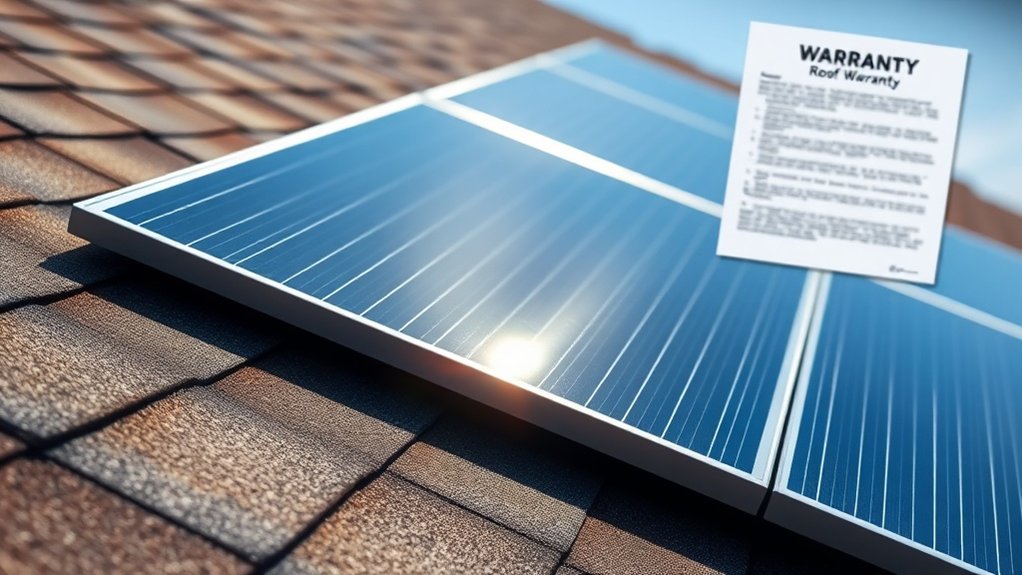
When you invest in a new roof, understanding roof warranties is essential for protecting your investment. Roof warranty basics involve contracts that cover defects in materials or workmanship for a specified period.
You’ll come across different types of warranties, such as manufacturer warranties, which usually cover material defects and last between 20 to 50 years, and workmanship warranties, provided by contractors, which typically cover installation errors for 1 to 10 years. Roof warranties are particularly important for new roof installations, as they safeguard your investment against potential issues that could arise over time. Full system warranties can provide the most comprehensive coverage, combining both manufacturer and contractor protection.
Each warranty type has specific coverage scopes and limitations, so be sure to read the terms carefully. Many warranties exclude damage from natural disasters or improper installation.
Knowing these details will help you claim necessary repairs, ensuring your roof lasts and your finances remain secure.
Types of Roof Warranties Affected by Solar Installation
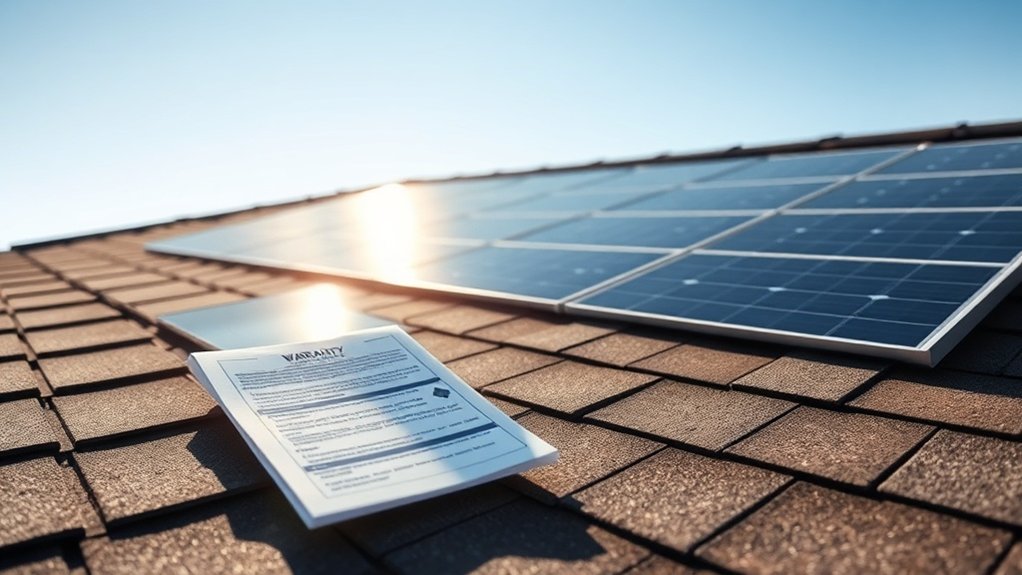
When installing solar panels, it’s crucial to understand how this affects your roof warranties. Manufacturer warranties usually remain valid if the installation is done correctly. However, workmanship warranties may be jeopardized if the installation leads to damage. For instance, if a poorly fitted solar panel causes a leak, your workmanship warranty mightn’t cover the repairs. Solar installations typically do not void existing roof warranties when done properly, which further emphasizes the importance of using qualified professionals. Additionally, understanding the common exclusions in your warranty documentation is essential to ensure you protect your investment and keep your warranty intact.
Manufacturer’s Warranty Coverage
Installing solar panels can greatly affect the warranties linked to your roof, especially those from manufacturers.
Most roofing material warranties offer coverage for defects lasting 25 to 50 years, but they often come with exceptions that exclude damage from poor installation. If your solar panel mounts aren’t fitted according to the manufacturer’s guidelines, you risk voiding your warranty. It is important to note that improper drilling during installation can also lead to warranty issues. It’s vital to ensure that any penetrations are properly flashed and installed as per the manufacturer’s specifications. Having inspections before and after installation can help keep your warranty intact. Additionally, maintaining records of all regular maintenance performed on your roof can support your claim if issues arise. While well-installed panels generally won’t void the warranty, any failure to follow the guidelines could lead to significant issues when making a claim.
Workmanship Warranty Risks
Understanding the risks associated with workmanship warranties is crucial when considering solar panel installation. These warranties cover installation defects but can be compromised by improper fitting.
- Installer negligence may void coverage for any roof damage.
- Using unapproved mounting hardware breaches warranty terms.
- Incorrect flashing at roof penetrations can lead to leaks.
To protect your workmanship warranty, ensure your installation complies with manufacturer specifications and is carried out by certified roofers or solar contractors with roofing experience.
Proper installation is key; any modifications or penetrations should be closely assessed to avoid voiding your warranty.
Always review your warranty conditions and document the roof’s condition before and after installation for additional security.
Importance of Professional and Qualified Installation

When installing solar panels, it’s crucial to choose qualified installers. They follow manufacturer guidelines, which helps keep your roof’s warranty intact and optimises the performance of your solar system.
For instance, if an unqualified installer makes a mistake, it could void your warranty. Working with certified professionals also offers the possibility of dual warranty options, giving you added reassurance.
Qualified Installers Matter
Choosing a qualified installer may seem like a small detail, but it’s crucial for protecting your roof warranty when installing solar panels. The installer’s expertise can significantly affect warranty outcomes.
Here are some important points to consider:
- Certified installers are well-versed in roofing manufacturers’ guidelines, which helps minimise the risk of voiding your warranty.
- Skilled professionals ensure roof penetrations are sealed correctly, preventing leaks and potential damage claims.
- Working with a solar company that employs experienced roofers often means you’ll benefit from additional workmanship warranties.
In short, selecting the right installer is essential for both your peace of mind and the longevity of your solar investment.
Follow Manufacturer Guidelines
Choosing a qualified installer is just the beginning of protecting your roof warranty; it’s equally crucial to follow the manufacturer’s guidelines during installation. Adhering to solar panel instructions ensures compliance, which helps maintain your roof’s warranty.
These guidelines outline specific installation methods and materials, preventing compatibility issues that could risk your warranty. For instance, using the correct techniques for roof penetrations can prevent leaks, while ensuring weather resistance keeps your roof intact.
Ignoring these guidelines can void warranties, lead to installation mistakes, and increase your liability for any damage. By prioritising adherence to manufacturer specifications, you not only extend your roof’s lifespan but also safeguard your investment in solar technology, ensuring it performs reliably over time.
Dual Warranty Options
Choosing professional and qualified installers not only improves the efficiency of your solar panel system but also provides vital dual warranty protection.
By selecting expert installation, you benefit from comprehensive warranty coverage that safeguards both your solar panels and your roof.
- Workmanship guarantees protect against installation errors, ensuring your roof remains intact.
- Certified contractors adhere to guidelines that maintain the validity of roof warranties.
- Bundled warranties can deliver extensive protection for both roofing and solar systems.
These safeguards help reduce risks linked to installation mistakes and ensure compliance with warranty terms.
Ultimately, investing in professional installation not only enhances performance but also gives you peace of mind, knowing you’re covered under dual warranties.
This approach promotes reliability and longevity for your solar investment.
Roof Conditions and Compatibility Considerations

Understanding roof conditions and compatibility is essential when planning solar panel installation, as these factors significantly affect both the system’s performance and the integrity of the roof.
A thorough roof inspection prior to installation is crucial, particularly for roofs over 20-25 years old, which may need replacing to avoid structural issues. Ideally, asphalt shingle roofs should be less than 10 years old and in good condition.
Different roofing materials also require specific mounting systems to maintain warranties. Ensuring the installation is timed correctly to support the structural load of the solar panels is vital.
Proper planning will ensure your solar system operates efficiently while prolonging the life of your roof and protecting its warranty.
Impact of Improper Installation on Warranties
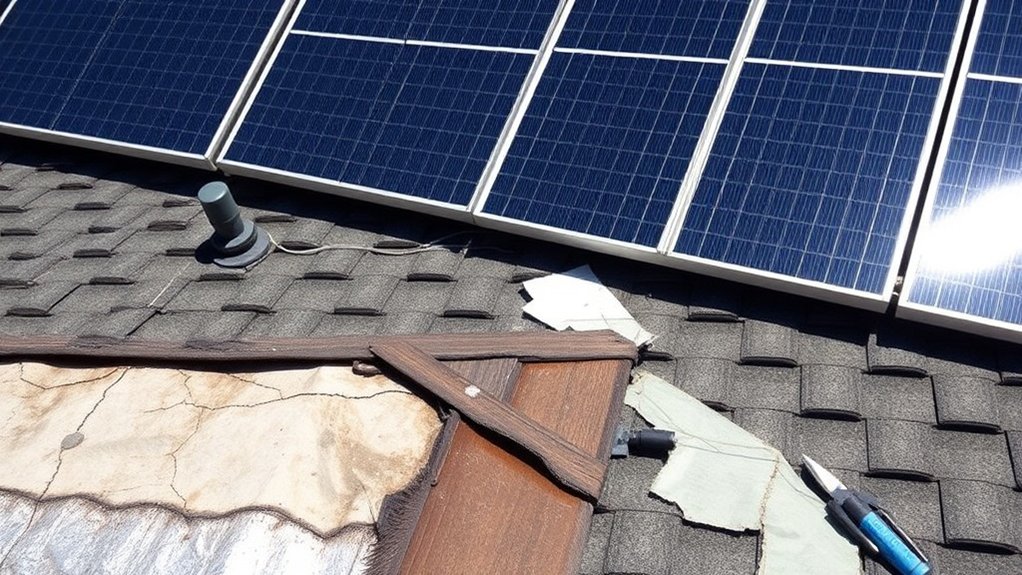
Improper installation of solar panels can significantly affect your roof warranty. It’s crucial to adhere to correct installation methods to ensure your warranty remains valid.
- All penetrations must be sealed according to manufacturer guidelines to avoid leaks.
- Using non-compliant mounting equipment can violate warranty terms.
- Installation by unqualified individuals often results in damage that voids warranties.
For instance, attaching panels directly to roof membranes can compromise their integrity, while incorrect flashing may cause leaks that damage your roof.
Always hire certified technicians to ensure compliance with the roofing manufacturer’s standards. This protects both your roof and your investment in solar energy.
Prioritise professional installation to maintain your warranty and safeguard your home.
Documentation and Warranty Claims
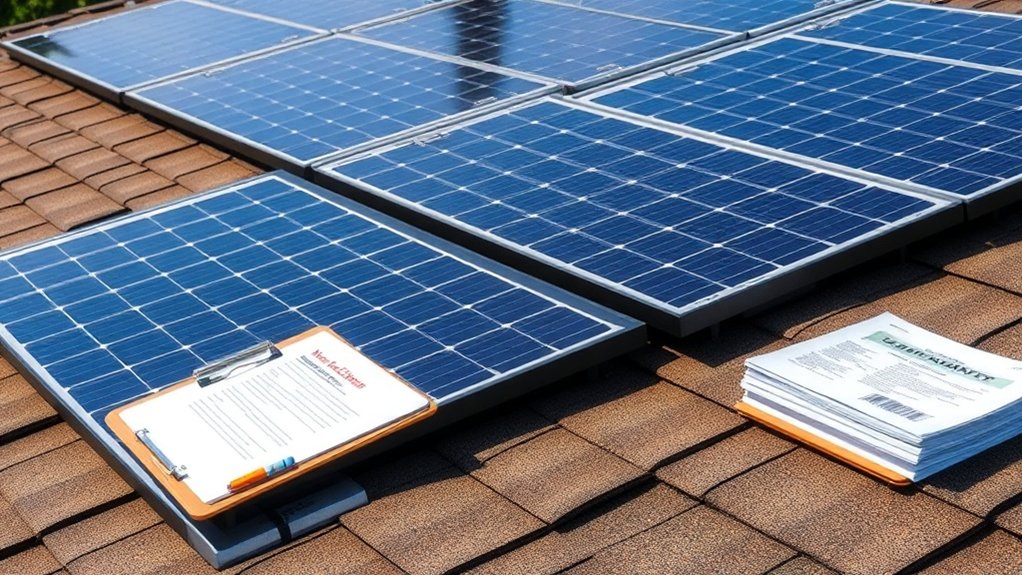
For warranty claims on your roof and solar panel systems, proper documentation is crucial.
Start by collecting all relevant paperwork, such as installation contracts and service records. Maintain open communication with your contractors throughout the process.
For instance, if you notice a leak or a performance issue, report it promptly and keep a record of your communications.
Importance of Documentation
Documentation is crucial for protecting your roof warranty during and after solar panel installation. Keeping comprehensive records can help you avoid issues when it’s time to file warranty claims.
Here are some key points to consider:
- Arrange a pre-installation inspection with your warranty provider to assess the condition of your roof.
- Carefully review all warranty documents to comprehend what’s covered and any limitations regarding solar panel installations.
- Maintain records of the solar panel specifications and installation contracts.
These steps not only help safeguard your warranty but also ensure compliance with installation guidelines.
Proper documentation creates a clear path for addressing any warranty concerns in the future. By prioritising documentation, you’re taking important steps to protect your investment.
Claim Process Steps
Once you’ve secured your roof warranty with proper documentation, it’s essential to grasp the claim process for any issues that may occur.
Start by reviewing your warranty paperwork to understand what’s covered and the procedures to follow. Decide whether to reach out to the manufacturer for material defects or the installer for issues related to workmanship.
Collect key documents, such as proof of purchase and photographs of any damage, before you proceed with your claim.
Arrange for an inspection with the appropriate party to evaluate the reported damage. Fill out any required claim forms, ensuring you include visual evidence and detailed descriptions of the problems.
Keep copies of all documents for your records and double-check that your submissions correspond with the specific solar panel model and roofing materials involved.
Communication With Contractors
Effective communication with contractors is essential for protecting your roof warranty during the installation of solar panels. To ensure a smooth process, keep the following in mind:
- Inform your roofing warranty provider about the installation plans.
- Keep clear records of all agreements and responsibilities.
- Arrange coordination meetings between your roofing and solar contractors.
Clarify contractor responsibilities, especially regarding roof penetrations and flashing repairs.
Before installation, ask for detailed inspection reports to document your roof’s condition.
Retain all installation documents, including contracts and permits, as vital proof for warranty claims.
After installation, inform the warranty company for inspections, ensuring all repairs are documented.
This proactive communication not only safeguards your warranty but also helps clarify roles, reducing disputes and ensuring compliance with manufacturer guidelines.
Risks of Voiding Roof Warranties
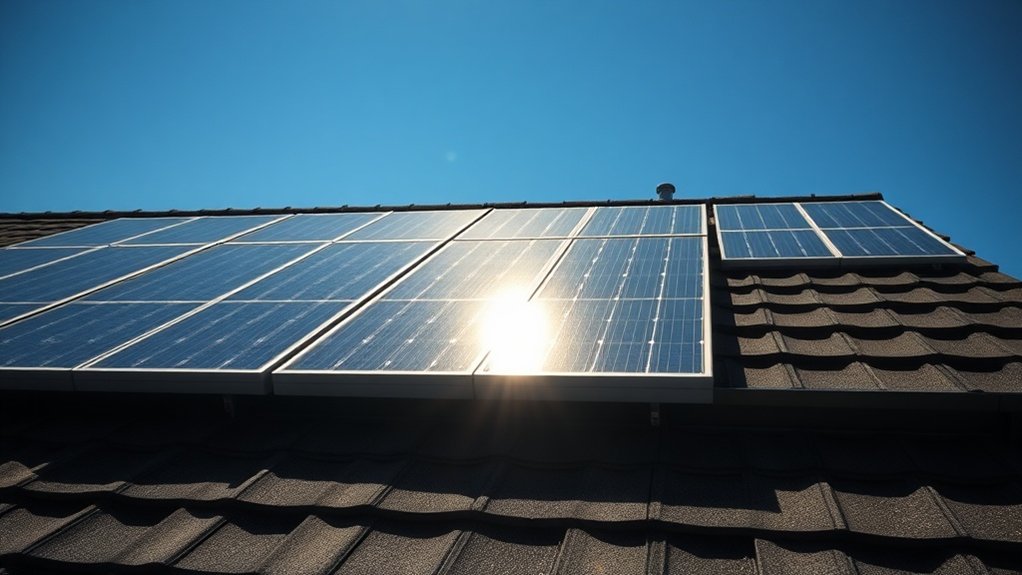
When looking to install solar panels, it’s crucial to understand the risks that might void your roof warranty. For instance, if the panels are positioned incorrectly, it can lead to roof penetrations that aren’t sealed properly, which could cause leaks.
If the installation takes place during bad weather, your roofing materials might suffer damage, potentially invalidating your warranty.
Using incorrect installation methods or neglecting to install proper flashing can also lead to serious problems.
Moreover, if your roof already has damage or can’t bear the additional weight of solar panels, your warranty might be at risk.
To protect your roof and ensure your warranty remains valid, always check the warranty terms and hire certified professionals for the installation.
Best Practices for Solar Panel Installation

Understanding the risks of voiding your roof warranty is crucial for successful solar panel installation. By adhering to best practices, you can ensure your project is effective without compromising your warranty.
- Obtain the necessary permits and inspections prior to installation.
- Conduct a thorough roof inspection to assess structural integrity.
- Minimise roof penetrations to reduce the risk of leaks.
Begin by checking your roof’s condition and orientation to optimise efficiency. Use appropriate mounting methods, including butyl tape and sealant to prevent water ingress.
Plan your system layout carefully, steering clear of complex designs. Finally, carry out post-installation checks to verify electrical systems and ensure future maintenance is accessible.
Following these guidelines will enhance performance while safeguarding your warranty.
Role of Solar Company Workmanship Warranties
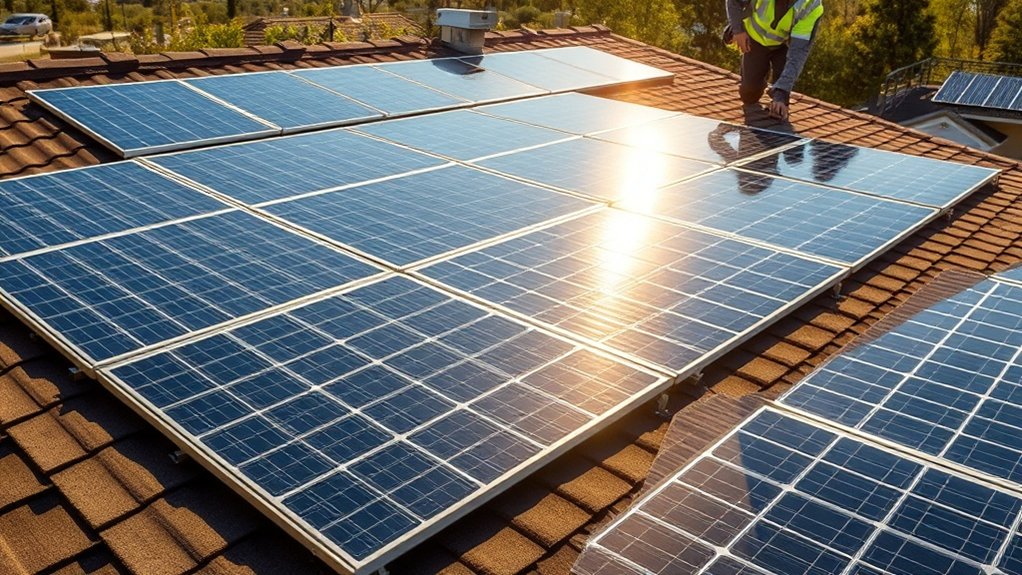
Solar company workmanship warranties differ significantly, but they’re crucial for protecting homeowners against installation defects. These warranties typically last between 1 to 10 years, with reputable firms like Blue Raven Solar offering up to 10 years of coverage.
They address issues from poor workmanship, such as loose fittings and incorrect mounting, ensuring that high standards are met. However, any equipment failures fall under manufacturer warranties, not workmanship ones.
It’s vital to understand what your warranty covers during negotiations, as this will determine your protection. Keeping all installation records is important for enforcing your warranty if problems arise.
A strong workmanship warranty not only protects your investment but can also enhance your property’s resale value.
Communication Between Roof and Solar Installers

Effective communication between roofing and solar installers is crucial for a smooth installation process and to safeguard your roof warranty.
Educating homeowners is key, as it highlights any potential impacts on your warranty.
- Reviewing documentation thoroughly helps pinpoint any exclusions.
- Regular updates ensure everyone stays informed.
- Prompt notifications about any unexpected repairs keep the project on track.
Long-term Planning for Roof and Solar Panel Lifespan
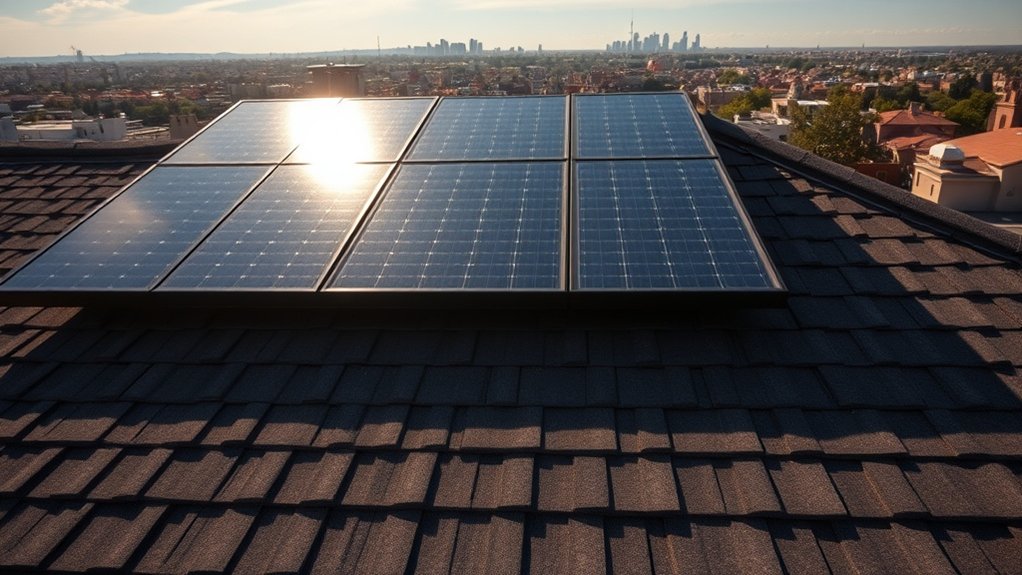
When planning to install solar panels, it’s crucial to consider the lifespan of both your roof and the panels.
Solar panels usually last between 25 to 30 years, while roofs—particularly asphalt shingles—typically have a lifespan of 20 to 30 years. If your roof is over 10 years old, it’s wise to think about replacing it before installing solar panels.
Regular roof inspections can help spot any issues that might affect both the roof’s stability and the performance of your solar system.
If the roof and panels have mismatched lifespans, you could face expensive panel removal for roof repairs down the line.
Frequently Asked Questions
Can Solar Panels Be Installed on Any Roof Type?
Solar panels can be installed on a variety of roof types, but it’s important to consider the compatibility of the roof material and the installation method. Ensure that your roof is structurally sound and that its slope is suitable for optimal solar panel performance. For example, slate and tile roofs can support solar panels well, while flat roofs may require additional mounting systems. Always consult a professional to assess your specific situation for the best results.
How Can I Verify an Installer’s Qualifications?
To verify an installer’s qualifications, start by checking their credentials and ensuring they have relevant certifications from recognised bodies, such as the Microgeneration Certification Scheme (MCS). It’s also wise to look at their experience, read customer reviews, and confirm they have adequate insurance. This will help you choose a trustworthy professional for your solar installation.
What Happens if My Roof Needs Repairs After Solar Installation?
If your roof requires repairs after solar panel installation, it’s important to work closely with both your roofing and solar contractors. Make sure to keep proper documentation and check your warranty coverage. If you fail to inform the contractors about the needed repairs, you might face denied claims or complications during the repair process. For instance, if you notice a leak post-installation, notify both parties immediately to avoid any issues down the line.
Are There Specific Solar Panel Brands That Affect Roof Warranties?
No specific solar panel brands impact roof warranties; it’s primarily about the quality of the installation. Think of it like a well-rehearsed band—if the installation isn’t done harmoniously, warranty issues can arise, regardless of the solar panel brand. Always opt for certified installers to ensure a smooth process.
Can I Transfer My Roof Warranty if I Sell My Home?
Yes, you can transfer your roof warranty when selling your home, but it’s essential to adhere to the specific procedures and conditions set by the manufacturer. Transferring your roof warranty can enhance your property’s appeal to potential buyers.
Conclusion
If you’re considering solar panels for your roof to save on energy bills and help the environment, think again! Your roof warranty could be at risk if the installation isn’t carried out properly. It’s not just about being eco-friendly; it’s crucial to ensure your roof remains intact and your warranty stays valid. Choose your installers carefully to avoid any issues down the line. Don’t let your roof be the next victim in your sustainability journey!


