
UK Roof Replacement Costs: Detailed Breakdown by Material
When replacing your roof in the UK, you can expect costs to range from £4,000 to £19,000, depending on the materials and the complexity of the job. For instance, slate roofs cost between £160 to £210 per m² and can last up to 100 years. Clay tiles are a more affordable option, priced at £12 to £25 per m², with a lifespan of 40 to 50 years. If you’re looking for a budget-friendly choice, metal roofs are available for £70 to £130 per m². It’s important to understand the pros and cons of each material to make an informed decision that fits your budget and offers long-term value.
Key Takeaways
- Slate roofs cost between £160 and £210 per square metre and can last 50 to 100 years, making them a solid long-term investment.
- Metal roofs are priced between £70 and £130 per square metre, with a lifespan of 40 to 75 years, providing a robust alternative.
- Clay tile roofs range from £12 to £25 per square metre and last 40 to 50 years, offering good value for money.
- Asphalt shingles are the cheapest option at £4 to £8 per square metre, but they only last 20 to 25 years.
- Installation labour costs vary by region, typically ranging from £150 to £250 per day, which impacts the total cost of roof replacement.
Overview of Roof Replacement Costs in the UK
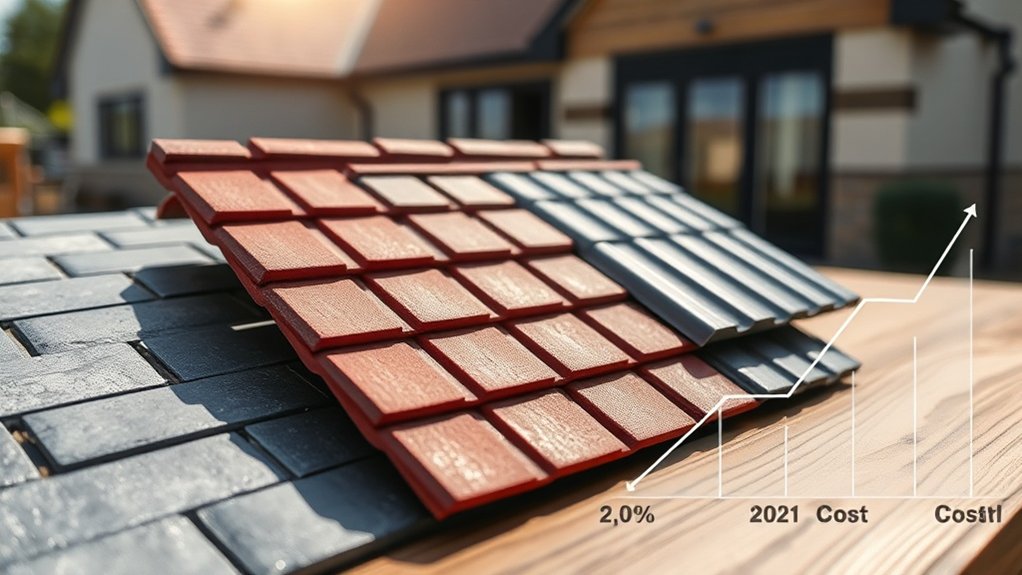
When considering a roof replacement in the UK, it’s important to be aware of the costs involved. On average, homeowners spend around £7,000, but this can vary widely between £4,000 and £19,000 depending on the size and complexity of the roof. For instance, larger slate hip roofs tend to be more expensive. Generally, a roof lasts about 20 years with proper maintenance.
Several factors influence the total cost, including the choice of materials and labour. High-quality materials like slate and clay tiles can significantly increase your budget. Additionally, if you require emergency repairs, those will add to your overall expenses. Understanding these factors will help you make informed decisions for your roof replacement project.
Moreover, average costs for different roof types can provide a clearer perspective when estimating your budget. Additionally, regional differences in labour rates can also affect your overall expenses, especially in urban areas where costs tend to be higher.
Average Costs by Roof Type

Understanding the average costs of different roof types is crucial for planning your replacement project. Here’s a straightforward breakdown to help you estimate expenses, while also considering the lifespan and maintenance requirements of each option.
| Roof Type | Average Cost per m² | Lifespan |
|---|---|---|
| Slate | £160 – £210 | 50 – 100 years |
| Metal | £70 – £130 | 40 – 75 years |
| Clay Tile | £12 – £25 | 40 – 50 years |
| Wood Shingle | £6 – £15 | 25 – 30 years |
| Asphalt Shingle | £4 – £8 | 20 – 25 years |
Each roof type has its own advantages and challenges. Generally, higher initial costs mean lower maintenance needs, which can offer better long-term value. It’s also important to note that average slate roof costs vary based on factors such as the type of slate and local supplier pricing. Additionally, labour costs can significantly impact the overall budget, especially in urban areas. Don’t forget to consider installation complexities when calculating total project costs.
Concrete Tile Roof Replacement Costs

Concrete tile roofs are a robust and attractive option, often serving as a more affordable alternative to natural slate. When you’re looking at replacement costs, small repairs typically range from £120 to £250, while larger sections can set you back between £600 and £1,200. A full roof replacement generally falls between £4,000 and £8,000, with costs influenced by factors like the size and pitch of your roof. Roof tile replacement costs for five roof tiles range from £170 to £500, increasing with extra repairs or scaffolding. Additionally, accurate roof measurements are essential for determining the exact amount of material needed and minimizing waste.
Labour costs can range from £18 to £25 per hour and can significantly impact your overall expenditure, especially if scaffolding is required. Repair methods, such as using cement bedding, can also affect both material and labour costs. Keep in mind the accessibility and overall condition of your roof, as these factors may lead to additional expenses during your project.
Clay Tile Roof Replacement Costs
Clay tile roof replacement costs can vary significantly, generally falling between £4,000 and £19,000 for a complete installation.
The cost per square metre typically ranges from £160 to £275, depending on factors such as roof complexity and location.
While clay tiles are known for their durability, their installation requires skilled labour, which can drive up costs.
Labour rates usually sit around £18 to £25 per hour, with extra charges for scaffolding and waste disposal.
Keep in mind that clay tile roofs can last over 50 years, providing long-term value despite the higher initial cost.
Consider these factors carefully to make the best choices for your roofing project, ensuring you select the right materials and skilled professionals.
Slate Roof Replacement Costs

When planning a slate roof replacement, expect costs between £10,000 and £19,000 for an average UK home, which is about £120 to £260 per m².
Due to the weight and delicate nature of slate, installation requires skilled labour and typically takes 3 to 10 days.
Factors such as the size, pitch, and accessibility of your roof can significantly impact both material and labour costs, so it’s wise to budget accordingly.
Pricing Overview
When replacing a slate roof in the UK, expect costs to range from £10,000 to £19,000. This varies based on the size and complexity of your roof.
Slate roofs typically cost between £120 and £260 per m², while imported Spanish slate is more affordable at £95 to £125 per m². Standard slate averages around £160 to £210 per m².
Keep in mind that premium slates can significantly raise your overall expenses. For smaller roofs, costs may be between £6,000 and £9,000, but larger and more intricate roofs can exceed £18,000.
This highlights how size and design complexity affect pricing.
Installation Considerations
When replacing a slate roof, there are key installation considerations that can affect both cost and quality.
Firstly, skilled roofers are crucial due to the delicate and heavy nature of slate, with daily labour costs ranging from £500 to £600. The project duration usually takes between 3 to 10 days, depending on the roof’s complexity.
Don’t forget to include scaffolding costs, which are essential for safety during the installation.
It’s also important to evaluate the roof structure for any necessary reinforcements, as pre-existing damage can lead to increased time and expenses.
Proper handling and layering techniques are vital to reducing waste.
Additionally, coordinating effectively among roofers, scaffolders, and waste disposal services will help streamline the process and enhance efficiency.
Flat Roof Replacement Costs
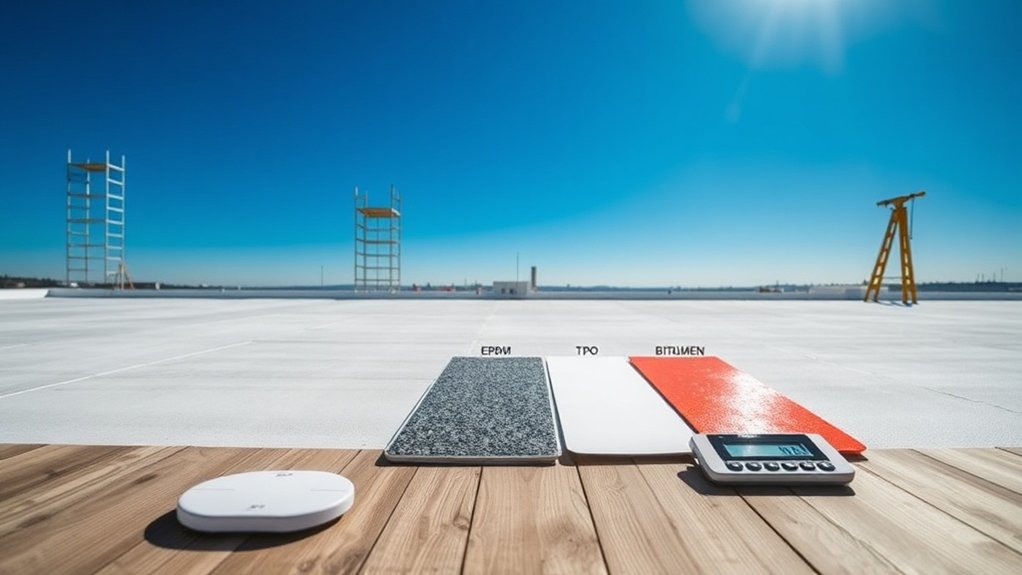
Flat roof replacement costs in the UK can vary significantly based on factors like the materials used, the size of the roof, and the complexity of the project.
Here’s a straightforward overview:
- Cost per square metre: Expect prices between £70 and £150, depending on the type of flat roof material.
- Total replacement costs: Generally, a complete replacement will set you back between £2,800 and £7,500.
- Garage roof specifics: If you’re replacing a garage roof, the costs are typically between £750 and £1,400, influenced by the chosen material.
- Installation complexity: More intricate installation methods can lead to higher labour costs and overall expenses.
Selecting the right materials is crucial, as it impacts not only your initial outlay but also the roof’s durability and maintenance requirements.
Take the time to consider your options to best meet your future needs.
Green Roof Replacement Costs
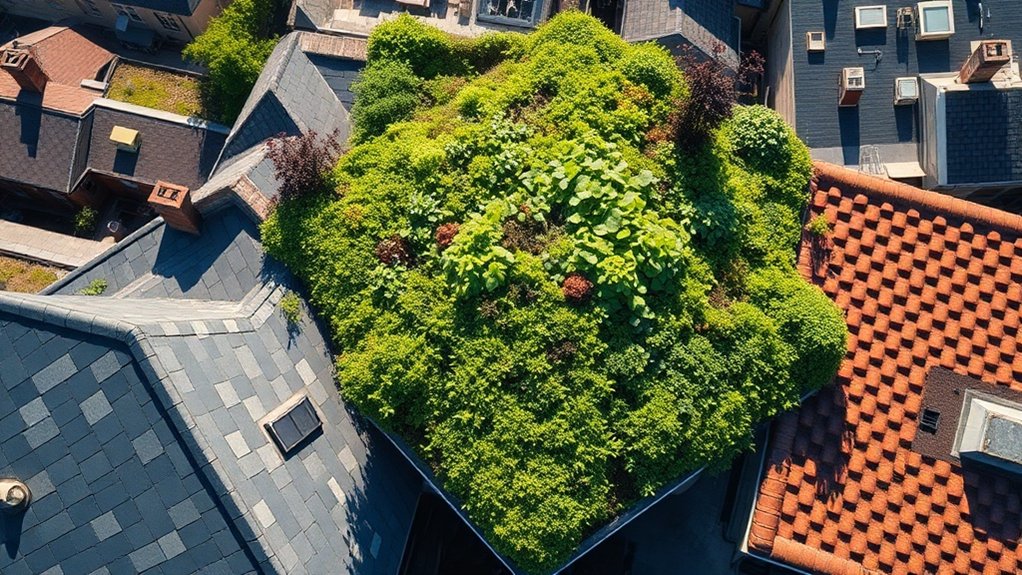
When considering the costs of replacing a green roof, it’s important to factor in the complexity of installation and the cost of materials.
Elements such as the size of the roof, structural requirements, and any access difficulties can significantly affect your budget. For instance, a larger roof or one that requires special equipment for access will generally cost more.
Moreover, the selection of plants and materials will influence the price per square metre, so careful planning is crucial.
Installation Complexity Factors
When considering the replacement of a green roof, it’s crucial to understand that installation complexity can significantly affect costs.
Here are some factors to keep in mind:
- Structural Reinforcement: Heavier green roofs may need extra engineering to ensure safety and stability.
- Design Complexities: Effective collaboration with specialists is vital for a well-planned and functional design.
- Safety Protocols: If the roof has steep slopes or is hard to access, you may require specialised equipment and skilled labour, which can drive up costs.
- Maintenance Accessibility: It’s important to plan for future maintenance to allow easy access for tasks like irrigation and plant care.
Material Cost Overview
Understanding the material costs for green roof replacements is important for both homeowners and contractors. Extensive green roofs usually cost around £75 per m², while intensive systems range from £150 to £300 per m².
Semi-intensive roofs typically fall between £80 and £150 per m², and modular options cost between £100 and £200 per m². Blue-green roofs, which are designed for water management, can go up to £350 per m².
Key factors that affect these costs include soil depth, plant variety, and the necessary structural supports. Although green roofs may require a higher initial investment than traditional roofing materials, they offer numerous benefits such as improved energy efficiency and enhanced biodiversity.
Additionally, using eco-friendly materials not only boosts visual appeal but also promotes environmental sustainability.
Labour Costs and Considerations
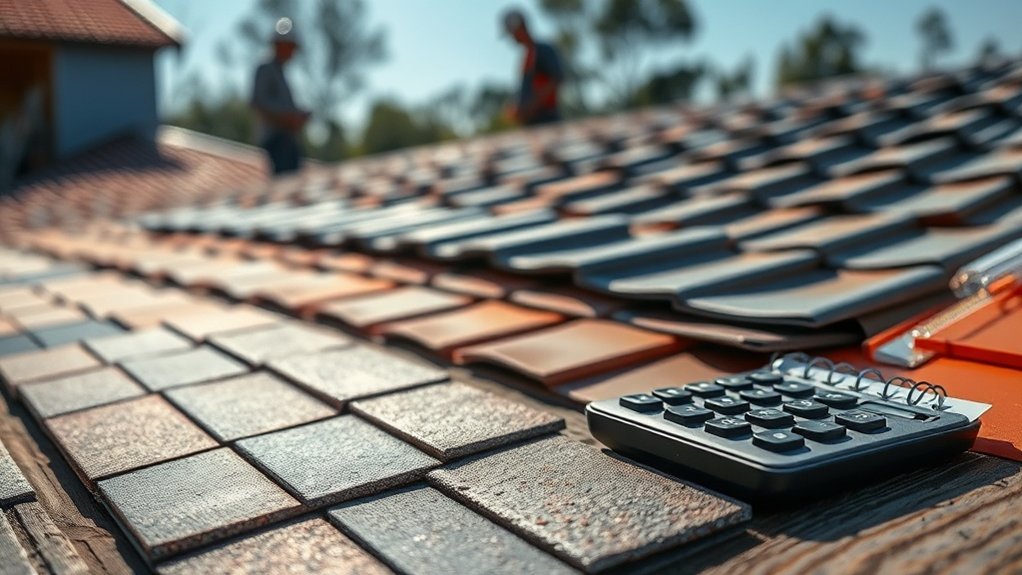
Labour costs are a significant part of the overall expense for roof replacement in the UK, and they vary based on the type and complexity of the roof.
Here are some key points to consider:
- Labour Rates: You can expect to pay between £150 and £250 per day, depending on your location and the specifics of your project.
- Labour Duration: The installation process typically lasts from 2 to 10 days, with flat roofs generally taking less time than pitched roofs.
- Complexity Impact: More complex designs, such as hip roofs, require skilled labour, which can drive up costs.
- Accessibility Issues: If your roof is particularly high or steep, this can complicate the job and increase labour costs due to reduced efficiency.
Understanding these factors can help you plan your budget more effectively for your roofing project.
Additional Expenses in Roof Replacement
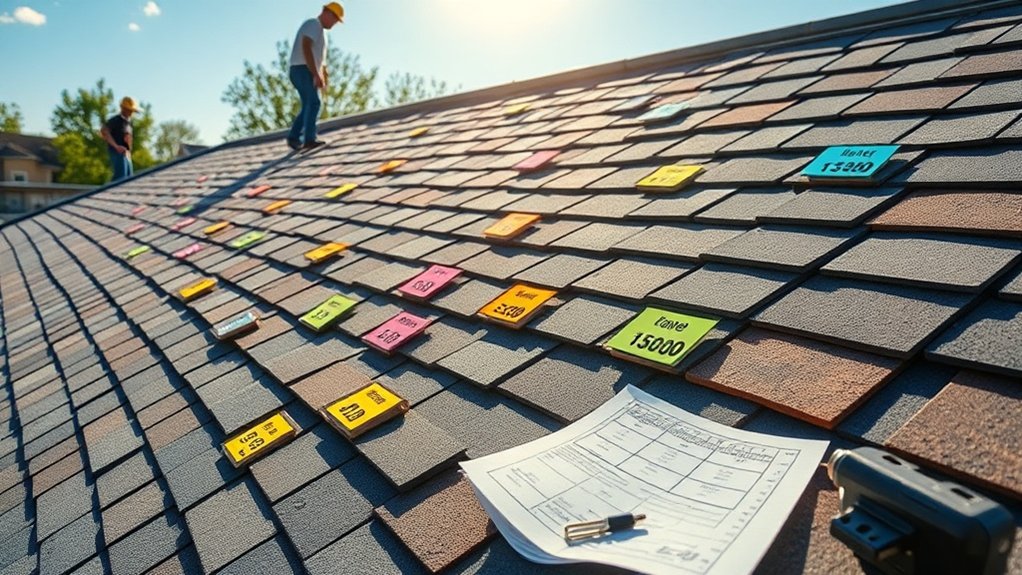
When planning a roof replacement, it’s important to factor in additional expenses that can significantly affect your budget.
Scaffolding typically costs between £500 and £1,500, depending on the size and complexity of your roof. If the project takes longer than expected, scaffold hire can increase these costs.
Waste disposal for old roofing materials usually ranges from £300 to £800, influenced by local landfill fees. If specialised disposal methods are required, this can add to the costs.
Don’t forget to consider potential structural repairs, necessary permits, and safety equipment, as these can add hundreds to your final bill.
Being aware of these factors will help you keep your budget in check.
Regional Variations in Roof Replacement Costs
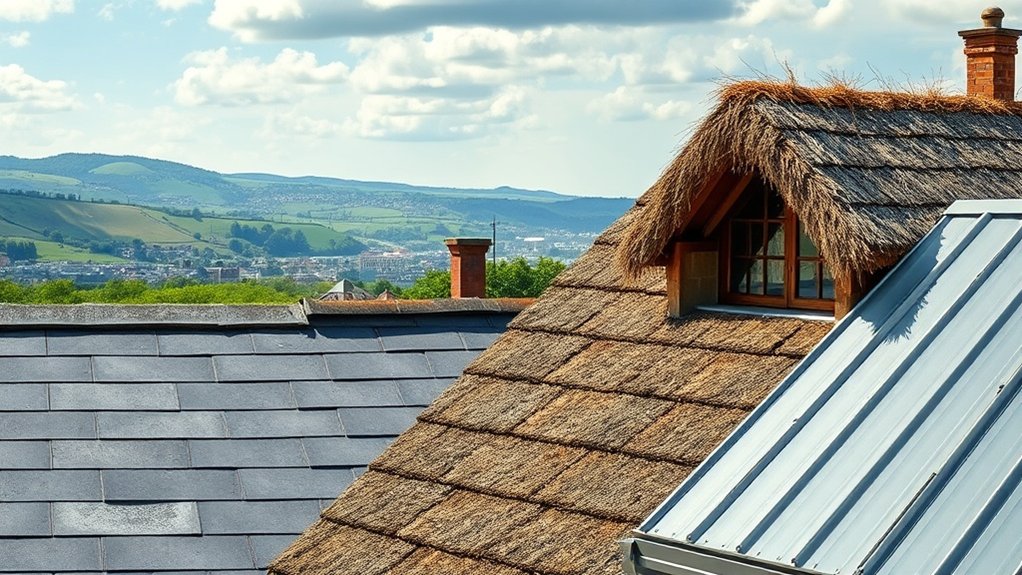
When planning your roof replacement, it’s crucial to understand that costs differ significantly across various regions of the UK. Here are some key points to consider:
- Urban Costs: In cities like London and Manchester, labour rates can soar to £250 per day, which drives up overall expenses.
- Rural Advantages: In contrast, rural areas typically enjoy lower labour costs, ranging from £150 to £180 per roofer per day, leading to considerable savings.
- Material Prices: Urban locations may face higher material costs due to transportation fees and stricter regulations.
- Local Influences: Regional architectural styles and local laws can also affect pricing, creating further discrepancies between urban and rural costs.
Being aware of these regional variations will help you make smarter decisions for your roof replacement project.
Factors Influencing Roof Replacement Pricing
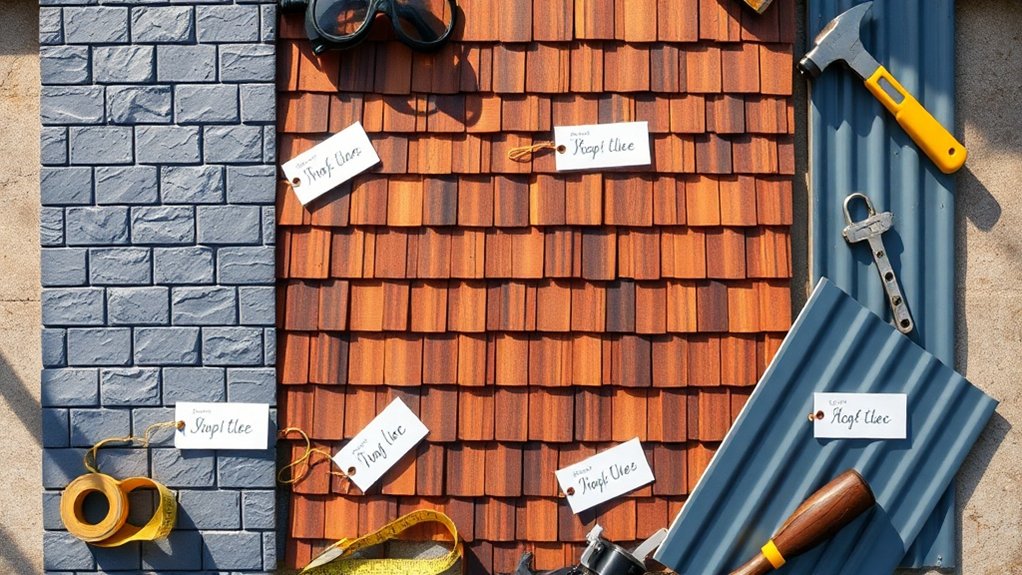
When it comes to roof replacement costs, the size of your roof plays a significant role in determining both material and labour expenses.
Larger roofs need more materials and take longer to install, which increases the overall cost. For example, if you have a bungalow versus a detached house, the latter will typically be more expensive to replace due to its larger surface area.
Additionally, the type of roofing materials you choose can vary greatly in price, so your budget will be influenced by your selections.
Roof Size Impact
The size of your roof significantly affects replacement costs, making it a key factor to consider.
Larger roofs lead to increased expenses in several areas:
- Material Costs: A bigger surface area requires more materials, which raises costs.
- Labour Costs: More extensive roofs take longer to install, potentially needing additional workers and time.
- Disposal Fees: Larger roofs generate more waste, resulting in higher disposal charges.
- Accessibility Challenges: Roofs that are complex or tall may need specialised equipment, which can further inflate labour and rental fees.
Material Selection Costs
Choosing the right materials for your roof replacement is crucial, as it affects both initial costs and long-term expenses.
Considerations like durability and aesthetics are key. For example, slate offers remarkable durability, lasting over 100 years, but comes with a high price tag. On the other hand, asphalt shingles are more affordable but typically need replacing every 20 years, which can add up over time.
Metal roofs strike a balance between longevity and appearance, with costs varying based on the type of metal used. Additionally, heavier materials may require stronger structural support, which can increase installation costs.
Ultimately, selecting materials that align with your budget while also considering their lifespan and visual appeal ensures a smart investment for your home.
Frequently Asked Questions
How Do I Choose the Right Roofing Material for My Home?
To choose the right roofing material for your home, consider the style, durability, and maintenance requirements. Compare options such as asphalt, clay, and metal based on cost, appearance, and environmental impact. For example, while asphalt is budget-friendly and easy to install, clay tiles offer a classic look but may require more maintenance. Metal roofs are durable and energy-efficient, making them a solid choice for long-term investment. Make an informed decision that suits your needs and enhances your home’s value.
What Is the Lifespan of Different Roofing Materials?
Different roofing materials have varying lifespans. Metal roofs can last between 40 to 60 years, flat roofs may exceed 50 years, tiles typically last around 50 years, and asphalt shingles usually last 15 to 30 years. When choosing roofing, consider the durability of each material for long-term value.
Can I Finance My Roof Replacement Project?
Yes, you can finance your roof replacement project. Consider options like personal loans, home equity loans, or payment plans offered by contractors. Each option has its pros and cons, so choose one that suits your budget and financial situation. For instance, a personal loan might offer lower interest rates, while a contractor payment plan could allow for more immediate work without upfront costs.
Are There Any Warranties Available for Roof Replacements?
Yes, there are warranties available for roof replacements. Manufacturer’s warranties cover the materials used, while workmanship warranties focus on the quality of the installation. Both types of warranties are important, as they help ensure your investment is protected against defects or installation issues. For example, if you choose a reputable manufacturer for your tiles, their warranty can provide peace of mind regarding material durability.
How Can I Find a Reliable Roofing Contractor?
To find a reliable roofing contractor, start by checking online reviews and asking for recommendations from friends or family. Get multiple quotes to compare pricing, and make sure to verify their credentials, such as insurance and trade associations. Look for contractors who communicate clearly and provide detailed quotes, warranties, and a portfolio of previous work to showcase their skills.
Conclusion
Replacing your roof can be quite an expense, but it’s essential for keeping your home safe and dry during the rain. Costs will differ based on the material you choose and your location, so be prepared for some variability. Don’t forget to consider labour costs and any additional expenses that may crop up. A well-maintained roof is crucial for a happy home—just make sure you’re ready for any future storms!


