

How to Prepare Your Home for a Roof Replacement
To prepare your home for a roof replacement, begin by assessing the condition of your roof and ensuring you have the required permits. Remove or secure interior items, cover furniture, and protect your garden from falling debris. Choose a reputable contractor and discuss safety measures with them. It's also a good idea to inform your neighbours about possible noise and disruption during the work. Once the replacement is complete, carry out a thorough inspection to ensure everything is in order. Keep these tips in mind for a smoother experience as you embark on this project.
Key Takeaways
- Carry out a detailed roof inspection to spot any visible damage and ensure all local permit requirements are met before beginning the replacement.
- Secure or remove any delicate items and decorations from the work areas to protect them from damage and dust during the roof replacement.
- Notify your neighbours about the project timeline and any expected noise to maintain good relations and minimise disruptions.
- Discuss safety measures with your contractor to ensure a secure working environment for everyone involved.
- Plan ahead for debris management, such as hiring a skip, and take precautions to protect outdoor areas from falling materials during the replacement process.
Assessing Your Roof's Condition

How well do you know the condition of your roof? A proper roof inspection is vital for every homeowner.
Begin by checking for visible damage—use binoculars to identify any missing or cracked tiles, which may indicate more serious problems. Look for signs of water leaks in your loft and inspect the flashing around vents and chimneys.
Don't overlook the gutters; ensure they're clear to avoid water damage. For a more detailed assessment, you might consider infrared scans or drone technology to detect moisture without causing disruption. Regular inspections maintain roof integrity and enable you to spot issues early, allowing for prompt repairs. Keep a record of your findings to help plan your budget and ensure compliance with local building regulations.
Taking these steps not only safeguards your home but also contributes to the safety and integrity of your community.
Preparing the Interior of Your Home

Before the roofing team arrives, it's important to prepare the inside of your home to minimise damage and disruption.
Start by securing or removing wall decorations such as mirrors and paintings to prevent them from falling due to vibrations. Move fragile items and sensitive electronics away from the areas affected by the work. Additionally, consider removing or securing fragile items like collectibles to further reduce the risk of damage. Regular inspections for broken tiles and shingles can help you assess the overall condition of your roof before the replacement begins.
Cover your furniture with protective sheets and use dust sheets in the attic to catch any debris. Close doors to seal off rooms, helping to contain dust and protect valuables.
Lastly, ensure that pets and children are kept in a quieter space during the work.
Preparing the Exterior of Your Home
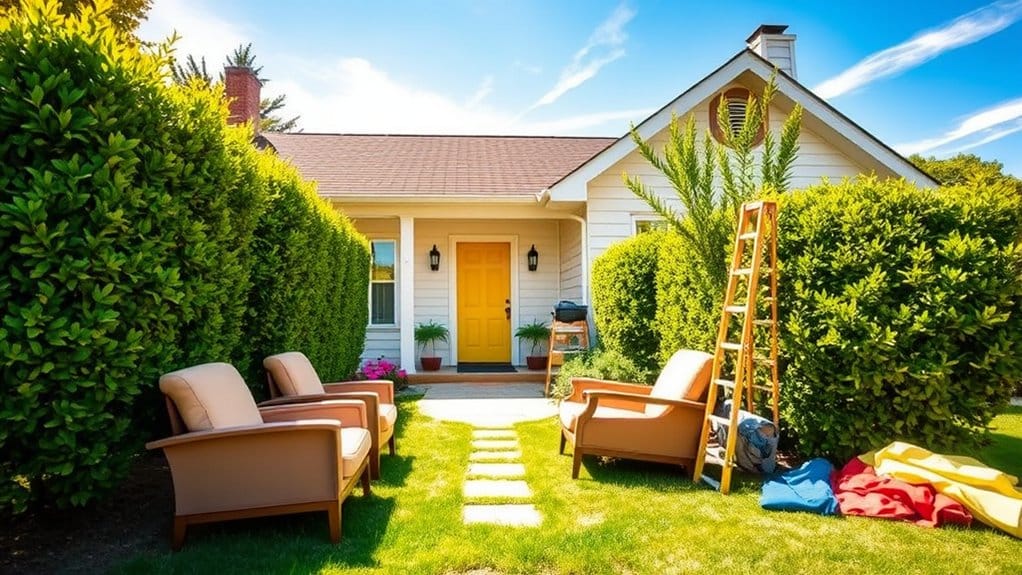
Preparing for your roof replacement?
It's important to clear the area and protect your garden. Move any outdoor furniture and potted plants to a safe location, and cover flowerbeds with tarps to keep them safe from debris. Additionally, be sure to use protective coverings over your home's exterior to safeguard against falling debris during the project. Regular inspections are crucial for roof condition and can help identify any potential issues before the replacement begins.
These simple steps will help ensure the process runs smoothly and preserve the charm of your home's exterior.
Clear Work Area
A well-prepared work area is crucial for a smooth roof replacement process. Start by ensuring the driveway is clear for easy access for the contractors. Park vehicles away to avoid any damage from falling debris and move outdoor items to a safe location. To protect your patio, relocate furniture, plants, and decorations to prevent any harm. Here's a quick checklist to guide you:
| Task | Purpose | Action Item |
|---|---|---|
| Clear Driveway | Ensure contractor access | Remove obstacles |
| Move Outdoor Furniture | Prevent damage | Relocate items |
| Trim Overhanging Branches | Enhance safety | Prune as necessary |
| Secure Loose Items | Avoid projectiles | Fasten or relocate |
Taking these steps not only protects your belongings but also creates a more efficient work environment for the roofing team. Additionally, ensuring a clear work area facilitates proper roof inspections to prevent potential leaks during the replacement process.
Protect Landscaping
Protecting your garden during a roof replacement is crucial for maintaining its beauty and integrity. Start by identifying areas at risk and marking any fragile plants for protection.
Use tarpaulins to cover flower beds and shield delicate plants from debris. Consider pruning trees and securing outdoor furniture in a shed to avoid damage.
If you have a pool, cover it with a tarp to protect the filters and pumps from falling materials. Discuss any specific concerns with your contractor to ensure landscaping protection measures are in place.
Lastly, take photos of your garden before work begins to document its condition. Following these steps will help keep your outdoor space intact during the project.
Implementing Safety Measures

Implementing safety measures during a roof replacement is crucial for preventing accidents and ensuring a smooth workflow. Start with a thorough risk assessment to identify potential hazards.
Here are some important steps to take:
- Clearly mark roof openings to prevent falls.
- Discuss safety protocols and potential risks with your contractor.
- Ensure all workers have received appropriate safety training.
- Use personal fall arrest systems when working at heights above 2 metres.
- Keep open communication with building occupants about safety issues. Additionally, it's important to maintain structural integrity during the replacement process to avoid risks associated with compromised roofs.
Choosing the Right Contractor
Once you've prioritised safety measures, the next step in your roof replacement journey is selecting the right contractor.
Start by assessing their qualifications. Look at their portfolio for similar projects and read customer reviews to gauge satisfaction. Check how long they've been in business and whether they specialise in the type of roofing you require. Be sure to verify their licenses, insurance, and certifications to ensure they're legitimate.
It's also crucial to discuss the project timeline upfront, ensuring both you and the contractor are on the same page.
Clear communication is vital, so establish effective channels to address any concerns. Finally, review proposals and contracts carefully—make sure you understand the terms before signing.
Making a wise choice will set the stage for a smooth roof replacement experience.
Understanding Material and Cost Options
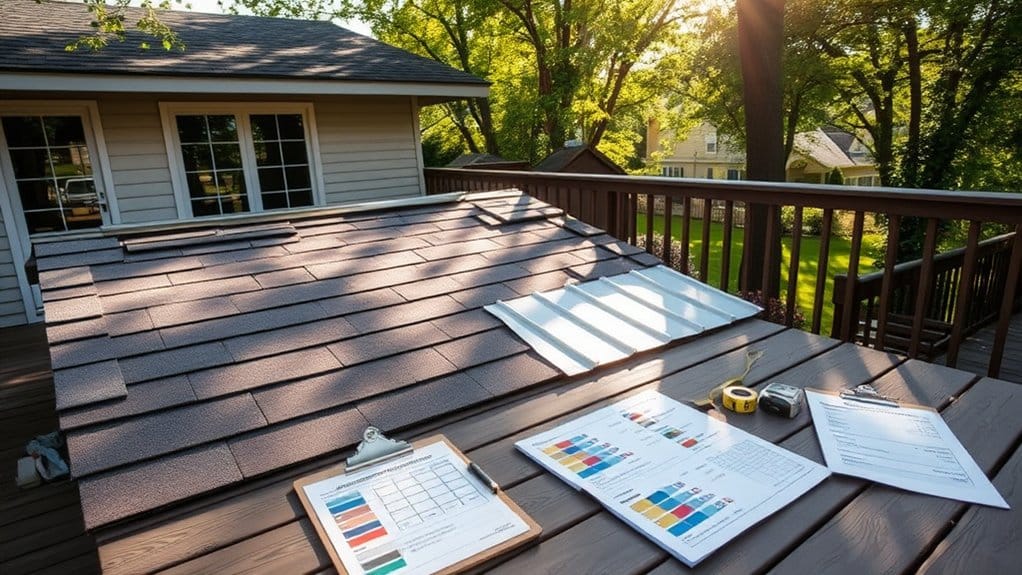
When it comes to replacing your roof, understanding your material and cost options is key to making an informed choice. Each roofing material has its own advantages in terms of durability and energy efficiency, so think about your specific requirements.
- Asphalt Shingles: Cost-effective and can last 20-30 years.
- Metal Roofing: Highly durable, lasting 30-50 years and very energy-efficient.
- Clay Tiles: Extremely long-lasting (over 50 years) but heavier and more expensive.
- Concrete Tiles: Similar longevity to clay but generally more affordable.
- Composite Tiles: Lightweight, low maintenance, and typically come with good warranties.
Consider these options in relation to your budget and local climate. A wise choice now can significantly boost your home's value and comfort for many years ahead!
Securing Necessary Permits
Selecting the right roofing material is crucial, but securing the necessary permits is equally important. Begin by identifying which permits you'll need according to local regulations. Generally, any structural changes, such as replacing roofing materials, will require a permit.
It's wise to consult your local council to clarify specific requirements and ensure compliance.
The application process usually involves submitting detailed plans—these may need to be signed off by a qualified professional—along with proof of property ownership.
Be aware of any permit fees and potential timelines for approval; processing can sometimes take longer than anticipated.
Managing Noise and Disruptions
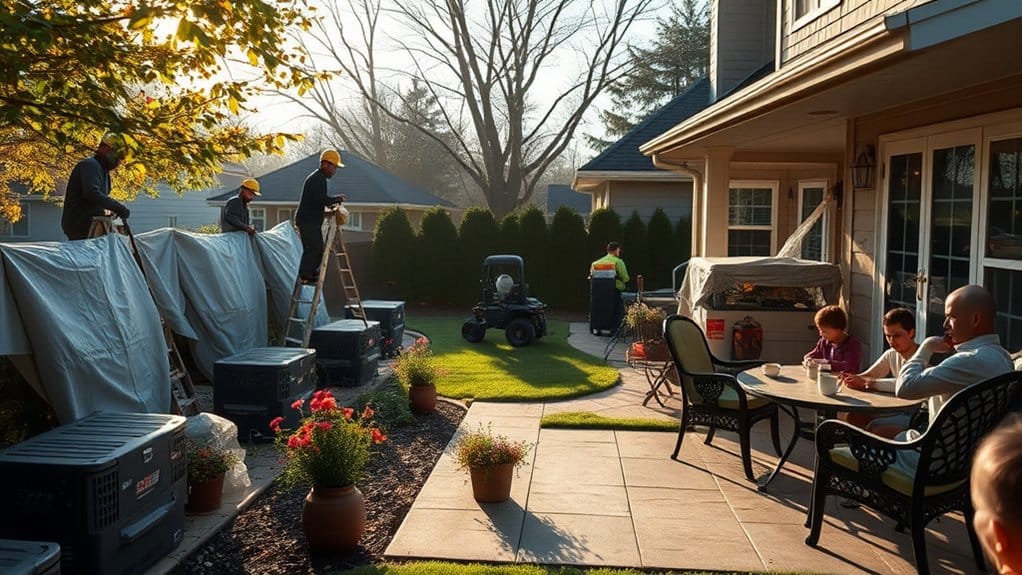
Managing noise and disruptions during a roof replacement can be tricky, but with some planning, you can lessen the impact on your daily routine. Here are some straightforward strategies:
- Inform family members about the expected noise levels and work schedule.
- Use noise-cancelling headphones or earplugs for extra comfort.
- Create a quiet area by adding insulation, carpets, or heavy curtains.
- Adjust work hours to avoid disruptions during sensitive times, like early mornings or late evenings.
- Consider arranging for pets to stay elsewhere to minimise their stress.
Communicating With Neighbors
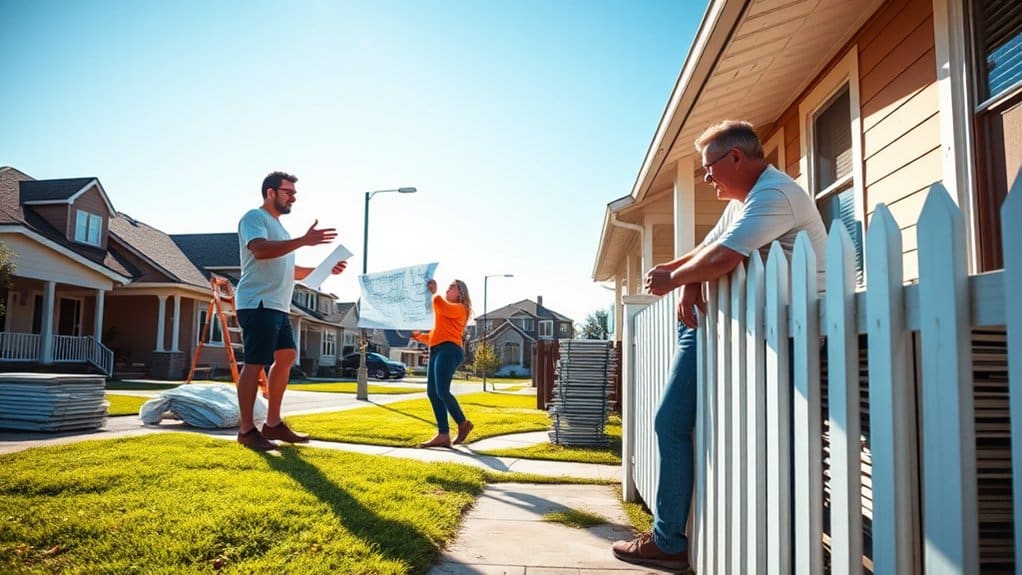
When organising a roof replacement, it's important to notify your neighbours about the schedule and any potential noise.
This heads-up allows them to prepare for any disruptions and helps maintain a friendly community atmosphere.
For example, let them know if work will start early in the morning or if heavy machinery will be used.
Inform About Schedule
To maintain good relations with your neighbours during a roof replacement, it's important to inform them about the project's schedule and any potential disruptions.
Clear communication allows everyone to adapt to the roofing timeline and encourages a cooperative atmosphere. Here are some key points to consider:
- Share the start and completion dates of the project.
- Discuss any expected disruptions, such as noise or access issues, and parking arrangements.
- Align your schedule with local routines to minimise inconvenience.
- Provide regular updates on the project's progress to keep everyone informed.
- Keep communication open for addressing any concerns your neighbours may have.
Address Noise Concerns
How can you effectively address noise concerns during your roof replacement? Start by informing your neighbours about the project. Share the schedule so they can prepare for the noise and adjust their routines accordingly. Here's a simple table illustrating common noise types and their impacts:
| Noise Type | Impact |
|---|---|
| Nail Guns (85-95 dB) | Disrupts calls and meetings |
| Hammering | Disturbs children and pets |
| Drilling | Causes anxiety for sensitive individuals |
| Installation Phases | Temporary but intense noise |
Consider using sound insulation methods, such as noise-cancelling headphones, to help manage the noise for yourself. Discuss solutions with your neighbours to maintain good relations and minimise disturbances. Remember, this noise is temporary, and keeping everyone informed will ease the situation.
Conducting a Post-Replacement Inspection
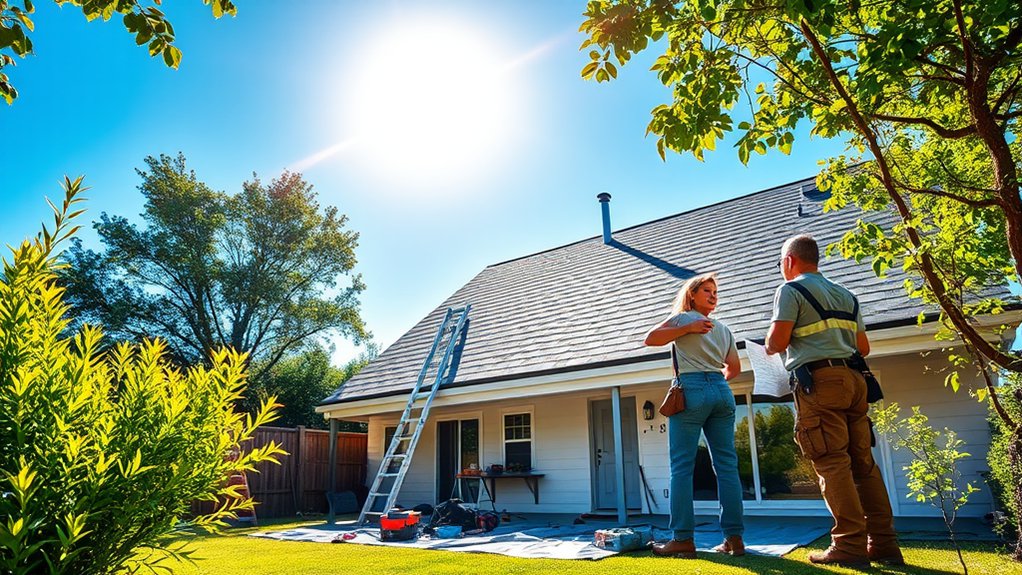
After your roof replacement, it's important to carry out a thorough inspection to ensure everything meets your expectations and complies with local regulations.
Use a post-inspection checklist to ensure you cover all key areas.
- Confirm the contractor's credentials and the quality of materials used.
- Check that the roof tiles are properly aligned and securely fastened.
- Inspect flashing around chimneys and vents for any potential leaks.
- Look for signs of leaks in your attic and around ventilation points.
- Keep a record of your findings and maintain open communication with your contractor.
Ensuring Proper Cleanup and Debris Removal
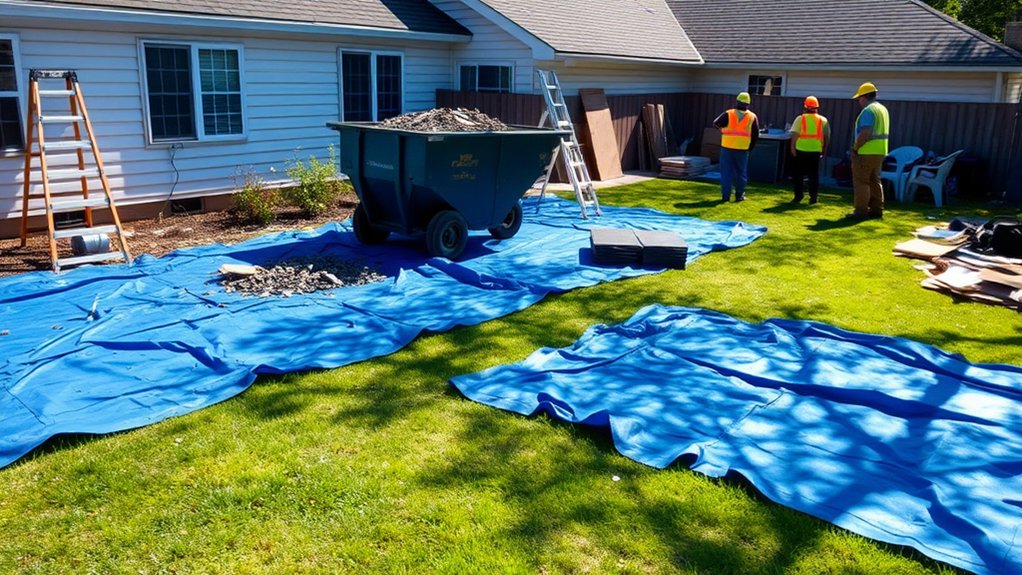
While a new roof is exciting, proper cleanup and debris removal are crucial for a successful project.
Begin by planning your debris management strategy—consider hiring a skip for efficient waste disposal. Clear outdoor areas of furniture and vehicles to minimise damage risks, and protect your garden with tarps.
Ensure your team is trained in safe debris handling and use tools like magnetic sweepers to catch stray nails. Conduct regular site inspections to spot debris issues before they escalate.
Lastly, look into recycling programmes for roofing materials to promote sustainability.
Frequently Asked Questions
How Long Will the Roof Replacement Process Take?
The duration of a roof replacement can differ depending on its size and complexity. To speed up the process, ensure there is clear access to your property and prepare in advance. This can significantly shorten the time it takes to complete the replacement. For instance, if scaffolding is required, having it set up beforehand can make a big difference.
What Weather Conditions Can Delay the Project?
Did you know that rainy weather can delay roofing projects by as much as 30%? Strong winds can also create safety hazards, bringing work to a halt. Being aware of these weather conditions allows you to anticipate possible delays and communicate clearly with your contractor.
Can I Stay Home During the Roof Replacement?
Yes, you can stay home during the roof replacement, but be ready for significant noise. Ensure that children and pets are kept safe and secure, and think about using different rooms to reduce stress and disruption.
Will My Homeowners Insurance Cover the Replacement Costs?
Your home insurance may cover replacement costs, but this depends on the specifics of your policy. It's important to review your coverage, understand the claims process, and keep detailed records to ensure you get the most out of your claim for roof damage. For instance, if your roof is damaged by a storm, having clear documentation of the damage and any repairs can help support your claim.
What Should I Do if I Notice Leaks After Replacement?
If you spot leaks after a replacement, carry out a leak assessment straight away. Make a note of any damage, then consult a qualified roofer about repair options to ensure proper fixes and avoid further problems. Don't put off addressing any issues.
Conclusion
Preparing your home for a roof replacement can make the process much smoother and less stressful. Interestingly, around 70% of homeowners notice improved energy efficiency after replacing their roof, which can lead to lower energy bills—making it a worthwhile investment. To get started, assess the current state of your roof, talk to your neighbours about the upcoming work, and select a reputable contractor. With some careful planning, you can protect your home while also boosting its value and comfort.


