

5 Reasons Roof Inspections Are Essential for UK Homes
Roof inspections are vital for homes in the UK for several key reasons. Firstly, they help identify leaks and damage early, which can save you from expensive repairs down the line. Regular inspections ensure your roof remains structurally sound, promoting safety and reducing health risks from mould.
Moreover, catching issues early can lead to significant savings on energy bills and can extend your roof’s lifespan by an impressive 10-15 years. A well-maintained roof also boosts your property’s value and ensures compliance with insurance policies, protecting you from potential denied claims.
By recognising these important benefits, you can safeguard your investment and ensure your roof continues to serve you effectively for many years.
Key Takeaways
- Prevent Damage: Regular roof inspections help spot leaks and structural problems early on, saving you from expensive repairs and significant damage later.
- Enhance Safety: Ensuring your roof is structurally sound reduces the risk of accidents caused by sagging or compromised roofs.
- Increase Energy Efficiency: Identifying areas of heat loss during inspections can lead to lower heating and cooling bills, making your home more energy efficient.
- Boost Property Value: A well-maintained roof can enhance your property’s resale value, making it more appealing to potential buyers.
- Insurance Compliance: Keeping up with regular inspections can meet insurance requirements, helping you avoid claim denials and possibly lowering your premiums.
Damage Detection
Damage detection is crucial for preserving the integrity of your roof. Regular inspections allow you to identify issues such as leaks, damaged materials, and punctures before they worsen.
Begin by locating leaks, as unnoticed moisture can lead to serious water damage, pest problems, and even structural issues. Consider using advanced tools like thermal imaging to spot leaks by identifying temperature variations on the roof. Additionally, employing non-destructive methods can help track down hidden leaks without causing further damage. It is also important to ensure compliance with local building regulations during inspections to avoid potential legal issues.
Next, perform a detailed assessment of the roofing materials. Look for missing or broken tiles, as well as signs of shrinkage or uplift caused by weather conditions.
Over time, these materials can deteriorate, heightening the risk of leaks and reducing your roof’s lifespan. Remember, regular inspections are essential—experts recommend at least one annual check, with more frequent inspections for flat roofs.
Safety Assurance
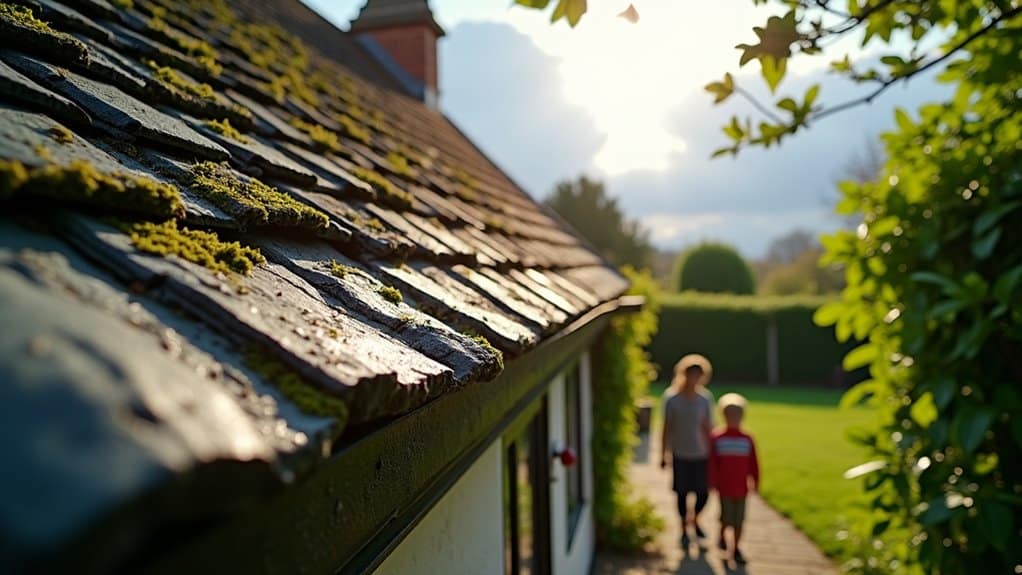
Ensuring your roof’s safety is vital for the structural integrity of your home and the health of its occupants. Regular roof inspections are essential for maintaining this integrity. They help identify issues like sagging or deflection before they worsen, preventing accidents from falling debris or even roof collapses. Structural damage poses risks not just for residents, but also for visitors.
Roof inspections are also important for preventing health hazards. They can detect potential issues such as mould and mildew, which can cause serious respiratory problems if not addressed. By identifying moisture problems early, you can reduce the risk of mould growth and water damage, creating a safer living environment. Additionally, a thorough inspection can help assess the expected lifespan of the roof, allowing homeowners to plan for future maintenance or replacement. This proactive approach aligns with the need for condition report surveys, which provide comprehensive assessments of roof conditions.
Moreover, regular inspections support fire safety by identifying ignition sources, removing debris that could ignite, and checking the condition of chimneys and ventilation systems. Complying with safety regulations through these inspections not only protects your property but also minimises liability in case of accidents.
Ultimately, prioritising safety through regular roof inspections helps safeguard your home and the well-being of everyone inside.
Cost Savings
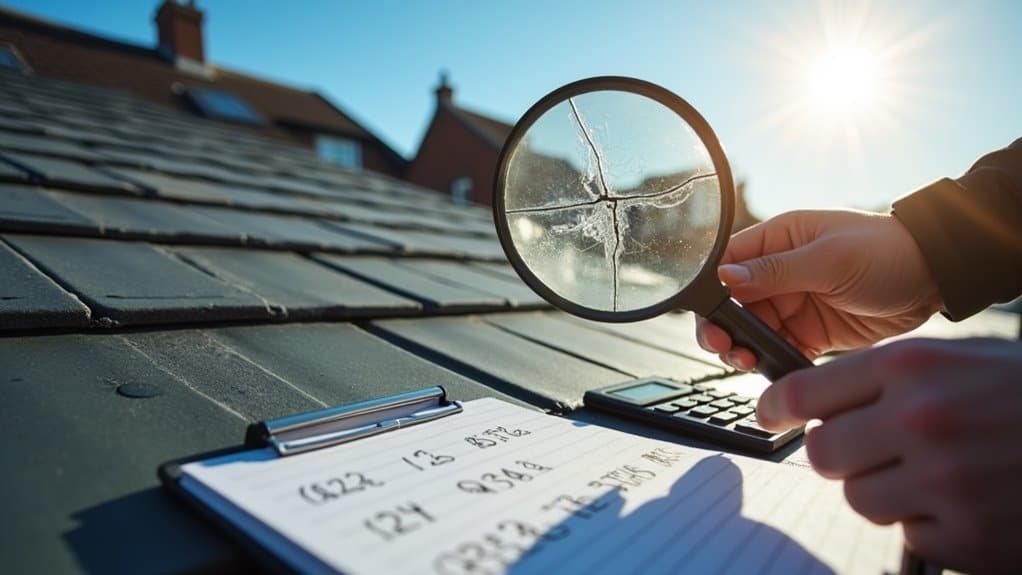
Regular roof inspections not only enhance safety but also lead to significant cost savings for homeowners. By spotting areas of heat loss, these inspections improve energy efficiency, which can lower your heating and cooling bills. Addressing insulation issues promptly prevents your systems from overworking, extending their lifespan and further reducing energy costs. Additionally, a thorough roof inspection can uncover underlying issues that may be affecting your roof’s performance.
Furthermore, catching roof problems early can save you from expensive repairs later. Regular inspections can prolong your roof’s lifespan, helping you avoid costly replacements. Minor repairs are much easier on the wallet than major overhauls, so early intervention is crucial. In addition, early detection of potential problems allows homeowners to address small leaks and damage before they escalate into larger, more costly issues.
Maintaining your roof also helps preserve your property value. A well-maintained roof prevents damage and improves your home’s appearance, making it more appealing to potential buyers. If you decide to sell, having documentation of regular inspections and maintenance can positively influence buyers and insurance claims.
Investing in professional inspections can reveal hidden issues that mightn’t be immediately visible, providing unbiased reports and helping you plan for future maintenance. This ultimately protects your investment and maximises your savings.
Prevents Water Damage
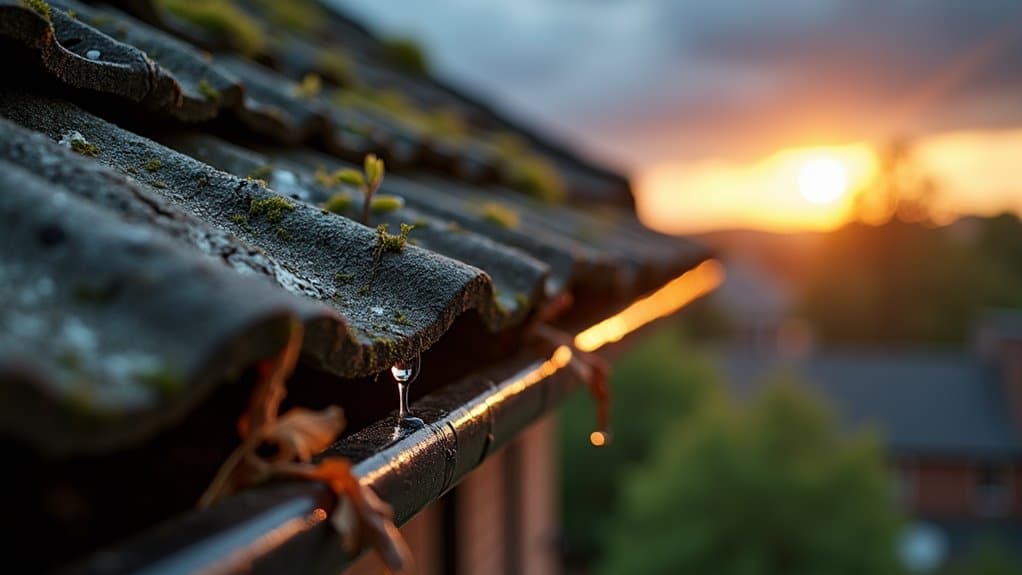
Conducting proactive roof inspections is essential for preventing water damage before it escalates into a significant issue. Regular inspections help identify potential leaks early, enabling you to address problems before they worsen. Spotting damaged tiles, loose flashing, or blocked gutters can save you from expensive repairs and serious structural issues. Ideally, you should inspect your roof annually or twice a year if you have a flat roof. Regular inspections utilize systematic approaches to ensure no area is overlooked, and incorporating a seasonal inspection schedule can further enhance your roof’s protection.
Here’s a summary of the benefits of regular roof inspections:
| Benefit | Description | Inspection Frequency |
|---|---|---|
| Early Detection | Spot potential leaks before damage occurs | Annually or bi-annually |
| Cost Savings | Prevents costly repairs and extensive damage | Regular maintenance checks |
| Mold Prevention | Reduces the risk of mould growth and health issues | Regular checks for leaks |
| Structural Integrity | Maintains the home’s structural integrity | Thorough inspections |
Regular roof inspections are a straightforward way to protect your home from water damage.
Extends Roof Life
Here is the revised content following your instructions:
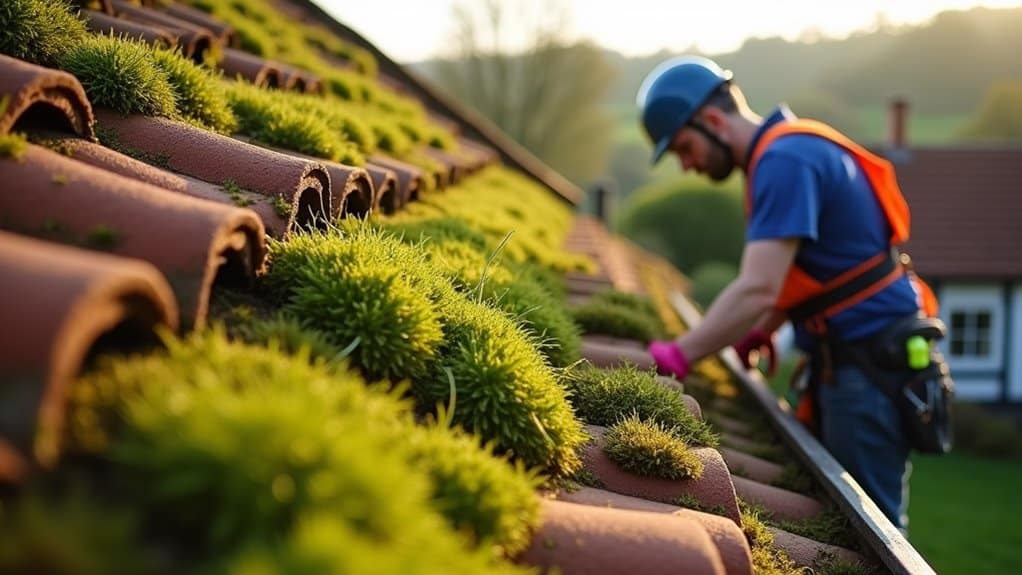
A regular inspection schedule can significantly prolong the life of your roof. By arranging frequent inspections, you ensure your roofing materials stay in top condition, regardless of the type of roof. Regular checks can significantly extend roof lifespan through the identification of potential issues. Proactive maintenance is essential for preventing larger problems that may arise from neglect.
Here are four key benefits of inspections:
- Early Detection of Problems: Regular checks allow you to spot issues like mould, moss, and leaks before they worsen.
- Lifespan Maintenance: Different roofs, such as asphalt or slate, have varying lifespans. Frequent inspections help preserve these materials and avoid costly repairs.
- Cost Savings: Tackling minor problems early can save you money in the long term by preventing extensive repairs or full roof replacements.
- Structural Safety: Routine maintenance not only safeguards your roof but also ensures the overall safety of your home. Regular inspections help maintain proper ventilation to combat damp and mould issues, contributing to a healthier living environment.
Frequently Asked Questions
How Do I Choose a Qualified Roofing Inspector?
To select a qualified roofing inspector, focus on those with recognised certifications and substantial experience in the field. Verify their qualifications, read positive reviews, and ensure they are knowledgeable about current building regulations and roofing technologies. For instance, an inspector with a valid membership in a professional body, like the National Federation of Roofing Contractors, can offer added assurance of their expertise.
What Should I Expect During a Roof Inspection?
During a roof inspection, you can expect to find common issues such as missing tiles and leaks. The inspector will use a checklist to assess both the exterior and interior aspects of your roof, ensuring a comprehensive evaluation of its condition and longevity. For instance, they may look for signs of wear around chimneys or valleys where water might collect. This thorough process helps maintain the health of your home’s roof.
Can I Perform a Roof Inspection Myself?
Yes, you can carry out a DIY roof inspection. Use binoculars for a better view, check the gutters, and look for any loose or missing tiles. Be cautious of common pitfalls like overlooking minor issues or not having the right tools, as these can lead to more significant problems down the line.
How Long Does a Roof Inspection Typically Take?
A roof inspection usually takes around 45 minutes, although the exact duration can vary. Factors such as the size of the property, the complexity of the roof, and how accessible it is can all influence the time needed. For instance, a simple pitched roof on a small bungalow will take less time to inspect than a large, multi-storey building with a flat roof. More comprehensive inspections will naturally take longer to ensure thoroughness and accuracy.
Are There Specific Signs That Indicate I Need an Inspection?
Yes, signs such as water stains, sagging ceilings, or light seeping into the loft suggest it’s time for an inspection. Regular seasonal checks can help identify these issues early, preventing expensive repairs and maintaining your roof’s integrity.
Conclusion
Roof inspections are essential for maintaining your home. By identifying potential issues early, you not only ensure safety but also avoid expensive repairs later on. Think of it as a regular health check for your roof. Regular inspections can help prevent water damage and prolong the lifespan of your roof. Don’t wait for problems to arise—stay proactive and keep your home safe and comfortable.


