Do’s and Don’ts of Residential Roof Maintenance
For effective residential roof maintenance, inspect your roof at least twice a year, particularly after severe weather. Clean your gutters regularly to prevent water damage and structural problems. Remove debris promptly and avoid walking on the roof; use a ladder and binoculars for inspections instead. Schedule professional assessments to identify hidden issues and carry out repairs immediately to prevent further damage. Use safe cleaning tools, and steer clear of pressure washers that can damage roofing materials. Lastly, create a seasonal checklist to help prepare for changes in weather. Following these steps will help ensure your roof's longevity and safety.
Key Takeaways
- Do conduct regular inspections at least twice a year, as well as after severe weather, to spot potential roof issues early.
- Don't ignore small leaks; fix them promptly to prevent further damage and expensive repairs later.
- Do keep gutters clear to ensure proper drainage and avoid water damage; increase your cleaning frequency if you're in a leafy area.
- Don't attempt repairs without proper safety gear; always wear non-slip footwear, harnesses, and protective eyewear when working on the roof.
- Do hire professionals for complex repairs or thorough inspections to ensure safety and effective use of specialised tools.
Inspect Your Roof Regularly
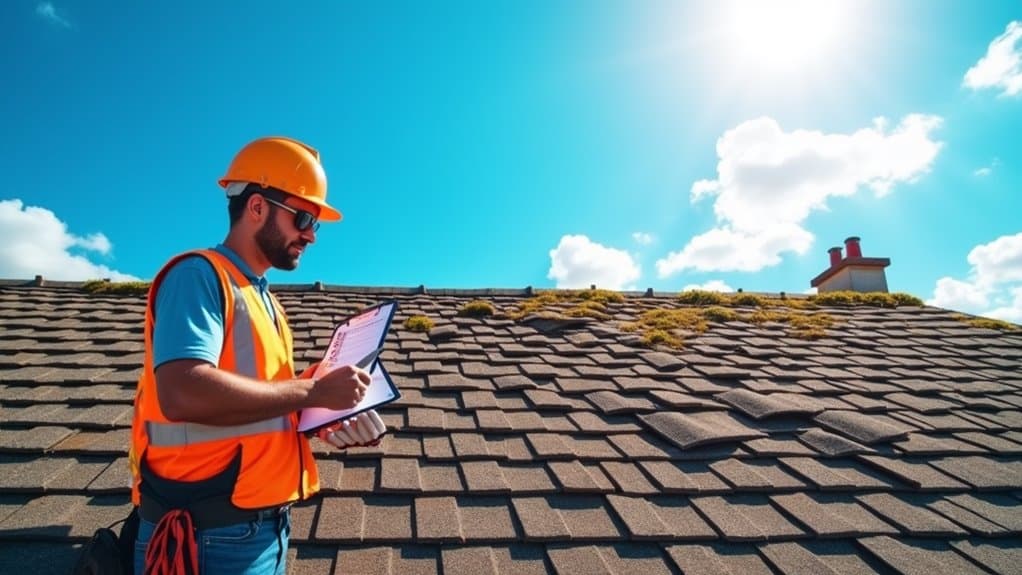
Regular roof inspections are vital for maintaining its integrity and avoiding costly repairs. To do this effectively, start by using ladders that are fit for purpose, ensuring they're stable and at the correct angle. If climbing isn't an option, binoculars can help you inspect from the ground or eaves.
Create a seasonal checklist that includes checking for loose, missing, or damaged tiles and flashing. Look out for signs of leaks, water stains, or damage to the roof structure. Regular maintenance can extend roof lifespan and help you identify potential issues early. Additionally, documenting your inspections can help track the condition assessment of your roof over time.
Don't forget to examine chimneys, vents, and other roof penetrations for wear and tear. Aim to inspect your roof at least twice a year, ideally in spring and autumn, as well as after extreme weather events.
If you live in an area prone to severe weather or have an older roof, consider inspecting it more frequently. For a thorough assessment, especially when buying a property, hiring professionals is a wise choice.
They can use advanced tools like infrared technology or drones to uncover hidden problems. By prioritising regular inspections, you'll protect your roof and enhance the overall safety and value of your home.
Clean Gutters Often
Keeping your gutters clean is crucial for proper water drainage and protecting your home from water damage. Regular maintenance prevents debris buildup, ensuring water flows freely away from your foundation. Clogged gutters can cause water to back up, leading to overflow that may erode your foundation and create structural problems.
The frequency of gutter cleaning depends on your surroundings. If you live in a heavily wooded area, you might need to clean them several times a year; homes with fewer trees may only require cleaning every 2-3 years. Additionally, aging roofing materials and severe weather can increase the need for more frequent cleanings. K-style gutters are particularly effective in handling heavy rainfall, making them a good choice for areas prone to storms.
To effectively manage debris, use a hose, brush, or gutter scoop to remove leaves and dirt. It's recommended to clean your gutters at least twice a year, typically in spring and autumn.
Always check for damage, such as rust or sagging, during cleaning. Installing gutter guards can help reduce how often you need to clean them, but it's still important to regularly inspect downspouts for blockages.
Remove Debris Promptly

To keep your roof in good condition, it's essential to remove debris regularly and promptly. Use suitable tools like soft-bristle brooms or leaf blowers to safely clear away leaves and twigs. If left unchecked, accumulated debris can cause water damage, mould growth, and structural problems. Neglecting debris removal may lead to expensive repairs, so make it a key part of your maintenance routine. Regular debris removal is crucial for maintaining the overall property maintenance and value retention of your home. Additionally, failing to clear debris can contribute to blocked gutters, increasing the risk of leaks and further damage.
Importance of Regular Cleaning
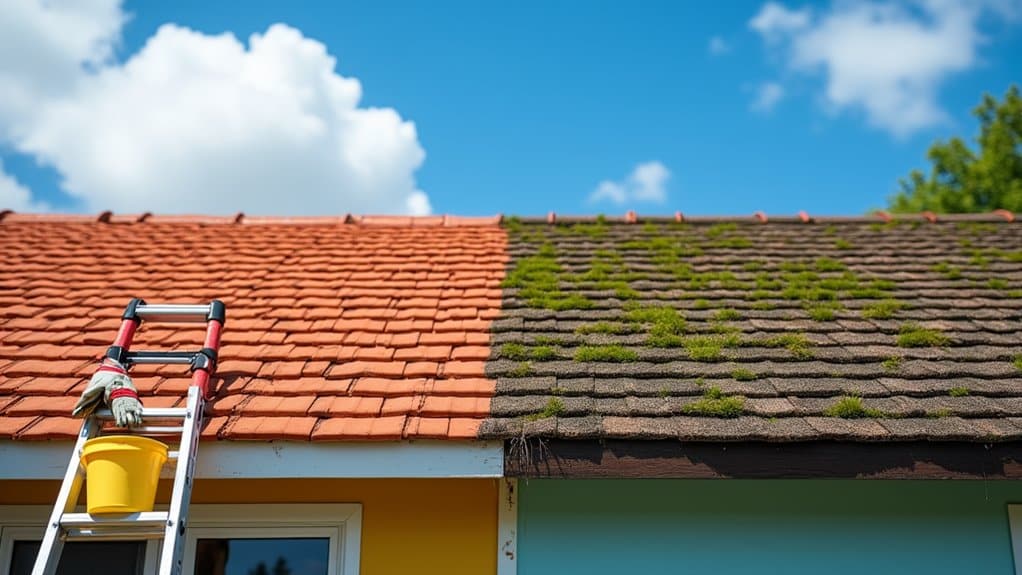
A clean roof is essential for the upkeep and longevity of your home. Regular cleaning helps prevent water damage caused by debris that retains moisture and stops premature ageing of shingles, which can be worsened by built-up materials. This is especially crucial if you've chosen sustainable materials, as neglect can lead to their early decline. Additionally, a dirty roof absorbs more sunlight, driving up your energy bills. Keeping your roof clean improves your home's energy efficiency, benefiting both your finances and the environment. It also boosts your home's curb appeal, which can positively affect its market value. Regular cleaning can significantly help in extending roof life, preventing costly replacements due to accelerated aging.
Many warranties require regular maintenance, and failing to comply can lead to issues like algae and moss growth, pest infestations, and increased repair costs. Regular inspections are essential to catch potential issues early on and maintain your roof's health. With modern cleaning technology and specialised tools available, maintaining your roof has never been easier. Prioritising regular cleaning not only protects your home but also ensures you meet insurance requirements, making it a vital part of home maintenance.
Tools for Debris Removal
Removing debris from your roof promptly is crucial for its integrity and longevity. Different types of debris, such as leaves, twigs, and larger branches, require specific tools for effective removal. A leaf blower is ideal for light debris, as it's quick and gentle on roofing materials. Use it on clear, windless days for better visibility and safety.
For larger debris, a roof rake is a good option. This tool allows you to pull materials off the roof without stepping on it, making it suitable for single-storey homes. Pair it with a soft-bristled broom to avoid damaging shingles while ensuring efficiency. Additionally, consider using a Rapid Roof Remover for efficient handling of multiple layers of shingles during your cleaning process.
Safety is paramount during debris removal. Always use sturdy ladders with stabilisers and wear protective gear, such as gloves and goggles. Non-slip footwear enhances safety on the roof, and a safety harness is advisable for steep areas.
For more challenging tasks, professional equipment like high-powered blowers and pressure washers can speed up the cleaning process, especially for heavy debris. Using the right tools not only simplifies the job but also helps maintain your roof's condition.
Risks of Accumulated Debris
Accumulated debris on your roof can lead to serious risks that jeopardise its integrity and result in expensive repairs. Ignoring the need for debris removal can cause several issues, including:
- Blocked gutters and downspouts, disrupting proper water drainage
- Pooling water that seeps under tiles, leading to leaks
- Mould growth from trapped moisture, which can harm indoor air quality
- Increased weight from wet debris, putting strain on the roof structure
These problems not only shorten your roof's lifespan but can also attract pests. Leaves and twigs may draw in insects and rodents, potentially leading to infestations that require professional pest control.
Pests can nest in the debris, causing damage as they chew through insulation and other materials, which can drive up your repair costs. Regularly cleaning your roof helps prevent common leak areas that are often exacerbated by accumulated debris.
To protect your home, regularly clean your roof and gutters. Trim back overhanging branches to reduce debris build-up, and consider installing gutter guards.
Consistent maintenance not only improves your roof's condition but also protects your living space from pest problems. Remember, timely debris removal is crucial for maintaining both your roof and your peace of mind.
Schedule Professional Inspections
Scheduling regular professional inspections is vital for keeping your roof in good condition and extending its lifespan.
These assessments can uncover hidden problems and ensure that any issues are rectified before they worsen. By selecting qualified professionals for these inspections, you can be confident of receiving precise evaluations and sound advice for maintaining your roof effectively.
For instance, spotting a small leak early can save you from expensive repairs down the line.
Importance of Regular Inspections
Regular inspections are vital for preserving the integrity and lifespan of your roof. By scheduling these assessments, you can enjoy several benefits that enhance the overall condition of your home.
Catching potential issues early stops minor problems from turning into expensive repairs, ultimately saving you money.
Here are some key benefits of regular inspections:
- Prevents Major Repairs: Tackling small issues promptly helps avoid extensive damage.
- Reduces Safety Hazards: Regular checks eliminate risks linked to a compromised roof.
- Extends Roof Lifespan: Routine inspections ensure your roof lasts as long as possible.
- Maintains Energy Efficiency: Inspections can pinpoint air leaks, improving your home's energy performance.
Keep your roof in top shape with regular inspections.
Choosing Qualified Professionals
Maintaining your roof is crucial for the longevity and safety of your home. To choose a qualified professional, start by checking their credentials. Ensure they've valid licences and adequate insurance, including public liability and employer's liability insurance. This protects you from potential liabilities and ensures they meet industry standards.
Next, assess the contractor's experience by reviewing their previous work. A solid portfolio should showcase a variety of projects, reflecting their quality. Look at customer reviews and ratings to gauge their reliability and professionalism. Don't hesitate to ask for references from past clients to get a clearer picture.
Effective communication is key. Make sure the contractor provides clear, detailed written estimates and keeps you informed throughout the project. This builds trust and helps manage your expectations.
Lastly, schedule inspections at key times, such as after severe weather or when buying or selling your home. Regular inspections are vital for preventative maintenance, so set reminders based on your roof's age and material.
Following these steps will help you select a qualified professional to maintain your roof's integrity.
Address Repairs Immediately

Addressing roof repairs promptly is essential for maintaining your home's integrity. Delaying repairs can lead to emergency situations that are more complex and costly. Ignoring minor issues now could result in significant damage later, affecting both your finances and the safety of your home.
Here are some potential consequences of neglecting repairs:
- Worsening Damage: Small leaks can develop into serious structural problems.
- Increased Repair Costs: The longer you leave it, the pricier the repairs become.
- Health Hazards: Leaks can lead to mould growth, posing serious health risks.
- Decreased Energy Efficiency: A damaged roof can cause higher energy bills due to air leaks.
To protect your investment, tackle any roof damage immediately. Regular inspections can help you spot issues early, allowing for timely fixes that save you money and maintain your home's value.
Use Safe Cleaning Methods
After addressing any necessary repairs, keeping your roof clean is vital for its longevity and functionality. Using safe cleaning methods protects your roof while delivering effective results.
One option is low-pressure washing, which involves using a pressure washer with low PSI to remove dirt, mould, and algae without damaging the surface. It's best to hire a professional for this, as they've the right equipment to do it safely.
Soft washing is another effective method, combining low-pressure water with eco-friendly cleaners. It's particularly suitable for delicate materials like asphalt shingles, providing gentle cleaning with immediate results.
Steam cleaning can also work well on certain roof tiles, helping to eliminate dirt and vegetation without compromising the roof's integrity.
For long-lasting results, consider a biocidal roof wash. This process involves manually scraping the roof and then applying a treatment that kills remaining organisms and prevents future moss growth for years.
Avoid Walking on Roof

When it comes to maintaining your roof, safety should be your main concern.
Avoid walking on your roof to reduce structural strain and prevent damage to materials.
Instead, consider investing in suitable equipment or hiring professionals to keep your roof in top condition.
It's simply not worth the risk.
Safety First Always
Stepping onto a roof can be risky, so it's essential to prioritise safety at all times.
When it comes to roof maintenance, always let safety and fall prevention guide your actions. Rather than walking on the roof, consider safer alternatives for assessing its condition.
Here are some practical safety tips:
- Use binoculars from the ground or a sturdy ladder to inspect the roof without risking a fall.
- Hire professionals for any repairs that need hands-on expertise.
- Identify hazards like power lines and damaged areas before starting any maintenance work.
- Adhere to Health and Safety Executive (HSE) regulations to minimise risks and ensure a safe working environment.
Minimize Structural Stress
To minimise structural stress on your roof, limit foot traffic and take necessary precautions. Excessive walking can affect the roof's load-bearing capacity and damage underlying structures, especially in low-pitched areas prone to ponding.
If frequent access is required, consider installing a roof walkway system to evenly distribute weight and protect the roof's integrity.
Always use stable ladders and wear safety goggles, gloves, and non-slip shoes for safe access. Avoid walking on sensitive areas like flashings, gutters, and ridges, particularly in adverse weather.
Keep a log of your visits and secure hatches to prevent unauthorised access.
Regular inspections are crucial for spotting potential issues early. Check for leaks, loose tiles, and other damage. Address repairs promptly to prevent more extensive problems.
Manage weight on your roof by distributing loads evenly and avoiding heavy debris accumulation. By following these guidelines, you can maintain your roof's structural integrity and extend its lifespan, keeping your home safe and secure.
Use Proper Equipment
Minimising structural stress is crucial, but using the right equipment is just as important for your safety and protecting your roof.
Start with proper ladder safety—always choose ladders that meet height requirements and avoid overreaching. Ensure they're set on stable, level ground. For extensive roof work, consider using scaffolding.
When performing roof maintenance, make sure you have the necessary safety gear:
- Non-slip footwear to prevent slips
- Safety harnesses with shock-absorbing lanyards for fall protection
- Protective glasses and gloves to shield against debris
- Hard hats to guard against falling objects
For cleaning, consider a pressure washer, but use it cautiously to avoid damaging materials. A soft-bristled brush is ideal for delicate areas.
For repairs, having the right tools is essential:
- Flashing pliers for flashing repairs
- A caulk gun for sealing gaps
- Tarps to prevent water intrusion while you work
Stay safe and keep your roof in good condition by using the proper equipment.
Check for Leaks Frequently
Regularly checking for leaks is crucial for maintaining your roof's integrity. Effective leak detection methods help you identify issues before they worsen. One advanced technique is infrared roof leak detection, which uses infrared cameras to produce moisture maps, showing areas with hidden moisture that traditional inspections might overlook.
For accurate results, consider electronic leak detection. This method involves passing an electric current through roofing materials to pinpoint membrane breaches, saving you time and money.
Water testing is another practical approach, where you carefully apply water to the roof to reveal leaks, though it requires skill to avoid causing further problems.
You might also look into alternative methods like trace gas detection, where non-toxic gas escapes through leaks, or dye testing, which uses coloured water to trace leak paths. Each technique has its advantages and can provide valuable insights into your roof's condition.
Inspect Roof Decking

How often do you consider the condition of your roof decking? Regular inspections are crucial for maintaining your roof's integrity. Here are key points to focus on during your check:
- Look for sagging areas: Check for any uneven sections on your roof.
- Inspect roofing materials: Evaluate the state of the roof materials for signs of wear or damage.
- Identify soft spots: Walk across the roof, pressing gently to find any soft areas.
- Check the underside: If you can access it, inspect the attic for signs of water ingress or ventilation problems.
Assessing the decking is vital. Look out for moisture, rot, or other damage that could weaken support.
Ensure the spacing of the boards meets specifications and that the nailing pattern is secure. It's also important that your decking is compatible with the roofing materials to ensure longevity.
Always prioritise safety when inspecting your roof. Walk carefully, follow proper ladder safety practices, and avoid extreme weather conditions.
If you discover anything worrying or feel uneasy during the inspection, it's wise to consult a professional. Regular checks, ideally twice a year, will help maintain your home effectively.
Maintain Proper Ventilation
Maintaining proper ventilation is crucial for preventing moisture accumulation in your loft, which can lead to mould growth and higher energy bills.
Ensure your ventilation system is balanced to promote effective airflow and reduce heat retention.
Addressing common ventilation problems not only safeguards your roof's integrity but also improves your home's overall energy efficiency.
For instance, installing vents or using ridge vents can help maintain that airflow.
Importance of Ventilation
Proper ventilation is crucial for the health and longevity of your roof. Ensuring adequate airflow can provide numerous benefits that directly influence your home's structure and energy efficiency.
Here are the main advantages of effective roof ventilation:
- Prevents Moisture Build-up: Helps to reduce the risk of mould, mildew, and rot in your loft.
- Extends Roof Life: Protects roofing materials from excessive heat and moisture damage.
- Reduces Energy Costs: Lowers energy bills by regulating temperatures in the loft.
- Improves Indoor Air Quality: Minimises indoor air pollutants that can impact respiratory health.
To achieve optimal ventilation, ensure your roofing system has a mix of intake and exhaust vents for continuous airflow.
Regular inspections are vital; clear any debris blocking soffit vents and ensure compliance with building regulations.
By prioritising proper ventilation, you not only extend the lifespan of your roof but also enhance the comfort and safety of your home.
Investing time in ventilation management is a sensible step towards better living conditions for you and your family.
Common Ventilation Issues
Even with proper ventilation, various issues can disrupt airflow and compromise roof performance. Identifying these common ventilation problems is crucial for maintaining your roof's longevity and ensuring optimal airflow.
| Causes | Effects |
|---|---|
| Poor vent placement | Inconsistent airflow causing hot spots |
| Obstructions (trees/buildings) | Moisture damage from condensation |
| Design flaws in roof shapes | Premature deterioration of roofing materials |
| Insufficient number of vents | Increased energy costs due to HVAC strain |
| Renovations disrupting existing ventilation | Ice dam formation leading to leaks |
To address these ventilation issues, consider implementing effective solutions. Regularly clear vents of debris and inspect your loft for obstructions. Ensure that half of your vent area is positioned low and half high, using soffit vents for intake and ridge vents for exhaust. Look out for signs of poor ventilation, such as mould growth and high humidity in your loft. By tackling these issues promptly, you can enhance airflow and safeguard your roof from serious damage.
Trim Overhanging Branches

Overhanging branches can pose serious risks to your roof and the overall safety of your home. Failing to trim them can lead to significant issues. Regular maintenance is key for both tree health and home protection.
Here are some risks associated with overhanging branches:
- Roof Damage: Branches can scratch shingles, causing them to curl or peel.
- Mould and Moss Growth: Reduced sunlight can create damp conditions for mould and moss.
- Blocked Gutters: Fallen leaves can clog gutters, leading to potential water damage.
- Safety Hazards: Falling branches pose a risk to both people and pets.
Aim to trim branches at least once a year to maintain a minimum 10-foot clearance from your roof. If branches from a neighbour's tree are overhanging your property, it's wise to discuss trimming with them first.
While you may have the right to trim, be mindful of local regulations and your obligations concerning the tree's health.
For larger branches, consider hiring a qualified arborist. They've the necessary expertise and insurance to carry out the work safely, ensuring both your roof remains intact and the tree stays healthy.
Prepare for Seasonal Changes
As the seasons shift, keeping up with your roof maintenance is essential to avoid costly repairs later on.
Here's a straightforward checklist to tackle seasonal challenges.
Spring: Inspect your roof for any winter damage like missing tiles and leaks.
Clear out your gutters and downpipes to ensure proper drainage, and check the condition of your tiles, especially if they're over 15 years old.
Note any signs of wear and clean surfaces to prevent mould growth.
Summer: Carry out a basic inspection for wear and remove any debris.
Ensure your gutters are functioning well, and consider applying a protective sealant to guard against UV rays.
Autumn: Check for and replace any damaged tiles, clean your gutters, and trim back any overhanging branches to prevent future issues.
Don't forget to inspect the chimney for cracks.
Winter: Keep an eye on your roof under heavy snow, removing excess snow carefully.
Address any leaks immediately to prevent further damage.
Staying on top of these tasks will help extend the life of your roof and keep your home safe throughout the year.
Use Appropriate Cleaning Tools

Using the right tools for roof maintenance is essential for safety and effectiveness during cleaning tasks. When tackling a roof cleaning project, ensure you have the appropriate equipment. This not only helps you complete the job correctly but also protects you from potential injuries.
Here are the key tools you'll need:
- Ladders for safe access to the roof.
- Non-slip shoes to improve grip and reduce the risk of slipping.
- Long garden hoses for effective water reach.
- Garden sprayers to evenly apply cleaning solutions.
Don't forget your safety gear. A safety harness can prevent serious falls, and protective eyewear and clothing are crucial when dealing with harsh chemicals.
It's also advisable to avoid using pressure washers, as they can damage roofing materials. Always clean from the bottom up to keep surfaces dry and safe.
Limit DIY Repairs
Having the right tools for roof maintenance is important, but knowing when to limit DIY repairs is crucial too. The risks of DIY roofing can easily outweigh the potential savings. Safety hazards, such as falls and injuries from handling heavy materials, are significant concerns.
Without proper training, you may misdiagnose issues or use incorrect repair methods, leading to further damage and poor quality work. Cost is also a key factor. While hiring a professional might seem more expensive at first, the long-term advantages often justify the expense.
Professionals bring valuable experience and expertise, ensuring quality repairs with suitable materials. They can complete repairs efficiently, reducing your exposure to the elements and preventing additional damage.
Furthermore, DIY repairs can affect warranties and insurance coverage. Many manufacturers will void warranties if repairs aren't carried out by certified professionals, and insurance claims may be rejected due to unapproved work.
Enroll in Maintenance Plans
Regularly enrolling in a roof maintenance plan can significantly increase the lifespan and efficiency of your roof. These plans provide essential benefits, ensuring your investment remains protected. By committing to regular professional inspections and upkeep, you can avoid costly repairs and prolong your roof's life.
Here are some key advantages of a maintenance plan:
- Reduces Roof Deterioration: Identifying issues early can prevent serious structural damage.
- Prevents Emergency Repairs: Tackling problems before they worsen can save you both time and money.
- Extends Roof Lifespan: Consistent maintenance helps your roof last longer.
- Meets Warranty Requirements: Fulfil maintenance conditions to support warranty claims.
A comprehensive plan typically includes regular inspections, seasonal cleaning, and detailed records. Skilled contractors can spot hidden problems during inspections, reducing the risk of mould and mildew while improving energy efficiency.
Plus, keeping your roof well-maintained ensures safety for anyone needing access, minimising slip and fall hazards.
Frequently Asked Questions
How Can I Tell if My Roof Needs Replacement?
To find out if your roof needs replacing, consider its age, check for curled or missing tiles, and look for any signs of leaks. A roof's lifespan can significantly affect replacement costs, so a prompt assessment can save you money in the long run. For example, if you notice water stains on your ceiling or damp patches in your attic, it's time to investigate further.
What Are the Signs of Roof Mold or Mildew?
Did you know that around 50% of homes in the UK have issues with mould? Look out for discolouration, a musty smell, and visible patches. To effectively prevent and treat mould, regularly check your roof and ensure proper ventilation to reduce moisture build-up.
How Often Should I Clean My Roof?
The frequency of cleaning your roof depends on the local climate and seasonal maintenance requirements. In humid regions, it's advisable to clean your roof every 1-2 years. In drier areas, every 2-3 years should suffice, keeping in mind any debris from nearby trees or plants. Regular maintenance helps prevent issues and prolongs the life of your roof.
Can I Use a Pressure Washer for Roof Cleaning?
Using a pressure washer for roof cleaning isn't advisable. It can lead to damage and leaks. Instead, consider safer alternatives like soft washing, which is gentler on your roof and more effective at removing grime.
What Should I Do During a Roof Emergency?
In a roof emergency, first assess the damage and use temporary solutions such as tarpaulins to cover leaks. Make sure to document everything for your insurance claim. It's crucial to contact a professional for emergency repairs to ensure safety and prevent further damage. For example, if your roof has started to leak during heavy rain, quickly placing a tarp can help protect your home until a roofer can assess the situation.
Conclusion
By adhering to these do's and don'ts, you can ensure your roof stays in excellent condition for many years. View your roof as a protective barrier; neglecting it could expose your home to harsh weather. Regular inspections, proper maintenance, and prompt repairs can stop minor issues from escalating into expensive problems. Don't delay—take proactive measures now to safeguard your investment and keep your home secure.


