

Complete Roof Inspection Guide: Processes, Benefits, and What to Expect
A comprehensive roof inspection entails a meticulous evaluation of your roofing system, including tiles, gutters, and flashings. You can expect a 30-60 minute assessment covering both exterior and interior elements. Our professional surveyors employ visual examinations and advanced techniques like thermal imaging to detect visible and hidden issues.
Regular inspections, ideally conducted annually, help maintain roof integrity and prevent costly structural problems. Following the survey, you’ll receive a detailed report with photographs and repair recommendations. The benefits include early issue detection, extended roof lifespan, and potential compliance with building regulations and insurance requirements.
When considering roofing materials, popular choices include slate, clay tiles, and concrete tiles, all of which offer excellent protection against our often wet and windy climate. For flat roofs, options like EPDM rubber and GRP fibreglass have gained popularity due to their durability and water-resistance properties.
It’s crucial to be aware of local planning permissions, particularly if you reside in a conservation area or wish to alter the appearance of your roof significantly. Our team is well-versed in navigating these regulations to ensure your roofing project complies with all necessary standards.
Given the unpredictable weather patterns, from heavy rainfall to occasional snow, regular maintenance is essential. This includes clearing gutters, checking for loose tiles, and ensuring proper ventilation to prevent issues like dampness and mould growth.
Costs for inspections and subsequent work vary based on the type of survey required and the complexity of your roof. However, this investment can save you thousands in future repairs and provide peace of mind during those blustery autumn storms or frosty winter nights.
By prioritising regular roof maintenance and choosing appropriate materials for our climate, you can ensure your property remains well-protected for years to come.
Key Takeaways
A Comprehensive Guide to Roof Inspections: What Homeowners Should Know
Regular roof inspections are crucial for maintaining the integrity of your home’s first line of defence against the elements. A thorough evaluation of your roofing system typically takes between 30 to 60 minutes for an average-sized property.
Professional inspectors employ both visual surveys and cutting-edge techniques like thermal imaging to identify visible and concealed issues. These methods are particularly valuable in our damp climate, where hidden moisture damage can be a significant concern.
By opting for a professional inspection, you’ll receive a detailed condition report and expert advice. Skilled roofers can often spot problems that might be overlooked during a DIY assessment, such as early signs of moss growth or slight displacements in slate tiles.
Scheduling regular inspections helps catch minor issues before they escalate, potentially extending your roof’s lifespan and avoiding costly repairs down the line. This is especially important given our unpredictable weather patterns, which can take a toll on roofing materials.
The cost of an inspection varies depending on the methods used. Standard physical inspections typically range from £60 to £160, a modest investment considering the potential savings in future repair costs. It’s worth noting that some local councils may require regular inspections for certain types of properties or in conservation areas.
When choosing a roofing inspector, look for professionals who are familiar with common materials used in our region, such as Welsh slate, clay tiles, or felt for flat roofs. They should also be well-versed in local building regulations and able to provide guidance on any necessary permissions for repair or replacement work.
Remember, a well-maintained roof not only protects your home but can also improve its energy efficiency and overall value. Don’t wait for a leak to appear – schedule your roof inspection today and ensure your property remains in top condition, come rain or shine.
Definition of Roof Inspections
The crux of a roof inspection lies in its thorough evaluation of your home’s protective covering. It’s a professional assessment of your roofing system, encompassing various components like tiles, gutters, and flashing. During this process, experts meticulously examine your roof for damage or missing elements that could potentially lead to water ingress and structural issues.
These inspections are typically recommended annually and can last between 30-60 minutes for mid-sized homes, with larger properties potentially requiring up to two hours for a detailed evaluation.
Understanding roof inspection importance is vital for homeowners. These evaluations serve to maintain the integrity of your roof, loft, and home interior, ensuring longevity and peak performance. Many buildings insurance companies require annual inspections, highlighting their significance in property maintenance.
Your roof inspection will typically involve both exterior and interior assessments. Inspectors will look for signs of damage, including leaks, damp problems, and indications of mould or mildew. By detecting issues early, you can prevent costly repairs and extend your roof’s lifespan.
As part of your homeowner responsibilities, you’ll receive a detailed report with photos documenting the roof’s condition and recommendations for necessary repairs or maintenance. This thorough evaluation provides you with valuable insights into your roof’s health and longevity.
When considering roofing materials, popular choices include slate, clay tiles, and concrete tiles, all of which offer excellent durability against our often wet and windy weather. It’s crucial to ensure your roofing system complies with current building regulations, particularly concerning insulation and energy efficiency standards.
Regular inspections are especially important given our climate, where persistent rain and occasional severe weather events can take their toll on roofing systems. A well-maintained roof not only protects your property but can also improve its energy efficiency, potentially reducing heating costs during chilly winters.
Types of Roof Inspections

Roof inspections can be broadly categorised into visual and advanced techniques. One might encounter physical inspections for basic assessments, whilst advanced methods like infrared and drone inspections offer more extensive evaluations. These specialised techniques allow for the detection of hidden issues and safe inspections of hard-to-reach areas, providing a more thorough analysis of a property’s roof condition.
When considering a roof inspection, it’s crucial to be aware of local building regulations and safety standards. Professional roofers are well-versed in these requirements, ensuring that any work carried out meets the necessary criteria. For instance, adhering to the Building Regulations 2010 is paramount when assessing the structural integrity and energy efficiency of a roof.
Popular roofing materials in our region include slate, clay tiles, and concrete tiles, each offering distinct advantages suited to our climate. Slate, for example, is highly durable and resistant to the often unpredictable weather patterns we experience. Clay tiles provide excellent insulation, helping to keep homes warm during chilly winters and cool in the occasional heatwave.
Weather considerations play a significant role in roof maintenance and inspections. Our often damp climate can lead to issues such as moss growth and water ingress, making regular checks essential. Autumn inspections are particularly important, as they allow homeowners to prepare for the harsher winter months ahead.
Advanced inspection techniques, such as thermal imaging, can be invaluable in identifying potential issues before they become serious problems. This non-invasive method can detect heat loss, moisture penetration, and other hidden defects that mightn’t be visible to the naked eye.
Visual Vs. Advanced Inspections
Visual Vs. Advanced Roof Surveys
Two primary categories of roof surveys exist: visual and advanced. Visual surveys involve a thorough examination of your roof’s surface and materials. They’re cost-effective, typically ranging from £75 to £225, and can identify visible issues like damaged tiles and blocked gutters.
Visual survey benefits include early detection of common problems and regular maintenance planning. These surveys are essential for identifying signs of roof issues, such as moss growth or cracked tiles, which can indicate potential problems if left unaddressed.
Advanced surveys utilise sophisticated technologies to detect hidden damage and leaks. These include infrared and drone surveys, costing between £300 and £450. Advanced survey technologies offer a more detailed understanding of your roof’s condition. Infrared surveys use thermal imaging to locate moisture beneath the surface, while drone surveys are particularly useful for steep or high roofs, capturing imagery that visual surveys might miss.
Physical surveys provide hands-on evaluation of roofing components, complementing visual assessments. For roofs over 10 years old or after significant weather events, such as severe gales or heavy snowfall, advanced surveys are recommended.
Visual surveys should be conducted annually, while advanced surveys are advised based on your roof’s age and condition. Each type offers unique insights, ensuring a thorough evaluation of your roof’s integrity and longevity.
When considering roof surveys, it’s essential to be aware of local building regulations and planning permissions, especially for properties in conservation areas or listed buildings.
Popular roofing materials in our region include slate, clay tiles, and concrete tiles, each with unique maintenance requirements. Our temperate maritime climate, characterised by frequent rainfall and occasional strong winds, necessitates regular roof maintenance to prevent water ingress and wind damage.
Specialised Inspection Techniques
Building upon the foundation of visual and advanced surveys, specialised inspection techniques offer targeted approaches to assess specific aspects of your roof’s condition. These methods employ advanced technologies to provide a thorough analysis of your roof’s health. Regular inspections are essential for maintaining roof integrity and can help identify potential issues early, preventing costly repairs down the line.
Physical inspections remain a cornerstone of roof assessment, costing between £60 and £160. They involve a close-up examination of your roof’s surface and key components, identifying visible damage. For a more in-depth analysis, infrared inspections utilise thermal imaging to detect hidden moisture issues and leaks. This specialised technique typically costs £320 to £480, offering valuable insights into your roof’s internal condition.
Drone inspections have revolutionised the assessment of hard-to-reach or steep roofs. Priced at £120 to £320, they provide a safe and thorough overview of your roof’s condition. While home surveys include a general roof assessment, they don’t offer the detailed analysis that dedicated roof inspections provide.
It’s important to note that costs for these specialised techniques can vary based on your location and market demand. To verify you’re getting the most accurate pricing, obtain multiple quotes from professionals with relevant inspection certifications. This approach will help you select the most appropriate and cost-effective inspection method for your specific roofing needs.
When considering roof inspections, it’s crucial to keep in mind local building regulations and planning permissions, particularly for listed buildings or properties in conservation areas.
Popular roofing materials such as slate, clay tiles, and synthetic slate alternatives are well-suited to withstand the damp climate and frequent rainfall. Regular inspections are especially important given the impact of weather patterns on roofing materials, including the potential for moss growth and dampness-related issues.
Homeowners should also be aware of the importance of proper loft insulation and ventilation, which play a significant role in maintaining roof health and energy efficiency. By investing in comprehensive roof inspections and maintenance, property owners can ensure their roofs remain in top condition, protecting their homes from the challenging weather conditions whilst adhering to local standards and regulations.
Key Components Examined
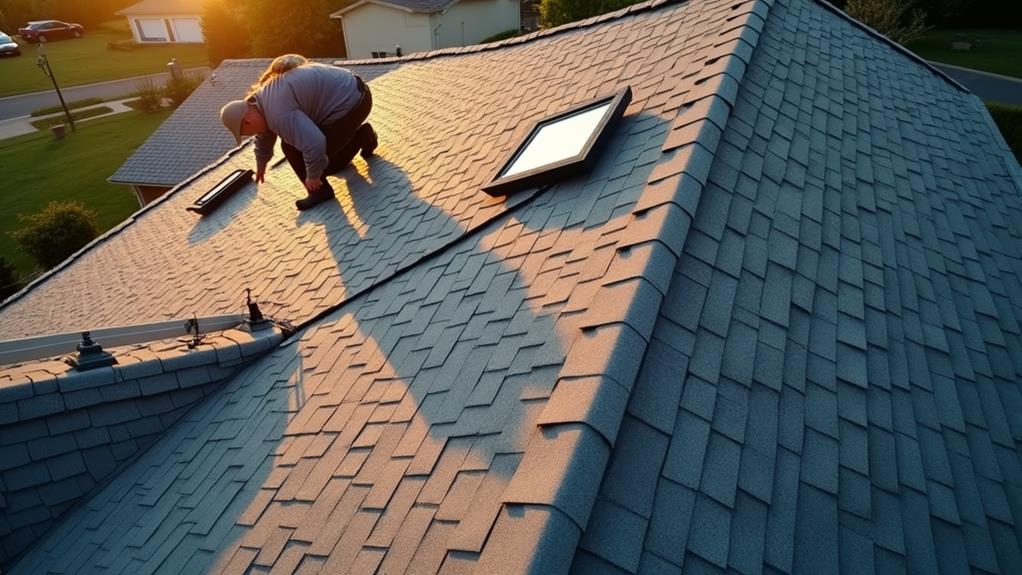
When conducting a comprehensive roof survey, three critical areas demand attention. Your surveyor will meticulously examine the external roofing materials for indications of wear, damage, or deterioration. Popular choices in our region include slate, clay tiles, and increasingly, photovoltaic tiles for energy efficiency.
The inspector will also perform an internal loft inspection to check for damp issues, insulation deficiencies, and ventilation effectiveness. A proper loft inspection is crucial, as inadequate ventilation and insulation can lead to condensation build-up and temperature regulation problems, potentially reducing your roof’s longevity. This is particularly important given our damp climate and stringent energy efficiency regulations.
Furthermore, a structural integrity assessment will be carried out to evaluate the roof’s timber frame, decking, and overall stability. This step is vital, especially for older properties with listed building status or those in conservation areas, where maintaining historical authenticity is paramount.
Local building regulations play a significant role in roofing practices. Your surveyor will ensure compliance with current standards, including fire safety measures and load-bearing capacities to withstand potential heavy snowfall in certain regions.
Weather considerations are crucial when selecting roofing materials and designs. With our frequent rain and occasional high winds, proper drainage systems and secure fixings are essential. In coastal areas, additional measures may be necessary to combat salt corrosion and more extreme weather conditions.
Exterior Roofing Materials
When it comes to the exterior of your roof, several key components warrant careful examination during an inspection. The primary focus is on the roofing materials, particularly tiles. Inspectors will assess various tile types, including clay, concrete, and slate, for signs of damage. They’ll look for cracking, slipping, or missing pieces that could compromise your roof’s water resistance.
Metal roofs, known for their exceptional durability, are gaining popularity, with usage rising steadily in recent years. These roofs can last over 60 years and offer excellent protection against our notoriously wet weather conditions.
Lead flashing is another essential element. It’s inspected around roof penetrations like chimneys and vents to confirm proper sealing and leak prevention. Gutters and downpipes are evaluated for blockages and secure attachment, as they’re crucial for directing water away from your roof and foundations.
The condition of soffits and fascias is also assessed. Inspectors will check for rot or damage that could affect your roof’s overall protection and ventilation. Additionally, they’ll identify any organic growth, such as moss or lichen, which can indicate moisture issues and lead to premature deterioration of your roofing materials.
It’s worth noting that local building regulations play a significant role in roofing practices. For instance, planning permission may be required for certain alterations, particularly in conservation areas or for listed buildings. Moreover, all roof work must comply with current Building Regulations, ensuring proper insulation and ventilation standards are met.
Popular roofing materials vary by region, with slate being a traditional favourite in many areas, while concrete tiles offer a more cost-effective alternative. In coastal regions, materials resistant to salt corrosion are often preferred.
Given our climate’s propensity for high winds and heavy rainfall, proper installation and regular maintenance are crucial. A well-maintained roof not only protects your property but can also improve its energy efficiency, potentially reducing heating costs during our chilly winters.
Interior Attic Inspection
Interior Loft Inspection
While exterior roof assessments are vital, a comprehensive evaluation must include an interior loft inspection. During this phase, surveyors focus on several key components to assess the overall health of your roof system from the inside out. This all-encompassing approach aligns with the importance of condition reports for maintaining roofs and guttering, providing valuable insights into potential issues.
Moisture detection is a significant aspect of the loft inspection. Surveyors meticulously search for water stains, mould growth, or other signs of damp. These indicators can reveal potential roof leaks or inadequate loft ventilation. The insulation is also examined, ensuring it meets recommended U-values for peak energy efficiency and prevents unwanted heat transfer.
Structural integrity is another vital element. Surveyors carefully evaluate rafters and trusses for any signs of sagging, rot, or woodworm damage that could compromise your roof’s stability. Loft ventilation systems, including eaves and ridge vents, are assessed to confirm proper airflow, which is essential for preventing moisture buildup and protecting roofing materials.
Lastly, the inspection includes a thorough check for pest infestations. Evidence such as droppings or nesting materials can indicate problems that may affect both the loft space and the roofing structure, potentially leading to more significant issues if left unaddressed.
Given our unpredictable weather patterns, with frequent rain and occasional severe storms, regular loft inspections are crucial. They help identify issues early, preventing costly repairs and ensuring your home remains protected against the elements. Moreover, adhering to local building regulations and standards is essential, particularly when considering energy efficiency improvements or structural modifications to your roof.
Popular roofing materials in our region include slate, clay tiles, and concrete tiles, each offering unique benefits and aesthetic appeal. A thorough loft inspection can help determine the most suitable material for your property, taking into account factors such as the roof’s pitch, local planning restrictions, and the building’s architectural style.
Structural Integrity Assessment
Evaluating the structural integrity of your roof involves a meticulous examination of key components that form its backbone. During this assessment, inspectors focus on vital elements that guarantee roof stability and overall structural soundness.
You’ll find that the inspection begins with a thorough analysis of rafters, purlins, and the roof deck. These components are scrutinised for any signs of sagging, rot, or damage that could compromise your roof’s stability. The condition of load-bearing walls is also evaluated, with particular attention paid to their alignment and ability to adequately support the roofing system.
Experienced professionals, like those with decades of experience in the trade, are adept at identifying even subtle signs of structural issues that may not be apparent to the untrained eye. Inspectors will check for proper installation of roof materials, as this is essential for maintaining structural integrity and preventing future issues.
They’ll also look for indications of moisture intrusion, such as damp patches or mould in the loft, which can signal potential structural problems. This extensive assessment typically takes between 30 to 60 minutes for mid-sized homes. However, larger or more complex structures may require additional time to guarantee a thorough evaluation.
By examining these key components, inspectors can accurately determine the overall structural health of your roof and identify any areas that may need attention or repair. When assessing roofs in our region, particular attention is paid to how well they withstand our often damp and windy climate.
Popular materials like slate, clay tiles, and synthetic slate are evaluated for their durability and compliance with local building regulations. The inspection also takes into account the roof’s ability to handle proper ventilation and insulation, which are crucial in our climate for preventing issues like condensation and heat loss.
It’s worth noting that all roofing work must comply with current building regulations, including those related to energy efficiency and fire safety. Our inspectors are well-versed in these requirements and can advise on any necessary upgrades or modifications to ensure your roof meets all relevant standards.
Lastly, given our unpredictable weather patterns, the assessment includes a thorough check of the roof’s drainage systems, including gutters, downpipes, and any valleys or flat sections where water might collect. Proper drainage is essential to prevent water damage and maintain the long-term structural integrity of your roof.
Inspection Process Overview

From start to finish, a professional roof inspection follows a systematic process designed to thoroughly evaluate the condition of your roof. The inspection begins with an extensive visual assessment of the roof’s surface, materials, and associated components like guttering and downpipes. Inspectors, equipped with detailed checklists, methodically examine the structural integrity, material stability, and any visible damages or missing elements. This process is particularly vital for new builds and roof repairs, guaranteeing the longevity and quality of the work performed.
You’ll find that the process extends beyond the exterior, as inspectors conduct an interior review of spaces such as lofts and ceilings. This thorough examination aims to identify signs of leaks, water damage, or mould that may not be apparent from the outside. The duration of the inspection can vary considerably, ranging from 30 minutes to several hours, depending on your roof’s size and complexity.
Throughout the inspection, inspectors document their findings meticulously. You can expect to receive a detailed report post-inspection, often including photographs and specific recommendations for repairs or maintenance. This extensive approach guarantees that you’ll have a clear understanding of your roof’s condition and any necessary actions to maintain its integrity.
When considering roofing materials, popular choices include slate, clay tiles, and concrete tiles, all of which offer excellent protection against our often damp and windy climate. It’s crucial to ensure that any roofing work complies with current building regulations, including those related to thermal insulation and fire safety.
Given our unpredictable weather patterns, regular roof maintenance is essential. Autumn inspections are particularly important to prepare for winter storms, while spring checks can address any damage caused by harsh winter conditions. Professional roofers are well-versed in handling the unique challenges posed by our maritime climate, from wind-driven rain to occasional heavy snowfall.
For listed buildings or properties in conservation areas, special considerations apply. Roofers must be familiar with heritage roofing techniques and materials to ensure any work is in keeping with the property’s historical significance and meets local planning requirements.
Benefits of Regular Inspections
Regular roof inspections offer two notable advantages: prevention of costly repairs and extension of your roof’s lifespan. These assessments provide a thorough overview of your roof’s condition, allowing for early identification of potential issues like cut edge corrosion or gutter problems. By spotting issues early, you’ll avoid expensive damage that could escalate to thousands of pounds in repairs.
Additionally, routine evaluations and maintenance can notably prolong your roof’s functional life, ensuring you get the most value from your roofing investment.
When considering inspections, it’s crucial to be aware of local building regulations and planning permissions, particularly if you’re contemplating modifications or repairs to listed buildings. Popular roofing materials in our region include slate, clay tiles, and concrete tiles, each offering unique benefits suited to our varied climate.
Given our propensity for wet weather, it’s essential to pay close attention to drainage systems during inspections. Blocked gutters and downpipes can lead to water ingress and damp issues if left unchecked. Moreover, with the increasing frequency of severe weather events, ensuring your roof is prepared for high winds and heavy rainfall is paramount.
For older properties, particularly those with traditional roofing methods like thatching, specialised inspections may be necessary. These heritage roofs require expert knowledge and often involve liaising with conservation officers to maintain their historic integrity.
Regular inspections also allow for the assessment of energy efficiency. With rising energy costs, many homeowners are exploring options for improved insulation or the integration of solar panels. A thorough roof inspection can identify opportunities for such enhancements, potentially leading to significant savings on heating bills.
Prevention of Costly Repairs
Regular roof inspections may seem like an unnecessary expense, but they’re a crucial investment in your property’s long-term health and your financial well-being. Periodic checks, typically costing between £80 and £220, can identify minor issues before they escalate into major problems, potentially saving you thousands in costly repairs.
Condition report surveys provide a thorough snapshot of your roof’s condition, offering expert advice on common problems like cut edge corrosion and informing you about your roof’s life-cycle.
Roof maintenance through consistent inspections extends the lifespan of your roofing materials, preventing premature replacements that can range from £4,000 to £18,000. You’ll also benefit from post-severe weather inspections, which help identify damage before it compromises your home’s structural integrity.
By addressing common issues like leaks and damaged tiles promptly, you can save up to 50% on repair costs in the long run.
Financial savings from regular inspections extend beyond immediate repair costs. Many home insurance companies require routine inspections to maintain coverage, making them vital for preventing costly future claims. This is particularly important given the unpredictable weather patterns, from heavy rainfall to occasional heatwaves, that can take their toll on roofing materials.
When selecting materials for your roof, consider options like slate, which isn’t only aesthetically pleasing but also durable and well-suited to our climate. Clay tiles are another popular choice, offering excellent protection against the elements while adding character to your property.
It’s crucial to work with a roofing company that understands local building regulations and can ensure your roof meets all necessary standards. This includes adherence to energy efficiency requirements, which have become increasingly important in recent years.
By investing in regular roof inspections, you’re not only protecting your home but also ensuring long-term financial stability by avoiding unexpected, expensive repairs and maintaining your insurance coverage.
Extended Roof Lifespan
Building on the financial benefits of routine inspections, it’s crucial to examine how these checks directly impact your roof’s longevity. Regular inspections are a vital component of effective roof maintenance strategies, greatly extending the lifespan of your roofing materials. By identifying and addressing minor issues before they escalate, you’re preventing major problems that could compromise your roof’s integrity.
Condition report surveys provide a thorough snapshot of building conditions, offering expert advice for common problems like cut edge corrosion and informing on roof life-cycle and necessary maintenance work.
Annual inspections allow you to detect early signs of wear and tear, such as cracked tiles or damaged flashing. This proactive approach to roof maintenance helps prevent leaks and water damage, enhancing the overall durability of your roofing system. By investing in routine inspections, you can potentially increase your roof’s lifespan to 20 years or more, compared to shorter lifespans for neglected roofs.
Moreover, a well-maintained roof with known longevity can increase your property value. Potential buyers appreciate homes with roofs that have been routinely inspected and properly cared for. By implementing these maintenance strategies, you’re not only ensuring roof longevity but also protecting your investment and potentially increasing your home’s market value.
When considering roofing materials, it’s essential to factor in our unique climate. Clay tiles and slate are popular choices due to their durability and ability to withstand our often wet and windy weather. For flat roofs, EPDM (ethylene propylene diene terpolymer) and GRP (glass-reinforced plastic) are becoming increasingly favoured for their waterproof properties.
It’s worth noting that all roofing work must comply with Building Regulations, which set standards for thermal performance and fire safety. Additionally, if you live in a conservation area or your property is listed, you may need to seek planning permission before undertaking any significant roofing work.
Regular gutter cleaning is particularly important in autumn when falling leaves can cause blockages, leading to water damage. Similarly, after severe storms, it’s advisable to have your roof checked for any displaced tiles or damage caused by flying debris.
Recommended Inspection Frequency
How Often Should You Inspect Your Roof?
The recommended frequency for roof inspections depends on various factors, including your roof’s age and recent weather conditions. Annual inspections are generally advised to maintain roof integrity and extend its lifespan. However, you should schedule additional checks after severe weather events to assess potential damage.
Condition report surveys are vital for leak prevention and can provide a thorough snapshot of your roof’s condition, helping identify issues early and prevent costly replacements. For newly installed roofs, it’s important to conduct an inspection within the first year of completion.
If your roof is over 10 years old, regular inspections become even more significant to identify and address issues early. Consider these inspection timing guidelines:
- Annual professional inspections for all roofs
- Additional checks after severe storms or extreme weather events
- More frequent inspections for roofs older than 10 years
Seasonal considerations play a role in inspection timing. Early autumn or spring are ideal periods, as they avoid complications from rain or snow. Between professional inspections, perform visual checks to catch minor issues before they escalate.
Remember that insurance companies may require documented inspections to maintain coverage, emphasising the importance of regular evaluations.
When selecting materials for your roof, consider options such as slate, clay tiles, or synthetic alternatives that are well-suited to withstand the damp climate and occasional high winds. These materials not only provide excellent protection but also complement traditional architectural styles found throughout the country.
It’s crucial to ensure that your roofing contractor adheres to all relevant building regulations and standards set by the National Federation of Roofing Contractors (NFRC). This includes proper installation of ventilation systems to prevent condensation issues common in our climate.
For homes in coastal areas, more frequent inspections may be necessary due to exposure to salt air and stronger winds. Additionally, properties in urban areas should pay particular attention to moss and algae growth, which can be exacerbated by air pollution.
Cost Factors and Estimates

Regular roof inspections are an essential part of home maintenance, but it’s crucial to understand the associated costs. Inspection pricing typically ranges from £100 to £280, with standard physical inspections costing between £60 and £160. More advanced methods, such as infrared inspections, can cost £320 to £480. Whilst free inspections are often offered by contractors, be cautious as they may lead to unnecessary repair recommendations.
Roof cleaning costs can also impact your overall maintenance budget, with prices ranging from £270 to £950 for a 160 sq. m roof. Regular cleaning can extend your roof’s lifespan and prevent costly premature replacements.
Several factors influence inspection costs. These include roof size, pitch, accessibility, and the specific type of inspection conducted. For instance, drone inspections may have different pricing compared to visual inspections. Your geographic location also plays a role, as local labour rates and market demand can affect costs.
When budgeting for roof maintenance, consider potential repair costs, which can range from £320 to £1,600 depending on damage extent. New roof installations average around £7,200. The inspection duration varies based on the chosen method and roof complexity. By understanding these cost factors, you can make informed decisions about your roof’s maintenance and potentially avoid more expensive repairs in the future.
It’s worth noting that local building regulations may impact the frequency and type of inspections required, particularly for listed buildings or those in conservation areas.
Popular roofing materials such as slate, clay tiles, and concrete tiles each have unique maintenance needs and associated costs. Additionally, our diverse climate, with its frequent rain and occasional high winds, necessitates regular inspections to ensure your roof remains watertight and secure.
Professional Vs DIY Inspections

Professional Vs DIY Roof Inspections
When considering roof inspections, homeowners often face the choice between professional and DIY approaches. Professional inspections offer extensive evaluations using specialised tools and expertise, detecting hidden issues that may go unnoticed in DIY inspections.
Whilst DIY inspections can be conducted from a ladder or ground level, they’re limited in scope and may miss critical problems that professionals can identify through thorough assessments. Professional inspections provide comprehensive condition reports that include photography and best practice recommendations, offering valuable insights into the roof’s life-cycle and necessary maintenance work.
Professional inspectors provide several advantages:
- Detailed written reports with photos and repair recommendations
- Safe navigation of roofs, minimising hazards
- Utilisation of specialised equipment for accurate assessments
DIY inspections have limitations, including safety risks and potential oversights. Climbing on roofs poses dangers, and untrained individuals may miss subtle signs of damage.
Professional expertise guarantees a more reliable evaluation, often uncovering issues that could lead to costly repairs if left undetected.
Whilst DIY inspections are cost-free, professional inspections typically range from £100 to £300. This investment can potentially save money in the long run by identifying problems early.
The extensive nature of professional inspections, combined with their safety benefits and detailed reporting, makes them a more reliable choice for thorough roof evaluations.
It’s worth noting that our unpredictable climate, with its frequent rain and occasional high winds, can take a toll on roofing materials.
Professional inspectors are well-versed in identifying issues specific to our weather patterns, such as moss growth, moisture damage, and loose tiles or slates. They’re also familiar with local building regulations and can ensure your roof meets current standards.
Popular roofing materials in our region include slate, clay tiles, and concrete tiles, each with its own set of potential issues.
Professional inspectors are trained to spot material-specific problems and can advise on the best maintenance practices for your particular roof type.
For those living in conservation areas or with listed buildings, professional inspections are particularly crucial. These properties often have specific requirements for repairs and alterations, and professional inspectors can provide guidance on maintaining your roof whilst adhering to these regulations.
Ultimately, whilst a DIY inspection might seem cost-effective in the short term, the expertise and thoroughness of a professional inspection can provide invaluable peace of mind and potentially significant long-term savings.
Common Issues Detected
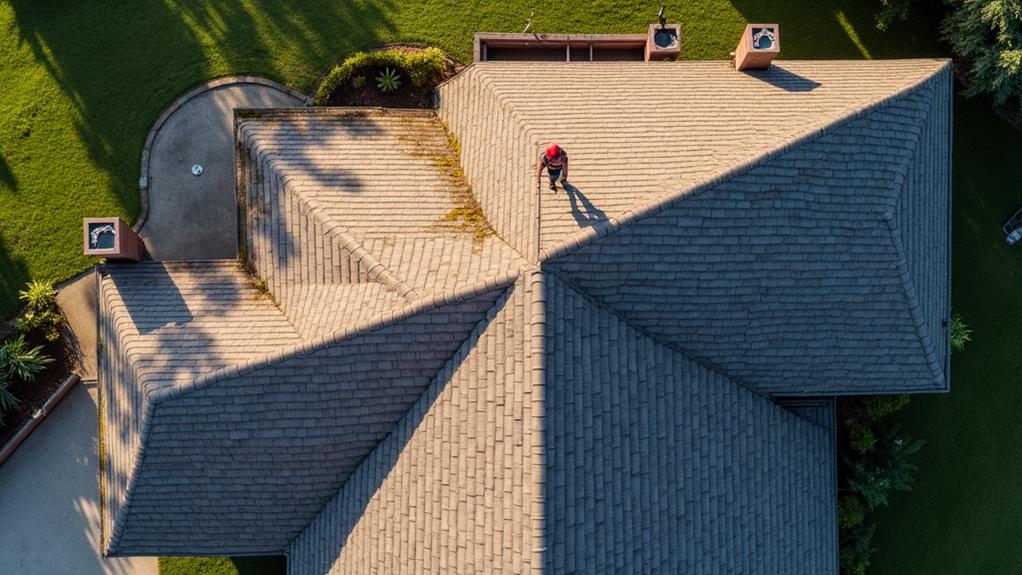
Common Roofing Issues Uncovered During Professional Inspections
Professional roof inspections routinely reveal a range of common issues that can compromise a roof’s integrity and performance. One of the most frequent problems encountered is tile deterioration, which manifests as cracked, curled, or missing tiles. These damaged tiles can lead to water ingress if not addressed promptly, potentially causing extensive damage to your property’s structure.
New roofs and repairs utilising quality materials can prevent such issues and ensure the longevity of your roofing system.
Another significant issue often detected is blocked guttering. When your drainage systems aren’t functioning properly, water can back up and cause damage to your roof and property’s exterior.
Moisture identification is a vital aspect of roof inspections. Surveyors look for signs of mould, mildew, or water stains, which indicate potential leaks or deteriorated flashing that require immediate attention.
Poor ventilation is another common problem that can lead to heat and moisture build-up, affecting your roof’s integrity and energy efficiency.
Structural concerns, such as sagging or rotting roof decking, are also identified during inspections. These issues can compromise the overall stability of your roof system and should be addressed promptly to prevent further damage and ensure the roof’s longevity.
When considering roofing materials, it’s essential to factor in local weather patterns, which often include high winds and frequent rainfall. Popular choices include slate, clay tiles, and synthetic materials designed to withstand these conditions while complementing traditional and modern architecture alike.
Additionally, adhering to building regulations and obtaining necessary planning permissions is crucial, particularly in conservation areas or for listed buildings.
Regular maintenance and timely repairs are key to extending the lifespan of your roof and protecting your investment.
Preparing for an Inspection

Preparing for a Roof Inspection
A thorough roof inspection requires careful planning and attention to detail. To ensure a comprehensive evaluation, gather relevant documents such as building history, previous inspection reports, and insurance paperwork. This provides the inspector with essential context about your roof’s background.
Create an inspection checklist that includes specific concerns or observations you’ve noticed, such as leaks, damp patches, or unusual wear. This will facilitate effective communication with the inspector during the evaluation. Consider booking a condition report survey to obtain a detailed snapshot of your roof’s condition and receive expert recommendations for maintenance or repairs.
Before the inspection, take these steps to maximise its effectiveness:
- Clear debris, branches, and clutter from the roof and surrounding areas
- Ensure unobstructed loft access for evaluating hidden damage and ventilation issues
- Schedule the inspection during favourable weather conditions
When selecting an inspector, choose a professional who’s well-versed in local building regulations and has experience with common roofing materials such as slate, clay tiles, and felt. They should be familiar with issues specific to our climate, including damage from strong winds, heavy rainfall, and frost.
Popular roofing materials in our region include natural slate, which offers durability and a classic aesthetic, as well as concrete tiles that provide a cost-effective alternative. For flat roofs, EPDM (ethylene propylene diene monomer) and GRP (glass-reinforced plastic) are increasingly popular choices due to their longevity and weather resistance.
Remember that regular inspections are crucial, particularly after severe weather events. By maintaining your roof proactively, you can prevent minor issues from escalating into costly repairs and ensure your home remains protected against our often unpredictable elements.
Frequently Asked Questions
What Is the Overall Goal of the Roof Inspection?
The overall goal of a thorough roof inspection is to assess the condition of your property’s uppermost protective layer, identify potential issues, and establish a robust maintenance plan. This crucial service helps prevent costly repairs, ensures the safety of occupants, and determines the necessary frequency of future inspections. A comprehensive evaluation provides valuable insights into your roof’s current state and future requirements.
Professional roofers will examine various aspects, including popular materials like slate, clay tiles, and felt. They’ll pay close attention to how your roof copes with our notoriously damp climate, checking for signs of water ingress or moss growth. The inspection will also consider local building regulations and planning permissions, particularly important for listed buildings or properties in conservation areas.
A proper assessment takes into account regional weather patterns, such as strong winds in coastal areas or heavy snowfall in northern regions. Inspectors will look for issues specific to these conditions, such as loose tiles or inadequate insulation. They’ll also evaluate the effectiveness of your roof’s ventilation system, crucial for preventing condensation and subsequent structural damage.
The inspection report will typically include recommendations for repairs or improvements, often prioritised based on urgency. This might involve suggestions for upgrading to more energy-efficient materials or incorporating sustainable roofing solutions, in line with current environmental standards.
Is It Worth Getting a Roof Inspection?
Is a Roof Survey Worth the Bother?
Don’t let your roof become a ticking time bomb. It’s absolutely worth booking a professional roof survey. Regular inspections are essential for proper roof maintenance and compliance with local building regulations. Experts recommend an inspection frequency of at least once annually to detect issues early and prevent costly repairs down the line.
With our unpredictable weather, from harsh winters to unexpected summer downpours, your roof faces constant challenges. A thorough survey can identify potential weak spots in popular roofing materials such as slate, clay tiles, or felt flat roofing before they become major problems.
Professional roofers are well-versed in the latest industry standards and can ensure your roof meets all current requirements. They can spot signs of wear and tear that may not be visible from the ground, such as loose flashing around chimneys or damaged guttering.
Moreover, a proper roof survey can save you money in the long run. By addressing minor issues promptly, you can avoid more extensive and expensive repairs later. It’s also worth noting that many insurance companies look favourably upon homeowners who maintain regular roof inspections, potentially leading to lower premiums.
Don’t wait for a leak to appear before taking action. Book a professional roof survey today and enjoy peace of mind, knowing your home is protected from the elements year-round.
How to Inspect Roof Tiles?
Inspecting Your Roof Tiles: A Guide for Homeowners
Proper roof maintenance is crucial for protecting your property from our often damp and unpredictable weather. Regular inspections can prevent costly repairs and extend the life of your roof. Here’s how to conduct a thorough check of your roof tiles:
Essential Tools:
- A sturdy stepladder or extendable ladder
- Binoculars for distant viewing
- Torch for examining shadowed areas
- Safety gear, including non-slip shoes and gloves
Inspection Process:
- Begin with a ground-level assessment using binoculars to spot obvious issues.
- If safe to do so, use a ladder to gain a closer view. Always prioritise safety and consider hiring a professional if you’re unsure.
- Check for cracked, chipped, or misaligned tiles. Clay and concrete tiles are common in our region and may show different signs of wear.
- Examine the flashing around chimneys and vents. Ensure it’s securely fitted and free from corrosion.
- Look for moss or lichen growth, which can be particularly problematic in our humid climate.
- Assess the condition of the underlayment, if visible, as this provides crucial waterproofing.
- Inspect gutters and downpipes for blockages that could lead to water damage.
- Pay special attention to areas prone to wind uplift, such as eaves and ridges.
- For properties with heritage status, consult local conservation guidelines before making any alterations.
Conclusion
Having delved into the intricacies of roof inspections, you’re now well-versed in maintaining your property’s crowning glory. By adhering to this comprehensive guide, you’ll be equipped to preserve your roof’s integrity and maximise its service life. Consider the case of a homeowner in Surrey who spotted a minor leak during a routine check, averting costly water damage to their Victorian terrace house.
Bear in mind that regular inspections are crucial for identifying issues early, ensuring your roof’s longevity, and safeguarding your investment. This is particularly important given our often unpredictable climate, with its frequent rain and occasional severe weather events. Whether you have traditional slate tiles, modern fibreglass, or the increasingly popular green roofing systems, consistent monitoring is key.
Local building regulations and planning permissions can significantly impact roofing work, especially in conservation areas or listed buildings. It’s wise to familiarise yourself with these requirements or consult a professional who understands the nuances of regional guidelines.
Popular roofing materials like Welsh slate, clay tiles, and synthetic alternatives each have unique inspection requirements. For instance, checking for cracked slates after a particularly frosty winter or inspecting clay tiles following a heatwave can prevent more serious issues down the line.
Don’t forget to examine your guttering and fascias as part of your roof inspection routine. With our damp climate, these components play a crucial role in protecting your property from water ingress.
Schedule your next inspection promptly to protect your property against potential roofing problems. Remember, a well-maintained roof not only preserves your home but can also improve its energy efficiency and kerb appeal.


