

Ultimate Flat Roofing Guide: Types, Benefits, Installation, and Maintenance Tips
Flat roofing solutions offer a diverse range of options, including Built-Up Roofing, Modified Bitumen, EPDM, PVC, and TPO, each boasting unique advantages. These systems prove cost-effective, providing valuable usable space and aesthetic appeal whilst offering environmental benefits.
When installing, it’s crucial to focus on proper pitch design, material compatibility, and effective drainage systems to comply with local building regulations.
Given our often damp and changeable climate, regular maintenance is essential for longevity. We recommend scheduling biannual inspections and addressing repairs promptly. Common issues to watch for include standing water, membrane deterioration, and UV degradation, which can be exacerbated by prolonged exposure to harsh weather conditions.
While some homeowners may be tempted by DIY approaches, professional installation and repairs often prove more beneficial, ensuring compliance with stringent safety standards and guaranteeing optimal performance.
Popular materials in our region include GRP (Glass Reinforced Plastic) and single-ply membranes, which offer excellent waterproofing properties and durability against our unpredictable weather patterns.
It’s worth noting that flat roofs must adhere to specific pitch requirements as outlined in the Building Regulations Approved Document C.
Furthermore, considering the increasing focus on energy efficiency, exploring options like green roofs or installing solar panels on flat surfaces can provide additional benefits and potentially increase property value.
By understanding these key aspects and staying informed about local guidelines, you’ll be well-equipped to make sound decisions about your flat roof, ensuring it remains a reliable and efficient component of your property for years to come.
Key Takeaways
A Comprehensive Guide to Flat Roofing: Choices, Advantages, and Care
Flat roofs have become increasingly popular for both residential and commercial properties, offering a range of options to suit diverse needs. Common types include Built-Up Roofing, Modified Bitumen, EPDM, PVC, and TPO, each boasting unique benefits for property owners.
The appeal of flat roofs stems from their cost-effectiveness, provision of additional usable space, sleek modern aesthetics, and potential environmental advantages. Many homeowners and businesses are turning to these systems for their practicality and style.
When considering installation, it’s crucial to factor in the roof pitch, material compatibility, drainage systems, and insulation to ensure optimal performance. Adherence to local building regulations is paramount, particularly concerning thermal efficiency and fire safety standards.
To maintain the integrity of flat roofs, regular upkeep is essential. Biannual inspections and prompt repairs can significantly extend the lifespan of these systems. It’s advisable to schedule these checks before winter and after spring to address any issues caused by harsh weather conditions.
Property owners should be vigilant about common problems such as ponding water, membrane damage, and flashing deterioration. Swift action in addressing these issues can prevent more extensive and costly repairs down the line.
In our climate, where damp conditions are prevalent, choosing materials with excellent waterproofing properties is crucial. Single-ply membranes like EPDM and TPO have gained popularity for their durability and resistance to UV rays and temperature fluctuations.
For those seeking eco-friendly options, green roofs are becoming an attractive choice, offering improved insulation and contributing to urban biodiversity. These living roofs can help reduce energy costs and provide a natural habitat for local flora and fauna.
When selecting a roofing system, it’s worth considering the long-term benefits and potential energy savings. Many modern flat roofing materials offer excellent thermal properties, helping to keep properties warm in winter and cool in summer, thus reducing overall energy consumption.
By understanding the various aspects of flat roofing and staying informed about industry developments, property owners can make educated decisions that ensure their roofs remain robust and efficient for years to come.
Types of Flat Roofing Systems
Flat Roofing Systems: A Comprehensive Guide
Diversity characterises the world of flat roofing systems, offering property owners a range of options to suit their specific needs. Built-Up Roofing (BUR) stands out for its exceptional durability and weather resistance, making it ideal for commercial applications. Its multiple layers of bitumen and reinforcing fabrics, topped with gravel, provide excellent UV protection.
In recent years, eco-friendly innovations have led to the development of sustainable roofing materials that incorporate recycled content, enhancing the environmental benefits of flat roofing systems and aligning with stringent building regulations.
For those seeking flexibility, Modified Bitumen (MB) roofing presents a versatile solution. Its blend of asphalt and rubber allows for various installation methods, including torch-applied and self-adhesive options, suitable for both commercial and residential properties. This adaptability is particularly valuable given the unpredictable weather patterns often experienced across the country.
EPDM, a synthetic rubber membrane, boasts impressive longevity of up to 50 years and superior UV resistance. This makes it a popular choice for flat roofs in diverse settings, from urban centres to coastal regions.
PVC roofing offers outstanding chemical and fire resistance, featuring heat-welded seams for enhanced waterproofing, particularly beneficial in industrial environments and areas prone to heavy rainfall.
TPO roofing combines the advantages of PVC and EPDM, providing energy efficiency and flexibility. Its reflective properties help reduce cooling costs, making it an attractive option for both commercial and residential applications. This energy-saving feature aligns well with current building standards and environmental initiatives.
When selecting a flat roofing system, it’s crucial to consider factors such as local planning permissions, building regulations, and the specific climate challenges of your area. Consulting with a professional roofer who understands regional requirements and can recommend materials suited to withstand everything from persistent drizzle to occasional heatwaves is essential.
Each system offers unique benefits, allowing you to select the most suitable option for your specific requirements while ensuring compliance with local standards and optimal performance in our diverse weather conditions.
Benefits of Flat Roofs
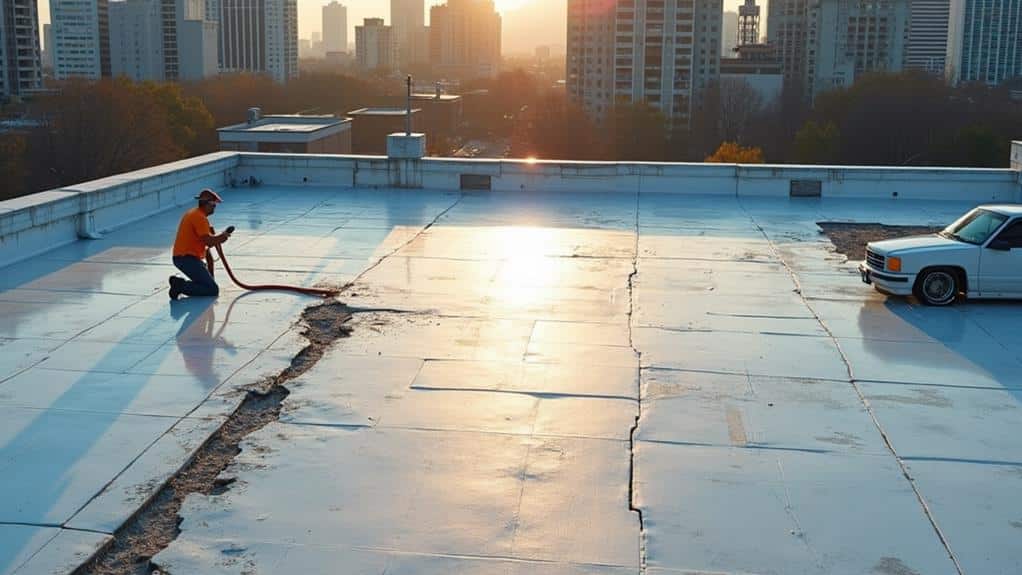
Flat roofs offer a range of compelling benefits that can greatly enhance a building’s functionality and value. These roofing systems are typically more cost-effective than their pitched counterparts, reducing material and labour expenses by an estimated 10-20%. This cost efficiency extends to long-term savings as well, with energy-efficient materials capable of cutting cooling costs by up to 30% through their reflective properties.
One of the most significant advantages of flat roofs is the additional usable space they provide. You can transform your roof into a garden, terrace, or equipment area, maximising the functionality of your building’s footprint. This feature is particularly valuable in urban environments where space is at a premium.
| Benefit | Description | Impact |
|---|---|---|
| Cost-effective | 10-20% savings | Lower initial investment |
| Energy-efficient | 30% cooling cost reduction | Reduced operating expenses |
| Usable space | Gardens, terraces, equipment | Increased property value |
From an aesthetic perspective, flat roofs contribute to a modern, sleek appearance that can enhance your property’s value and appeal. With proper maintenance, you can extend your flat roof’s lifespan to 20 years or more, ensuring long-term environmental benefits and cost savings.
When considering a flat roof installation, it’s crucial to be aware of local building regulations, particularly those concerning thermal performance and fire safety. Popular materials for flat roofs in our region include EPDM rubber, GRP fibreglass, and modified bitumen, each offering unique benefits suited to our climate.
Given our often damp and unpredictable weather, proper drainage is paramount. A well-designed flat roof should incorporate a slight pitch and efficient drainage systems to prevent water pooling, which can lead to leaks and structural damage. Additionally, regular inspections are essential, especially after severe weather events, to ensure the roof’s integrity and longevity.
For those considering a ‘green roof’ option, it’s worth noting that these eco-friendly alternatives are gaining popularity in urban areas. They not only provide excellent insulation but also contribute to biodiversity and can help mitigate the urban heat island effect.
Material Selection Considerations
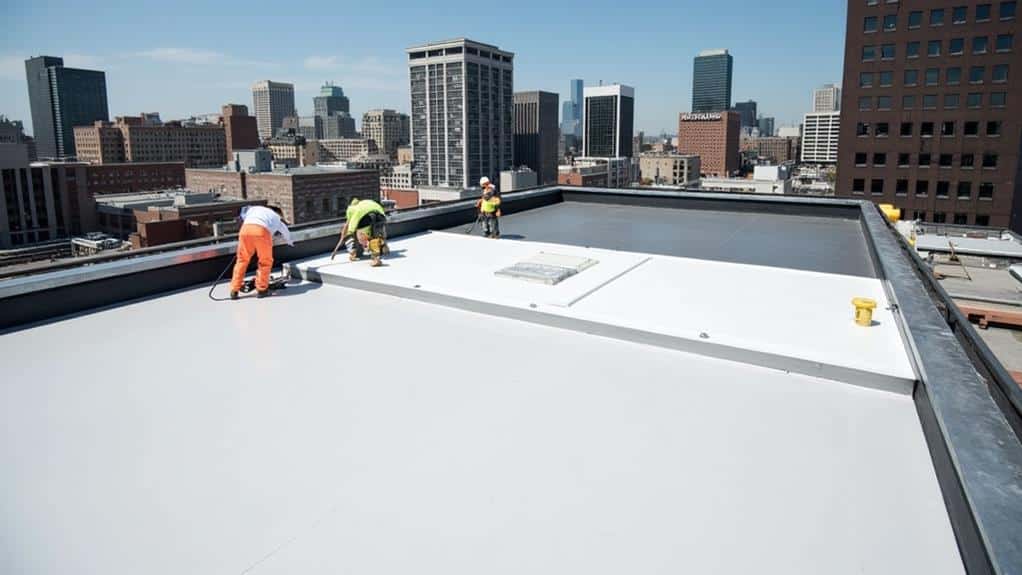
When selecting materials for your flat roof, it’s crucial to take into account several key factors that will impact its performance, longevity, and cost-effectiveness.
Consider EPDM for its impressive material lifespan, lasting up to 50 years with proper maintenance. Its durability and flexibility make it a reliable choice for our varied climate.
Sustainable roofing options like slate, clay tiles, and metal can also provide long-term benefits, including improved energy efficiency and reduced environmental impact.
For regions experiencing warmer summers, TPO‘s energy efficiency and lightweight properties might be ideal. Its ability to reflect sunlight can greatly reduce cooling costs, enhancing climate adaptability.
In areas with industrial exposure or fire risks, PVC roofing offers excellent resistance, albeit at a higher price point.
Green roofs provide eco-friendly benefits and improved insulation, but require additional structural support and specialised installation.
Always factor in local building regulations and weather conditions, as these greatly influence material selection and long-term performance.
When choosing your flat roofing material, weigh the pros and cons of each option.
EPDM offers longevity, TPO provides energy efficiency, PVC guarantees durability against specific threats, and green roofs offer environmental benefits.
Your final decision should align with your budget, local council requirements, and specific climate needs to guarantee ideal performance and lifespan.
It’s worth noting that bitumen-based roofing systems remain popular due to their cost-effectiveness and familiarity among local contractors.
However, modern single-ply membranes like EPDM and TPO are gaining traction for their superior performance in our damp climate.
Consider the impact of frequent rainfall and potential moss growth when selecting your roofing material.
Proper drainage systems and regular maintenance are essential to prevent water pooling and extend the life of your flat roof.
Lastly, don’t overlook the importance of proper insulation.
With ever-stricter energy efficiency standards, choosing the right insulation alongside your roofing material can significantly impact your property’s thermal performance and running costs.
Installation Best Practices

Several key practices are vital for a successful flat roof installation in our region. First, you’ll need to design the roof pitch carefully, aiming for a minimum of 1-2% to guarantee efficient water drainage. This prevents ponding and potential structural damage.
Next, select appropriate underlay and insulation materials that are compatible with your chosen roofing system. These materials enhance energy efficiency and longevity. Roofshield membranes can greatly reduce interstitial condensation and eliminate the need for roof space ventilation in both cold and warm roofs, providing additional protection against our often harsh weather conditions.
Install flashing around roof edges, penetrations, and seams to create a watertight seal, reducing the risk of leaks and water infiltration. Adhering to manufacturer guidelines for installation techniques is essential. This includes proper adhesion methods for membranes and secure fastening practices to confirm durability and compliance with warranty requirements.
After installation, schedule routine inspections and maintenance, ideally twice a year. This proactive approach allows you to address potential issues early and prolongs the lifespan of your roofing system. By following these best practices, you’ll maximise the performance and durability of your flat roof.
Remember that proper drainage design and insulation materials play a considerable role in the overall success of your flat roofing project.
When selecting materials, consider popular options such as EPDM, GRP (fibreglass), and built-up felt systems, all of which perform well in our damp climate. It’s crucial to ensure compliance with current Building Regulations, particularly Part L, which addresses thermal performance.
Additionally, factor in wind uplift calculations as specified by BS EN 1991-1-4, especially in coastal or exposed areas.
Regular gutter cleaning is paramount, given our frequent rainfall. This helps prevent blockages and subsequent water ingress.
Lastly, consider installing a green roof system, which not only provides excellent insulation but also contributes to improved biodiversity and can help with planning permission in certain areas.
Maintenance and Repair Tips
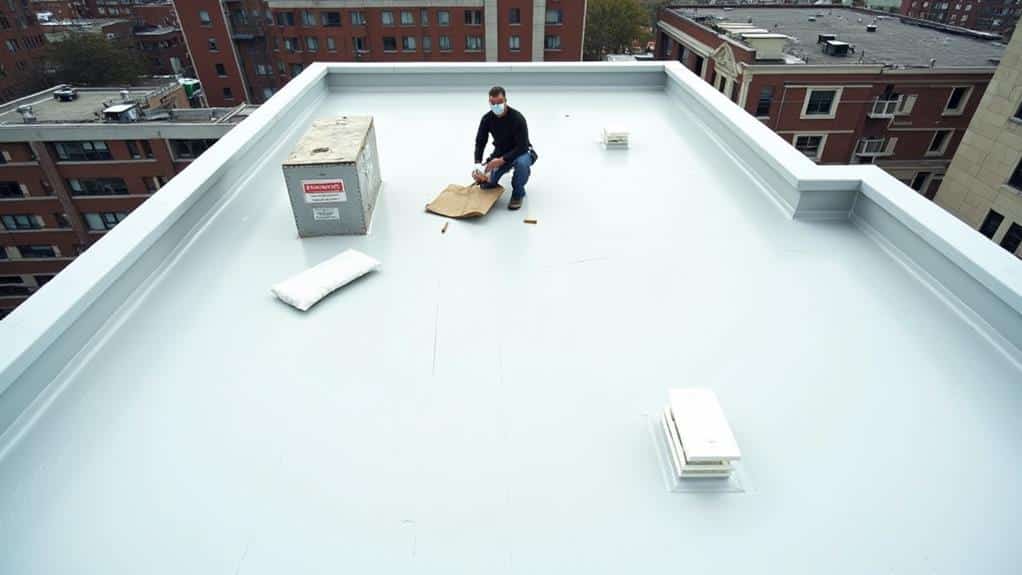
Maintaining your flat roof effectively requires establishing a regular inspection routine and promptly addressing common issues. Biannual inspections are recommended to catch potential problems early and prevent costly repairs.
Familiarise yourself with typical flat roof issues, such as ponding water, membrane damage, and flashing deterioration. While some maintenance tasks can be performed independently, it’s crucial to recognise when professional repairs are necessary to ensure the longevity and performance of your flat roofing system.
Given our unpredictable weather patterns, with frequent rain and occasional heavy snowfall, flat roofs require extra attention. Popular materials for flat roofs in our region include EPDM rubber, GRP fibreglass, and high-performance felt systems. Each of these options offers unique benefits suited to our climate and building regulations.
When inspecting your flat roof, pay close attention to areas around chimneys, skylights, and parapet walls, as these are common trouble spots for water ingress. Look out for blistering, cracking, or separation of the roofing material, particularly after severe weather events.
It’s worth noting that recent changes to building regulations have placed greater emphasis on thermal performance and energy efficiency. When considering repairs or replacement, consult with a qualified roofer to ensure your flat roof meets current standards.
For DIY enthusiasts, clearing debris and checking for obvious signs of damage can be done safely. However, walking on a flat roof requires caution and proper safety equipment.
When in doubt, it’s always best to call in the professionals, especially considering the complexities of our local planning permission requirements and the importance of maintaining your home’s weather-tight seal.
Regular Inspection Schedule
Regular Inspection Schedule
Regular inspections are the cornerstone of effective flat roof maintenance. To guarantee your flat roof’s longevity and performance, you should establish a consistent inspection schedule. Conduct regular inspections at least twice a year, ideally in spring and autumn, to identify potential issues early. This maintenance frequency helps reduce the risk of major repairs and extends your roof’s lifespan.
Routine inspections are essential for all roof types, including flat roofs, as they can prevent issues like moisture build-up and material degradation.
Your inspection schedule should include:
- Biannual thorough checks
- Post-storm assessments
- Routine maintenance tasks
- Documentation of findings and repairs
During these inspections, focus on clearing debris from the roof surface and drainage systems to prevent ponding water and deterioration. Pay close attention to flashings and seams, as these areas are common sources of leaks. If you detect any damage, address it promptly to prevent further issues.
After severe weather events, conduct additional inspections to assess any storm-related damage. Look for leaks, punctures, or other signs of wear that may have occurred during the extreme conditions.
Maintain a thorough maintenance history by documenting all inspection findings and repairs performed. This record will prove invaluable for future decision-making regarding repairs or replacements, ensuring you make informed choices about your flat roof’s maintenance.
When selecting materials for flat roofs, consider options such as EPDM, TPO, or built-up felt roofing, which are well-suited to our damp climate. These materials offer excellent waterproofing properties and can withstand the frequent rain and occasional snow we experience.
It’s crucial to be aware of local building regulations, particularly those outlined in the Building Regulations 2010, which specify requirements for thermal insulation and fire safety in roofing. Ensure your roofing contractor is familiar with these standards and can provide the necessary certifications.
Remember that our weather patterns, characterised by high rainfall and occasional high winds, can significantly impact flat roofs. Regular gutter cleaning and ensuring proper drainage are particularly important to prevent water pooling, which can lead to leaks and structural damage.
Addressing Common Issues
Addressing Common Issues with Flat Roofs
Flat roof owners often encounter a range of common issues that require prompt attention and regular maintenance. To ensure your flat roof’s longevity, conduct biannual inspections and additional checks after severe weather events. These inspections help identify membrane damage, leaks, and debris accumulation before they lead to costly repairs. Proper installation techniques are vital for preventing many common issues and ensuring the roof’s overall performance. Implementing effective ventilation and insulation systems during installation can greatly extend the lifespan of your flat roof.
One critical issue you’ll need to address is ponding water. Implement proper drainage solutions to prevent standing water, which can cause structural damage and roof deterioration. Install or maintain effective drainage systems to facilitate water runoff. Additionally, quickly repair any punctures, tears, or blisters in the roofing membrane using appropriate patching materials based on your roof type.
Regular cleaning of the roof surface and drainage systems is essential to remove debris and prevent blockages. This routine maintenance helps avoid water pooling and reduces wear on the roofing material. For major repairs, it’s vital to utilise professional services to ensure compliance with building regulations and standards. These experts can apply advanced repair techniques that maintain your flat roof’s integrity and extend its lifespan.
When selecting materials for your flat roof, consider options such as EPDM, GRP, or built-up felt, which are well-suited to our damp climate. These materials offer excellent waterproofing properties and can withstand the frequent rain and occasional snow we experience.
It’s also crucial to factor in thermal performance, as proper insulation can significantly reduce energy costs and improve the overall comfort of your property.
Keep in mind that local planning authorities may have specific requirements for flat roof installations, particularly in conservation areas or listed buildings. Always consult with a reputable roofing contractor who’s familiar with these regulations to ensure your project meets all necessary standards.
Lastly, don’t underestimate the impact of our changeable weather on your flat roof. Strong winds can lift and damage roofing materials, while freeze-thaw cycles can cause expansion and contraction that may lead to cracks or splits.
Regular inspections become even more critical during autumn and winter months when leaves and other debris are more likely to accumulate and block drainage systems.
Professional Vs. DIY Repairs
When contemplating flat roof repairs, one must weigh the advantages and disadvantages of professional versus DIY approaches.
Professional repairs offer substantial benefits, including guarantees that can extend up to 10 years, safeguarding against material defects and installation issues. These specialists have access to high-quality materials and advanced techniques, ensuring more durable and effective repairs compared to DIY methods.
Proper installation is essential for longevity and protection against the elements, which professional roofers are trained to achieve.
Safety considerations are paramount in roofing work. DIY repairs pose risks such as falls and improper material handling, which professionals are trained to mitigate. Moreover, regular professional inspections can identify potential problems early, preventing costly repairs from neglected issues like leaks or membrane damage.
Whilst DIY repairs can be cost-effective, they come with limitations:
- Upfront investment in tools and materials
- Potential to miss vital structural concerns
- Lack of access to professional-grade materials
- Absence of guarantee protection
Professional contractors bring expertise that’s particularly valuable for flat roofs. They can spot and address underlying issues that mightn’t be apparent to an untrained eye.
Although DIY repairs may seem appealing, the long-term benefits of professional work, including repair guarantees and thorough problem-solving, often outweigh the initial cost savings.
It’s worth noting that local building regulations play a crucial role in roofing projects. Professional roofers are well-versed in these requirements, ensuring compliance and avoiding potential legal issues.
Popular materials for flat roofs in our region include EPDM, GRP (fibreglass), and modified bitumen, each suited to withstand our unique climate challenges.
Our unpredictable weather, characterised by frequent rain and occasional high winds, underscores the importance of expert installation. Professional roofers can recommend and implement appropriate drainage solutions and wind uplift prevention measures, tailored to local conditions.
Ultimately, while the DIY route may seem tempting, the complexities of flat roof repairs in our climate often necessitate professional intervention to ensure lasting, weather-resistant results.
Common Flat Roof Issues
Common Flat Roof Concerns
Two primary issues plague flat roofs: standing water and membrane deterioration. Standing water occurs when drainage systems fail, leading to water accumulation that can compromise your roof’s structure if left unchecked. To mitigate these issues, consider using high-quality waterproofing membranes that provide both effective drainage and protection against our often damp climate.
Membrane deterioration, frequently resulting from foot traffic, harsh sunlight exposure, or debris, can create vulnerabilities in your roof’s waterproof barrier. Given our unpredictable weather patterns, it’s crucial to schedule regular inspections to maintain your roof’s integrity.
Opt for materials like EPDM or modified bitumen, which are well-suited to withstand our varied conditions. Remember that Building Regulations require specific U-values for thermal performance, so ensure your chosen roofing system meets these standards.
When selecting a contractor, verify they’re registered with the National Federation of Roofing Contractors (NFRC) to guarantee quality workmanship. Additionally, consider installing a green roof system, which not only aids in water management but also contributes to improved urban biodiversity—an increasingly popular option in many of our cities.
Lastly, be aware of the Party Wall Act if your property shares a wall with neighbours, as some flat roof work may fall under its purview. By addressing these considerations, you’ll ensure your flat roof remains in top condition, protecting your property for years to come.
Ponding Water Problems
Ponding Water Woes on Flat Roofs
One of the most common issues plaguing flat roofs is ponding water. This occurs when water accumulates in low spots, potentially causing structural damage and reducing your roof’s lifespan if not addressed promptly. To prevent ponding, ensure your flat roof has a minimum slope of 1-2% for proper drainage.
Regular inspections are essential to identify areas prone to water pooling and implement effective drainage solutions. Qualified roofers can help identify underlying issues that may contribute to ponding, such as inadequate insulation or structural problems. Their expertise can be invaluable in addressing these concerns effectively.
Ponding water can lead to several problems:
- Increased risk of leaks and membrane deterioration
- Algae and moss growth, compromising roofing materials
- Structural damage due to prolonged water weight
- Reduced roof lifespan and performance
To mitigate ponding issues, consider implementing ponding prevention measures such as improving slope, installing additional drains, or using tapered insulation. Building regulations often require adequate drainage systems to guarantee long-term performance of flat roofing systems.
If you notice persistent ponding water, consult a professional roofer to assess the situation and recommend appropriate solutions.
Popular flat roofing materials in our region include EPDM, TPO, and built-up felt systems. Each has its own advantages and considerations when it comes to ponding water resistance. For instance, EPDM membranes are known for their excellent waterproofing properties, while built-up felt systems can be more susceptible to water damage if not properly maintained.
Given our damp climate, with frequent rain and occasional heavy downpours, addressing ponding water is crucial. The combination of persistent moisture and fluctuating temperatures can accelerate the deterioration of roofing materials if water is allowed to pool.
Local councils may have specific requirements for flat roof drainage systems, particularly for commercial properties. It’s essential to work with a roofing contractor who’s well-versed in these regulations to ensure compliance and optimal performance.
Remember, addressing ponding water promptly can save you from costly repairs and extend the life of your flat roof. Regular maintenance, including clearing gutters and checking for blockages in drainage systems, is key to preventing water accumulation.
Membrane Damage Concerns
Five primary concerns plague flat roof membranes: UV degradation, punctures, blistering, shrinkage, and delamination. These issues, often resulting from environmental factors and foot traffic, can greatly impact your membrane’s lifespan if left unaddressed. UV exposure, in particular, can cause gradual deterioration, while punctures from debris or maintenance activities can create immediate vulnerabilities. Flexible roofing membranes like EPDM offer excellent resistance to extreme temperatures and structural movements, helping mitigate some of these common issues.
To prevent damage and extend your membrane’s lifespan, you’ll need to implement a proactive maintenance strategy. Start by scheduling regular inspections to identify early signs of damage, such as tears, blisters, or separation at seams. Pay close attention to high-traffic areas and around rooftop equipment, as these are prone to punctures.
For EPDM and single-ply membranes, which are especially susceptible to punctures, consider installing protective walkways or additional reinforcement in vulnerable areas. Keep your roof clean and ensure proper drainage to minimise potential damage from debris and standing water. By addressing issues promptly and implementing preventive measures, you’ll safeguard your flat roof’s integrity and avoid costly repairs down the line. Remember, even small problems can escalate quickly, so timely intervention is essential.
When selecting materials, consider options that comply with British Standards and have BBA certification. Popular choices include GRP (glass-reinforced plastic) and EPDM, both of which perform well in our damp climate. For those in coastal areas, look for membranes with enhanced resistance to salt corrosion.
Given our unpredictable weather patterns, from heavy rainfall to occasional heatwaves, it’s crucial to choose a membrane that can withstand rapid temperature fluctuations and prolonged moisture exposure. Additionally, ensure your chosen system meets current building regulations, particularly concerning thermal performance and fire safety.
Regular maintenance is paramount, especially after severe weather events. Clear gutters and downpipes of debris to prevent water pooling, which can lead to premature membrane failure. In urban areas, be mindful of air pollution’s impact on your roofing materials and consider more frequent cleaning to prevent degradation.
Cost Factors and Budgeting
Planning Your Flat Roofing Project: Costs and Budgeting
When embarking on a flat roofing project, understanding cost factors and budgeting appropriately is vital for success. The average installation cost ranges from £50 to £100 per square metre, varying based on material choice and complexity. Your budget should include not only materials and labour but also account for planning permission, building regulations approval, and skip hire, which can add 10-20% to the total cost.
Roof removal costs typically range from £1 to £5 per square foot, which should be factored into your overall budget. Additionally, labour costs can account for up to 60% of the total project expense, so it’s important to take this into account when planning your finances.
For a thorough cost breakdown, consider these budgeting strategies:
- Factor in regular maintenance costs, which can save up to 50% on repairs over time
- Allocate funds for unexpected repairs, ranging from £200 to £1,500
- Contemplate long-term investment when selecting materials
- Include a contingency of 10-15% for unforeseen expenses
When choosing materials, weigh initial costs against long-term benefits. For example, EPDM roofing may have a higher upfront cost but could lead to lower maintenance expenses over its lifespan. GRP (glass-reinforced plastic) is another popular option, known for its durability in our damp climate.
Remember to budget for ongoing maintenance to prevent costly repairs and extend your roof’s life. Consider local weather patterns when selecting materials and planning your project. Our maritime climate, with its frequent rain and occasional high winds, requires robust roofing solutions. Ensure your chosen roofing system can withstand these conditions and provide adequate drainage.
It’s crucial to comply with local building regulations and obtain necessary approvals before commencing work. Factor in the cost of hiring a building control officer or approved inspector to ensure your project meets all legal requirements.
Professional Consultation and Support
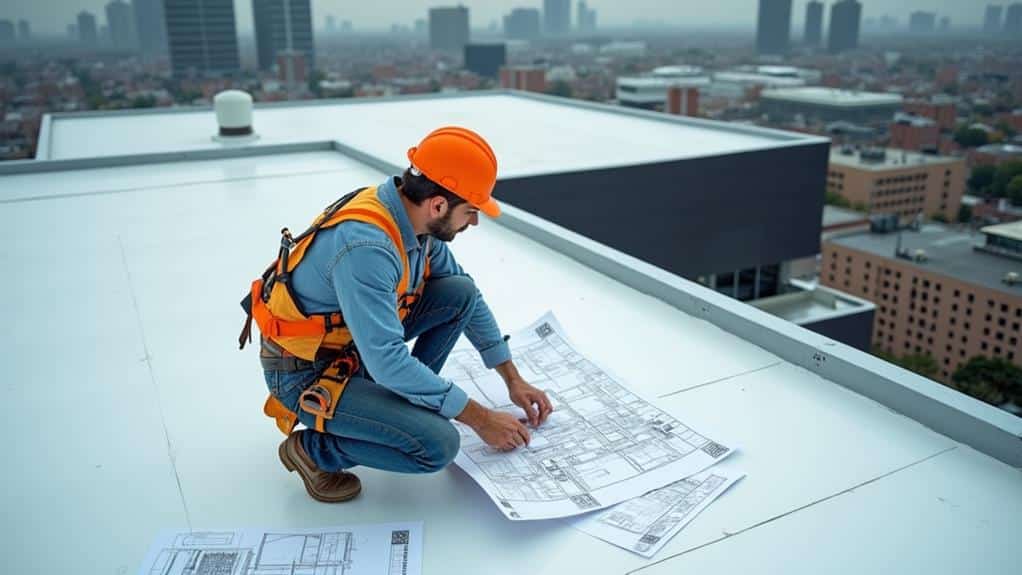
Professional Consultation and Support for Your Roofing Needs
Expert consultation and support are crucial to the success of any flat roofing project. When you engage seasoned roofing contractors, you’re ensuring informed decisions on material selection and installation techniques, which ultimately enhance your flat roof’s longevity.
These professionals conduct thorough assessments to identify hidden issues, recommend tailored solutions, and guarantee compliance with local building regulations and standards.
Flat roofing specialists offer expertise in high-quality materials such as EPDM, GRP, and modified bitumen, focusing on durability and weather resistance for peak performance in our often challenging climate.
They’re well-versed in modern installation methods that cope with the unique demands of our weather patterns, from persistent rain to occasional heatwaves.
Roofing consultations provide you with access to industry knowledge and best practices for maintaining flat roofs effectively.
You’ll benefit from routine maintenance services offered by experts, which help prevent minor issues from escalating into costly repairs. This proactive approach prolongs your roof’s lifespan and performance, particularly important given our damp conditions.
When urgent roofing concerns arise, utilising professional services allows for timely intervention.
This quick response can prevent extensive damage and preserve your property’s value. By consulting with experienced roofing professionals, you’re tapping into a wealth of expert advice that guides you through the complexities of flat roofing systems.
Their insights help you make informed decisions about your roof’s care and maintenance, ensuring peak performance and durability for years to come.
Remember, a well-maintained flat roof is essential for protecting your home or business from our unpredictable weather.
Professional support ensures your roofing solution is tailored to local conditions, meets all necessary standards, and provides long-lasting protection for your property.
Frequently Asked Questions
What Is the Best Type of Flat Roof Covering?
When selecting the ideal flat roof covering, it’s essential to consider various factors specific to your property and local climate. For longevity, EPDM (ethylene propylene diene terpolyene) remains a popular choice, offering excellent waterproofing properties and resistance to UV rays. TPO (thermoplastic polyolefin) membranes are gaining traction for their energy efficiency, reflecting sunlight and potentially reducing cooling costs during warmer months.
PVC (polyvinyl chloride) roofing is well-suited for industrial buildings or areas exposed to chemical pollutants, thanks to its robust chemical resistance. Modified bitumen, a versatile option, performs well in both cold and warm weather, making it suitable for our varied climate. For those seeking time-tested durability, built-up roofing (BUR) remains a solid choice, particularly for larger commercial structures.
When considering installation, it’s crucial to engage certified professionals familiar with current building regulations and best practices. The Building Regulations 2010 set forth specific requirements for flat roof installations, including minimum falls and thermal performance standards.
Weather considerations play a significant role in flat roof performance. Our often damp climate necessitates proper drainage solutions to prevent water pooling, which can lead to leaks and structural damage. Additionally, the increasing frequency of extreme weather events calls for roofing systems capable of withstanding high winds and heavy rainfall.
Whilst these options offer excellent performance, it’s worth noting the growing interest in green roofing solutions. Sedum roofs and other living roof systems not only provide environmental benefits but can also contribute to improved insulation and urban biodiversity.
Ultimately, the best flat roof covering for your property will depend on a combination of factors, including budget, building use, and long-term maintenance considerations. Consulting with a qualified roofing specialist will ensure you select a solution that complies with local regulations and meets your specific needs.
What Maintenance Does a Flat Roof Need?
Imagine a pristine flat roof beneath our often grey skies. Regular maintenance is crucial for preserving the integrity of your flat roofing system. Begin with scheduled inspections, preferably twice yearly, focusing on autumn and spring. Clear away leaves, twigs, and other detritus that may accumulate, particularly after stormy weather.
Should you spot any signs of water ingress, prompt action is essential. Flat roof leaks can quickly lead to significant damage if left unchecked. Ensure proper drainage solutions are in place, with particular attention to internal outlets and guttering systems. Keep these clear of blockages to prevent water pooling, which can be especially problematic during our damp winters.
Consider applying protective coatings to enhance your roof’s resilience against our variable climate. Popular options include liquid rubber or fibreglass treatments, which can significantly extend the lifespan of various roofing materials.
When selecting materials for a new flat roof or replacement, consider options like EPDM, GRP, or built-up felt systems. Each has its merits, suited to different budgets and property types. Always ensure your chosen system complies with current building regulations and energy efficiency standards.
Remember, our unpredictable weather patterns, from driving rain to occasional heatwaves, can take their toll on flat roofs. Regular maintenance and swift repairs are your best defence against the elements, helping to preserve your property and avoid costly damage in the long run.
What Are the Different Types of Flat Roofing Systems?
Flat Roofing Solutions for Your Property
When considering a new flat roof for your home or commercial building, several options are available to suit various needs and budgets. The most common types include Built-Up Roofing (BUR), Modified Bitumen, EPDM, PVC, and TPO membranes.
Built-Up Roofing, a time-tested solution, consists of multiple layers of bitumen and reinforcing fabric, creating a robust waterproof barrier. This type is particularly well-suited to our often damp climate, offering excellent protection against persistent rainfall.
Modified Bitumen roofing, an evolution of BUR, incorporates polymer-modified bitumen layers for enhanced flexibility and durability. This system performs admirably in areas prone to significant temperature fluctuations, a common occurrence in our varied weather patterns.
EPDM (Ethylene Propylene Diene Monomer) is a synthetic rubber roofing membrane known for its longevity and resistance to UV radiation. It’s an excellent choice for buildings exposed to harsh sunlight, even in our typically overcast conditions.
PVC (Polyvinyl Chloride) membranes boast impressive durability and chemical resistance. These properties make PVC an ideal option for industrial buildings or properties near coastal areas, where salt air can be particularly corrosive.
TPO (Thermoplastic Olefin) roofing has gained popularity due to its energy efficiency and UV resistance. This option can help reduce cooling costs during our increasingly warm summers, while also standing up to the intense UV rays that can penetrate even on cloudy days.
When selecting a flat roofing system, it’s crucial to consider local building regulations and environmental factors. For instance, many local councils now encourage the use of ‘cool roofs’ to combat the urban heat island effect, making reflective options like TPO increasingly attractive.
Additionally, given our propensity for sudden downpours, ensuring proper drainage is paramount. Many modern flat roofing systems can be installed with tapered insulation to create subtle slopes, directing water towards drains and preventing pooling.
Lastly, it’s worth noting that while these roofing systems are referred to as ‘flat’, they typically have a slight pitch to facilitate water runoff. A qualified roofing professional can advise on the most suitable option for your specific property, ensuring compliance with all relevant building standards and optimal performance in our unique climate.
What Are the Rules for Flat Roof Insulation?
Proper flat roof insulation is essential for maintaining energy efficiency in buildings across our region. When installing or upgrading insulation, it’s crucial to adhere to current building regulations and industry best practices. The choice of insulation materials should prioritise those with excellent thermal performance, such as rigid polyisocyanurate boards or mineral wool.
Ensuring compliance with minimum U-values is paramount, as these standards have become increasingly stringent in recent years. A warm roof construction is often the preferred method, where insulation is placed above the roof deck, offering superior protection against thermal bridging and reducing the risk of interstitial condensation.
Adequate ventilation remains a critical factor in flat roof design. Our unpredictable climate, with its frequent rain and varying temperatures, necessitates careful consideration of moisture control. Incorporating vapour control layers and maintaining proper falls to prevent ponding are essential steps in preserving the integrity of the roof structure.
For commercial and residential properties alike, it’s advisable to consult with a qualified roofing professional who is well-versed in local planning requirements and can recommend suitable solutions. By implementing these measures, property owners can ensure their flat roofs are not only compliant but also optimised for long-term performance and energy conservation.
Conclusion
After delving into the complexities of flat roofing systems, from membrane varieties to maintenance schedules, you’re well-equipped to approach any flat roof project with confidence. Whether it’s a small garden shed or a sprawling commercial centre, your newfound knowledge will serve you well. Remember, proper installation and regular surveys are crucial to prevent costly failures down the line. For particularly challenging issues, it’s always wise to consult chartered surveyors or qualified roofers.
Flat roofs are increasingly popular in urban areas, offering a modern aesthetic and potential for additional outdoor space. However, our often damp climate necessitates careful consideration of drainage and waterproofing. Built-up felt systems remain a common choice, but single-ply membranes like EPDM are gaining traction for their durability and ease of installation.
When undertaking a flat roof project, it’s essential to adhere to current building regulations, particularly concerning thermal performance and fire safety. Your local council’s planning department can provide guidance on any restrictions, especially for listed buildings or conservation areas.
Regular maintenance is key to prolonging the life of your flat roof. Autumn inspections are particularly important to clear fallen leaves and check for any damage before winter sets in. With proper care and attention, a well-installed flat roof can provide excellent service for decades, protecting your property from our changeable weather patterns.


