
Repair or Replace? Deciding for Your Commercial Roof
When deciding whether to repair or replace your commercial roof, start by assessing the damage. If you spot minor, localised issues, repairs may be a more cost-effective option. However, if the damage is extensive or the roof is older and nearing the end of its lifespan, a replacement is likely the better choice.
Consider the overall condition of the roof, its sustainability, and the long-term costs associated with both options. Quality materials are crucial for durability and energy efficiency. Also, take into account the maintenance history and potential future weather conditions. A thorough assessment will help you make an informed decision about your investment and peace of mind. Look for further insights to aid your choice.
Key Takeaways
- Assess the extent of damage; minor issues may be suitable for repair, but significant damage often requires replacement. For instance, a few cracked tiles might just need fixing, whereas extensive leaks could mean a new roof is needed.
- Consider the age and overall condition of your roof; older roofs are more likely to have problems and may need replacing sooner rather than later.
- Regular maintenance can help spot issues early, potentially extending your roof's lifespan and saving on repair costs. For example, clearing gutters can prevent water damage.
- Think about long-term investment; using high-quality materials can boost durability and reduce future replacement costs.
- Get quotes from several contractors to ensure competitive pricing and clarity in your decision-making process.
Understanding Repair vs. Replacement
When deciding whether to repair or replace your commercial roof, it's important to weigh your options carefully. If you spot minor, localized damage, a repair may be the most economical choice. The age and overall condition of your roof are key factors in this decision. Regular maintenance and inspections are crucial, as they help identify potential problems early, extending the lifespan of your roof. Additionally, implementing a regular inspection program can catch issues before they escalate.
On the other hand, if your roof is significantly damaged or approaching the end of its lifespan, a replacement may be the better option. Installing a new roof not only resolves underlying issues but also improves energy efficiency enhanced protection against environmental damage, leading to long-term savings.
Consider the impact of weather as well; extreme conditions can hasten deterioration, making prompt repairs essential.
While strategic repairs can serve as short-term fixes, especially if funds are limited, a comprehensive plan for both repair and replacement is vital. This ensures the safety and durability of your commercial property's roof.
Striking a balance between immediate needs and long-term objectives will help you make the best decision for your investment.
Evaluating Costs of Roof Options
When evaluating costs for your commercial roof, it's important to consider both repair and replacement options.
Think about the long-term investment of each choice, factoring in material durability and ongoing maintenance needs. For example, a metal roof may have a higher upfront cost but could last longer and require less upkeep compared to a traditional felt roof. Additionally, regular roof maintenance can significantly extend the lifespan of your roof, saving you money in the long run. Investing in high-quality materials can further minimize replacement frequency and associated costs.
Repair Cost Considerations
Evaluating repair costs for your commercial roof can seem daunting, but breaking it down into essential factors makes the process easier. Understanding these elements helps with budgeting and improves your roof maintenance approach.
- Type of Roof: Different materials vary in cost and longevity. For example, a flat roof may require more frequent repairs than a pitched slate roof, affecting long-term expenses.
- Roof Inspection and Assessment: Getting a professional evaluation can identify the extent of damage and necessary repairs, which will influence both material and labour costs.
- Roof Access and Location: If your roof is difficult to access, costs may increase. For instance, a roof situated on a busy street may require additional safety measures, raising expenses further. Additionally, labour rates in urban areas can significantly impact overall repair costs.
Replacement Financial Implications
Replacing your commercial roof comes with significant financial considerations. Start with a detailed cost analysis, as material prices can range from £25 to £150 per square metre, depending on the roofing type you choose. Factors such as the size of the roof, its location, and the project's scope—including removal and disposal—will also affect your overall costs. Additionally, material choices can greatly influence the total expense due to differences in durability and energy efficiency. For instance, metal roofing can last up to 100 years, making it a long-term investment.
To manage these expenses, consider various financing options. Commercial property loans, business credit lines, and specialised roofing loans can help reduce upfront costs. Additionally, government grants and financing plans from manufacturers can make energy-efficient upgrades more feasible.
It's wise to obtain multiple quotes from professional contractors to ensure you get competitive pricing. Be sure to account for potential hidden costs, like disposal fees and any necessary structural repairs, as these can impact your overall budget.
Long-Term Investment Evaluation
When making financial decisions about your commercial roof, it's essential to look beyond just the upfront costs; consider the long-term investment impact. Here are key factors to assess:
- Sustainability: Choosing energy-efficient roofing materials can lower operational costs and contribute positively to the environment.
- Ventilation: Adequate roof ventilation can prolong its lifespan and improve energy efficiency, which may help reduce heating and cooling bills. Additionally, a thorough understanding of roof condition is crucial to making informed decisions regarding repairs or replacements.
- Return on Investment (ROI): A new roof can significantly enhance your property's value and lower ongoing maintenance expenses.
When deciding between repair and replacement, take into account the roof's age, the severity of damage, and maintenance history.
If you're facing frequent repairs, replacing the roof might be the more economical choice.
Also, be aware of local building regulations and potential hidden costs that could arise.
Conducting a life-cycle cost analysis can shed light on the total ownership expenses, helping you align your decision with your business objectives.
Ultimately, working with a reputable contractor will ensure you choose the most appropriate roofing solution, balancing financial sense with a commitment to sustainability.
Assessing Roof Lifespan
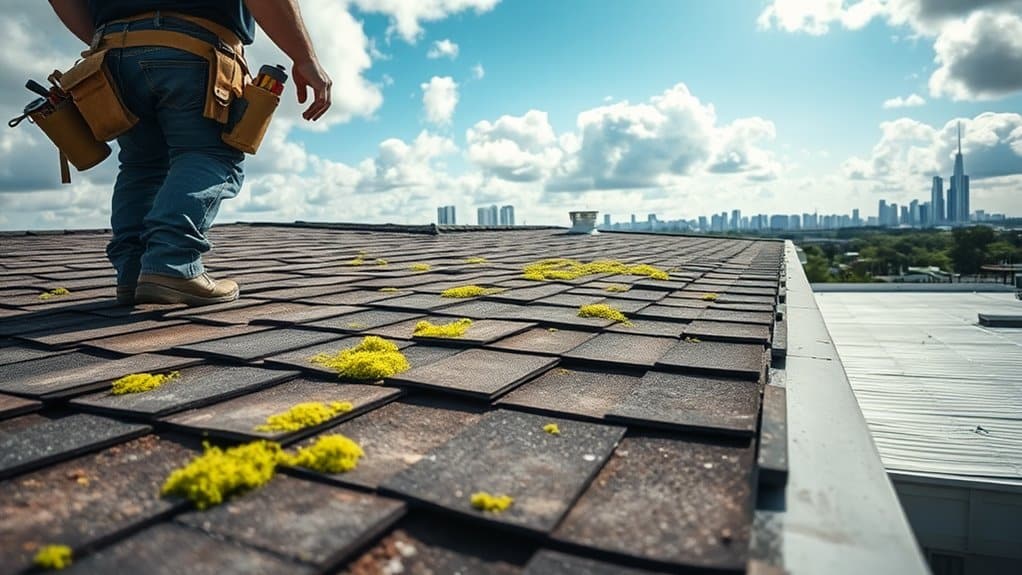
The lifespan of a commercial roof depends on several key factors that significantly influence its durability and performance.
Firstly, the quality of installation is crucial. Hiring a reputable contractor ensures the roof's structural integrity, reducing the risk of issues such as sagging and leaks. Proper installation not only prevents early deterioration but also extends the roof's lifespan.
Material choice is also vital. Different roofing materials have different longevity; for instance, metal roofs can last between 30 to 60 years, whereas single-ply membranes like EPDM typically last around 25 to 30 years. Knowing these differences helps in making informed decisions that suit your long-term objectives.
Environmental conditions play a role too. Extreme weather can speed up wear and tear, making regular inspections after storms and seasonal checks essential. Additionally, roof color can impact heat absorption and contribute to material degradation over time.
Furthermore, proactive maintenance is key to extending a roof's lifespan. Conducting inspections twice a year and addressing minor issues promptly can prevent significant damage. By prioritising these checks and ongoing maintenance, you can keep your commercial roof in top condition for many years.
Identifying Damage Types
Maintaining the integrity of your commercial roof requires identifying types of damage early on. Recognising these issues can prevent minor problems from turning into expensive repairs. Here are some common damage types to monitor:
- Leaks and Water Damage: Often resulting from worn flashing or cracked seams, these can cause water stains and weaken structures if not addressed swiftly.
- Structural and Material Issues: Punctures and tears from debris, along with material shrinkage, can lead to significant leaks. Frequent inspections are crucial for early detection.
- Environmental Factors: Weather events like hail or heavy rain can worsen existing issues. Poor drainage can result in pooling water, which raises the risk of mould.
Being proactive in identifying these damage types will prolong your roof's lifespan and ensure the safety of your commercial space.
Regular inspections and maintenance, along with awareness of environmental impacts, are essential for effective roof management.
Importance of Material Integrity
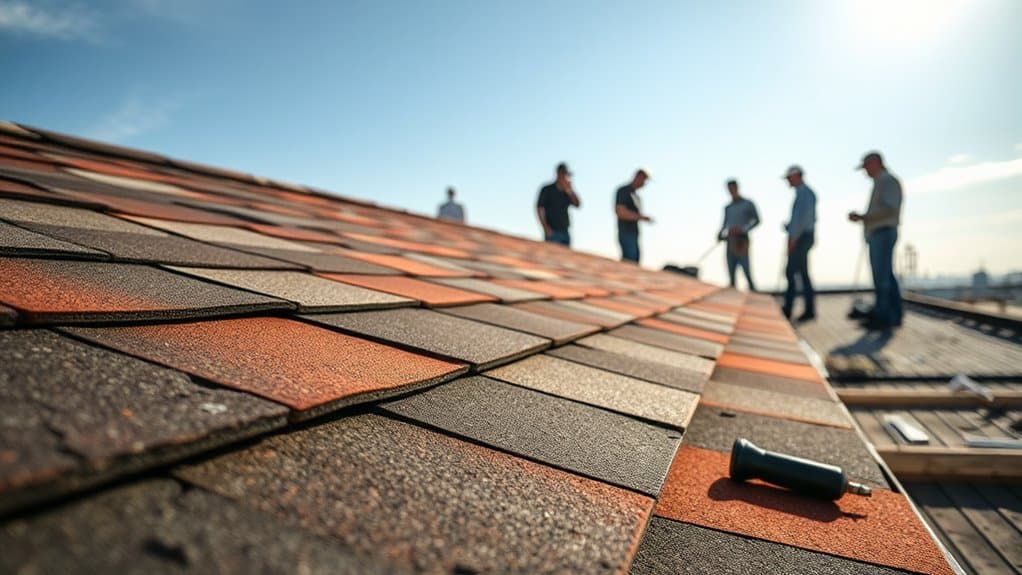
Understanding damage types is just the first step in maintaining your commercial roof; the quality of materials used is crucial for its performance and longevity. Choosing top-grade materials like EPDM, PVC, or metal significantly boosts durability and extends the roof's lifespan. These materials can withstand harsh weather, reducing the risk of leaks and water damage, which is vital for safeguarding your investment.
Additionally, the right materials improve energy efficiency. A well-maintained roof can help regulate temperature, easing the load on heating and cooling systems. For example, metal roofs reflect sunlight, resulting in lower energy bills—an important consideration for any business owner committed to sustainability.
Adhering to building regulations is also essential; using suitable materials ensures safety and lowers legal risks. Regular inspections help identify potential problems early, maintaining the integrity of your roof and the comfort of your occupants.
Future Plans for Your Building
Planning for the future of your building requires a careful look at its roofing needs, particularly in terms of durability and flexibility. Here are some key points to consider:
- Future Resale Value: Installing a new roof can significantly boost your property's resale value, making it more appealing to potential buyers.
- Weather Resilience: It's important to consider changing weather patterns to ensure your roof can endure future climatic conditions.
- Renovation Compatibility: If you have plans for renovations, you may need to select roofing materials that complement these updates, so it's crucial to plan accordingly.
In addition, energy-efficient upgrades can reduce ongoing costs, while integrating systems like solar panels can offer long-term benefits.
Lastly, keep maintenance and repair costs in mind to prepare for any financial implications.
Signs Indicating Replacement Needed
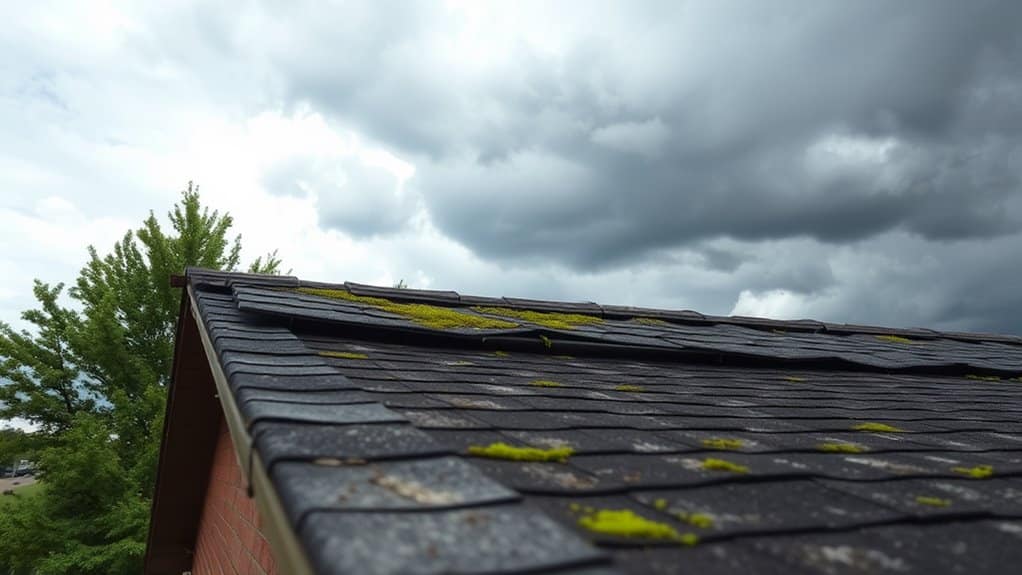
When assessing your commercial roof, it's crucial to spot signs that suggest it needs replacing.
Look out for significant damage, such as cracks, missing materials, or noticeable sagging, particularly if your roof is older or has multiple layers.
Catching these issues early can save you from expensive repairs and ensure your building remains structurally sound and energy-efficient.
Extensive Damage Assessment
Evaluating the condition of your commercial roof is crucial for deciding if it requires replacement. Extensive damage can jeopardise your building's structural integrity, leading to expensive repairs and potential safety risks.
Here are some signs that may indicate it's time to consider replacement:
- Sagging roof lines often point to moisture build-up and weakened decking.
- Horizontal lines on walls after a storm can signal serious structural damage.
- Visible roofing material damage, such as cracks or missing shingles, suggests prolonged exposure to harsh weather.
Moisture detection is key in your assessment. Look for signs of moisture infiltration, like algae growth or stains on ceilings and walls. These are indicators of leaks that can cause unseen damage and increase energy costs.
A professional inspection is vital for a comprehensive evaluation, using advanced techniques such as thermal imaging and moisture detection tests.
These methods can reveal hidden vulnerabilities that may not be immediately apparent. Regular assessments and maintenance can prevent small issues from developing into major problems, ensuring the durability and reliability of your commercial roof.
Age of Roof
The age of your commercial roof is crucial in assessing whether it needs replacing. Most roofs last between 20 to 30 years, depending on the material used. For instance, asphalt shingles and PVC/TPO roofs typically last two to three decades, while metal roofs can last 30 to 50 years. If your roof is older than its expected lifespan, it's at a higher risk of failure and likely needs replacing.
Keep an eye out for visible signs of ageing, such as cracks, rust, or sagging. These issues not only indicate general wear but may also point to structural problems that could lead to higher costs if neglected.
Rising energy bills can also suggest a compromised roof; poor insulation and ventilation can cause inefficiencies. Frequent repairs may signal that replacement would be more economical than continual maintenance.
Although advancements in roofing materials have improved durability, regular inspections are essential to extend your roof's lifespan. If your roof is over 20 to 25 years old and showing signs of wear, consider replacing it promptly.
This proactive approach can help you avoid expensive emergency repairs and ensure the safety and efficiency of your commercial property.
Multiple Layer Issues
Roofs with multiple layers can pose significant problems and often indicate that a replacement is necessary. The added weight and poor ventilation can compromise the roof's structural integrity.
If you notice any of the following signs, it's essential to consider a structural assessment and potential removal of layers:
- Frequent leaks, which may signal more serious issues.
- Bubbling or blistering materials that indicate trapped moisture.
- Visible damage, such as loose or missing roofing materials.
These signs suggest that your roof is failing, leading to higher repair costs.
Multiple layers can complicate maintenance, making it difficult to identify leaks or rot, and may void your roof's warranty. Additionally, the extra weight may require further structural support, especially in older buildings.
Ultimately, these compounded issues can significantly shorten the lifespan of your roof, increasing the need for replacement.
If you're facing these problems, consulting a professional is advisable to determine the best solution for your commercial roof.
Benefits of Roof Repairs
Regular roof repairs provide several benefits that can significantly improve the longevity and efficiency of your commercial roofing system. By following a proactive maintenance schedule and carrying out routine inspections, you can spot minor issues before they turn into expensive problems. This not only prolongs your roof's lifespan but also ensures that insulation and flashing remain effective.
Cost savings are another key reason to prioritise roof repairs. Typically, fixing a roof is more affordable than a complete replacement, allowing you to manage your budget more wisely. Addressing small issues early on can prevent them from escalating into major expenses, saving you potentially hundreds of pounds.
Furthermore, regular repairs enhance safety and productivity. Keeping your roof in good condition creates a safer environment for staff and protects valuable stock from water damage. This proactive approach reduces downtime caused by roofing failures, allowing your business to run smoothly.
Investing in roof repairs not only boosts durability but also increases your property's value over time. By hiring experienced roofers, you ensure efficient service and long-term benefits for your commercial premises.
Understanding Re-Roofing Advantages

When considering a re-roofing project, it's essential to recognise the advantages it brings, as these can significantly impact your decision-making.
- Improved Safety and Durability: A new roof can greatly reduce the risk of structural issues and leaks, offering long-lasting protection against the elements, especially in varied weather conditions common in the UK.
- Financial Gains: Incorporating modern roofing technologies can help lower energy bills and boost your property's market value, making it more appealing to prospective buyers or tenants. Additionally, you might benefit from tax advantages through depreciation.
- Operational Efficiency: Re-roofing typically involves minimal disruption, allowing your business to continue running smoothly without significant downtime, so you can concentrate on what matters most.
Embracing sustainable roofing solutions not only aligns with contemporary green building standards but also enhances your brand image, appealing to environmentally aware clients.
Key Factors Affecting Lifespan
Several key factors influence the lifespan of your commercial roof, and it's important to understand these elements for informed decision-making. The type of roofing material you select has a significant impact, as different materials offer varying lifespans. Environmental conditions and the quality of installation also play crucial roles in durability. Here's a quick overview of how these factors compare:
| Roofing Material | Typical Lifespan | Key Considerations |
|---|---|---|
| TPO | 20-30 years | Common in warehouses |
| PVC | 15-30 years | Strong and durable |
| Modified Bitumen | 10-20 years | Asphalt-based system |
| Metal | Up to 45 years | Requires adequate slope |
Innovations in roofing are continually emerging to combat the impact of climate on roof longevity. Factors such as extreme weather, rooftop equipment, and water pooling can significantly contribute to wear and tear. Additionally, proper installation is vital; professional workmanship ensures structural integrity and maximizes lifespan. By understanding these factors, you can make choices that protect your investment and enhance the service you provide.
Importance of Regular Maintenance
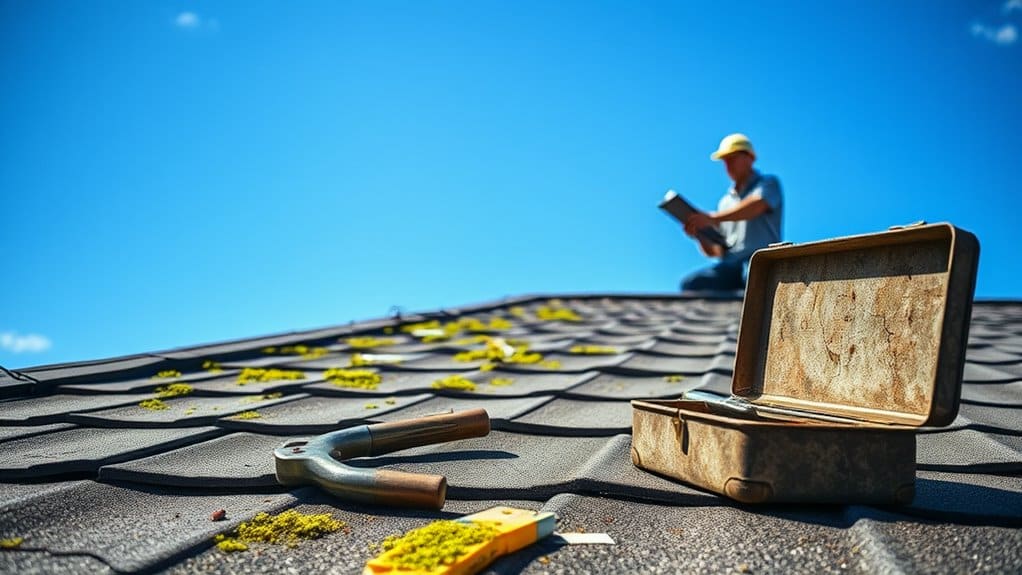
Regular maintenance is crucial for extending the lifespan and durability of your commercial roof.
By tackling minor issues promptly, you can avoid expensive repairs down the line that may arise from neglect. For instance, a small leak left unattended can lead to significant water damage, causing far greater repair costs.
Furthermore, a well-maintained roof enhances energy efficiency, reducing your utility bills and ensuring a comfortable environment for your building.
Enhances Longevity and Durability
Consistent maintenance is crucial for enhancing the longevity and durability of your commercial roof. By adopting effective maintenance practices, you can significantly extend its lifespan and avoid premature replacements. Regular inspections and timely repairs are vital strategies that ensure minor issues don't develop into major problems.
Consider these key points:
- Increased Lifespan: Routine maintenance can add years, even decades, to your roof's life.
- Cost-Effective Preventive Care: Taking preventive measures can save you from expensive repairs down the line.
- Professional Support: Hiring professionals ensures that maintenance is thorough and effective.
Prioritising roof maintenance protects your investment and improves energy efficiency. A well-maintained roof enhances insulation and ventilation, stabilising internal temperatures and lowering heating and cooling costs.
Furthermore, regular upkeep helps you meet warranty requirements, safeguarding your financial interests. By embracing these maintenance strategies, you ensure your commercial roof remains durable and effective for years to come.
Prevents Costly Future Repairs
Maintaining your commercial roof is crucial for its longevity and helps prevent expensive future repairs. Regular maintenance allows you to identify minor issues before they develop into serious leaks, which can cause rust and damage to materials, ultimately threatening your building's structural integrity.
By addressing problems early, you protect your interior spaces and equipment, saving on potential long-term costs. It's much cheaper to carry out routine inspections and minor repairs than to deal with emergency situations.
Regular upkeep not only extends the life of your roof but also reduces the need for early replacements, ensuring you get the best value from your investment.
Furthermore, consistent roof maintenance minimises disruptions, allowing your business to operate smoothly without unexpected closures for urgent repairs.
Improves Energy Efficiency**
A well-maintained commercial roof is crucial for improving your building's energy efficiency. Regular upkeep not only prolongs the roof's lifespan but also boosts energy performance.
By adopting sustainable practices like routine inspections and energy audits, you can ensure your roof is in prime condition, leading to lower energy costs and improved comfort indoors.
Here are some essential maintenance tips:
- Clear Gutters and Drains: This helps prevent water pooling, which can undermine insulation effectiveness.
- Reflective Coatings: Applying these coatings increases solar reflectance and protects against UV damage.
- Proper Ventilation: Ensure your roof is well-ventilated to reduce heat accumulation.
The Roof Replacement Process
Replacing a commercial roof involves a clear process to ensure long-lasting durability and performance. Start with a comprehensive assessment of the existing roof to identify any damage or structural problems. Based on this evaluation, create a detailed plan that includes selecting suitable roofing materials and defining the project scope.
Don't forget to secure the necessary permits to comply with local building regulations.
Once the planning is complete, the existing roofing materials are removed carefully to protect the underlying structure. It's important to inspect the roof deck for moisture or rot and address any issues before moving forward.
Preparing for the new roofing system is crucial. This might involve repairing damage or adding insulation.
The installation then takes place, with materials laid according to the manufacturer's guidelines. Throughout this stage, quality control and safety measures are key, with project management ensuring efficiency and adherence to timelines.
Finally, conduct thorough inspections of the new roof. A clean-up ensures the site remains safe and tidy.
While a typical replacement can take around two weeks, be prepared for potential delays, so flexibility in project management is important.
Selecting the Right Contractor

When choosing a contractor for your commercial roof, focus on their experience and expertise to ensure quality work.
Check that they possess the necessary licences and insurance, which not only protects you but also demonstrates their professionalism.
Make sure to request a clear pricing structure to prevent unexpected expenses and to ensure you know exactly what you're paying for.
For instance, if they provide a detailed quote, it helps you understand the costs involved and avoid any hidden fees.
Experience and Expertise
Selecting the right contractor for your commercial roof is crucial for the longevity and durability of your investment. Focus on their experience and expertise, as these are key to the quality of work you'll receive.
Here are some essential points to consider when assessing potential contractors:
- Look for a minimum of five years' experience in commercial roofing to reduce liability risks.
- Examine their portfolio of completed projects that are similar in size and complexity to yours.
- Check their industry certifications, which demonstrate compliance with high standards and regulations.
A contractor with extensive commercial roofing knowledge, including systems like TPO or modified bitumen, can offer tailored solutions for your needs.
Their proficiency in managing complex repairs, such as those involving skylights or HVAC units, is also important. Additionally, involvement in industry-specific training and recognition from reputable organisations can further validate their skills.
Licensing and Insurance
Licensing and insurance are vital when choosing the right contractor for your commercial roof.
It's essential to understand the licensing requirements in your region, as many areas require roofing contractors to hold specific licences. For example, in England, contractors often need to be registered with a recognised body like the National Federation of Roofing Contractors (NFRC).
Always check a contractor's credentials through the relevant licensing authority to ensure they comply with regulations.
Insurance is equally crucial. Most contractors should have worker's compensation insurance to protect their employees in case of injury.
Additionally, public liability insurance is essential, covering accidents and any potential damage to your property during the project.
If the contractor employs staff, they should also have employer's liability insurance to ensure workers can access benefits if required.
Transparent Pricing Structure**
A transparent pricing structure is vital for building trust with your roofing contractor. It promotes fair pricing and helps you clearly understand the costs involved in your project.
When you choose a contractor, ensure they provide a transparent cost analysis that details all expenses with no hidden fees.
Here are the key elements of transparent pricing:
- Itemised Estimates: Each service and material cost should be listed separately.
- Cost Breakdown: You should receive detailed explanations of all expenses, including labour and materials.
- Clear Communication: Make sure you fully understand the pricing structure and any potential extra charges.
Choosing Roofing Materials
Choosing the right roofing material is crucial for ensuring the durability and effectiveness of your commercial roof. There are several types of materials, each offering distinct advantages and installation methods that can influence your choice. Here's a quick comparison:
| Material Type | Lifespan Estimate |
|---|---|
| EPDM | 22-35 years |
| TPO | 22-30 years |
| PVC | 20-30 years |
| Asphalt | 15-40 years |
| Metal | 30-50 years or longer |
When selecting materials, consider your roof's structure—whether it's flat or sloped—and the environmental implications of your choices. For example, single-ply systems like EPDM or TPO are well-suited for flat roofs, while shingles or metal roofing are better for sloped roofs.
It's important to weigh long-term costs against benefits and think about seeking professional guidance to ensure you're making the best decision for your building's needs. A well-informed choice now can save you significant expenses and issues down the line.
Legal Considerations for Replacement
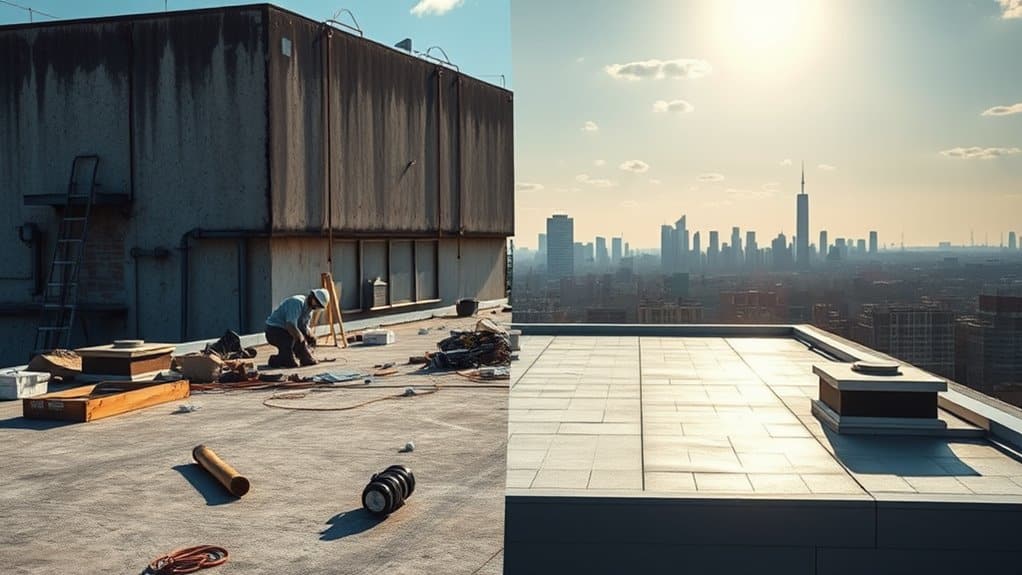
When replacing your commercial roof, it's essential to consider the legal aspects to ensure a smooth project. Overlooking these can lead to serious legal issues and compliance challenges.
Here are key points to remember:
- Local Building Regulations: Ensure your new roof complies with local building regulations concerning materials, structural stability, and energy efficiency.
- Necessary Permits: Secure all required permits, which may include roofing, electrical, and environmental permits. Neglecting this can lead to hefty fines and legal troubles.
- Qualified Professionals: Hire licensed roofing contractors who understand local regulations. Their expertise will help you navigate compliance and avoid common pitfalls.
Ignoring these legal requirements can result in delays and liability for accidents.
By prioritising legal compliance, you protect the safety and durability of your roof, as well as your investment and reputation.
Always view these legal considerations as a vital part of your roof replacement journey.
Frequently Asked Questions
How Can I Determine the Best Roofing Material for My Building?
To choose the best roofing materials for your building, consider factors such as climate, budget, energy efficiency, and design compatibility. For instance, if you live in an area with heavy rainfall, slate or tiles might be more suitable due to their durability. On the other hand, if you're looking for cost-effective options, asphalt shingles could be a good choice. By evaluating these elements, you can make a well-informed decision that meets your specific needs.
What Warranties Are Available for Roof Repairs and Replacements?
Various warranty types are available for roof repairs, including manufacturer's material warranties and contractor workmanship guarantees. These warranties protect you against defects, but it's crucial to understand their limitations for effective long-term maintenance and financial planning. For instance, a manufacturer's warranty may cover issues related to the roofing materials themselves, while a workmanship guarantee ensures that the installation is up to standard. Always read the fine print to know what is and isn't covered.
How Do I Prepare My Business for a Roofing Project?
To prepare your business for a roofing project, start by setting a clear project timeline and ensuring all necessary safety measures are in place. Inform your team about potential disruptions, such as noise or restricted access, to help them adjust their work accordingly. It's also essential to comply with local regulations to ensure a safe and efficient work environment. For example, if scaffolding is required, make sure it meets safety standards to prevent accidents.
Can I Stay in My Building During Roof Repairs or Replacement?
Certainly, staying in the building during roof repairs or replacement requires careful planning. It's essential to set up temporary shelters to protect staff from falling debris. Ensure you communicate effectively with contractors to minimise disruption and maintain safety for everyone involved.
What Should I Do if I Suspect Roof Damage?
If you suspect roof damage, start with a thorough inspection. Look for visible signs like missing tiles, water stains on ceilings, or blocked gutters. If you're unsure, it's wise to hire professionals for a detailed assessment to ensure safety.
Conclusion
Ultimately, your commercial roof is a crucial barrier protecting your investment. Whether you opt to repair or replace it, grasping the core issues and associated costs is vital. Just as a solid foundation underpins a building, a well-kept roof ensures your business remains resilient. Choosing the right contractor and materials will help shield your property from the elements, securing your future. Make your decision carefully; it's not merely about the roof, but the safety and security it offers.


