
What to Look for During a Commercial Roof Inspection
During a commercial roof inspection, closely check the roof surface for damage such as missing tiles, cracks, or blisters. Inspect the flashing for any gaps or sealing issues, particularly around penetrations like vents and chimneys. Also, examine gutters and downspouts for blockages and ensure they are functioning properly. Look at structural elements for signs of wear, such as sagging or rust. Assess the drainage systems to confirm that water flows efficiently off the roof. Lastly, make sure to document your findings for future reference. This thorough approach will help you spot problems early, paving the way for effective maintenance strategies.
Key Takeaways
- Examine the roof surface for damage like missing tiles, cracks, and general wear to maintain structural integrity.
- Assess the flashing and seals around penetrations to prevent leaks and ensure effective sealing.
- Inspect gutters and drainage systems for blockages, ensuring water flows efficiently away from the property.
- Look for water stains and mould inside, which could indicate leaks and insulation problems.
- Record your findings with photographs and arrange for necessary repairs to tackle identified issues swiftly.
Exterior Roof Surface
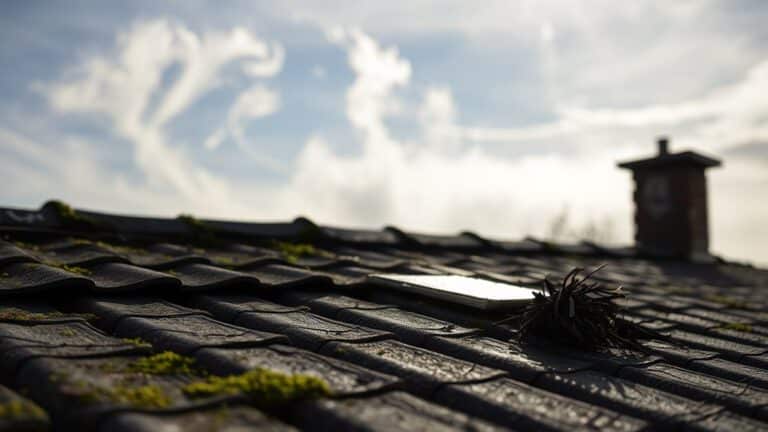
Regular inspections of the exterior roof surface are essential for keeping your commercial roof in good condition. Start by assessing the surface; look for damage like missing or loose tiles or membranes. Check for cracks, blisters, or bubbles, which could indicate deeper issues. Signs of wear, such as fading or discolouration, may also suggest that maintenance is needed. Regular inspections help identify issues requiring repairs or maintenance, ensuring the longevity of your roof. Additionally, regular inspections can help detect potential problems before they escalate, ultimately saving on costly repairs.
Next, examine the roofing materials. Identify their type, condition, and age, and look for signs of deterioration that could affect their performance. Ensure they meet manufacturer specifications and local building regulations, and check their compatibility with other roof components. It's also important to evaluate the quality and durability of the materials used, as this can impact the roof's lifespan.
Don't overlook the drainage and gutter system. Look for blockages and signs of water pooling, and make sure the slope is adequate for proper drainage. This is particularly important during heavy rain. Proper drainage is critical to prevent water damage and prolong the roof's life.
Finally, inspect roof accessories and equipment, such as vents and chimneys. Check their stability and ensure they comply with safety regulations. Addressing these aspects will help ensure your roof can withstand the elements and prolong its lifespan. Regular maintenance of these components is essential for overall roof integrity.
Flashing and Edges
When inspecting flashing and edges, it's crucial to check the installation's integrity to prevent water leaks.
Look for any gaps or sealing problems that might affect performance, and assess the condition of edge materials for signs of wear or damage. Regular maintenance and inspections ensure the ongoing roof integrity of your commercial roof.
For instance, if you spot cracks in the flashing or loose edges, these should be addressed promptly. Keeping these elements in good condition is vital for the longevity of your commercial roof. Additionally, minor issues can often be tackled through DIY repairs to save costs before they escalate into major problems.
Flashing Installation Integrity
Flashing installation integrity is crucial for the effectiveness of a commercial roofing system. Properly installed flashing prevents water ingress and structural damage, ensuring longevity and compliance with building regulations. To achieve this, follow best practices during installation and conduct regular inspections.
Key aspects to consider include:
- Accurate Measurements: Measure the installation area precisely to ensure a proper fit.
- Secure Attachment: Use suitable fasteners designed for roofing materials to firmly secure the flashing.
- Cleaning: Clear any debris from the installation surface to ensure a smooth application.
- Sealing: Apply a sealing compound along contact points for enhanced waterproofing. Flashing materials should be chosen carefully to avoid corrosion and damage over time. Additionally, maintaining proper roof ventilation is essential to prevent moisture build-up that can compromise flashing integrity.
Regular maintenance, such as checking for signs of wear or poor sealing, allows you to catch potential issues early. By addressing these aspects proactively, you can extend your roof's lifespan and maintain its effectiveness against moisture and leaks.
Prioritising flashing installation integrity will protect your commercial property and ensure a reliable roofing system.
Gaps and Sealing Issues
Identifying gaps and sealing issues in flashing and edges is crucial for the integrity of a commercial roofing system. Begin by inspecting the flashing around vents, chimneys, and other roof penetrations for cracks and openings. Pay particular attention to seams, especially where pipes and HVAC units penetrate the roofing material. Make a note of any issues for repairs and potential insurance claims.
Next, check the condition of sealants and caulk around the flashing. Look for signs of wear, such as dried-out or cracked sealants that need replacing. Ensure all penetrations are properly sealed to prevent leaks, and confirm that the sealants are compatible with the roofing materials to avoid future problems. Regular inspections can help identify these issues early, preventing costly repairs down the line. It's essential to note that comprehensive roof inspections are typically recommended annually(annual inspections) to maintain the roof's integrity.
It's also vital to inspect the flashing for any physical damage, like loose, bent, or dislodged sections. Keep an eye out for rust or corrosion, which can undermine the effectiveness of the flashing.
Additionally, ensure that edge materials are securely fixed and check for any signs of lifting or shifting. Maintaining flashing and promptly addressing gaps can significantly extend the lifespan of your commercial roofing system, safeguarding your investment and the safety of those inside.
Condition of Edge Materials
Regularly assessing the condition of edge materials is essential for the overall health of a commercial roofing system. Inspect for any signs of deterioration, such as cracks, splits, or loose sections.
It's important to ensure that all edge materials are securely fastened to prevent wind damage. Keep an eye out for rust and corrosion, particularly on metal components, as these can undermine your roofing system's effectiveness. During inspections, addressing minor issues early can prevent expensive repairs in the future.
To maintain edge materials effectively, consider the following:
- Check that the edges are properly terminated and sealed.
- Conduct a visual inspection from both the ground and the roof to identify potential issues.
- Pay attention to the integrity of flashing around penetrations like vents and skylights.
- Ensure gutters are correctly aligned and downspouts are clear to avoid water build-up.
Gutters and Downspouts
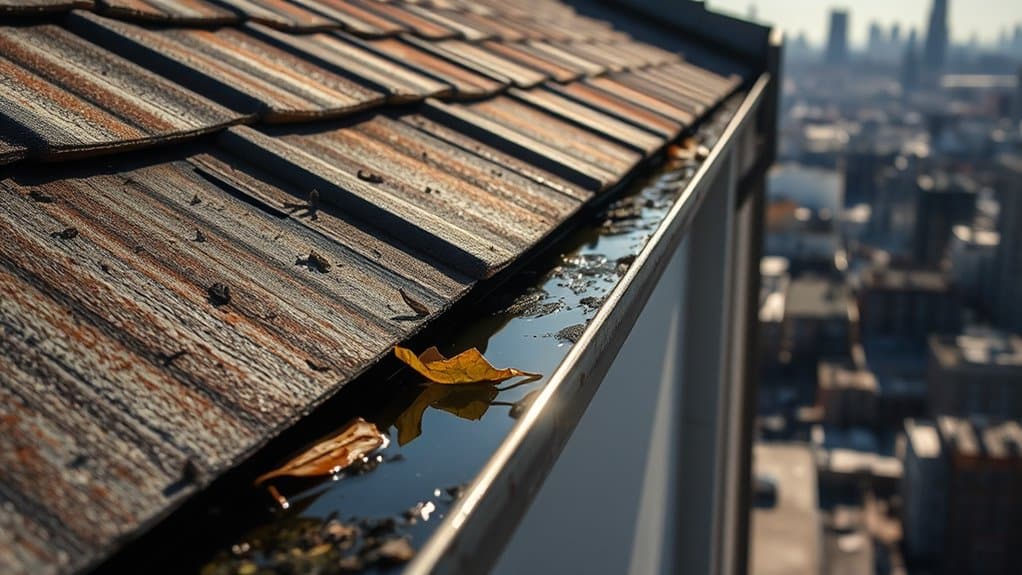
Gutters and downspouts are essential for managing water runoff from your commercial roof, protecting your building's foundation and structure. When inspecting, start by checking the gutters for debris that could cause standing water. Regular cleaning is crucial for effective gutter maintenance. Look for signs of damage, such as sagging or rust, and ensure they're securely attached to the building.
Next, examine the downspouts. Check for blockages that may impede water flow and ensure they align correctly with the gutters. Misalignment can result in overflow and water pooling near the foundation, which poses a risk to your property. Inspect downspouts for visible damage or crushing, and confirm they direct water away from the building.
Make note of your findings and recommend prompt repairs for any issues. Regular inspections, particularly before heavy rain, will keep your gutters and downspouts in good condition. Additionally, consider how gutter guards can significantly reduce cleaning frequency and enhance overall system efficiency. If needed, consider installing gutter guards to ease maintenance. By attending to these details, you safeguard the integrity of your commercial property and meet its long-term needs effectively.
Roof Field and Plane
A thorough inspection of the roof field and plane is essential for maintaining the integrity of your commercial roof. During this evaluation, focus on several key aspects to ensure your roofing system remains effective and durable.
- Check for tears and punctures in the membrane, especially in single-ply systems.
- Look for signs of wear, such as cracks, blisters, or other evidence of ageing.
- Identify areas of standing water, as these can lead to significant damage over time.
- Assess for debris like leaves or branches that could block drainage.
In addition to visual inspections, consider material-specific evaluations. For instance, inspect metal roofs for fastener integrity, while asphalt roofs require scrutiny for signs of ageing.
Using advanced techniques such as infrared moisture scans can also reveal hidden issues, ensuring a comprehensive assessment.
Penetrations and Terminations
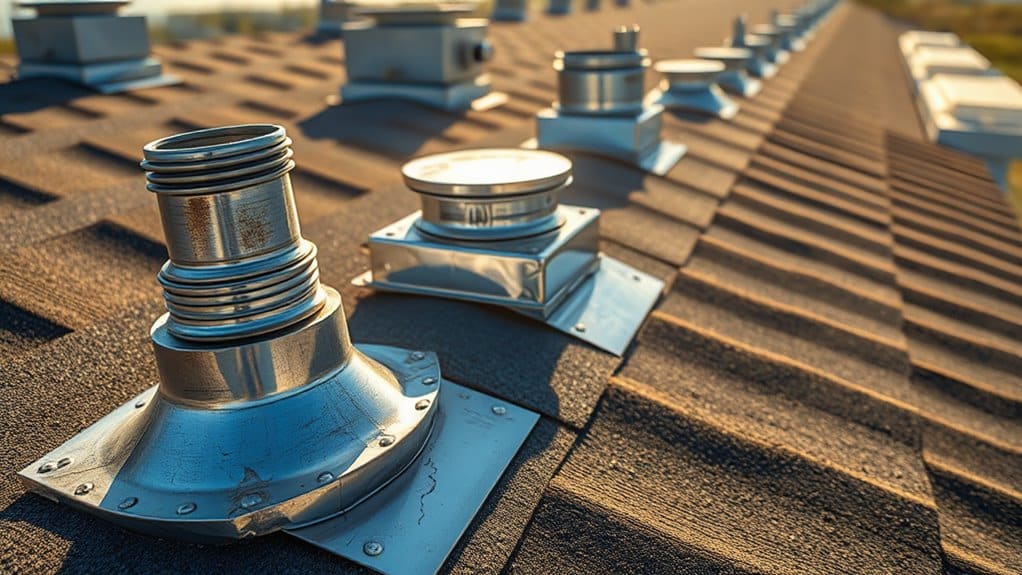
When inspecting your commercial roof, it's crucial to focus on penetrations and terminations to prevent leaks and ensure structural integrity. Roof penetrations, such as vent pipes and skylights, can compromise the roofing membrane, so it's essential to conduct thorough inspections.
Check the flashing and seals around these areas for any signs of wear, damage, or leaks. Pay particular attention to cracks and blisters, especially around complex features like chimneys and HVAC units.
Equally important is the integrity of terminations—where roofing materials meet. Make sure these areas are secure and intact, and inspect the condition of the materials to ensure that seals are watertight.
Regularly monitoring and maintaining both penetrations and terminations can save you from costly repairs in the future.
Consider using advanced techniques like infrared moisture scans for a more accurate assessment. Document your findings with photographs and arrange for any necessary repairs without delay.
Collaborate with reputable commercial roofing contractors who specialise in these critical areas. By developing a solid maintenance plan, you can help extend the life of your roof while effectively meeting your facility's needs.
Prioritising these inspections will ensure your roof remains functional and dependable.
Interior Ceiling and Walls
Inspecting the interior ceilings and walls of your commercial property is crucial for spotting potential water damage resulting from roofing issues. Look out for signs such as water stains, which often indicate leaks from the roof. If you hear dripping sounds during or after rainfall, it's a strong indication that there may be a water issue requiring immediate attention.
Key indicators of water infiltration include:
- Water spots on ceilings and walls
- Discolouration or staining on interior surfaces
- Signs of mould or mildew
- Musty odours that suggest hidden leaks
Additionally, check for warped or damaged walls, blisters or bubbles in wall paint, and swollen skirting boards. These conditions can suggest prolonged exposure to moisture, leading to more serious structural problems.
Soft spots on walls and cracks may signal deeper issues that need professional evaluation. Addressing these signs quickly can prevent further damage and ensure a safe environment for your occupants.
Regular inspections will help maintain the integrity of your commercial space and protect your investment from costly repairs in the future.
Structural Elements

Regular evaluation of the structural elements of your commercial roof is crucial for maintaining its integrity and safety. During inspections, focus on the overall structural integrity by checking beams, joists, and supports for signs of rust, rot, or wear. Look for sagging or warping in the roof deck, as these can indicate stress from heavy loads. Be alert for any structural decay, such as deformation or deterioration in the underlying support structures.
Additionally, assess the condition of the roof deck to ensure it's free from rot, corrosion, or deformation. Check load-bearing components like rafters, beams, and trusses for signs of wear, sagging, or cracks. It's important to conduct a thorough load-bearing evaluation to confirm the stability and proper anchorage of these components.
Finally, pay close attention to the edges and perimeter of the roof. Ensure that edge materials are securely fastened, free of cracks, and that parapet walls show no signs of damage. Inspect metal edging for corrosion and confirm that the roof membrane is secure around the edges.
Proactive inspections will help you identify potential issues before they become serious, safeguarding both the roof's functionality and safety.
Rooftop Equipment
When inspecting rooftop equipment, pay particular attention to the condition of HVAC units, as their performance significantly affects energy efficiency and comfort levels.
Assess the integrity of skylights and windows too, ensuring they're free from leaks and damage that could jeopardise the roof's structure.
Keeping these components well-maintained is crucial for the overall health and longevity of the roof.
HVAC Unit Condition
As HVAC units age and experience seasonal wear, their condition can significantly affect a facility's overall performance and energy efficiency. During your inspection, keep an eye out for several key indicators that may signal the need for HVAC maintenance.
- Inconsistent temperatures: Fluctuations can indicate underlying issues.
- Sudden drop in efficiency: Increased energy bills are often a sign that repairs are needed.
- Unusual noises and smells: Strange sounds or unpleasant odours from vents suggest problems.
- Unit age: Units nearing the end of their 15-20 year lifespan should be thoroughly inspected.
Start by preparing your inspection area and ensuring the disconnection switch is off.
Check the blower area for belt tension, motor condition, and wiring integrity. Remember to replace dirty air filters and examine the evaporator coil for proper operation.
Also, inspect thermostat controls to ensure electrical connections are secure.
Don't overlook specific components such as the heat exchangers and ignition area.
Regular seasonal maintenance, including cleaning filters and checking gas pressure, ensures optimal HVAC performance.
Skylight and Window Integrity
After ensuring the HVAC units are in top condition, it's crucial to assess the integrity of skylights and windows, which significantly impact the overall performance of a commercial roof.
Conducting thorough inspections of skylights is essential to identify common problems such as leaks from damaged seals or flashing. Regular maintenance, including cleaning, can help prevent issues and extend their lifespan.
During your inspection, check for physical damage like cracks in the glass or frames, and look for signs of water ingress around the edges. Evaluate insulation and ventilation; condensation can indicate inadequate insulation.
Ensure that frames and seals are secure, as any deterioration can lead to serious issues in the long run. Using specialised tools can help reveal hidden problems during your inspection.
Document your findings carefully, noting the condition of skylights and windows, and provide recommendations for repairs and maintenance. Regular inspections are vital for ongoing upkeep, allowing you to tackle issues before they worsen.
Drainage Systems
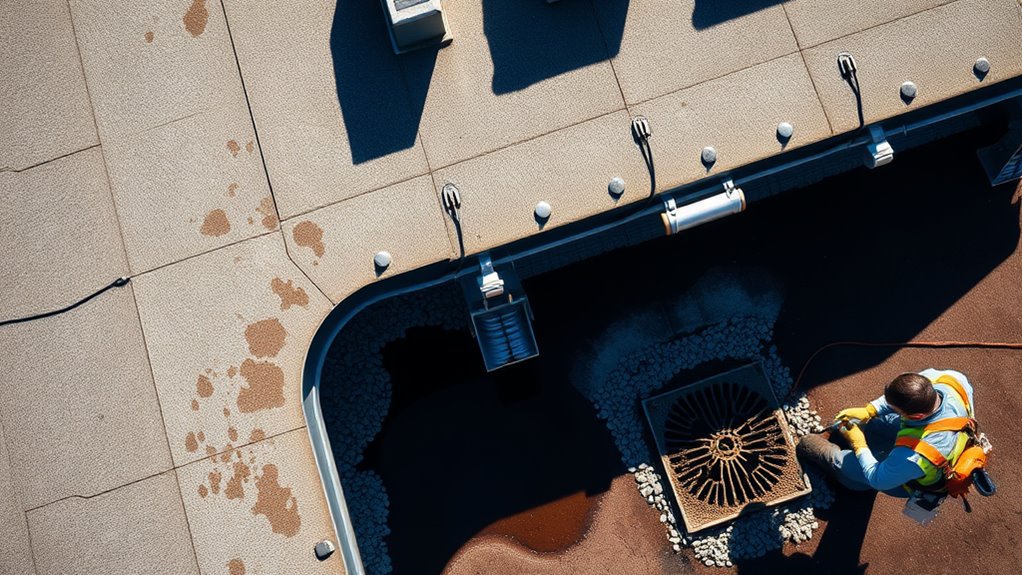
Effective drainage systems are crucial for preserving the integrity of commercial roofs. They prevent water build-up, which can cause serious damage and expensive repairs.
During your inspection, pay attention to these key components to ensure proper function:
- Gutters and Downspouts: Check for blockages and ensure they're working correctly.
- Roof Drains: Look for any blockages and confirm that water flows away efficiently.
- Scuppers: Inspect for any obstructions that may impede water diversion.
- Crickets and Saddles: Ensure they direct water towards drains at the right slope.
Regular maintenance is essential to prevent issues such as clogged gutters and leaking roof drains.
Utilise methods like visual inspections, infrared scanning, and camera inspections to uncover hidden problems.
Document your findings with photographs for future reference.
Safety Considerations
Before beginning your commercial roof inspection, ensure you have the required personal protective equipment (PPE), including hard hats, safety harnesses, and non-slip footwear.
It's crucial to complete hazard awareness training to identify potential risks, such as falls and overhead hazards.
Personal Protective Equipment
Personal protective equipment (PPE) is crucial for ensuring safety during commercial roof inspections. Compliance with PPE guidelines isn't just a regulatory obligation; it's vital for maintaining safety standards. Properly equipping yourself helps reduce risks associated with working at heights and dealing with potentially hazardous materials.
Here are some essential PPE items to consider:
- Hard Hats: Protect your head from falling debris.
- Safety Glasses: Shield your eyes from dust and flying particles.
- Gloves: Use heavy-duty or cut-resistant gloves to safeguard your hands.
- Non-Slip Footwear: Prevent slips and falls on wet or uneven surfaces.
Before starting your inspection, check the condition of your PPE. Regular assessments ensure your equipment remains effective and meets safety standards.
It's also important to implement a safety training programme that covers proper PPE use. This not only boosts individual safety but also encourages a culture of responsibility among team members.
Hazard Awareness Training
Understanding the hazards associated with commercial roof inspections is crucial for maintaining a safe working environment. Focus on recognising risks such as falls, electrocution, and burns from materials like bitumen.
Implementing safety protocols is essential; ensure all workers are trained in fall protection and construction safety.
Before conducting inspections, prepare the site by identifying safe access routes and installing guardrails in line with HSE standards. Use warning signs to alert workers to potential hazards, and establish flag lines at least two metres from the building edge.
Regularly check safety equipment and tools to ensure they're fit for use.
Training is essential. The HSE requires specific training on fall protection and hazardous materials. Provide your team with emergency response training, including first aid.
Regular safety meetings should address important topics like skylights and roof openings, reinforcing the need for ongoing education.
Frequently Asked Questions
How Often Should Commercial Roof Inspections Be Conducted?
Commercial roof inspections should be carried out at least twice a year. This regular practice helps identify potential issues before they escalate, ultimately extending the lifespan of your roof. For instance, checking for damaged tiles or blocked gutters early can prevent costly repairs later on. Regular inspections ensure your roof remains functional and safe over time.
What Are the Common Causes of Roof Leaks?
Did you know that 80% of roof leaks are caused by human error? To prevent water damage, it's essential to focus on proper repair techniques, tackle weak seams, and address maintenance issues. Additionally, try to limit foot traffic and keep debris off your roof to reduce the risk of leaks.
Can Seasonal Weather Affect Roof Integrity?
Seasonal weather has a significant effect on roof integrity. Storm damage can weaken materials, while temperature changes cause expansion and contraction. For instance, heavy rain can lead to leaks, and frost can crack tiles. Regular inspections help identify problems early, extending the life of your roof and safeguarding your investment.
How Do I Choose a Qualified Roofing Inspector?
Imagine your roof collapsing due to a poor inspection. To prevent this, ensure the inspector has the right qualifications and experience. Look for those with relevant certifications, industry training, and a solid reputation. This will help ensure the integrity and safety of your roof.
What Maintenance Can Extend the Life of My Roof?
To extend the lifespan of your roof, make regular maintenance a priority. Schedule inspections twice a year, carry out necessary repairs promptly, and keep it free of debris. For instance, clearing leaves from gutters can prevent water damage. Following these simple steps will help your roof withstand the unpredictable British weather.
Conclusion
When inspecting a commercial roof, it's crucial not to overlook even minor issues, as they can lead to significant problems later on. It's not just about maintaining the building; it's about protecting your investments and ensuring safety. For instance, a small leak might seem inconsequential, but it can quickly escalate into costly repairs. By conducting a thorough inspection, you're not only preserving the roof's integrity but also safeguarding your business's future. Don't underestimate the importance of those small details.