

Roofing Costs Explained: A Comprehensive Breakdown of Prices, Factors, and Budgeting Tips
A well-maintained roof is essential for protecting your home from the elements, particularly in our often unpredictable climate. When considering a roofing project, it's crucial to understand the various factors that influence costs and how to budget effectively.
Roofing expenses can fluctuate significantly based on material selection, labour costs, and project complexity. At the more affordable end, you'll find 3-tab asphalt shingles priced at £40-£70 per square metre. For those seeking a more premium option, natural slate can reach upwards of £150 per square metre.
It's worth noting that labour typically accounts for about 60% of your overall budget, with skilled roofers commanding around £200 per day. The size and design intricacy of your roof directly impact both material quantities and installation time. Urban areas often see higher prices compared to rural locations due to increased overheads and logistics.
It's also important to be prepared for unexpected structural issues, which can add 5-10% to total costs. When planning your roofing project, it's advisable to budget an additional 10-20% for unforeseen problems. This precaution ensures you're not caught off guard by surprises during the renovation process.
Additionally, consider the long-term savings offered by durable, energy-efficient options that can withstand our varied weather patterns. Local building regulations play a significant role in roofing projects, particularly concerning insulation standards and conservation areas.
It's essential to work with a reputable contractor who is well-versed in these requirements to ensure compliance. Popular roofing materials in our region include slate, clay tiles, and various types of shingles. Each option offers different benefits in terms of durability, aesthetics, and weather resistance.
For instance, slate is highly favoured for its longevity and classic appearance, while modern synthetic slate alternatives provide similar benefits at a lower cost. Thorough planning and consideration of these factors will help ensure your roofing project is not only financially sound but also well-equipped to handle our diverse weather conditions for years to come.
Key Takeaways
A Comprehensive Guide to Roofing Costs: Prices, Factors, and Budgeting Tips
When considering a new roof or repairs, it's crucial to understand the various elements that contribute to the overall cost. This guide breaks down the key factors to help you budget effectively for your roofing project.
Materials: The Choice That Shapes Your Budget
Roofing material costs vary significantly, ranging from £25-£40 per square metre for felt roofing to £100-£150 per square metre for natural slate. Your choice will dramatically impact the total project expense, with options like concrete tiles and metal roofing falling between these extremes.
Labour: The Backbone of Your Roofing Project
Skilled roofers command an average daily rate of £200, with labour typically accounting for 60% of total roofing costs. It's worth noting that rates may fluctuate based on demand and the complexity of the job.
Size, Complexity, and Accessibility: The Hidden Cost Multipliers
The size of your roof is an obvious factor, but complexity and accessibility play significant roles as well. Intricate designs or difficult-to-reach areas can increase expenses by 20-30%. Homes with multiple storeys or limited access may require additional equipment, further inflating costs.
Regional Variations: Location Matters
Material availability and labour rates can vary by 5-20% depending on your location. Urban areas often see higher prices due to increased demand and living costs, while some materials may be more affordable in regions where they're locally sourced.
Budgeting Wisely: Planning for the Unexpected
Always include a 10-20% contingency in your budget for unforeseen issues. Additionally, consider the long-term savings offered by energy-efficient materials, which may offset higher initial costs through reduced energy bills.
Local Regulations and Weather Considerations
Be sure to factor in compliance with local building regulations, which may require specific materials or techniques. Additionally, consider our climate when choosing materials; slate and clay tiles are popular for their durability in wet conditions, while proper insulation is crucial for energy efficiency during cold winters.
By understanding these factors, you'll be better equipped to plan and budget for your roofing project, ensuring a smooth process and a result that protects your home for years to come.
Understanding Roofing Material Costs
Understanding Roofing Material Costs
When considering a roof replacement or installation, grasping the costs associated with different roofing materials is essential. The price range for roofing materials varies considerably, with 3-tab asphalt shingles being the most budget-friendly option at £40-£70 per square metre. These shingle types are popular due to their affordability, but they may not offer the same longevity as other materials.
On the higher end of the spectrum, natural slate can cost between £100-£150 per square metre. Whilst expensive, slate's durability and longevity make it a worthwhile investment for some homeowners. Natural slate roofing can last up to 200 years and offers excellent resistance to fire, weather, and fading.
Concrete tiles, priced at £50-£70 per square metre with a 50-60 year lifespan, represent a middle ground regarding cost and durability. Metal roofing, a growing trend in residential roofing, costs around £40-£60 per square metre. It offers enhanced durability and weather resistance, making it an attractive option despite its higher price point.
For flat roofs, felt roofing is the most economical choice at £25-£40 per square metre, but its shorter lifespan of 15-20 years should be considered. When budgeting for your roofing project, factor in additional costs such as installation, waste disposal, and potential structural repairs, which can add 5-10% to the total cost.
It's also crucial to consider local building regulations and planning permissions, particularly in conservation areas or for listed buildings. Popular materials in our region include clay tiles, which offer excellent protection against our often damp and changeable weather conditions.
These tiles typically cost between £65-£100 per square metre and can last up to 60 years with proper maintenance. Given our climate, it's wise to invest in materials that can withstand frequent rainfall and occasional high winds.
Some homeowners opt for synthetic slate, which mimics the appearance of natural slate but comes at a lower price point of £60-£90 per square metre. This material offers good weather resistance and requires less structural support than natural slate.
When selecting roofing materials, consider not only the upfront costs but also long-term value. A more expensive option might prove more cost-effective over time due to its durability and lower maintenance requirements. Always consult with a qualified roofing professional to ensure your chosen material complies with local building standards and is suitable for your property's specific needs.
Labor Expenses for Roof Installation

Labour Costs for Roof Installation
Labour expenses constitute the bulk of roof installation costs, typically accounting for about 60% of the total project budget. Skilled roofers command an average daily rate of £200, though this figure can fluctuate based on several factors. The complexity of your roof's design greatly impacts labour expenses, with intricate structures requiring specialised skills and extended installation time.
Consider the following table illustrating how various factors affect labour costs:
| Factor | Impact | Cost Increase |
|---|---|---|
| Complexity | High | 20-30% |
| Accessibility | Medium | 10-20% |
| Safety Requirements | Medium | 15-25% |
| Geographic Location | Variable | 5-15% |
| Market Demand | Variable | 10-20% |
Accessibility plays an essential role in determining labour costs. Difficult-to-reach roofs may necessitate additional equipment and manpower, escalating expenses. Local wage fluctuations and market demand can greatly influence overall roofing costs, making contractor negotiations essential. Safety protocols for steep or complex roofs increase labour costs due to additional safety measures and skilled worker requirements.
When planning your roofing project, it's crucial to consider the unique challenges posed by our climate. The frequent rain and occasional heavy snowfall necessitate robust waterproofing and proper drainage systems. Popular roofing materials include slate, clay tiles, and synthetic slate, all of which offer excellent durability against our weather conditions.
It's worth noting that local building regulations play a significant role in roofing projects. Compliance with Part L of the Building Regulations, which focuses on the conservation of fuel and power, may require additional insulation measures, potentially affecting labour costs.
The choice of roofing material can also impact labour expenses. For instance, installing natural slate requires specialised skills and takes longer than fitting concrete tiles, thus increasing labour costs. However, the longevity and aesthetic appeal of slate often justify the higher initial investment.
In areas with historical significance, such as conservation areas or listed buildings, additional planning permissions may be required. This can extend the project timeline and potentially increase labour costs due to the need for specialised restoration techniques.
When budgeting for your roofing project, factor in these variables to ensure accurate cost estimation and avoid unexpected expenses. Remember, investing in quality materials and skilled labour can result in a roof that not only withstands our challenging weather but also enhances the value and appearance of your property for years to come.
Size and Complexity Considerations

When calculating roofing costs, one must consider both the total square metreage of the roof and its design complexity. The roof's area directly impacts material quantities and labour hours required, while intricate features like multiple angles, chimneys, or skylights increase installation time and expertise needed.
Pitched roofs are typically the easiest and most cost-effective to install, especially when paired with concrete tiles, a popular choice due to their durability in our often damp climate.
The shape of your roof, whether it's flat, pitched, or hipped, also influences material choices and installation methods, potentially affecting both project duration and overall expenses. Flat roofs, common in many urban areas, require specialised waterproofing systems to withstand prolonged rainfall.
Local building regulations play a crucial role in roofing projects, with strict guidelines on thermal insulation and fire safety. It's essential to work with a qualified roofer who understands these requirements and can ensure compliance.
Weather considerations are paramount when selecting roofing materials. Given our propensity for wind and rain, materials like slate and clay tiles are favoured for their longevity and resistance to the elements.
However, modern synthetic options are gaining popularity, offering similar benefits at a lower cost.
For listed buildings or properties in conservation areas, additional planning permission may be required, and traditional materials like handmade clay tiles or Welsh slate might be mandated to maintain architectural integrity.
Lastly, it's worth considering the integration of solar panels or green roofing systems, as these eco-friendly options are becoming increasingly popular and may offer long-term cost savings on energy bills.
Roof Area Calculations
At the heart of roofing cost calculations lies the roof's total square metreage, which serves as the foundation for estimating material requirements and labour expenses. To accurately determine this essential measurement, you'll need to employ proper roof measurement techniques. These methods involve calculating the area of each roof plane and summing them to obtain the total roofing area estimation.
Tiled roof installation costs can vary considerably, ranging from £6,000 to £70,000, with an average of approximately £22,000 for homeowners. The choice of material, such as clay, slate, or concrete, also impacts the overall cost and installation complexity.
Whilst square metreage is the primary factor, it's important to take into account additional elements that impact costs. Roof pitch plays a key role, with steeper slopes potentially increasing labour costs by 20-30% due to the need for specialised skills and safety measures.
Complex roof designs featuring multiple angles, chimneys, or skylights will also drive up expenses, as they require more materials and labour.
Don't overlook the importance of accessibility when calculating costs. Roofs that are difficult to reach may incur additional charges due to the extra time and effort required for equipment setup.
In addition, include measurements for fascia boards and flashing requirements in your calculations, as these components are crucial for proper installation and long-term roof performance. By taking these factors into account alongside the total square metreage, you'll achieve a more accurate cost estimate for your roofing project.
When considering roofing materials, it's essential to factor in local climate conditions. Given the frequent rainfall and occasional severe weather, many homeowners opt for durable materials such as slate or clay tiles, which offer excellent water resistance and longevity.
For those seeking a more cost-effective option, concrete tiles and asphalt shingles remain popular choices.
It's crucial to ensure that your chosen roofing contractor adheres to all relevant building regulations and standards set forth by local authorities. This includes proper insulation installation to meet energy efficiency requirements and adherence to fire safety standards.
Additionally, obtaining the necessary planning permission for significant alterations or listed buildings is a vital step in the roofing process.
For properties in conservation areas or those with historical significance, specialised materials and techniques may be required to maintain the architectural integrity of the building. This often involves sourcing traditional materials and employing craftsmen skilled in heritage roofing methods, which can impact overall project costs.
Design Complexity Impacts
Beyond the basic square metreage, a roof's design complexity considerably impacts its overall cost. As you consider your roofing project, it's essential to understand how various design elements affect pricing. Complex roof structures featuring multiple angles, chimneys, and dormers require specialised installation techniques and skilled labour, driving up costs and extending project timelines.
The choice between natural slate and man-made alternatives can also influence design complexity and overall costs, with natural slate often requiring more intricate installation methods.
The roof's shape plays a significant role in material selection and installation methods. Flat, gable, or hip designs each present unique challenges, influencing both material costs and labour requirements. Additionally, intricate designs necessitate additional safety measures during installation, further increasing labour expenses due to the need for specialised equipment and expertise.
Roof pitch is another critical factor. Steeper roofs not only impact aesthetics and drainage but also complicate the installation process, resulting in higher labour rates. As you plan your roofing project, consider how these design complexities will affect your budget.
Remember that while simpler designs may be more cost-effective, complex roofs can add value and character to your property.
When selecting roofing materials, it's important to consider local building regulations and planning permissions, particularly in conservation areas or listed buildings. Popular materials such as clay tiles, concrete tiles, and slate are well-suited to withstand our varied climate, from heavy rainfall to occasional snow and high winds.
Weather considerations play a crucial role in roofing decisions. With our often damp climate, proper ventilation and insulation are essential to prevent issues like condensation and mould growth. Additionally, the increasing frequency of extreme weather events means that roofing systems must be designed and installed to withstand potential storm damage.
Balancing your aesthetic preferences with budget constraints and practical considerations will help you make informed decisions about your roof's design and overall cost. Consulting with a qualified roofing specialist can provide valuable insights into the best solutions for your specific needs and local requirements.
Regional Price Variations
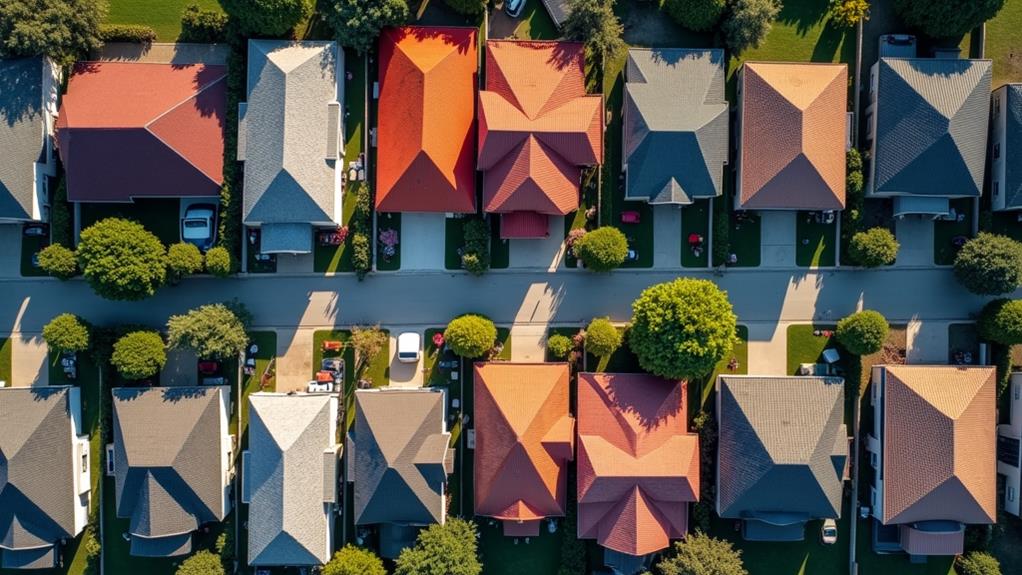
When considering roofing costs, you'll encounter significant variations between urban and rural areas, with cities often commanding higher prices due to increased labour rates and logistical challenges.
You'll find that labour costs fluctuate across regions, reflecting local economic conditions and the availability of skilled roofers. Slate tiles, being a popular and durable option, can range from £5,000 to £18,000 for a typical installation on a semi-detached house.
The season in which you choose to roof can also impact costs, with winter potentially offering lower labour rates, though weather conditions may be less favourable for work.
Additionally, you must factor in how material availability in your area impacts pricing, as transportation costs and local supply chains can influence the overall expense of your roofing project.
It's worth noting that planning permission may be required for certain roofing works, particularly in conservation areas or for listed buildings.
Popular roofing materials include slate, clay tiles, and concrete tiles, each offering different benefits in terms of durability, aesthetics, and suitability for various architectural styles.
When selecting materials, consider the local climate and weather patterns. Areas prone to high winds or heavy rainfall may require more robust roofing solutions. Coastal regions might benefit from materials resistant to salt corrosion.
It's also crucial to ensure your chosen roofing system complies with current building regulations, including requirements for insulation and energy efficiency.
Lastly, remember that while initial costs are important, investing in quality materials and professional installation can lead to long-term savings through increased durability and reduced maintenance needs.
Always seek quotes from reputable, accredited roofers to ensure your project meets all necessary standards and provides lasting protection for your property.
Urban Vs. Rural Pricing
Roofing Costs: City vs Countryside
When considering a roof repair or replacement, it's crucial to understand how location impacts your budget. The stark contrast between urban and rural pricing presents a significant factor for homeowners across the country.
In bustling city centres, demand typically drives up labour and material costs, while rural accessibility can lead to savings but may limit options for specialised materials or skilled tradespeople. Labour costs can account for up to 60% of the total roofing expense, with metropolitan areas often seeing higher hourly rates. This considerable portion of the budget is a key factor in the urban-rural price difference.
In urban settings, you'll likely encounter:
- Higher labour rates due to increased competition and contractor overheads
- More stringent regulations and additional council fees
- Potentially higher material costs due to greater demand
- Need for more durable materials to withstand urban pollution and inclement weather
- Average costs ranging from £5,500 to £7,000 for a typical three-bedroom semi-detached house
Countryside areas, conversely, often offer lower overall costs, with projects ranging from £4,500 to £6,000 for similar-sized homes. However, you may face challenges in sourcing specialised materials or finding experienced roofers in less populated regions.
When budgeting for your roofing project, consider these urban-rural differences carefully. The location-specific factors can notably impact your final costs, affecting everything from material selection to labour expenses and regulatory compliance. Popular roofing materials such as slate, clay tiles, and synthetic slate alternatives may vary in availability and cost depending on your location.
Moreover, regional weather considerations play a crucial role in material selection. Coastal areas may require more robust solutions to withstand salt spray and high winds, while properties in areas prone to heavy rainfall might benefit from enhanced drainage systems.
Local building regulations also differ across regions, with some councils enforcing stricter guidelines on roof pitch, material type, and aesthetic considerations, particularly in conservation areas or for listed buildings.
Understanding these variations will help you make informed decisions and accurately estimate your roofing investment. Whether you're in a bustling metropolis or a quaint village, ensuring your roof is up to standard is essential for protecting your home and maintaining its value.
Labor Cost Differences
Five key factors drive regional variations in roofing labour costs across the country. First, the overall cost of living in an area greatly impacts wage rates. You'll find that London and the South East typically command 20-30% higher labour costs compared to the North.
Second, the availability of skilled workers plays an essential role. In rural areas where roofers are scarce, you may encounter higher prices as contractors need to attract labour from elsewhere.
Third, local market competition influences pricing. Areas with numerous roofing contractors often see lower rates due to competitive pressures.
Fourth, the complexity of the job affects labour costs, with daily rates ranging from £150 to £300 depending on the project's intricacy.
Finally, regional economic conditions and wage fluctuations can impact labour pricing. The choice of roofing materials can also influence labour costs, as some require more specialised installation techniques.
To navigate these variations, it's essential to obtain multiple quotes from local roofers. Remember that labour typically accounts for about 60% of your total roofing project cost. By understanding these regional differences, you'll be better equipped for contractor negotiations and can make informed decisions when budgeting for your roofing project.
When selecting a roofing contractor, ensure they're familiar with local building regulations and have experience working with materials suited to our climate. Popular choices include slate, clay tiles, and synthetic options that can withstand heavy rainfall and strong winds.
In coastal areas, corrosion-resistant materials are crucial due to salt exposure.
Consider the impact of regional weather patterns on your roofing choices. The South West, for instance, experiences higher rainfall, making proper drainage systems essential. In contrast, properties in the North may require additional insulation to combat colder temperatures.
Material Availability Impact
Material Availability Impact on Roofing Costs
When planning your roofing project, it's crucial to understand how material availability influences costs, with variations often stemming from local supply chains and geographical factors. Regions with abundant local suppliers typically enjoy lower costs for common materials like slate and clay tiles, thanks to reduced transport expenses.
However, remote or rural locations may face higher prices for specialised materials due to increased delivery fees and logistical challenges. The recent construction industry slowdown has further complicated material availability, with supply constraints affecting various sectors, including roofing materials.
Climate effects also play an important role in material availability and costs. Areas prone to extreme weather may require more durable, albeit pricier, options such as metal roofing or reinforced tiles. Additionally, local building regulations can restrict material choices, potentially leading to higher expenses for compliant options.
Key factors affecting material availability and costs include:
- Proximity to suppliers and manufacturers
- Transportation infrastructure
- Local climate and weather patterns
- Regional building regulations
- Demand for specific materials in your area
Understanding these factors can help you anticipate potential cost variations and make informed decisions when selecting roofing materials for your project. Be sure to research local suppliers and consider alternative materials that may offer better value while meeting your needs and local requirements.
Popular roofing materials in our market include:
- Natural slate
- Clay tiles
- Concrete tiles
- Metal roofing (including zinc and copper)
- Fibre cement slates
When choosing materials, consider factors such as the pitch of your roof, local planning restrictions, and the architectural style of your property. For listed buildings or properties in conservation areas, additional considerations may apply, and it's advisable to consult with local authorities before proceeding.
Weather considerations are particularly important, given our diverse climate. From coastal areas prone to salt spray and high winds to inland regions experiencing frequent rain and occasional snow, selecting the right roofing material is essential for long-term durability and performance.
Additional Structural Repair Expenses
Additional Structural Repair Expenses
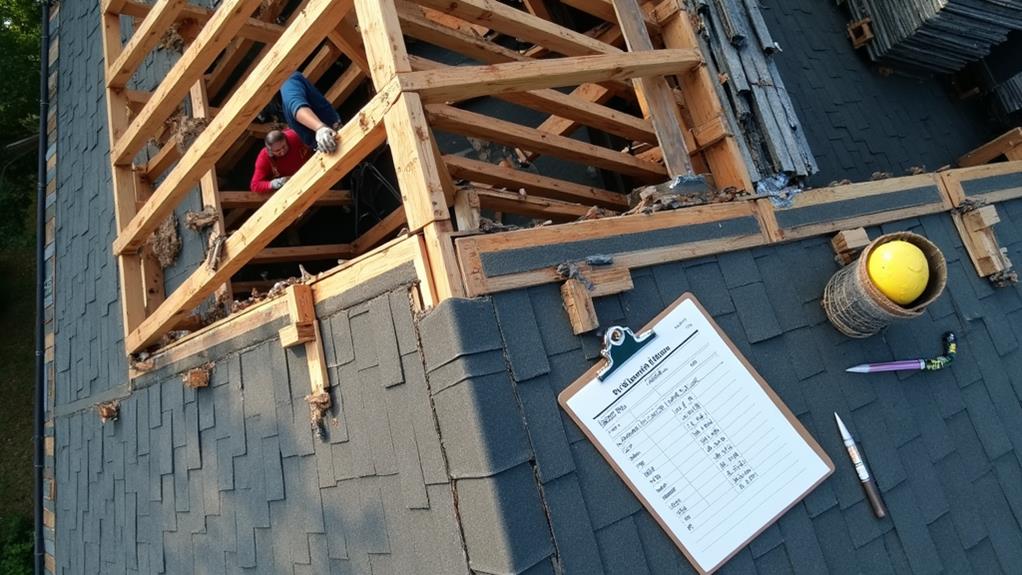
Homeowners' roofing projects often encounter unexpected expenses when structural issues come to light. These additional structural repair expenses can greatly impact your budget, potentially adding 5-10% to the total cost of your roof replacement. When planning your project, it's essential to account for the possibility of unforeseen damages that may compromise the structural integrity of your roof.
Regular roof surveys can help identify potential structural issues early, potentially reducing the severity of these unexpected costs. It's also important to factor in the age of your roof, as older roofs are more likely to require extensive structural repairs.
One common issue you might face is the need to replace timber decking, which serves as the substrate for new roofing materials. If your existing decking is compromised, you'll incur extra costs for its replacement. Similarly, damaged rafters, vital for maintaining your roof's structural integrity, may require replacement, further escalating repair expenses.
Don't overlook the condition of your fascia board, as it can affect the quality of the installation. Repairs or replacements here will contribute to the overall cost. To avoid financial overruns, it's imperative that you conduct a thorough assessment of your roof's structural conditions before beginning the project. This detailed evaluation will help you budget accurately and prepare for potential additional expenses, ensuring a smoother and more predictable roofing process.
When considering materials, popular choices include slate, clay tiles, and synthetic alternatives designed to withstand our damp climate. It's crucial to select materials that comply with local building regulations and planning permissions, particularly in conservation areas or for listed buildings.
The unpredictable weather patterns we experience, from heavy rainfall to occasional high winds, underscore the importance of robust roofing solutions. Proper ventilation and insulation are key factors in preventing issues like condensation and heat loss, which are particularly relevant given our climate.
Budgeting Strategies for Roof Projects
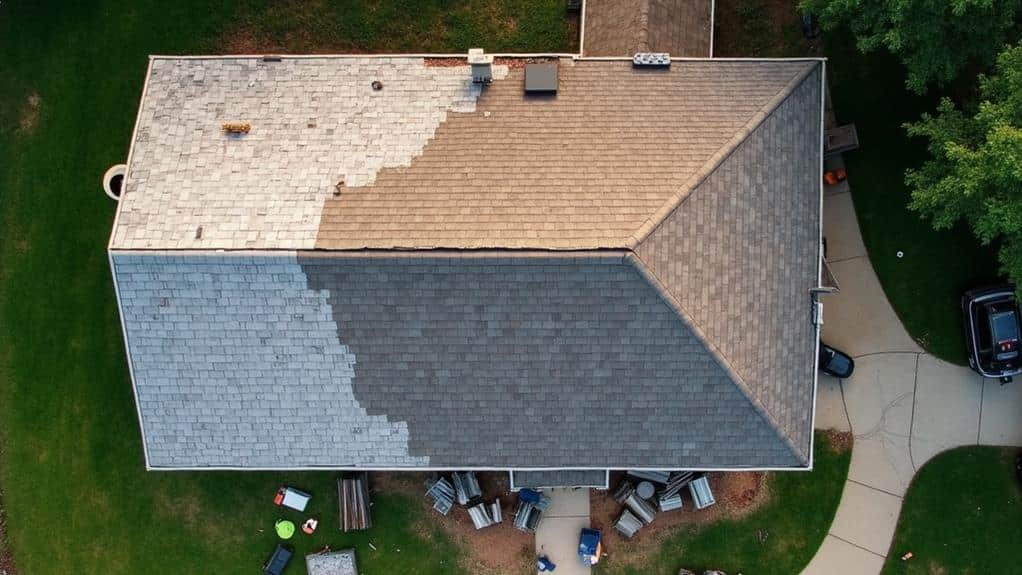
Planning a successful roof project requires a strategic approach to budgeting. When estimating costs, consider the total average range of £5,000 to £17,000, which encompasses materials, labour, and auxiliary expenses. It's essential to allocate an additional 10-20% of your budget for unforeseen issues that may arise during the project.
The choice of tile or slate notably impacts overall costs, with options ranging from affordable concrete tiles to premium Welsh slate. Additionally, labour typically accounts for about 60% of the total cost, averaging £2 per square foot.
To optimise your budgeting strategy and guarantee cost-effective project timelines, consider these key points:
- Obtain multiple quotes from local contractors to identify competitive pricing
- Explore financing options, such as payment plans offered by roofing companies
- Include planning permission and building control fees in your budget, as these can vary by council
- Factor in skip hire and scaffolding costs when calculating your total expenses
- Set aside funds for potential structural repairs or hidden damages
When selecting materials, consider the regional climate and local architectural styles. Clay tiles are popular in southern regions, while slate is commonly used in northern areas and conservation zones.
It's crucial to ensure your chosen materials comply with Building Regulations and any local conservation area requirements. Weather-proofing is paramount, given the frequent rain and occasional high winds. Invest in high-quality underlayment and proper ventilation to prevent issues like damp and condensation.
For flat roofs, consider modern EPDM or GRP systems, which offer excellent waterproofing properties. Lastly, don't overlook the importance of proper insulation. With rising energy costs and increasing focus on energy efficiency, investing in quality insulation can lead to significant long-term savings on heating bills.
Remember to check if you're eligible for any government grants or incentives for improving your home's energy performance. By carefully considering these factors and planning your budget accordingly, you'll be well-prepared for a successful roofing project that stands up to the unique demands of our climate and regulations.
Long-Term Cost-Saving Roofing Choices

Selecting the right roofing materials and systems can lead to considerable long-term cost savings for your home or business. Investing in high-quality, durable options like natural slate or metal roofing can extend your roof's lifespan beyond 50 years, greatly reducing replacement frequency and associated costs.
These sustainable roofing choices offer superior longevity compared to traditional materials. Natural slate, with its low embodied carbon and minimal processing requirements, is an environmentally friendly option that can last up to 100 years, further enhancing its cost-effectiveness over time.
Energy-efficient roofing solutions, such as cool roofs or reflective materials, can decrease your heating and cooling expenses by up to 20%. This translates to notable utility bill savings over time. Additionally, prioritising regular maintenance and prompt repairs can prevent minor issues from escalating, potentially saving you 10-20% on future, more extensive repair costs.
Consider durable materials like concrete tiles, which last 50-60 years. Whilst they may have higher upfront costs, they eliminate the need for replacements every 15-20 years, resulting in long-term savings.
For budget-conscious homeowners, utilising second-hand tiles or recycled materials can greatly reduce initial expenses while still providing long-lasting protection. These options combine cost-effectiveness with sustainability, offering both financial and environmental benefits.
When choosing roofing materials, it's crucial to consider our unique climate. With frequent rain and occasional high winds, materials like clay tiles and synthetic slate are popular choices due to their excellent water resistance and durability.
For flat roofs, which are common in many urban areas, EPDM (ethylene propylene diene monomer) rubber roofing is a reliable option that withstands our unpredictable weather patterns.
It's essential to be aware of local building regulations when planning your roofing project. Many areas require planning permission for significant alterations, especially in conservation areas or for listed buildings.
Working with a certified roofing contractor ensures compliance with these regulations and adherence to British Standards for roofing work.
Frequently Asked Questions
How Much Does a Roofer Charge per Hour in the Uk?
Navigating the Costs of Professional Roofing Services
When considering a roof repair or replacement, understanding the costs involved is crucial for homeowners and property managers alike. Skilled roofers typically charge between £30 and £50 per hour for their expertise. However, it's important to note that these rates can fluctuate based on various factors, including location and the complexity of the job at hand.
For standard roofing tasks, one might expect to pay anywhere from £25 to £37.50 hourly. These figures reflect the breadth of services offered, from minor repairs to more extensive overhauls. It's worth remembering that quotes often encompass more than just labour, factoring in materials and any necessary scaffolding or equipment hire.
When seeking out roofing services, it's essential to consider the unique challenges posed by our climate. From persistent rain to occasional high winds, roofs must be built to withstand diverse weather conditions. This often influences the choice of materials, with slate and clay tiles remaining popular for their durability and traditional aesthetic.
Local building regulations play a significant role in roofing projects, particularly when it comes to listed buildings or properties in conservation areas. Professional roofers will be well-versed in these requirements, ensuring all work complies with current standards and preserves the architectural integrity of the area.
Energy efficiency is another key consideration, with many homeowners opting for improved insulation and even solar panel integration during roof renovations. These eco-friendly upgrades can lead to long-term savings on energy bills and may be eligible for various green energy schemes.
When selecting a roofer, it's advisable to seek out those who are members of recognised trade associations. These accreditations often signify a commitment to quality workmanship and adherence to industry best practices. Additionally, obtaining multiple quotes and checking references can help ensure you're getting value for money without compromising on quality.
Remember, while hourly rates provide a useful benchmark, many roofing projects are quoted as a complete package. This approach often provides clearer expectations for both the homeowner and the roofing professional, covering all aspects of the job from start to finish.
How Much Does a New Roof Cost in the Uk?
Considering a New Roof? Here's What You Need to Know
When it comes to protecting your home, the importance of a sturdy roof cannot be overstated. As the old saying goes, "A stitch in time saves nine," and this rings especially true for roofing. Homeowners often find themselves grappling with the decision to repair or replace, but understanding the costs involved can make this choice easier.
Typically, you'll be looking at an investment of £5,000 to £7,000 for a new roof. However, these figures can fluctuate based on several factors, including the size of your property, the chosen materials, and the complexity of the installation.
Popular roofing materials in our climate include slate, clay tiles, and concrete tiles, each offering different benefits and price points. Slate, while pricier, provides an elegant, long-lasting solution that stands up well to our often unpredictable weather. Clay tiles offer excellent durability and a classic aesthetic, while concrete tiles present a more budget-friendly option without compromising on quality.
It's crucial to consider regional weather patterns when selecting your roofing material. Our frequent rain and occasional high winds mean that water-resistance and secure fixings are paramount. A professional roofer can advise on the best options for your specific location.
Don't forget to factor in additional costs such as scaffolding, waste removal, and potentially updating insulation while the roof is exposed. It's also worth noting that most roofing work requires planning permission, so be sure to check with your local council before commencing any work.
Lastly, remember that all prices should include VAT. When obtaining quotes, ensure they are comprehensive and cover all aspects of the job to avoid any surprise costs down the line.
Investing in a new roof is a significant decision, but one that can add value to your home and provide peace of mind for years to come. By choosing quality materials and experienced professionals, you're not just buying a roof – you're investing in the long-term protection of your most valuable asset.
How to Write a Quote for a Roofing Job?
A comprehensive roofing quote is essential for any reputable contractor in the trade. When crafting your estimate, begin by detailing the scope of work, ensuring you've accounted for all aspects of the job, from stripping old tiles to installing new guttering. Itemise costs for roofing materials, such as slate, clay tiles, or felt, and factor in labour charges. Be sure to specify the project timeline, accounting for potential weather delays, particularly during the notoriously wet autumn months.
Outline clear payment terms, typically involving a deposit and staged payments. Include information on any warranties offered, both for materials and workmanship. It's crucial to be thorough and precise in your breakdown, as this builds trust with potential clients.
Consider local building regulations, which may vary by council, and ensure your quote reflects compliance with current standards. Popular materials like Welsh slate or concrete tiles should be discussed, along with their suitability for different property types, from Victorian terraces to modern flats.
Address regional weather considerations, such as the need for adequate insulation to combat cold winters or proper drainage systems for areas prone to heavy rainfall. Mention any additional services, like the installation of solar panels or skylights, which are becoming increasingly popular amongst eco-conscious homeowners.
Why Are Roofers so Expensive?
Why Are Roofers so Dear?
Have you ever wondered why a new roof might set you back a fair bit? The roofing trade is a challenging one, with many firms struggling to stay afloat beyond their first few years. When you hire a roofer, you're not just paying for the job at hand, but contributing to their longevity in a competitive market.
Several factors contribute to the costs associated with roofing services. For starters, materials such as slate, clay tiles, and even basic felt can be quite expensive, especially when sourced to meet strict building regulations. Labour rates are another significant factor, as skilled roofers command respectable wages for their expertise and the risks they undertake daily.
Insurance is a substantial expense for roofing companies. Given the nature of the work – scaling heights and handling heavy materials – comprehensive liability cover is non-negotiable. This protects both the workers and the property owners but comes at a premium.
The complexity of roofing projects also plays a role in pricing. From listed buildings with intricate period features to modern eco-homes requiring specialised green roofing solutions, each job presents unique challenges that require time, skill, and often specialised equipment.
Economic factors and regional variations contribute to pricing structures as well. Roofers in bustling urban centres may charge more than their rural counterparts due to higher overheads. Moreover, the unpredictable weather – from biting winters to unexpected summer downpours – means that roofing work is often seasonal, with higher rates during peak periods to offset quieter months.
Popular roofing materials vary across regions, influenced by local architecture and climate. While slate might be favoured in some areas for its durability against harsh weather, others might opt for clay tiles for their traditional aesthetic. The choice of material significantly impacts both the cost and the longevity of the roof.
Understanding these factors can help homeowners appreciate the value behind roofing quotes. A well-executed roofing job is an investment in one's property, providing protection and peace of mind for years to come.
Conclusion
Navigating the complex world of roofing costs, from material expenses to labour intricacies, can be a daunting task for homeowners. While budget constraints may tempt one towards short-term solutions, long-term investments often yield greater savings. Consider the juxtaposition of immediate expenses versus future benefits when planning your roofing project.
When budgeting for a new roof, it's crucial to factor in our notoriously unpredictable climate, from blustery winds to persistent rain. The complexity of your roof's structure, such as the presence of dormers or chimney stacks, will also influence the overall cost. Don't overlook potential issues like damaged timber or inadequate insulation, which may need addressing during the re-roofing process.
Popular roofing materials include traditional slate, durable concrete tiles, and cost-effective asphalt shingles. Each option comes with its own set of advantages and price points, suitable for different architectural styles and budgets. It's worth noting that some conservation areas may have strict guidelines on roofing materials to maintain the local aesthetic.
By meticulously analysing these variables and implementing strategic budgeting, you'll secure a durable, cost-effective roofing solution that withstands both time and elements. Remember to consult with a qualified roofing contractor who is well-versed in local building regulations and can provide a comprehensive quote tailored to your specific needs.


