
Roofing Materials: From Traditional to Innovative Solutions
Choosing the right roofing material is essential for your home’s durability, energy efficiency, and aesthetic appeal. You’ll need to take into account factors like weather resistance, structural compatibility, and maintenance requirements. Traditional options like asphalt shingles offer affordability and easy installation, while clay and concrete tiles provide excellent fire resistance and longevity. Modern solutions incorporate recycled materials and cool roof technology for improved sustainability. When selecting, balance durability, cost-effectiveness, and environmental impact. Don’t forget to assess installation complexity and long-term maintenance needs. By understanding the pros and cons of each material, you’ll be better equipped to make an informed decision for your home’s future.
Key Takeaways
- Asphalt shingles remain popular for affordability and ease of installation, with newer options incorporating recycled materials and cool roof technology.
- Clay and concrete tiles offer excellent durability and fire resistance, but require proper structural support due to their weight.
- Metal roofing provides longevity, energy efficiency, and recyclability, making it an environmentally friendly choice for modern homes.
- Green roofs incorporate vegetation, improving insulation and reducing urban heat island effect, but require specialized installation and maintenance.
- Solar tiles integrate seamlessly into roofing, generating clean energy while maintaining aesthetic appeal, though they come with a higher initial cost.
Introduction
When it comes to protecting your home, selecting the right roofing material is essential. Your choice will impact your home’s durability, energy efficiency, and overall aesthetic appeal.
Factors such as climate, budget, local building codes, and architectural style will all play a role in determining the best roofing solution for your specific needs.
Importance of choosing the right roofing material
Selecting the right roofing material is one of the most significant decisions you’ll make for your home’s protection and value. The choice impacts your property’s durability, energy efficiency, and aesthetic appeal. You’ll need to take into account maintenance requirements, environmental impact, and cost considerations when making your decision.
Weather resistance is vital, as your roof must withstand various elements while meeting lifespan expectations. Structural compatibility is crucial to guarantee your home can support the chosen material, and the installation process can affect both cost and performance.
Your roof isn’t just a protective barrier; it’s an investment in your home’s future. The right material can enhance energy efficiency, reduce maintenance costs, and increase property value. It’s important to carefully evaluate all factors, taking into account both short-term expenses and long-term benefits before making your final choice.
Overview of factors influencing roofing material selection
Several key factors come into play when you’re choosing the right roofing material for your home. Material durability is essential, as you’ll want a roof that can withstand harsh weather conditions and last for years.
Aesthetic appeal is another important consideration, as your roof greatly impacts your home’s overall look.
You’ll also need to think about the environmental impact of your choice, considering factors like recyclability and energy efficiency.
Cost efficiency is a major concern for most homeowners, encompassing both initial installation costs and long-term maintenance expenses.
Finally, installation complexity can impact your decision, as some materials require specialized skills or tools to install properly.
Traditional Roofing Materials

When considering traditional roofing materials, you’ll find several time-tested options. Asphalt shingles remain popular due to their affordability and ease of installation.
While clay and concrete tiles offer durability and a distinctive aesthetic.
For those seeking a premium look, slate and wood shingles or shakes provide natural beauty and longevity, though they often come with a higher price tag.
Asphalt Shingles
When you’re considering asphalt shingles for your roof, you’ll encounter various types made from fiberglass or organic materials, each with its own set of advantages and drawbacks.
You’ll appreciate their affordability and ease of installation, but you should also be aware of their shorter lifespan compared to some other roofing options.
As you weigh your choices, factor in the initial cost savings against the potential need for more frequent replacements, typically every 15-30 years depending on the quality and environmental conditions.
Types and composition
Asphalt shingles, the most common roofing material in North America, consist of a fiberglass or organic mat coated with asphalt and mineral granules. Their composition and properties make them a durable choice among traditional roofing materials.
However, as the demand for sustainable options grows, innovative solutions are emerging to address their environmental impact. You’ll find newer asphalt shingles incorporating recycled materials and cool roof technology for improved energy efficiency.
Pros and cons
Understanding the advantages and disadvantages of asphalt shingles is key to making an informed roofing decision. When conducting material comparisons, you’ll find they’re cost-effective and offer aesthetic appeal.
However, the longevity debate suggests they may not last as long as other options. Consider their environmental impact, as they’re not easily recyclable.
A thorough cost analysis will help you weigh these factors against your specific needs and budget.
Cost considerations and lifespan
For homeowners on a budget, asphalt shingles offer an attractive balance between cost-effectiveness and durability. When planning your roofing investment, consider these cost-saving tips and longevity factors:
| Cost Saving Tips | Longevity Factors |
|---|---|
| Choose 3-tab shingles | Proper ventilation |
| DIY installation | Regular maintenance |
| Buy in bulk | Quality underlayment |
| Compare quotes | Professional installation |
Clay and Concrete Tiles
You’ll find clay and concrete tiles available in various styles, from classic Spanish designs to modern flat profiles. These durable roofing materials offer excellent fire resistance and long lifespans, but they’re heavier than many alternatives and can be costly to install.
To maintain your tile roof, you’ll need to regularly check for cracked or broken tiles and guarantee proper ventilation to prevent moisture buildup.
Characteristics and styles
Clay and concrete tiles offer a diverse range of characteristics and styles, from classic Mediterranean looks to modern interpretations of traditional designs.
You’ll find material customization options that align with current roofing trends, providing style versatility to suit any architectural preference.
These tiles boast impressive aesthetic appeal while delivering functional durability.
Whether you’re seeking a timeless appearance or a contemporary edge, clay and concrete tiles can meet your needs.
Advantages and disadvantages
When it comes to clay and concrete tiles, you’ll find a range of pros and cons that can influence your roofing decision. These materials offer exceptional longevity and aesthetic appeal, often lasting over 50 years with minimal maintenance. They’re also environmentally friendly.
However, you’ll face higher upfront costs and potential structural concerns due to their weight. Consider your budget, climate, and home’s structure when weighing these factors.
Maintenance requirements
Despite their durability, clay and concrete tiles require periodic maintenance to sustain their longevity and peak performance. You’ll need to schedule regular roof inspections to catch potential issues early.
Implement preventive care measures, such as cleaning gutters and removing debris. Learn basic repair techniques for cracked or displaced tiles.
Seasonal maintenance, including roof cleaning, helps prevent moss and algae growth. These steps guarantee your tile roof remains in top condition.
Slate
Slate roofing offers you a unique blend of natural beauty and exceptional durability.
You’ll find that slate’s distinctive appearance and long lifespan make it an attractive choice for high-end homes and historic buildings.
However, you should be aware that slate’s weight and specialized installation requirements can impact your roofing project’s cost and feasibility.
Natural properties and aesthetics
Few roofing materials can match the natural beauty and timeless elegance of slate. Its natural durability and weather resistance make it a top choice for homeowners seeking long-lasting solutions.
You’ll appreciate slate’s aesthetic appeal, which enhances your home’s curb appeal. As an eco-friendly option, slate is among the most sustainable materials available. Its natural properties guarantee your roof remains stunning and functional for decades to come.
Durability and longevity
When it comes to longevity, you’ll be hard-pressed to find a roofing material that outlasts slate, with many slate roofs enduring for over a century. Its exceptional weather resistance and durability factors contribute to its unparalleled lifespan.
To maximize longevity benefits, implement regular maintenance tips like inspecting for loose tiles and clearing debris.
Compared to other materials, slate’s lifespan is notably longer, making it a wise long-term investment for your home.
Installation considerations
Despite its impressive durability, you’ll need to take into account several factors before opting for a slate roof installation. Confirm your home’s structural integrity can support slate’s weight.
Consider material compatibility with existing roofing components and weather resistance in your area. Proper installation techniques are vital, so hire experienced professionals.
Don’t overlook long-term maintenance; while minimal, it’s necessary for preserving your slate roof’s beauty and functionality.
Wood Shingles and Shakes
When considering wood roofing, you’ll find two main options: shingles and shakes, each with distinct characteristics.
While both are derived from natural timber, they differ in their environmental impact and manufacturing process.
You’ll need to weigh the fire resistance of these materials and explore treatment options to enhance their durability and safety for your roofing project.
Differences between shingles and shakes
While both are wood-based roofing options, shingles and shakes differ significantly in their appearance, manufacturing process, and overall performance.
Shingles are machine-cut, thinner, and more uniform, while shakes are hand-split, thicker, and more rustic.
The installation process varies, with shakes requiring more skill. Weather resistance and longevity can differ, with shakes often lasting longer.
Aesthetically, shingles offer a cleaner look, while shakes provide a more natural, textured appearance.
Environmental impact
The environmental impact of wood shingles and shakes is a complex issue, balancing sustainability with potential drawbacks. While they’re natural and biodegradable, their production can contribute to deforestation. You’ll find eco-friendly choices and green alternatives that offer environmental benefits. Consider sustainable options to reduce your carbon footprint:
| Material | Sustainability | Carbon Footprint |
|---|---|---|
| Cedar | Renewable | Moderate |
| Pine | Fast-growing | Low |
| Recycled | Reused | Very Low |
| Treated | Long-lasting | Higher |
| Composite | Durable | Variable |
Fire resistance and treatment options
One important consideration for wood roofing is its fire resistance, which can be notably enhanced through various treatment options.
You can improve your wood roof’s fire safety by:
- Applying fire retardants using spray or pressure treatments
- Using flame-resistant coatings for added protection
- Comparing fireproof roofing materials for alternatives
- Implementing regular maintenance and cleaning
These treatment options can notably boost your roof’s fire resistance, though some may have environmental impacts.
Always weigh effectiveness against potential drawbacks when choosing a solution.
Modern and Innovative Roofing Solutions

You’ll find a range of cutting-edge options for your roof beyond traditional materials.
From durable metal roofing to eco-friendly green roofs, modern solutions offer enhanced performance and sustainability.
You can even opt for solar roofing to generate clean energy while protecting your home, or explore synthetic materials that mimic natural looks with improved durability.
Metal Roofing
When you’re considering metal roofing, you’ll find options in steel, aluminum, and copper, each offering unique benefits.
You’ll appreciate metal roofs for their energy efficiency and sustainability, as they reflect solar heat and are often made from recycled materials.
These roofs come in various styles and finishes, allowing you to choose a look that complements your home’s architecture while enjoying the durability of metal.
Types (steel, aluminum, copper)
Metal roofing comes in three primary types: steel, aluminum, and copper, each offering unique benefits for modern homeowners. These materials provide:
- Rust prevention through galvanization or coatings
- Lightweight options, especially with aluminum
- Recyclability, promoting sustainability
- Superior weather durability against harsh elements
Steel offers affordability, while aluminum resists corrosion. Copper, though pricier, provides unmatched architectural appeal.
You’ll find these metal roofing options combine functionality with aesthetic value, making them increasingly popular choices for contemporary houses.
Energy efficiency and sustainability
Energy-conscious homeowners are increasingly turning to metal roofing for its exceptional efficiency and sustainability benefits. Metal roofs offer superior insulation efficiency, reducing energy consumption and costs.
As a sustainable roofing option, they’re made from eco-friendly materials and are fully recyclable. These energy-saving solutions contribute to green building practices, making metal roofing an attractive choice for those seeking environmentally responsible home improvements.
Styles and finishes
In addition to its practical benefits, metal roofing offers a wide array of styles and finishes to suit any architectural design or personal preference. You’ll find numerous roofing styles and trends that enhance your home’s exterior appeal:
- Standing seam for a sleek, modern look
- Shingle-style for traditional aesthetics
- Tile-inspired for Mediterranean flair
- Corrugated for industrial charm
With various color schemes, textures, and finish options, you can easily customize your metal roof to achieve the perfect curb appeal.
Synthetic Roofing Materials
Synthetic roofing materials offer innovative alternatives to traditional options. They combine modern manufacturing processes with advanced compositions. These materials mimic the appearance of natural roofing while often surpassing their performance in durability and weather resistance.
Whether you’re in a hot, cold, or variable climate, synthetic roofing can provide tailored solutions to meet your specific needs and environmental challenges.
Composition and manufacturing process
Modern synthetic roofing materials are typically composed of polymer-based compounds that manufacturers carefully engineer to mimic the appearance and durability of traditional roofing options. The manufacturing process involves:
Blending raw materials
Molding or extruding into desired shapes
Adding UV inhibitors and fire retardants
Applying color and texture
These materials offer improved sustainability, energy efficiency, and cost-effectiveness compared to traditional options. They’re often easier to install and maintain, with a longer lifespan, making them an attractive choice for many homeowners.
Comparison to natural materials
How do synthetic roofing materials stack up against their natural counterparts?
When comparing natural vs synthetic options, you’ll find eco-friendly choices in both categories. Synthetic materials often excel in durability and climate performance, while natural options may have an edge in aesthetics.
However, modern synthetics can closely mimic natural looks.
Consider sustainability benefits when choosing, as some synthetic materials offer improved longevity and recyclability.
Performance in various climates
Across diverse climate zones, you’ll find synthetic roofing materials engineered to withstand specific environmental challenges. These materials excel in:
- Insulation efficiency, reducing energy costs
- Snow load resistance in colder regions
- Efficient rainwater runoff management
- UV protection against intense sun exposure
You’ll appreciate their ability to handle temperature extremes, from scorching heat to freezing cold.
Synthetic roofing adapts to various climates, offering durability and performance tailored to your specific environmental needs.
Green Roofs
Green roofs are an innovative solution that can transform your building’s top into a living ecosystem.
You’ll find various types of green roofing systems, from extensive sedum mats to intensive rooftop gardens, each offering unique environmental benefits such as improved air quality and reduced urban heat island effect.
Before installing a green roof, you’ll need to take into account structural requirements and ongoing maintenance to guarantee its long-term success.
Types of green roofing systems
You’ll find several types of green roofing systems, each offering unique benefits for sustainable building practices. These eco-friendly options reduce environmental impact and boost energy efficiency.
Common types include:
- Extensive: Lightweight, low-maintenance
- Intensive: Deeper soil, supports larger plants
- Semi-intensive: Blend of extensive and intensive
- Modular: Pre-planted trays for easy installation
Green roofing benefits extend beyond aesthetics, contributing to sustainable design and improved urban environments.
Environmental benefits
These innovative green roofing systems offer a wealth of environmental benefits that can’t be overlooked in today’s eco-conscious construction landscape. You’ll see improved energy efficiency through enhanced insulation properties, reducing your building’s carbon footprint.
Many green roofs incorporate recycled materials, further minimizing environmental impact. Additionally, they provide opportunities for renewable energy integration, such as solar panels, making your roof a multifunctional, eco-friendly asset.
Structural considerations and maintenance
While the environmental benefits are impressive, implementing a green roof system requires careful structural planning and ongoing maintenance to assure its long-term success. Your roof structure must support the added weight, and you’ll need regular inspections.
Consider these maintenance tips:
- Check drainage systems
- Remove invasive plants
- Repair any damaged waterproofing
- Guarantee proper weather protection
Regular upkeep and timely repair solutions will guarantee your green roof thrives for years to come.
Solar Roofing
Solar roofing offers you innovative options beyond traditional panels, with integrated solar tiles seamlessly blending into your roof’s design. You’ll generate clean energy for your home and potentially store excess power for later use, enhancing your energy independence.
When considering solar roofing, you’ll need to weigh the initial investment against long-term energy savings and potential increases in property value.
Integrated solar tiles vs. traditional panels
When choosing between integrated solar tiles and traditional panels, you’ll need to weigh aesthetics against efficiency and cost. Integrated tiles offer a sleek look but may be less efficient and more expensive. Consider these factors:
- Solar energy production capabilities
- Impact on roof aesthetics
- Potential energy savings
- Complexity of installation process
Traditional panels are typically more efficient and cost-effective, but they’re less visually appealing. Both options can enhance your roof’s durability while harnessing solar power.
Energy production and storage
Harnessing the sun’s power isn’t just about installation; it’s essential to understand how your roof will produce and store energy for maximum benefit.
Solar integration allows you to capture and convert sunlight into electricity. You’ll need battery storage to retain excess power for later use.
This energy efficiency contributes to net zero buildings, aligning with green technology goals. Consider your energy needs and local climate when choosing a system.
Cost-benefit analysis
Before diving into solar roofing, you’ll need to weigh the upfront costs against long-term savings and benefits. Consider these factors:
- Material durability and longevity comparison with traditional options
- Cost efficiency through reduced energy bills
- Aesthetic appeal of modern solar tiles
- Environmental impact and potential tax incentives
While initial costs are higher, solar roofing often proves more cost-effective over time, offering energy independence and increased home value.
Specialized Roofing Materials

You’ll find a range of specialized roofing materials designed for specific needs and architectural styles.
For flat roofs, you might consider options like EPDM rubber or TPO membranes, while cool roofing technologies offer energy-efficient solutions for various climates.
If you’re looking to make a statement, architectural and designer roofing materials can provide unique aesthetics and premium finishes for your home or building.
Flat Roofing Options
When considering flat roofing options, you’ll encounter specialized materials like EPDM, TPO, and built-up roofing, each suited for different residential and commercial applications.
These materials offer unique benefits for flat surfaces, addressing the specific challenges of drainage and insulation in level roof structures.
As you explore flat roofing solutions, you’ll need to weigh factors such as climate, building type, and long-term maintenance requirements to select the most appropriate system for your project.
EPDM, TPO, and built-up roofing
Flat roofs require specialized materials to ensure proper waterproofing and durability. Popular choices for commercial and residential applications include EPDM, TPO, and built-up roofing.
When comparing EPDM vs. TPO, consider:
- Lifespan and UV resistance
- Energy efficiency and reflectivity
- Puncture resistance
- Cost-effectiveness
Built-up roofing offers benefits like multi-layer protection. For all options, proper installation and regular maintenance are essential.
Compare costs to determine the best value for your project.
Applications for residential and commercial use
Specialized flat roofing materials cater to diverse needs across residential and commercial sectors, offering tailored solutions for different building types and climates. When selecting a material, you’ll need to take into account durability, maintenance requirements, aesthetics, and installation aspects.
Environmental impact and cost are essential factors, as well. Each option offers varying longevity and performance in different climates. For residential applications, you might prioritize aesthetics, while commercial applications often emphasize durability and cost-effectiveness.
Drainage and insulation considerations
Proper drainage and insulation are critical factors you’ll need to take into account when selecting flat roofing materials, as they directly impact the roof’s longevity and energy efficiency.
Consider these key aspects:
- Waterproofing solutions for effective moisture control
- Insulation materials to improve heat retention
- Drainage systems to prevent water pooling
- Green roof options for enhanced environmental impact
These elements contribute to sustainable roofing material selection, ensuring best performance and energy efficiency for your flat roof.
Cool Roofing Technologies
You’ll find cool roofing technologies at the forefront of energy-efficient building solutions. These innovative materials and coatings reflect more sunlight and absorb less heat, reducing your energy costs and helping to combat urban heat islands.
As you explore cool roofing options, you’ll discover various regulatory incentives and certifications that can make this eco-friendly choice even more appealing.
Reflective coatings and materials
Efficiency meets aesthetics in reflective coatings and materials, which form the cornerstone of cool roofing technologies. These innovative solutions offer:
- Energy efficiency and cost-effectiveness
- Sustainability and environmental benefits
- Solar integration capabilities
- Easy maintenance with long-lasting results
You’ll enjoy lower cooling costs while contributing to urban heat reduction.
Reflective coatings come in various colors and finishes, allowing you to enhance your home’s appearance while embracing futuristic trends in roofing.
Energy savings and urban heat island mitigation
Cool roofing technologies have a significant impact on addressing broader environmental concerns like energy savings and urban heat island mitigation. They benefit individual homeowners by enhancing energy efficiency and reducing cooling costs. Solar roofing, despite higher initial costs, offers long-term savings. These innovative materials contribute to urban heat island mitigation strategies, creating a more sustainable built environment.
You’ll enjoy both personal and community-wide environmental benefits with these advanced roofing solutions.
Regulatory incentives and certifications
Governments and industry organizations frequently offer incentives and certifications to encourage the adoption of cool roofing technologies. You’ll find various programs promoting sustainable practices and green building:
- ENERGY STAR certification for energy-efficient roofing products
- LEED credits for cool roofing installations
- Local tax rebates and incentive programs
- Cool Roof Rating Council (CRRC) product ratings
These initiatives drive regulatory compliance and industry certifications, making it easier for you to choose eco-friendly roofing solutions.
Architectural and Designer Roofing
You’ll find architectural and designer roofing offers a world of creative possibilities for your home.
With unique shapes and patterns, you can elevate your roof’s visual appeal beyond the ordinary.
Custom colors and finishes, along with seamless integration into your building’s design, allow you to create a truly distinctive and personalized roofing solution.
Unique shapes and patterns
Architectural and designer roofing materials offer a vast array of unique shapes and patterns that can transform your home’s exterior into a work of art. You’ll find innovative concepts that incorporate:
- Geometric designs for a modern look
- Artistic installations that blend form and function
- Custom patterns to reflect your personal style
- Architectural aesthetics that enhance curb appeal
These specialized options allow you to create a truly distinctive roof that stands out in your neighborhood.
Custom colors and finishes
Beyond unique shapes and patterns, custom colors and finishes offer another dimension of personalization for architectural and designer roofing materials. You’ll find a wide range of tailored solutions to match your vision. From bespoke colors to unique finishes, these personalized options allow you to create a truly custom design for your roof.
| Finish Type | Description | Popular Colors |
|---|---|---|
| Matte | Non-reflective | Charcoal, Slate |
| Glossy | High-shine | White, Black |
| Metallic | Shimmering | Copper, Silver |
| Textured | Rough surface | Terra Cotta, Sand |
| Variegated | Multi-toned | Forest, Autumn |
Integration with building design
Seamless integration with a building’s overall design is a hallmark of architectural and designer roofing materials. These specialized solutions offer both aesthetic appeal and structural compatibility, ensuring architectural harmony.
When choosing roofing materials for design integration, consider:
- Visual impact on the building’s silhouette
- Complementary colors and textures
- Alignment with architectural style
- Ability to enhance unique features
You’ll create a cohesive look that elevates your building’s overall appearance while maintaining functionality.
Factors Influencing Roofing Material Selection
When choosing roofing materials, you’ll need to take into account several key factors. Your decision should account for:
- Climate and weather patterns,
- The structure and design of your building,
- Local regulations and building codes,
- Your budget and long-term cost projections.
These elements will guide you towards the most suitable roofing solution for your specific needs and circumstances.
Climate and Weather Considerations
When choosing roofing materials, you’ll need to take into account your local climate and weather patterns. Your roof must withstand temperature extremes, resist wind, rain, and snow, and hold up against UV radiation and sun exposure.
These factors will greatly influence your material selection, ensuring your roof provides excellent protection and longevity for your home.
Impact of temperature extremes
How do scorching summers and frigid winters impact your choice of roofing materials?
Temperature extremes can greatly affect your roof’s performance and longevity. Consider these factors:
- Insulation effectiveness for energy efficiency
- Material expansion and contraction with temperature changes
- Roof color’s influence on heat absorption
- Moisture resistance to prevent damage from freeze-thaw cycles
Choose materials with appropriate thermal conductivity to guarantee your roof withstands extreme temperatures while maintaining your home’s comfort.
Wind, rain, and snow resistance
Your roof’s ability to withstand wind, rain, and snow is essential for safeguarding your home against the elements.
Consider wind resistance techniques like reinforced shingles or metal panels.
For snow load considerations, opt for materials that can bear heavy weight.
Implement rainwater runoff strategies with adequate gutters and slopes.
Invest in weatherproofing solutions such as underlayment and flashing.
Look for roofing options with climate durability features to guarantee long-lasting protection in your area.
UV radiation and sun exposure
Beyond wind, rain, and snow, UV radiation and sun exposure play a significant role in determining the best roofing materials for your home. When considering UV protection and heat resistance, focus on:
- Material longevity
- Sun damage prevention
- Roof maintenance requirements
- Energy efficiency
Choose materials with high UV resistance to minimize sun damage and extend your roof’s lifespan. Proper selection can reduce maintenance needs and improve your home’s energy efficiency in hot climates.
Building Structure and Design
When selecting roofing materials, you’ll need to take into account your building’s structure and design. Your roof’s pitch and load-bearing capacity will dictate which materials are suitable, while the architectural style of your home will influence the aesthetic choices.
Don’t forget to factor in energy efficiency and insulation requirements, as these can impact your long-term costs and comfort.
Roof pitch and load-bearing capacity
The pitch and load-bearing capacity of your roof greatly influence the selection of appropriate roofing materials. When selecting, consider:
- Roof pitch’s influence on material compatibility and installation techniques
- Load-bearing capacity determined through structural analysis
- Weight distribution of materials across the roof
- Weather resistance and durability evaluation for your climate
Engineering and safety precautions are vital. You’ll need to evaluate these factors to guarantee your chosen roofing material aligns with your roof’s structural requirements and local weather conditions.
Architectural style compatibility
Choosing roofing materials that complement your home’s architectural style is important for maintaining its aesthetic appeal and historical integrity. Consider design compatibility and roofing aesthetics when selecting materials. Historical influence and contemporary trends play a role in your decision, as does neighborhood cohesion.
| Architectural Style | Traditional Roofing | Modern Alternative |
|---|---|---|
| Victorian | Slate | Synthetic Slate |
| Mediterranean | Clay Tiles | Concrete Tiles |
| Contemporary | Flat Roof | Green Roof |
You’ll want to balance visual appeal with practicality, ensuring your roof enhances your home’s overall look.
Energy efficiency and insulation requirements
Energy efficiency and insulation requirements play a crucial role in determining the most appropriate roofing materials for your home. Consider these factors when choosing your roofing solution:
- Energy efficiency and cost-effectiveness
- Insulation needs according to climate impact
- Eco-friendly roofing options for sustainable solutions
- Solar integration opportunities for energy savings
Regulatory incentives and certification benefits can also impact your decision.
Local Regulations and Building Codes
When selecting roofing materials, you’ll need to take into account local regulations and building codes. These often include specific requirements for fire resistance ratings, wind uplift standards, and environmental and energy efficiency benchmarks.
Fire resistance ratings
Fire resistance ratings play an essential role in determining which roofing materials you can use for your home or building project. These ratings are important for fire prevention and meeting roofing regulations. Material testing guarantees compliance with safety standards.
When selecting roofing materials, consider:
- Class A: Highest fire resistance
- Class B: Moderate fire resistance
- Class C: Light fire resistance
- Unrated: No fire resistance
Flame retardants can enhance a material’s rating, improving overall safety.
Wind uplift requirements
Beyond fire resistance, you’ll need to take wind uplift requirements into account when selecting roofing materials. These regulations help guarantee your roof can withstand strong winds and severe weather conditions.
Building codes specify wind resistance standards for roofing materials and installation methods. Consider your local climate, roof design, and maintenance requirements when choosing materials.
Opt for durable, energy-efficient options that meet wind uplift standards to secure long-term performance and protection.
Environmental and energy efficiency standards
Meeting environmental and energy efficiency standards is essential when selecting roofing materials, as these regulations aim to reduce a building’s carbon footprint and improve its overall sustainability. When considering green building and sustainable design, you’ll need to focus on:
- Energy efficient solutions that minimize heat gain
- Materials with low environmental impact
- Products made from renewable resources
- Roofing systems that support energy generation
These factors will help you comply with regulations and create a more eco-friendly structure.
Budget and Long-Term Costs
When selecting roofing materials, you’ll need to weigh both upfront and long-term costs. Your budget will influence the initial installation expenses, but don’t forget to factor in ongoing maintenance and repair costs.
It’s also important to weigh the lifespan of different materials against their replacement costs to determine the most cost-effective option for your home.
Initial installation costs
Initial installation costs play an important role in your roofing material selection, often serving as the first financial hurdle you’ll need to clear.
When conducting a cost analysis and material comparison, consider:
- Upfront expenses vs. long-term benefits
- Budget planning and financing options
- Investment value and potential ROI
- Labor costs associated with different materials
Maintenance and repair expenses
Beyond initial costs, you’ll need to factor in ongoing maintenance and potential repair expenses when choosing your roofing material.
Consider the cost breakdown of various repair techniques and whether you’ll opt for DIY or professional services.
Implement preventive measures to extend your roof’s lifespan and reduce long-term expenses.
Don’t forget to review warranty coverage, as it can notably impact your overall costs for different roofing materials.
Lifespan and replacement considerations
The lifespan of your chosen roofing material directly impacts your long-term budget and replacement timeline. Consider these factors:
- Material durability and climate impact on longevity
- Replacement frequency and budget constraints
- Installation complexity and potential DIY options
- Environmental sustainability and disposal methods
Evaluate warranty coverage and insurance policies to protect your investment. Prioritize materials that balance durability with your budget, ensuring a roof that withstands time and elements while aligning with your financial plan.
Installation and Maintenance
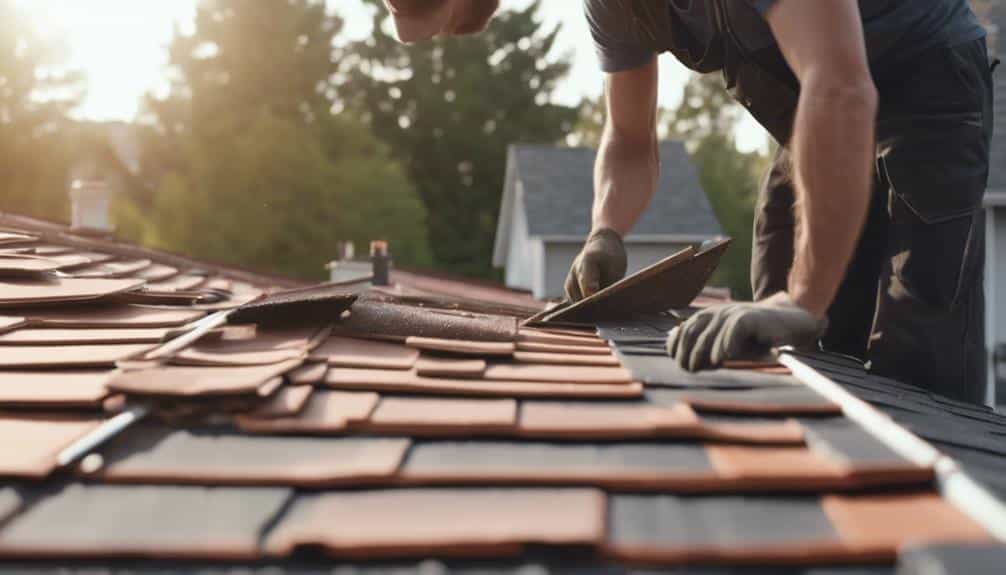
When considering roofing installation, you’ll need to decide between professional and DIY approaches. Professional installation guarantees expertise and often comes with warranties, while DIY can save money but requires significant skill and time investment.
Regardless of installation method, you’ll want to implement regular maintenance practices, such as cleaning gutters, inspecting for damage, and addressing issues promptly to extend your roof’s lifespan.
Professional vs. DIY Installation
When evaluating a roofing project, you’ll need to weigh the pros and cons of professional installation versus a DIY approach. Your decision will depend on the complexity of the roofing material, the tools and equipment required, and your own skill level.
It’s important to take into account warranty and insurance implications, as many manufacturers won’t honor warranties for improperly installed roofs, and your homeowner’s insurance may have specific requirements for professional installation.
Skill requirements for different materials
Depending on the roofing material you choose, you’ll encounter varying levels of skill requirements for installation and maintenance. Consider these factors:
Safety precautions: Essential for all materials, but more critical for steep or slippery surfaces
Installation techniques: Range from simple overlapping to complex seaming
Material compatibility: Ensuring proper integration with existing structures
Roofing experience: Some materials require specialized knowledge
Training requirements vary, with some materials demanding professional certification for warranty coverage.
Tools and equipment needed
You’ll need a specific set of tools and equipment for roofing projects, whether you’re tackling a DIY job or hiring professionals. Proper tools and a thorough equipment checklist are essential for safety and efficiency.
Your roofing gear should include safety precautions like harnesses and non-slip boots. Don’t forget necessary supplies such as nails, underlayment, and shingles.
Always prioritize safety when working on your roof.
Warranty and insurance considerations
Beyond the tools and equipment, warranty and insurance considerations play a significant role in deciding between professional and DIY roofing installation.
When evaluating your options, consider:
- Coverage options and limitations
- Claim process and policy requirements
- Premium rates for different installation types
- Impact on existing home insurance
Professional installation often comes with better warranties and may simplify insurance claims.
However, DIY can be cost-effective if you’re confident in your skills and understand the potential insurance implications.
Maintenance Best Practices
To keep your roof in top condition, you’ll need to establish a regular inspection routine and perform essential cleaning and preventive care.
You should check for common issues like leaks, damaged shingles, or clogged gutters, and address them promptly to prevent more serious problems.
If you’re unsure about how to handle certain roofing issues, don’t hesitate to consult a professional for troubleshooting and repairs.
Regular inspection routines
Regular roof inspections are essential for maintaining the integrity and longevity of your roofing system. Implement a routine that includes:
- Seasonal checks for weather damage
- Professional leak detection annually
- Clearing debris and inspecting flashings
- Documenting changes and repairs
Cleaning and preventive care
Proper cleaning and preventive care are essential for extending your roof’s lifespan and maintaining its performance. Implement a regular preventive maintenance schedule, including moss removal methods and gutter maintenance tips.
Use appropriate roof cleaning techniques to remove debris and prevent weather damage. Keep gutters clear, trim overhanging branches, and address minor issues promptly.
These steps will help protect your roof and guarantee its long-term durability.
Common issues and troubleshooting
Even well-maintained roofs can experience a variety of common issues that homeowners should be prepared to address. When troubleshooting roof problems, focus on:
- Leak detection to prevent water damage
- Regular roof maintenance to extend lifespan
- Prompt roof repairs to avoid costly damage
- Implementing weatherproofing solutions
Environmental Impact and Sustainability
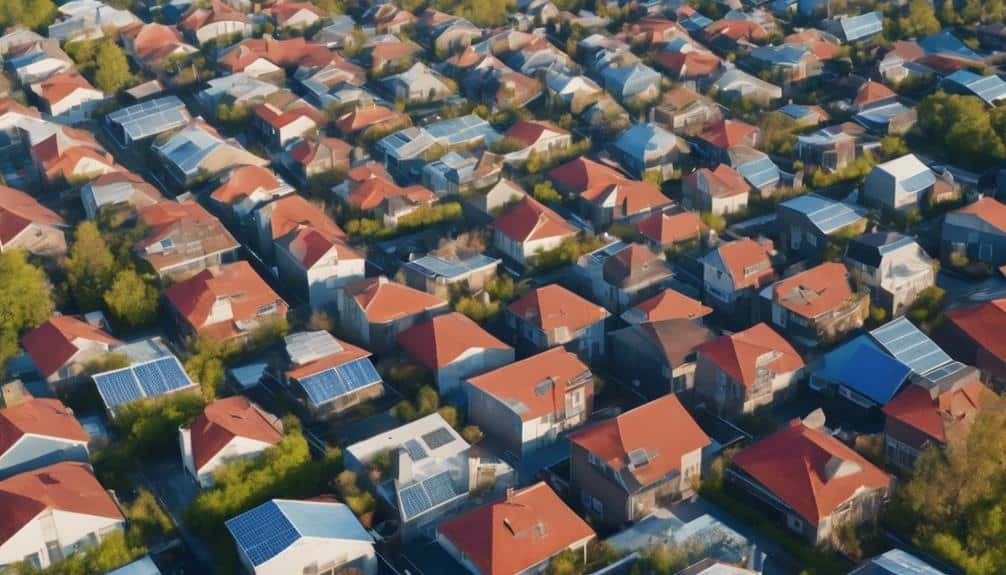
When selecting roofing materials, you’ll want to ponder their environmental impact and sustainability. Eco-friendly options like recycled shingles, solar tiles, and green roofs can markedly reduce your home’s carbon footprint.
These sustainable choices not only benefit the planet but can also enhance your home’s energy efficiency, potentially lowering your utility bills in the long run.
Eco-Friendly Roofing Options
When considering eco-friendly roofing options, you’ll want to focus on materials that are both recycled and recyclable.
Look for manufacturers who employ low-impact production processes to minimize environmental harm.
Don’t forget to factor in the end-of-life disposal of your roofing materials, as this can greatly impact the overall sustainability of your choice.
Recycled and recyclable materials
As the construction industry embraces sustainability, recycled and recyclable roofing materials have emerged as innovative solutions to reduce environmental impact and promote circular economy practices.
These eco-friendly options offer numerous benefits:
- Reduced landfill waste
- Lower carbon footprint
- Conservation of natural resources
- Potential energy savings
You’ll find sustainable solutions like recycled metal, rubber, or plastic roofing that provide durability and green roofing benefits. By choosing these materials, you’re actively contributing to a more environmentally conscious construction industry.
Low-impact manufacturing processes
Low-impact manufacturing processes revolutionize the roofing industry by minimizing environmental damage while producing eco-friendly materials.
You’ll find sustainable practices and green initiatives at the forefront of these conservation efforts.
Manufacturers now focus on reducing their environmental impact through energy-efficient production, water conservation, and waste reduction.
These eco-friendly options not only benefit the planet but also offer you more sustainable choices for your roofing needs.
End-of-life disposal considerations
Many eco-friendly roofing materials now offer responsible end-of-life disposal options, reducing landfill waste and environmental impact.
When considering your roof’s lifecycle, focus on:
- Disposal methods and recycling options
- Environmental impact and compliance with regulations
- Waste management and sustainability practices
- Eco-friendly solutions for landfill diversion
Energy Efficiency and Carbon Footprint
You’ll find that the insulation properties of different roofing materials can greatly impact your home’s energy efficiency.
Cool roofing options and heat-reflective materials can reduce your cooling costs and minimize your carbon footprint.
Additionally, you can integrate renewable energy systems, such as solar panels, into your roof design to further enhance sustainability and reduce reliance on traditional power sources.
Insulation properties of different materials
The insulation properties of roofing materials play an essential role in determining a building’s energy efficiency and overall carbon footprint. When choosing roofing materials, consider their:
- Thermal efficiency to reduce heating and cooling costs
- Moisture resistance to prevent mold and structural damage
- Sound insulation capabilities for a quieter interior
- Fire protection qualities for enhanced safety
Each material’s environmental impact varies, so weigh these factors carefully to make an informed decision for your roof.
Cool roofing and heat reflection
Building on the importance of insulation, cool roofing technologies take energy efficiency a step further by reflecting sunlight and heat away from buildings. Cool roofs combat urban heat islands and improve climate control, reducing energy costs. Here’s a comparison of cool roofing options:
| Material | Heat Reflection | Energy Efficiency | Durability |
|---|---|---|---|
| White Tiles | High | Excellent | Long-lasting |
| Metal Roofing | Very High | Superior | Durable |
| Green Roofs | Moderate | Good | Varies |
Integration with renewable energy systems
In recent years, roofing systems have evolved beyond mere protection to become platforms for innovative renewable energy technologies. You can now integrate eco-friendly options into your roof, transforming it into a sustainable powerhouse.
Consider these green technology solutions:
- Solar panels for electricity generation
- Solar thermal systems for water heating
- Wind turbines for additional power
- Green roofs for insulation and carbon capture
These sustainable roofs not only reduce your carbon footprint but also offer long-term energy savings.
Future Trends in Roofing Materials

You’ll see some exciting developments in roofing materials in the coming years. Smart roofing technologies, such as solar tiles and integrated sensors, will revolutionize how your roof functions and interacts with your home.
Advanced manufacturing techniques, including 3D printing and nanotechnology, will create stronger, lighter, and more efficient roofing materials for your next installation.
Smart Roofing Technologies
You’ll soon see roofs that do more than just protect your home. Smart roofing technologies will incorporate integrated sensors and monitoring systems, allowing you to track your roof’s condition in real-time.
These innovations will also include self-healing materials that can adapt to environmental changes, and IoT integration for predictive maintenance, ensuring your roof stays in top shape with minimal effort.
Integrated sensors and monitoring systems
As roofing technology advances, integrated sensors and monitoring systems are revolutionizing how we detect and respond to potential roofing issues. These smart systems offer numerous benefits:
- Real-time monitoring of roof conditions
- Early detection of leaks or structural problems
- Data-driven maintenance scheduling
- Remote access to roof performance metrics
You’ll appreciate the proactive approach these systems provide, allowing for timely repairs and extending your roof’s lifespan. With sensor applications and data analysis, you’ll receive maintenance alerts before small issues become major problems.
Self-healing and adaptive materials
Beyond integrated sensors, the next frontier in smart roofing technologies lies in self-healing and adaptive materials that can repair and adjust to environmental changes autonomously.
You’ll see self-healing membranes and adaptive coatings emerge as resilient roofing materials. These sustainable innovations incorporate smart technology and eco-friendly solutions.
Future trends in advanced materials may include biometric sensors for predictive maintenance, ensuring your roof’s longevity and performance in changing climates.
IoT integration for predictive maintenance
IoT integration is revolutionizing predictive maintenance in smart roofing technologies, allowing for real-time monitoring and early problem detection. You’ll benefit from:
- Data-driven insights for better maintenance planning
- Predictive analytics to extend roofing longevity
- Smart technology for continuous roof monitoring
- Proactive maintenance through IoT solutions
These advancements enable you to address issues before they escalate, reducing costs and extending your roof’s lifespan.
Embrace IoT integration to transform your roofing maintenance strategy.
Advanced Manufacturing Techniques
You’ll find cutting-edge manufacturing techniques revolutionizing the roofing industry. 3D printing and prefabrication are streamlining production, while nano-materials and coatings enhance durability and performance.
Biomimicry in roofing design is inspiring innovative solutions that mimic nature’s efficient structures and processes.
3D printing and prefabrication
3D printing and prefabrication are revolutionizing the roofing industry by offering faster, more precise, and customizable manufacturing options. These advanced techniques promote sustainable practices and cost efficiency while ensuring structural integrity.
You’ll benefit from:
- Reduced waste and material consumption
- Ability to create complex, custom designs
- Significant time savings during installation
- Lower labor costs and improved safety on job sites
Embrace these innovative methods to stay ahead in the roofing market and meet evolving customer demands.
Nano-materials and coatings
Alongside 3D printing and prefabrication, nano-materials and coatings are emerging as game-changers in the roofing industry, offering unprecedented levels of durability, energy efficiency, and performance.
Sustainable nanomaterials and nano coating applications provide benefits like enhanced weather resistance and self-cleaning properties.
Future nano roofing trends include improved thermal insulation and UV protection. You’ll see increased nano material durability, extending roof lifespans and reducing maintenance costs.
Nanotechnology’s potential in roofing is just beginning to be realized.
Biomimicry in roofing design
Biomimicry increasingly inspires innovative roofing designs, drawing lessons from nature’s time-tested solutions to create more efficient and sustainable structures. You’ll find nature-inspired designs offering remarkable performance benefits and reduced environmental impact.
These innovative applications include:
- Lotus-effect self-cleaning surfaces
- Termite mound-inspired ventilation systems
- Photosynthesis-mimicking energy-generating materials
- Shark skin-inspired water-shedding textures
Conclusion
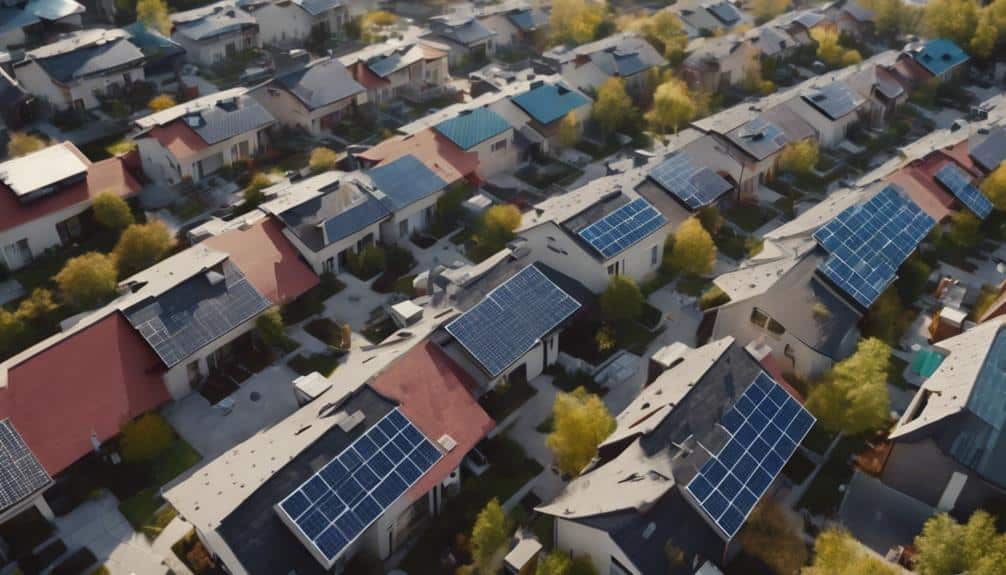
As you consider your roofing options, remember to weigh factors like durability, cost, and environmental impact.
It’s vital to consult with roofing professionals who can provide expert advice tailored to your specific needs and local climate conditions.
Recap of key considerations
When selecting roofing materials, you’ll need to weigh several important factors to make sure you’re making the best decision for your home or building. Consider the material’s durability and how it will withstand local weather conditions. Evaluate maintenance costs over time, as some materials require more upkeep than others. Climate suitability is essential; what works in a dry area mightn’t be ideal for a region with heavy rainfall.
Don’t forget about aesthetics appeal, as your roof contributes significantly to your property’s overall look.
Key considerations to keep in mind:
- Material durability and expected lifespan
- Long-term maintenance requirements and costs
- Compatibility with your local climate and weather patterns
- Visual impact on your home’s exterior design
Lastly, factor in the installation process. Some materials are more complex to install, potentially affecting your project timeline and budget. By carefully weighing these aspects, you’ll be better equipped to choose the right roofing material for your needs.
Importance of professional consultation
Seeking expert guidance from a professional roofing contractor can make all the difference in the success of your roofing project. While DIY projects may seem appealing, they come with significant risks, especially when dealing with the structural integrity of your home. A professional can identify hidden damage that mightn’t be obvious to an untrained eye, guaranteeing that your roof’s foundation is solid before proceeding with any work.
Additionally, roofing experts understand the complexities of material compatibility, assisting you in selecting the optimal choices for your specific requirements and climate. They’re also well-versed in local building codes and can verify that your project meets all essential requirements.
Professional installation often includes warranty coverage, safeguarding your investment for years to come. By consulting with a roofing professional, you’ll gain peace of mind and potentially save money in the long term by avoiding costly mistakes.
Encouraging informed decision-making
Armed with knowledge about various roofing materials and professional advice, you’re now better equipped to make an informed decision for your home’s roofing needs. Consider these key factors when choosing your roofing material:
- Material durability: Opt for long-lasting options that can withstand the test of time
- Cost efficiency: Balance initial costs with long-term savings and maintenance expenses
- Weather resistance: Select materials suited to your local climate conditions
- Aesthetic appeal: Choose a style that complements your home’s architecture
Remember to weigh the importance of eco-friendly options against your budget and practical requirements.
By carefully evaluating each material’s strengths and weaknesses, you’ll be able to select a roofing solution that offers the best combination of durability, cost-effectiveness, and visual appeal for your specific needs.
Don’t hesitate to seek additional guidance from roofing professionals to guarantee you’re making the most informed decision possible.
Frequently Asked Questions
How Do Different Roofing Materials Affect Home Insurance Premiums?
You’d think insurers would appreciate your stylish grass roof, but no! They’re all about boring weather resistance, energy efficiency, and longevity benefits. Choose wisely, as roofing materials impact premiums, maintenance costs, and insurance coverage substantially.
Can I Install Solar Panels on Any Type of Roofing Material?
You can’t install solar panels on all roofing materials. Consider solar panel compatibility and roofing material suitability before proceeding. While installation challenges may arise, the energy efficiency benefits and long-term cost savings often outweigh initial hurdles.
What Roofing Materials Are Best for Extreme Weather Conditions?
Picture your home standing strong against nature’s fury. You’ll find metal roofs, clay tiles, and slate shingles excel in extreme weather. Don’t overlook rubber membranes for their durability. Green roofs offer unique protection while blending with the environment.
How Do Roofing Material Choices Impact a Home’s Resale Value?
Your roofing material choice greatly impacts your home’s resale value. Consider color impact and curb appeal for aesthetics. Energy efficiency and longevity benefits can increase value, while low maintenance costs attract buyers. Choose wisely to boost your home’s worth.
Are There Any Health Concerns Associated With Certain Roofing Materials?
Did you know that asbestos roofs can increase lung cancer risk by 5 times? You should be aware of health risks, environmental impact, and installation challenges when choosing roofing materials. Consider long-term maintenance and energy efficiency for a safer home.
Conclusion
As you commence on your roofing journey, you’re now armed with a treasure trove of knowledge. From time-tested classics to cutting-edge innovations, the world of roofing materials is as vast as the sky above.
Remember, your choice isn’t just about protection; it’s about style, sustainability, and long-term value.
So take a deep breath, weigh your options, and build the roof that’ll be your home’s crowning glory for years to come.