

Preventing Future Repairs With Regular Roof Maintenance
Regular roof maintenance is crucial for avoiding future repairs and can extend your roof's lifespan by up to 21 years. Carrying out annual inspections, clearing away debris, and addressing minor issues quickly can help shield your home from water damage and expensive repairs. Proper maintenance also boosts your roof's energy efficiency and enhances its appearance. Keeping comprehensive records can be invaluable for warranty claims. Look into seasonal maintenance tips and other strategies to ensure your roof remains durable and performs well.
Key Takeaways
- Regular inspections can catch minor issues early, stopping them from turning into expensive repairs.
- Clearing debris and maintaining drainage helps prevent water damage and structural issues over time.
- Promptly repairing worn or damaged materials can significantly extend the lifespan of your roof.
- Seasonal maintenance tasks, such as cleaning gutters and checking ventilation, boost roof performance and longevity.
- Keeping a record of maintenance activities aids in warranty claims and ensures accurate assessments in the future.
The Importance of Regular Roof Maintenance
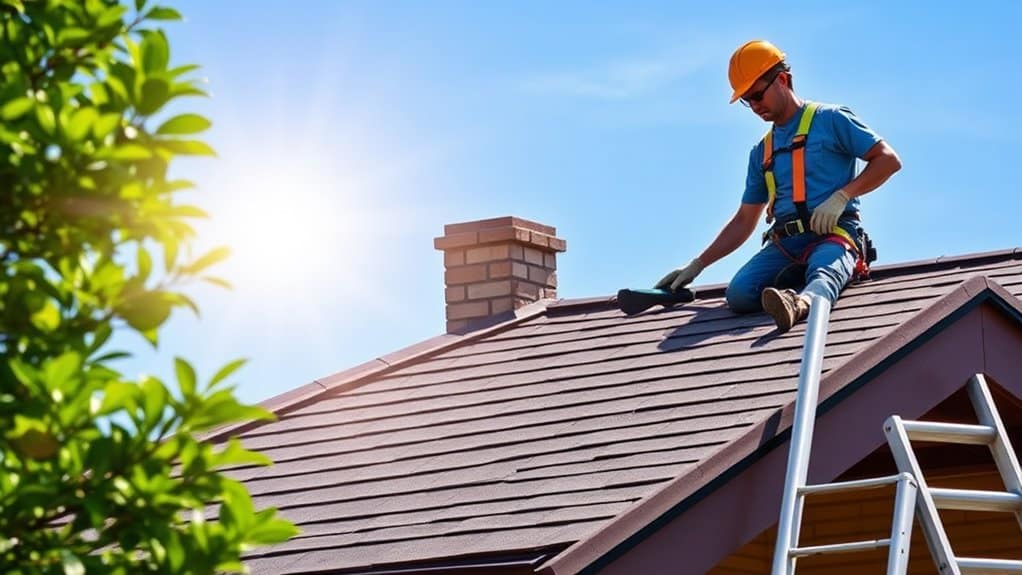
Regular roof maintenance is crucial for protecting your home's structure and value. Keeping to a consistent maintenance schedule can help prevent water damage from small leaks that may worsen over time. This proactive strategy can significantly extend the lifespan of roofing materials, particularly common choices like 3-tab asphalt shingles. Regular maintenance ensures the roof remains in good condition and helps avoid costly repairs later on.
Routine inspections and maintenance enhance energy efficiency by ensuring proper insulation and ventilation, while also boosting your property's curb appeal. Regular inspections are essential for identifying issues early and preventing more extensive damage down the line.
Investing in regular upkeep can save you from expensive repairs later on, as spotting issues early stops minor problems from escalating into major ones.
Ultimately, a well-maintained roof plays a key role in ensuring safety and maintaining your property's value, making it a vital part of responsible homeownership.
Key Steps for Effective Roof Care

To ensure your roof stays in excellent condition, carry out regular inspections, remove debris effectively, and conduct timely repairs. Checking for signs of wear and addressing issues quickly can significantly prolong your roof's lifespan. Additionally, regular cleaning can prevent damage from algae, moss, and lichen that degrade roofing materials. Regular inspections can also identify issues early, allowing homeowners to tackle problems before they escalate into costly repairs.
Routine Inspections Importance
Neglecting roof inspections may seem like an easy choice, but it can lead to serious problems later on.
Regular inspections are crucial for spotting potential issues early, like damaged tiles or leaks. By sticking to a routine inspection schedule—ideally at least once a year and after severe weather—you can catch small problems before they turn into expensive repairs. Routine roof maintenance helps to identify and address potential issues before they escalate, and addressing minor roof issues immediately can prevent more severe damage that could result in costly repairs.
Professional assessments, accompanied by detailed checklists, ensure a thorough inspection, helping to extend your roof's lifespan and meet warranty requirements.
Prioritising routine inspections not only saves you money but also enhances safety and protects your property's value in the long run.
Effective Debris Removal
Effective debris removal is crucial for preserving your roof's integrity and lifespan, as build-up can cause water damage and structural problems.
Start by identifying the types of debris, such as leaves and twigs, and use suitable removal methods. Leaf blowers are great for clearing light debris without damaging shingles, while soft-bristle brooms can help remove more stubborn particles.
For larger debris, begin with manual removal, then use a power washer on a low setting to avoid causing harm. Always wear safety gear and consider having a helper for added stability.
Regularly clean your roof, particularly during autumn when leaves are prevalent, and ensure your gutters are clear to facilitate proper drainage. This proactive approach helps prevent moisture build-up and extends the life of your roof, as proper water drainage is vital for maintaining structural integrity.
Timely Repair Actions
Timely repair actions are crucial for extending the life and efficiency of your roof. By addressing issues quickly, you can avoid expensive repairs and ensure your home remains safe. Here's a straightforward guide to effective roof maintenance:
| Inspection Type | Common Issues Identified | Recommended Action |
|---|---|---|
| Regular Visual Checks | Missing or damaged tiles | Replace immediately |
| After Severe Weather | Signs of water damage | Carry out urgent leak repairs |
| Seasonal Inspections | Sagging areas on the roof | Arrange for structural repairs |
| Professional Inspections | Loose flashing | Secure or replace |
| Gutter Maintenance | Blocked gutters | Clean out regularly |
Additionally, regular maintenance of effective water drainage systems is essential to prevent water pooling and potential leaks.
Financial Benefits of Proactive Maintenance
Proactive roof maintenance not only protects your investment but also brings substantial financial benefits.
By scheduling regular inspections, you can enjoy:
- Cost Savings: Catch and fix minor issues before they turn into costly repairs.
- Extended Roof Lifespan: Routine maintenance can extend your roof's life by up to 21 years, meaning fewer long-term costs.
- Emergency Repair Prevention: Avoid unexpected expenses from emergency repairs, which can often reach into the thousands.
Taking these steps can lead to significant savings and peace of mind.
Common Roof Issues and How to Prevent Them
Regular roof maintenance not only saves you money but also helps you spot and fix common roof problems before they worsen.
Leaking roofs, often due to damaged tiles or inadequate flashing, can cause serious interior damage if not addressed. Missing or broken tiles leave your roof vulnerable to water ingress, while in colder climates, ice dams can increase the risk of leaks. Clogged gutters can also lead to water build-up, which may damage your property's foundations.
To prevent these issues, carry out regular inspections, seal any gaps, and replace damaged tiles promptly. Keep your roof clear of debris and ensure proper ventilation in your attic to enhance its lifespan.
The Role of Inspections in Roof Longevity
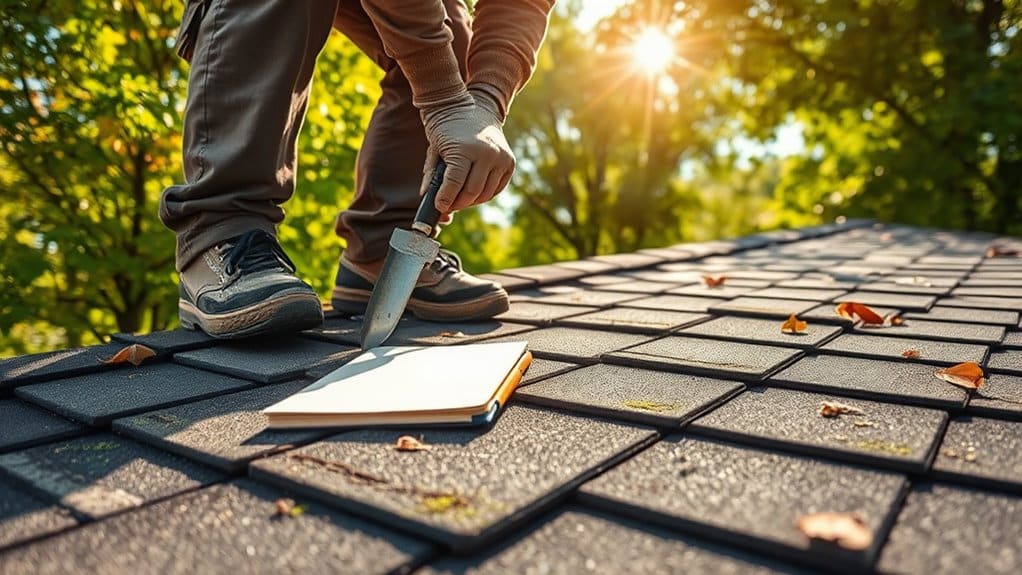
Though you may not think about your roof regularly, inspections are crucial for its longevity. Effective inspection methods can uncover issues that, if ignored, may lead to expensive repairs.
Here are three key benefits of routine inspections:
- Early Detection of Issues: Spot minor leaks, cracked tiles, and blocked gutters before they worsen.
- Preventive Repairs: Addressing problems early can save you money and delay the need for a complete roof replacement.
- Increased Durability: Regular checks help maintain your roof's structural integrity, enabling it to withstand the elements more effectively.
Understanding Maintenance Costs and Savings
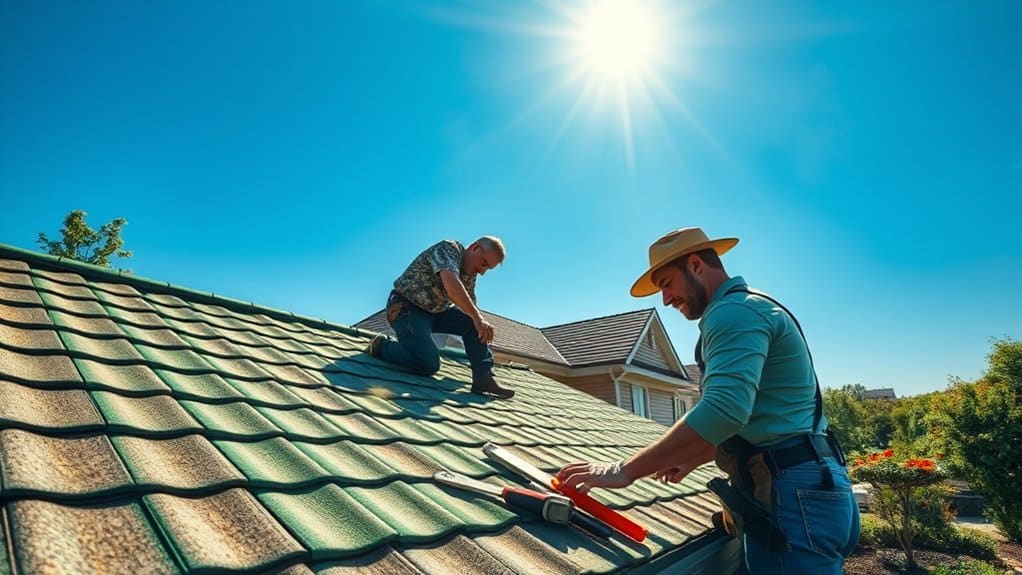
Understanding the costs involved in roof maintenance is crucial for making informed decisions about your property. By carrying out a detailed cost analysis, you can effectively budget for maintenance versus repairs.
| Maintenance Type | Cost per Square Foot |
|---|---|
| Proactive Maintenance | £0.14 |
| Reactive Repairs | £0.25 |
| Preventative Programmes | Significant Savings |
| Extended Roof Life Benefit | 3-5 Years |
| Annual Cost Savings | Up to 43% |
Investing in proactive maintenance not only prolongs your roof's lifespan but also helps you save significantly over time. By focusing on preventative measures, you can reduce hidden costs and ensure your building remains safe and efficient.
Seasonal Maintenance Tips for Roof Health

Seasonal roof maintenance is crucial for maintaining the integrity and longevity of your roofing system.
By following seasonal checklists, you can prevent potential problems and extend your roof's lifespan.
Here are three key maintenance tasks for each season:
- Spring: Check for any damage from winter, clear out gutters, and examine the condition of your roof tiles.
- Summer: Clear away debris, trim overhanging branches, and ensure proper ventilation to reduce heat accumulation.
- Autumn: Clean gutters again, repair any damaged tiles, and inspect insulation to prepare for the challenges of winter.
These simple tasks can make a significant difference in your roof's performance and durability.
Choosing the Right Maintenance Program

Choosing the right maintenance programme for your roof is crucial for its durability and your peace of mind. Custom maintenance plans can be tailored to your roof's specific requirements, ensuring that repairs are prioritised effectively. Regular inspections and timely actions can help you avoid expensive surprises later on.
| Maintenance Programme | Key Benefit |
|---|---|
| Preventive | Identifies problems before they worsen |
| Seasonal Adjustments | Prepares your roof for harsh weather |
| Regular Cleanings | Stops debris build-up |
| Expert Involvement | Ensures complex issues are addressed |
| Detailed Records | Supports future planning |
Investing in an appropriate programme can significantly extend your roof's lifespan, giving you both financial and emotional reassurance.
Documenting Your Roof Maintenance History
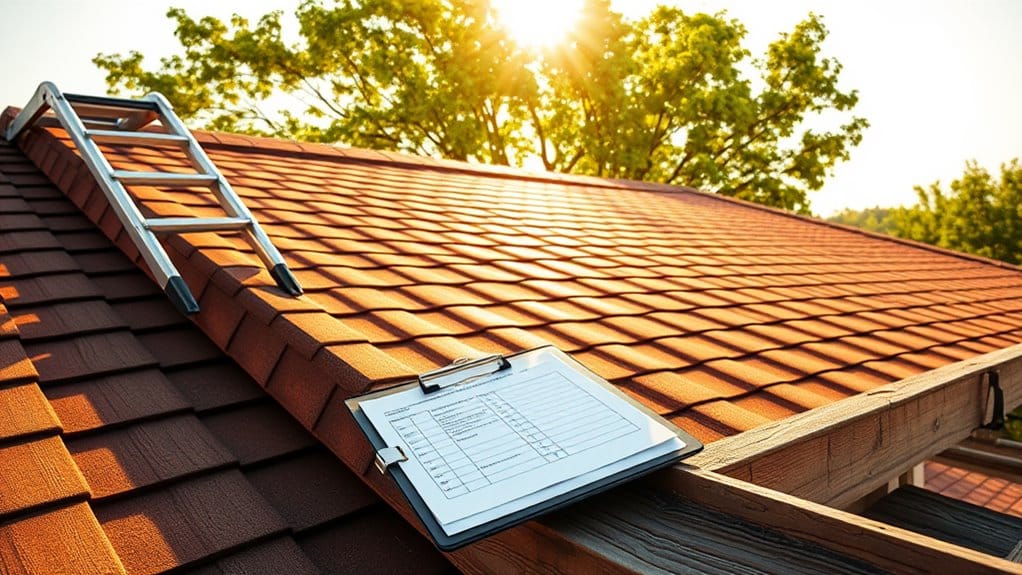
Documenting your roof maintenance history is crucial for ensuring its longevity and performance. Keeping accurate records supports warranty claims and assists in future assessments.
Here are some effective methods for documentation:
- Checklists and Plans: Ensure all areas of the roof are inspected regularly.
- Photographic Evidence: Take photos of any defects or repairs.
- Detailed Notes: Record the type and severity of any issues encountered.
Using technology can further improve your documentation. Digital storage makes it easy to access records, while 3D imaging can help identify hidden problems.
Frequently Asked Questions
How Often Should I Schedule Roof Inspections?
You should schedule seasonal roof inspections based on the age and material of your roof. For newer roofs, an annual check is usually sufficient. However, older roofs, particularly in areas with harsh weather, may need more frequent inspections to catch potential problems early. For instance, if you live in a region prone to heavy rain or snow, checking your roof every six months could save you from costly repairs down the line.
What Signs Indicate My Roof Needs Immediate Attention?
If your roof resembles a puzzle with missing pieces, it needs immediate attention. Watch out for signs of shingle damage, water stains on the ceiling, or damp insulation—these all suggest leaks. Addressing these issues promptly with leak detection is essential to prevent further problems.
Can I Perform Roof Maintenance Myself?
Yes, you can carry out roof maintenance yourself. Regular inspections and simple tasks, like clearing debris and checking gutters, are essential for keeping your roof in good condition. However, always prioritise safety, and know when it's best to call in professionals.
What Weather Conditions Affect Roof Maintenance Tasks?
Weather conditions such as heavy rain and temperature changes can significantly affect roof maintenance. After a downpour, it's essential to check for leaks, as water can reveal weaknesses. During extreme heat or cold, consider how roofing materials may expand or contract, which can impact their durability. Regular inspections during these conditions help ensure your roof remains in good condition and lasts longer.
How Do I Choose a Reliable Roofing Contractor?
Choosing a reliable roofing contractor isn't as complicated as it might seem. Start by checking their credentials and warranties. Look into their experience and read customer reviews. For instance, if a contractor has consistently positive feedback and a solid track record, that's a good sign. A thorough vetting process will help you secure quality service and minimise any unpleasant surprises down the line.
Conclusion
Ignoring your roof's needs is not a wise choice. A leaky roof won't repair itself while you enjoy a cup of tea. Regular maintenance isn't just advisable; it's essential to avoid expensive repairs that could otherwise fund a weekend getaway. By dedicating a bit of time and effort now, you can prevent the hassle of water damage in your home later. Keep your roof in good shape, and it will keep you dry—now that's a sensible approach!


