

Most Common Roof Repair Issues in the UK
In the UK, common roof repair issues include leaking roofs, often caused by damaged flashing or missing tiles. Poor ventilation can lead to moisture build-up, resulting in wood rot and reduced insulation effectiveness. It's crucial to promptly identify any damaged or missing tiles to prevent leaks. Blocked gutters can cause water to pool and lead to leaks as well, while aging shingles may show signs of wear. Understanding these issues will help you maintain a sturdy roof, ensuring your home remains safe and dry.
Key Takeaways
- Leaky roofs are often the result of ageing materials, damaged flashing, or missing tiles, which can lead to serious structural damage if not fixed quickly.
- Missing or damaged tiles can allow water to seep in, making it vital to carry out regular inspections to catch and replace any problem areas early.
- Old roofs may show signs of wear, such as losing granules, curling edges, and moss growth, indicating that they may require significant repairs.
- Inadequate ventilation in loft spaces can lead to condensation and wood rot, which not only raises energy bills but also fosters mould growth.
- Weather damage from heavy rain, snow, and strong winds can compromise the integrity of your roof, emphasising the importance of routine inspections and maintenance.
Leaking Roofs: Causes and Solutions

When dealing with leaking roofs, it's crucial to identify the causes to implement effective solutions. Common issues include wear and tear from age, damaged flashing, and missing or broken tiles.
During a roof inspection, look for visible water stains, which can indicate leaks. Clogged gutters can also cause water to pool and lead to leaks around the roof's edges. Regular inspections of flashing can help catch potential issues early. Regular assessments ensure optimal roof performance, extending the lifespan of roofing materials.
To detect leaks, check for condensation or signs of structural damage, as these can indicate significant water ingress.
To fix leaks, replace damaged tiles, repair flashing, and regularly clear gutters. If problems continue, it may be wise to hire a professional for a comprehensive inspection and repairs.
Regular maintenance is key to preventing future leaks and ensuring your roof stays sound and functional.
Poor Ventilation: Impact on Roof Integrity
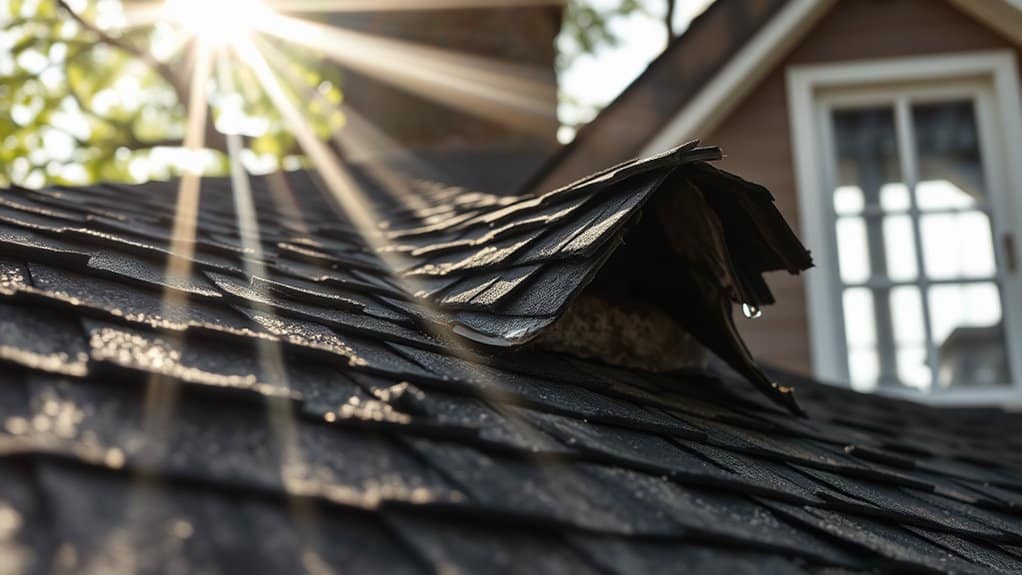
Poor ventilation can seriously undermine your roof's integrity by allowing moisture to build up in the loft.
This moisture causes condensation, which can lead to wood rot in the rafters and decking, weakening the structure. Moreover, it compromises insulation effectiveness, making your home colder and increasing energy bills. Additionally, proper ventilation is essential to extend the roof's lifespan and reduce long-term costs. Implementing strategies such as ridge ventilation can significantly enhance airflow throughout the roof space.
Damp conditions also encourage mould and mildew growth, which can pose health risks and necessitate expensive removal.
To address these issues, consider installing effective ventilation solutions such as ridge and soffit vents to improve airflow and manage moisture.
Regular inspections and maintenance are crucial to avoid blockages and ensure proper circulation.
Taking these steps can help you avoid costly repairs and protect your home's value and your family's health.
Damaged or Missing Tiles: Identification and Repair
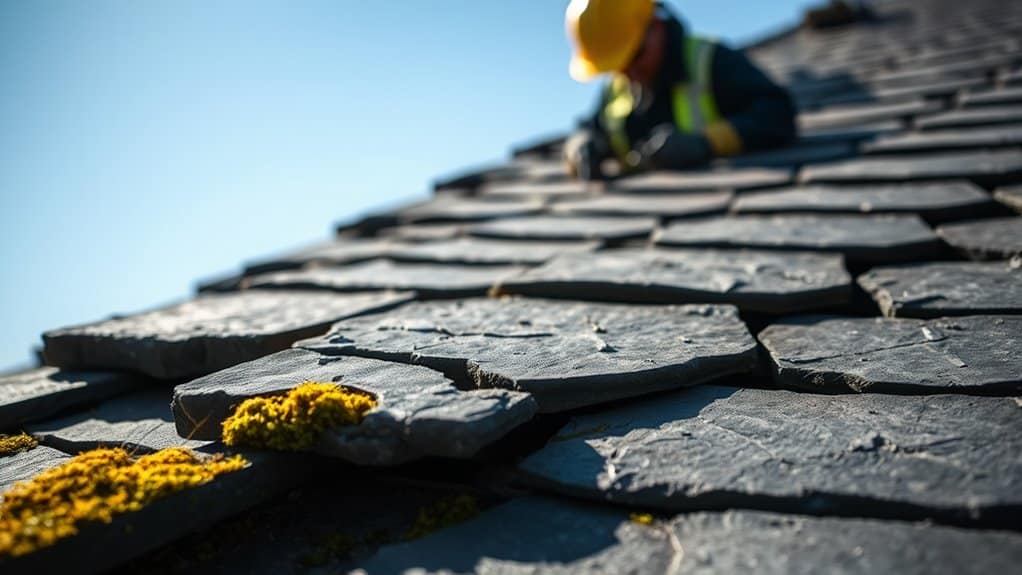
Identifying damaged or missing tiles is crucial for maintaining your roof's integrity. Regular visual inspections are important; look out for signs of leaks or water stains on ceilings. For example, if you notice a damp patch on your ceiling, it could indicate a missing tile. Regular inspections can help catch these issues early and prevent more significant damage down the line. Additionally, addressing visible roof damage promptly can prevent moisture penetration and wildlife intrusion. Once you've spotted any issues, using proper repair techniques and implementing preventative measures can significantly prolong the life of your roof.
Identifying Damaged Tiles
Identifying damaged or missing tiles is crucial for maintaining your roof's integrity. Check for cracks, chips, or breaks, as these are common indicators of damage. Gaps between tiles or fallen debris in your gutters may suggest missing tiles.
Additionally, water stains on ceilings or walls can signal leaks from damaged areas. Regular inspections, especially after severe weather, are vital for early detection of issues. If you discover any damage, consider tile replacement options that match your roof's material and style. Implementing a regular inspection program helps ensure that potential problems are caught early. Addressing these problems quickly helps prevent further complications, ensuring your roof remains durable and weather-resistant for years to come.
Repair Techniques Overview
When dealing with damaged or missing roof tiles, it's important to know effective repair techniques to restore your roof's functionality and appearance.
First, ensure you follow proper safety measures, such as using scaffolding or roof ladders, to access the roof safely.
To replace tiles, start by removing the damaged ones—gently push back adjacent tiles and lift the damaged ones carefully. If the tiles are secured with nails, use a pry bar for easier removal.
Once the damaged tiles are off, replace them and secure them with clips or nails, depending on the type of tile. For added durability, especially with interlocking tiles, consider using adhesive as well.
Be mindful of the specific tile materials you're working with, such as clay or slate, as they may require different approaches for effective repair. Regular inspections for damaged tiles can help identify issues early and prevent costly repairs in the future.
Prevention Strategies Implemented
To protect your roof and avoid the expensive repercussions of damaged or missing tiles, it's essential to adopt effective prevention strategies.
Here are four key approaches to consider:
- Quality Installation: Ensure tiles are fitted correctly and securely using the right fasteners to improve installation quality.
- Choose Durable Tiles: Opt for high-quality, weather-resistant tiles that promise longevity.
- Regular Maintenance: Carry out routine inspections and cleaning to maintain your roof's condition.
- Sealant Application: Apply sealants to joints and edges to prevent water leaks, bolstering your roof's protection against moisture.
Gutter Blockages: Prevention and Maintenance

Gutter blockages, often caused by debris like leaves and twigs, can result in serious water damage if not dealt with quickly.
It's important to clean your gutters at least twice a year to ensure proper drainage. Consider installing gutter guards to reduce debris accumulation, and trim back overhanging branches to limit what falls in.
When maintaining your gutters, look for any signs of damage or leaks, and flush them with water to remove any lingering debris.
Also, check downspouts for blockages and use a plumber's snake if needed.
Aging and Deterioration: Signs to Watch For
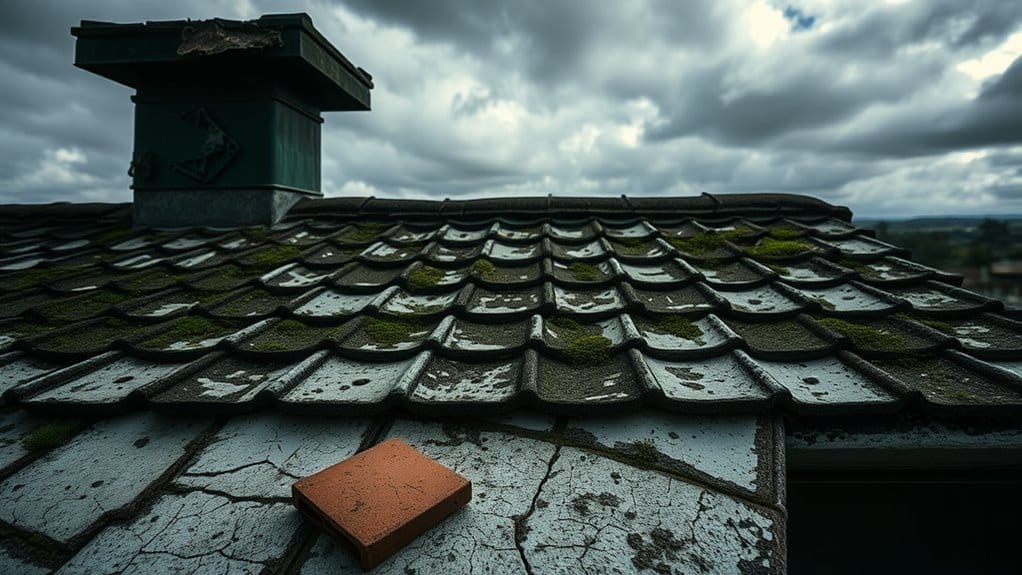
While maintaining your gutters, it's crucial to keep an eye out for signs of ageing and deterioration on your roof. Spotting these issues early can prolong your roof's life and improve its upkeep.
Here are the main signs to watch for:
- Granule Loss: Missing granules expose shingles, making them more susceptible to the elements.
- Shingle Deterioration: Check for curled, cracked, or buckling shingles, which indicate weakened integrity.
- Moss Growth: Moss can trap moisture, potentially causing structural damage.
- Roof Leaks: Leaks often stem from damaged tiles or flashing due to age.
Regular inspections and prompt repairs are vital to prevent further deterioration, ensuring your roof stays functional and energy-efficient.
Flashing Issues: Importance of Proper Installation
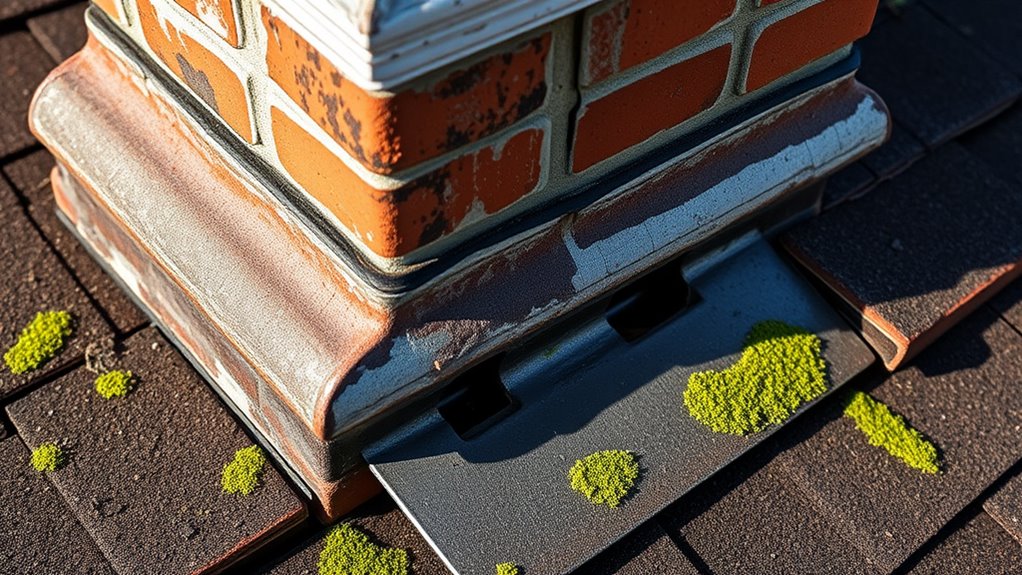
Proper installation of flashing may seem like a small detail, but it's vital for protecting your roof from water damage and ensuring its durability.
Different types of flashing, such as aluminium, copper, and rubber, require specific installation methods to work effectively. Incorrect installation can lead to leaks, resulting in structural damage and expensive repairs. Additionally, using the wrong material can create compatibility issues with your roof.
Regular inspections and maintenance are crucial for spotting any signs of wear early, helping to prevent moisture-related problems and maintaining your home's appearance.
Weather-Related Damage: Preparing for the Elements

Extreme weather events are increasingly affecting roofs across the UK, making regular maintenance vital for protecting your home.
By routinely inspecting your roof and addressing any issues, you can reduce the risks posed by heavy rain, strong winds, and freezing temperatures.
Being prepared not only safeguards your investment but also minimises the chances of costly repairs from weather-related damage.
Extreme Weather Impact
With the rising frequency and intensity of severe weather events in the UK, it's essential to understand their potential impact on your roof.
Here are four key factors to consider:
- Severe Weather Events: Heavy rain, snow, and strong winds can cause substantial damage to your roof.
- Wind Damage: High winds can lift shingles and compromise the roof's structure.
- Ice Build-Up: Accumulation of snow and ice can add excessive weight, risking structural failure.
- Flooding Issues: Poor drainage during heavy rainfall can lead to leaks and water damage.
To prepare for storms and enhance your home's resilience, use weather-resistant materials, schedule regular roof inspections, ensure proper drainage systems, and reinforce your roof's structure.
These steps will help protect your home from harsh weather and prolong your roof's lifespan.
Regular Maintenance Importance
Severe weather can have a significant impact on your roof, making regular maintenance essential for protecting your home. Sticking to a maintenance schedule allows you to inspect your roof thoroughly and catch problems like moss growth or damaged tiles before they worsen.
Statistics reveal that about seven per cent of homes in the UK require roofing work each year, often due to neglect.
Regular maintenance not only extends the life of your roofing materials—potentially up to 50 years—but also helps prevent expensive repairs and ensures the structural integrity of your home.
Tackling small issues early can lead to improved energy efficiency and boost your property's curb appeal.
Don't overlook the importance of proactive care; it's vital for keeping your home safe, efficient, and attractive.
Regular Maintenance: Key to Longevity and Performance

Regular maintenance is crucial for keeping your roof in excellent condition and stopping minor issues from turning into expensive repairs.
By setting up a regular maintenance schedule, you can ensure your roof stays in good shape and lasts longer. Here are some key practices:
- Conduct Roof Inspections to spot potential problems early.
- Clean Gutters to prevent blockages and avoid water overflow.
- Check Flashing to ensure it's properly installed and to prevent leaks.
- Maintain Adequate Ventilation to stop moisture build-up.
Frequently Asked Questions
How Often Should I Schedule a Roof Inspection?
You should schedule roof inspections twice a year, ideally in spring and autumn. This regular inspection routine helps you identify potential issues early, ensuring seasonal benefits and extending the life of your roof while protecting your home.
What Are the Signs of Roof Damage After a Storm?
"An ounce of prevention is worth a pound of cure." After a storm, check for signs of roof damage such as missing tiles, water stains, or sagging ceilings. These can indicate potential leaks that require immediate attention.
Can I Repair My Roof Myself, or Do I Need a Professional?
You can try DIY repairs if you feel capable, but hiring a professional ensures safety, compliance, and lasting results. Consider your experience in relation to the complexity of the repair before deciding. For instance, fixing a small leak might be manageable, but more extensive issues, like structural damage, are best left to the experts.
What Materials Are Best for UK Roofing?
Did you know that slate roofing can last up to 200 years? For flat roofs, consider robust materials like rubber or TPO (Thermoplastic Olefin). These options offer a good balance of durability, weather resistance, and low maintenance, ensuring your roof remains effective for many years.
How Can I Improve Attic Ventilation Effectively?
To improve attic ventilation effectively, think about installing attic fans to promote air circulation. Make sure your insulation doesn't block any vents, as this can trap moisture and heat. For instance, if you have a loft hatch, ensure it's properly insulated but still allows airflow. This approach will help reduce dampness and maintain optimal temperatures, ultimately boosting your home's energy efficiency.
Conclusion
Ignoring roof repairs may seem like a way to save money, but it can lead to bigger problems. A small leak can quickly escalate into a significant issue, and inadequate ventilation can encourage mould growth in your attic. Your roof is more than just a covering; it's your home's first line of defence against the unpredictable British weather. Regular maintenance is essential to avoid the high costs of extensive repairs. Take care of your roof—it's worth it for your peace of mind.


