

How to Protect Your New Roof After Replacement
To protect your new roof after replacement, set up a maintenance routine that includes regular inspections and prompt repairs. Use weather-resistant materials and ensure proper installation to prevent damage. Clean your gutters twice a year and check for blockages to avoid water build-up. Maintain proper attic ventilation to prevent structural issues and improve energy efficiency. Scheduling professional inspections annually can help spot potential problems early. Learning more about roof care can also boost your roof's lifespan and performance.
Key Takeaways
- Arrange for a professional inspection within the first year to confirm proper installation and spot any potential issues early.
- Conduct regular roof inspections, particularly after severe weather, to check for any damage.
- Keep gutters and downpipes clear to prevent water build-up, which can lead to leaks.
- Ensure your loft has adequate ventilation to avoid overheating and reduce the risk of structural damage or ice dams.
- Learn about roof maintenance and consider a preventative maintenance plan to tackle minor repairs before they become larger problems.
Regular Maintenance Practices

To keep your new roof in top condition, it's important to carry out regular maintenance. Arrange annual or bi-annual inspections with a qualified roofer to catch any issues early. Regular inspections can help identify potential issues before they escalate into major problems.
Your maintenance checklist should include checking for damaged or missing tiles, moss growth, and leaks, particularly after severe weather. Ensure your gutters are free from debris to prevent water build-up that could harm the roof structure. Regularly trim overhanging branches to reduce debris and lessen stress on the roof during storms. Proper ventilation in loft spaces is also essential to combat damp and mould issues. Keep a record of maintenance activities and adjust your plans seasonally based on weather changes.
This proactive approach will help extend your roof's lifespan and minimise costly repairs, ensuring your home remains well-protected.
Protecting Against Weather Damage
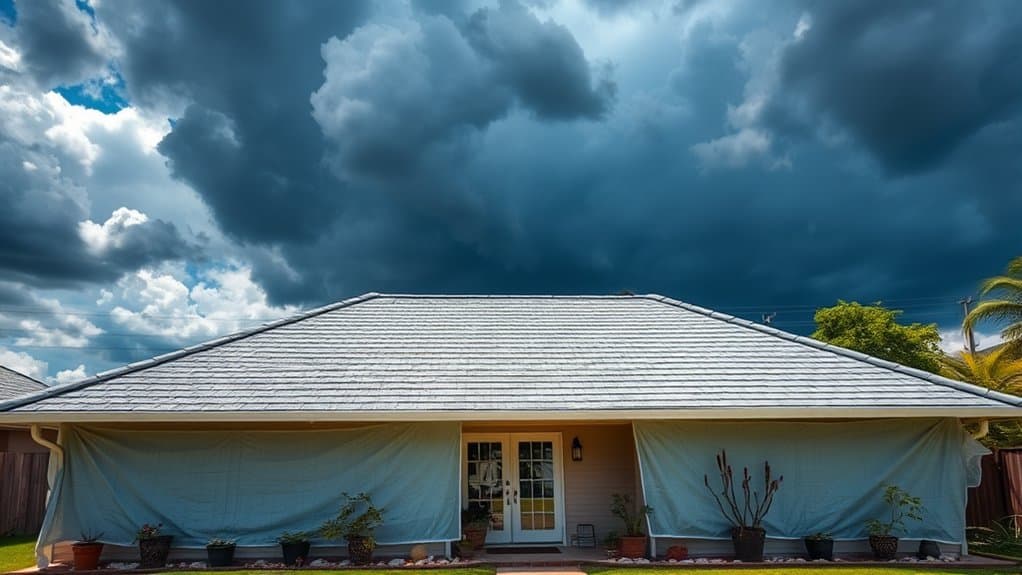
Protecting your roof from unpredictable weather is essential. Begin by choosing weather-resistant materials such as impact-resistant shingles, metal roofing, or concrete tiles to bolster your home's storm resilience. Proper installation is crucial to make the most of these materials. Regular roof inspections are recommended to identify potential issues caused by storm damage. Additionally, implementing effective waterproofing techniques can further protect your roof from water infiltration and structural damage.
| Material | Benefits | Installation Tips |
|---|---|---|
| Impact-Resistant Shingles | Withstand hail and flying debris | Adhere to manufacturer instructions |
| Metal Roofing | Outstanding wind resistance | Ensure secure fastening |
| Concrete Tiles | Strong against high winds | Use suitable underlayment |
| Waterproof Barriers | Prevent water ingress | Install beneath shingles |
| Hurricane Straps | Reinforce roof structure | Fit in areas prone to severe weather |
Regular inspections and maintenance are key to ensuring your roof remains protected against harsh weather conditions.
Preventing Pests and Vegetation Growth

Preventing pests and vegetation growth on your roof requires regular maintenance and a few key steps. Start by inspecting your roof frequently for signs of pests, such as droppings or nests. Use humane deterrents to keep birds and rodents away. Seal any gaps or cracks to block entry points and replace any damaged shingles promptly to maintain the roof's integrity. Additionally, consider resealing shingles to ensure a firm bond and prevent pests from gaining leverage to remove them. Regular inspections are crucial for roof condition and lifespan; early detection of hidden problems prevents costly repairs.
For controlling vegetation, make sure to clean your roof regularly to remove organic debris and consider installing gutter guards to prevent blockages. Ensure your attic has proper ventilation to avoid damp conditions that can encourage plant growth. Lastly, trim nearby tree branches to limit access for pests and reduce debris accumulation on your roof.
Ensuring Structural Integrity
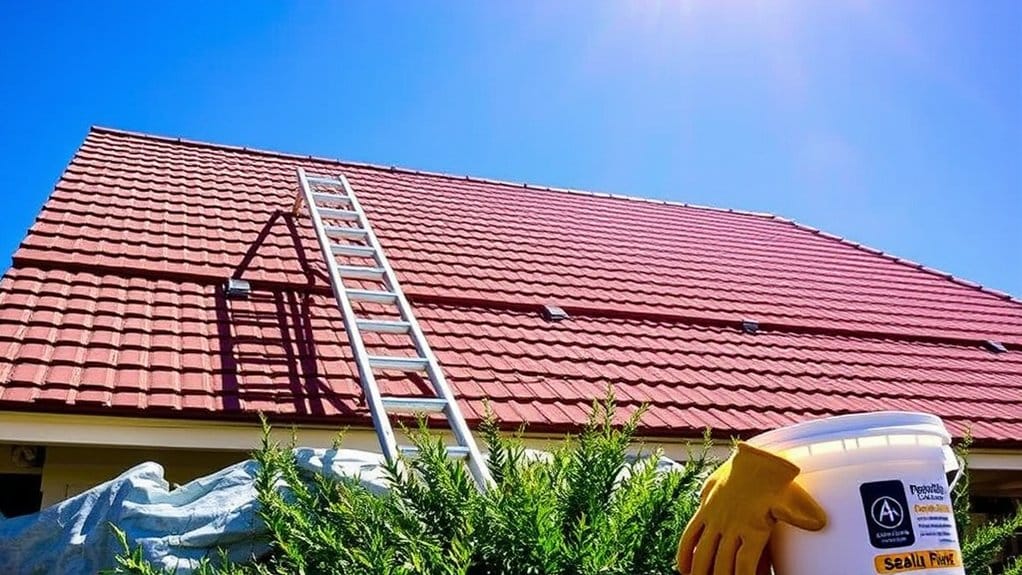
Regular roof maintenance is crucial for keeping pests and plants at bay, and it significantly contributes to the structural integrity of your home. Conduct regular inspections to spot any sagging, unevenness, or damage to supporting structures.
Using high-quality roofing materials can improve durability against the unpredictable British weather.
Correct installation is vital; a poorly fitted roof can lead to serious structural problems. Sealing joints and implementing waterproofing measures prevents water from seeping in and causing damage.
Reinforcement methods, like sister beams, can strengthen weak areas.
Be alert to weather-related damage, fungal growth, and overhanging branches that could harm your roof. Regularly scheduled roof inspections can help you identify potential issues before they escalate.
Annual professional inspections can reveal hidden structural issues, ensuring your roof remains sturdy and reliable for years.
Gutter and Downspout Maintenance
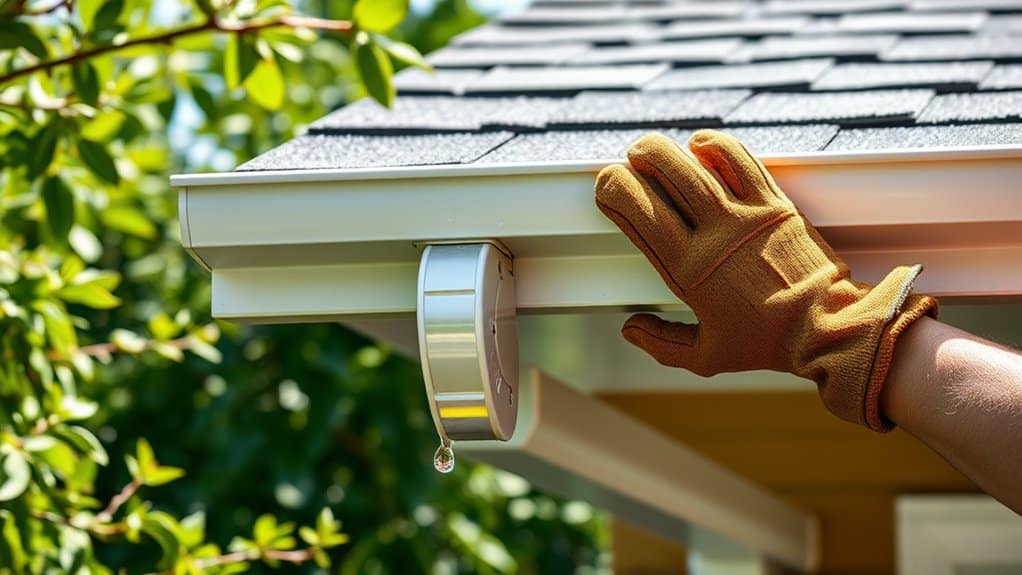
Gutters and downspouts are essential for protecting your home from water damage by directing rainwater away from your roof and foundation. Regular maintenance is crucial to prevent blockages that could lead to expensive repairs.
Start by ensuring your gutters are installed correctly, with the right slope for efficient water flow. Clean them at least twice a year—use gloves and a trowel to remove debris, and follow up with a hose to rinse away any remaining dirt. Additionally, consider installing gutter guards to reduce cleaning frequency and enhance overall system efficiency.
Check your downspouts for damage and clear any blockages with a plumber's snake. Make sure downspout extensions direct water at least six feet away from your foundation.
Enhancing Energy Efficiency and R-Value

Maintaining your gutters and downspouts is just the first step in protecting your roof and home.
To improve energy efficiency, consider upgrading your roof insulation with modern materials like spray foam or rigid foam boards. These options significantly boost the R-value, reducing heat transfer and keeping your indoor temperatures stable. This means you'll rely less on heating and cooling systems, which can lower your energy bills.
Opting for light-coloured roofing materials can also help by reflecting solar energy, further enhancing energy efficiency.
Importance of Attic Ventilation
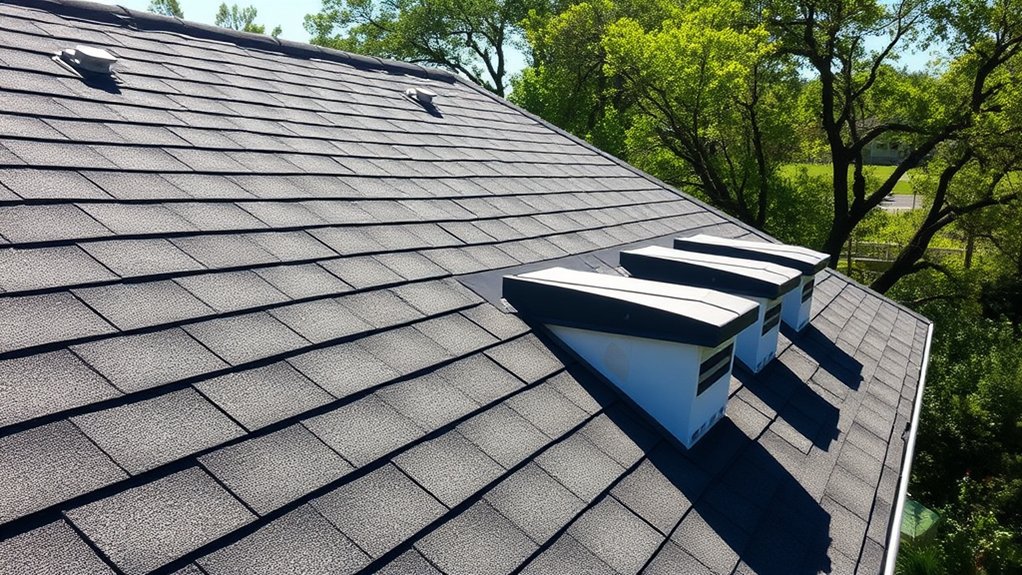
Attic ventilation is crucial for preventing moisture accumulation and regulating temperature in your home.
By ensuring proper airflow, you can minimise the risk of mould growth and keep the attic temperature stable, which helps prolong the life of your roof.
For example, fitting vents or using fans can effectively improve air circulation.
Good ventilation not only protects your investment but also boosts your home's energy efficiency.
Moisture Prevention Strategies
To effectively prevent moisture build-up, proper attic ventilation is key. This means installing suitable ventilation systems with both intake and exhaust options. Vents like soffit and ridge vents allow for natural air circulation, reducing the risk of condensation and moisture issues.
Adding moisture barriers can also help protect insulation and structural elements by keeping areas dry.
Regular maintenance is crucial; check for leaks and ensure that vents are clear. It's important to balance ventilation, making sure the intake and exhaust areas are the same size for optimal performance.
Temperature Regulation Benefits
Proper ventilation is crucial for regulating temperature in your attic. By ensuring good airflow, you can manage temperatures effectively, which is vital for prolonging the life of your roofing materials.
In summer, it helps prevent overheating that can damage your shingles, while in winter, it reduces the risk of ice dams by keeping the attic cooler. This balance also lessens the strain on your heating and cooling systems, improving energy efficiency.
Moreover, adequate ventilation helps avoid structural issues like warping and cracking of wooden beams. No matter where you live, maintaining stable attic temperatures protects your investment and contributes to a comfortable home.
Make proper attic ventilation a priority to safeguard your new roof.
Scheduling Professional Inspections

Scheduling regular professional inspections is essential for preserving your roof's integrity and spotting potential issues early on.
Aim for at least one inspection a year, preferably in autumn or spring. If your roof is older or located in areas with severe weather, consider more frequent checks.
Importance of Regular Inspections
Neglecting roof inspections may seem like a time-saver, but it can lead to expensive problems later on.
Regular professional inspections offer crucial benefits, particularly in detecting issues early. By spotting potential problems like leaks or cracked tiles before they worsen, you could save up to 40% on repair costs.
A well-maintained roof ensures your home's structural integrity and helps maintain its value, especially if you're considering selling.
Furthermore, routine inspections improve energy efficiency and safety by ensuring proper insulation and sealing. By promptly addressing minor wear and tear, you can extend your roof's lifespan and avoid major repairs, ultimately protecting your investment for years to come.
Timing for Professional Check-ups
To keep your new roof in top condition, it's crucial to schedule your professional inspections wisely. Begin with an inspection a few months after installation to identify any potential errors. Annual inspections are recommended for optimal maintenance, but if you live in an area prone to severe weather, consider biannual checks. It's also wise to inspect your roof following significant weather events to identify any damage.
| Inspection Timing | Purpose |
|---|---|
| Within a few months | Spot installation errors |
| Before winter | Prepare for harsh conditions |
| After major storms | Uncover hidden damage |
Tips for Homeowner Vigilance

Five essential practices can help you keep a close eye on your new roof and prolong its lifespan.
Firstly, arrange seasonal inspections and checks after storms to spot potential issues early, ensuring you're aware of any effects on your roof warranties.
Secondly, make sure your gutters and downspouts are free from debris to prevent water damage.
Thirdly, regularly examine the flashing and shingles for any signs of wear.
Fourthly, consider a preventive maintenance plan with a professional to tackle minor repairs before they turn into major problems.
Finally, take the time to educate yourself about roof care; knowing the materials used and common issues can greatly benefit you as a homeowner.
Frequently Asked Questions
How Long Should I Wait Before Inspecting My New Roof?
You should arrange a roof inspection within a few months after installation. This ensures you can identify any potential problems early, helping to maintain your roof's integrity and support its longevity. For instance, if you notice any loose tiles or leaks, addressing them promptly can save you from more costly repairs down the line.
What Signs Indicate My Roof Needs Immediate Attention?
If you notice leaks or storm damage, it's crucial to act quickly. Look for water stains, sagging sections, or missing tiles. Addressing leaks and repairs promptly can prevent further structural problems, keeping your roof robust and secure.
Can I Walk on My New Roof Without Causing Damage?
You shouldn't walk on your new roof without taking safety precautions into account. Walking on a roof can cause damage, particularly if it's steep or constructed from delicate materials. Always prioritise safety and consider consulting professionals for any necessary inspections.
How Can I Tell if My Roof Has Adequate Ventilation?
You might assume your roof ventilation is adequate, but look out for signs like excessive heat, moisture build-up, and peeling paint. Check that air is flowing properly through the vents, and be on the lookout for ice dams—these could mean your roof ventilation needs improvement.
What Is the Best Time of Year for Roof Maintenance?
The ideal time for roof maintenance is in the autumn, but spring cleaning and seasonal inspections are also beneficial. These times allow you to tackle any issues before they worsen, ensuring your roof stays in excellent condition. For instance, checking for loose tiles after winter storms can prevent leaks in the spring.
Conclusion
To protect your new roof and extend its lifespan, follow these simple measures. Regular maintenance, shielding against harsh weather, and preventing pests are crucial for safeguarding your investment. A bit of diligence can save you from costly repairs down the line. Scheduling professional inspections and ensuring proper ventilation are vital for maintaining structural integrity and energy efficiency. By adopting these practices, you'll not only protect your roof but also boost your home's overall value.


