

The Top 10 Roofing Materials Used in the UK
When choosing roofing materials in the UK, there’s a variety of options that provide a good mix of durability, appearance, and cost. The top ten include Asphalt Shingles, Clay Tiles, Concrete Tiles, Metal Roofing, Slate, EPDM Rubber, Green Roofs, Fibreglass Roofing, and Solar Roofing. Each material has its own advantages. For example, clay tiles can last up to 100 years, while green roofs promote wildlife. Metal roofing is known for its energy efficiency, and solar roofing can help lower your energy bills. Understanding these options will help you make a smarter choice for your home. There’s plenty more to learn about these materials and their benefits.
Key Takeaways
- Clay tiles are favoured for their durability and attractive appearance, with a lifespan of up to 100 years, making them a sensible choice.
- Concrete tiles provide a cost-effective solution, lasting 50-60 years and requiring minimal upkeep.
- Slate roofing can last up to 200 years, making it perfect for traditional buildings, while thatched roofing showcases historical craftsmanship.
- Metal roofing is environmentally friendly, energy-efficient, and lasts between 40 to 70 years, available in a variety of styles and colours.
- Green roofs improve urban areas by lowering energy use, filtering pollutants, and promoting biodiversity.
Asphalt Shingles
Asphalt shingles are a popular roofing choice in the UK, providing a practical solution for many homeowners. One of their main advantages is cost; they tend to be more affordable than other roofing materials. Their lightweight design simplifies installation, which can help reduce labour costs. Plus, they come in a variety of styles and colours to suit your home’s aesthetic. Additionally, their long-term durability ensures that they provide value over time. Recent innovations in asphalt shingle technology have also enhanced their thermal performance and energy efficiency.
However, there are some drawbacks to consider. While asphalt shingles can last 20-30 years, this is shorter than other roofing options. They may also be vulnerable to damage from severe weather, such as high winds and heavy rain.
In damp areas, you might find algae or moss growth, which can shorten their lifespan. Additionally, being made from petroleum, they raise environmental concerns as they aren’t the most eco-friendly choice.
Regular inspections and cleaning can help mitigate these issues, ensuring your asphalt shingles remain effective throughout their lifespan. If you’re after a balance between cost and performance, asphalt shingles could be a suitable option, but be aware of their limitations.
Clay Tiles

Clay tiles are a durable and attractive roofing choice in the UK, known for their longevity and classic look. With a lifespan of up to 100 years, they can handle harsh weather conditions while requiring minimal maintenance and providing excellent fire resistance. Their diverse designs make them a great fit for a variety of architectural styles. Additionally, clay tiles are made from natural clay, a renewable resource that contributes to their eco-friendly profile. Sustainable practices aim to minimize environmental impact during a building’s life cycle.
| Type of Clay Tiles | Benefits | Aesthetics |
|---|---|---|
| Flat Interlocking Tiles | Reduces water leakage | Sleek, modern appearance |
| Clay Pan Tiles | Overlapping design for stability | Traditional S-shaped profile |
| Handmade Clay Tiles | Unique colours and sizes | Artisan craftsmanship |
Clay tiles also offer insulating properties, helping to keep your home warm in winter and cool in summer, which can lower energy bills. Their sustainable production and recyclability make them an eco-friendly choice. Although the initial cost ranges from £35 to £40 per square metre, their durability and low maintenance needs mean that clay tiles are a smart investment for homeowners looking for both practicality and style.
Concrete Tiles
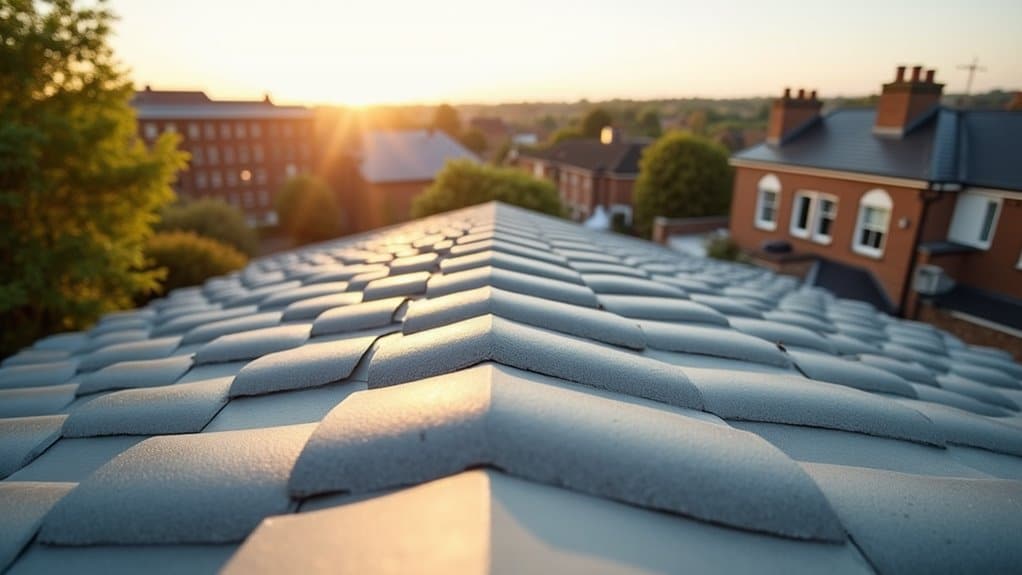
Concrete tiles are incredibly durable and can last for decades, making them a solid investment for your roofing needs. They have an expected lifespan of 50-60 years with proper installation and maintenance, ensuring you get long-term value. They’re also budget-friendly, allowing you to achieve a high-quality roof without overspending. With minimal maintenance, you can rest easy knowing your roof is well-equipped to handle harsh weather. Additionally, their low maintenance requirements contribute to preventing damage over time, enhancing their overall longevity.
Durability and Lifespan
When selecting roofing materials, it’s important to consider the durability and lifespan of concrete tiles. Designed to endure various weather conditions, concrete tiles are resilient against rain, wind, and UV rays. They typically last between 40 to 60 years, but with proper maintenance, this can extend to 75 years or more. The expected lifespan of concrete roof tiles is 60 years or more, making them a long-term investment for homeowners. Additionally, regular inspections can identify potential issues before they escalate, ensuring the longevity of the roof.
The quality of the materials used is crucial; higher-grade tiles that meet strict dimensional standards tend to perform better over time. Installation also matters—adhering to manufacturer guidelines ensures the tiles remain intact and durable.
Regular maintenance, like removing debris and re-sealing, helps to maximise their lifespan. Concrete tiles must comply with British Standards, such as BS 5534, which ensure they meet durability requirements, including a minimum flexural strength of 550 N and adequate water resistance.
It’s wise to conduct routine inspections to catch any potential issues early, allowing for swift repairs to prevent further damage. If tiles are damaged, it’s best to replace them rather than attempt repairs, and professional help is recommended for safety and effectiveness.
Cost-Effectiveness
Opting for concrete tiles for your roofing can be a cost-effective choice. On average, concrete tiles range from £40 to £70 per square metre, which is more economical than clay tiles that generally cost between £60 and £100.
Installation also adds to the savings, with concrete tiles priced at £15 to £25 per square metre, compared to clay tiles at £20 to £40.
In total, the average cost for concrete tiles, including materials and installation, is between £55 and £95 per square metre, while clay tiles can go from £80 to £140.
This affordability is due to the simpler manufacturing process and the long lifespan of concrete tiles, which typically last between 50 and 70 years. With low maintenance needs, you can save significantly on repairs and energy bills over time. Additionally, concrete tiles provide excellent thermal mass, helping to keep indoor temperatures stable and reducing the need for air conditioning. Their eco-friendly properties and recyclability add to their benefits. Furthermore, concrete roof tiles are known for their longevity and durability, often resistant to cracks and extreme weather conditions, ensuring long-lasting protection for your home. Moreover, proper planning and budgeting for roofing projects can significantly help manage overall expenses total costs.
Maintenance Requirements**
Maintaining a concrete tile roof is crucial for its longevity and performance. Aim to inspect your roof at least twice a year, especially after severe weather. Regularly clear gutters and drains to prevent blockages that could threaten structural safety.
Remove algae and moss promptly to keep the roof looking good and in good condition. During inspections, look for cracks, shifting tiles, and missing sections—replace any damaged tiles straight away. Ensure loose tiles are secured over the battens for stability.
Clean your roof regularly with a soft broom and clean water to remove debris without causing harm. Trim back overhanging tree branches to reduce debris build-up. Avoid using harmful treatments, like bitumen-coated fabrics, which can obstruct inspections and ventilation.
Take preventive measures by checking insulation and inspecting sealants around chimneys and vents. Limit roof access to trained personnel and always use safety equipment when working at height.
Metal Roofing

When considering metal roofing, there are several benefits that make it an appealing option for your home.
It’s important to understand the installation process to ensure a successful outcome.
Additionally, being aware of maintenance needs and the longevity of these materials will help you get the most out of your investment.
Let’s look at these factors to see how metal roofing performs in the UK’s climate.
Advantages of Metal Roofing
Metal roofing has become a popular choice in the UK, and for good reason. Its key advantage is durability; metal roofs can last between 40 and 70 years and are built to endure harsh weather, such as strong winds and hail. They also require very little maintenance and are fire-resistant, which enhances safety.
Here’s a summary of the main benefits:
| Advantages | Details |
|---|---|
| Durability | Lasts 40-70 years, resistant to harsh weather |
| Environmentally Friendly | Energy-efficient and fully recyclable |
| Aesthetic Variety | Comes in various styles and colours |
| Cost-Effective | Long-term savings and can boost property value |
| Lightweight | Suitable for many building types |
In terms of looks, metal roofs offer a modern and sleek appearance that can significantly enhance your property’s appeal. Sustainability is another important aspect; metal roofs produce less waste during installation and are made from recyclable materials. Overall, metal roofing successfully combines practicality, aesthetic appeal, and environmental consciousness, making it a wise choice for today’s homeowners.
Installation Process Overview
The installation of metal roofing involves key steps to ensure a durable and effective result. Begin by confirming that safety measures are in place and all necessary permits have been obtained. Conduct a structural assessment to check for any damage, and clear the roof area of obstacles to allow for efficient installation.
Start by laying the first sheet at the eaves, ensuring it’s aligned perpendicular to the ridge. This alignment helps prevent issues like a ‘saw tooth’ effect. Overlap the sheets by at least one profile to maintain a watertight seal. Use self-drilling screws and mastic tape to secure the sheets tightly, protecting the coating from damage.
Securely attach barge boards using stitching screws, following the manufacturer’s guidelines. Once installed, carry out thorough inspections to ensure compliance with quality standards and local building regulations. Clean the site and confirm the roof’s durability.
Be ready for potential challenges, such as weather delays or intricate roof designs. Address any structural issues identified during assessments to establish a solid foundation.
Maintenance and Longevity
Regular maintenance is vital for prolonging the life of metal roofing systems. Conducting inspections at least twice a year helps you spot and resolve minor issues before they turn into expensive repairs. If you live in areas with extreme weather, consider more frequent checks.
Make sure to clean your gutters and downspouts to ensure proper drainage; this prevents water accumulation, which can cause corrosion. Additionally, trimming back overhanging tree branches can help protect your roof from scratches and punctures.
Regularly check for loose or missing panels, as these can lead to leaks and structural damage if left unattended. Applying a roof coating or sealant can significantly boost protection against the elements, helping to extend your roof’s lifespan. Given the UK’s rainy climate and high humidity, timely maintenance is even more crucial.
Investing in quality materials during installation pays off, as they can last over 100 years with proper care. By prioritising regular maintenance and addressing issues swiftly, you can keep your metal roof strong and durable for years to come.
Slate

How does slate roofing stand out in the UK’s varied architectural landscape? Its combination of durability, elegance, and historical significance makes it a sought-after choice.
With a lifespan of up to 200 years, slate roofing is an investment that offers both aesthetic appeal and low maintenance. However, it’s essential to consider both the advantages and disadvantages of slate.
- Longevity: Can last for two centuries with minimal upkeep.
- Fire Resistance: Non-combustible, enhancing safety.
- Weather Resistance: Effectively withstands the UK’s rain, snow, and winds.
- Aesthetic Appeal: Available in various colours and styles, complementing traditional architecture.
- Cost and Installation: A luxury option, but installation can be complex and pricey.
While its durability protects against debris and severe weather, slate’s weight requires a strong roofing structure.
Additionally, repairs can be complicated, and it may crack under foot traffic.
If you’re after a roofing material that combines historical charm with modern resilience, slate could be your ideal choice, provided you’re ready for the associated costs and installation challenges.
Thatched Roofing

Thatched roofing is a distinctive combination of traditional craftsmanship and eco-friendly benefits, making it an attractive option for many homeowners in the UK.
This roofing style typically uses materials like water reed and combed wheat reed, both of which require skilled tradespeople for proper installation and upkeep.
Traditional Craftsmanship Techniques
In traditional craftsmanship, thatched roofing is a well-established technique that demands skill and precision. Mastering various thatching methods is essential for ensuring both durability and visual appeal. Each layer in thatching has its purpose: the underthatch provides insulation, while the weathercoat helps divert rainwater.
Key elements of thatched roofing include:
- Layering: Applying the underthatch, main coat, and weathercoat in sequence.
- Bundling: Overlapping thatch to efficiently shed water.
- Fastening: Securing materials using traditional methods like rope or baler’s twine.
- Ridge Design: Forming robust ridges with long rolls of bound thatch.
- Historical Continuity: Techniques that reflect local traditions and historical practices.
These methods not only highlight the artistry of thatching but also play a vital role in preserving the heritage of thatched roofs.
Environmental Considerations and Benefits
Thatched roofing offers significant environmental benefits, making it a sustainable choice for modern buildings. Thatch is a renewable resource with low embodied energy, as it requires minimal harvesting equipment and no mechanical processing. Additionally, it’s biodegradable, allowing for composting at the end of its lifespan, which aligns with sustainable practices.
When sourced locally, thatch can be carbon neutral, reducing its ecological impact. Its natural insulation properties help keep homes warm in winter and cool in summer, which cuts down on the need for extra insulation materials.
It’s crucial to consider where materials come from; while many thatching materials are sourced locally, some, like water reed, may need to be imported, which could increase their environmental impact.
Regular maintenance, including annual inspections, is essential to ensure durability and weather resistance. With a lifespan of up to 65 years, thatched roofs not only reduce waste but also enhance the aesthetic appeal and historical value of properties.
Choosing thatched roofing is a step towards a greener future while preserving the beauty of traditional architecture.
EPDM Rubber

EPDM rubber, or Ethylene Propylene Diene Monomer, is a reliable synthetic material commonly used for flat and low-pitched roofing in the UK. Its flexibility and excellent waterproofing properties make it a top choice for various roofing needs.
Key features of EPDM rubber include:
- Durability: It withstands harsh weather conditions, including heavy rain, snow, and UV exposure.
- Flexibility: Remains pliable even in colder temperatures, making it suitable for year-round installation.
- Maintenance: Requires little upkeep, with only bi-annual inspections suggested.
- Sustainability: Composed of non-toxic materials, EPDM is fully recyclable, supporting eco-friendly practices.
- Versatility: Works well with different roofing shapes and sizes, providing design flexibility.
With a lifespan of up to 50 years, proper installation is crucial for optimal performance.
You can opt for rolls or liquid applications for seamless coverage. Whether you’re tackling a DIY project or hiring professionals, EPDM rubber offers a dependable and environmentally friendly roofing solution.
Green Roofs

Green roofs provide an eco-friendly solution that significantly improves urban areas. By adding greenery to rooftops, you can enjoy various benefits. For example, they lower energy consumption by absorbing heat, potentially extending the roof’s lifespan by up to three times.
Moreover, green roofs effectively manage rainwater, capable of storing up to 67% of rainfall, which helps reduce flood risks.
These roofs also play a role in improving air quality by filtering pollutants and converting carbon dioxide into oxygen. They offer natural sound insulation, cutting noise levels by up to 11 decibels, creating a quieter environment. Additionally, green roofs support biodiversity, providing habitats for various wildlife.
There are several types of green roofs to consider. Extensive green roofs are lightweight and require minimal maintenance, making them suitable for flat, hard-to-reach areas. Semi-intensive roofs can support a wider variety of plants, while intensive roofs are designed to accommodate larger plants like trees and shrubs.
Green roof tray systems offer ready-made solutions for easier installation, whereas traditional green roofs using sedum matting are heavier but provide substantial green coverage. Choosing the right type can lead to a thriving, sustainable rooftop habitat.
Fibreglass Roofing

How does fibreglass roofing stand out among various roofing materials? Its blend of durability and versatility makes it a preferred choice, especially for flat and pitched roofs.
Made from polyester resin, MEKP catalyst, and glass fibre chopped strand matting (CSM), fibreglass offers notable advantages, including:
- A seamless and robust barrier against leaks
- Waterproof and chemically resistant properties
- Fire retardant qualities
- Enhanced aesthetic appeal that can boost property value
- A long lifespan, often exceeding 30 years
However, it’s important to recognise the installation challenges. Proper preparation and inspection of the roof deck are crucial, as is accurately calculating the roof size.
The installation process includes applying edge trims, laminates, and topcoats, all while adhering to health and safety guidelines.
Solar Roofing
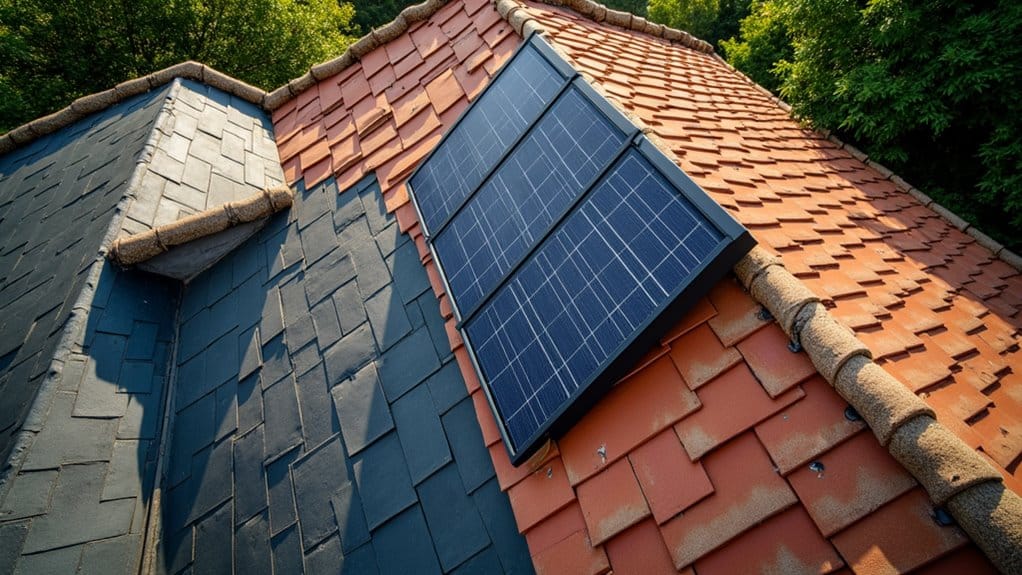
With the increasing focus on sustainable energy, solar roofing has become a modern choice for homeowners and builders. This innovative method integrates solar panels into roofing materials, allowing you to efficiently harness solar energy. Options include solar roof tiles, solar shingles, and building-integrated photovoltaics (BIPV).
The benefits of solar roofing are considerable. By generating your own electricity, you can lower your energy bills and possibly boost your property’s value. These systems are also durable and require minimal maintenance. However, installation needs specialised skills and can be costly, typically ranging from £10,000 to £20,000, though government incentives can help reduce these costs.
Despite its benefits, solar roofing does have challenges. High initial costs, reliance on sunlight, and limited battery storage can affect efficiency. Additionally, the appearance of certain systems may not appeal to everyone.
Nonetheless, as roofing technology advances, solar roofing is becoming a more feasible option. With energy efficiency rates reaching up to 22%, it represents a strong alternative in the pursuit of sustainable energy, contributing to a greener future.
Frequently Asked Questions
What Factors Influence the Choice of Roofing Materials in the UK?
When selecting roofing materials in the UK, it’s essential to consider design aesthetics and installation costs. Opt for materials that enhance your property’s look and suit your budget, all while ensuring durability and adherence to local regulations. For instance, traditional slate may offer a classic appearance but can be pricier than modern options like fibreglass. Balancing style, cost, and longevity will help you make the best choice for your home.
How Do Roofing Materials Affect Home Insurance Premiums?
Roofing materials have a direct influence on your home insurance premiums. More durable materials tend to lower insurance risks, which can result in reduced costs. For instance, roofs made from slate or metal are preferred by insurers, as they require less maintenance and have a longer lifespan compared to options like thatch or asphalt, which may lead to more frequent repairs or replacements. Choosing a robust roofing material could save you money in the long run.
Are There Any Government Incentives for Eco-Friendly Roofing Options?
Yes, there are various government incentives for eco-friendly roofing options in the UK. These include grants and funding schemes aimed at promoting energy-efficient installations. For instance, the Green Homes Grant allows homeowners to apply for financial support to make eco-friendly upgrades, which can help reduce energy bills while increasing your property’s sustainability and value.
What Are the Typical Lifespans of Different Roofing Materials?
When selecting roofing materials, asphalt shingles generally last 20-30 years, whereas metal roofing can last between 40-70 years. Making the right choice can significantly affect your long-term maintenance and replacement expenses.
How Do Weather Conditions Impact the Performance of Roofing Materials?
Weather can be a formidable challenge for your roof. The durability of roofing materials is closely linked to their ability to withstand various weather conditions. For instance, slate and clay tiles are known for their resilience against heavy rain and wind, while asphalt shingles may struggle in severe storms. Proper material choice is essential to ensure your roof can endure the elements effectively.
Conclusion
When selecting roofing materials in the UK, it’s important to consider their longevity and durability. For example, slate roofs can last over 100 years, making them a solid investment. The right material not only improves your home’s appearance but also boosts energy efficiency and sustainability. Whether you choose traditional clay tiles or modern solar roofs, understanding your options will help you make an informed choice for your property.


