
The Pros and Cons of Metal Roofing for UK Homes
Metal roofing is a robust and energy-efficient option for homes in the UK, boasting a lifespan of 40 to 70 years. It can handle harsh weather conditions, needs little maintenance, and is often made from recyclable materials. On the downside, installation costs may be higher than traditional roofing materials, and noise during heavy rain can be an issue. While it can improve your home’s appearance, it’s essential to ensure it complements your property’s style. Weigh the pros and cons carefully to see if metal roofing is right for you.
Key Takeaways
- Metal roofing is incredibly durable, often lasting between 40 to 70 years, which is significantly longer than traditional asphalt shingles.
- It’s energy-efficient, reflecting solar heat and potentially cutting cooling costs by 10-25%.
- This roofing type is highly weather-resistant, able to endure winds of up to 140mph and heavy snow loads, making it ideal for various UK climates.
- Most metal roofs are made from recyclable materials, promoting environmental sustainability and reducing landfill waste.
- While the initial investment can be quite high, ranging from £4,000 to £19,000, the long-term savings on maintenance and replacements can be substantial.
Overview of Metal Roofing

Metal roofing is becoming a popular choice for homes in the UK due to its durability and variety of materials, such as steel and aluminium. With a lifespan of over 50 years, it’s a solid investment. Additionally, metal roofing provides energy efficiency by reflecting solar radiant heat, which can significantly reduce cooling costs. Metal roofs can also offer exceptional weather resistance against hail, high winds, and heavy snow, making them suitable for various climates.
As you look into current trends, consider the environmental benefits of materials that are recyclable and often made from recycled content. When installing metal roofs, it’s essential to use the right techniques and tools to account for metal’s natural expansion and contraction with temperature changes. Adequate insulation is also crucial to reduce noise and heat absorption. By understanding these factors, you can ensure a successful installation that meets modern roofing standards and effectively serves your home.
Advantages of Metal Roofing

When choosing a roofing option, metal roofs stand out for their remarkable durability, lasting between 40 to 70 years. They also offer substantial energy efficiency benefits, reducing cooling costs by 10-25% and helping to maintain comfortable indoor temperatures. This makes metal roofing a sensible choice for homeowners looking for sustainable and cost-effective solutions. Additionally, metal roofs are often made from 100% recyclable materials, contributing to environmental sustainability. Furthermore, their exceptional durability allows them to withstand extreme weather conditions, making them an ideal choice for various climates.
Exceptional Durability and Longevity
When considering roofing options, metal roofing is a standout choice due to its remarkable durability and longevity.
It typically lasts between 40 and 70 years, far exceeding asphalt shingles, which often need replacing every 15 to 20 years. Made from robust materials like steel and aluminium, and installed with modern techniques, metal roofs provide watertight seals and resist the harsh UK weather. They’re less prone to cracking, warping, and corrosion, which reduces maintenance needs. As trends in metal roofing develop, homeowners can enjoy lower long-term costs thanks to fewer repairs and maintenance. Additionally, alternative materials like metal roofs are increasingly gaining popularity for their longevity and resilience. With proper maintenance and regular inspections, metal roofs can exceed 50 years of service, offering exceptional value and performance.
Investing in quality metal roofing not only boosts your home’s value but also ensures reliable protection against the elements for decades.
Energy Efficiency Benefits
Choosing metal roofing not only strengthens your home’s durability but also significantly improves its energy efficiency.
Metal roofs reflect a large portion of solar heat, helping to keep your home cooler in summer and reducing the need for air conditioning. In fact, with reflective coatings, you could save up to 20% on energy costs, making metal roofs particularly beneficial in sunnier areas.
In winter, they help retain heat, reducing the need for excessive heating. This combination of thermal performance can lead to lower energy bills throughout the year.
Additionally, by using less energy, you put less strain on your heating and cooling systems, which can extend their lifespan and reduce maintenance costs.
Durability and Longevity

When choosing metal roofing, you’ll appreciate its impressive lifespan of 40 to 70 years, far surpassing options like asphalt shingles.
Its weather-resistant properties ensure it can handle the tough UK climate, protecting against strong winds and heavy snowfall.
Plus, with minimal maintenance needed, you can enjoy reliable performance without the hassle of frequent repairs.
Exceptional Lifespan
Metal roofs are well-known for their impressive lifespan, typically lasting between 40 to 70 years, depending on the type of metal used and the quality of installation.
Copper roofs, for instance, have the longest lifespan among metals, while aluminium and steel also offer significant durability. Compared to materials like asphalt shingles, metal roofs clearly outlast them, making them a smart investment.
With proper installation and regular maintenance, you can extend their lifespan even further, avoiding the hassle of frequent replacements. Higher-quality metals not only last longer but also add value to your property.
Weather Resistance Features
Metal roofing is a top choice for weather resistance in the UK. It can handle winds of up to 140mph and heavy snowfall without losing its strength.
Unlike other materials, metal roofs repel moisture, preventing leaks and water damage. With modern corrosion-resistant coatings, materials like zinc can last for up to 100 years, giving you confidence in your investment.
The design of standing seam roofs is particularly effective, offering a weather-tight fit that reduces potential weak spots. Plus, reflective coatings enhance UV protection, making metal roofing a reliable option for the varied British climate.
Maintenance Requirements
To ensure your metal roof stays strong and lasts long, regular maintenance is key. Aim for annual inspections at the very least, and consider checking it twice a year, particularly after severe weather.
Key tasks include looking for rust, blistering, or cracks in the sheets and clearing gutters and downpipes of blockages. Fix any holes or leaks quickly to avoid water damage.
Applying protective coatings and checking fasteners will also help prolong your roof’s life. While the initial maintenance costs may seem steep, catching issues early can save you money on major repairs and significantly extend your roof’s lifespan, making it a smart investment for your property.
Maintenance Requirements

Regular maintenance is crucial for ensuring your metal roof lasts and performs well. To keep it in excellent shape, focus on routine inspections and proper cleaning methods.
Here are some essential maintenance tasks:
- Carry out annual inspections to check for corrosion and debris.
- Inspect the roof after severe weather for any potential damage.
- Use cleaning solutions specifically designed for metal roofs; avoid high-pressure washers as they can cause harm.
- Ensure gutters and downspouts are clear to prevent water overflow.
- Address any damage quickly, including repairing holes and securing seams to avoid further issues.
Energy Efficiency Benefits

Metal roofing is a smart choice for UK homes due to its energy efficiency, particularly in reflecting solar heat. By using reflective coatings, you could see cooling costs drop by 10% to 25%.
Although metal roofs don’t insulate as well as slate, proper insulation is key for optimal energy savings. When installed correctly, metal roofs help reduce heat gain, keeping your home comfortable.
Their lightweight design also makes them easier to install and puts less strain on your building’s structure. As UK energy efficiency standards become stricter, choosing metal roofing with quality insulation can help you meet these requirements while promoting sustainable living in your community.
Environmental Considerations
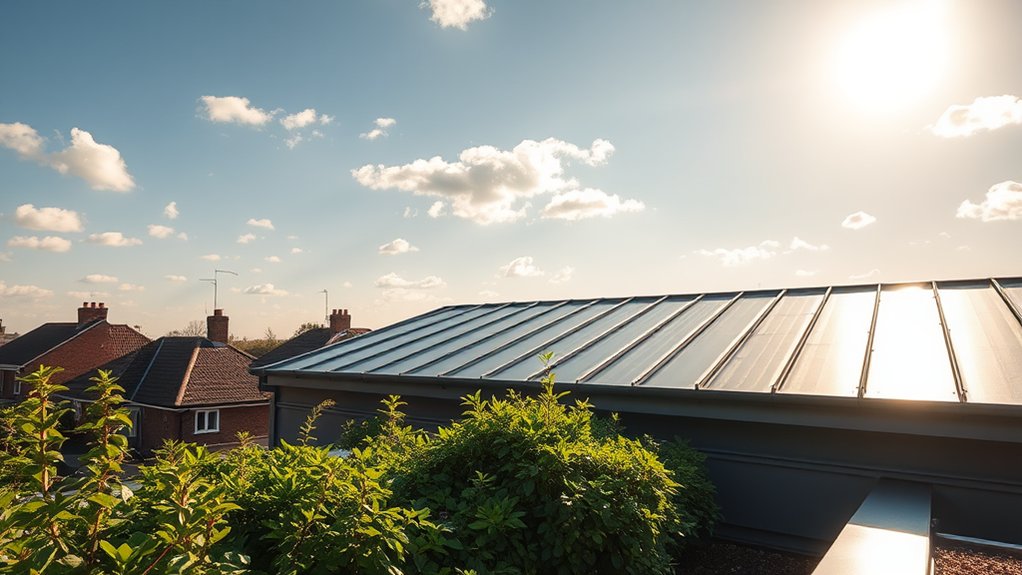
When choosing roofing options for your home, it’s important to consider the environmental benefits of metal roofing. By selecting metal, you play a part in sustainable practices and reduce your home’s ecological footprint.
Here are some key advantages:
- Durability: Metal roofs can last over 50 years, which means fewer replacements.
- Recyclability: Most metal roofing materials are fully recyclable, helping to minimise landfill waste.
- Resource Efficiency: They utilise materials more efficiently, conserving natural resources.
- Lower Environmental Impact: Metal roofs produce less waste compared to traditional asphalt shingles.
- Energy Efficiency: Their reflective surface can reduce energy consumption, further supporting resource conservation.
Opting for metal roofing not only enhances your home but also contributes to a healthier environment for future generations.
Aesthetic Appeal and Design Options

How can you enhance your home’s aesthetic while ensuring functionality?
Metal roofing offers a wide range of styles and finishes that align with modern design trends. You can select from various colour options to match your roof with your home’s architecture, be it rustic or contemporary.
The clean lines and polished look of metal roofs significantly boost curb appeal and may even increase your property’s value.
Furthermore, metal roofs can replicate traditional materials like slate or tile, providing aesthetic flexibility. Their adaptability ensures they complement various architectural styles, maintaining a cohesive appearance throughout your home.
Choosing a metal roof gives you an excellent combination of beauty and practicality.
Cost Analysis and Financial Implications
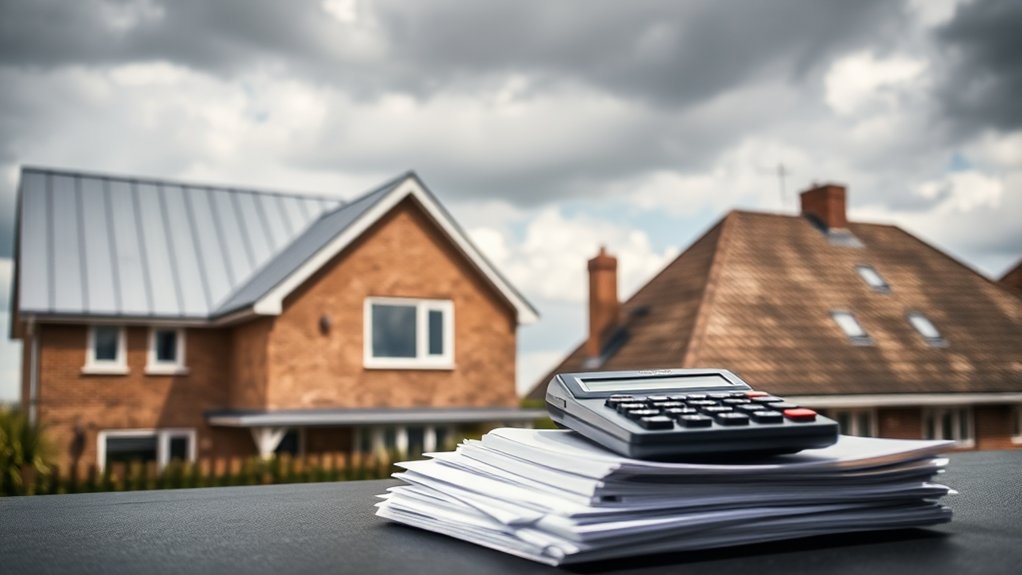
Opting for a metal roof not only improves your home’s aesthetics but also requires a thorough assessment of costs and financial implications.
Here’s a concise breakdown of the key financial factors to consider:
- Material Costs: Typically range from £7 to £200 per square metre.
- Installation Costs: Generally fall between £30 and £90 per square metre.
- Total Project Costs: Can vary significantly, from £4,000 to £19,000, depending on the complexity of the installation.
- Long-Term Savings: Metal roofs can last two to three times longer than traditional shingles, meaning you’ll replace them less often.
- Insurance Discounts: You may benefit from lower insurance premiums due to the increased durability of metal roofs.
Performance in Extreme Weather Conditions

Given the unpredictable weather in the UK, metal roofing proves to be a reliable choice for extreme conditions.
Its durability allows it to withstand wind speeds of up to 190 km/h, making it suitable for stormy weather. The interlocking design helps prevent damage during strong winds, while its lightweight nature maintains stability.
Unlike other materials, metal roofs don’t absorb water, which protects against deterioration from heavy rain, and their smooth surface sheds water effectively, reducing the risk of mould.
Additionally, they handle snow loads well, allowing snow to slide off instead of piling up.
With the ability to adapt to temperature changes, metal roofing systems offer long-lasting durability against the UK’s challenging climate.
Installation Process and Challenges

When installing metal roofing, it’s crucial to use skilled labour to ensure the job is done correctly and safely.
You’ll need specific tools, such as metal-cutting saws and self-drilling screws, for a secure installation.
It’s also important to consider thermal expansion, as metal can expand and contract with temperature changes. If not managed properly, this could compromise the roof’s integrity.
Specialized Labor Requirements
Metal roofing installation requires a skilled workforce due to its specialised nature. Here are some key factors to consider for a successful project:
- Training: Workers must receive thorough training to manage the risks of working at heights, such as falls.
- Health and Safety Regulations: Compliance with the Work at Height Regulations 2005 is crucial for ensuring safety on site.
- Method Statements: Implement detailed method statements to effectively communicate safety measures to all team members.
- Client Collaboration: Work closely with clients to establish clear management arrangements, especially when working on business premises.
- Legal Compliance: Ensure all installations adhere to UK building regulations to guarantee safety and legality.
Equipment and Tools Needed
Successful metal roofing installation relies on having the right tools and equipment.
You’ll need essential cutting tools like hand seamers for shaping and turbo shears for quick cuts. Metal snips are useful for precise manual adjustments.
For fastening, roofing hammers with magnetic nail holders make the job easier, while pneumatic screw guns ensure secure fastening without the risk of overdriving.
Seaming tools and crimpers are crucial for creating weatherproof seals between panels.
To achieve accurate layouts, use sturdy tape measures and chalk lines to guide your cuts.
Don’t forget safety gear like fall protection harnesses and goggles to keep you safe during installation.
Being well-equipped boosts both efficiency and safety on the job.
Thermal Expansion Considerations
Understanding thermal expansion is vital for the proper installation of metal roofing, as materials can expand and contract significantly with temperature changes. Effective installation must consider this to prevent future issues.
- Material Choice: Opt for metals like aluminium or steel that manage thermal expansion effectively.
- Expansion Joints: Include these to allow for movement without causing damage.
- Flexible Fasteners: Use fastening systems that permit some degree of movement.
- Design Considerations: Ensure the installation accounts for seasonal temperature variations.
- Professional Expertise: Hire specialists with knowledge of thermal dynamics to improve installation quality.
Noise and Heat Absorption Issues
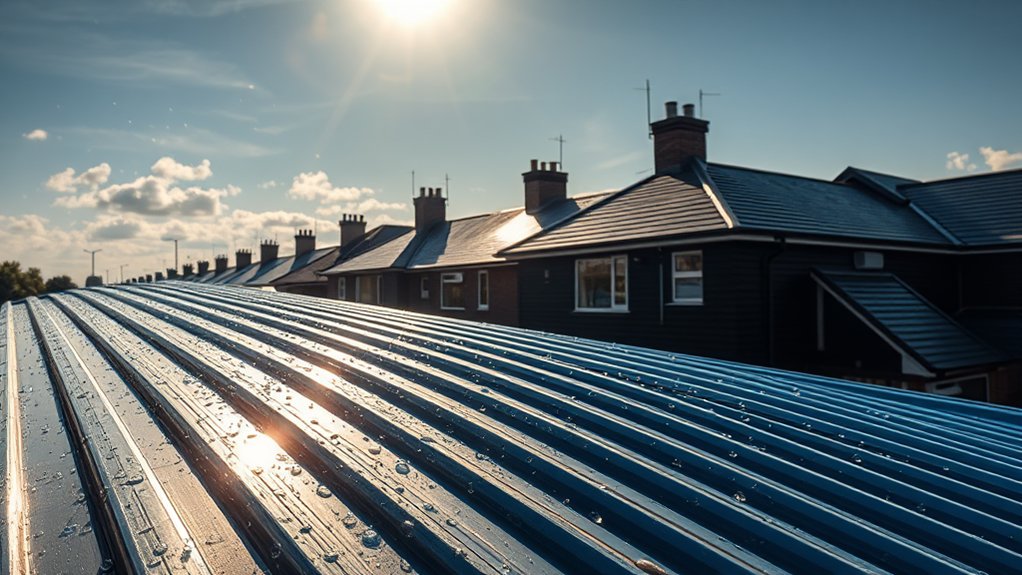
How do noise and heat absorption issues impact your experience with metal roofing? Metal roofs can create noticeable noise during rain, which may be disruptive. However, with proper installation and soundproofing materials like acoustic insulation and underlayment, you can significantly reduce this noise.
Moreover, metal roofs tend to absorb heat, which can lead to warmer indoor temperatures if not properly insulated. Applying reflective coatings and ensuring adequate insulation can help counteract this problem, improving energy efficiency.
It’s also essential to check that fasteners are secure to reduce vibrations and echoes that add to noise levels. By addressing these issues, you can enhance your home’s comfort and maintain a stable environment, regardless of the weather.
Compatibility With Other Home Features

When considering a metal roof for your home, it’s crucial to assess how it fits with your existing features. Proper material separation is key to preventing corrosion and ensuring durability, especially when combining with timber decking and other roofing materials.
Consulting a building designer can help ensure your metal roof aligns with both the aesthetic and structural elements of your home.
- Choose metal finishes that suit your home’s architectural style.
- Use the right underlay materials to avoid moisture problems.
- Check the load-bearing capacity for heavier metal options.
- Design ventilation systems to complement existing airflow.
- Customise metal trims to coordinate with external features.
Frequently Asked Questions
How Does Metal Roofing Compare to Traditional Roofing Materials?
When it comes to durability, metal roofing significantly outlasts traditional materials like tiles or shingles. Although the initial costs may be higher, homeowners often find that the long-term savings on maintenance and energy efficiency more than compensate for the upfront investment. For example, a metal roof can last over 50 years, whereas traditional roofing may need replacing every 20-30 years.
Can I Install Metal Roofing Over an Existing Roof?
Yes, you can install metal roofing over an existing roof! Just ensure you follow the installation guidelines and consider the weight of the roof. This approach can save time and effort while offering added protection against the weather.
What Are the Best Metal Roofing Materials for UK Weather?
For UK weather, aluminium is lightweight and resistant to corrosion, making it a great choice. Meanwhile, steel is known for its exceptional durability and strength, especially during storms. Both materials provide long-lasting protection and can improve the efficiency and safety of your home.
Are There Financing Options for Metal Roofing Installations?
When planning your new roof, financing options can help manage installation costs. Various plans allow you to spread payments over time, ensuring you can invest in quality materials without straining your budget. For instance, some lenders offer low-interest loans or payment plans that fit your financial situation, making it easier to get the roof you want without the stress of upfront costs.
How Does Metal Roofing Affect Home Insurance Premiums?
Metal roofing can significantly impact your home insurance premiums. Insurers assess risk when determining rates, and because metal roofs are durable and long-lasting, they may offer discounts. This durability often translates to fewer claims, making it a worthwhile investment for homeowners. For example, if your home has a metal roof, you might see a reduction in your premiums compared to traditional roofing materials, as insurers recognise the lower risk of damage.
Conclusion
In summary, metal roofing offers excellent durability and energy efficiency, but it can also come with noise issues and installation difficulties. You may find yourself balancing its benefits against these drawbacks. Ultimately, considering these factors will help you determine if metal roofing fits your vision for a robust and stylish home or if it’s merely a flashy option that distracts from more important considerations.


