
How to Improve Thermal Performance With Roof Insulation
To improve thermal performance with roof insulation, opt for materials with high R-values, such as Polyisocyanurate or Extruded Polystyrene. Ensure proper installation by maintaining the correct alignment and thickness to avoid compression. Consider advanced options like cool roofs or green roofs for enhanced energy efficiency. Regular maintenance is essential to uphold effectiveness. By following these steps, you can significantly reduce heat loss and cooling costs, leading to greater comfort and energy savings. Explore more about optimising your roof insulation strategy.
Key Takeaways
- Select insulation materials with high R-values, such as Polyisocyanurate, to enhance thermal resistance and efficiency.
- Ensure correct installation to prevent thermal bridging and maintain insulation performance over time.
- Use reflective roof coatings to minimise heat absorption and reduce indoor temperatures, improving comfort levels.
- Consider innovative options like green roofs or photovoltaic cool roofs for added insulation and energy generation benefits.
- Carry out regular maintenance checks to ensure the insulation remains effective, addressing any issues quickly.
Understanding Roof Insulation and Its Importance
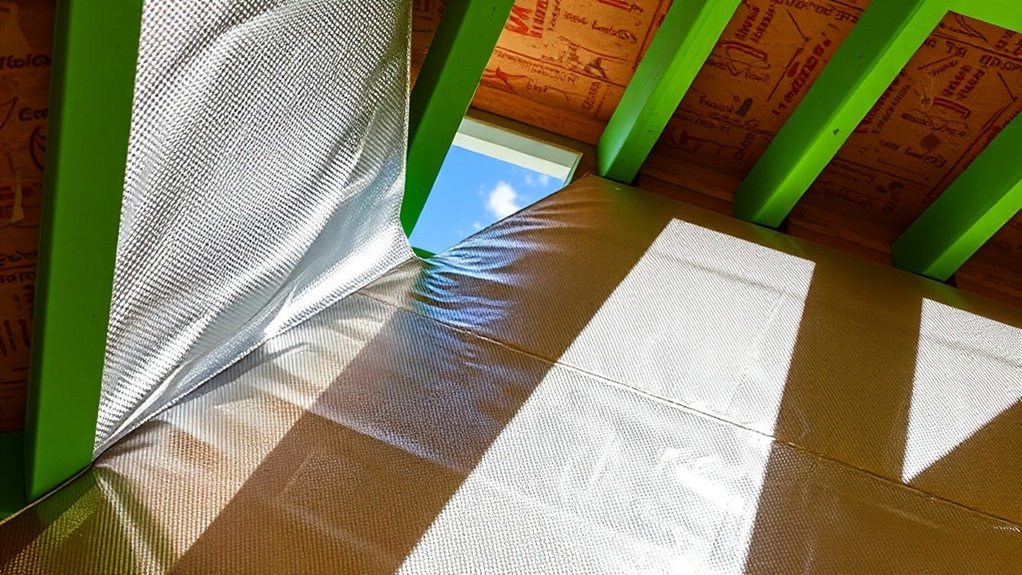
Understanding roof insulation is crucial for improving energy efficiency and ensuring indoor comfort, particularly as energy prices continue to climb. A well-insulated roof serves as a thermal barrier, reducing heat loss in winter and heat gain in summer. This helps maintain stable indoor temperatures, easing the burden on your heating and cooling systems.
The UK government estimates that effective roof insulation can reduce heating and cooling costs by up to 15%. By significantly cutting heat loss—by around 25%—you not only save on energy bills but also contribute to energy conservation. Additionally, proper insulation can lead to long-term savings on energy expenses, making it a wise investment.
Furthermore, proper insulation helps control moisture, prevents mould growth, and enhances indoor air quality. Overall, investing in roof insulation boosts comfort and promotes sustainability in energy use.
Types of Roof Insulation Materials and Their Effectiveness
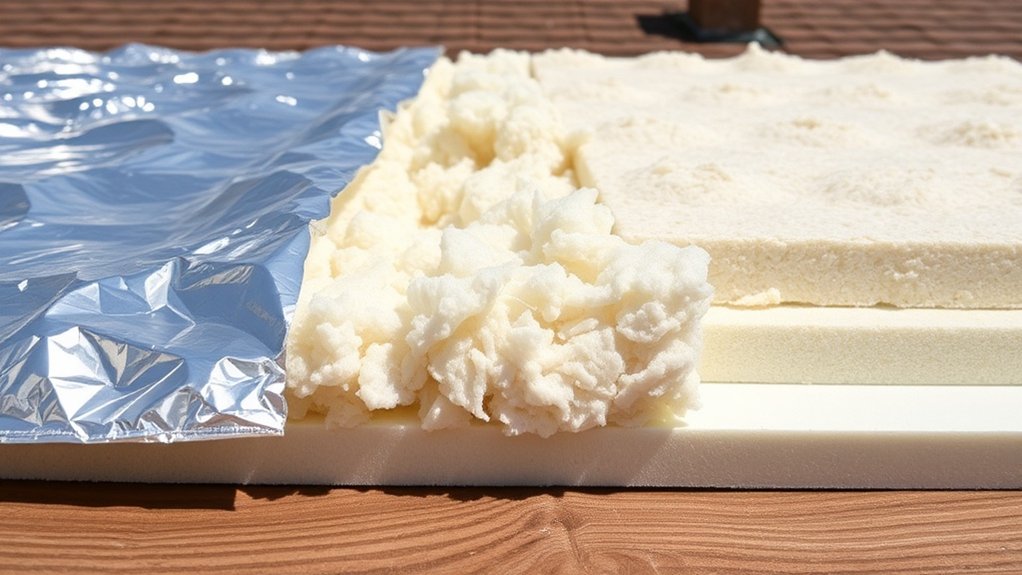
Selecting the appropriate roof insulation material can significantly enhance your home’s energy efficiency and comfort. Here’s a straightforward comparison of commonly used materials based on their properties:
| Material | R-Value per Inch | Cost per Sq Ft |
|---|---|---|
| Extruded Polystyrene (XPS) | 5 | Mid-range |
| Expanded Polystyrene (EPS) | 4.6 | Budget-friendly |
| Polyisocyanurate (Polyiso) | 6 | £0.65-£0.85 |
| Fibreglass Batt | Varies | £1-£1.50 |
| Reflective Foil | 3-17 | £0.30-£0.65 |
When comparing insulation options, keep these characteristics in mind to achieve optimal thermal performance. Each material has its own benefits and drawbacks that can affect your choice based on your specific roofing requirements. Notably, Polyisocyanurate Roof Insulation offers a high initial R-value of 6.8 per inch, making it an effective option for energy efficiency. Additionally, fibreglass insulation provides good thermal performance and is a popular choice among homeowners for its cost-effectiveness.
Advanced Roof Surface Mitigation Strategies
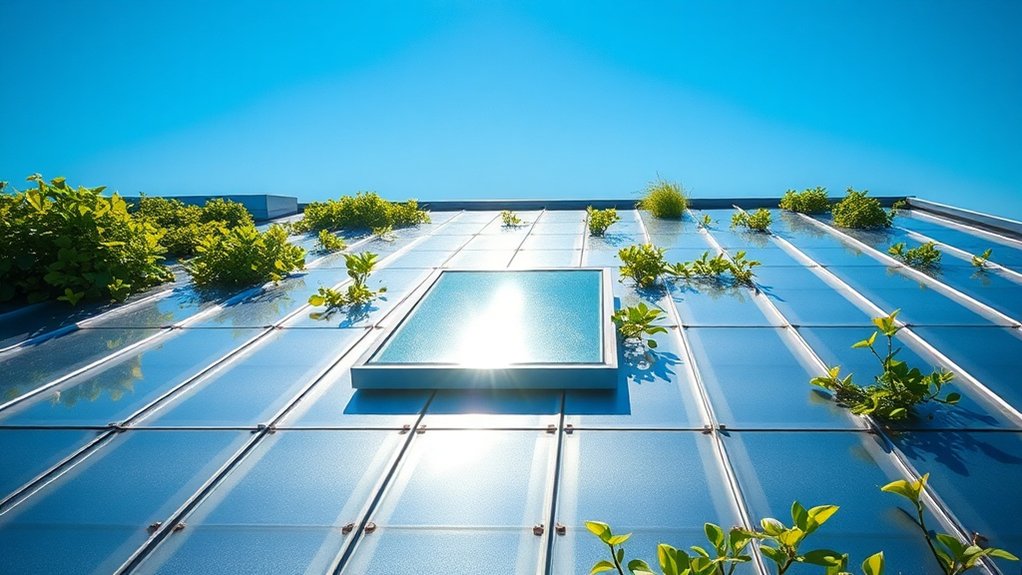
As the demand for energy efficiency grows, adopting advanced roof surface mitigation strategies is crucial for optimising thermal performance and cutting energy costs.
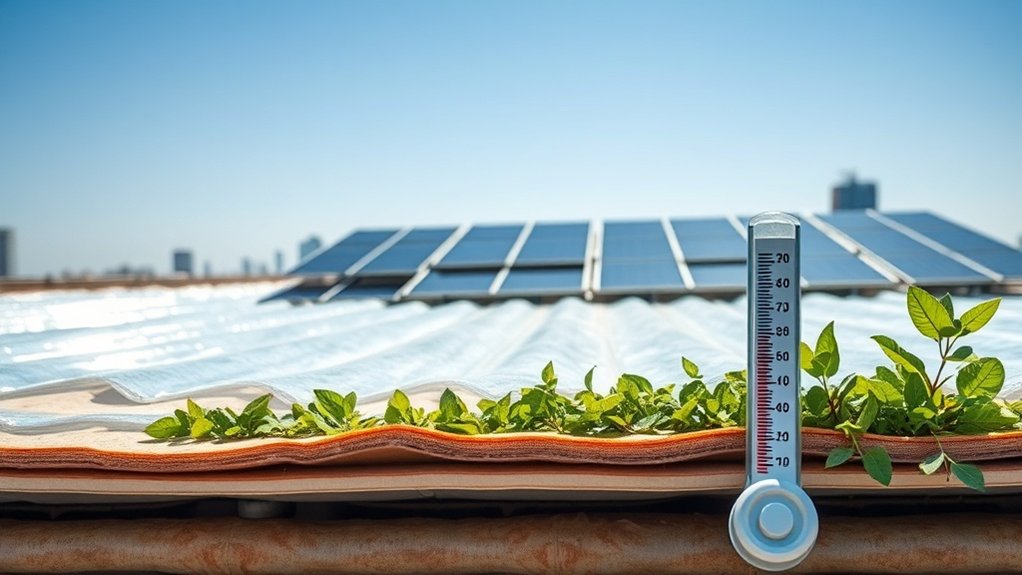
Cool roofs, which use reflective coatings, can reduce roof surface temperatures by 30-40%, significantly lowering your building’s cooling needs. When paired with photovoltaic (PV) systems, they form PV cool roofs, boosting energy generation while preserving thermal efficiency. Solar roofing integrates PV cells, generating electricity and providing waterproofing, making it an excellent complement to cool roofs. Additionally, extensive green roofs can provide effective insulation, reducing heat absorption and combating urban heat island effects through their unique vegetation layers.
Green roofs also provide effective insulation, reducing heat absorption and combating urban heat island effects. They cool roofs through evapotranspiration and improve air quality.
Regular maintenance, such as cleaning reflective surfaces and checking vegetation health, is vital to maintain these benefits. By integrating these strategies, you enhance energy efficiency and contribute to a more sustainable environment.
Best Practices for Installation and Maintenance

Proper installation and maintenance of roof insulation are crucial for boosting energy efficiency and avoiding future problems.
Start by choosing materials suited to your climate and the necessary R-values, ensuring thorough surface preparation. Use effective installation methods, such as mechanically securing the bottom layer and adhering the top layer with compatible adhesives. Check insulation thickness and alignment regularly to prevent compression or gaps.
Make it a habit to inspect fasteners and adhesive applications to ensure everything is secure. Incorporate vapour control measures to reduce moisture movement and use continuous sealing to tackle thermal bridging.
Economic and Environmental Benefits of Roof Insulation
Effective roof insulation boosts energy efficiency and offers significant economic and environmental benefits. By lowering heating and cooling needs, you can save up to 13% on energy bills. This not only provides direct savings for households but also supports the insulation industry, which employs over 1.8 million people and generates around £3.3 billion in tax revenues.
Furthermore, better insulation helps reduce greenhouse gas emissions, contributing to a healthier planet. With the insulation sector valued at £24.9 billion in 2022, investing in roof insulation is a smart choice that pays off.
Frequently Asked Questions
How Does Roof Insulation Affect Indoor Air Quality?
Roof insulation significantly improves indoor air quality by blocking outdoor pollutants from entering your home, leading to a more comfortable and energy-efficient living space. It helps to reduce moisture accumulation, lowers allergens, and enhances the performance of your heating and cooling systems, creating a healthier environment for you and your family.
Can I Install Roof Insulation Myself?
You can install roof insulation yourself if you’re well-prepared. Gather the necessary tools, wear protective gear, and follow proper installation methods. Be sure to understand any technical requirements and local building regulations before starting your DIY project. For example, check if your area has specific guidelines on insulation types or thickness. This will ensure your work is compliant and effective.
What Is the Lifespan of Roof Insulation Materials?
The lifespan of roof insulation materials varies: fibreglass can last up to 100 years, cellulose around 80 years, and spray foam approximately 80 years. To ensure longevity and performance, regular maintenance, such as controlling moisture, is essential.
How Does Roof Insulation Impact Noise Reduction?
Roof insulation significantly improves soundproofing. By selecting appropriate materials such as fibreglass or mass-loaded vinyl, you can effectively reduce noise transmission, creating a quieter and more comfortable living space for everyone in your home. For instance, if you live near a busy road, proper insulation can help dampen the sound of traffic, making your indoor environment far more peaceful.
Are There Any Rebates for Installing Roof Insulation?
Yes, there are rebates available for installing roof insulation in the UK. By opting for energy-efficient insulation, you can benefit from various energy efficiency incentives. These rebates often depend on the insulation’s R-value and usually require that the work is carried out by qualified contractors to qualify.
Conclusion
Improving the thermal performance of your roof insulation goes beyond just comfort; it’s about efficiency, sustainability, and saving money. By selecting the right materials and ensuring proper installation and maintenance, you can significantly boost your home’s energy efficiency.
For instance, high-quality insulation can keep your home warmer in winter and cooler in summer, leading to reduced energy bills. Over time, these savings can be substantial. Additionally, using effective insulation contributes to a more sustainable environment by minimising energy consumption.
Invest in roof insulation today for a cosier home, lower energy costs, and a positive impact on the planet tomorrow.


