
CDM Regulations for Roofing Projects: A Contractor’s Guide
The CDM Regulations 2015 are crucial for roofing projects, ensuring safety from start to finish. As a contractor, you need to follow these regulations by appointing a Principal Contractor for more complex jobs, obtaining necessary permits like Hot Work or Working at Height, and regularly checking compliance documentation. Implementing health and safety measures, such as providing proper respiratory protection and ensuring workers receive adequate training, is vital for protecting everyone on site. For a deeper understanding of these regulations and best practices, continue exploring further.
Key Takeaways
- Comply with the CDM Regulations 2015 by appointing a Principal Contractor for roofing projects that involve multiple contractors.
- Secure essential permits such as Hot Work, Confined Space, and Working at Height to prevent project fines.
- Carry out detailed risk assessments and plan effectively to manage hazards during the roofing project.
- Ensure all workers receive proper safety training and are provided with suitable PPE to keep them safe on-site.
- Regularly update compliance documentation to reflect any changes in project scope or regulations.
Overview of CDM Regulations in Roofing Projects

If you’re planning a roofing project in the UK, it’s important to know that the Construction (Design and Management) Regulations 2015 (CDM) apply to all projects, big or small. These regulations are designed to improve safety throughout your project, starting from the pre-construction phase. Effective planning and a detailed risk assessment are key; they help you spot potential hazards and put measures in place to manage them. Compliance with CDM 2015 is a legal requirement for clients and contractors, ensuring best practices in health and safety management. If your project involves multiple contractors, you need to appoint a Principal Contractor. This role is crucial for developing and maintaining safety protocols on-site.
Key Health and Safety Considerations
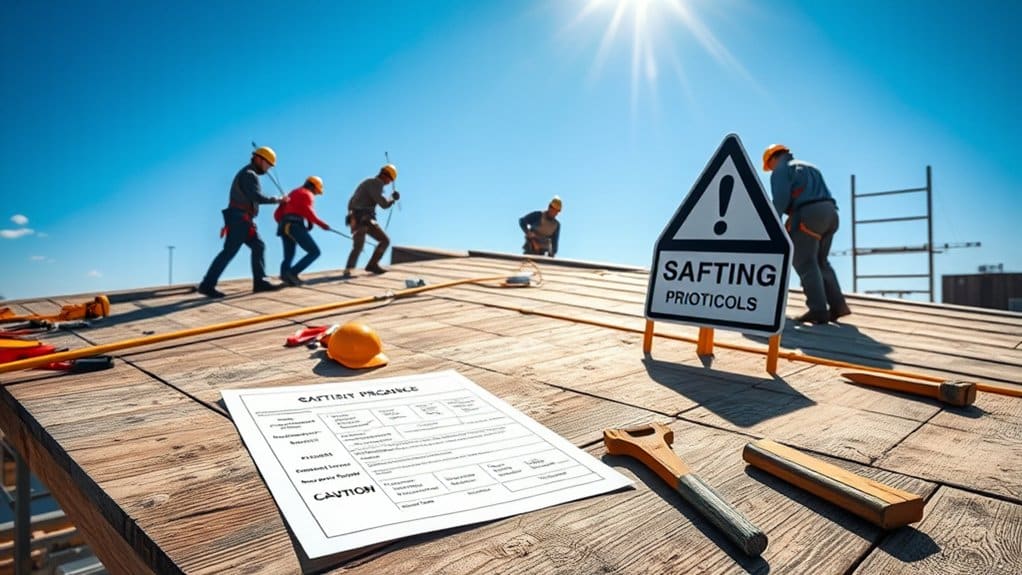
When undertaking roofing projects, it’s crucial to wear respiratory protection to guard against harmful dust and fumes. Consider how your work might affect the health of local residents, ensuring you take steps to reduce any negative impact. Additionally, ensure that you are aware of any residual hazards that may be present on-site, as this information is vital for creating a safe and responsible work environment. Both of these factors are vital for creating a safe and responsible work environment.
Respiratory Protection Equipment
Respiratory protection equipment is essential for keeping workers safe on roofing projects from harmful airborne pollutants. It’s important to evaluate the types and levels of contaminants, such as silica dust and asbestos, to choose the right respirator. Conducting regular fit tests ensures the equipment is properly fitted and functioning effectively, providing maximum protection. Training workers on how to use and maintain their respirators is crucial; they must understand how to care for their gear to ensure it remains effective. A strong respiratory protection programme, including medical evaluations, isn’t only a legal requirement but also a commitment to worker safety. Additionally, employers must ensure that all safety measures, including OSHA regulations, are implemented on job sites.
Community Health Impact
Construction projects can significantly affect community health, so it’s crucial to consider the impact on local residents. Effective noise management strategies are essential to minimise disturbances and reduce stress levels.
Implementing vibration control measures can help prevent structural damage and disruptions to daily routines. Monitoring air quality and controlling dust is vital for protecting respiratory health, while proper waste management avoids environmental hazards.
It’s also important to assess how your project might disrupt local amenities and traffic flow, planning ahead to minimise inconvenience. By prioritising these health and safety factors, you not only safeguard your workers but also the wider community. Additionally, ensuring compliance with health and safety regulations can further enhance community protection during roofing projects.
Understanding Dust Control Measures
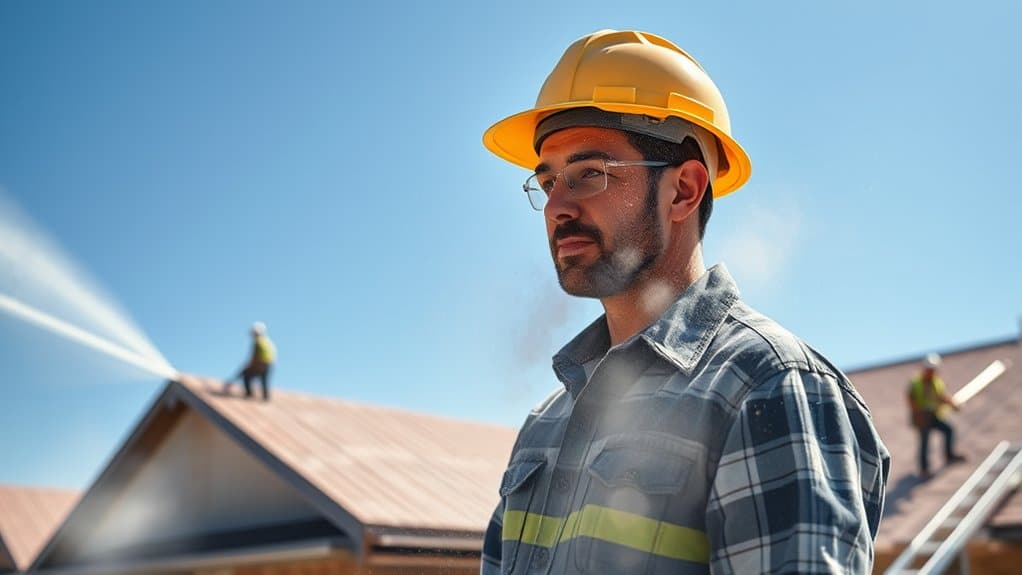
Effective dust control measures are crucial for maintaining air quality and protecting public health during roofing projects.
To ensure compliance and safeguard the community, consider these dust monitoring and mitigation strategies:
- Daily Wetting: Water disturbed soil and unpaved driveways at least three times per shift, particularly in sensitive areas.
- Wind Monitoring: Use upwind/downwind particulate monitors for high-risk projects to effectively track dust levels.
- Particulate Measurement: Position monitors at site boundaries to measure fugitive dust emissions, and keep daily records of dust control actions.
- Community Engagement: Put up signage with hotline numbers for public reporting and ensure third-party inspections for transparency and accountability.
Developing a Comprehensive Dust Control Plan

When developing a comprehensive dust control plan for roofing projects, it’s crucial to focus on dust mitigation from the beginning. Start by assessing dust risks through careful material selection and planning during the design phase. Opt for low-dust alternatives and implement engineering controls, such as water suppression systems. Monitor high-risk activities and ensure proper ventilation. Here’s a straightforward table to guide your approach:
| Strategy | Action | Purpose |
|---|---|---|
| Material Selection | Choose low-dust options | Reduce airborne particles |
| Engineering Controls | Use water suppression systems | Minimise dust generation |
| Procedural Modifications | Implement rotational work schedules | Limit exposure duration |
| Activity Analysis | Identify dust-generating tasks | Pinpoint high-risk areas |
| Emergency Protocols | Establish response procedures | Address overexposure incidents |
Compliance Requirements and Permitting

When planning a roofing project, it’s crucial to understand the necessary permits and compliance documentation.
Ensure that you obtain all required permits, especially for notifiable projects, to avoid any penalties.
For example, if you’re replacing an entire roof, you may need to notify your local council.
Proper documentation not only helps with compliance but also enhances risk management and safety on site.
Necessary Permits Overview
Understanding the necessary permits for roofing projects is vital for compliance with CDM Regulations. Knowing the types of permits required ensures safety and adherence to legal standards.
Here are the key permits you’ll need:
- Hot Work Permit – Required for any tasks that involve open flames, such as welding or cutting.
- Confined Space Permit – Necessary for working in areas with limited access and potential ventilation issues, like inside roof voids.
- Working at Height Permit – Needed when accessing roof edges or handling fragile materials, ensuring proper safety measures are in place.
- Site-specific Permits – For jobs located near hazardous areas, such as electrical installations or chemical storage.
Always check local regulations to ensure compliance.
Compliance Documentation Essentials
To ensure compliance with CDM Regulations during your roofing project, it’s essential to gather and maintain key documentation. Use clear formats that help all stakeholders understand their roles and responsibilities. Important documents include:
| Document Type | Purpose |
|---|---|
| Pre-Construction Information | Outlines project details and stakeholder roles |
| Construction Phase Plan | Details health and safety management plans |
| Health and Safety File | Contains project data and maintenance information |
| Compliance Checklist | Confirms that all necessary documentation is in order |
Make a habit of regularly reviewing and updating these documents to reflect any changes in the project. This practice is crucial for demonstrating compliance and ensuring safety on site.
Best Practices for Worker Safety and Community Health

Ensuring worker safety and community health during roofing projects demands a proactive approach that incorporates best practices into everyday operations.
Here’s how to do it effectively:
- Thorough Worker Training: Provide comprehensive safety training to your team to reduce risks on the job.
- Regular Risk Assessments: Continuously identify potential hazards and take preventive measures to mitigate them.
- Use of PPE: Ensure all workers are equipped with the appropriate personal protective equipment to protect against falls and injuries.
- Community Consideration: Manage site activities carefully to minimise risks for local residents, including proper waste disposal and managing noise levels. Additionally, implementing emergency repair services can help quickly address any unforeseen issues that may arise during roofing projects, ensuring community safety and satisfaction.
Technological Innovations in Dust Management
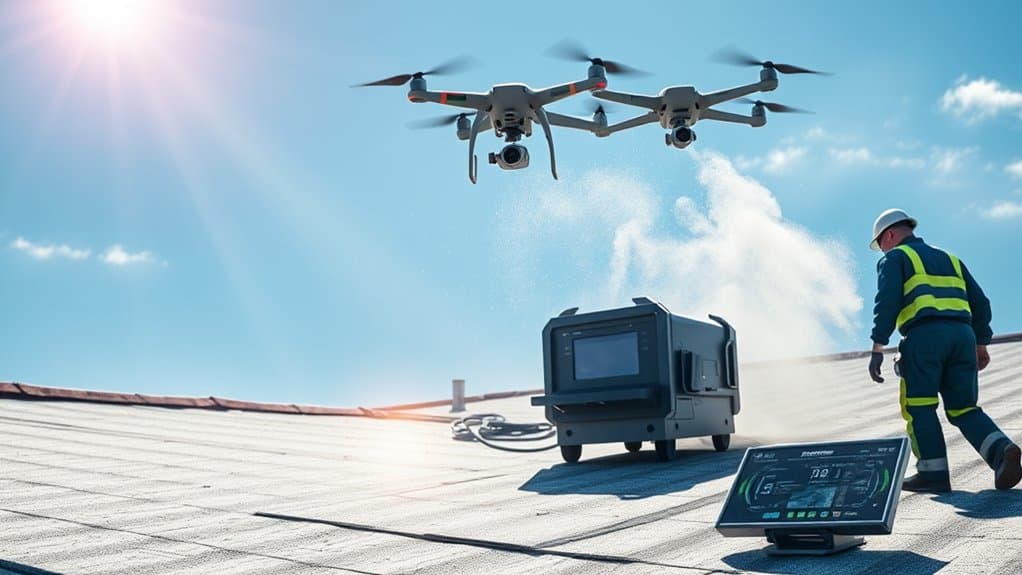
Dust management technologies have significantly advanced, providing effective solutions that improve safety and efficiency across various industries.
Modern techniques, such as fog cannons, produce ultra-fine water droplets that effectively bind to airborne dust, all while using minimal water.
Smart monitoring systems, powered by IoT and AI, can predict dust emissions, enabling proactive adjustments to suppression methods.
Nanotechnology is also making strides in capturing dust particles, while biological alternatives offer eco-friendly options to conventional chemicals.
Automated ventilation systems and real-time monitoring further enhance air quality, creating a safer work environment.
Legal and Financial Implications of Non-Compliance

Effective dust management technologies not only improve safety but also ensure compliance with the Construction (Design and Management) Regulations (CDM). Ignoring these regulations can result in significant legal and financial consequences.
Here are some critical points to consider:
- Enforcement Actions: The Health and Safety Executive (HSE) has the authority to prosecute for failure to comply.
- Severe Penalties: Fines can be substantial, ranging from £80,000 to over £900,000, impacting your financial resources.
- Reputation Damage: Non-compliance can tarnish your company’s reputation, risking future contracts and opportunities.
- Increased Costs: Legal disputes and project delays can considerably inflate your expenses.
Additionally, local building regulations often impose unique requirements that further complicate compliance efforts, making it essential to stay informed.
Being compliant isn’t merely about adhering to regulations; it’s crucial for safeguarding your business and delivering quality service to your clients.
Frequently Asked Questions
What Are the Specific Dust Control Laws in My Region?
To find out the specific dust control laws in your area, consult your local council and relevant government regulations. These guidelines typically outline the necessary measures, limits, and plans required to ensure compliance and safeguard public health. For instance, construction sites often need to implement dust suppression techniques like water spraying or the use of dust nets. Stay informed and proactive.
How Can I Train My Team on Dust Management?
To train your team on dust management, use interactive methods such as practical exercises and expert presentations. Introduce dust suppression techniques and encourage team participation to improve understanding and ensure effective application on-site. For example, demonstrate how to use water sprays or dust suppressants during activities to illustrate their impact. Keep the training straightforward and engaging to facilitate learning.
What Tools Are Best for Monitoring Air Quality?
When selecting air quality monitors, you’re not just following procedures; you’re protecting health. Opt for devices that provide real-time data, are weatherproof, and offer cloud integration for effective monitoring and compliance. Your team and community will appreciate the effort.
How Do I Budget for Dust Control Measures?
To budget for dust control measures, start by estimating costs for various mitigation strategies, such as suppression systems or covers. Consider the initial investment alongside potential long-term savings. For instance, if you’re managing a construction site, investing in a water spraying system may reduce dust complaints and improve site safety, ultimately saving money on potential fines. Don’t forget to take into account the size of the area and any environmental impacts to ensure accurate planning.
What Should I Do if I Receive a Dust Complaint?
Did you know that 75% of dust complaints can be resolved through effective communication? When you receive a dust complaint, quickly assess the situation, engage with the local community, and take immediate dust control measures. This approach helps to maintain good relations and demonstrates your commitment to addressing concerns. For instance, if a neighbour reports dust from construction work, consider dust suppression techniques like watering down the area or using barriers to minimise the impact.
Conclusion
In summary, following CDM regulations is crucial for your roofing projects. Construction dust causes over 4,000 deaths each year in the UK. By implementing effective dust control measures and prioritising worker safety, you protect not only your team but also the health of your community. Staying compliant helps you avoid legal and financial issues, while adopting best practices ensures a safer, healthier work environment for everyone.


