

The Most Common Emergency Roof Repairs in the UK
The most common emergency roof repairs in the UK include issues like poorly installed flashing, missing tiles, and damage from severe weather. These problems can cause leaks and compromise the structural integrity of your home. Uplifted materials and insufficient attic ventilation can worsen these issues, leading to further leaks. If you spot signs of a leak or missing roof tiles, it’s crucial to act quickly to prevent further damage and expensive repairs. Regular maintenance, such as inspections and clearing out gutters, can help avoid these emergencies. To learn how to better protect your roof, consider digging deeper into the subject.
Key Takeaways
- Leak Repairs: Tackling water leaks from damaged flashings or poorly placed tiles is a common emergency repair in the UK.
- Missing Tile Replacement: Quickly replacing missing tiles prevents further interior damage and reduces the risk of mould growth.
- Gutter Repairs: Repairing damaged gutters is crucial for effective water drainage and preventing leaks during heavy downpours.
- Flashing Repairs: Emergency repairs often involve fixing or re-installing flashings that have been incorrectly fitted to stop water from seeping in.
- Ventilation Issues: Resolving inadequate attic ventilation can help prevent condensation problems that might be mistaken for leaks, ultimately reducing the need for emergency repairs.
Common Roof Leak Causes
When it comes to roof leaks, knowing the common causes can save you both time and money. One frequent issue is incorrect flashing installation. Proper flashing at roof junctions is essential to prevent water from getting in. If it’s damaged or poorly positioned, leaks are likely to occur.
Another concern is poor underlay installation, which can prevent water from being effectively channeled to your gutters, increasing the risk of leaks. Failed underlay can lead to prolonged rain exposure and subsequently increase the likelihood of leaks into your interior. Inadequate attic ventilation can lead to condensation that may be mistaken for leaks. Ensuring proper ventilation checks can help mitigate this issue.
Additionally, improper shingle placement can allow water to seep underneath, jeopardising your roof’s integrity. Insufficient deck protection is also a problem; without proper underlayment, shingles can curl, allowing water to penetrate.
Regular gutter maintenance is vital; damaged gutters fail to direct water away from your home, leading to leaks.
Effects of Uplifted Materials

Uplifted materials on your roof can occur due to several factors, including wind deflection, water pressure, and soil expansion. These forces can compromise the integrity of your roofing system and lead to serious damage, especially in areas prone to high winds. For instance, a strong gust can lift tiles or slates, leaving your roof vulnerable to leaks and further issues. It’s crucial for homeowners to understand these causes and their potential consequences in order to manage and reduce risks effectively. Additionally, proper maintenance tips can help mitigate the effects of such damage. Taking immediate action through emergency roof repair can prevent further deterioration and safeguard your home from additional damage.
Causes of Uplifted Materials
The issue of uplifted materials in roofing systems poses a significant risk to structural integrity and waterproofing. It’s crucial to understand what causes this problem to prevent it effectively. Here are the main factors:
- Thermal expansion: Temperature differences between warmer living spaces and cooler attic areas can cause the top chord of roof trusses to lift, resulting in uplift. This phenomenon is primarily driven by roof truss uplift, which occurs when the indoor heating warms the living space beneath the trusses. Proper ventilation and insulation are essential to minimize these temperature differences.
- Wind pressure: Roofing materials, particularly single ply membranes, are often subjected to uplift from wind forces, especially at the edges of flat roofs.
- Poor fixation: Inadequately secured roof edges can worsen uplift issues, leaving roofs more exposed to external forces.
- External factors: Storms and debris can cause structural damage, leading to dislodged tiles or shingles.
Temperature fluctuations and wind speed significantly affect the likelihood of uplift. Geographic location also matters; areas like Northern England and Scotland typically experience higher wind speeds.
Consequences for Homeowners
Homeowners face serious consequences when roofing materials are uplifted, and these issues can escalate quickly if not dealt with. One major concern is water intrusion. Openings created by wind uplift can lead to leaks, resulting in significant water damage to drywall, wood, and electronic devices. This can also compromise the structural integrity of trusses and rafters, raising safety concerns. If problems are left unattended, they can lead to mould and wood rot, further endangering the home and its occupants. Regular inspections can help identify potential issues early, allowing for timely interventions.
These issues might remain hidden until another weather event occurs, creating an urgent need for repairs that can be costly. Prolonged water damage also increases the risk of slip hazards and electrical faults, posing health and safety risks. Additionally, homeowners can benefit from the expertise of professional roofing services, which can provide prompt repairs to mitigate damage.
Long-term repercussions include decreased property value and potential complications with insurance claims if uplift damage isn’t reported. Homeowners should act quickly to address these issues to keep their homes safe and secure. Regular inspections and proper installation methods can help prevent damage, but ongoing maintenance is crucial to avoid escalation.
Issues With Missing Shingles
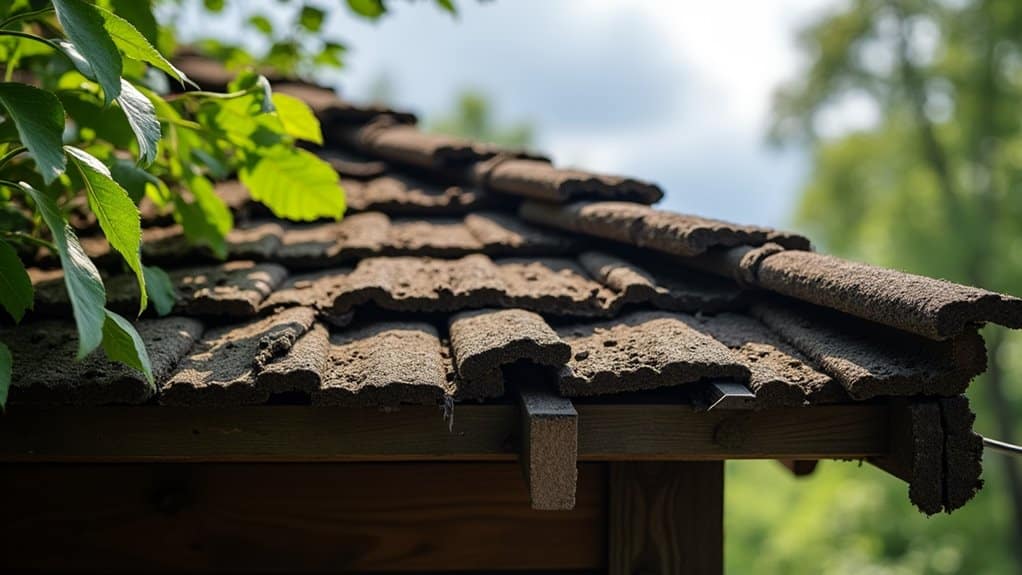
Missing shingles can lead to serious problems for your roof if not dealt with quickly. Here are some potential issues:
- Water Infiltration: Gaps from missing shingles can allow water in, risking damage to your interiors.
- Mould and Mildew: Accumulated moisture can lead to mould growth, which can harm air quality. Regularly addressing such issues can prevent structural damage and costly repairs.
- Higher Energy Costs: Poor insulation may cause your heating bills to rise.
- Structural Damage: Continued exposure can compromise your roof’s integrity, leading to costly repairs. Additionally, prompt attention to small issues is essential to prevent escalation, as neglect can result in significantly higher repair costs.
The type of shingles you choose affects your roof’s lifespan. Asphalt, wood, and metal shingles have different durability and maintenance requirements.
If you notice missing shingles, you can either replace them with similar ones or opt for a more durable type.
To ensure effective repairs, start with a temporary fix, like tarping exposed areas.
Then, arrange for a professional inspection to uncover any further issues.
Timely repairs are crucial to avoid escalating costs and safety hazards.
Punctures and Their Consequences

Punctures in your roof can lead to serious issues if not dealt with quickly. These openings can cause significant water damage, weaken the structure, and result in expensive repairs. To effectively manage punctures, it’s important to know their causes and take steps to prevent them.
| Cause of Puncture | Prevention Method | Emergency Response Action |
|---|---|---|
| Damage from Trees | Trim branches near the roof | Inspect and cover the puncture |
| Foot Traffic | Limit access to the roof | Clear debris and apply a patch |
| Roof Installations | Hire qualified professionals | Check for damage after installation |
| Accidental Tool Drops | Secure tools while working | Inspect and patch right away |
Consequences of Material Shrinkage
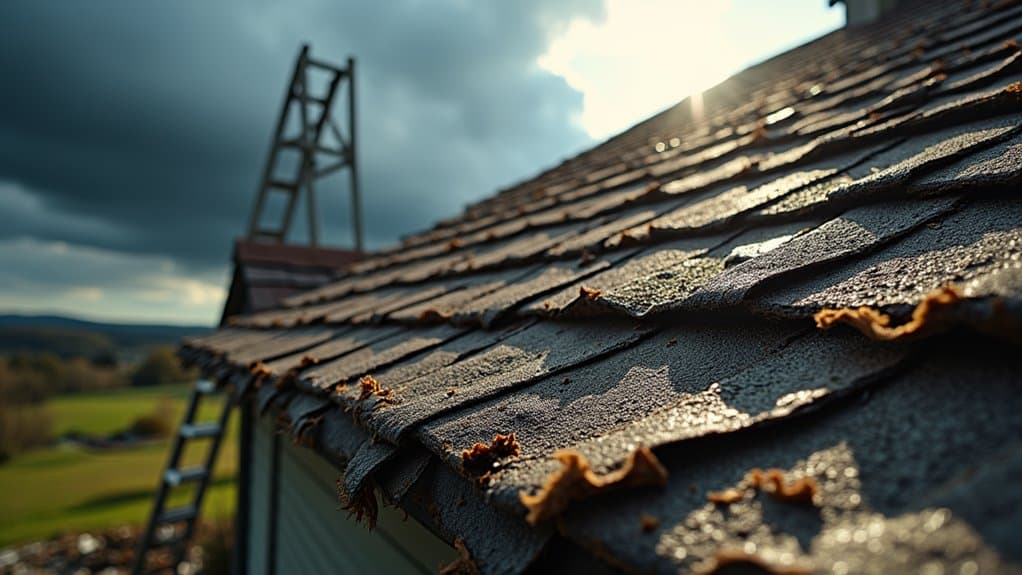
Material shrinkage on your roof can occur due to factors such as fluctuating temperatures and inadequate installation techniques.
As roofing materials contract, you may encounter significant problems like cracking, leaks, or even structural issues.
For instance, a small crack can lead to water damage over time, compromising the overall integrity of your roof.
Being aware of these consequences is crucial for ensuring the longevity and reliability of your roofing system.
Causes of Material Shrinkage
Over time, several factors can contribute to significant material shrinkage in roofing systems, especially with EPDM membranes. Recognising these causes is vital for effective emergency roof repairs.
Here are four key contributors:
- Poor Quality Control and Installation: Incorrect installation techniques can lead to insufficient overlap and improper mixing of materials, ultimately causing shrinkage.
- Material and Design Factors: The choice of materials and roof design is crucial. Using inadequate materials, particularly for larger roofs, can worsen shrinkage, as can poor substrate preparation.
- Environmental and External Factors: Extreme temperature changes and UV exposure significantly affect the membrane, leading to expansion and contraction that accelerates degradation.
- Aging and Maintenance Issues: Natural ageing diminishes the elasticity of EPDM membranes.
Without regular maintenance, initial signs of shrinkage can worsen, resulting in more severe damage and costly repairs.
Impact on Roof Integrity
Roof integrity is crucial for the overall safety and performance of a building. When roofing materials shrink, seams and attachments can become exposed, leading to water leaks. This not only causes interior damage but also damp insulation, significantly reducing the roof’s protective qualities. Severe shrinkage can even compromise structural stability, requiring immediate repairs for safety.
Furthermore, unchecked shrinkage speeds up roof deterioration and shortens its lifespan, making regular inspections essential. Choosing high-quality materials is vital; substandard options are more prone to shrinkage, resulting in higher repair costs and possible insurance issues.
The implications go beyond structural integrity; water damage can lead to mould growth, which affects indoor air quality and poses health risks. Additionally, damp conditions can invite pests, and the presence of water increases the risk of electrical hazards.
To minimise these risks, ensure proper installation and conduct routine maintenance. By addressing issues promptly and consulting a professional roofer when necessary, you can protect your roof’s integrity, extend its lifespan, and avoid costly emergency repairs down the line.
Weather-Related Roof Damage
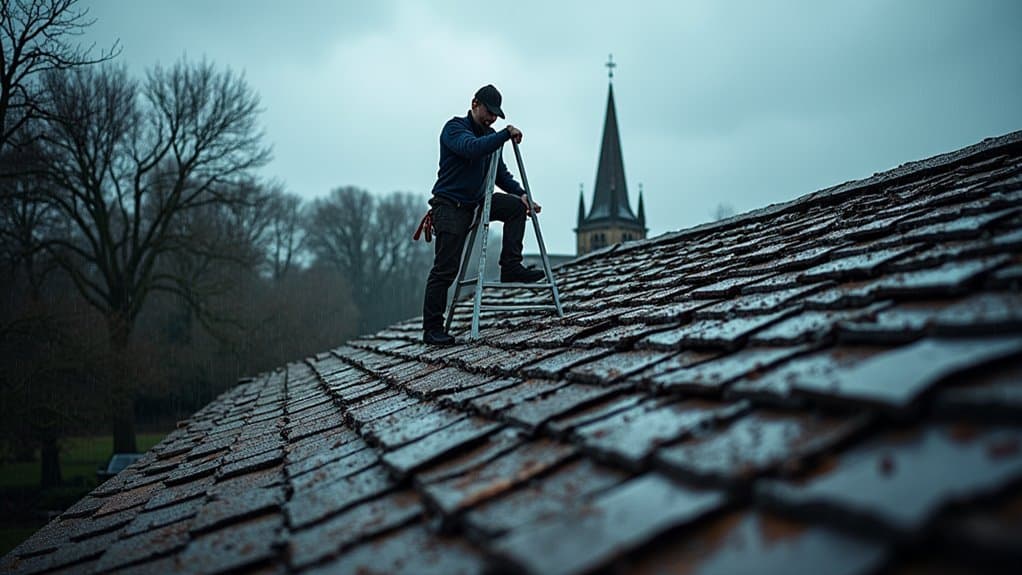
Weather-related roof damage can cause serious structural problems and expensive repairs if not dealt with quickly. Rain, strong winds, and other weather conditions can weaken your roof.
Here are some common types of weather-related roof damage to watch for:
- Damaged Flashings: Wind and rain can bend, crack, or dislodge flashings.
- Leaking Roofs: Continuous rainfall can seep into joints in roofing materials, leading to leaks.
- Condensation: Insufficient insulation can cause condensation, damaging the roof structure and creating damp issues.
- Blocked Gutters: Leaves may block gutters, causing water to pool and potentially leading to structural damage.
These problems often occur during extreme weather events like heavy rain, strong winds, and snow.
The financial impact can be considerable, with the insurance industry paying out millions in claims. By being proactive and addressing these issues promptly, you can preserve your roof’s integrity and cut down on repair costs.
Regular inspections and seeking professional help are essential to ensure your roof can withstand the elements effectively.
Importance of Regular Maintenance

Regular maintenance is crucial for the longevity and functionality of your roof. By following a structured maintenance checklist, you can spot and address issues before they turn into expensive emergencies. Here are the key benefits of regular maintenance:
| Benefits | Details |
|---|---|
| Prevents Leaks and Water Damage | Regular inspections help identify minor leaks early, preventing extensive damage and mould growth. |
| Extends Roof Lifespan | Cleaning gutters and tackling small problems can prevent structural damage and delay the need for replacement. |
| Enhances Property Value | A well-maintained roof is attractive to buyers and can boost your property’s resale value. |
Scheduling regular roof inspections can improve your roof’s energy efficiency, leading to lower heating and cooling bills. Sealing gaps and ensuring proper insulation help maintain comfortable internal temperatures and provide long-term savings. Moreover, keeping a record of maintenance demonstrates your commitment to upkeep and enhances your property’s appeal in the market.
Neglecting roof maintenance can lead to serious issues, but by taking a proactive approach, you can protect your investment and enjoy peace of mind.
Emergency Repair Services Overview

When faced with unexpected roof damage, quick access to emergency repair services is crucial to prevent further harm. These services offer immediate responses, often available 24/7, to tackle urgent roofing issues. Upon your call, professionals can typically arrive within an hour to assess the situation and implement necessary measures.
Here’s what you can expect during an emergency roof repair:
- Initial Assessment: Inspecting the damaged area for visible issues and hazards.
- Safety Precautions: Securing the area to prevent additional damage or injury.
- Temporary Fixes: Applying solutions such as tarpaulins, sealants, or securing loose tiles.
- Thorough Repairs: Addressing leaks, insulation, and structural problems to maintain integrity.
Emergency roofers are skilled in handling various issues, including leaks and fallen debris. Their focus on temporary fixes helps protect your property until more comprehensive repairs can be scheduled.
Acting swiftly can safeguard your home against further deterioration and costly repairs.
Cost Implications of Repairs
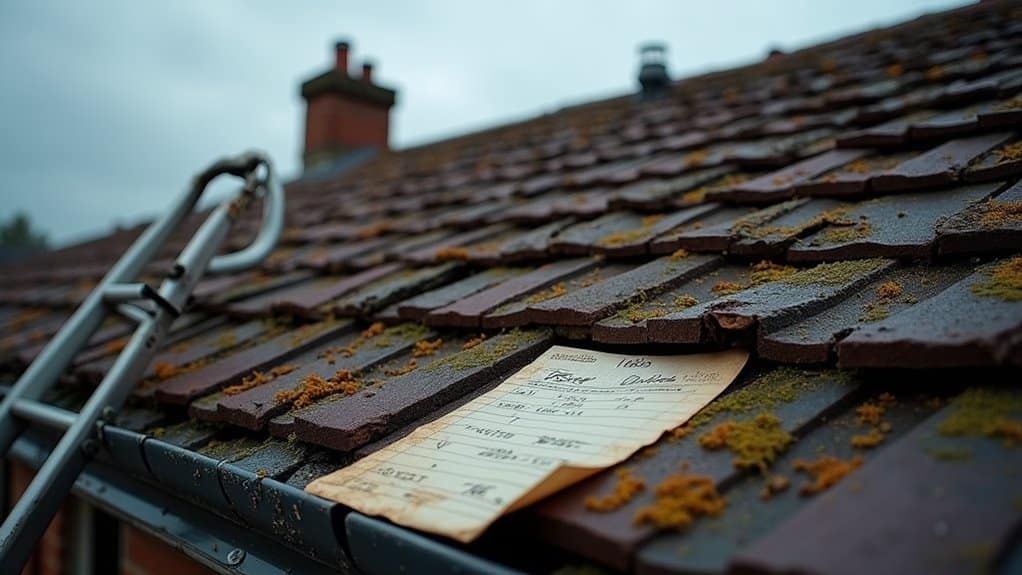
The cost of emergency roof repairs can vary widely based on several key factors. When dealing with a roofing problem, it’s essential to consider the repair costs related to the type of material, accessibility, and the extent of the damage.
| Repair Type | Average Cost (£) | Factors Affecting Cost |
|---|---|---|
| Roof Leak Repair | 30 – 200 | Severity and material type |
| Gutter Cleaning | 100 – 450 | Accessibility and location |
| Roof Cleaning | 400 – 600 | Size and material type |
| Roof Coating | 1,500 – 2,500 | Material longevity |
Your location and the time of year also significantly impact the overall expense. For instance, emergency repairs during busy seasons can lead to higher prices due to increased demand. Additionally, the lifespan of your roofing material can affect long-term costs; for example, slate roofs may be more economical over time because of their durability. By understanding these factors, you can make better-informed decisions about your emergency roof repairs.
Frequently Asked Questions
How Can I Identify Roof Damage Early?
To identify roof damage early, carry out regular visual inspections. Look for tell-tale signs such as curled or missing tiles, water stains on ceilings, and sagging gutters. Spotting these issues swiftly can help you avoid more extensive and expensive repairs later on.
What Should I Do During a Roof Leak Emergency?
In a roof leak emergency, act quickly. Start by collecting any water pooling in buckets or containers to prevent further damage. Isolate the affected area by moving furniture and valuables out of the way. Next, try to locate the source of the leak — look for water stains or damp patches on the ceiling.
If you’re comfortable doing so, inspect the roof from a safe location, like a ladder or the ground, to identify obvious issues like missing tiles or damaged flashing. Use temporary patches, such as tarpaulin or waterproof tape, to cover any holes until a professional can make permanent repairs. Remember, safety first — don’t attempt to climb onto the roof if it’s unsafe.
Can I Perform Emergency Repairs Myself?
Yes, you can carry out emergency repairs yourself, provided you take safety precautions. For minor damage, use temporary fixes like patches or liquid repair products. Just ensure that the materials you use are compatible and won’t undermine the structure’s integrity. For example, if you have a small leak in a pipe, a quick application of plumber’s tape can hold until a proper repair is made.
How Long Does an Emergency Roof Repair Usually Take?
When storms hit, every minute counts. Emergency roof repairs can take anywhere from thirty minutes for a minor leak to several hours for more extensive damage. This highlights the need for a quick response to minimise risks and costs. For example, a small leak can be patched up swiftly, but a more serious issue, like a damaged section of the roof, requires more time and effort to fix properly.
Will My Insurance Cover Emergency Roof Repairs?
Most insurance policies in the UK cover emergency roof repairs, but it’s crucial to check the specifics of your coverage. Damage caused by storms or fallen trees is usually included, whereas issues arising from lack of maintenance typically aren’t. Take a moment to review your policy for the details.
Conclusion
When it comes to emergency roof repairs, addressing issues quickly can prevent serious problems later on. Common issues like leaks, lifted tiles, or missing slates should not be ignored. Being proactive can save you both stress and money. Regular maintenance is essential to keep your roof resilient against the weather. Don’t put off repairs; timely action protects your home’s integrity. Rely on professional services to manage repairs, giving you peace of mind that your roof is in good condition.


