
Comparing Roof Replacement Materials: A Buyer’s Guide
When considering a roof replacement, it's important to assess factors like cost, durability, and environmental impact. Asphalt shingles are budget-friendly but may not last as long as higher-end options like slate or metal. Labour costs typically range from £40 to £70 per hour. Regular maintenance can extend the life of your roof, so select materials that are appropriate for your local climate. Sustainable options such as metal roofs can enhance energy efficiency. By exploring these points, you can make a well-informed decision for your home.
Key Takeaways
- Cost Considerations: Asphalt shingles are the most budget-friendly option, costing between £15 and £45 per square metre. In contrast, metal roofing prices range from £60 to £210 per square metre.
- Durability: Metal and slate roofs are well-suited for challenging weather conditions and typically outlast asphalt shingles, which generally have a lifespan of 20 to 30 years.
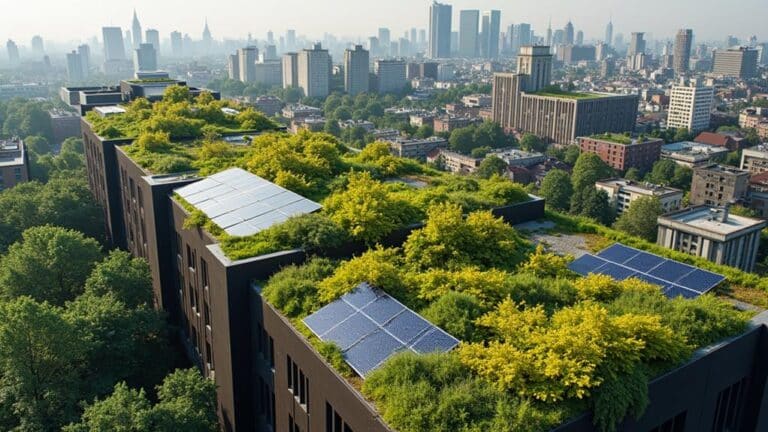
- Environmental Impact: Think about sustainable choices like metal roofs or green roofs. They not only last longer but also help in reducing energy consumption.
- Maintenance Requirements: Regular inspections and maintenance are crucial. Proper installation by skilled professionals can greatly enhance the roof's durability and structural soundness.
- Energy Efficiency: Opt for energy-efficient roofs, such as those with cool roofing technology, which can lower heat absorption and help bring down energy bills.
Overview of Common Roofing Materials

When considering a roof replacement, you'll come across several common materials, each with its own advantages and disadvantages. Asphalt shingles are widely used for their durability and cost-effectiveness, available in various styles to enhance the look of your home. Additionally, 3-Tab Asphalt Shingles are particularly popular due to their affordability and lightweight nature. Metal roofing, including options like aluminium and zinc, is known for its exceptional longevity, making it a wise choice for coastal regions. Wood shingles or shakes offer a classic, rustic charm but do require more upkeep. Premium choices like slate and tile provide distinctive appearances and can last over a century, with slate roofs boasting a lifespan of 80-150 years. Finally, flat-roof membranes, such as PVC and TPO, are tailored for specific architectural needs. Each material has its strengths, so consider your style preferences, local climate, and maintenance requirements before making a decision.
Cost Analysis of Roofing Options
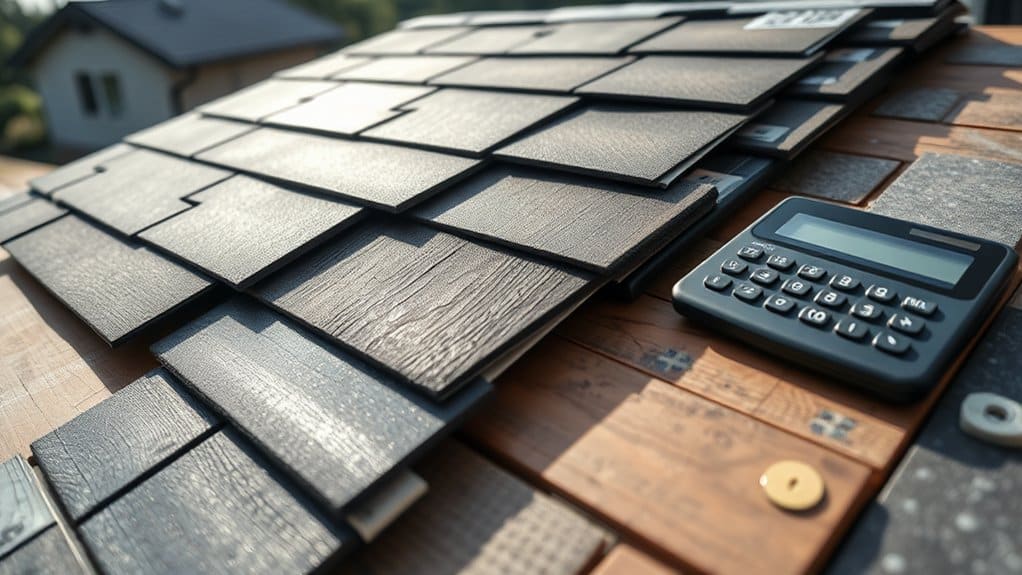
When exploring your roofing options, it's crucial to understand the cost implications to make an informed choice.
Material prices can vary significantly; for example, asphalt shingles typically cost between £15 to £45 per square metre, while metal roofing can range from £60 to £210.
Labour costs also matter, generally falling between £40 to £70 per hour depending on your area. Labor accounts for approximately 60% of total roof replacement costs, so it's essential to factor that into your budget. Additionally, unexpected structural issues can add 5-10% to total costs, emphasizing the importance of thorough assessments.
Don't forget additional expenses, such as removing the old roof and obtaining permits, which can add £10 to £45 per square metre, plus permit fees that can reach up to £800.
Remember, installation complexity and regional differences can greatly affect your overall costs.
Therefore, it's important to budget carefully to ensure a successful roofing project.
Durability and Lifespan Considerations
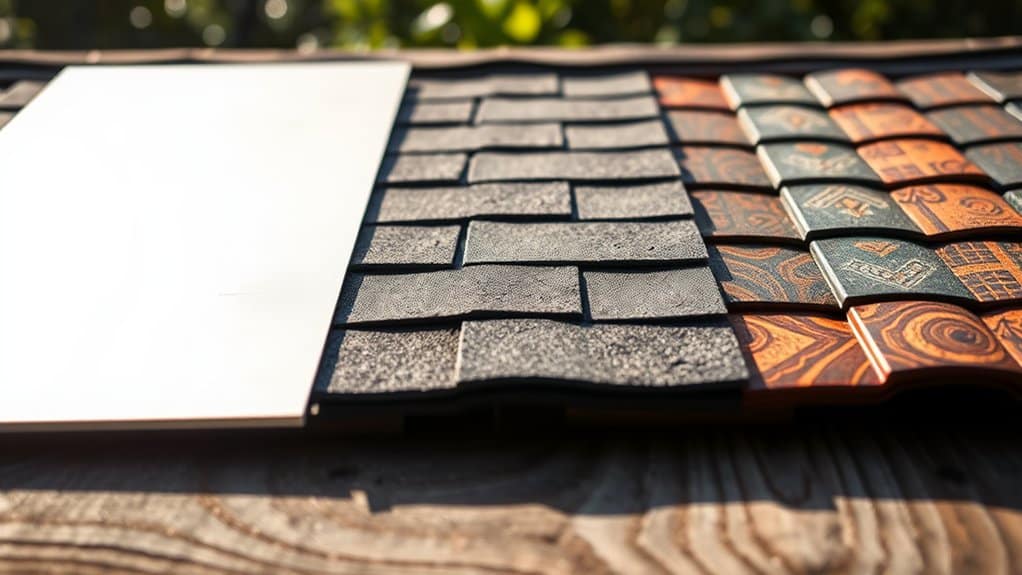
Understanding the durability and lifespan of roofing materials is crucial for a sound investment in your home.
When selecting a roofing material, consider these key factors that influence performance:
- Climate Conditions: Choose materials suited to your local weather. For instance, metal and slate are ideal for areas with harsh conditions. Additionally, proper ventilation is essential to ensure roof longevity and prevent deterioration. Environmental factors such as humidity and severe weather can significantly affect the longevity of these materials.
- Installation Quality: Ensure that skilled professionals install your roof; proper installation can significantly enhance its lifespan.
- Regular Maintenance: Make a commitment to regular inspections and maintenance to avoid premature wear and tear. Regular inspections (recommended at least twice a year) can help in early detection of issues and protect your investment in the roof.
Environmental Impact and Energy Efficiency
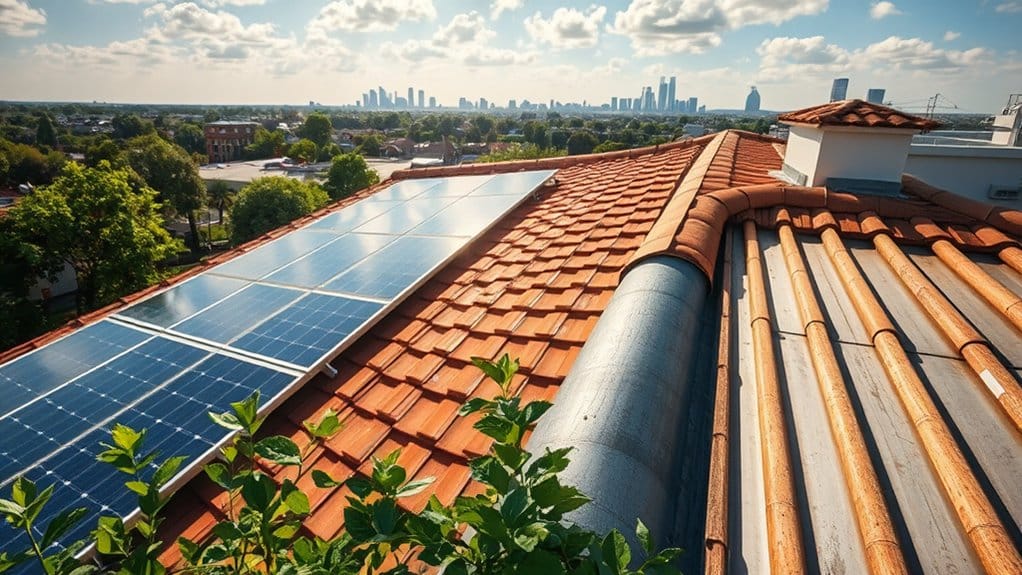
Choosing the right roofing material isn't just about durability and lifespan; it's also crucial to consider the environmental impact and energy efficiency.
Asphalt shingles are widely used but generate over 12 million tonnes of waste each year, leading to resource depletion and pollution.
On the other hand, sustainable options like metal roofs and green roofs not only last longer but also require less energy to produce. Features such as cool roofing help reduce heat absorption, improving energy efficiency.
Moreover, installing solar panels can further lessen reliance on fossil fuels. Additionally, energy-efficient roofs contribute to reduced carbon emissions and environmental sustainability.
Installation and Maintenance Requirements

When considering a roof replacement, it's vital to understand the installation and maintenance requirements to ensure a durable and effective roofing system. Proper installation techniques are crucial for the roof's longevity and structural integrity.
Here are some key points to remember:
- Preparation Phase: Check the underlying structures for any necessary repairs before installation.
- Regular Inspections: Arrange for inspections twice a year to identify potential issues early.
- Timely Repairs: Address any repairs promptly to maximize your roof's lifespan. Regular inspections can help identify these signs of issues early.
Effective maintenance strategies, such as ensuring proper ventilation to prevent moisture build-up, are essential.
Frequently Asked Questions
What Factors Affect the Overall Cost of Roof Replacement?
When planning a roof replacement, it's important to consider several key factors: labour costs, quality of materials, size of the roof, and its complexity. Each of these aspects can significantly affect the total cost, impacting both your immediate expenses and the long-term value of your property.
For example, opting for high-quality materials like slate or tiles may raise initial costs but could offer better durability and aesthetic appeal in the long run. Likewise, a larger or more complex roof design may require more skilled labour, further increasing costs. It's essential to weigh these factors carefully to ensure you make a well-informed decision.
How Do I Choose the Right Roofing Material for My Climate?
To select the right roofing material for your climate, consider how well different options cope with local weather conditions. For instance, slate and tiles are excellent for areas with frequent rain, while metal roofing can withstand heavy snow. By focusing on durability and efficiency, you'll be better equipped to make the right choice for your home.
Can I Install a New Roof Over My Existing One?
You can install a new roof over your existing one, as long as it complies with UK roofing regulations. This method can save you money and reduce labour costs. However, ensure the underlying structure is in good condition before you begin. For instance, if your current roof has multiple layers or significant damage, it may be better to strip it back first.
What Warranties Are Typically Offered With Roofing Materials?
When looking into roofing material warranties, you'll come across different levels of coverage that can enhance the lifespan of your roof. Comprehensive warranties typically cover defects, while transferable warranties can boost your property's appeal when reselling. It's wise to speak with certified contractors to ensure you're getting the best protection for your investment.
How Can I Improve My Roof's Energy Efficiency After Installation?
To enhance your roof's energy efficiency after installation, consider upgrades like reflective coatings and solar panels. Additionally, improving insulation with options such as spray foam or radiant barriers can significantly boost thermal performance. These steps not only help reduce energy bills but also create a more comfortable home environment.
Conclusion
In summary, selecting the right roofing material is crucial for your home's durability and efficiency. For instance, a metal roof can last up to 70 years, whereas asphalt shingles generally last around 20 years. This significant difference underscores the need to prioritise longevity alongside cost. As you consider your options, reflect on the long-term benefits and potential savings. By making an informed choice, you'll safeguard your investment and contribute to a more sustainable future.