

How to Budget for Roof Repairs in the UK
To budget for roof repairs in the UK, first, understand the potential costs. Minor repairs can start from around £150, while full replacements may exceed £13,000. It's wise to set aside 5% to 20% of your budget for unexpected expenses. Regular inspections can help identify issues early, saving you money in the long run. If needed, explore financing options to manage costs. Opt for durable materials to ensure longevity and reduce future expenses. With careful planning, you can effectively handle these essential home costs and maintain your roof's integrity.
Key Takeaways
- Estimate repair costs based on damage severity; minor repairs typically cost between £150 and £400, while full replacements can average £5,000 to £6,000.
- Set aside 5% to 20% of your budget for unexpected expenses, preparing for hidden damages or additional repairs.
- Schedule seasonal inspections to identify potential issues early, helping to prevent costly repairs and extending the life of your roof.
- Look into financing options, such as contractor financing and home equity loans, to help manage costs without placing undue financial pressure on yourself.
- Request multiple quotes from qualified contractors to compare prices and services, ensuring you receive fair and transparent pricing.
Understanding Roof Repair Costs

When it comes to roof repairs, knowing the costs is crucial for effective budgeting. Several factors impact these costs, including material prices, which can differ significantly between options like slate and felt. The cost of repairs can range from £150 to £1100, depending on the severity of the damage and the materials used. The average roof replacement cost in the UK is around £13,500, highlighting the importance of addressing issues promptly. The frequency of repairs and the extent of damage are also key; fixing a small leak is much cheaper than addressing significant structural problems. Labour costs are another major factor, often charged on a per-project basis.
Additionally, the time of year can influence prices, as repairs are generally less expensive during quieter seasons. To avoid unexpected expenses, it's wise to set aside 10-20% of your budget for unforeseen issues and to obtain multiple quotes from contractors. Regular roof maintenance can help keep repair costs down and your budget on track.
Types of Roof Repairs and Their Costs
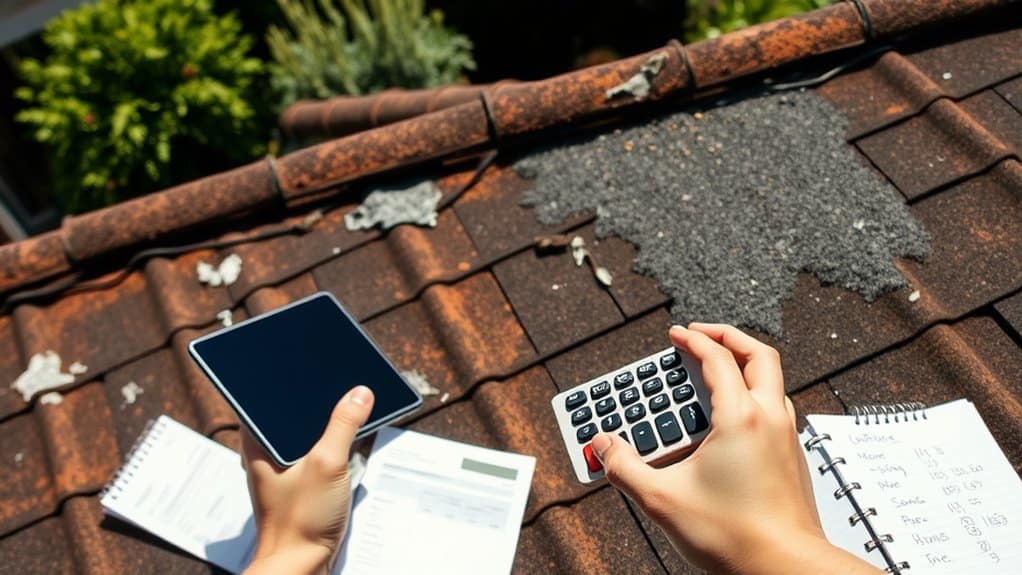
When it comes to roof repairs, it's important to grasp the costs involved with minor repairs, partial replacements, and full replacements. Minor repairs, such as replacing a handful of missing tiles, tend to be quite affordable. Additionally, regular cleaning of gutters and drains prevents water pooling, which can lead to more extensive damage and costly repairs. In contrast, partial replacements can be pricier, depending on how much damage there is, and prompt leak detection can help minimize repair costs. Full replacements are the most expensive route, but they can save you money in the long run by avoiding larger problems down the line.
Minor Repair Pricing
Minor roof repairs can vary significantly in cost, typically between £150 and £1,100. It's important to understand these costs for effective budgeting. Here's a brief overview of common minor repairs and their pricing:
| Repair Type | Cost Range | Notes |
|---|---|---|
| Leak Repair | £150 – £400 | Price depends on severity |
| Tile Replacement | £5 – £15 per tile | Basic models are usually cheaper |
| Gutter Cleaning | £35 – £85 | Regular cleaning helps prevent issues |
Tackling minor repairs promptly can save you money in the long run. Frequent repairs can increase significantly if small issues are not addressed quickly, so always obtain quotes from multiple contractors to ensure you're getting a fair price for your repairs.
Partial Replacement Expenses
Even if your roof appears robust, unforeseen damage may necessitate partial replacements, which can vary in cost due to several factors.
The materials you select significantly impact your expenses; for instance, clay and slate tiles are more expensive than standard asphalt shingles.
Moreover, the complexity of your roof and labour costs differ across regions, which can affect your budget.
For example, replacing roof tiles can cost between £170 and £500, while flashing repairs typically start at £250 per metre.
Recognising the advantages of partial replacements can help you anticipate costs more accurately.
Regular inspections can catch issues early, preventing more severe damage and unexpected bills.
It's wise to obtain multiple quotes to ensure accurate budgeting and to avoid any hidden costs. Additionally, understanding labour expenses is crucial, as they can constitute 50% to 70% of total roofing costs.
Full Replacement Costs
Understanding full roof replacement costs is crucial for effective budgeting, as these expenses can vary widely. Generally, you can expect costs to range from around £1,000 for a small garage roof to upwards of £12,000 for larger and more complex structures.
On average, a roof replacement in the UK falls between £5,000 and £6,000.
When comparing materials, it's important to know that slate roofs, while long-lasting, can significantly raise your budget compared to asphalt shingles. Additionally, consider the roof's lifespan; investing in higher-quality materials could lead to savings in the long run. Tile roofs, in particular, can offer long lifespan benefits, lasting over 50 years with proper maintenance.
Don't forget about extra costs like removing the old roof and scaffolding, which can quickly add up. Being aware of these factors will help you plan your finances effectively for a roof replacement.
The Importance of Initial Inspections
Roof repairs can be expensive, so initial inspections are crucial for spotting potential issues before they worsen. These assessments help identify early signs of trouble, such as leaks or damaged tiles, allowing for minor repairs that can save you money in the long run.
By tackling small problems quickly, you prevent major damage and prolong your roof's lifespan, which can delay the need for a complete replacement.
Regular inspections not only ensure safety but also boost your property's value, making it more attractive to prospective buyers. They also help you budget effectively for future repairs.
In short, prioritising these inspections offers long-term benefits that safeguard your investment and provide peace of mind.
Selecting Durable Materials for Longevity

When choosing materials for your roof, think about both durability and their environmental impact.
Options like clay tiles and metal roofing aren't only long-lasting but also help keep future repair costs down.
Additionally, eco-friendly materials can lower your home's carbon footprint while still providing the performance you require.
Material Durability Importance
Choosing durable materials for your roof is crucial, as it affects both its lifespan and your overall expenses.
When assessing material performance, consider how weather conditions influence your choices. Here are three key factors to keep in mind:
- Long-term cost savings: Opting for durable materials reduces the need for frequent repairs and replacements, saving you money in the long run.
- Climate suitability: Certain materials, such as metal, are more effective in rainy areas, ensuring your roof can handle the elements.
- Visual appeal: Durable materials like slate not only offer longevity but also enhance the aesthetic of your property.
Eco-Friendly Material Choices
When choosing roofing options, eco-friendly materials not only boost sustainability but also extend your roof's lifespan.
Durable choices like metal roofing and clay tiles provide significant ecological benefits, ensuring your roof lasts for decades with minimal upkeep.
Recycled shingles are an affordable, sustainable option, while solar tiles allow for renewable energy generation.
Green roofs enhance air quality and manage stormwater effectively.
Although the initial investment may be higher, the long-term savings from energy efficiency and reduced maintenance make these choices worthwhile.
Seasonal Considerations for Scheduling Repairs
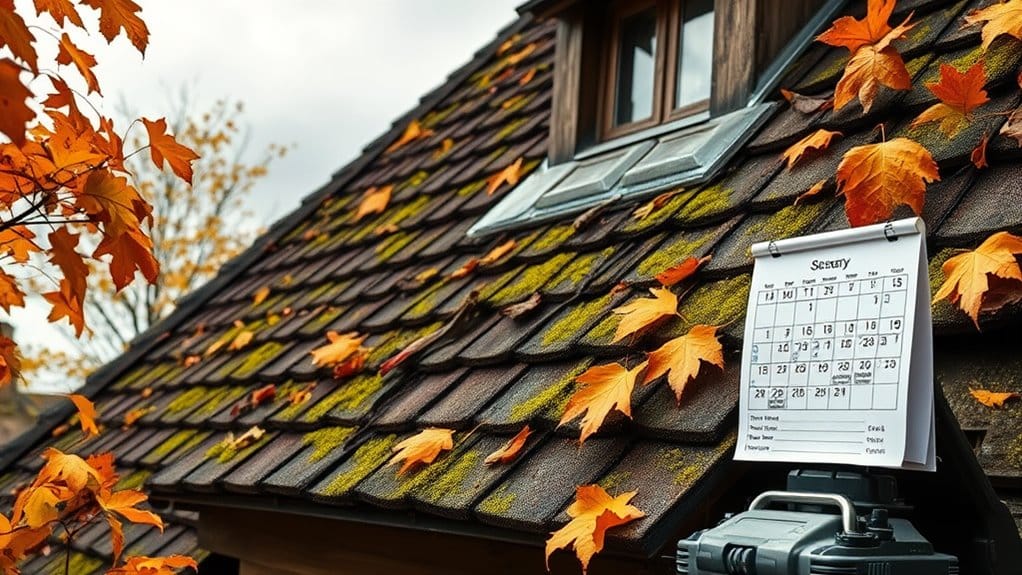
Scheduling roof repairs requires careful consideration of the seasons to ensure both the longevity of your roof and the efficiency of the work.
- In spring, focus on maintenance tasks like clearing gutters and inspecting for any damage that may have occurred over winter.
- Summer is the best time for major repairs, thanks to dry weather and longer daylight hours, which allow for quicker completion of work.
- As autumn sets in, it's wise to schedule inspections to prepare for winter, and to tackle any moss or algae growth that may have developed.
During winter, be cautious; severe weather can make repairs challenging, but it's crucial to address any urgent issues swiftly.
Planning for Contingency Funds

When budgeting for roof repairs, it's crucial to allocate contingency funds for unexpected expenses.
These funds should typically be between 5% and 20% of your total budget, preparing you for surprises like structural damage.
For instance, if your budget is £5,000, setting aside £250 to £1,000 can ensure your project remains on course without financial stress.
Importance of Contingency Funds
Establishing a contingency fund is crucial for sound financial planning, particularly for projects like roof repairs, where unforeseen costs can emerge.
These funds enhance your financial readiness and provide stability during unexpected situations. Here's why they're important:
- Financial Stability: They help avoid pressure from surprise expenses.
- Risk Management: They act as a cushion against risks, such as equipment breakdowns.
- Peace of Mind: They boost your confidence in uncertain scenarios.
Incorporating contingency planning into your budget ensures you're prepared for the unexpected.
By setting aside a portion of your budget for these funds, you not only safeguard your project but also retain the flexibility to take advantage of new opportunities.
Ultimately, a well-structured contingency fund keeps you aligned with your long-term objectives.
Estimating Unexpected Costs
Estimating unexpected costs in roof repairs is vital for effective budgeting, as unforeseen issues can quickly inflate expenses.
Hidden damage, such as water leaks or structural weaknesses, often becomes apparent during repairs and can significantly increase your costs. Additionally, if pests are discovered, you may need to factor in pest control expenses, further complicating your budget.
To prepare, set aside 10-20% of your total repair budget for contingency funds, ensuring you're ready for surprises.
Regular inspections can help identify potential issues early, reducing the risk of hidden damage.
Lastly, consult local contractors for their insights on common unexpected costs in your area to create a more accurate budget for your roof repairs.
Exploring Financing Options

How can you finance roof repairs without stretching your budget? Exploring financing options offers the flexibility you need. Many contractors collaborate with third-party lenders to provide customised solutions.
Here are some options to consider:
- In-house financing from contractors, which may come with low or no interest rates.
- Flexible loans from third-party lenders, allowing you to repay over 1 to 10 years.
- Home equity loans, which let you use your property's value to secure funding.
These financing choices can help you spread costs over time.
It's essential to compare terms and conditions to find what works best for you. By knowing your options, you can make informed choices and ensure your roof repairs don't put undue pressure on your finances.
The Role of Contractor Hiring

When selecting a contractor for your roof repairs, it's important to consider several key factors that can influence both the quality of the work and your overall costs.
Begin by vetting potential contractors—check their experience, qualifications, and insurance coverage. Ensure they hold the necessary licences and have approval from roofing manufacturers. Ask for client references to assess satisfaction and the quality of their previous work.
During the hiring process, obtain detailed quotes that outline costs and clarify payment terms. Discuss any potential extra charges upfront to avoid unexpected expenses.
Managing Unexpected Expenses

When planning for roof repairs, it's crucial to manage unexpected expenses to keep your budget intact. Hidden damages can crop up, resulting in emergency repairs that can significantly raise costs.
Here are some strategies to help you navigate these uncertainties:
- Establish a contingency fund: Set aside a portion of your budget for unexpected issues, so you're ready for any surprises.
- Carry out thorough pre-inspections: Spot potential hidden damages early on to get a clearer idea of possible costs.
- Opt for quality materials: While investing in high-quality materials might seem costly at first, it can save you from frequent repairs down the line.
Saving Ahead: Creating a Roof Fund

Establishing a dedicated roof fund is vital for being financially ready for any necessary repairs. To start, set aside a portion of your monthly income specifically for this purpose.
Consider using a high-interest savings account to allow your funds to grow over time. Automate your contributions to ensure consistency and reduce unnecessary spending, directing those savings straight to your roof fund.
Use simple budgeting tools or apps to monitor your progress and make adjustments when necessary. Additionally, look into local grants and insurance options that may offer financial assistance.
Gathering quotes from contractors can also help you budget more accurately. By following these roof maintenance tips, you'll not only protect your home but also equip yourself to share useful advice and resources with others.
Frequently Asked Questions
What Are the Signs That My Roof Needs Repair?
Look out for visible leaks, damaged tiles, or daylight coming through your roof. Routine roof inspections can help identify weather-related damage early, preventing more serious issues and keeping your home safe and secure.
How Can I Find a Reliable Roofing Contractor?
To find a reliable roofing contractor, start by reading online reviews and ensure they have experience with the specific materials you need. Asking friends and neighbours for recommendations can also help you identify trustworthy professionals for your project. For instance, if your mate had a good experience with a local contractor, that's a solid lead to follow. Keep it simple and do your research to make an informed choice.
Are There Government Grants for Roof Repairs in the UK?
Yes, there are government grants available for roof repairs in the UK. You can check with your local council for funding options, as they often have specific eligibility criteria. These grants primarily help low-income households that are facing serious property issues and safety hazards. For example, if your roof is leaking and causing damage to your home, you may qualify for financial assistance to get it repaired.
What Should I Do in Case of a Roofing Emergency?
In a roofing emergency, it's essential to have a quick checklist to follow. Begin with temporary solutions, such as using tarpaulins to cover any leaks and minimise further damage. Next, assess the situation safely—avoid climbing onto the roof if it's dangerous. Contact reputable roofing contractors for repairs, and remember to document any damage for your insurance claim later.
How Long Do Roof Repairs Typically Take?
Roof repairs can take varying lengths of time based on factors such as the complexity of the damage and weather conditions. For a smoother process, it's essential to assess the damage accurately, obtain multiple quotes, and have your materials ready. For example, a simple leak might be fixed in a few hours, while extensive storm damage could take several days. Being prepared can help minimise delays and ensure a more efficient repair.
Conclusion
In conclusion, budgeting for roof repairs is essential for protecting your home. Start by understanding the potential costs involved, such as materials and labour. It's wise to select high-quality, durable materials to avoid frequent repairs in the future. Always set aside a little extra for unexpected expenses, as they can arise at any time.
Consider financing options if needed, and actively manage your budget to stay on track. Establishing a dedicated roof fund means you'll be prepared when issues arise, ensuring your home remains safe and your investment is protected.


