

Choosing the Right Materials for Roof Repairs
When selecting materials for roof repairs, focus on durability and compatibility with your existing roof. Asphalt shingles are budget-friendly but tend to have a shorter lifespan. In contrast, metal roofing is long-lasting and can withstand harsh weather conditions. Tile and slate roofs are highly durable but come at a premium price. Always opt for high-quality replacement materials to avoid future problems. Understanding your roof's specific requirements will help you make informed choices. The following sections will delve deeper into this topic.
Key Takeaways
- Assess the current roof material to choose compatible replacement options for smooth integration and optimal performance.
- Consider the lifespan and durability of materials; for instance, metal offers longevity, while asphalt is more budget-friendly.
- Take into account the local climate and environmental conditions to select materials that can endure specific weather challenges.
- Include installation and labour costs in your budget, such as the removal of old roofing materials.
- Look into warranties and insurance for materials to protect against defects and potential damage.
Understanding Common Roofing Issues
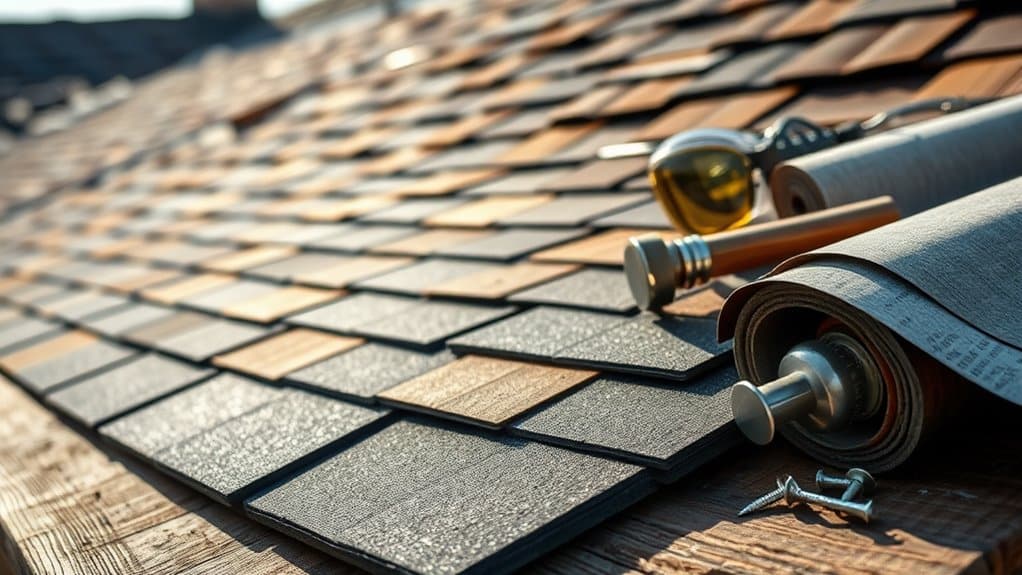
When considering roof repairs, it's crucial to recognise common issues that may arise. Poor installation is a significant cause of roofing problems, often resulting in leaks and a shorter lifespan for your roof. Materials that aren't properly secured can sustain weather-related damage, highlighting the importance of quality workmanship. Regular maintenance is vital; neglecting to check your roof can lead to minor issues, such as missing granules, escalating into expensive repairs. Additionally, environmental factors like extreme weather can severely affect roofs, making it important to use climate-appropriate materials for your area. Visible roof damage can also result from severe weather events and should be promptly addressed to avoid further complications. Exploring modern roofing innovations can improve durability, while ensuring proper ventilation and material compatibility will help prolong your roof's lifespan and overall performance. The global roofing industry is projected to reach $156.0 billion by 2030, indicating a strong demand for quality roofing solutions.
Overview of Asphalt Shingle Roof Repairs
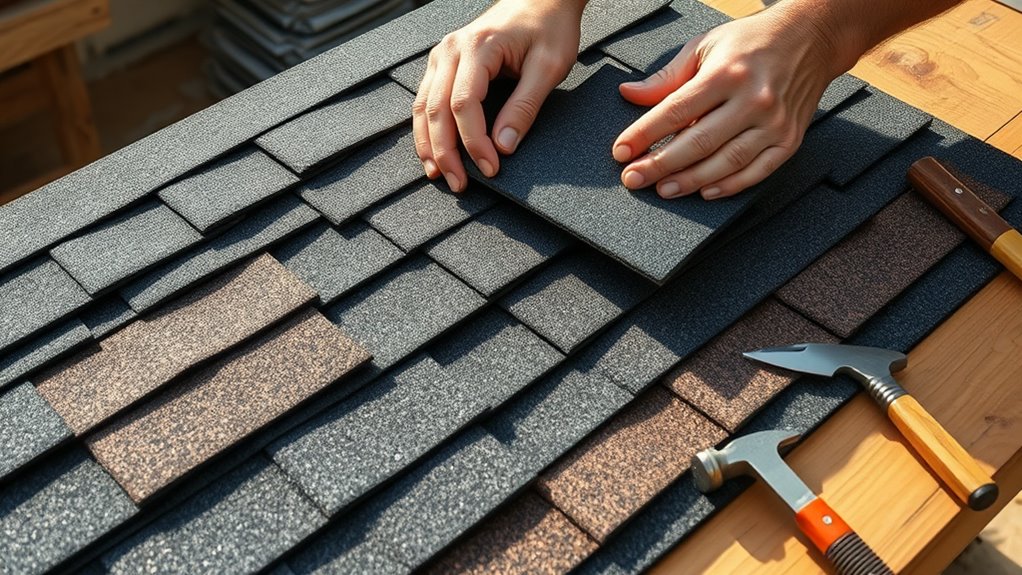
Assessing the condition of your asphalt shingles is crucial for effective roof repairs. Tackling issues promptly can improve shingle durability and lessen the need for repairs. Regular maintenance extends the lifespan of high-quality materials.
Here are three key signs to watch for:
- Granule Accumulation: Inspect your gutters for granules, which indicate shingle deterioration.
- Water Stains: Look for stains on your interior ceilings or walls, as these can signal leaks and compromised shingles.
- Curling or Cracked Shingles: Address curling and cracks early to prevent further damage. Regular inspections can help identify these issues before they escalate.
For repairs, use sealants to fix curling and cracked shingles, replace any that are missing, and ensure surrounding shingles are secure.
Regular assessments and timely repairs not only safeguard your home but also extend the life of your roof.
Essential Materials for Asphalt Roof Repairs

To successfully repair asphalt roofs, you'll need a few essential materials to ensure they're durable and watertight.
Start with quality replacement shingles that match your existing roof. Use roofing nails to secure the new shingles, and roofing cement to create a watertight seal underneath. It's important to check your roof warranty before starting any DIY repairs to avoid voiding it.
A utility knife is handy for making precise cuts, while a hammer or nail puller will help you remove old nails. A roofing nail gun can speed up the process, and don't forget to wear a safety harness for protection.
A pry bar is useful for lifting damaged shingles, and a sturdy ladder is essential for safe access to the roof.
Additionally, waterproofing components like roofing sealant and underlayment are vital for effective repairs, as they help prevent leaks and extend the life of your roof.
Metal Roof Repair Techniques

While metal roofs are renowned for their longevity, they still need effective repair methods to tackle common problems like leaks and rust.
To ensure you prevent leaks and manage rust effectively, consider these vital techniques:
- Sealant Application: For small leaks and cracks, opt for silicone or polyurethane sealants.
- Fastener Replacement: Regularly check and replace any worn fasteners to stop water ingress.
- Patch Installation: For larger holes, fitting patches provides a lasting solution.
Additionally, regular inspections are essential to identify potential issues early, ensuring maximum lifespan of your metal roof.
Key Materials for Metal Roof Maintenance

When maintaining a metal roof, choosing the right materials is crucial for ensuring its durability and longevity. Pay particular attention to sealant selection and fastener compatibility for optimal results. Opt for silicone or polyurethane sealants that provide UV protection and moisture resistance. Always check that the sealant is compatible with your metal roofing to avoid causing any damage. For replacement panels, select materials that match the existing ones in thickness. Use fasteners specifically designed for metal roofs, focusing on corrosion resistance and ensuring sealing washers are included for extra protection. Additionally, consider energy-efficient roofing materials to further enhance the overall performance of your metal roof.
| Material Type | Key Features | Maintenance Tips |
|---|---|---|
| Sealants | Weather-resistant, non-cracking | Reapply every 5-10 years |
| Replacement Panels | Matching thickness and material | Inspect for wear regularly |
| Fasteners | Corrosion-resistant, secure fit | Ensure sealing washers are used |
Addressing Clay or Concrete Tile Roof Challenges

Addressing the challenges of clay and concrete tile roofs necessitates an understanding of their distinct characteristics and potential issues. Here are some key points to consider:
- Cracking and Chipping: Both clay and concrete tiles are prone to cracking and chipping due to brittleness and exposure to the elements. It's essential to replace damaged tiles promptly to prevent further issues.
- Water Absorption: Concrete tiles tend to absorb more moisture, which can lead to problems like mildew. Regular maintenance of clay tiles is important to prevent the accumulation of organic debris.
- Weight and Support: Concrete tiles are heavier and require more robust structural support. This can complicate the installation process, so it's crucial to ensure your roof can handle the added weight. Additionally, understanding the lifespan of roofing materials is vital for making informed repair decisions.
Repair Solutions for Flat Roofs

Flat roofs come with distinct challenges, particularly when it comes to maintenance and repair. To tackle these issues effectively, it's crucial to consider various repair solutions and materials. Compatibility with existing systems is key, especially when selecting flat roof insulation and waterproofing methods.
| Material Type | Benefits | Drawbacks |
|---|---|---|
| EPDM | Durable and easy to repair | Limited UV resistance |
| TPO | Energy-efficient and flexible | Quality can vary by brand |
| Modified Bitumen | Enhanced performance and versatile | Can be more expensive |
Start repairs by cleaning the surface, applying suitable patches, and addressing any blistering or flashing problems. Regular maintenance and prompt inspections will help extend the life of your flat roof and reduce future issues.
Importance of Regular Roof Inspections

Regular roof inspections are crucial for spotting minor problems before they turn into expensive repairs.
For instance, a small leak can lead to significant water damage if not addressed promptly.
By catching wear and tear early, you can prolong your roof's lifespan and ensure it remains structurally sound.
This proactive approach not only saves you money but also helps keep your home safe and energy-efficient.
Early Problem Detection
While it's easy to forget about your roof amid daily life, early problem detection through regular inspections is crucial for maintaining its integrity.
Scheduling inspections regularly offers several benefits:
- Lower Repair Costs: Identifying issues early can save you up to 40% on repair expenses.
- Prevent Water Damage: Spotting leaks early can avert damage to insulation and structural components.
- Ensure Safety: Regular inspections help uncover potential hazards before they escalate.
Aim to conduct inspections at least once a year, particularly after severe weather.
Don't wait for visible damage to appear; prioritise early detection to safeguard your home and investment.
Extended Roof Lifespan
Regular roof inspections are essential for extending the lifespan of your roofing system. By checking your roof routinely, you can catch weather-related issues early, ensuring the structural integrity of both the roofing materials and the supporting structures.
During these inspections, look closely at shingles, tiles, and other materials to assess their condition. Factors like wind, rain, and sunlight can affect durability, so being proactive can help reduce potential damage.
Moreover, many warranties stipulate that regular inspections are necessary, safeguarding your investment. By prioritising these inspections, you'll not only prolong the life of your roof but also maintain its efficiency and value.
Protect your property and serve your community by making roof inspections a regular part of your maintenance routine.
Cost-Effective Maintenance Strategy
Maintaining a roof involves more than just occasional repairs; it requires a cost-effective maintenance strategy centred around regular inspections. This approach can extend the lifespan of your roof and help you avoid costly repairs in the future.
Here are some key maintenance tips:
- Schedule annual inspections, particularly after severe weather.
- Clear out gutters and remove debris to ensure proper drainage.
- Trim trees near your home to prevent damage from falling branches.
By taking these proactive steps, you can spot and fix minor issues before they become major problems.
Regular inspections not only protect your home from water damage but also ensure you meet warranty requirements, safeguarding your investment.
Ultimately, this strategy ensures your family's safety and enhances your home's value.
Cost Considerations for Different Roofing Materials

When selecting roofing materials, it's essential to consider costs, as each option can significantly impact your budget.
Asphalt shingles are an economical choice, priced between £60 and £100 per square metre, with a lifespan of 15 to 20 years. They're easy to install, which makes them popular, but they aren't as durable as metal alternatives.
Metal roofing, on the other hand, ranges from £80 to £650 per square metre and can last between 30 and 80 years. While they enhance the aesthetic appeal of your building, the installation process can be more complicated.
Tile and slate are on the pricier side, costing £250 to £2,000 and £500 to £1,300 per square metre, respectively.
However, they offer exceptional longevity and durability, making them a worthwhile investment if you budget properly for long-term benefits.
Budgeting for Roof Repairs
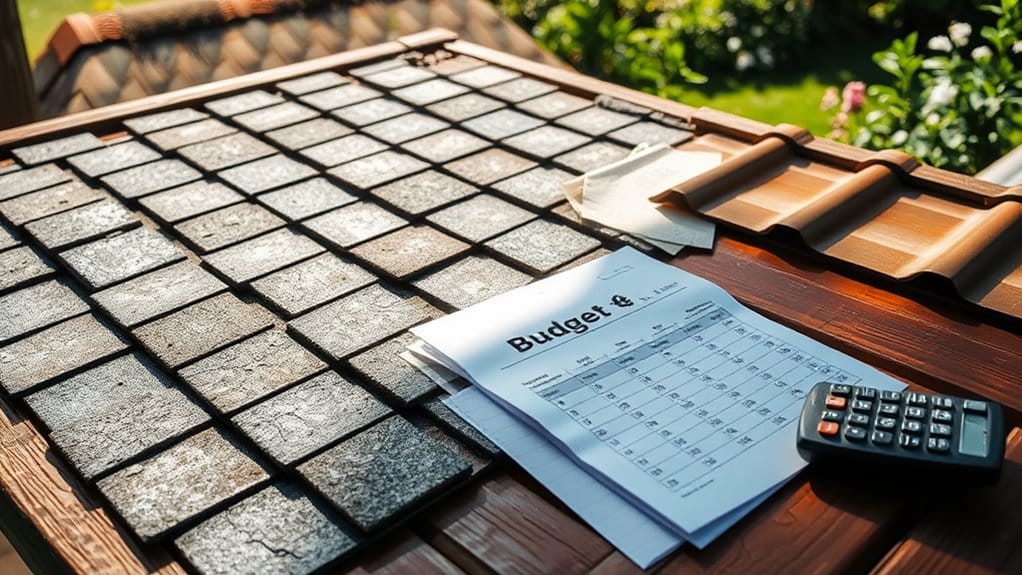
When budgeting for roof repairs, it's crucial to compare material costs with labour expenses to obtain an accurate estimate.
Consider financing options, as these can help you manage overall expenses more effectively.
For instance, if you're looking at a new slate roof, factor in both the cost of the slates and the skills of the roofer.
Material Cost Comparison
Understanding material costs is crucial for effective budgeting in roof repairs. Different materials vary in price, durability, and lifespan.
Here's a concise comparison to guide your decision:
- Asphalt Shingles: £25 – £45/sq.m., lifespan 15-30 years.
- Metal Roofing: £50 – £200/sq.m., lifespan 30-80+ years.
- Slate Roofing: £200 – £300/sq.m., lifespan 50-200 years.
Keep in mind that prices can differ regionally, influenced by local regulations and demand.
While cheaper options may seem attractive initially, investing in more durable materials often results in lower long-term costs.
Consider local weather conditions to ensure your choice is suitable for your area.
Labor Expense Considerations
Labour expenses significantly impact the overall budget for roof repairs, so it's crucial to understand these costs for effective financial planning.
Generally, labour costs for shingle installations range from £15 to £25 per square metre, while metal roofs can cost between £30 to £60 per square metre. Hourly rates vary from £20 to £80, depending on the complexity of the job.
Larger or more intricate roofs typically incur higher labour costs, especially when safety measures are required.
Don't forget to factor in the expenses for removing old materials, which can add an additional £10 to £40 per square metre.
Choosing contractors with the right experience and ensuring your budget accounts for all variables will help avoid unexpected costs in your roofing project.
Financing Options Available
Understanding your financing options is crucial for managing roof repair costs effectively.
Being aware of current financing trends can help you select the best solution for your situation. Here are some options to consider:
- Home Equity Loans: Secure a lump sum using your home as collateral, with fixed repayments.
- HELOC (Home Equity Line of Credit): Access a flexible credit line that you can draw from as needed, with adjustable repayment terms.
- Specialised Loans: Many roofing companies provide financing tailored to your credit profile, making it easier to get the support you need.
Exploring Financing Options for Roofing Projects

How can you finance your roofing project effectively? Start by considering personal loans, which can provide quick approval and fixed repayments. However, be cautious of higher interest rates, especially if your credit score isn't great.
Another option is contractor financing; many builders offer in-house financing that simplifies the application process and is open to various credit scores.
Home equity loans are also worth exploring, as they allow you to tap into your home's value for potentially lower interest rates. For smaller expenses, credit cards can be useful, but be aware of their typically higher rates.
Don't overlook government incentives, which can offer tax credits for eco-friendly roofing solutions.
Finally, check with banks or credit unions for independent loans, which may provide competitive rates and flexible terms.
Take the time to assess your options thoroughly to find the best fit for your project.
Tips for Selecting the Right Roofing Contractor

When choosing a roofing contractor, it's important to check their credentials and experience.
Ensure they hold the necessary licences and insurance, and ask to see examples of previous work.
Request detailed quotes to clarify costs and avoid any unexpected expenses during your roofing project.
Verify Credentials and Experience
Before hiring a roofing contractor, it's crucial to verify their credentials and experience to ensure you're making a wise investment. Here are three simple steps to follow:
- Check Licences: Visit your local council's website to confirm that the contractor holds valid, active licences.
- Assess Experience: Look at their portfolio and how long they've been in business to evaluate their reliability and quality of work.
- Client References: Request references from past clients and follow up to get their feedback on the contractor's performance.
Request Detailed Estimates
What should you consider when requesting detailed estimates from roofing contractors? Start by obtaining several estimates to ensure a range of prices and services.
Provide each contractor with the same detailed information about the size and condition of your roof for accuracy. Arrange for on-site inspections to prevent discrepancies that can arise from vague descriptions.
Ensure each estimate includes a clear breakdown of costs, covering labour, materials, and any additional expenses. Check that material specifications and the scope of work are consistent across estimates.
Pay attention to the timeline and warranty details included. Lastly, evaluate contractor qualifications by looking at their responsiveness and communication.
This careful approach will help you make a well-informed decision for your roofing project.
Check Insurance Coverage
Ensuring your roofing contractor has sufficient insurance coverage is crucial for protecting yourself from potential liabilities. Without the right insurance, you could be left facing unexpected costs from accidents or injuries.
Here are the key types of insurance to check:
- Public Liability Insurance: This covers damage to your property and injuries to non-workers, providing peace of mind for both you and the contractor.
- Employers' Liability Insurance: Typically required by law, this protects workers injured on the job and ensures their medical bills are taken care of.
- Certificate of Insurance (COI): Always request this document to verify coverage limits and the parties insured before work begins.
Frequently Asked Questions
How Often Should I Inspect My Roof for Damage?
You should inspect your roof at least once a year if it's under five years old, and twice a year for roofs aged five to ten. It's also wise to check after severe weather, like storms or heavy snowfall, to ensure your roof remains in good condition.
Can I Repair My Roof Myself, or Should I Hire a Professional?
Consider climbing onto your roof like a seasoned pro—DIY roofing can save you money, but hiring a professional ensures your safety and high-quality work. Assess your skills against the potential risks before making a choice; not everyone is equipped for the task!
What Are the Signs That My Roof Needs Immediate Repair?
You need immediate roof repair if you spot water stains on your ceilings, damaged or missing tiles, or signs of leaks. Regularly check for leaks to avoid further structural problems and safeguard your home from moisture damage. For example, if you see damp patches or mould, it's a sign that your roof may need urgent attention.
How Do Weather Conditions Affect Roof Repair Materials?
"Make hay while the sun shines." Weather conditions significantly influence roof repair materials. For instance, extreme heat can soften materials like bitumen, making them difficult to work with. Conversely, cold temperatures can render materials brittle, complicating installation and increasing the risk of damage. It's essential to consider these factors when planning repairs to ensure the best results.
Are There Eco-Friendly Roofing Materials Available for Repairs?
Yes, there are eco-friendly options available, such as recycled shingles, which offer both durability and sustainability. You might also want to consider using green insulation to improve energy efficiency, which benefits both your roof's performance and the environment during repairs.
Conclusion
When it comes to repairing your roof, selecting the right materials is crucial. Each roofing type has specific requirements, and understanding these can save you both time and money. By budgeting effectively and considering financing options, you can ensure your home remains well-protected. Additionally, choosing a skilled contractor is vital; they are essential for unlocking your home's full potential in terms of safety and comfort.