

Best Roofing Materials for UK Homes: Pros and Cons
When choosing the best roofing materials for your home in the UK, consider options such as clay tiles, asphalt shingles, and metal roofing.
Clay tiles are durable and visually appealing, but they come with a hefty price tag. Asphalt shingles are more affordable and simple to install, although their lifespan is shorter. Metal roofing is energy efficient and long-lasting, yet it typically requires a larger upfront investment.
Other alternatives like slate and thatch offer unique advantages but may pose challenges in terms of maintenance and structural requirements. Each material has its pros and cons, allowing you to make a well-informed choice that suits your needs and budget.
Key Takeaways
- Clay Tiles: Durable and long-lasting (50 to 100 years), clay tiles enhance the look of your home. However, they require solid structural support and regular maintenance.
- Slate Roofing: Known for its incredible longevity (80 to 200 years) and low maintenance needs, slate is also visually appealing. The downside is its high initial cost and the need for skilled installation.
- Metal Roofing: Lightweight and energy-efficient, metal roofs last between 40 to 70 years. While they can be a bit noisy in storms and have higher installation costs, they are a practical choice for many homeowners.
- Thatch Roofing: A sustainable option that provides excellent insulation, thatch roofs require significant maintenance and skilled labour, which can make full replacements expensive.
- Asphalt Shingles: A cost-effective and easy-to-install choice, asphalt shingles are popular; however, they have a shorter lifespan (15 to 30 years) and raise environmental concerns.
Overview of Roofing Materials
When choosing roofing materials for your home in the UK, it's important to consider your options carefully.
Clay tiles are a traditional choice, known for their durability and longevity of up to 100 years. They resist fire and aren't prone to insect or rot damage, but require regular maintenance to keep moss and algae at bay. Additionally, clay tiles are often made from natural materials, which contributes to their lower carbon footprint. Clay tiles also provide excellent insulating properties, helping to regulate indoor temperatures.
Concrete tiles offer a budget-friendly alternative, lasting around 50 years. They're simpler to install and maintain similar fire and rot resistance, but their heavier weight means your roof needs to be structurally sound. With a lifespan that can extend to 75 years with proper maintenance, concrete tiles are a more economical choice in the long run.
Metal roofing is lightweight and easy to work with, making installation straightforward. It's durable and energy-efficient, reflecting sunlight and helping to keep your home cooler in summer. However, it can be noisy during storms. Regular inspections are crucial for metal roofs, ensuring that they maintain their integrity over time.
Slate roofing is top of the range, boasting an impressive lifespan of up to 200 years. Its fire-resistant properties and aesthetic appeal can enhance your property's value, but it comes at a higher price and requires a robust roof structure. Slate roofing is also non-combustible, making it a safe choice for fire-prone areas.
When evaluating these options, think about their environmental impact.
Clay and slate tiles have a lower carbon footprint due to their natural materials, while metal roofing can be recycled, supporting sustainability efforts. Moreover, green roofs promote biodiversity and can significantly reduce energy use, offering an eco-friendly roofing alternative.
Benefits of Asphalt Shingles
Asphalt shingles provide a budget-friendly roofing solution for homeowners in the UK. They're versatile and perform well in both warm and cold climates, making them an ideal choice for various regions. Opting for asphalt shingles means you can enjoy long-lasting durability without breaking the bank. Additionally, their easy installation and maintenance contribute to their overall cost-effectiveness, making them a practical choice for many homeowners. Furthermore, many asphalt shingles are rated Class A for fire resistance, ensuring added safety for your home.
Cost-Effective Installation
Opting for asphalt shingles for your roofing project can lead to significant cost savings and straightforward installation. These shingles are one of the most affordable roofing materials available, offering lower initial installation costs compared to other options.
The easy installation methods mean reduced labour costs and quicker turnaround for roof replacements or repairs. Their lightweight design makes handling easier for contractors, allowing them to work more efficiently. Additionally, asphalt shingles are known for their exceptional durability, which contributes to their long lifespan.
Furthermore, asphalt shingles can often be fitted over existing layers, further simplifying the installation process and cutting down on waste. When you look at the overall costs, the long-term savings are clear, as asphalt shingles require minimal maintenance and repairs.
They also offer energy efficiency, which can help lower heating and cooling bills over time. With warranties covering manufacturing defects, homeowners can enjoy peace of mind and financial protection.
Versatile Climate Adaptability
Asphalt shingles are a popular choice for homeowners in the UK due to their impressive versatility. They perform well in both warmer and colder climates, providing dependable protection against various weather conditions such as heat, rain, and snow. These shingles can endure extreme temperatures and are resilient against harsh elements like strong winds, hail, and falling debris. Their waterproof coating effectively prevents moisture penetration, protecting your roof from leaks and water damage. While they thrive in regions with moderate rainfall and low humidity, their performance can be less reliable in areas with significant temperature fluctuations, as they may crack under such stress. However, modern architectural shingles, designed with advanced waterproofing techniques, offer improved durability in damp climates. Additionally, asphalt shingles are affordable and widely used, making them a practical option for many homeowners. Furthermore, regular maintenance can significantly prolong roof life, ensuring that asphalt shingles remain in good condition for many years.
Drawbacks of Asphalt Shingles

Despite their popularity, asphalt shingles have several drawbacks that homeowners in the UK should be aware of. One key concern is their lifespan, typically ranging from 15 to 30 years, depending on the type. Basic 3-tab shingles are particularly susceptible to cracking and curling, especially in harsh weather conditions. Their wind resistance is also limited; 3-tab shingles can only withstand winds of 60-70 mph, making them less suitable for exposed areas.
Mould growth can be a problem, especially in humid or shaded locations, which means more frequent maintenance is needed to keep your roof in good condition. While some premium shingles offer mould resistance, standard options often do not. Additionally, the environmental impact of asphalt shingles is considerable, as they're made from petroleum and are frequently non-recyclable. Moreover, proper maintenance is necessary to prolong their lifespan and mitigate issues such as algae growth. Regular roof surveys can help identify potential unexpected structural issues that could affect the performance of asphalt shingles.
Furthermore, the quality of installation is crucial for the longevity of asphalt shingles. Poor installation can significantly shorten their lifespan and hinder performance. When compared to materials like slate or metal roofing, asphalt shingles generally fall short in terms of durability and protection. Therefore, it's essential to carefully consider these factors before making a decision.
Advantages of Clay Tiles
When choosing roofing options, clay tiles are a standout choice due to their timeless beauty and impressive durability. Their classic, earthy look adds character to any home, making them a popular pick among homeowners.
Clay tiles can last anywhere from 50 to 100 years, offering excellent resistance to harsh weather such as extreme heat, heavy rain, and strong winds. They're also naturally resistant to rot, insects, and fire, providing peace of mind regarding the safety of your roof.
In terms of energy efficiency, clay tiles can help keep your home comfortable by reflecting heat during summer and providing insulation in winter. This not only saves on energy bills but also creates a more pleasant living environment.
Environmentally speaking, clay tiles are made from natural, recyclable materials and have a low waste profile due to their long lifespan, reducing the need for frequent replacements that could end up in landfills. Additionally, the use of recycled materials in roofing options can significantly enhance their sustainability.
Clay tiles require minimal maintenance and are easy to clean, making them a practical option. They come in a range of colours and textures, allowing them to suit various architectural styles while maintaining the charm of older properties.
Disadvantages of Clay Tiles

When considering clay tiles, you'll find that the installation costs can be quite high, especially in comparison to other roofing materials.
Furthermore, these tiles need regular maintenance to avoid problems like moss growth, which can lead to more serious issues if neglected.
It's important to keep these factors in mind when deciding on your roofing options.
High Installation Costs
Clay tiles can be a significant financial investment for homeowners in the UK, primarily due to their high installation costs. Material prices typically range from £50 to £100 per square metre, which can quickly add up for a complete roof installation. Individual tiles are priced between £0.50 and £1.50, and you should also factor in additional materials like battens, underlayment, and flashing.
Labour costs are another consideration, with skilled roofers charging £50 to £80 per hour. Given the specialised nature of clay tile installation, you can expect the labour process to take 1-2 weeks, further increasing your overall expenses.
Moreover, clay tiles are heavier than other roofing materials and may require additional structural support, leading to potential unexpected costs for roof reinforcement.
If repairs or replacements are needed in the future, labour costs can rise significantly as well. While clay tiles provide durability and aesthetic charm, their high installation costs can put a strain on your budget.
It's crucial to assess your financial situation thoroughly before deciding on this roofing option.
Regular Maintenance Needs
Clay tiles are durable and visually appealing, but they require regular maintenance that homeowners should be ready for.
To keep your roof in good shape, establish a consistent maintenance routine. It's advisable to inspect your roof at least twice a year, preferably in autumn and spring, and after any severe weather events.
Consider these essential maintenance tasks:
- Inspection frequency: Regularly check for damaged or missing tiles.
- Debris removal: Clear leaves, branches, and other debris from the roof and gutters.
- Growth management: Tackle moss, lichen, and algae promptly to prevent damage.
- Professional help: Engage professionals for thorough inspections and repairs to avoid structural problems.
- Gutter maintenance: Ensure gutters and downspouts are clear to prevent water build-up.
Staying on top of these tasks will help prolong the life of your clay tile roof.
Pros of Metal Roofing
Metal roofing presents a host of benefits that make it a popular choice for homeowners in the UK. One of its key advantages is its remarkable durability and longevity, lasting anywhere from 40 to 70 years—far surpassing traditional asphalt shingles. This extended lifespan can lead to significant savings, as it reduces the frequency of replacements.
Additionally, metal roofs are highly energy efficient. Their reflective surfaces can reduce cooling costs by 10-25% by bouncing off solar heat. Certain metals, like copper, not only reflect heat but also help retain warmth, keeping your home cooler in summer and warmer in winter. This can lead to noticeable energy savings while also being an environmentally friendly choice.
Maintenance is another strong point; metal roofs are resistant to rust and corrosion, so you won't have to worry about ongoing repairs. They also offer a range of styles, enhancing the aesthetic appeal of your home.
Plus, since metal roofs are recyclable, they align well with sustainable practices, making them a responsible choice for eco-conscious homeowners.
Cons of Metal Roofing
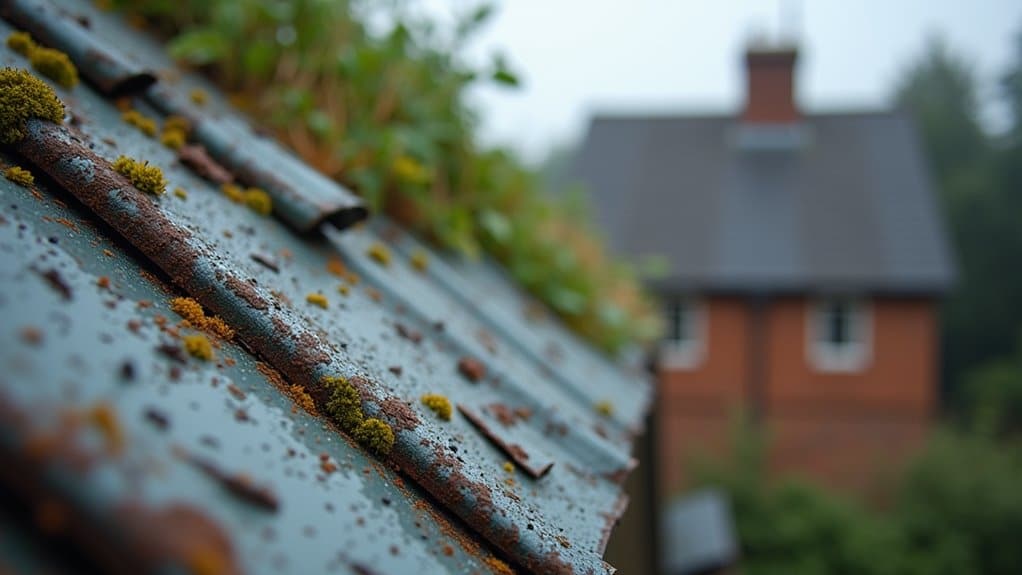
While metal roofing offers numerous benefits, there are some drawbacks that homeowners in the UK should consider.
Firstly, the initial cost of metal roofing is generally higher than traditional materials like asphalt shingles. This can be a significant factor for those with budget constraints.
Noise is another concern, particularly during heavy rain or hail. Without proper insulation, the sound can be quite noticeable.
Additionally, metal roofs can expand and contract with temperature fluctuations, requiring careful installation to prevent issues like loose panels or structural damage over time.
In very hot climates, metal roofs may absorb excessive heat, leading to higher cooling costs if not adequately insulated. Although this is less of an issue in the UK's temperate climate, it's still something to keep in mind.
- Higher upfront cost compared to traditional materials
- Noise issues during rainfall
- Risk of expansion and contraction problems
- Potential heat absorption in hotter weather
- Importance of good insulation for noise reduction
Benefits of Slate Roofing
When choosing roofing options, slate roofing is a top contender due to its impressive lifespan and durability, often lasting over 150 years with proper maintenance.
Its visual appeal adds significant value to your home, providing a classic look that suits a range of architectural styles.
Moreover, once installed, slate roofing requires little upkeep, making it a sensible choice for those seeking long-term reliability.
Lifespan and Durability
Slate roofing boasts impressive longevity, typically lasting between 80 to 120 years in the UK, with some premium slates enduring for up to 200 years when maintained properly.
Its durability makes slate an exceptional long-term investment for homeowners. However, factors such as installation techniques, roof pitch, and location can affect its lifespan.
Here are some key benefits of slate roofing:
- Natural Resilience: Slate can endure severe weather, including heavy rain and strong winds.
- Fire and Water Resistance: It offers excellent protection against fire and water damage.
- Sustainability: Slate roofs are environmentally friendly and can help lower energy bills.
- Generational Durability: They often last for generations, reducing the need for replacements.
- Recyclability: At the end of its life, slate can be fully recycled, supporting eco-sustainability.
With regular maintenance, such as inspections and cleaning, a well-installed slate roof can last over a century, making it a smart choice for responsible homeowners.
Aesthetic Appeal
Slate roofing offers a remarkable aesthetic appeal, making it a popular choice for homeowners in the UK. Its unique characteristics, such as natural variations in texture and colour, enhance the beauty of your home.
With shades ranging from deep greys to vibrant greens, slate tiles create a striking roof that complements the architectural style of any property, particularly historic or high-end homes, which can see an increase in market value.
The versatility of slate allows for personalisation, enabling you to select colours and textures that fit your design preferences. Unlike other materials, slate's natural beauty endures over time, ensuring your roof retains its elegance for years.
As the light changes throughout the day, slate can take on different hues, adding character to your property.
A well-maintained slate roof significantly boosts curb appeal, reflecting the quality craftsmanship that potential buyers often desire.
Choosing slate means you're not only investing in a visually appealing roof but also enhancing your home's overall attractiveness and value.
With its timeless elegance, slate roofing is an excellent choice for those prioritising their home's aesthetic.
Minimal Maintenance Required
Opting for slate roofing not only boosts your home's visual appeal but also comes with significant maintenance advantages. One of the primary benefits of slate is its low upkeep requirements, making it a sensible option for homeowners.
Here are some essential maintenance points to remember:
- Water Resistance: Slate is water-resistant, which minimises the risk of mould and rot.
- Durability: With its high compressive strength, slate can endure harsh weather conditions without deteriorating.
- Thermal Regulation: Slate's thermal properties help maintain consistent indoor temperatures, which reduces stress on the roof.
- Inspection Frequency: Unlike other roofing materials, slate typically requires inspections just twice a year.
- Repair Ease: Small repairs can often be tackled by homeowners, while more significant damage can be handled by professionals.
These features contribute to the long lifespan of slate roofs, which can last anywhere from 100 to 150 years with proper maintenance.
By choosing slate, you're investing in a robust roofing solution that not only minimises maintenance efforts but also enhances your property's value over time.
Given its resilience against the UK's weather, slate roofing is a wise, low-maintenance choice for any homeowner.
Drawbacks of Slate Roofing
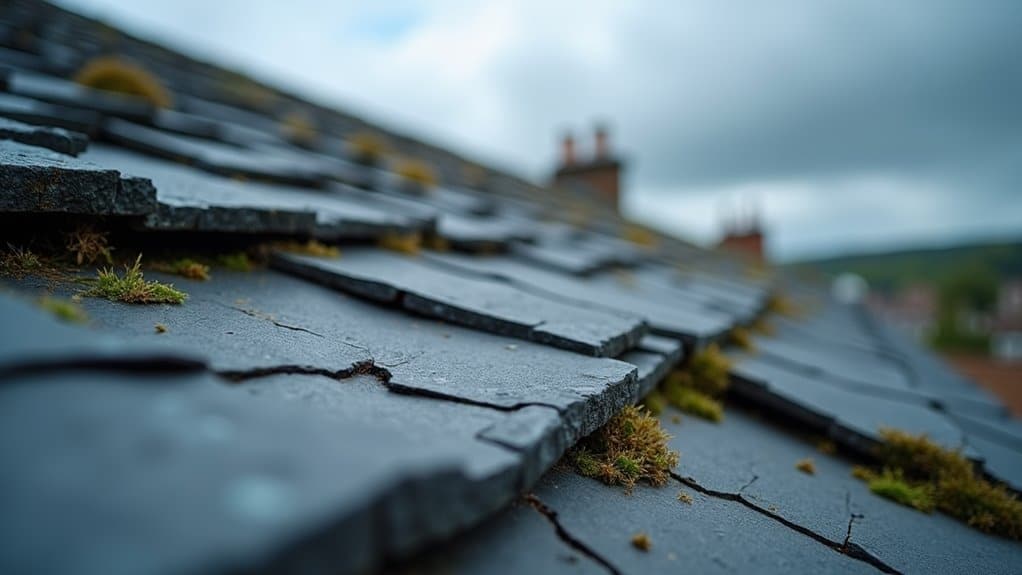
While many homeowners appreciate the aesthetic charm and durability of slate roofing, there are several drawbacks to consider regarding its installation and upkeep.
One major issue is the weight; slate can be up to four times heavier than asphalt shingles. This means you'll need additional structural support, which not only requires an engineer's assessment but also increases the overall project cost.
The initial expense of slate roofing is another significant factor, often ranging from £15 to £30 per square foot. This investment is further compounded by the necessity of professional installation, as slate is delicate and requires skilled contractors, which can be difficult to find.
Installation challenges don't stop there; slate tiles are brittle and can easily break during handling or maintenance. Extra care is needed to avoid damage when accessing the roof or making repairs, which can be complex and requires specialised skills.
Regular inspections are crucial to identify potential issues early, reinforcing the need for expert assistance throughout the slate roofing process.
Advantages of Thatch Roofing
Thatched roofing is a sustainable and visually appealing choice for homeowners, made from natural, renewable materials such as straw and water reed. This type of roofing not only enhances your home's charm but also significantly lowers its environmental impact.
Here are some key benefits of thatch roofing:
- Utilises quickly renewable materials, resulting in minimal environmental damage.
- Offers excellent natural insulation, helping to cut energy costs for heating and cooling.
- Creates habitats for wildlife, supporting local ecosystems.
- Sequesters carbon throughout its lifespan, aiding in climate change mitigation.
- Its durability means less frequent replacements, reducing waste.
Opting for thatch demonstrates a commitment to sustainability and often involves locally sourced materials.
While the initial installation may be pricier, the longevity and lower maintenance requirements make it a cost-effective choice over time.
Moreover, thatch adds distinctive character to your home, providing a unique, timeless look that suits both rural and urban environments.
Disadvantages of Thatch Roofing
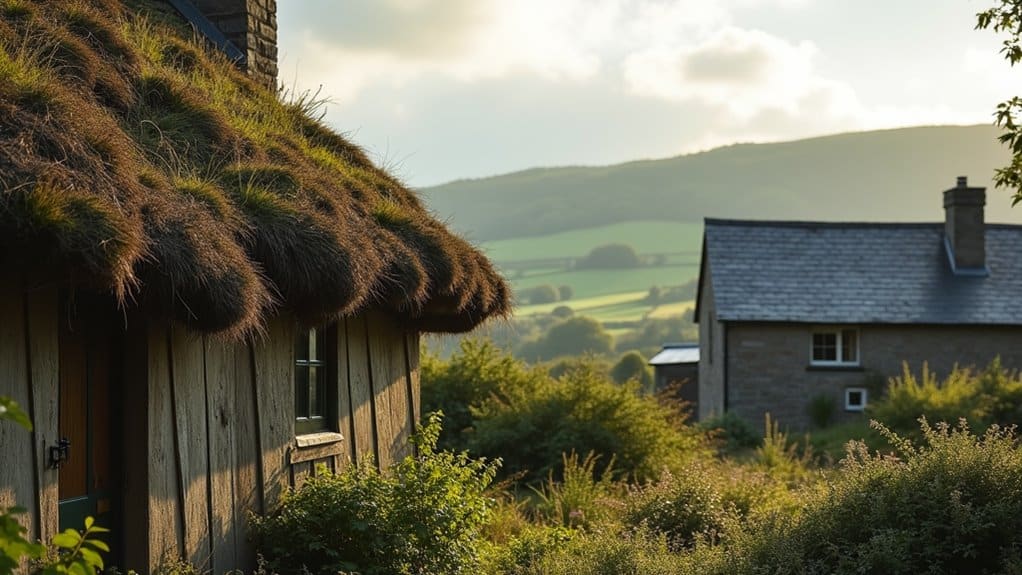
When considering thatch roofing, it's important to think about its high maintenance needs and fire safety issues.
Regular inspections and cleaning are crucial to avoid problems like moss growth and pest infestations.
Additionally, thatch is highly flammable, which raises fire risks.
These concerns can make thatch a less practical choice for your home.
High Maintenance Requirements
Maintaining a thatch roof can be quite demanding, both in terms of time and finances. To ensure your roof lasts, you'll need to carry out regular inspections. Here are some key considerations:
- Check your roof twice a year, in spring and autumn, to identify potential problems early.
- Look out for signs of decay, such as rot, mould, or fungi, particularly in valleys or near chimneys.
- Keep an eye out for pests like birds and insects that can cause considerable damage.
- Ensure chimney stacks and flashings are in good condition, as wear can lead to leaks.
- Arrange for an annual professional inspection to get a thorough assessment.
The costs associated with thatch roofs can be significant, with full replacements averaging around £60,000.
Regular repairs are often required due to the natural deterioration of materials, and finding skilled thatchers can be challenging, as they tend to be booked up well in advance.
It's also crucial to re-thatch the ridge every 10-15 years to prevent water ingress, adding to the ongoing maintenance requirements for homeowners.
Fire Safety Concerns
Fire safety concerns regarding thatch roofing are serious due to its high flammability. With an ignition temperature as low as 200°C, thatch presents a significant fire hazard. In 2023, 90% of thatch fires were attributed to chimneys, underscoring the importance of proper chimney maintenance.
Once ignited, thatch can spread flames quickly, making control nearly impossible. Therefore, effective prevention measures are crucial.
To reduce these risks, it's vital to install smoke alarms throughout your home, particularly in loft areas. Regular chimney sweeping and professional inspections ensure safe operation and minimise the chances of chimney-related fires. Fitting spark arrestors can stop embers from igniting the thatch, while checking that chimneys are correctly lined is essential when using multi-fuel appliances.
Electrical safety is equally important; using fire-retardant ducting for wiring and carrying out regular checks can help prevent electrical fires.
With around 70 to 100 serious fires occurring in thatched properties each year, implementing these strategies not only safeguards your home but also protects your investment and preserves its historical value.
Pros of GRP Fibreglass Roofing
With its impressive durability and low maintenance needs, GRP fibreglass roofing is an excellent choice for homeowners after long-lasting solutions. The benefits of GRP make it a smart investment for enhancing your property.
- Seamless Surface: This significantly lowers the chance of water leaks.
- Longevity: A well-installed GRP roof can last over 25 years, with some lasting up to 50 years.
- Weather Resistance: GRP roofs can handle various weather conditions, keeping your home protected.
- Low Maintenance: Minimal upkeep means no constant need for re-sealing or repairs.
- Cost-Effective: Although the initial installation cost may be higher, the long-term savings on repairs and replacements make it a worthwhile investment.
These advantages enhance both the value and performance of your roofing system.
By opting for GRP, you aren't only securing a durable solution but also improving your home's energy efficiency and visual appeal.
With its versatility and quick installation process, GRP fibreglass roofing is a reliable choice for both residential and commercial properties.
Cons of GRP Fibreglass Roofing

While GRP fibreglass roofing has its benefits, it's important to consider its downsides too. One major drawback is the high initial cost. GRP tends to be pricier than traditional materials like felt, and the need for specialised installation can further raise labour expenses.
Although it offers long-term savings due to its durability and low maintenance, the upfront cost may deter some homeowners.
Installation can also be tricky. GRP needs specific expertise and tools; if it's not installed correctly, you could end up with issues like bubbles, cracks, or pinholes, which can compromise its waterproofing and lifespan.
Performance-related concerns shouldn't be overlooked either. GRP can be prone to scratches and may crack under severe weather or heavy foot traffic.
Additionally, its thermal insulation may not be as effective, and thermal expansion can lead to further cracking over time.
Lastly, regular maintenance is crucial to avoid escalating costs from problems like alligatoring or leaks as the roof ages.
Choosing the Right Material
When selecting the right roofing material for your home, it's essential to consider several key factors to ensure you make an informed choice. The material you choose will affect your home's appearance, durability, and environmental impact.
Here are some important points to keep in mind:
- Cost: Look at both initial costs and ongoing expenses, including maintenance.
- Lifespan: Choose materials known for their durability and long lifespan.
- Climate Suitability: Ensure the material can endure local weather conditions.
- Sustainability: Opt for eco-friendly materials that can be recycled.
- Aesthetic Compatibility: Select materials that complement your home's architectural style.
It's important to strike a balance between aesthetics and sustainability while considering practical aspects like installation difficulty and the need for structural support.
For example, slate and clay tiles are both durable and visually appealing but may require extra support. In contrast, asphalt shingles are easier to install but typically have a shorter lifespan.
Summary of Key Considerations
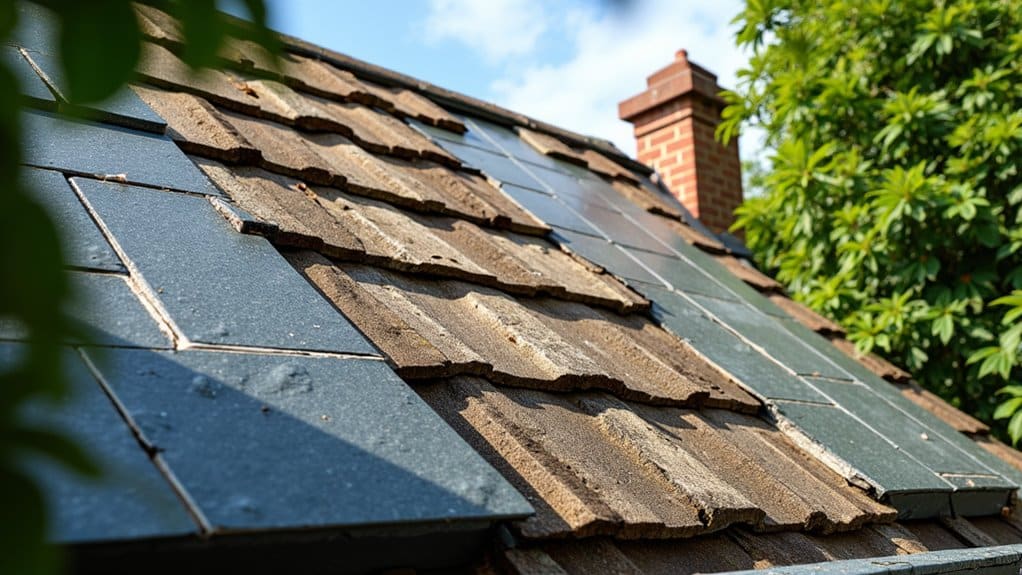
When considering roofing materials for your home, several important factors will guide your decision. Start by evaluating the durability and lifespan of each option. Metal roofing is known for its longevity and strength, whereas clay and slate tiles can last a long time but often come with a higher price tag and more complex installation.
Next, think about energy efficiency and environmental impact. Metal roofs are great at reflecting sunlight, helping to keep your home cooler, and they're fully recyclable, making them a sustainable choice. In contrast, asphalt shingles, made from petroleum, are less eco-friendly.
Budget is crucial too. Asphalt shingles are budget-friendly initially but may need replacing sooner than other options. Investing in clay or slate tiles might cost more upfront but could save you money in the long run due to their durability.
Consider the maintenance and installation needs as well. Heavy materials like clay and slate require sturdy roofing structures and regular maintenance to avoid problems like moss and algae growth.
Lastly, keeping up with roofing innovations can help you make an informed choice that balances aesthetics, functionality, and sustainability. Prioritise your needs and preferences to find the best roofing material for your home.
Frequently Asked Questions
How Do Roofing Materials Impact Home Energy Efficiency?
Roofing materials play a significant role in your home's energy efficiency. Effective roof insulation can lead to substantial energy savings, ensuring your home stays warm in winter and cool in summer. This not only helps lower heating and cooling bills but also enhances your overall comfort. For instance, materials like slate or tiles can reflect heat, keeping your home cooler, while insulated roofing can trap warmth, reducing the need for constant heating. Investing in the right roofing can promote sustainability and save you money in the long run.
What Roofing Material Is Best for Low-Slope Roofs?
For low-slope roofs, membrane roofing such as EPDM provides excellent drainage and durability. It's cost-effective and flexible, but ensure it's installed correctly to prevent punctures and seam issues, which can affect your property's longevity and efficiency.
How Does Climate Influence Roofing Material Choice?
Choosing roofing materials is akin to selecting protective gear for your home; climate factors and regional differences play a crucial role in determining longevity, water resistance, and insulation. It's essential to select materials that can endure harsh weather conditions while also improving energy efficiency and appearance.
For instance, in areas prone to heavy rainfall, slate or tile roofs offer excellent water resistance and durability. In contrast, homes in sunnier regions might benefit from lighter materials like metal roofing, which can reflect heat and reduce cooling costs. Overall, the right roofing choice not only safeguards your home but also enhances its energy performance and visual appeal.
Are There Eco-Friendly Roofing Options Available?
Yes, there are eco-friendly roofing options available, such as green roofs and sustainable materials. These choices enhance energy efficiency and support environmental sustainability, making your home more eco-friendly and beneficial to the community. For example, using reclaimed slate or timber can significantly reduce your carbon footprint while adding character to your property.
How Can I Improve the Lifespan of My Roof?
To extend the lifespan of your roof, make regular maintenance a priority. Have annual inspections carried out, clear debris from gutters, and trim any overhanging branches. Ensure proper ventilation to avoid costly damage. These simple steps can significantly enhance your roof's durability.
Conclusion
When selecting the right roofing material for your home in the UK, it's essential to consider durability, cost, and aesthetics. Each option, whether it's asphalt shingles, clay tiles, or slate, has its pros and cons. For example, slate is highly durable and adds a touch of elegance, but it can be expensive. On the other hand, asphalt shingles are more affordable but may not last as long. Choose a material that not only protects your home from the elements but also complements your style.


