
The Cost of Replacing a Commercial Roof in the UK
The cost of replacing a commercial roof in the UK can vary significantly depending on several factors. The choice of materials is a key factor; for instance, EPDM and PVC typically cost between £40 and £123 per square metre. Additionally, the size and accessibility of the roof can affect pricing; larger roofs or those that need scaffolding will likely incur higher costs. On average, replacing a flat roof costs between £60 and £120 per square metre, excluding removal fees, which can range from £900 to £2,500. Understanding these factors is essential for accurate budgeting and ensuring compliance with regulations.
Key Takeaways
- The cost of replacing a commercial roof in the UK generally falls between £60 and £120 per square metre, depending on the materials used and the type of roof.
- Labour costs can vary widely, influenced by factors such as location and any accessibility issues. Expect to pay between £100 and £300 per day for skilled workers.
- Removing the old roof can set you back between £900 and £2,500, which covers both labour and skip hire for disposing of debris.
- Regular maintenance and early detection of issues can save you money in the long run. It's wise to budget for upkeep and replacement over a 10-year period.
- Adhering to safety regulations and obtaining necessary permits is crucial. These can cost between £150 and £500, but they ensure compliance and safety on site.
Factors Affecting Replacement Costs
When considering the costs of replacing a commercial roof, several key factors can significantly impact your budget. Firstly, the type and condition of your existing roof are crucial. If the damage is extensive, a complete replacement could be necessary, which will increase costs.
Popular materials like EPDM, TPO, and PVC vary in price depending on their durability and how complex the installation is. Regular maintenance can help prevent costly repairs in the future, so it's wise to include that in your budget. Additionally, the size of the roof can significantly influence the overall expenses due to increased material and labour requirements.
Accessibility and roof design also play a big role in costs. Steeper roofs and high-rise buildings often require specialised tools and skilled labour, which can drive up both labour and overall project expenses. Additionally, any surrounding obstacles can make access more difficult, leading to higher costs.
Size and Square Footage
The size and square footage of a commercial roof are crucial factors that directly affect replacement costs. Accurate measurements are vital for generating cost estimates and budgeting effectively.
Larger roofs require more materials and labour, which significantly increases your overall expenses. Here are some key points to consider:
- Material Costs: Different roofing materials have varying costs per square metre, impacting your total budget.
- Building Type: The type of building, whether offices or warehouses, influences roof size and complexity, which can alter replacement costs.
- Roof Complexity: Intricate designs, such as hip roofs, are generally more expensive to replace than simpler flat roofs. Additionally, labour costs can vary significantly based on the complexity of the installation.
- Size Measurement: Precise measurements are essential for accurate cost estimates, helping to avoid unexpected expenses. Additionally, local labor rates fluctuate and can significantly influence your overall project budget.
Understanding how size and square footage impact costs is vital for planning your roof replacement.
With UK pricing ranging from £45 to £275 per square metre, knowing your roof's dimensions will help you manage the financial aspects effectively.
Level of Roof Damage
Level of Roof Damage
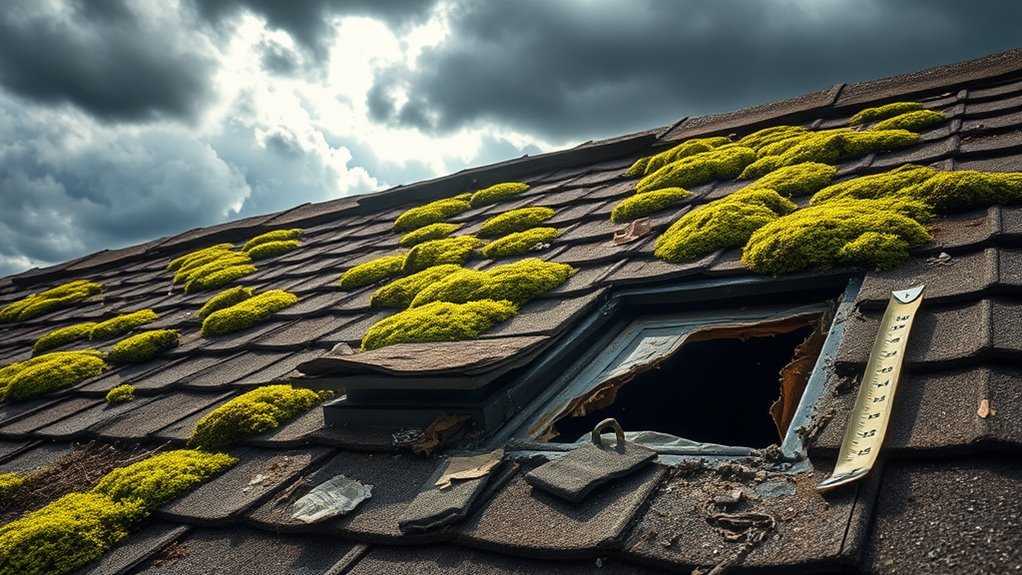
Regularly reviewing the level of roof damage is crucial for effectively managing replacement costs. Conducting thorough inspections and evaluations can help you spot issues before they worsen. The extent of the damage directly affects replacement expenses; larger areas require more materials and labour, leading to increased costs. Ignoring minor damage can lead to significant problems like leaks, mould, or structural weaknesses. It is essential to consider roofing materials as they can significantly influence the long-term durability and maintenance costs of your roof. Regular inspections can help identify common issues that may escalate if not promptly addressed.
Here's a quick overview of common roof damage types:
| Damage Type | Cost Implications |
|---|---|
| Minor Leaks | Low, if addressed early |
| Structural Weaknesses | High, due to complexity |
| Missing Tiles | Moderate, affects integrity |
Regular visual inspections, ideally twice a year, are essential for early detection. Assessing the roof structure, insulation, and surrounding conditions helps you estimate replacement costs accurately. If you notice sagging or damaged decking, it's vital to consult a professional. By identifying problems promptly, you can make informed decisions about repairs or replacements, ultimately extending your roof's lifespan and controlling costs.
Roof Accessibility Challenges
When planning for roof accessibility, it's crucial to consider the necessary equipment, such as scaffolding or cherry pickers, to safely reach the work area. Implementing safety measures, like guardrails and harnesses, is vital to protect workers from potential hazards. These requirements can also lead to higher labour costs, as specialised training and equipment often extend project timelines. Additionally, proper safety training ensures that all workers are prepared to navigate the complexities of working at heights effectively. Moreover, understanding local regulations can help determine the specific requirements for scaffolding and safety measures in your area.
Equipment Requirements
Maneuvering roof accessibility challenges requires a strategic approach to equipment selection and planning. Understanding the specific requirements of your project ensures compliance with safety standards while optimising efficiency.
Here are key considerations for selecting your equipment:
- Assess Accessibility Needs: Examine the building layout, height, and nearby structures to determine the most suitable access method.
- Leverage Technology: Use drones or 3D modelling software for precise measurements and planning. Additionally, utilizing professional consultation can help tailor your approach to the unique aspects of the roof.
- Consider Scaffolding and Specialised Tools: Determine if scaffolding or other specialised equipment is needed for safe roof access.
- Mind Weight Limits: Be aware of any weight restrictions that may impact your access strategy. Additionally, ensure that your chosen equipment supports safe access to rooftops as mandated by safety regulations.
Choosing the right equipment not only improves safety but also enhances workflow.
Evaluate options like scaffolding, ladders, aerial lifts, and rope access based on your roof's design.
Ensure all selected equipment adheres to relevant safety regulations to minimise risks during the project.
Safety Measures
Addressing safety measures during roofing work is crucial for protecting workers and ensuring compliance with regulations. Before commencing any roofing project, it's vital to understand basic safety protocols and the strict guidelines set by organisations like the HSE (Health and Safety Executive). This knowledge is essential not only for legal compliance but also for the moral duty of safeguarding workers.
Conduct thorough risk assessments to identify hazards associated with roof work, such as falls, electrical risks, and exposure to harmful materials. Implement effective fall protection measures, follow electrical safety protocols, and ensure proper material handling to significantly reduce these risks.
Selecting the appropriate access method is also key. Consider using roof hatches, which offer secure entry points for maintenance and emergencies.
Worker safety training is essential—make sure your team is equipped with the skills needed for working at heights and understands the importance of using safety gear, including hard hats and harnesses. Additionally, all projects involving roofing work over 2 meters require risk assessments to determine the necessity of scaffolding.
Lastly, maintain clear communication about safety protocols and responsibilities to foster a culture of safety throughout the project. Prioritising these measures not only protects your workers but also enhances overall efficiency.
Labor Costs Increase
Labour costs can surge due to difficulties with roof accessibility, particularly when specialised equipment and additional safety measures are necessary.
When managing a commercial roof replacement, it's crucial to understand these factors to maintain labour efficiency and control expenses.
Here are some accessibility challenges that can increase labour costs:
- Complex roof designs often require specialised equipment, raising costs.
- Limited access may necessitate cherry-pickers or scaffolding, adding to overall expenses.
- Steep roofs demand extra safety precautions, further inflating labour costs.
- The need for skilled roofers with relevant expertise significantly affects pricing.
Additionally, these challenges can extend project duration, leading to higher labour rates.
Urban areas tend to experience higher labour costs due to regional rates and the need for advanced access technology.
Tools like drones or 3D modelling can help streamline planning, ensuring compliance with safety regulations while optimising labour efficiency.
Slope and Pitch Considerations
Understanding the slope and pitch of your roof is essential for ensuring its effectiveness and longevity. The right design not only improves its appearance but also significantly affects drainage performance. Here's a brief overview of the minimum pitch requirements for various roof types:
| Roof Type | Minimum Pitch Requirement |
|---|---|
| Flat Roofs | 10 degrees or less |
| Low Slope Roofs | 11 degrees (2:12 pitch) |
| Steep Slope Roofs | 22.5 degrees for slate or tile |
For flat roofs, tapered insulation is used to promote proper drainage. Low slope roofs require a slight incline to facilitate water runoff. Steep slope roofs, commonly seen on residential properties, allow for effective water drainage and help prevent snow build-up, especially in areas with heavy snowfall. The local climate and rainfall patterns also influence the ideal pitch; steeper roofs are often better in wetter regions.
It's important to adhere to local building regulations regarding roof pitch to avoid structural problems. Consulting with professionals can ensure your roof design meets both aesthetic and functional requirements while optimising drainage efficiency.
Materials for Roof Replacement
When choosing materials for your roof replacement, it's important to compare costs alongside the lifespan and durability of each option.
Basic materials like asphalt shingles are cost-effective but may need replacing more often.
In contrast, higher-end options such as slate or PVC offer increased longevity and performance.
Material Cost Comparison
When replacing a commercial roof, it's essential to choose the right materials based on cost and suitability. Understanding different material options and their installation methods will help you make a decision that fits your budget and ensures long-term performance.
Here's a brief comparison of common roofing materials:
- Asphalt Shingles: £40-£70 per square metre. A popular choice due to their affordability.
- EPDM Rubber Membrane: Approximately £50, which can double if insulation is required.
- Corrugated Steel: Priced between £41-£123 per square metre, valued for its durability.
- Single Ply Membranes (PVC, TPO): Starting at around £50, these provide flexibility but may increase in cost with insulation.
Each material has its advantages and disadvantages, impacting both initial costs and installation methods.
For example, while asphalt shingles are generally cheaper, they may not last as long as metal options.
Consider the size and complexity of your roof, as these factors will affect the overall costs.
Lifespan and Durability
The lifespan and durability of roofing materials are crucial when assessing the value of your commercial roof replacement. For example, built-up felt roofs typically last between 10 and 35 years, while single-ply roofs can endure for up to 30 years. Metal roofs are known for their longevity, lasting anywhere from 25 to 40 years, depending on the quality of installation.
However, various factors, including severe weather, material quality, and installation practices, can significantly affect how long your roof lasts.
To extend your roof's lifespan, regular maintenance is key. Routine inspections allow you to catch minor issues before they become major problems. It's advisable to have professionals conduct repairs as needed.
Biannual inspections are particularly beneficial for early detection of potential issues. Additionally, be aware that environmental factors such as UV rays, heavy rainfall, and strong winds can deteriorate roofing materials, making it essential to understand the climate in your area.
Cost Breakdown Overview

Understanding the cost breakdown for a commercial roof replacement in the UK is crucial for effective budgeting. Several factors need consideration, including roof removal, installation materials, labour, and additional costs. Each element impacts overall expenditure, influencing roof maintenance and energy efficiency.
Key factors to consider:
- Roof Size: Larger roofs require more materials and labour.
- Material Type: Different materials vary in cost (e.g., felt is generally cheaper than slate).
- Labour Costs: Skilled tradespeople often charge more, particularly in urban areas.
- Accessibility: Complex roofs may need extra scaffolding and equipment, increasing costs.
When budgeting, expect roof removal costs to range from £900 to £2,500, which includes labour and skip hire.
Material costs can vary widely, from £2 to £450 per m², depending on the type chosen.
Daily labour rates typically range from £100 to £300, influenced by team size and location.
Estimated Total Replacement Costs
When estimating total replacement costs for commercial roofs, consider the type and size.
For flat roofs, costs typically range from £60 to £120 per square metre, while pitched roofs fall between £50 and £100 per square metre.
Knowing these averages helps you budget effectively for your roofing project.
Average Replacement Expense
Replacing a commercial roof can be a significant financial undertaking, with average costs varying depending on materials and roof type. When planning your budget, consider these key factors that influence replacement expenses:
- Type of roof: Flat roofs typically cost between £60 and £120 per square metre.
- Size and complexity: Larger roofs or those with multiple features will increase overall costs.
- Material choice: The type of material, such as felt or rubber, can greatly affect the total price.
- Accessibility: Roofs that are hard to reach may require additional labour and specialised equipment, raising costs.
For example, the average cost to replace a flat roof is around £5,500.
If you're looking at smaller areas, you might expect to pay between £1,440 and £3,400 for a 32m² roof.
Material choices, like EPDM rubber, can range from £40 to £80 per square metre, impacting your overall budget.
Cost Range Overview
When estimating the total replacement costs for a commercial roof, it's important to consider various factors that influence the overall price. Understanding these costs will help you plan effectively and ensure you're covered by any roofing warranties.
Here's a summary of estimated costs based on different roof types:
| Roof Type | Cost per Square Metre | Additional Costs |
|---|---|---|
| Flat Roof | £60 – £120 | Removal: £1,000 – £5,000 |
| Felt Roof | £30 – £60 | Disposal: £500 – £2,000 |
| Rubber Roof | £40 – £80 | Scaffolding: £750 – £850 |
| Pitched Roof | £50 – £100 | New Roof Frame: £2,400 – £4,400 |
| Slate Roof | £25 – £65 | Labour: £25 – £50/hour |
Keep in mind that seasonal changes can affect labour and material costs. Always consult experienced contractors to assess all factors, including accessibility and complexity, to avoid unexpected expenses and ensure a smooth replacement process.
Regulations and Building Codes

Understanding the regulations and building codes for commercial roof replacement is crucial for ensuring compliance and safety. Following these codes not only safeguards occupants but also prolongs the life of the roof. Here are some key points to consider:
- Ensure compliance documentation aligns with Approved Document A, particularly concerning roof coverings.
- Regular inspections are vital to confirm that elements like insulation and ventilation comply with current regulations.
- Fire safety regulations require the use of fire-resistant materials to reduce risks.
- Keep abreast of any changes to regulations to maintain compliance and be aware of new requirements.
Compliance with Part L of the Building Regulations is essential for energy efficiency, while Approved Document B deals with fire safety standards.
It's also important to assess the structural integrity of your roof to ensure it can handle various loads, such as snow and wind.
For detailed guidelines, visit the Department for Communities and Local Government (DCLG) website. Staying updated on regulation changes ensures that your roofing project is safe, compliant, and effective for everyone involved.
Permits and Associated Costs
Navigating the intricacies of commercial roof replacement requires not only compliance with regulations but also the acquisition of necessary permits, which can significantly affect your budget. Familiarising yourself with the permit application process and associated costs is crucial for effective financial planning.
Here's a quick overview of the types of permits and their estimated fees that may be relevant to your project:
| Permit Type | Estimated Cost |
|---|---|
| Roofing Permit Fees | £150 – £500 |
| Inspection Fees | Included or £250 |
| Regularisation Fees | Up to £375 |
| Trade Permits | £90 – £181 |
Understanding these costs can help you budget more accurately and avoid unexpected expenses during your roofing project.
Tips for Cost Management
Managing costs during a commercial roof replacement can be challenging, but with strategic approaches, you can stay within budget. By focusing on budget optimisation and making informed material choices, you can effectively control expenses.
Here are some practical tips to consider:
- Assess Roof Condition: Review the roof's age, type, and maintenance history to determine if a replacement is necessary.
- Select Cost-Effective Materials: Investigate various materials and their long-term benefits. Options like EPDM rubber or metal roofing can offer durability without excessive costs.
- Plan for the Long Term: Create a 10-year budget that accounts for maintenance, repairs, and replacement expenses.
- Conduct Regular Inspections: Spot and resolve potential issues early to avoid costly repairs later on.
Importance of Professional Assistance
Hiring a professional for your commercial roof replacement is essential for ensuring the durability and safety of your investment. By seeking expert help, you gain access to valuable knowledge and experience that can significantly influence the success of your project.
Skilled teams from reputable roofing companies offer comprehensive services, including thorough assessments and customised solutions for various roofing types.
Regular inspections by these experts are crucial. They can spot current and potential issues that may lead to expensive repairs or structural problems. Using advanced techniques and materials, they ensure your roof can withstand the elements while complying with local building regulations.
Additionally, professional contractors are known for their quality workmanship. Their specialised skills mean that repairs and installations are carried out safely, reducing the risks associated with complex roofing tasks.
This not only saves you money in the long term but also gives you peace of mind. By opting for a certified contractor with a strong reputation, you secure reliable services and warranties that protect your commercial property.
Don't overlook the importance of professional assistance; it's the cornerstone of a robust and secure roof.
Frequently Asked Questions
How Long Does a Commercial Roof Replacement Typically Last?
A commercial roof replacement usually lasts between 20 to 30 years, depending on the quality of materials and the standard of installation. To extend the lifespan of your roof, it's important to carry out regular inspections and make prompt repairs to prevent expensive problems down the line. For instance, addressing minor leaks early can save you from major repairs later.
What Are the Signs That a Roof Needs Replacement?
You'll know your roof needs replacing if you spot ongoing leaks, cracks, or sagging. Structural issues, such as uneven surfaces or rust, signal serious problems that need prompt attention to avoid further damage. For instance, if your roof appears to be bowing or if water stains are appearing on your ceilings, it's time to take action.
Can I Replace My Commercial Roof in Winter?
Can I Replace My Commercial Roof in Winter?
Yes, you can replace your commercial roof in winter, but be aware of potential challenges. Colder temperatures can lead to higher costs, delays, and safety issues that may affect the efficiency of the project. For example, materials like asphalt may not adhere properly in low temperatures, causing complications. Always consider these factors before proceeding with a winter roofing project.
Will My Insurance Cover Roof Replacement Costs?
To find out if your insurance will cover roof replacement costs, check your insurance policy carefully and understand the coverage limits. Key factors include the age of the roof, its condition, and how well it has been maintained. For instance, if your roof is relatively new and has been well cared for, you may have a better chance of receiving a full replacement cost.
How Do I Choose a Reputable Roofing Contractor?
To select a reputable roofing contractor, start by checking their qualifications and certifications. Look for customer reviews on platforms like Trustpilot or Google to gauge their reliability. It's wise to compare several quotes to ensure you're getting a fair price. Consider their experience and ask to see a portfolio of previous work to ensure they can deliver quality craftsmanship for your project.
Conclusion
Replacing a commercial roof in the UK can seem daunting, but understanding the key factors can help you manage costs effectively. Consider the size, level of damage, and accessibility of your roof. For example, a larger roof may require more materials and labour, which can drive up costs. Don't forget about regulations and permits; these can add to your expenses if not accounted for.
Hiring a professional is wise, as they can ensure you comply with local regulations and provide a durable solution. This way, you won't be caught out by unexpected issues, ultimately saving you time and money.