

The Role of Waterproofing in Commercial Roofing
Waterproofing is crucial in commercial roofing as it prevents water ingress, safeguarding your investment. It minimises the risk of structural damage, particularly in regions with heavy rainfall. Effective waterproofing enhances the roof's lifespan, reduces maintenance costs, and can improve energy efficiency. Options such as single-ply membranes and liquid coatings provide different advantages based on your requirements. Selecting the right materials and methods is vital for optimal protection. To maximise your roofing system's performance, it's important to delve deeper into the available materials and maintenance practices.
Key Takeaways
- Waterproofing is crucial for commercial roofs, safeguarding against water ingress that can lead to structural damage and expensive repairs, especially in the UK's rainy climate.
- It boosts the durability and lifespan of roofing systems by adhering to building regulations and protecting against environmental factors.
- Effective waterproofing enhances energy efficiency, helping to maintain stable indoor temperatures and lower energy bills for commercial properties.
- Opting for eco-friendly materials and practices in waterproofing promotes sustainability and aligns with environmental regulations.
- Regular inspections and maintenance of waterproofing systems are essential for long-term effectiveness and for spotting potential issues early.
Importance of Waterproofing
Waterproofing is crucial for safeguarding your commercial roofing investment. Implementing effective waterproofing measures protects against water infiltration and significantly reduces the risk of structural damage. This is especially important in regions with frequent rain, such as the UK, where ongoing moisture can lead to serious interior damage and mould growth. Regular inspections for common roof issues can further enhance the effectiveness of waterproofing strategies.
By following established building regulations, you ensure that your roofing system remains durable and that the overall integrity of your building is upheld. Proper waterproofing also reduces the risks associated with water leaks, which can lead to humidity-related problems and disrupt business operations. Beyond structural protection, it cuts down on maintenance and repair costs. You'll notice a decrease in the need for regular roof inspections, and it can help lower energy bills by providing added insulation. This insulation keeps your building warmer in winter and cooler in summer, easing the strain on your heating and cooling systems. Waterproofing contributes to significant energy savings over time, making it a wise investment.
Benefits of Waterproofing
Implementing waterproofing techniques offers several key benefits that go beyond simple protection. One of the main advantages is the significant extension of your roof's lifespan. By shielding it from environmental elements, you reduce wear and tear, leading to long-term savings on maintenance and repair costs. Additionally, commercial waterproofing is essential for maintaining roofing system integrity and overall building health. Properly waterproofed roofs can also enhance energy-efficient roofing materials, which contribute to improved energy performance.
Waterproofing also prevents structural damage from water infiltration, ensuring that the integrity of your building remains intact. This enhances durability and minimises unexpected repair bills, allowing you to use your budget more effectively.
Additionally, a well-sealed roof improves energy efficiency by maintaining stable indoor temperatures, which can lower your utility bills.
Investing in waterproofing can also make your property more attractive to potential buyers or tenants. Buildings with effective waterproofing are seen as lower maintenance and safer, which can increase their market value.
Furthermore, waterproofing protects your interiors and critical systems from water damage, contributing to the overall health of your building. Ultimately, waterproofing isn't just about prevention; it's a smart investment that supports the longevity and value of your commercial property.
Types of Waterproofing Materials
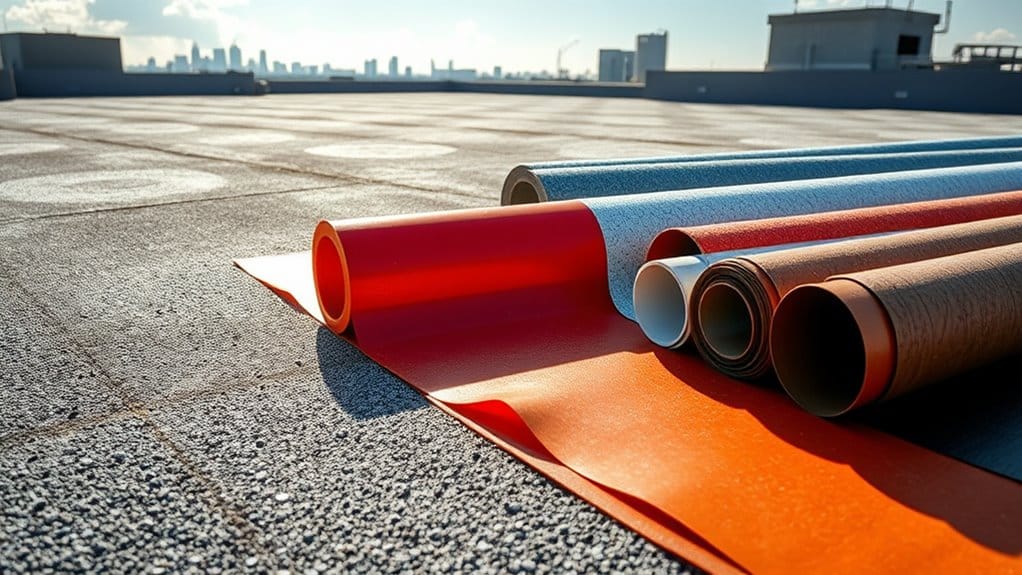
When choosing waterproofing materials for commercial roofing, it's important to know the different options available, as each serves specific purposes and offers unique benefits. The most common choices are single ply membranes and liquid applied coatings.
Single ply membranes, such as TPO, PVC, and EPDM, are known for their durability and resistance to weather. TPO stands out for its resistance to UV rays, while PVC is adept at handling heavy snow, expanding and contracting without cracking. EPDM is excellent for resisting harsh weather and chemicals. For pitched roofs, polymer-modified bitumen membranes provide effective underlayment. Additionally, single-ply systems are factory-manufactured under strict quality control to ensure reliability, which enhances their long-term performance and energy efficiency.
In contrast, liquid applied coatings offer flexibility and seamless protection. Elastomeric coatings conform well to irregular roof shapes, ensuring full coverage. Polyurethane coatings are tough yet elastic, making them suitable for areas with temperature fluctuations. Silicone coatings perform well in wet conditions, resisting standing water, while acrylic coatings are highly elastic and capable of bridging cracks. Cement-based coatings are quick to apply, making them ideal for smaller areas.
To choose the right waterproofing material, consider your specific needs and environmental conditions to ensure lasting protection for your commercial roofing investment.
Commercial Waterproofing Strategies
Effective waterproofing strategies are essential for preserving the integrity of commercial roofs. It's crucial to use waterproofing technologies that not only prevent leaks but also protect against structural damage, mould growth, and pest infestations.
Start with elastomeric coatings and polyurethane or bitumen coatings for maximum flexibility. Ensure proper flashing and seam sealing, and consider using PVC membranes for strong protection against water ingress. Commercial waterproofing is integral to maintaining the longevity of the building. Additionally, incorporating regular inspections can help identify and address any potential weaknesses in the waterproofing system before they escalate into significant issues.
Regular maintenance is key; conduct inspections to catch potential leaks early and assess the effectiveness of your waterproofing systems. This proactive approach helps prevent premature material deterioration and extends the lifespan of your roof, contributing to the overall longevity of the building.
For exterior walls, apply sealants and waterproof paints, and ensure caulking around windows and expansion joints to bolster protection. Select materials that are durable, flexible, and compatible with existing structures, while ensuring UV resistance for outdoor use.
Finally, install well-designed drainage systems to effectively manage water around your building, preventing accumulation and pooling. Proper gutter maintenance is essential to ensure that water is directed away from the roof and foundation, reducing risks associated with water damage.
Choosing the Right Contractor
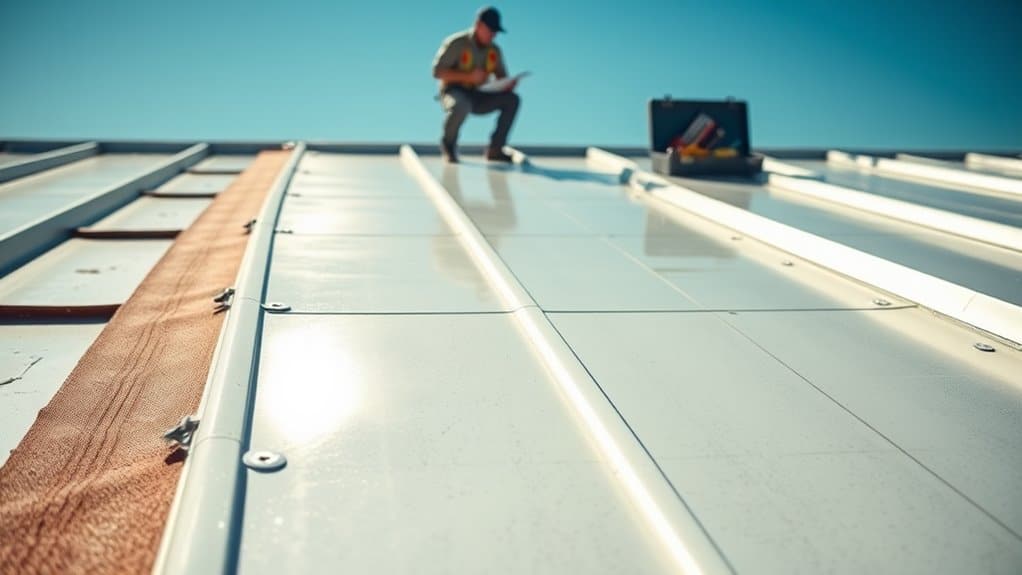
After implementing effective waterproofing strategies, the next crucial step is choosing the right contractor to carry them out. Selecting the right contractor can greatly influence your project's success.
Here are four key factors to consider:
- Licensing Requirements: Ensure the contractor holds the necessary general licenses and specific waterproofing certifications, such as CWS or CWWS, to comply with local building regulations.
- Experience and Reputation: Seek contractors with a solid track record in waterproofing projects similar to yours. Check their portfolio and request references from the past five years, as this will help you gauge their project scope capabilities.
- Communication and Transparency: Opt for contractors who communicate openly and professionally. They should provide clear details about processes, timelines, and any potential challenges.
- Insurance and Professional Associations: Confirm that the contractor has valid insurance for waterproofing work. Membership in professional organisations can also indicate reliability and quality assurance.
Environmental Impact
When considering the environmental impact of waterproofing in commercial roofing, it's essential to choose eco-friendly materials that reduce pollution.
By opting for sustainable solutions, you cut down on resource use and ensure compliance with environmental standards. This not only fosters a healthier ecosystem but also enhances the durability and efficiency of your roofing system.
For instance, using recycled or locally sourced materials can significantly lessen your carbon footprint. Additionally, selecting materials with long lifespans can further minimize the need for replacements, reducing waste and resource consumption over time.
Eco-Friendly Material Options
Choosing eco-friendly materials for commercial roofing boosts sustainability and meets modern environmental standards. By selecting sustainable roofing solutions, you can significantly lessen your building's environmental impact.
Here are some eco-friendly options to consider:
- EPDM Roofing: This synthetic rubber is durable, low maintenance, and cost-effective, making it an excellent choice for reliable leak protection.
- TPO Roofing: Renowned for its durability and energy efficiency, TPO is resistant to tears and UV rays, making it ideal for flat commercial roofs.
- Sustainable Waterproofing Materials: Seek out options with environmental certifications like BREEAM or Green Seal. Opt for low-VOC products to reduce air pollution.
- Bio-Based and Recycled Materials: These materials lessen reliance on fossil fuels and often offer superior insulation, improving energy efficiency.
Reduced Resource Consumption
Choosing eco-friendly materials not only boosts sustainability but also significantly cuts down on resource consumption in commercial roofing. By investing in high-quality waterproofing solutions, you can prolong the roof's lifespan, which helps conserve resources. This strategy reduces the need for frequent roof replacements and repairs, leading to less waste from discarded materials.
Additionally, using durable materials enhances longevity, which decreases the environmental footprint linked to the production and transportation of new roofing supplies.
| Benefit | Description | Impact on Resources |
|---|---|---|
| Extended Lifespan | Reduces the need for regular replacements | Less waste, lower resource use |
| Energy Efficiency | Improves thermal integrity, reducing energy consumption | Conserves energy resources |
| Waste Reduction | Encourages recyclable materials and refurbishment efforts | Lowers landfill contributions |
Compliance With Green Standards
Compliance with green standards is vital in today's construction industry, and waterproofing is a key aspect of this.
By implementing effective waterproofing solutions, you not only support environmental sustainability but also ensure regulatory compliance and work towards green certifications.
Here are four key benefits of waterproofing in relation to green standards:
- Resource Conservation: Good waterproofing reduces the need for regular repairs, saving roofing materials and cutting down on waste.
- Environmental Alignment: Using eco-friendly waterproofing materials helps you comply with environmental regulations, preventing damage to the ecosystem and promoting sustainability.
- Indoor Air Quality: Waterproof coatings with low VOCs improve indoor air quality, leading to healthier living and working spaces.
- Stormwater Management: Effective waterproofing systems help control stormwater runoff, aligning with regulations aimed at reducing urban flooding.
Maintenance and Inspection Practices
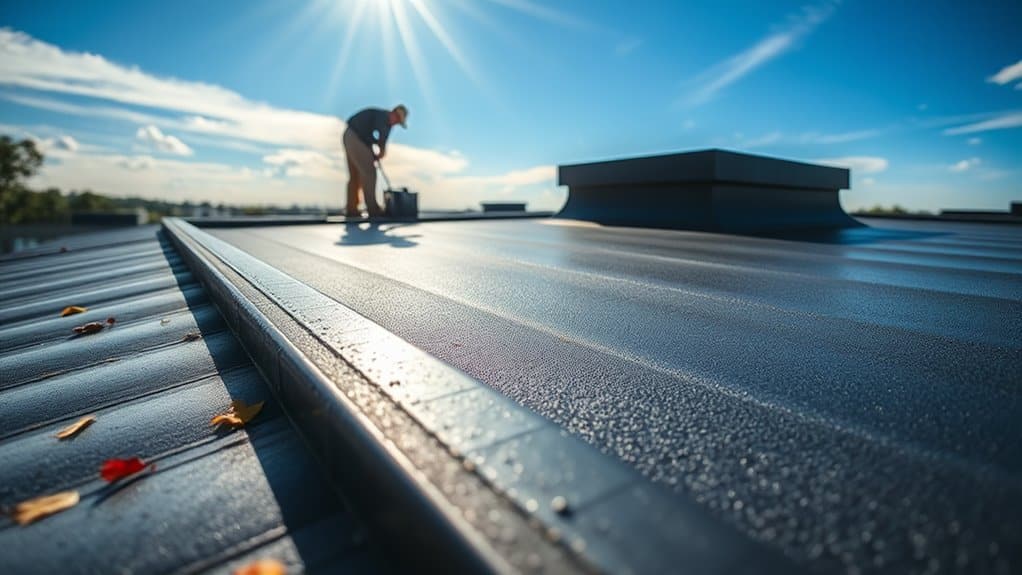
To ensure your commercial roof remains in good condition, set up a regular inspection schedule. This will help you spot leaks early and take action before they turn into expensive repairs.
Regular Inspection Schedule
Regular inspections are essential for maintaining the integrity of your commercial roof.
Setting up a consistent inspection schedule helps prevent minor issues from turning into expensive repairs.
Here's how to approach it effectively:
- Schedule inspections twice a year in spring and autumn to identify potential problems early.
- Carry out inspections after storms to check for any damage from severe weather.
- Use an inspection checklist that includes looking for leaks indoors and clearing debris from drains, gutters, and downpipes.
- Keep detailed records of your findings to assist with insurance claims and future maintenance plans.
Early Leak Detection
Early leak detection is crucial for maintaining the functionality and lifespan of your commercial roof. Advanced methods like infrared thermography and electronic leak detection (ELD) help identify moisture intrusion before it becomes a serious issue.
Infrared thermography detects temperature differences on the roof's surface, indicating trapped moisture, while ELD uses low-voltage electrical currents to locate breaches in your waterproofing system.
Regular moisture assessments, including moisture mapping and water testing, improve your ability to pinpoint specific leak locations. By applying water to suspected areas, you can directly identify leaks that might otherwise go unnoticed.
Adopting best practices, such as biannual inspections and prompt repairs of minor issues, can save you significant costs in potential repairs. These measures not only uphold your roof's integrity but also extend its lifespan and minimise operational disruptions.
Working with professional contractors ensures the use of specialised equipment and techniques suited to your roof type and local climate.
Ultimately, early leak detection is essential for maintaining a safe and efficient operational environment.
Frequently Asked Questions
How Often Should Commercial Roofs Be Waterproofed?
It's advisable to inspect and reapply waterproofing on commercial roofs every 5 to 10 years as part of regular maintenance. Factors such as climate, roof type, and building materials should influence how often you do this. For instance, roofs in areas with heavy rainfall may require more frequent checks and applications to ensure optimal protection and longevity.
What Are the Signs of Waterproofing Failure?
Signs of waterproofing failure can be spotted through leak detection methods, such as noticing water stains or visible cracks. A moisture assessment may reveal blisters, delamination, or even the growth of plants, all of which suggest the need for immediate action to prevent further damage and potential health risks.
Can Waterproofing Be Applied in Winter?
Yes, you can apply waterproofing in winter, but there are some challenges to consider. It's important to select materials that are suitable for cold weather, ensure surfaces are dry, and adhere to specific guidelines. For example, using a waterproof membrane designed for low temperatures can help with effective adhesion and durability.
How Does Waterproofing Affect Property Insurance Rates?
Waterproofing has a significant effect on your property insurance rates. By investing in waterproofing measures, you can lower the risk of water damage, which often leads to insurance discounts. Insurers typically offer reduced premiums for properties with effective waterproofing, as this helps minimise potential claims related to water damage. For example, a home with a waterproof basement is less likely to suffer from flooding, making it a lower risk for insurers.
Are There Warranties for Waterproofing Services?
Yes, you can obtain warranties for waterproofing services, but it's essential to read the details carefully. While waterproofing offers significant advantages, warranty limitations can catch you out if you're not informed. For instance, some warranties may only cover specific issues or have time restrictions, which could leave you without support when you need it most. Always check the fine print to ensure you're fully protected.
Conclusion
In summary, prioritising waterproofing in your commercial roofing ensures durability, improves energy efficiency, and protects your investment. By choosing the right materials and effective methods, you guard against leaks and damage. Hiring a skilled contractor guarantees quality installation, while regular maintenance and inspections keep your roof in top condition. Remember, a well-protected roof today means fewer problems tomorrow. Invest wisely and maintain regularly to secure lasting peace of mind for your property.


